June 30, 2026
The Ontario SPCA reminds pet parents to take precautions as heat warning issued

IMMEDIATE RELEASE
Stouffville, ON (June 30, 2026) – With a heat warning issued for parts of the province, the Ontario SPCA and Humane Society is reminding pet parents to take precautions to help keep their animals safe. Extreme heat can pose serious health risks, including heat exhaustion and heatstroke, and animals rely on us to help protect them from dangerous temperatures.
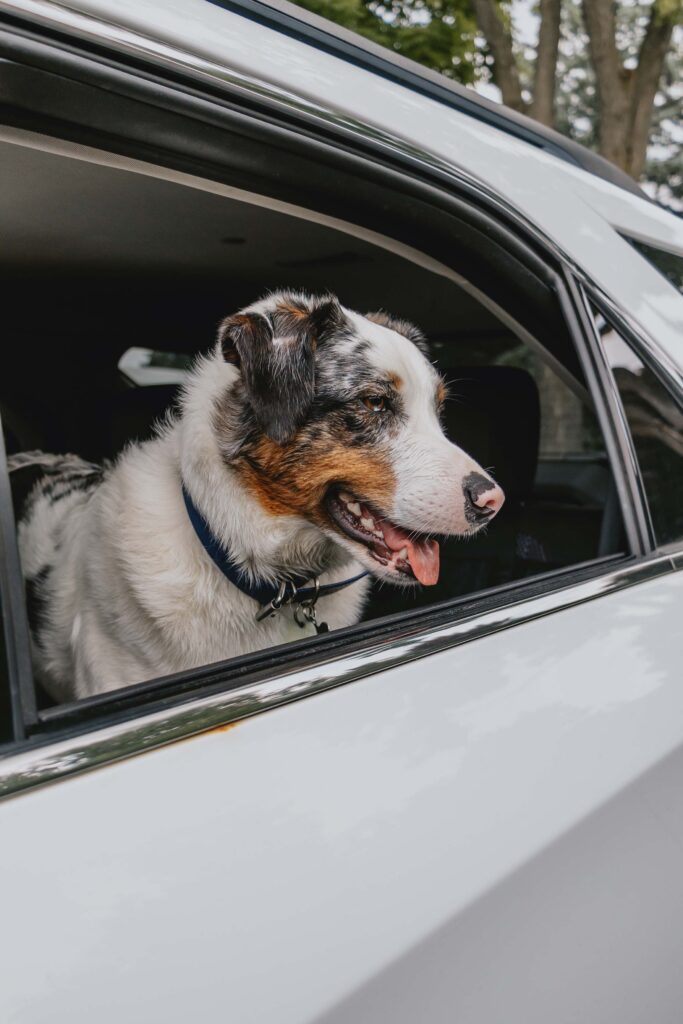
One of the most dangerous places for an animal during hot weather is inside a parked vehicle. Temperatures inside a vehicle can quickly climb, putting animals at risk of heatstroke within minutes. Even on mild days, in the shade, or with the windows down, a parked vehicle can quickly become deadly for an animal. The safest option is to leave pets at home where they can stay cool and comfortable.
As part of its No Hot Pets campaign, the Ontario SPCA and Humane Society is asking pet parents and animal lovers to take the No Hot Pets pledge, promising never to leave an animal unattended in a parked vehicle.
Hot weather can also be hazardous for animals outdoors. Make sure pets have access to fresh water, shade and a cool place to rest. Avoid strenuous exercise during the hottest parts of the day and be mindful that pavement and sand can become hot enough to burn paws. Consider walking dogs early in the morning or later in the evening when temperatures are cooler. Animals left outdoors without access to shade and fresh water are also at risk during periods of extreme heat.
“Hot weather can become dangerous for animals very quickly,” says Dr. Joey Tang, Medical Director of the Ontario SPCA and Humane Society. “By taking a few simple precautions, pet parents can help keep their animals safe, comfortable and cool during periods of extreme heat.”
Keep a close eye on your pet for signs of heat-related illness, which can include excessive panting, drooling, weakness, vomiting and difficulty breathing. Puppies, senior animals, brachycephalic breeds and animals with underlying health conditions may be especially vulnerable to the effects of extreme heat. If you suspect your pet is suffering from heatstroke, move them to a cool area and seek immediate veterinary attention.
If you’re worried about the safety of an animal, call the Government of Ontario’s Provincial Animal Welfare Services team at 1-833-9ANIMAL (1-833-926-4625) or contact your local police. In an emergency, call 911.
For more information about keeping animals safe during hot weather, or to take the No Hot Pets pledge, visit nohotpets.ca


##
Media Contact:
Media Relations
Ontario SPCA and Humane Society
905-898-7122 x 375
[email protected]
About the Ontario SPCA and Humane Society
The Ontario SPCA and Humane Society is a registered charity that has been changing the lives of animals for over 150 years. The Society provides care, comfort and compassion to animals in need in communities across Ontario. It values all animals and advocates to treat them with respect and kindness. The Society strives to keep pets and families together and does so through a variety of community support services, such as sheltering and adoptions, including emergency sheltering, feral cat management programs, animal transfers, food distribution, humane education, animal advocacy, and spay/neuter services.
The Ontario SPCA does not receive annual government funding and relies on donations to provide programs and services to help animals in need. To learn more, or to donate, visit ontariospca.ca. Charitable Business # 88969-1044-RR0002.
The Ontario SPCA and Humane Society Provincial Office sits on the traditional territory of the Wendat, the Anishinabek Nation, the Haudenosaunee Confederacy, the Mississaugas of Scugog, Hiawatha and Alderville First Nations and the Métis Nation. This territory was the subject of the Dish With One Spoon Wampum Belt Covenant, an agreement between the Iroquois Confederacy and the Ojibwe and allied nations to peaceably share and care for the resources around the Great Lakes. The treaties that were signed for this particular parcel of land are collectively referred to as the Williams Treaties of 1923.