August 18, 2026
How much exercise does your dog really need?
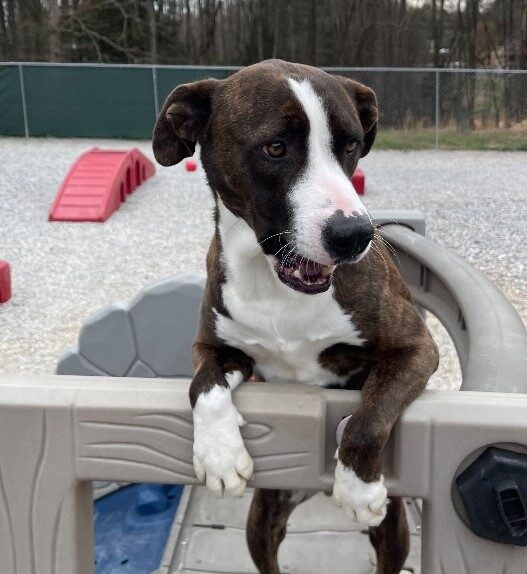

“Walk your dog every day” is solid advice, but it doesn’t tell the whole story. How much exercise your dog actually needs depends on a number of factors, and getting it right is important for their mental and physical health, as well as for their behaviour at home.
A general guideline
As a starting point, most adult dogs need somewhere between 30 minutes and 2 hours of physical activity per day. There’s a wide range for a reason, and the right amount for your dog depends on the factors below.
Factors that change how much exercise your dog needs
- Breed: High-energy working and herding breeds typically need significantly more exercise than lower-energy breeds like Bulldogs or Basset Hounds.
- Age: Puppies have bursts of energy, but tire quickly and shouldn’t be over-exercised, especially while their joints are still developing. Senior dogs often need gentler, shorter sessions, even if their enthusiasm suggests otherwise.
- Size: Smaller dogs can sometimes get adequate exercise in a smaller space, while larger breeds often need more room to move and longer outings.
- Weight: Dogs who are overweight benefit from shorter periods, more frequent periods of exercise to reduce strain on their joints and encourage weight loss.
- Health conditions: Arthritis, heart conditions, or respiratory issues (common in flat-faced breeds) can all affect how much activity is appropriate. When in doubt, check with your veterinarian.
- Individual personality: Just like people, some dogs are naturally more laidback, while others seem to have endless energy regardless of breed standards.
Signs your dog isn’t getting enough exercise
- Destructive chewing or digging
- Excessive barking
- Restlessness or pacing
- Difficulty settling down, especially in the evening
Signs your dog might be getting too much
- Excessive panting or fatigue after activity
- Limping or stiffness
- Reluctance to continue on walks
- Sore paw pads
It’s not just about quantity
Mental stimulation matters just as much as physical activity. A shorter walk filled with sniffing, exploring, and problem-solving (like a puzzle toy or short training session) can be just as tiring, and fulfilling, for your dog as a longer walk with no mental engagement.
When introducing or increasing your pet’s exercise routine, it’s important to take a gradual approach. Just like people, pets that have been inactive should slowly build up their activity levels to reduce the risk of injury and allow their muscles and joints to adapt. Once your pet is active, aim to keep their exercise routine as consistent as possible to support their overall health and mobility. Remember that exercise doesn’t have to be limited to walks; low-impact activities like swimming can be an excellent option, particularly for pets with joint conditions.
Always consider the weather when exercising your pet. In hot conditions, opt for cooler times of day and watch for signs of overheating, while in extreme cold, shorten outdoor sessions and take precautions to protect your pet from the elements.
The bottom line
There’s no single right answer to how much exercise a dog needs. Paying attention to your dog’s energy levels, behaviour, and physical condition will tell you more than any general rule of thumb. And as always, your veterinarian is a great resource if you’re ever unsure what’s right for your specific dog.
If this information was helpful, please help us continue to educate about pet health and well-being by making a donation. As a registered charity that does not receive annual government funding, the Ontario SPCA and Humane Society depends on the generosity of donors to change the lives of animals in need.