November 10, 2026
We remember: Stories of veterans and animals who served


We remember: Stories of veterans and animals who served
Nov. 11 is a day to remember, to reflect and to give thanks for the sacrifices of our veterans and the courageous animals who stood by their side in times of war. These animals may not have realized the magnitude of their contributions, but we will be forever grateful.
More than just companions
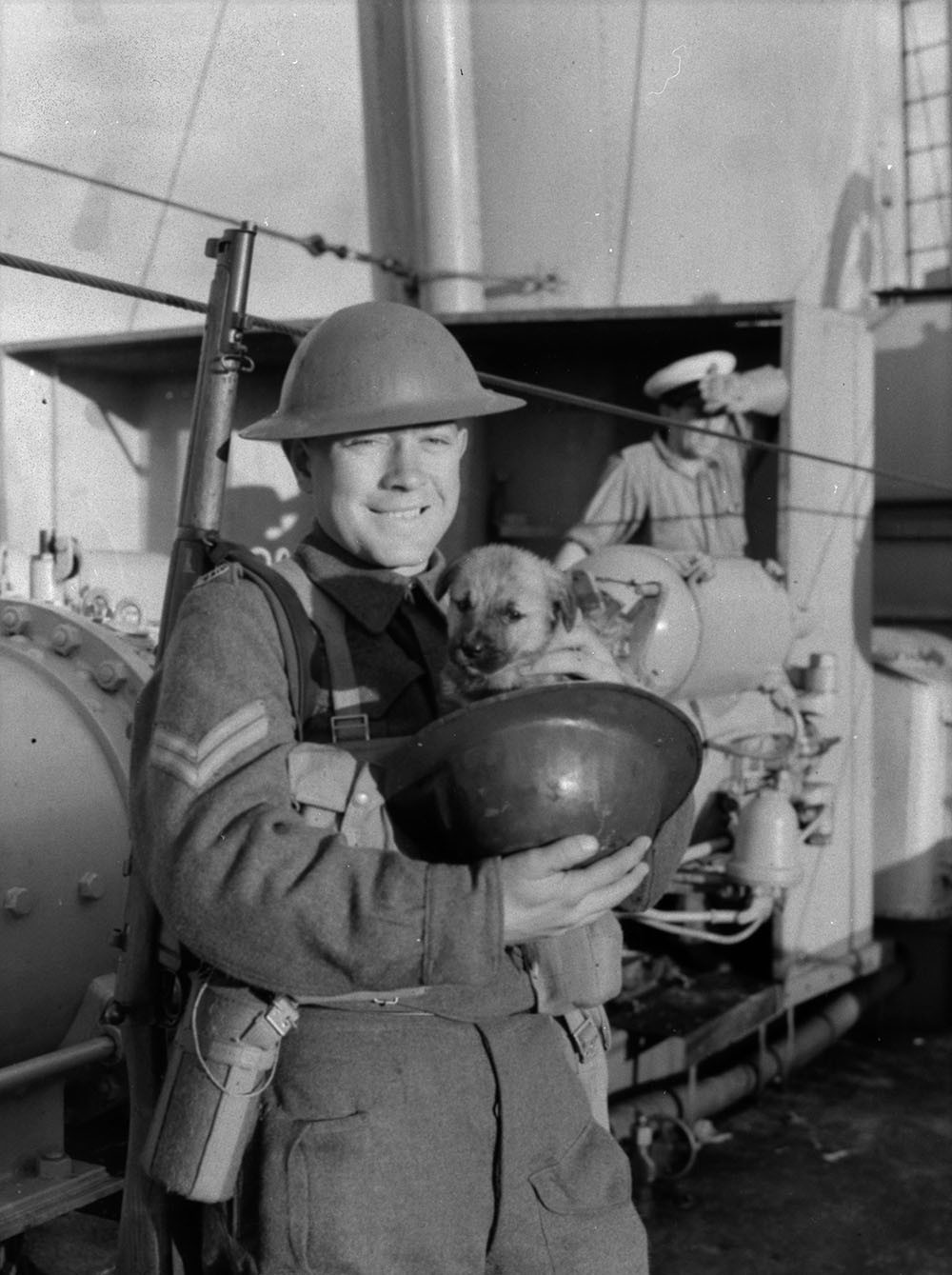
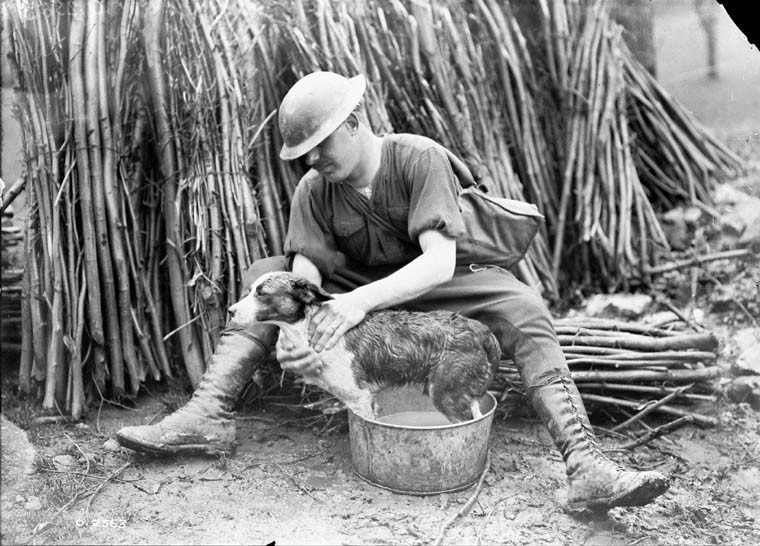
During wartime, dogs took on a variety of roles. Some served as mascots and companions, offering soldiers comfort and a connection to home amid the hardships of war. They also helped control rodent populations in the trenches.
Dogs were trained to carry written messages between military units and even transport telephone wires. Spools of wire were attached to their backs, allowing the wire to unroll as they moved. Their keen sense of smell also helped them detect dangerous gases, locate wounded soldiers on battlefields and carry medical supplies.
One remarkable Canadian dog was Sergeant Gander, a Newfoundland who served as the mascot of the Royal Rifles of Canada during the Second World War. In December 1941, during the Battle of Hong Kong, Gander picked up a grenade that had landed near a group of wounded Canadian soldiers and ran away with it. The grenade exploded, killing Gander but saving the lives of seven soldiers.
In 2000, Gander was posthumously awarded the Dickin Medal for his bravery. His story is a powerful reminder of the courage and sacrifice of animals who served alongside military personnel. Learn more about Sergeant Gander.
Mascots and protectors
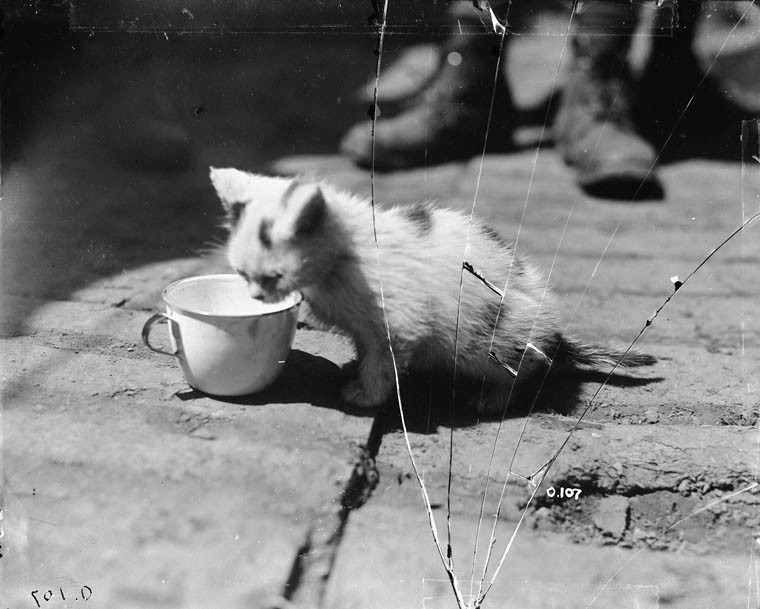
Like dogs, cats served as companions and mascots during wartime. Aboard naval ships, they helped control rodent populations, protecting food supplies and preventing rodents from damaging communication lines. Their presence also helped reduce the risks associated with rodents spreading disease.
For sailors spending long periods away from home, cats could provide companionship and comfort amid the uncertainty of war. Their roles aboard ships are one example of how animals contributed to daily life and the well-being of service members.
Read more about the role of cats in wartime in our blog, The incredible accomplishments of cats during war.
Brave messengers of the skies
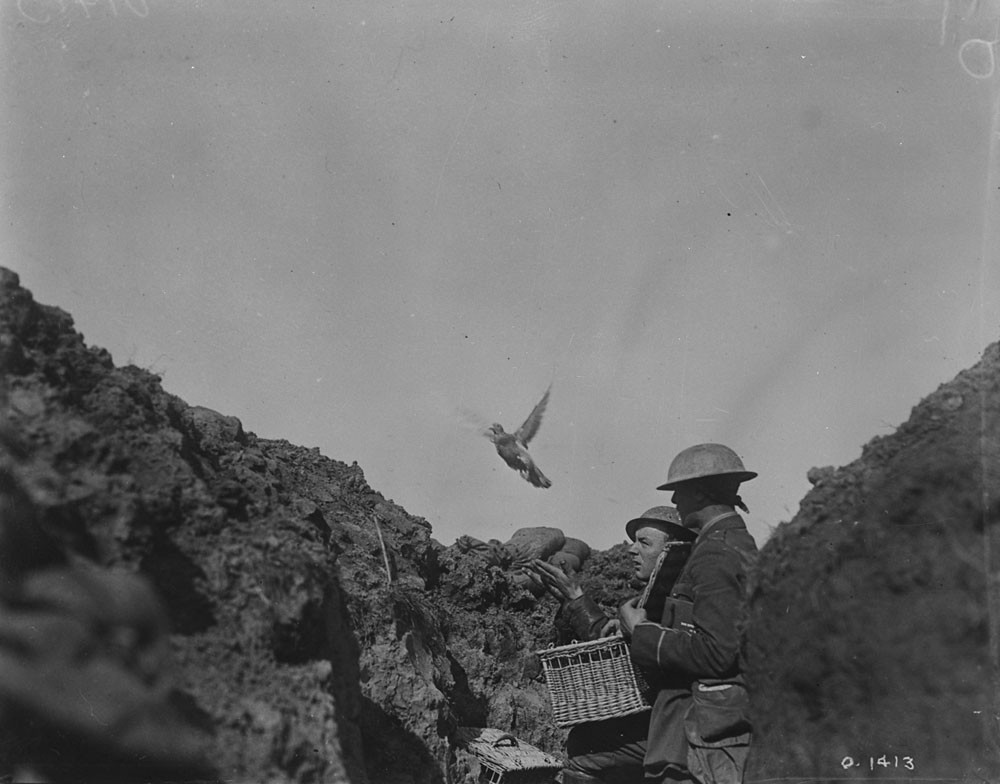
During both World Wars, carrier pigeons delivered vital messages across enemy lines. These birds faced considerable danger, flying long distances through unpredictable weather and areas where enemy fire threatened their journeys.
During the Second World War, Canadian forces relied on carrier pigeons to communicate when other methods were unavailable or unreliable. One notable example was Beachcomber, a pigeon who carried news of the Canadian landings at Dieppe in August 1942. Despite the danger, Beachcomber completed the journey and was later awarded the Dickin Medal for bravery.
Read more about Beachcomber’s efforts.
Battling side by side
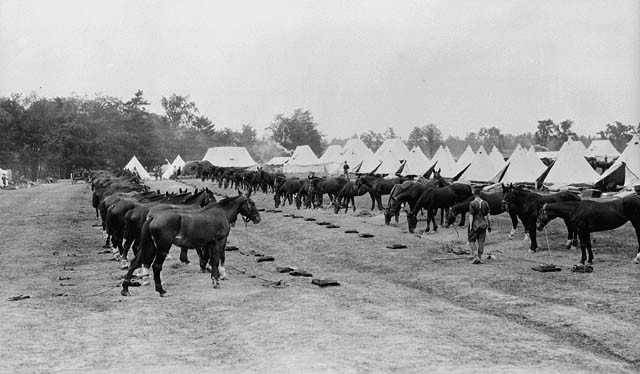
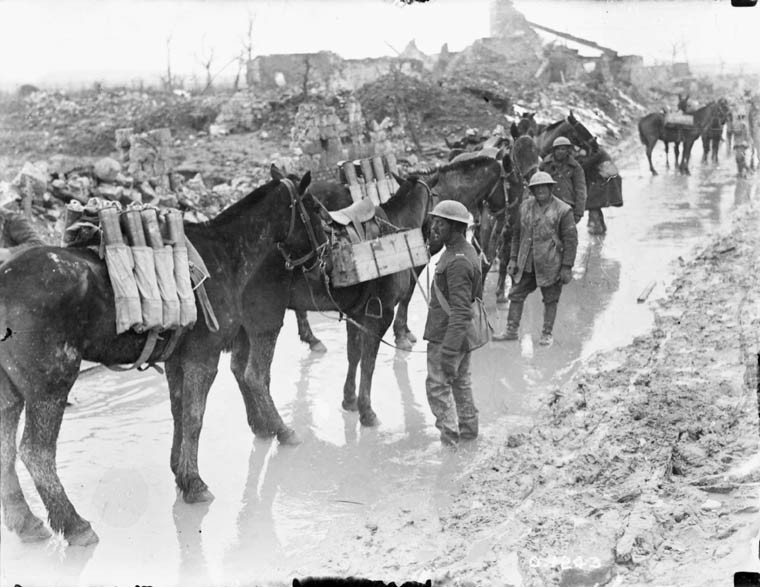
Horses and mules were essential to military operations during both World Wars. They transported troops, hauled field guns and carried ammunition, food and other supplies across difficult terrain. The Canadian Army Service Corps relied on these animals to move equipment and supplies where motorized vehicles could not easily travel.
Their work often took place under harsh conditions, and many animals faced exhaustion, injury and the dangers of the battlefield. Their contributions helped support military operations and the people who depended on them.
Read more about Morning Glory, Canada’s war horse.
Animals continue to serve
The bond between people and animals in military service did not end with the World Wars. Specially trained dogs continue to work alongside military personnel today, using their keen senses to support vital operational tasks.
Their work is a reminder that animals continue to play a valuable role in supporting the safety and well-being of people who serve.
Remembering those who served
This Remembrance Day, we honour the people who served and the animals who stood beside them. From dogs who protected soldiers and searched for the wounded to pigeons who carried vital messages and horses who transported essential supplies, these animals played important roles during wartime. Their contributions are forever remembered at the Animals in War dedication in Ottawa.
Today, we pause to remember and honour the courage, loyalty and sacrifices of the people and animals who gave so much. Every boot, paw, and hoof print they left behind are forever imprinted in our history, and in our hearts.
We will never forget.