February 27, 2026
Tips for exercising pets during the winter months
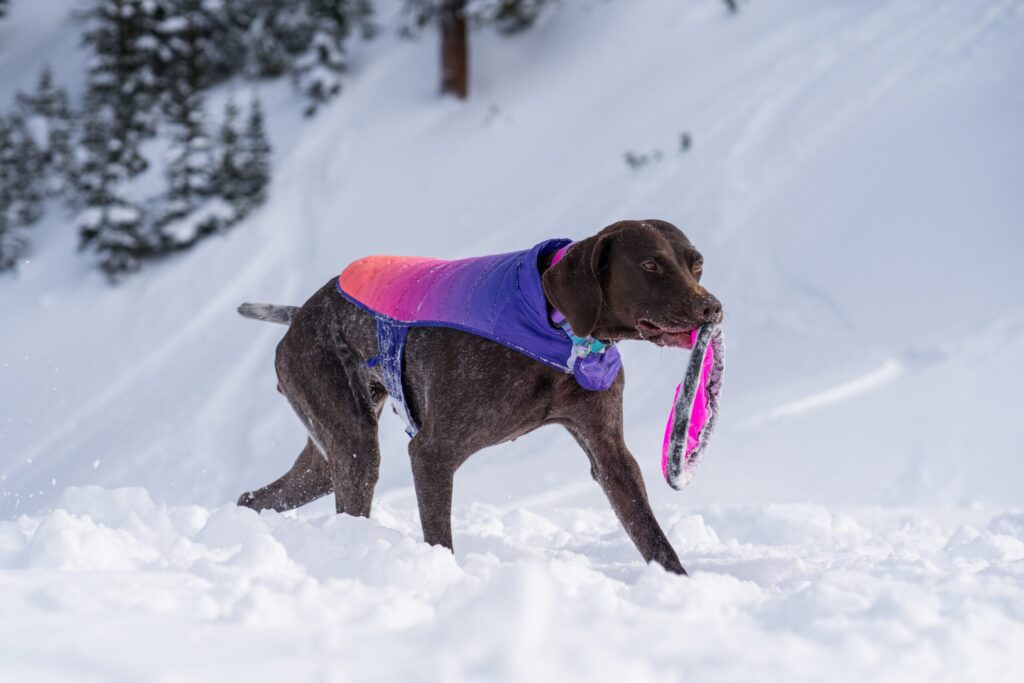

While maintaining your dog’s exercise requirements during the winter is important, it’s a good idea to cut your walk short and supplement your furry friend’s exercise with some indoor activities for dogs when conditions are especially cold.
Here are some helpful tips for enjoying outdoor exercise with your furry friend!
Remember: You shouldn’t wait to see the first signs of discomfort before calling your walk quits. If you think it’s too cold for you, then it’s too cold for your dog.
Helpful tips to safely enjoy the outdoors this winter:
- When bathing your furry friend during winter months, ensure they are completely dry before taking them out for a walk.
- Know your animal’s unique needs – puppies and short-coated dogs are particularly vulnerable in cold temperatures. Some dogs, especially short-coated breeds, puppies and elderly dogs may benefit from a dog sweater or coat as an extra layer of warmth. But even with winter clothing, animals should only be outside for short periods during extreme cold.
- Vehicles can pose a danger to animals in the winter months. Leave your animal at home where they are warm and safe when you’re running errands. Vehicles cool down quickly and don’t hold in body heat, which can lead to animals suffering from cold stress, hypothermia or frostbite.
- Be aware of animals like cats hiding under vehicle hoods to get warm. When the engine is started, the cat can be injured or killed by the fan belt. Make a point of knocking on the hood or sounding the horn before starting your car to warn any cats who may be hiding.
- Watch for wintertime chemicals that can harm your animal. Keep an eye out for antifreeze, or other automotive leaks in your driveway. Antifreeze has a sweet taste that can be attractive to animals and can be fatal if ingested. After walks, use a damp towel to wipe your furry friend’s paws and underside.
- Salt and other chemicals used to melt snow and ice on roads and sidewalks can irritate and burn your pet’s sensitive paws and can cause illness if ingested. We recommend wiping your pet’s paws and underside with a damp towel after coming in from outside to keep them healthy and safe.
- You can remove ice balls by placing your furry friend’s feet in warm (not hot) water before drying them off with a towel. Consider using properly fitted “booties” to protect your companion animal’s paws.
- Be cautious if your dog is off leash, especially during a snowstorm, as dogs can lose their scent and easily become lost.
With these tips in mind, have a fun and safe winter with your furry friend!
If this information was helpful, please help us continue to educate about pet health and well-being by making a donation. As a registered charity that does not receive annual government funding, the Ontario SPCA and Humane Society depends on the generosity of donors to change the lives of animals in need.