April 3, 2026
How to prepare for a kitten
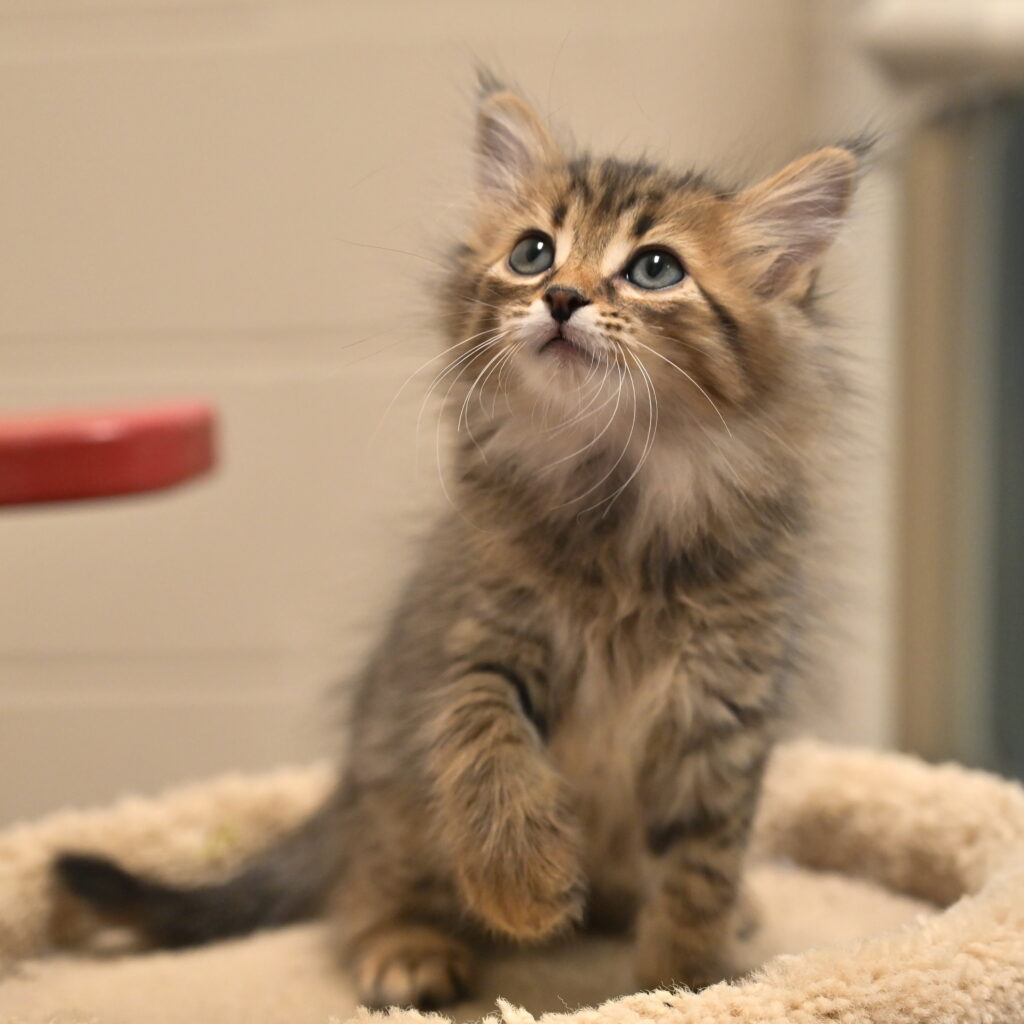


Moving to a new home is a big change for your kitten. To help them settle and stay safe in their new environment, it’s really important to get prepared. Royal Canin will be with you every step of the way, starting with this comprehensive overview.
Getting ready for your kitten
There’s a lot to do to ensure you’re ready for the arrival of your new kitten. As well as buying the right equipment, you’ll need to prepare your home and family too. When thinking about how to prepare for a new kitten, key things to consider are:
- Kitten-proofing your home
- Buying the right kitten kit, such as a carrier, litter box, and toys
- Finding a veterinarian
- Choosing appropriate kitten food – you can discuss this with your breeder, shelter or veterinarian
- Preparing your family, pets, and visitors for your new addition
Prepare your house for a kitten
Kittens love to climb, explore, and hide. So it’s crucial to do some safeguarding in your home before you bring your kitten to make sure it’s safe for them. Here’s our checklist to help you prepare.
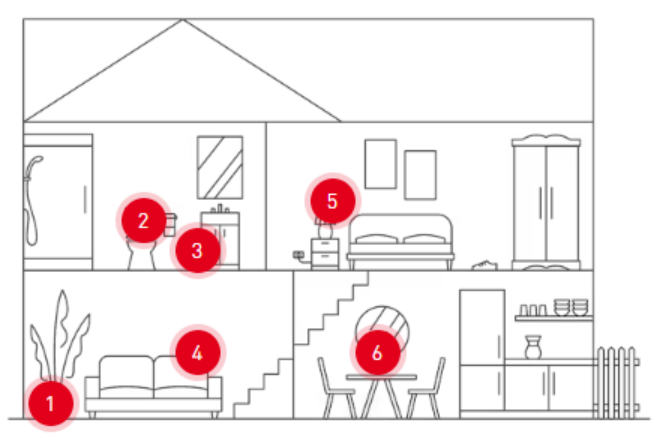
1.Toxic houseplants
There are some houseplants, like lilies, for instance, that can be toxic to your cat. Ask your veterinarian for a full list and, ideally, remove them from the house before the arrival of the kitten. See the ASPCA for a list of all toxic plants for your kitten.
2.Toilets and wastebaskets
To prevent your kitten from falling into your toilets or wastebaskets, make sure you keep the lids down. Also, keep your kitten away from any type of discarded string as they may become tangled in them or swallow them.
3.Dangerous substances
Make sure medicines, cleaning products, and other toxic substances are stored away safely. For example, some flea treatments for dogs are dangerous for cats and antifreeze is particularly lethal for them. See the ASPCA for a list of all toxic household substances.
4.Hiding places
Kittens tend to hide in places like laundry baskets, dryers, and under furniture. Spot the places where your kitten’s likely to hide and either block them off or be careful as you move around your home to make sure they don’t get trapped.
5.Electrical cables and outlets
To prevent your kitten from chewing on cables or getting tangled in wires, hide them away by using covers or cable ties. Remember to shield electrical outlets with covers.
6.Poisonous foods
Some of the foods that are healthy or enjoyable for humans can be poisonous for cats or cause digestive issues. These toxic foods include, but are not limited to, onions, garlic, raw eggs, raw meat, chocolate, cow’s milk, grapes, and raisins. So keep your food out of your kitten’s reach and make sure your family knows they should only feed them kitten food. See the ASPCA for a full list of all harmful foods for your kitten.