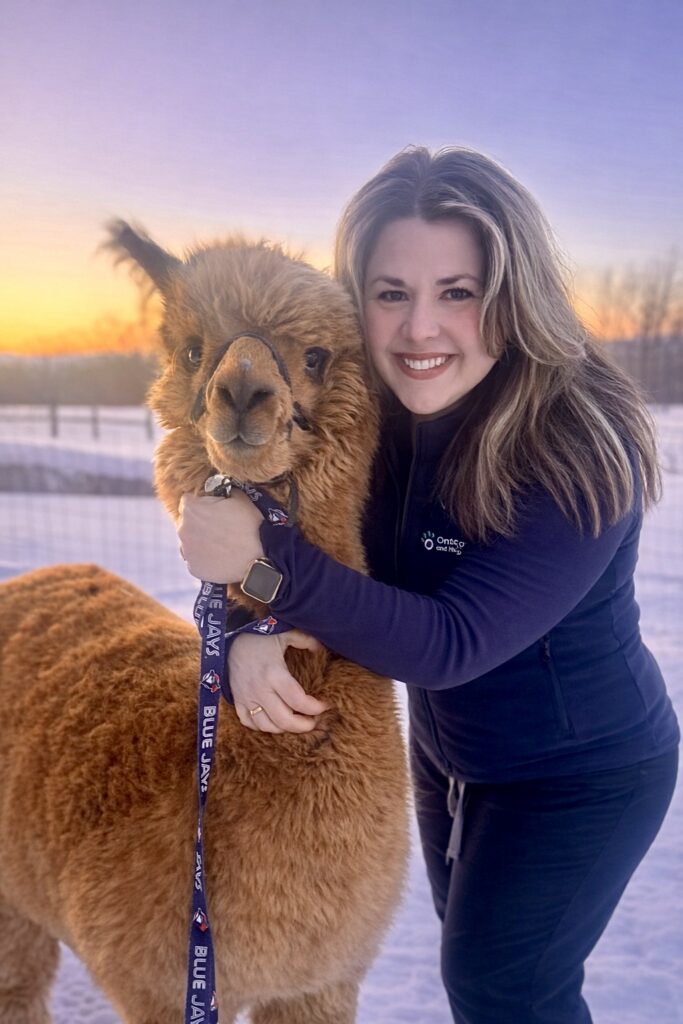
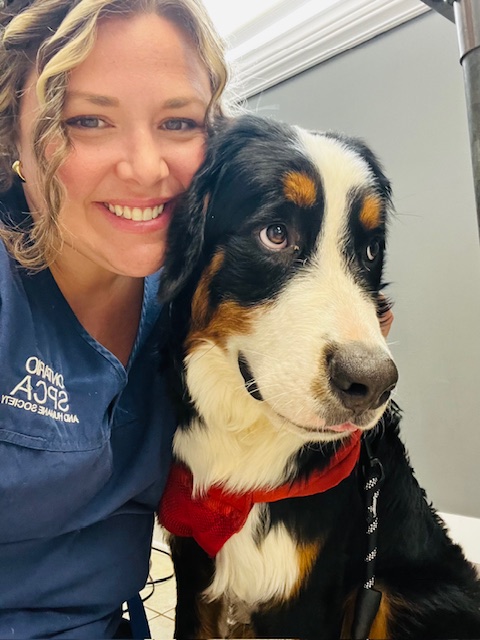
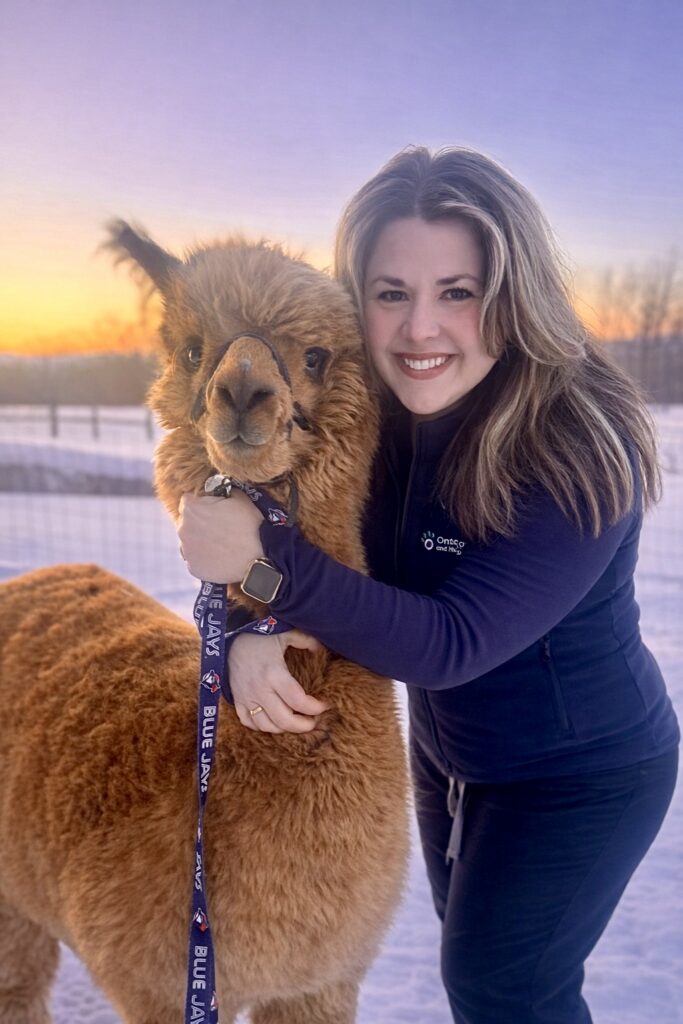
We’re excited to share that Krystal Abbott has stepped into the role of manager at the Ontario SPCA and Humane Society Orillia and District Animal Centre.
Krystal takes over the manager position from Janna Handiak, who has stepped into the role of Operations Manager of the Ontario SPCA and Humane Society Barrie and District Animal Centre and the Ontario SPCA and Humane Society Marion Vernon Memorial Animal Clinic.
A next chapter in animal welfare
For Krystal, this new chapter is more than a career milestone; it’s the natural next step in a journey shaped by compassion, dedication, and a lifelong love of animals. In high school, Krystal volunteered at her local animal centre and, nearly four years ago, she joined the Ontario SPCA and Humane Society as a career driven by a desire to help animals in need. Since then, she has grown with the organization, moving through roles in animal care, then coordinator, and now into leadership.
A role rooted in compassion
In her new role, Abbott looks forward to deepening connections within the Orillia community and continuing to help give animals in need a second chance by matching them with the perfect family.
“Animals are truly my life, both at work and at home,” says Krystal.
Her greatest motivation comes from providing compassionate care and advocating for animals who need it most, especially those who may be harder to adopt. Krystal believes that patience, empathy, and education can make all the difference in helping animals find their second chance.
“I truly believe every animal deserves the chance to be part of a loving family,” she says. “That belief drives me every day.”
Care beyond her career
Outside of work, Krystal’s life is just as full of animals and love. She lives on a farm in Oro-Medonte with her husband, whom she’s been married to for nearly 19 years, and their three children. Their home is shared with three dogs, four cats, two rabbits, and six alpacas.
“Family, farming, and animals are at the heart of everything we do,” she says.
We’re thrilled to have Krystal leading the Orillia and District Animal Centre and look forward to the care, dedication, and heart she brings to this role and to the many lives she’ll continue to impact.
IMMEDIATE RELEASE
Orillia, ON (Feb. 9, 2026) – The Ontario SPCA and Humane Society is pleased to welcome Krystal Abbott as the new manager of the Ontario SPCA and Humane Society Orillia and District Animal Centre.
Abbott steps into the role after nearly four years with the organization, bringing a deep-rooted passion for animal well-being and a strong understanding of compassionate, community-based care. Her journey with the Ontario SPCA began as a volunteer, where she quickly discovered her calling to support animals in need. From there, she progressed through roles in animal care, coordinator, and now manager.
“Animals are truly my life, both at work and at home,” says Abbott. “My greatest motivation comes from providing compassion and care, and advocating for those who need it most, especially harder-to-adopt animals.”
In her new role, Abbott looks forward to deepening connections within the Orillia community and continuing to help give animals in need a second chance by matching them with the perfect family.
“I truly believe every animal deserves the chance to be part of a loving family,” she says. “That belief drives me every day.”
Outside of work, Abbott lives on a farm in Oro-Medonte with her husband and their three children. Their household includes three dogs, four cats, two rabbits, and six alpacas.
“Family, farming, and animals are at the heart of everything we do,” she says.
The Ontario SPCA looks forward to Abbott’s leadership and dedication as she begins this next chapter at the Orillia and District Animal Centre.
Abbott takes over the manager position from Janna Handiak, who has stepped into the role of Operations Manager of the Ontario SPCA and Humane Society Barrie and District Animal Centre and the Ontario SPCA and Humane Society Marion Vernon Memorial Animal Clinic.
To learn more, visit ontariospca.ca/orillia
##
Media Contact
Media Relations
Ontario SPCA and Humane Society
905-898-7122 x 375
The Ontario SPCA and Humane Society
The Ontario SPCA and Humane Society is a registered charity that has been changing the lives of animals for over 150 years. The Society provides care, comfort and compassion to animals in need in communities across Ontario. It values all animals and advocates to treat them with respect and kindness. The Society strives to keep pets and families together and does so through a variety of community support services, such as sheltering and adoptions, including emergency sheltering, feral cat management programs, animal transfers, food distribution, humane education, animal advocacy, and spay/neuter services.
The Ontario SPCA does not receive annual government funding and relies on donations to provide programs and services to help animals in need. To learn more, or to donate, visit ontariospca.ca. Charitable Business # 88969-1044-RR0002.
The Ontario SPCA and Humane Society Orillia and District Animal Centre is located on the traditional territory of the Anishinaabeg. The Anishinaabeg include the Ojibwe, Odawa, and Pottawatomi nations, collectively known as the Three Fires Confederacy.
We all know that pets make our world a better place. They provide us with many positive things, and most of us cannot imagine our lives without our pets.
But let’s face it, as with everything, there are sometimes things we enjoy a little less about pet ownership. Maybe it’s having to pick up your pet’s poop. Maybe it’s having to vacuum up all the hair they leave around. Or maybe it’s the bad breath coming from that mouth as you try to sneak in your morning cuddles. Talk about morning breath, right?
Bad breath and dental disease are common! Up to 90% of dogs are diagnosed with dental disease, and this can have detrimental effects on the overall health of our pets! Fortunately, dental disease is also preventable and – in its early stages – reversible.
So, what can we do to reduce the risk of dental disease?
Veterinary Care
First, if you are concerned your dog has dental disease, it’s time to visit your veterinarian! A good oral examination involves a preliminary assessment of the teeth, looking for signs of tartar, gingivitis, oral masses, and broken or loose teeth.
However, if you’ve ever tried looking in your dog’s mouth, you’ll know they aren’t always cooperative. That is why a comprehensive oral health assessment and treatment should be performed under general anesthesia by a veterinarian. Your veterinary team can inspect all oral tissues, scale and polish the teeth, evaluate the spacing between the gums and the teeth, and perform any necessary treatment (such as removal of diseased and painful teeth).
Brushing
Have you ever experienced that fuzzy feeling on your teeth? That’s plaque, which starts to form on teeth within 20 minutes of eating. Brushing helps remove plaque, which if left unchecked will harden to form tartar. You may have seen this solid, egg shell-like material on your dog’s teeth. Tartar develops five times faster in dogs than it does in humans, so prevention is key!
So how often should we brush our pet’s teeth? Just like in humans, daily brushing is the most effective way to help remove plaque and prevent tartar.
When should we brush? Brushing removes plaque, not tartar. If your dog has advanced dental disease and you can see tartar, brushing will not be effective in removing this hardened material. After you dog has been seen by a veterinarian and their teeth are nicely cleaned up, brushing will be an excellent step in keeping those teeth as pearly white as possible.
If possible, try to introduce brushing to puppies. Even though they do not get their adult teeth until 4-6 months of age, it is important for them to become comfortable with the process. Older dogs can also be introduced to teeth brushing, just be sure to go slowly and use lots of praise or treats to keep the experience a positive one.
For help on introducing teeth brushing to your dog, check out our step-by-step guide.
Nutrition – Diets, Chews and Other Products
While teeth brushing is one of the best things we can do to help slow down the progression of dental disease in our dogs, we know that most pet parents struggle to do this daily. In fact, almost half of pet parents never brush their dog’s teeth!
As a result, many different products have emerged to help us manage the risk of dog dental disease. Oral care diets and treats can contribute to the mechanical removal of plaque through the shape, size and texture of the product. But not all chewing is equal when it comes to dental prevention! Antlers or hard chew toys such as nylon bones can fracture teeth. Check for excessive treat hardness by attempting to dent the treat with your fingernail. If you can’t dent it, it’s too hard for your dog’s teeth!
What about kibble? If a kibble shatters the moment a dog’s teeth crunches down, there will be little benefit. However, if the kibble is designed with the proper size, shape and density, the tooth will penetrate the kibble and experience a “brushing” action as the kibble glides up against the tooth surface. Diets and chews can also contain additives to help reduce the accumulation of plaque and tartar.
Arm yourselves with your toothbrushes and let’s help care for our dog’s teeth! By taking a few active steps, we can help keep our dogs’ mouths as fresh as possible – perfect for those morning cuddles!
References
1. Stella et al (2018). PLoSONE 13(1)
2. Dupont, GA (1998). Vet Clin North Am Sm Anim Pract 28(5)
3. Ipsos Reid (2015)
Cupcake Day for the Ontario SPCA might seem like all sprinkles and smiles – and it is! But behind every batch you bake is a life changed. When you support Cupcake Day, you’re helping animals like Chacha get the second chance they deserve.
Chacha came into the care of one of our Ontario SPCA animal centres after she and her two siblings were found hiding in the garage . They were only six weeks old.
While her littermates began to thrive and, little Chacha had some swelling and pain around her elbow, making it painful for her to walk. X-rays revealed that the bone in her elbow was eroded, possibly due to an infection, past injury, or a condition she was born with. But, after some serious TLC and a round of antibiotics, Chacha was on the mend!
Thanks to your support, Chacha received the critical care she needed and moved into a loving forever home! Now, Chacha can live a comfortable, pain-free life with her new fur-ever family.
Every happily-ever-after begins with someone like you deciding to take action. Cupcake Day isn’t just about delicious treats – it’s about hope, healing, and second chances.
Do something sweet and help write the next happy ending. Register for Cupcake Day 2026 at cupcakeday.ca and bake a difference for animals in need.
Our animal companions can’t tell us when something hurts, but that doesn’t mean they aren’t experiencing pain. Dogs, cats, and other animals often instinctively hide discomfort, which can make it difficult for guardians to recognize when something is wrong. Learning to spot the subtle signs of pain can make a life-changing difference for your pet’s health and wellbeing.
Changes in behaviour
Changes in behaviour are often one of the first indicators. A normally social animal may become withdrawn, irritable, or unusually aggressive. Conversely, a typically independent animal may suddenly seek constant attention or reassurance. If your pet seems “not quite themselves,” it’s worth paying closer attention.
Shifts in activity or mobility
Shifts in activity or mobility can also signal discomfort. Limping, stiffness when standing or lying down, reluctance to climb stairs or jump, sleeping more or decreased interest in walks and playtime may point to pain, particularly in older animals or those with arthritis. Cats may stop jumping onto favourite surfaces, while dogs may hesitate before getting up.
Changes in grooming habits
Changes in grooming habits are another common clue. Animals in pain may groom less, leading to a dull or unkempt coat. Others may excessively lick or chew one specific area, which can indicate localized pain or irritation. Overgrooming can even result in bald patches.
Appetite changes
Eating habits can also be affected. An animal experiencing pain may eat less, eat more slowly, or avoid food altogether. Dental pain, digestive discomfort, or underlying illness can all influence how and when your pet eats.
Vocalization
Whining, whimpering, growling, or yowling can all be expressions of pain, especially if they occur during movement or when a certain area is touched.
You may also notice physical signs, such as panting when it’s not hot, trembling, changes in posture (tail tucked, ears flattened, curling into themselves), or squinting eyes. These can indicate stress or discomfort and should not be ignored.
What to do if you suspect your pet is in pain
If you suspect your pet is in pain, the most important step is to consult a veterinarian. Never give human pain medications to animals without consulting a veterinarian first, as many are toxic and potentially life-threatening.
Your pet depends on you to notice when something isn’t right. By recognizing the signs of pain early and seeking professional care, you can help ensure they live a comfortable, happy, and healthy life.
If this information was helpful, please help us continue to educate about pet health and well-being by making a donation. As a registered charity that does not receive annual government funding, the Ontario SPCA and Humane Society depends on the generosity of donors to change the lives of animals in need.
Fostering an animal is one of the most meaningful ways you can help vulnerable animals in your community. Volunteers for the Ontario SPCA and Humane Society’s Provincial Foster Care Program provide temporary, loving homes for animals who need a little extra time, care, or space before finding their forever families.
What is fostering?
Foster care is a temporary home placement for animals who aren’t yet ready for adoption. This could be because they’re very young, recovering from health issues, learning confidence and social skills, or simply overwhelmed by the shelter environment. These homes help animals feel safe, cared for, and loved.
Animals you might foster include:
- Puppies and kittens too young to be adopted
- Pregnant animals and their litters
- Pets recovering from surgery or illness
- Animals needing extra socialization before adoption
What is it like to be a foster parent?
Being a foster parent is rewarding, but it’s also a real commitment. Here’s what you can expect:
Daily fulfillment
You give the animals food, playtime, affection, and attention to help them thrive emotionally and physically. Fostering is a fulfilling experience – from watching shy animals come out of their shells to the satisfaction of knowing you helped them get ready for adoption.
A safe space at home
Foster pets may need a quiet room or area away from other animals, especially if they’re healing or working on new behaviours.
Care and support
You’re never on your own. Staff provide care plans, training, and support, and they’re available to answer questions throughout the foster experience.
If medical care is needed, the Ontario SPCA helps coordinate what’s necessary, and you’ll have access to support for non-emergency questions.
Bittersweet goodbyes
While fostering is an amazing and rewarding experience, it can also be emotional when they leave for their forever home, so be prepared for both the love and the bittersweet goodbyes.
What you’ll need to get started
The Ontario SPCA asks potential foster volunteers to meet a few basic requirements before applying:
- Be 18 years or older.
- Have reliable transportation to get animals to and from the centre, appointments, or supply pickups.
- Provide a safe, appropriately sized space (like a spare room or quiet zone) for your foster pet.
- Be prepared for the time and energy involved in care and interaction.
- Consider whether your current pets are comfortable with a new animal in the home.
Experience is helpful but not required; willingness to learn is what matters most. Training, manuals, and online resources are provided.
How to apply
- Visit the Ontario SPCA foster page and fill out the online application.
- The team will reach out to candidates who may be a good match for the current needs in your area.
- Complete any required training and orientation.
- Once approved, you’ll be ready to welcome your first foster animal!
Why foster?
Fostering doesn’t just help animals, it helps expand animal care capacity, giving more pets a chance at adoption. Each foster home opens space at the animal centre and provides one-on-one support for animals who need a little extra TLC.
Whether you’re fostering a timid kitten learning to trust or a recovering dog gaining strength, your home becomes a vital steppingstone to the second chance they deserve.
When we think about keeping our dogs healthy, physical exercise often comes to mind. Walks, runs, and playtime are essential, but mental exercise is just as important for a dog’s overall well-being.
At the Ontario SPCA and Humane Society, we know that a mentally stimulated dog is often a happier, calmer, and more confident companion.
Why it’s important
Dogs are intelligent, curious animals. Without opportunities to use their brains, dogs can become bored or frustrated, which may lead to unwanted behaviours, such as excessive barking, chewing, digging, or restlessness. Mental enrichment helps channel that energy in a positive way.
Benefits
One of the biggest benefits of mental exercise is stress reduction. Activities that engage a dog’s mind, such as puzzle toys or training sessions, can help lower anxiety and provide a sense of purpose. This is especially helpful for dogs who experience separation anxiety or stress in new environments.
Mental stimulation is also key to supporting good behaviour. Teaching new cues or introducing interactive games strengthens communication between you and your dog. It reinforces positive behaviours and builds trust, making everyday interactions smoother and more enjoyable for both of you.
For senior dogs, mental exercise plays an important role in cognitive health. Just like people, dogs can experience age-related cognitive decline. Gentle brain games, slow-paced training, and enrichment activities can help keep their minds sharp and provide meaningful engagement as their physical abilities change.
Mental exercises
Mental exercise doesn’t have to be complicated or time-consuming. Simple activities can make a big difference, such as:
- Using food dispensing toys or snuffle mats
- Teaching a new trick or practicing existing ones
- Letting your dog safely sniff and explore on walks
- Swapping out toys to keep things fresh and interesting
Even short, daily mental enrichment sessions can help prevent boredom and improve your dog’s quality of life.
Every dog, regardless of age, breed, or energy level, benefits from mental exercise. By providing opportunities for learning, problem-solving, and exploration, you’re supporting not just your dog’s brain, but their emotional well-being too. A stimulated mind helps create a more relaxed, confident dog and a stronger bond between you and your furry friend.
If this information was helpful, please help us continue to educate about pet health and well-being by making a donation. As a registered charity that does not receive annual government funding, the Ontario SPCA and Humane Society depends on the generosity of donors to change the lives of animals in need.
Calls for support continue as Northern communities battle harsh winter conditions
IMMEDIATE RELEASE
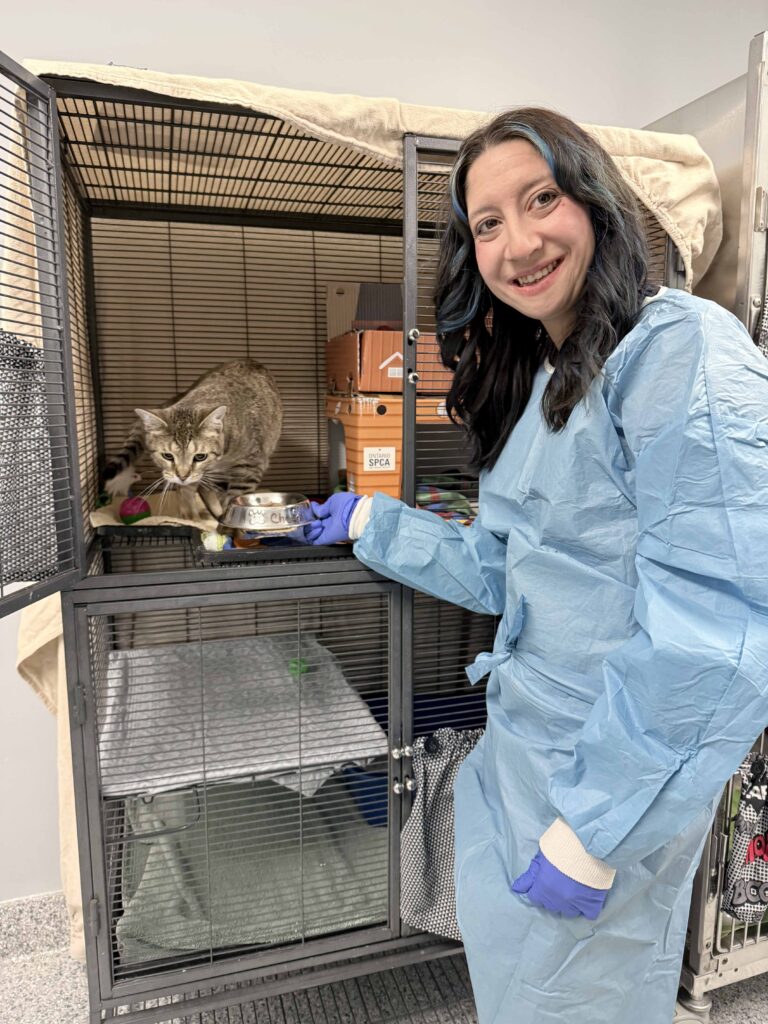
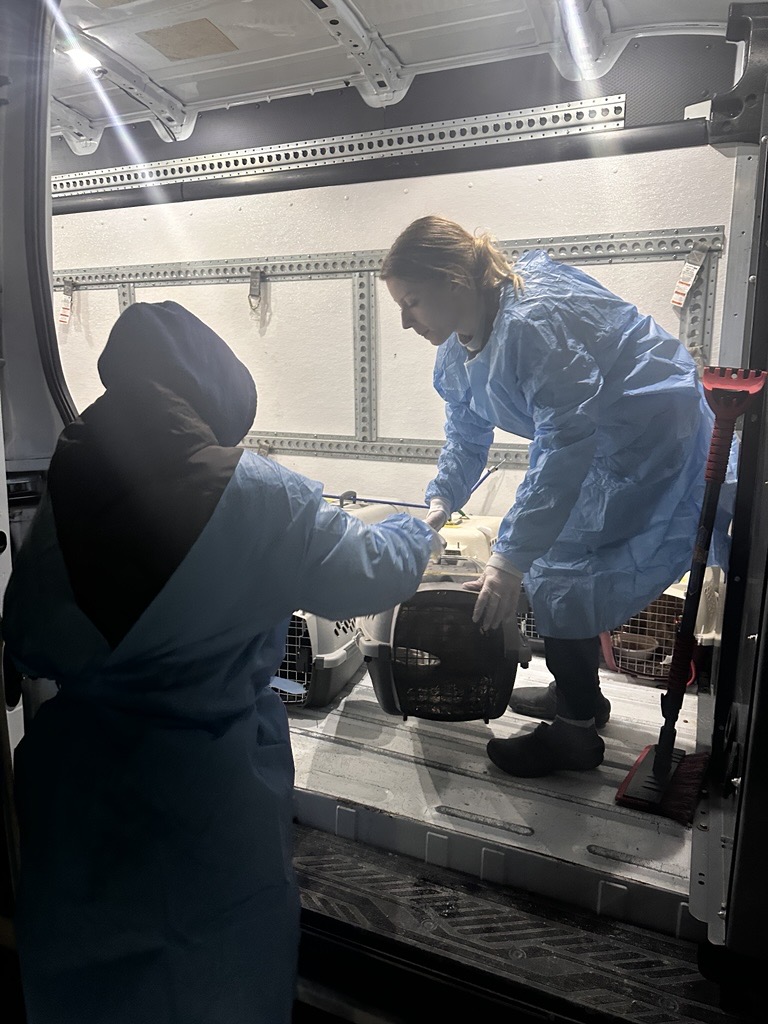
Stouffville, ON (Jan. 29, 2026) – The Ontario SPCA and Humane Society has welcomed more than 50 animals from remote Northern communities into its care this January, responding to increased calls for support as extreme winter conditions, limited supplies, and hazardous travel continue to affect communities across the North.
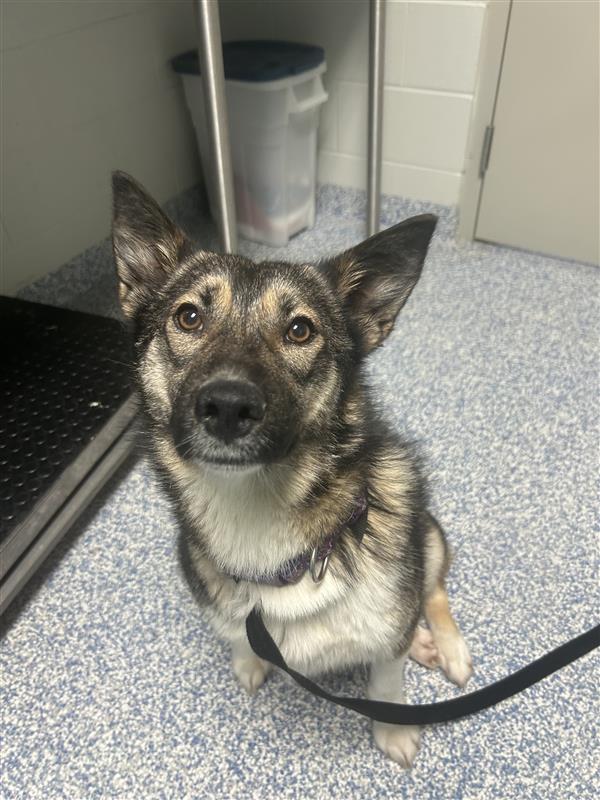
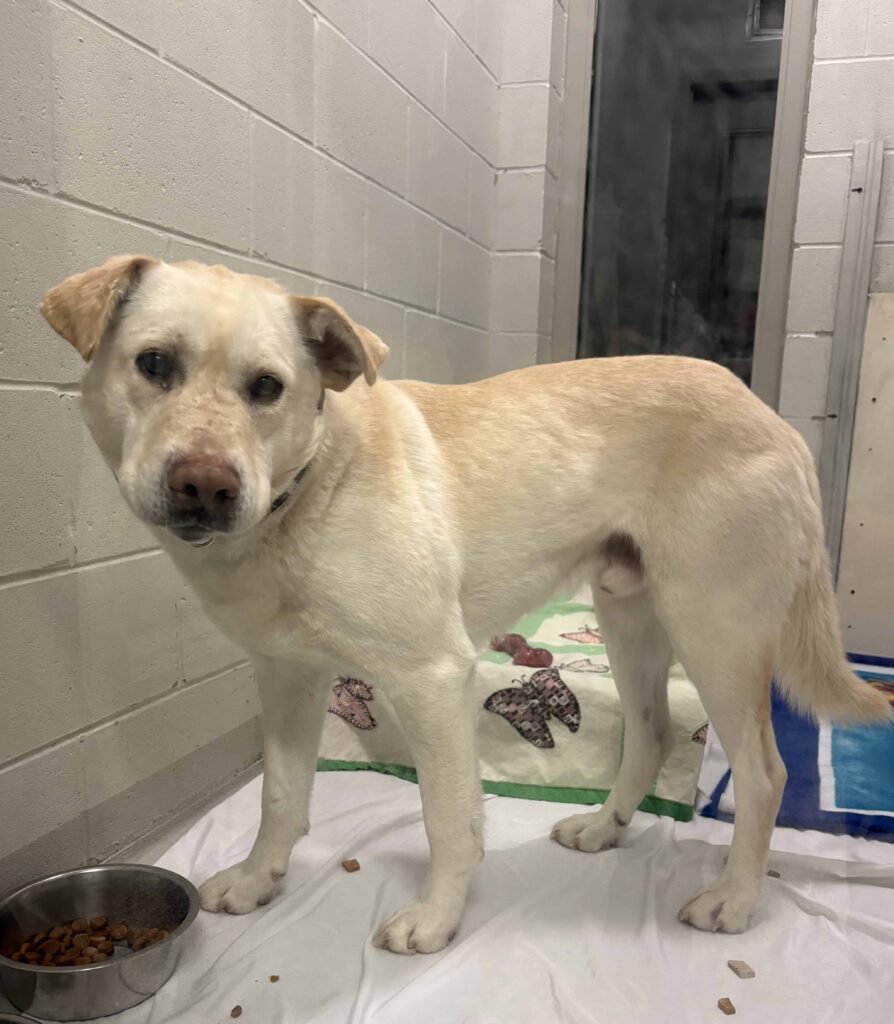
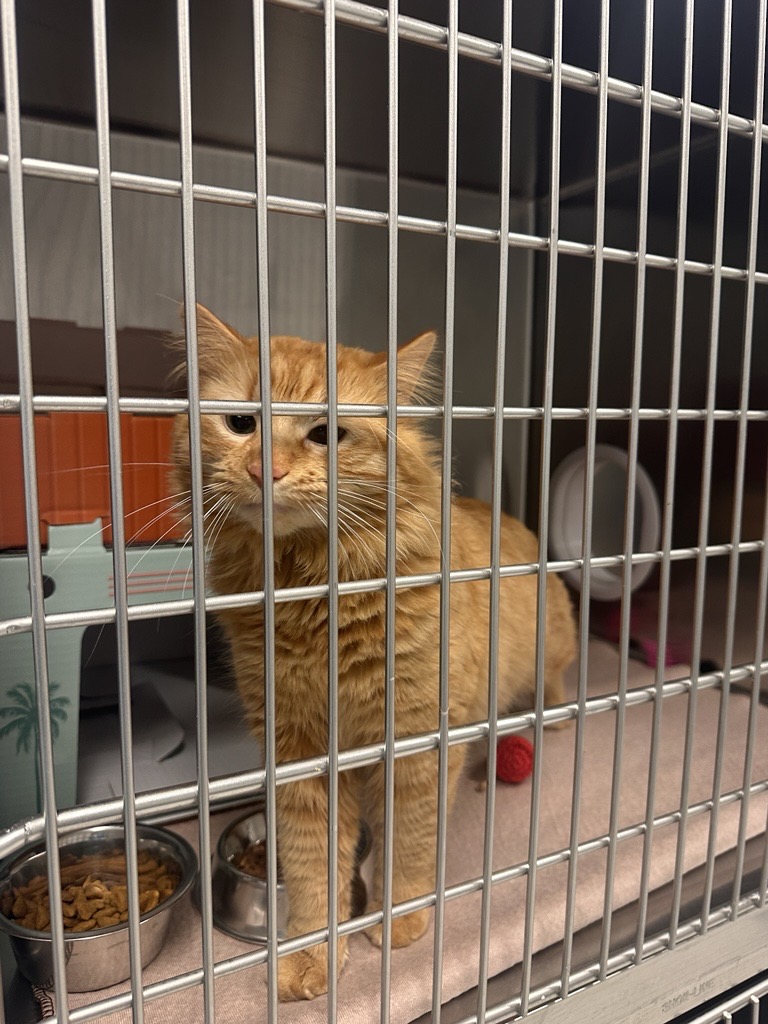
On Tuesday, the Ontario SPCA and Humane Society welcomed 23 cats, seven puppies, and three dogs from remote Northern communities, some travelling as far as 2,000 kilometres. Thanks to the help of the Northern Reach Network, the Bark Bus and many volunteers, staff and community members who put in long hours, these animals will soon find loving homes through Ontario SPCA animal centres in Barrie, Orillia, Midland, York Region, Napanee, and Sudbury.
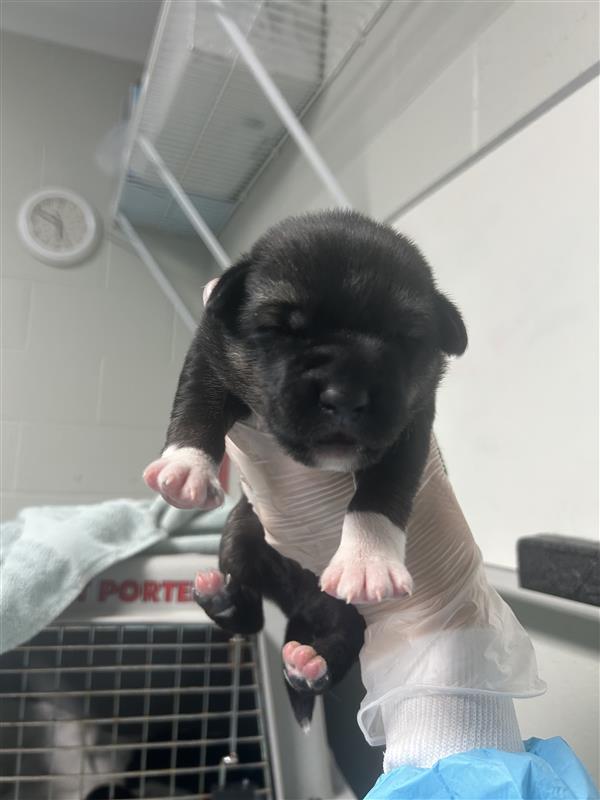
Earlier this month, the Ontario SPCA took in 18 puppies who were transferred from Northern communities in urgent need of shelter. Not long after, a nursing dog and her three pups arrived. The Ontario SPCA has also sent more than 12,000 lbs of food North to help keep animals fed, and with the families who love them.
“There is an urgent and growing need in the North this winter,” says Arista Wogenstahl, Northern Regional Manager of Community Outreach Services with the Ontario SPCA. “Communities are reaching out earlier and more often for support as extreme weather and supply challenges make it harder for people to care for their animals.”
Limited access to veterinary care, including spay and neuter services, has contributed to rising animal populations in Northern Canada. Working alongside community partners, the Ontario SPCA delivers critical resources such as food and mobile wellness services while supporting long-term solutions through population management and adoption initiatives.
As a registered charity that is 100 per cent donor funded, the Ontario SPCA relies on the generosity of supporters to help animals and the people who care for them. To donate to support the Ontario SPCA’s work in the North, visit ontariospca.ca
##
Media Contact
Media Relations
Ontario SPCA and Humane Society
905-898-7122 x 375
The Ontario SPCA and Humane Society
The Ontario SPCA and Humane Society is a registered charity that has been changing the lives of animals for over 150 years. The Society provides care, comfort and compassion to animals in need in communities across Ontario. It values all animals and advocates to treat them with respect and kindness. The Society strives to keep pets and families together and does so through a variety of community support services, such as sheltering and adoptions, including emergency sheltering, feral cat management programs, animal transfers, food distribution, humane education, animal advocacy, and spay/neuter services.
The Ontario SPCA does not receive annual government funding and relies on donations to provide programs and services to help animals in need. To learn more, or to donate, visit ontariospca.ca. Charitable Business # 88969-1044-RR0002.
The Ontario SPCA and Humane Society Provincial Office sits on the traditional territory of the Wendat, the Anishinabek Nation, the Haudenosaunee Confederacy, the Mississaugas of Scugog, Hiawatha and Alderville First Nations and the Métis Nation. This territory was the subject of the Dish With One Spoon Wampum Belt Covenant, an agreement between the Iroquois Confederacy and the Ojibwe and allied nations to peaceably share and care for the resources around the Great Lakes. The treaties that were signed for this particular parcel of land are collectively referred to as the Williams Treaties of 1923.
The provincial government has launched a public consultation as a first step towards banning medically unnecessary veterinary procedures, including feline declawing, and ear cropping and devocalization of dogs.
The Ontario SPCA and Humane Society is pushing to have the province ban these procedures, as well as tail docking of dogs. Here are five things you should know about unnecessary veterinary procedures. You can also show your support by visiting changeforanimals.ca and send a message to the government in support of a ban.
Five key facts about Unnecessary Veterinary Procedures
There are alternatives to feline declawing
Scratching furniture is something that many cat parents contend with, and some turn to partial digital amputation, or feline declawing, as an easy solution. The procedure is painful for the cat (imagine removing not just your fingernail, but the entire finger bone below your last finger joint). It can lead to long-term consequences such as risks of infections and incomplete amputations that cause excruciating pain. It can also lead to negative behaviors such as not using the litterbox, or biting as their first line of defense has been removed.
Fortunately, there are more effective ways to manage this natural behaviour, including using scratching posts and surfaces, or behavior modification involving rewards and deterrence. The alternatives can be more effective and less traumatic.
Barking doesn’t need to mean devocalization
Removing a dog’s vocal cords is sometimes used by owners to reduce or eliminate their bark. This surgery comes with risks that can range from post-operative complications to pneumonia, stridor, and even heat intolerance. In addition to being unethical and cruel to take away a dog’s natural ability to speak, it also isn’t necessarily effective, with some dogs regaining a near normal bark within months.
Much like feline declawing, excessive barking is best dealt with through a training and behaviour approach. Barking is normal for dogs, for reasons from playing to warning to greeting. If barking is excessive, working with a veterinarian or a certified positive reinforcement-based trainer to identify the reasons why is the best option. Is the dog bored or isolated? Are they responding to external triggers or behavioural issues? Once a reason is identified then solutions can be developed that could be as simple as automatic food dispensers or taller fencing to reduce stimulation.
Ear cropping and tail docking misses the point
Canine ear cropping and tail docking often happen to change the natural appearance of some dog breeds. Tail docking, where some or all of the tail is amputated, typically takes place when puppies are only a few days old and often happens without anesthesia. This procedure puts the young puppies at risk of infection or death from blood loss. In addition to forcing the dog to undergo painful surgery, changing a dog’s ear or tail can impact their natural ability to communicate, and it can lead to chronic pain. It also doesn’t change their genes, meaning those traits aren’t passed along to their offspring. If these procedures are being done to ensure dogs look a particular way, doing unnecessary surgery on multiple generations of dogs just doesn’t make sense.
Unnecessary isn’t the same as therapeutic
Sometimes the same procedures can have two different purposes. Partial digital amputation can happen for legitimate, veterinary medical purposes, such as removing tumors or managing chronic infections. Similarly, devocalizations will sometimes be performed for the medical treatment of laryngeal paralysis, cancer, or to address airway obstructions. These procedures only be done when a veterinarian deems them medically necessary for the animal, and not for cosmetic or convenience purposes.
Ontario has been lagging behind the rest of Canada
Every province in Canada, except for Ontario, has put controls in place to ban or restrict medically unnecessary veterinary procedures. While there are differences between provinces when it comes to which procedures are included or if they are restricted by provincial veterinary associations or the provincial government, Ontario is the only province that has not taken action. The provincial government’s consultation on the issue is an important step, but they need to hear from people across Ontario to make sure that they follow-through on bringing in a ban.
How you can help
You can help end unnecessary veterinary procedures, and push the Ontario government to include tail docking on the list, by visiting changeforanimals.ca and send a message to the provincial government.
Sources:
Canadian Veterinary Medical Association: https://www.canadianveterinarians.net/policy-and-outreach/position-statements/
CTV News: https://www.ctvnews.ca/montreal/article/non-essential-surgery-on-pets-now-banned-in-quebec/
As pet parents, we often wonder what’s going on in our furry friends’ minds. While they may not be able to say “I love you” out loud, animals have their own special ways of showing affection. If you’ve ever questioned whether your pet feels the same bond you do, here are some heartwarming signs that they really love you.
They follow you around
If your dog or cat shadows you from room to room, it’s not just curiosity. Being near you makes them feel safe and happy, and they simply enjoy your company.
Tail wagging and body language
Wagging tails, gentle wiggles, or a relaxed posture are signs of comfort and joy. Cats may express their affection by brushing up or by curling up beside you, while dogs often can’t hide their excitement with a full-body wag.
Bringing you “gifts”
It might be a toy, a stick, or, in the case of cats, something a little less appealing from the outside. While not always convenient, these offerings are a sign that your pet considers you part of their family.
Physical touch
Whether it’s a dog leaning against your leg, a cat kneading your lap, or even a gentle headbutt, physical closeness is one of the clearest ways pets express love.
Excitement when you return
Few things compare to the joy of being greeted at the door by a wagging tail or a purring kitty. That burst of energy is pure happiness at having you back in their world.
Every animal shows love in their own unique way, but the common thread is trust and comfort. If your pet displays these signs, rest assured, they adore you just as much as you adore them.
If this information was helpful, please help us continue to educate about pet health and well-being by making a donation. As a registered charity that does not receive annual government funding, the Ontario SPCA and Humane Society depends on the generosity of donors to change the lives of animals in need.
We are honoured and excited to announce a truly incredible milestone at the Ontario SPCA and Humane Society – we now have over 1,000 active, dedicated volunteers supporting animals and communities across the province.
This achievement marks a remarkable moment of growth. At the end of 2022, our volunteer community was around 300 strong. Today, more than 1,000 compassionate individuals are giving their time, energy, and skills to help animals in need. This is a powerful testament to the generosity and commitment of people who believe in creating a kinder future for animals.
The impact of our volunteers
Our volunteers play an essential role in nearly every aspect of our work. From animal care, walking dogs, grooming cats, and transporting animals, to fundraising efforts and community outreach, their contributions make lifesaving work possible every single day. We are also deeply grateful to our foster volunteers, who open their hearts and homes to animals who need extra care, patience, and love as they prepare for the next chapter of their lives.
Volunteers are truly the backbone of the Ontario SPCA. So far this year alone, they have contributed more than 19,000 hours of service. Here are some amazing numbers that mark the incredible dedication of our volunteers:
- Animals transported: 2,107
- Cats cared for: 11,312
- Cats groomed: 635
- Dogs cared for: 2,576
- Dogs walked: 3,933
- Loads of dishes completed: 418
- Loads of laundry completed: 578
- Animals fostered: 971
Along the way, volunteers share their unique talents while building new skills, friendships, and connections rooted in compassion.
Thank you!
This milestone isn’t just about reaching a number. It represents 1,000 people who choose to show up for animals, day after day. Whether working on the frontlines of animal care or supporting operations behind the scenes, each volunteer has helped shape the impact we’ve made together and the lives we’ve changed.
From all of us at the Ontario SPCA – thank you! Your kindness, dedication, and unwavering support mean the world to the animals we serve.
Your pet’s “Gotcha Day” – the day they officially became part of your family – is a meaningful milestone worth celebrating. Whether you just welcomed a dog, cat or pocket pet into your home, this day marks the beginning of a lifelong bond. No matter how long they’ve been with you, here are some thoughtful ways to make your pet’s Gotcha Day extra special.
Treat them to a favourite snack
Celebrate with a special treat tailored to your pet’s dietary needs. This might be a gourmet wet food for your cat, a fresh veggie mix for a rabbit, or a favourite chew for a dog. Always stick to pet-safe ingredients and approved foods and enjoy watching them savour something they love. If you don’t know what your furry friend’s favourite snack is yet, this is the perfect opportunity to explore and find out!
Plan an activity they enjoy
Think about what makes your pet happiest. For some, that’s a long walk, play session, or outdoor exploration. For others, it may be a calm day filled with cuddles, enrichment toys, or quiet companionship. Design the celebration around their comfort level and personality.
Animals adopted from the Ontario SPCA and Humane Society undergo a behavioural assessment to help set them up for success in their new homes. Be sure to speak with an animal care attendant as they can provide valuable insight into your pet’s individual personality, preferences and needs.
Give a thoughtful gift
A new toy, cozy bed, scratching post, or enrichment puzzle makes a wonderful Gotcha Day gift. Choose something that supports your pet’s well-being and natural behaviours. Personalized items like name tags, bowls, or artwork can also be a sentimental way to mark the occasion.
Capture the memories
Take photos or videos to commemorate the day. If you have a photo from when you first brought your furry family member home, consider recreating it for a “then and now” comparison – and tag @ontariospca on social media so we can see! These memories become cherished reminders of your journey together.
Give back in their honour
One of the most heartfelt ways to celebrate your pet’s Gotcha Day is by giving back. Consider donating, buying supplies, volunteering, fostering, or sharing your adoption story to encourage others to adopt.
Ultimately, Gotcha Day isn’t about how big the celebration is; it’s about recognizing the love and joy your pet brings into your life. It’s a reminder that choosing each other was one of the best decisions you ever made.