November 24, 2025
Congratulations! You’ve Adopted a Bird.
Get essential tips for your newly adopted bird, including housing, nutrition, enrichment, and veterinary guidance for a healthy, happy companion.
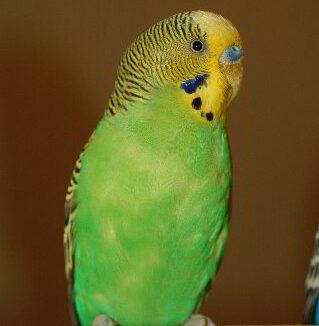


What an exciting time! Adopting a new friend can be a big responsibility and we want to help ensure each animal is set up for success in their new home. We encourage you to keep the following tips in mind when you bring home your new bird.
A check-in with your family veterinarian within the first week after adoption is critical to ensure continuity of care for your new friend, and to create a preventative health care plan tailored to their specific needs and to your lifestyle. The goal is to prevent future disease and illness, which will ideally also help reduce future costs of care.
Housing
The housing size for birds should be as large as you can accommodate. There must be enough space for your bird to stretch their wings out fully and to fly short distances. Different bird species require different types of cages. To make your bird feel safe, keep the cage off the floor at all times. Cages should have a variety of perches. Birds can benefit from supervised time out of their cage in a safe environment. To keep your bird safe, ensure the environment is free from items that are chewable, keep all windows and doors closed and keep other animals out of the room.
Nutrition
Every bird species has different dietary requirements, so it is best to consult a veterinarian for specific information about your bird. A proper diet promotes good health and can help avoid medical conditions. A good diet generally consists of a high-quality pellet, a variety of fruits, vegetables and grains, and a small amount of seed.
Enrichment
As intelligent and inquisitive species, companion birds can get bored easily, so rotating toys and providing novel enrichment opportunities is critical to their health. Many birds do best with another bird companion, of either the same species or a compatible one. This is especially true if the family works away from the home and the bird is left alone for large portions of the day.