November 24, 2025
Congratulations! You’ve Adopted a Rat.
Learn essential care tips for your newly adopted rat, including housing, nutrition, enrichment, and vet guidance to ensure a happy, healthy pet.
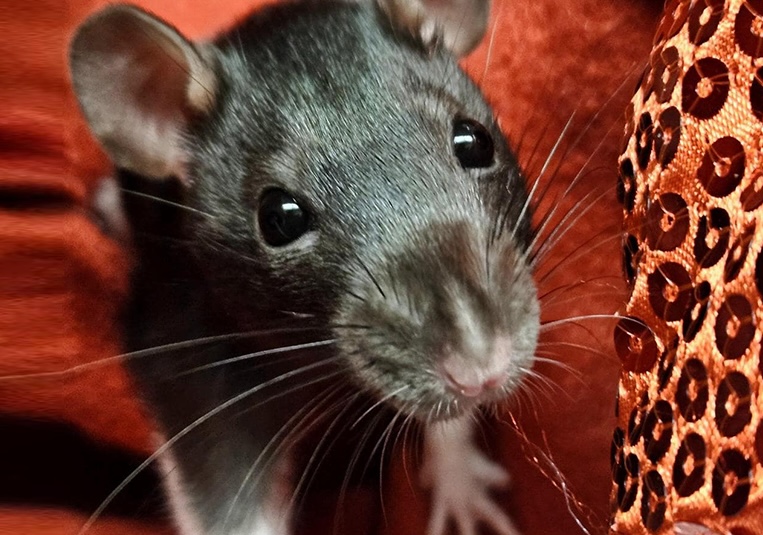


What an exciting time! Adopting a new friend can be a big responsibility, and we want to help ensure each animal is set up for success in their new home. We encourage you to keep the following tips in mind when you bring home your new rat.
A check-in with your family veterinarian within the first week after adoption is critical to ensure continuity of care for your new friend, and to create a preventative health care plan tailored to their specific needs and to your lifestyle. The goal is to prevent future disease and illness, which will ideally also help reduce future costs of care.
Medical Considerations
Many veterinarians do not treat rats, so it is highly recommended to find a suitable veterinarian before care is needed. The Ontario SPCA does not spay or neuter rats. Surgery can successfully be performed, but it is best done through a veterinarian who has rat surgical experience. Your rat’s teeth will grow continuously throughout their life. Provide your rats
with chewing items such as cardboard and wooden toys. Your rat’s nails will need to be trimmed regularly.
Housing
When selecting a cage for a rat, multi-level cages are preferred as they allow your rat to express natural behaviours. The best location for the cage is inside, away from drafts, direct sunlight, and extreme temperatures, and off the floor to decrease stress. Your rat’s enclosure
should have a solid bottom floor and be lined with bedding, which rats will use to make resting nests, burrow within, snuggle, and re-arrange throughout their cage. Rats need somewhere to hide where they can relax without being seen. And since rats are naturally nocturnal, they benefit from a darker area to sleep or nap during the day.
Nutrition
Rats are omnivores, which means they eat both plant and animal matter. Quality commercial pet rat pellets should make up the vast majority of their diet. Seed and grain mixtures should be avoided. Although your rat friend enjoys fresh vegetables and fruit, they should only be given occasionally as a healthy treat. Rats must have access to water 24/7. This can be done by using a sipper bottle attached to the side of their cage, or a ceramic water bowl.
Enrichment
Your rat enjoys activities that allow them to express their natural behaviours, such as hiding, climbing, constructing and chewing. Enrichment is very important to help keep your rat happy and healthy.