April 14, 2026
Create a garden for your small animal!
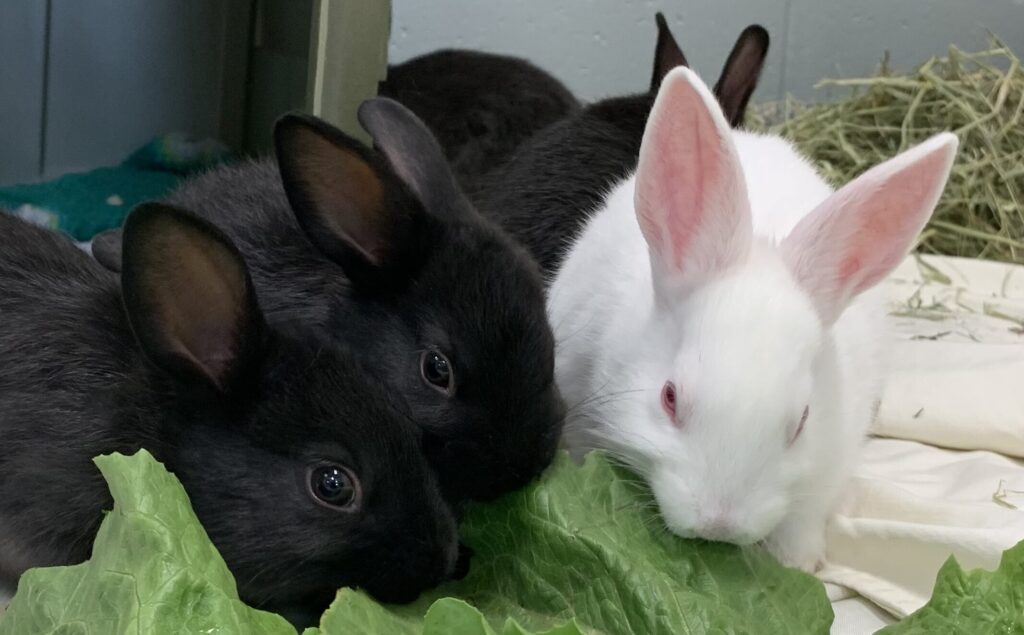

Discover a new way to incorporate leafy greens into your small animal’s diet in a fun, natural and engaging way! Integrating a vegetable garden for them is a great way to provide enrichment for your little furry friends.
Get started on creating a garden for your small animals with our favourite tips below.
Carefully choose your plants
There are many plants that are beneficial to include in a garden for small animals.
“Leafy greens are fantastic – romaine lettuce, green leaf lettuce, butterhead or bibb lettuce,” says Jocelyn Rutgers, Registered Veterinary Technician at the Ontario SPCA Midland & District Animal Centre “Many herbs are also a great choice, and are very easy to grow; basil, cilantro, parsley, and mint are all great choices. Wheat grass is very fast growing and is enjoyed by many small animal species. Some fun veggies to grow include bell peppers (great for their high vitamin C content, especially for Guinea Pigs), cucumber and zucchini.”
She adds, “Everyone always wants to give their rabbits carrots, which you can certainly grow, but they need to be fed quite sparingly as they are high in sugar! If you want something really easy, dandelion greens are also enjoyed by small animals, and being a ‘weed’ they are fast to grow.”
Set a welcoming environment
If you want animals to enjoy your garden, it is crucial to avoid chemical herbicides, pesticides and fertilizers. Avoid damaging the health of natural organisms whenever possible, using organic methods to protect the balance of nature and prevent harm.
Deter unwanted visitors
To avoid unwanted visitors, plan for natural and manmade barriers. Organic deterrents can be helpful to rid your plants of harmful insects. For example, crushed eggshells on your garden base can help prevent unwelcome intruders. Encouraging natural predators such as frogs and birds can help lessen this burden.
Planting wildflowers such as Marigolds in your vegetable garden not only adds beautiful colour, but also gives the wildlife such as birds something to feast on rather than your veggies. To prevent wild animals from raiding all your veggies, consider heavily scented herbs like lavender to deter the deer from a certain crop.
By creating a safe, thoughtfully planned garden, you’re not only adding fresh, nutritious foods to your small animal’s diet, you’re also giving them a stimulating environment that supports their natural behaviours. From selecting the right plants to maintaining an organic, wildlife-friendly space, each step helps ensure your furry companions can explore, nibble and thrive safely. With a little care and creativity, your garden can become a rewarding space that benefits both you and your small animals all season long.
If this information was helpful, please help us continue to educate about pet health and well-being by making a donation. As a registered charity that does not receive annual government funding, the Ontario SPCA and Humane Society depends on the generosity of donors to change the lives of animals in need.