March 17, 2026
How to teach a cat recall
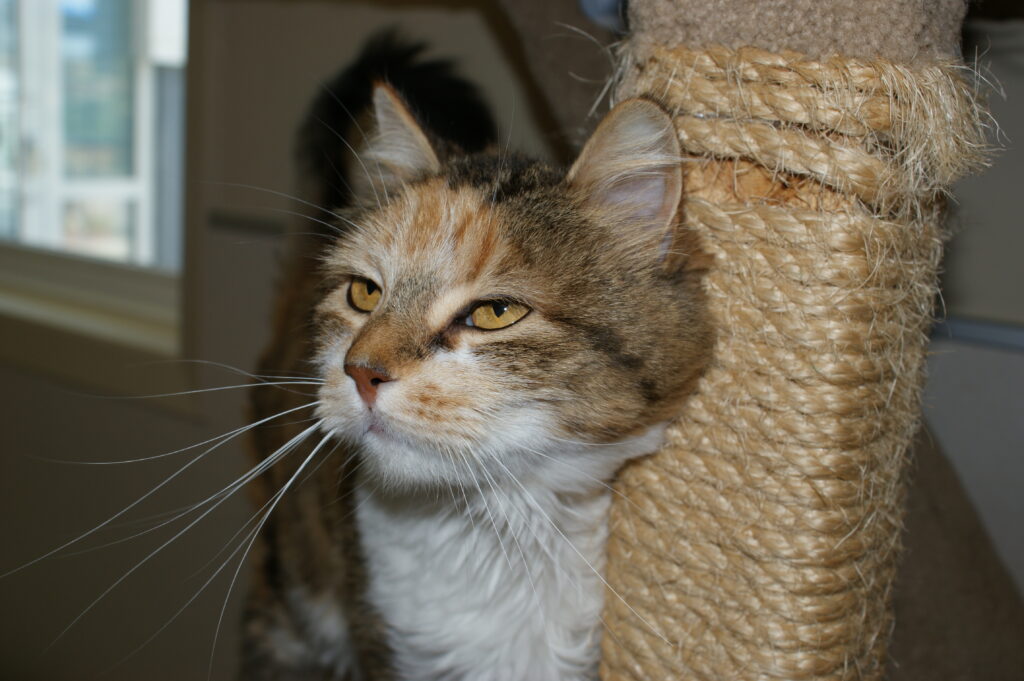


Teaching your cat recall, or coming when called, encourages mental stimulation and can strengthen the bond you have with your cat. It’s also a skill that can aid in further training activities and it builds confidence and trust in your cat. Plus, it’s helpful for everyday situations, like calling your cat when it’s time to eat.
Teaching recall or “Come” is introducing a cat to exercises designed to gain their attention and increase their focus by encouraging them to respond to verbal cues. Begin in low distraction environments and slowly increase difficulty, introducing distractions and distance to set the cat up for success.
Do not call a cat to you to complete an activity that they may see as aversive, or don’t enjoy. For example, don’t call a cat to you to bathe them, trim their nails or similar. Keep recall fun and enjoyable.
Here’s what you’ll need:
- Secure room/low distraction area
- High value treats
- Clicker (not necessary but can be used)
Steps:
- With the cat beside you, say the verbal cue “Come.” When they look at you, immediately mark (click or “Yes”) and reward with a treat.
- Make sure that you say “Come” first before showing them the treat in your hand to avoid the cat focusing on the food instead of the sound of the verbal cue.
- Place another treat beside them on the floor to change their focus before again saying “Come.”
- Repeat Step 1 and 3 until the cat consistently looks to you when you say “Come.”
Adding Distance: Once the cat is reliably offering attention with the verbal cue, you can move on to the next phase of training.
- Start by tossing a treat away from you for the cat to follow to add distance between you and the cat.
- Make sure to start with a shorter distance and gradually increase the distance as the cat is successful.
- Say the verbal cue “Come.” The moment they start to turn towards you, mark (click or “Yes”) and reward with a treat when they come to you.
- Repeat Step 1 and 3 until the cat consistently walks to you when you say “Come.”
Increasing Difficulty: Once the cat is reliably walking to you with the verbal cue, you can increase the difficulty of the exercise.
- Start by tossing a treat away from you for the cat to follow to add distance between you and the cat.
- Say the verbal cue “Come” and the moment they start to turn towards you, mark (click or “Yes”) and reward with a treat.
- Repeat Step 1, but as the cat is going to retrieve the tossed treat, change positions by moving to a different area in the room before calling “Come.”
- Repeat Steps 1-3 until the cat is consistently coming to you while in different areas.
Adding Distractions: Once the cat is reliably coming from a further distance with the verbal cue, begin to add distractions.
- Start by adding noise to a quiet environment, like music, tv or talk radio.
- Next try adding toys or other fun things in the environment.
- Try adding people or moving objects in their path to make things extra difficult.
- Practice the cue randomly, not just during training sessions.
Troubleshooting:
If the cat will look at you, but not come towards you, shorten the distance as it may be too far, or the reward value is too low. You can try to add short repeating sounds to encourage them to walk towards you. Always provide high value rewards when the cat comes to you to keep consistency of their recall.
If you need assistance, contact a professional trainer or behaviour consultant.
If this information was helpful, please help us continue to educate about pet health and well-being by making a donation. As a registered charity that does not receive annual government funding, the Ontario SPCA and Humane Society depends on the generosity of donors to change the lives of animals in need.