March 10, 2026
Introducing your puppy to adults, children, and pets
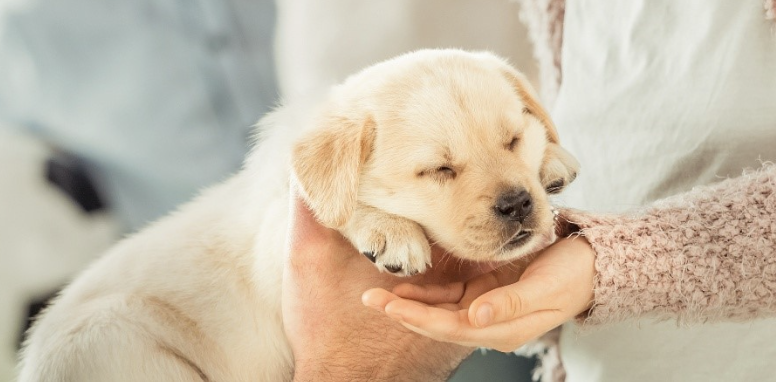


Introductions can be daunting for young puppies and any negative experiences can have long-lasting effects. So it’s important to learn how to make each introduction as carefully as possible.
Even once your puppy’s comfortable with you and the rest of your household, they may be nervous with other new people. Here are our top tips for ensuring introductions are comfortable for them.
Limit visitor numbers: To avoid overwhelming your puppy, have as few visitors as possible in their first few days with you.
Gradual introductions: Meeting lots of people at once can be intimidating for a puppy, so give them chance to get used to each person individually.
Speak calmly: Ask people to keep their excitement at meeting your puppy under wraps and use a calm tone and gentle movements.
Let your puppy make the first move: Puppies can feel threatened if they’re approached too quickly or passed from person to person. It’s best to ask people to sit quietly and wait for your puppy to approach them.
Take it slowly: Give your puppy plenty of time to get to know each person. Positive experiences now will help when they encounter new people outside your home.
Watch their body language: Look out for signs that your puppy’s nervous such as avoiding eye contact or holding their tail low. If this happens, take them out of the room so they can have some quiet time alone.
It’s natural for children to be excited about getting a puppy. But it’s important that you prepare them for how to behave and make sure that they understand they have a role in their puppy’s development, safety, and happiness.
Even if you don’t have children in your household, it’s a good idea to introduce your puppy to children. Otherwise, they may become nervous around them later in life. Here are some key things to remember:
Ask children to sit quietly: Teach children to sit still and let your puppy come to them so your puppy doesn’t become startled or frightened.
Teach careful handling: Show children how to pet your puppy and pick them up by supporting their tummy and rear end. It’s best not to allow children to pick your puppy up at all in the early days though, and make sure they know not to hug or squeeze the puppy too much.
Quiet time during sleeping and eating: To avoid bites and scratches, children must know to leave puppies alone while they’re eating and sleeping.
No teasing or excitement: Don’t allow children to tease your puppy with toys or food. And make sure they understand they need to stay calm and not treat them like a toy.
Always supervise: Children should never be left alone with a puppy, and an adult should always be there when children and puppies are playing together.
Pets can feel very territorial, so it’s important you introduce your new puppy to any other pets in a controlled, sensitive way. These are the important things to bear in mind.
Introduction checklist
Introduce pet scent early: Before bringing your puppy home, it’s a good idea to give them a blanket carrying your existing pet’s scent and vice versa. Then they smell familiar to each other when they meet.
Check vaccinations: Make sure your puppy’s been vaccinated before introducing them to other dogs.
Reduce the threat: Introduce other pets to your new puppy one by one on a neutral ground, such as in the yard or a park, so they’re less likely to feel threatened. Keep them both on a leash and give them plenty of time to sniff around and get used to one another.
Set up a safe zone: Give your puppy a place to escape to when they’re tired or intimidated.
Always supervise: Never leave your puppy alone with other pets.
Allow individual spaces: Each pet needs their own territory here they can rest and eat undisturbed, so make sure yours have separate beds and feeding areas. Cats, in particular, will need peace and quiet out of your puppy’s reach.