February 3, 2026
Signs your pet may be in pain and what to do about it
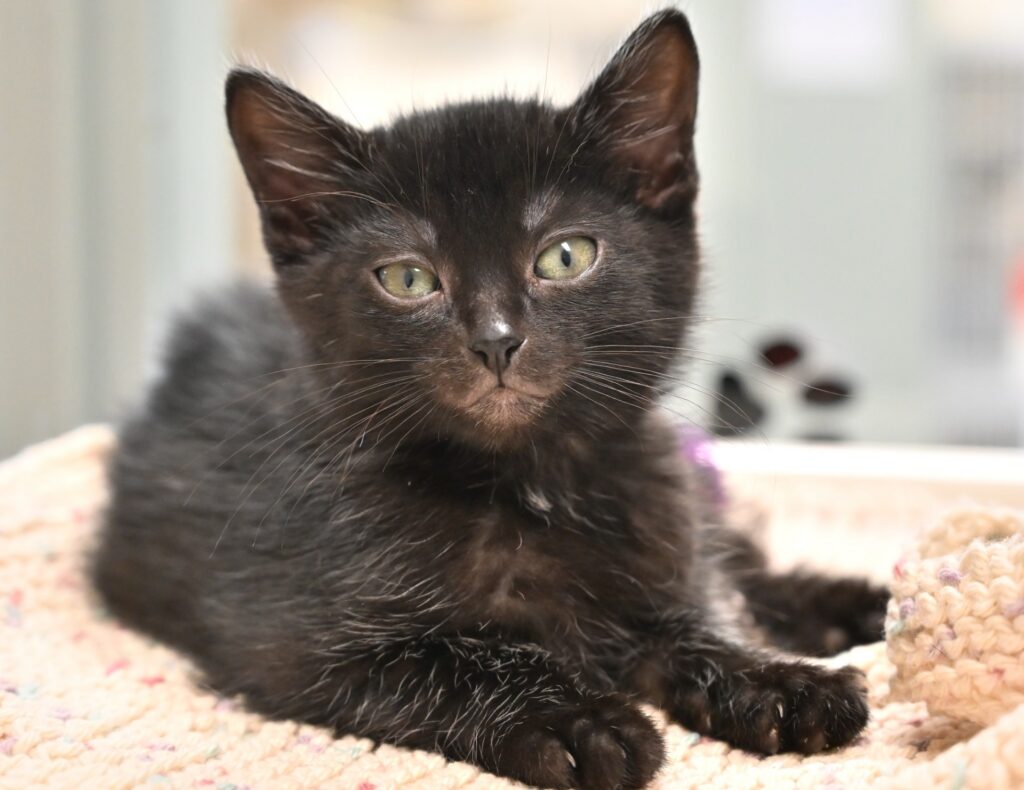


Our animal companions can’t tell us when something hurts, but that doesn’t mean they aren’t experiencing pain. Dogs, cats, and other animals often instinctively hide discomfort, which can make it difficult for guardians to recognize when something is wrong. Learning to spot the subtle signs of pain can make a life-changing difference for your pet’s health and wellbeing.
Changes in behaviour
Changes in behaviour are often one of the first indicators. A normally social animal may become withdrawn, irritable, or unusually aggressive. Conversely, a typically independent animal may suddenly seek constant attention or reassurance. If your pet seems “not quite themselves,” it’s worth paying closer attention.
Shifts in activity or mobility
Shifts in activity or mobility can also signal discomfort. Limping, stiffness when standing or lying down, reluctance to climb stairs or jump, sleeping more or decreased interest in walks and playtime may point to pain, particularly in older animals or those with arthritis. Cats may stop jumping onto favourite surfaces, while dogs may hesitate before getting up.
Changes in grooming habits
Changes in grooming habits are another common clue. Animals in pain may groom less, leading to a dull or unkempt coat. Others may excessively lick or chew one specific area, which can indicate localized pain or irritation. Overgrooming can even result in bald patches.
Appetite changes
Eating habits can also be affected. An animal experiencing pain may eat less, eat more slowly, or avoid food altogether. Dental pain, digestive discomfort, or underlying illness can all influence how and when your pet eats.
Vocalization
Whining, whimpering, growling, or yowling can all be expressions of pain, especially if they occur during movement or when a certain area is touched.
You may also notice physical signs, such as panting when it’s not hot, trembling, changes in posture (tail tucked, ears flattened, curling into themselves), or squinting eyes. These can indicate stress or discomfort and should not be ignored.
What to do if you suspect your pet is in pain
If you suspect your pet is in pain, the most important step is to consult a veterinarian. Never give human pain medications to animals without consulting a veterinarian first, as many are toxic and potentially life-threatening.
Your pet depends on you to notice when something isn’t right. By recognizing the signs of pain early and seeking professional care, you can help ensure they live a comfortable, happy, and healthy life.
If this information was helpful, please help us continue to educate about pet health and well-being by making a donation. As a registered charity that does not receive annual government funding, the Ontario SPCA and Humane Society depends on the generosity of donors to change the lives of animals in need.