March 12, 2026
The growing challenge of accessing veterinary care
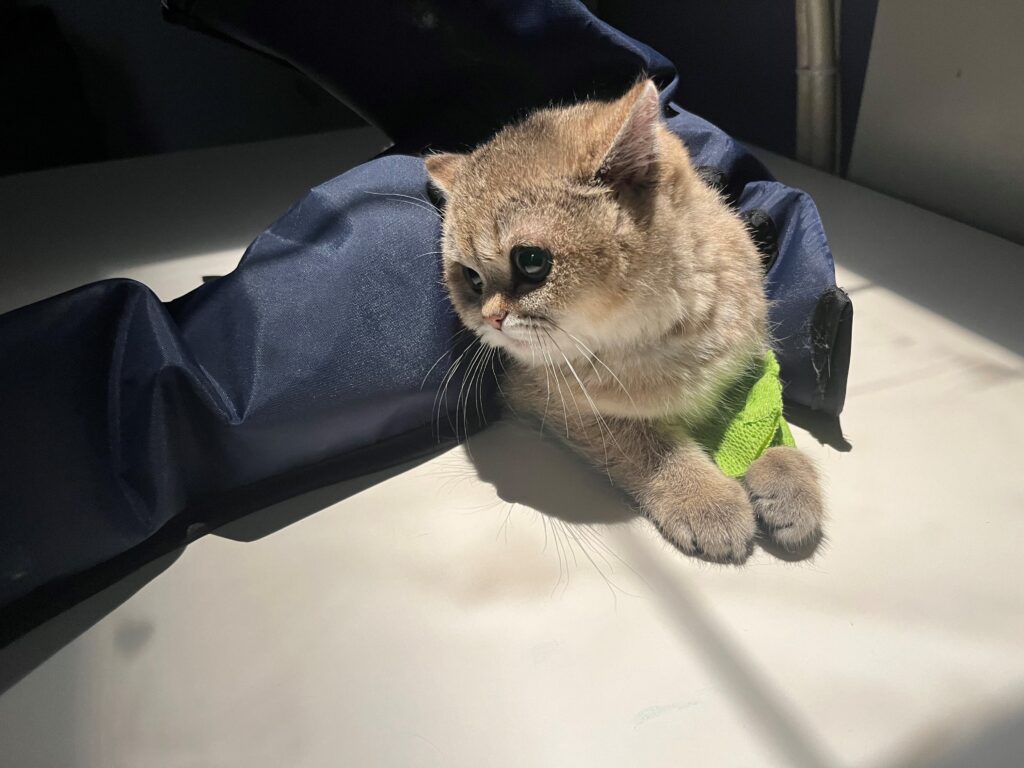

For many families, taking a pet to a veterinarian can be a real challenge. Sometimes it’s the familiar struggle of getting a reluctant cat into a carrier – the moment the carrier comes out, the cat seems to know exactly what it means. In other cases, the challenge is far more serious. The affordability crisis has created a real barrier for many loving pet parents who want to access veterinary care for their animals.
But what if there wasn’t a veterinarian available? What if the veterinary clinic near you was at capacity and wasn’t taking new clients? Or what if the local animal shelter that also provides low-cost services had lost their veterinarian and couldn’t provide support to the community? What if the closest veterinarian was hundreds of kilometers away?
These challenges are very real for many people throughout Ontario. Barriers created by a lack of veterinarians can be just as impactful as the affordability issues many people face. This is especially true in Northern and rural areas, including in many First Nations communities, where there just isn’t a veterinarian available. Even in larger communities, capacity, recruitment, and veterinary retention impact access.
Addressing gaps in underserved communities
The Ontario SPCA and Humane Society is tackling this issue head on, particularly in the most underserved parts of the province. We opened our new Ontario SPCA and Humane Society Greater Sudbury Veterinary Clinic in 2025. We recently completed a merger with the Thunder Bay and District Humane Society, now named the Ontario SPCA and Humane Society Northwest Animal Centre, and we are supporting the new veterinarian training program at Lakehead University.
In addition, we provide MASH-style mobile spay/neuter and vaccination services in many Northern and First Nations communities where there is a lack of basic veterinary services available. The Ontario SPCA also helps reduce barriers to care through its Neuter Scooter program, which transports animals to partnering spay/neuter clinics for surgery, then returns them to their waiting families at the end of the day.
A problem larger than any one organization
Despite these efforts, and the efforts of other like-minded organizations, there is still so much more to do if we want to meaningfully address this access crisis. While the Ontario SPCA is currently developing new facilities and veterinary clinics in many of the communities we serve, and creating a Northern strategy to make the greatest impact we can with the resources we have, the scale of the problem outstrips what organizations like ours can solve.
Provincial efforts to increase veterinary capacity
The Government of Ontario is aware of the challenges facing the many communities that do not have reliable access to a veterinarian. To their credit, they have taken steps to address this situation.
The province is funding an expansion of the Ontario Veterinary College’s Doctor of Veterinary Medicine program, through a partnership between the University of Guelph and Lakehead University. The initiative is designed to train more veterinary professionals from and for Northern Ontario.
They also provide funding support for veterinary access programs designed for large animal and agricultural veterinary access.
A critical gap in companion animal care
As much as these efforts are valuable, there is a critical gap in the province’s support: companion and shelter medicine. Currently, the province does not fund direct support for veterinary access for companion animals or for animal shelters to provide veterinary care to animals in their facilities or in the broader community.
Recognition from the Legislature
This gap was recently recognized by the Ontario Legislature’s Standing Committee on Justice Policy. The committee’s recently published Study on Intimate Partner Violence recognized the interplay between violence, animal abuse, and lack of access to veterinary care, particularly in underserved communities.
In its list of recommendations, the committee stated that “the Government of Ontario should establish a stable, annualized veterinary access fund to support intermittent service delivery for companion animals in Northern and remote communities without year-round access to veterinary care.”
Strong public support for action
The need for support is also recognized by the public: a recent Environics poll conducted for the Ontario SPCA found that 88% of Ontarians support government funding to increase veterinary access in underserved communities and for low-income individuals.
Expanding the Veterinary Incentive Program
This is why the Ontario SPCA has been proposing that the provincial government create a fund to expand companion animal and shelter veterinarian access. This wouldn’t be funding specifically for the Ontario SPCA but would create a broad access fund to provide organizations and communities with resources to increase veterinary access in the most underserved areas.
There is also a ready-made way to finance this proposed program; the province’s existing Veterinary Incentive Program is intended to attract large animal veterinarians to underserved communities, particularly in Northern Ontario. This program, with a budget of $5 million dollars over nine years, has been significantly under-spending its budget in the first two years it has been running. This is leaving money intended for veterinary access on the table.
By redirecting any unspent funds from the Veterinary Incentive Program to a new program to support companion and shelter animal veterinary access, or expanding the eligibility of the existing program, the provincial government can effectively fund two programs for the price of one and provide another important resource to address the veterinary access crisis.
To join our animal advocacy efforts, visit changeforanimals.ca and be a voice for animals.