April 23, 2026
Tips to prevent your cat from scratching furniture
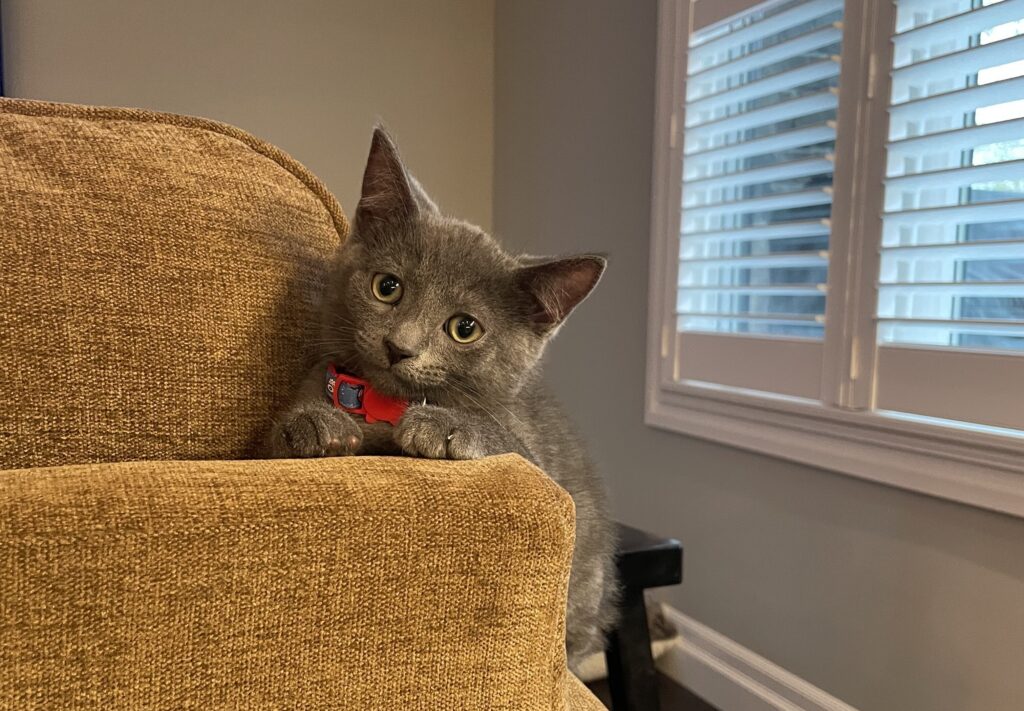

That sweet, cuddly little fur ball that has stolen your heart has suddenly decided to channel their inner tiger and is shredding your furniture. As a pet parent, understanding why your cat scratches furniture can help you manage this unwanted behaviour.
Scratching is an instinctive behaviour and cats do it for several reasons: To stretch, to communicate, play, seek attention and to maintain healthy claws.
Here are some tips to redirect this behaviour to appropriate scratching locations.
Wake up call
Cats will often stretch and scratch after a nap. By providing scratching posts or towers near their nap places, you can encourage their use as an alternative to the couch. Rubbing catnip on the post also helps motivate their use. Observe where your cat likes to nap and what surfaces they like to scratch. Provide options close by. Follow up with treats and praise when they choose the scratching posts over the furniture.
Reinforce good behaviour
Kittens have much more energy than adult cats, so ensuring they have lots of play time could discourage unwanted scratching. If your kitten starts scratching on furniture, immediately take them to their scratching post or tower. Allow them to continue the behaviour and reward with treats, praise and more playtime in the scratching area. Using a laser pointer or a wand toy can also help draw the cat’s interest around the post and can naturally prompt scratching on the desired surface.
The health of the matter
Cats also scratch to maintain their claw health. Cats’ claws have an outer husk that sheds, so scratching helps facilitate the shedding and helps to keep those claws healthy. By trimming your cat’s nails, you can minimize the damage they may cause. Some experts also suggest nail caps, but only as a last resort. This option would need to be paired with other solutions for reducing scratching.
Stress can be another reason your cat is scratching your furniture. A stress-reducing product based off pheromones, such as a Feliway diffuser, may calm your cat so that they no longer feel the need to scratch the furniture.
Not sure if your cat is stressed? Check out our blog on how to recognize stress in pets.
Make furniture less appealing
If none of these suggestions are working, you can make your furniture unappealing to scratch, or block off the room entirely so it is unavailable to your cat. Cats generally don’t like citrus, so a pet-friendly, citrus-based spray may dissuade scratching. Placing aluminum foil may also be effective.
By understanding your cat’s motivation for scratching and providing options for this behaviour, plus lots of play time, praise and treats when they don’t scratch the furniture, your wonderful feline companion and your furniture can co-exist.
If this information was helpful, please help us continue to educate about pet health and well-being by making a donation. As a registered charity that does not receive annual government funding, the Ontario SPCA and Humane Society depends on the generosity of donors to change the lives of animals in need.