November 30, 2025
Understanding Stranger Danger in Dogs
Learn how to manage stranger-related fear and aggression in dogs with our detailed guide, including practical strategies, training tips, and behaviour support for a safe, confident pet.
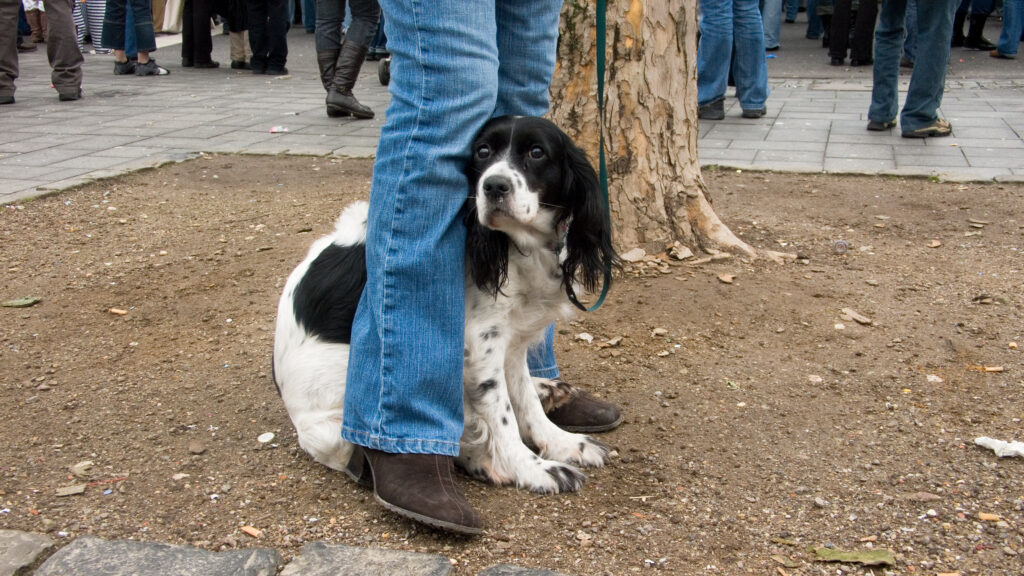

What is “Stranger Danger”?
“Stranger danger,” or “stranger anxiety,” is when a dog shows fear-based behaviours and reacts negatively to new or unknown people. This fear of strangers is common in dogs that haven’t been properly socialized or had negative experiences during their critical development periods. While there is often a genetic component, it can also be a learned behaviour. “Stranger danger” can serve as a natural defense mechanism and is a normal reaction in many dogs.
However, it becomes a problem when dogs display these behaviours in typical home settings or when their pet parents don’t understand the motivations behind their actions. This can lead to potential danger for both people and other animals. To help your dog understand that strangers aren’t a threat, there are several steps you can take. Remember, modifying this behaviour is best done with the help of a certified dog trainer or an animal behaviour consultant.
What Does it Look Like?
Common behaviours in dogs with “stranger danger” include:
- Constant hard focus on the stranger
- Stiff body posture
- Raised hackles (where the hair along a dog’s back and neck stands up)
- Stiff and raised tail
- Refusing treats or not responding to verbal cues
- Vocalizations like deep barking, growling, or snarling
- Air snapping
- Lunging
- Biting, if they get the chance
The Do’s and Don’ts for Handling “Stranger Danger”
The Do’s:
- Pay attention to your body language: Approach your dog calmly and in a non-threatening manner. Your posture and movements can significantly affect how your dog perceives a situation.
- Provide positive reinforcement: Use praise, treats, or toys to create positive associations with strangers. Rewarding your dog when they remain calm around new people can help reduce their anxiety.
- Use management tools: Utilize tools such as baby gates, confinement areas, and leashes to manage interactions. These can help create a controlled environment that feels safe for your dog.
- Give space and choice: Allow your dog the option to retreat and feel safe. Respecting their need for space can prevent escalating fear or stress.
- Go at the dog’s pace: Introduce new people gradually and let your dog adjust in their own time. Pushing them too quickly can increase their anxiety.
- Control the environment: Make introductions in controlled settings where your dog feels secure. This helps minimize potential stressors.
- Understand boundaries: It’s okay if your dog doesn’t become friends with everyone. Sometimes it’s best to keep them in a safe space away from interactions.
- Introduce safety tools: Use muzzles, harnesses, or other safety tools if needed to ensure everyone’s safety during interactions.
The Don’ts:
- Do NOT force interaction: Never corner your dog or force them to interact with a stranger. This can escalate their fear and lead to aggressive behaviour.
- Do NOT punish: Don’t punish your dog for reacting negatively. Understand that they are reacting out of fear, anxiety, or stress. Punishment can make the behaviour worse.
- Do NOT prolong exposure: Avoid keeping your dog near a trigger (stranger) for too long in hopes they will get used to it. This can increase their stress and exacerbate the behaviour.
It’s important to remember that “stranger danger” is a common issue in dogs that can be managed and improved with patience, understanding, and the right approach. By following these tips and seeking help from a certified trainer, you can help your dog feel more comfortable around strangers and improve their overall well-being. Always remember to prioritize your dog’s safety and emotional health, giving them the time and space they need to adjust.
If you need additional assistance for more complex needs, please contact a certified trainer or a behaviour consultant.