June 4, 2026
What is pyometra and how can you protect your pet?
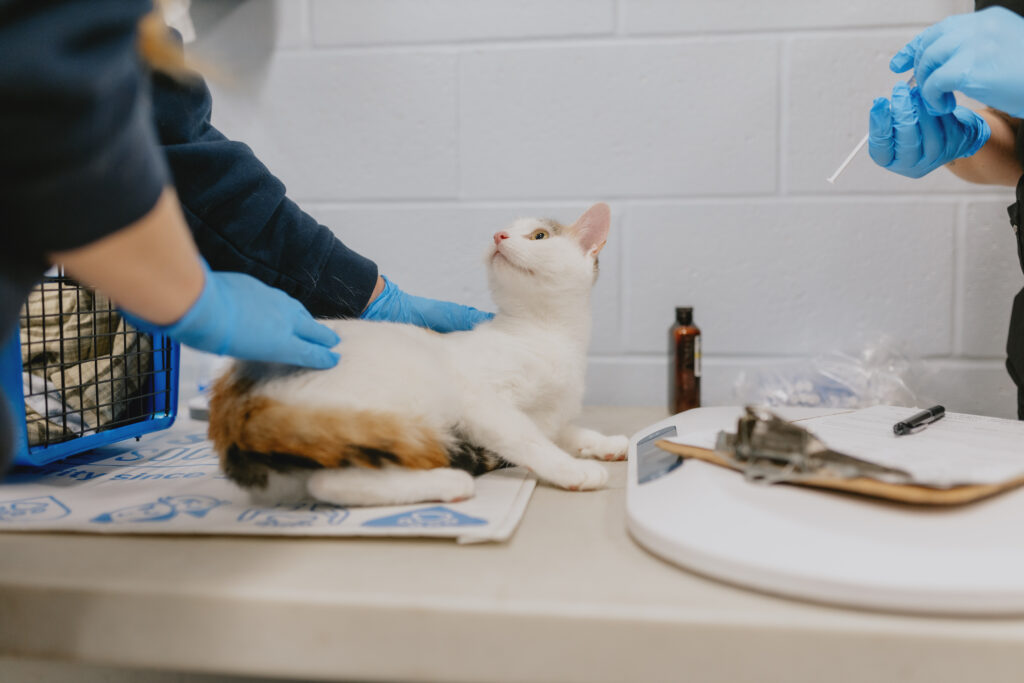

Have you ever heard of pyometra? Understanding the warning signs and acting quickly can make the difference between a routine surgery and a life-threatening emergency.
What is pyometra?
Pyometra is a serious and potentially life-threatening uterine infection that affects unspayed female dogs and cats. It most commonly occurs in middle-aged or older animals, though it can develop in younger pets as well. The condition typically develops a few weeks after a heat cycle, when hormonal changes create the perfect environment for bacteria to grow inside the uterus.
After a heat cycle, progesterone levels remain elevated to support a potential pregnancy. This hormone thickens the uterine lining and reduces uterine contractions. If pregnancy does not occur, the thickened lining and suppressed immune response can allow bacteria to multiply. The uterus can then fill with pus, leading to infection and, in severe cases, rupture or sepsis.
There are two forms of pyometra: open and closed. In open pyometra, the cervix remains open and infected discharge may be visible from the vulva. In closed pyometra, the cervix is closed, trapping infection inside the uterus and making it harder to detect and often more dangerous.
Signs and symptoms
Symptoms can vary but may include:
- Lethargy or weakness
- Loss of appetite
- Increased thirst and urination
- Vomiting
- Abdominal swelling or discomfort
- Fever
- Vaginal discharge (in open cases)
Closed pyometra can progress rapidly without obvious discharge, so any sudden illness in an unspayed female pet, especially weeks after a heat cycle, should be treated as urgent.
Treatment
Pyometra is a medical emergency. The most common and effective treatment is emergency spay surgery (ovariohysterectomy) to remove the infected uterus and ovaries. Supportive care, including intravenous fluids and antibiotics, is typically required. While medical (non-surgical) treatment exists in limited cases, it carries significant risk and recurrence is common.
Prompt veterinary care greatly improves the chances of recovery.
Prevention
The most effective way to prevent pyometra is to have your pet spayed before her first or second heat cycle. Spaying not only eliminates the risk of pyometra but also reduces the risk of mammary tumors and unplanned litters.
If your pet is not spayed, closely monitor her after each heat cycle and speak with your veterinarian about the risks. Early action can save her life.
It’s also important to know that a routine spay is much safer, simpler and less costly than the emergency surgery required to treat pyometra. In addition to surgery, pets with pyometra often require supportive treatment such as intravenous fluids, medications and close monitoring. In some cases, hospitalization at a veterinary clinic may be necessary during recovery.
If this information was helpful, please help us continue to educate about pet health and well-being by making a donation. As a registered charity that does not receive annual government funding, the Ontario SPCA and Humane Society depends on the generosity of donors to change the lives of animals in need.