July 28, 2026
Why chewing matters for dogs
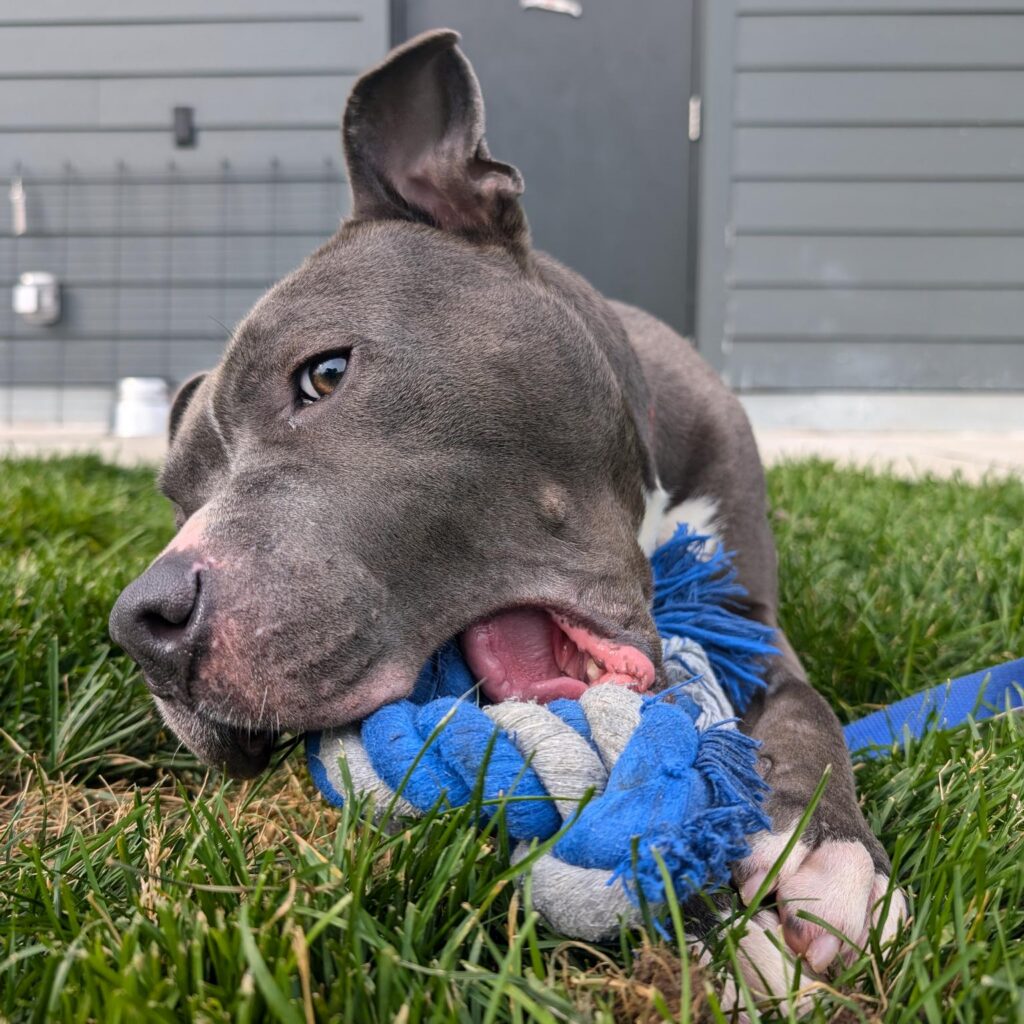

If you’ve ever come home to a shredded shoe or a hollowed-out couch cushion, you know that chewing can feel like a problem to solve. But for dogs, chewing isn’t bad behaviour. It’s a biological need, and understanding why your dog does it is the first step toward managing it in a way that works for everyone in the household.
It’s an instinct
Chewing is hardwired into dogs from the time they’re puppies. Teething pups chew to relieve sore gums, but the habit doesn’t stop once adult teeth come in. Dogs continue chewing throughout their lives because it serves real purposes: it keeps jaw muscles strong, helps scrape plaque off teeth, and satisfies their instincts as scavengers and hunters. When a dog gnaws on something, they’re doing what dogs have always done.
Chewing is a stress reliever
Just like some people bite their nails or tap their feet when anxious, dogs often turn to chewing to self-soothe. The repetitive motion releases endorphins, which can help a dog work through boredom, separation anxiety, or excess energy. A pet parent who notices their dog chewing more than usual during a thunderstorm, after a change in routine, or when left alone for long stretches is likely watching a coping mechanism in action, not a behaviour issue.
Mental stimulation matters too
A bored dog is often a destructive one. Chewing gives dogs a job to do, engaging their senses and their minds in a way that a quiet afternoon on the couch doesn’t. Puzzle toys, frozen treats, and sturdy chew toys can turn idle time into enrichment, reducing the likelihood that your dog will look elsewhere, like a table leg, for entertainment.
Supporting healthy chewing at home
The goal isn’t to stop your dog from chewing – it’s to give them appropriate outlets, so the habit doesn’t turn into a problem. A few ways to do that:
- Offer a variety of textures, including rubber, rope, and dental-specific chews so your dog stays interested.
- Rotate toys regularly to keep them novel and exciting.
- Supervise new toys at first to make sure they’re a good fit for your dog’s size and chewing style.
- Redirect, rather than punish, if you catch your dog chewing something they shouldn’t. Calmly swap the item for an approved toy.
When to pay closer attention
Sudden or intense chewing, especially paired with pacing, whining, or destruction concentrated around doors and windows, can be a sign of anxiety that needs more support than a chew toy alone can offer. If you’re concerned, a conversation with your veterinarian or a positive reinforcement-based trainer can help you support your dog’s needs.
Chewing is one of the simplest ways dogs communicate their needs, whether that’s a sore tooth, a craving for stimulation, or a little stress relief. By understanding the why behind the behaviour, pet parents can turn a frustrating habit into an opportunity to support their dog’s well-being.
If this information was helpful, please help us continue to educate about pet health and well-being by making a donation. As a registered charity that does not receive annual government funding, the Ontario SPCA and Humane Society depends on the generosity of donors to change the lives of animals in need.