August 14, 2026
Why does my pet follow me everywhere?
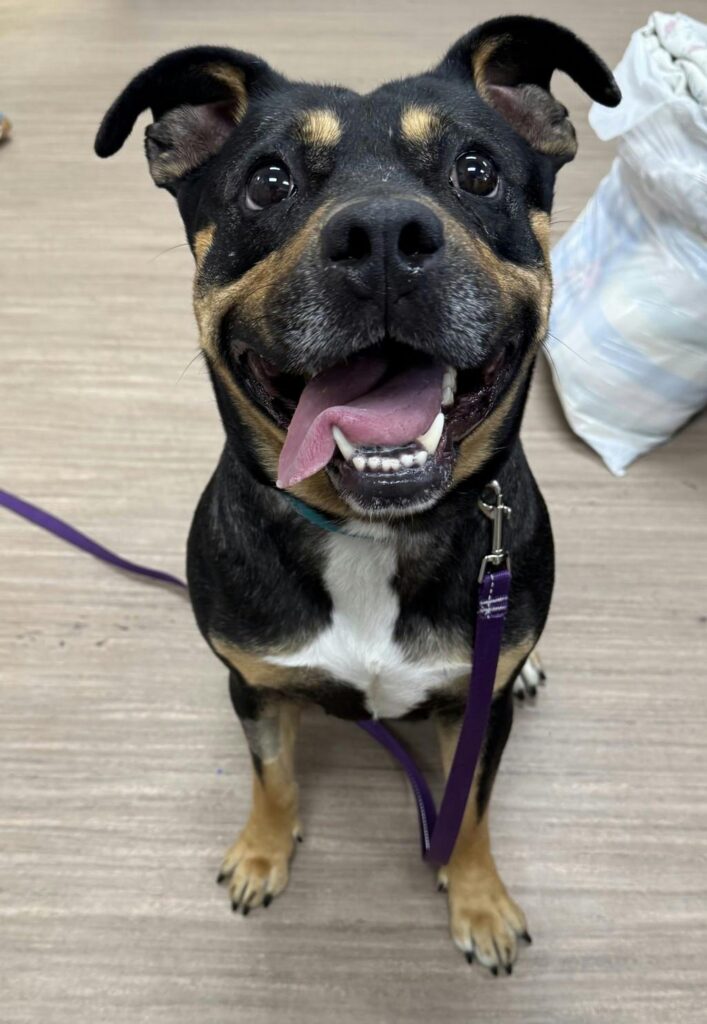

If you can’t make it from the kitchen to the bathroom without a furry shadow trailing behind you, you’re not alone. Many pet parents have a cat or dog who seems to follow them from room to room, all day long. It can be sweet, a little funny, and sometimes a lot of pressure when you’re just trying to get a glass of water. So, what’s actually going on?
A sign of attachment
For both cats and dogs, following you around is often a sign of a secure, affectionate bond. Pets that feel safe and connected to their pet parent tend to want to stay close, much like a young child sticking near a trusted caregiver. In most cases, this kind of “shadowing” behaviour is a compliment, not a problem.
For dogs specifically
Dogs are pack animals by nature, and many breeds were developed specifically to work closely alongside humans. Following you around can simply be instinctual. It may also be reinforced by routine: if you’re the one who feeds them, walks them, or gives them attention, your dog quickly learns that good things tend to happen around you.
For cats specifically
Cats have a reputation for independence, but many are just as bonded to their pet parents as dogs are. A cat who follows you may be curious about what you’re doing, seeking attention or play, or simply enjoying your company. Cats are also creatures of routine, so they may be anticipating things like mealtimes or a favourite chair by your side.
When following becomes more than affection
In some cases, constant following can be linked to:
- Anxiety: Dogs and cats with separation anxiety may shadow their pet parent as a way of self-soothing and may become distressed when left alone.
- Boredom: Pets without enough mental or physical stimulation may follow their pet parent simply because there’s nothing more interesting going on.
- Health changes: A sudden increase in clinginess, especially in senior pets, can sometimes signal an underlying health issue, like pain or cognitive decline. If the behaviour is new or sudden, it’s worth mentioning to your veterinarian.
Should you do anything about it?
If your pet seems happy, relaxed, and easily settles when you leave the room, there’s likely nothing to worry about. But if the following comes with signs of distress, like whining, pacing, or destructive behaviour when separated, it may be worth looking into separation anxiety further or chatting with your veterinarian.
It is beneficial to get your animals used to having short periods of time alone when they’re younger if possible, to help reduce the risk of developing separation anxiety later in life.
Whether it’s a dog at your heels or a cat perched nearby, this kind of closeness is usually just a sign of a strong bond. Consider it a small, daily reminder of how much your pet loves having you around.
If this information was helpful, please help us continue to educate about pet health and well-being by making a donation. As a registered charity that does not receive annual government funding, the Ontario SPCA and Humane Society depends on the generosity of donors to change the lives of animals in need.