May 29, 2026
Why parasite prevention matters

As the weather warms up across Ontario, many pet parents look forward to longer walks, hikes, cottage weekends, and more time outdoors with their furry companions. Unfortunately, warmer temperatures also signal the start of flea, tick, and mosquito season, and with it comes an increased risk of serious illnesses for pets.
While fleas and ticks may seem like minor nuisances, they can carry dangerous diseases and create health complications that are stressful, expensive, and sometimes life-threatening. Prevention is one of the easiest and most effective ways to keep your pet healthy year-round.
Fleas: more than just an itch
Fleas are tiny parasites that feed on your pet’s blood, but the problems they cause can be much bigger than simple scratching. Flea infestations can lead to:
- Severe itching and skin irritation
- Allergic reactions
- Hair loss and skin infections
- Tapeworm infections
- Anemia in severe cases, especially in puppies and kittens
Fleas live on pets and can spread throughout your home in carpets, furniture, bedding, and cracks in flooring.
Because fleas reproduce quickly, treating an infestation often becomes much more difficult and costly than preventing one in the first place.
Ticks and Lyme Disease are increasing in Ontario
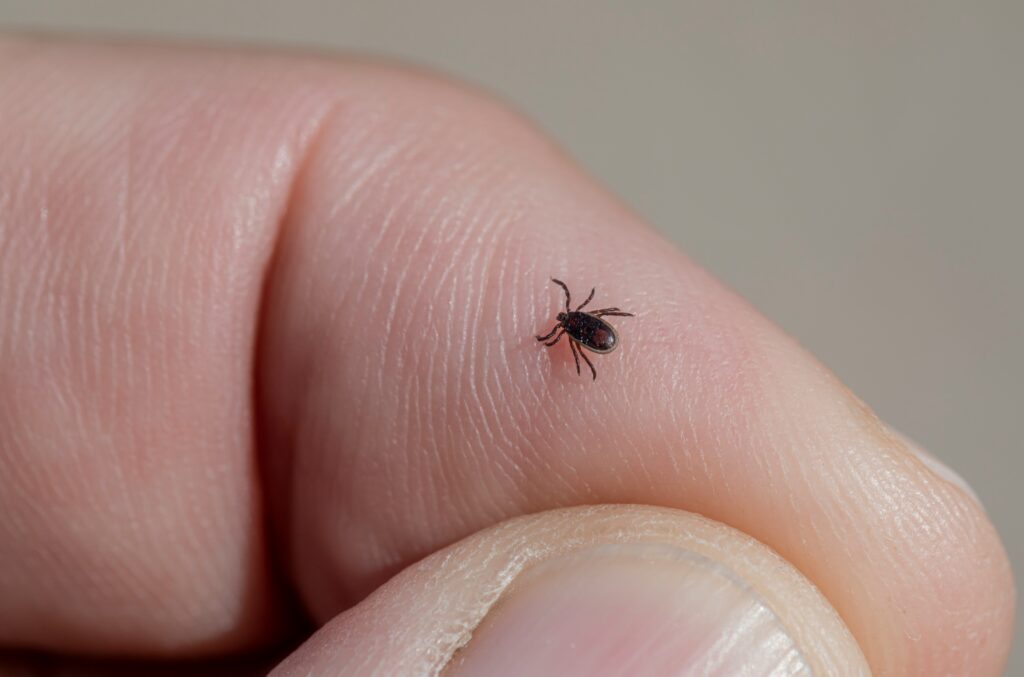
Ticks are becoming increasingly common across Ontario, particularly during the spring, summer months. Ticks can carry Lyme disease, which can affect both people and pets.
Dogs infected with Lyme disease may experience:
- Fever
- Lethargy
- Joint pain or limping
- Swollen lymph nodes
- Loss of appetite
In some cases, Lyme disease can lead to more serious complications involving the kidneys or nervous system if left untreated.
Ticks can be found in wooded areas, tall grasses, parks, trails, and even backyards. Because ticks are so small, especially in their immature stages, they can easily go unnoticed.
Heartworm: costly and preventable
Heartworm disease is caused by parasitic worms transmitted through mosquito bites. Once infected, worms live in the heart, lungs, and blood vessels of affected animals, causing damage over time.
Early symptoms may include:
- Coughing
- Fatigue
- Difficulty exercising
- Weight loss
As the disease progresses, it can lead to heart failure and severe lung disease.
What many pet parents don’t realize is that heartworm treatment for dogs is lengthy, costly, and hard on the animal’s body. Treatment often involves multiple veterinary visits, strict exercise restriction for several months, bloodwork, imaging, and a series of injections to kill the worms safely. There can also be serious complications during treatment.
Learn more about heartworm in dogs.
Cats face unique risks, as well. There is no approved treatment to eliminate heartworms in cats, making prevention especially important.
Ways to protect your pet
Along with preventatives prescribed by your veterinarian, pet parents can help reduce risk by:
- Performing regular tick checks after outdoor activities
- Keeping grass and brush trimmed
- Avoiding areas with tall grass and dense vegetation when possible
- Washing pet bedding regularly
- Staying up to date on veterinary exams and testing
Pay special attention to areas where ticks commonly hide, including around the ears, neck, chest, belly, armpits, groin, and between the toes.
If you’re unsure which prevention plan is right for your pet, speak with your veterinarian. Together, you can choose a strategy tailored to your pet’s lifestyle, age, and risk level, helping them stay happy, healthy, and protected all season long.
If this information was helpful, please help us continue to educate about pet health and well-being by making a donation. As a registered charity that does not receive annual government funding, the Ontario SPCA and Humane Society depends on the generosity of donors to change the lives of animals in need.