August 10, 2026
Wildfire response update: Supporting pets and the people who love them

Update from Aug. 3-7, 2026
This week, there have been no new community evacuations, and many communities have returned, or are in the process of returning, home. While activity has slowed, our teams continue to provide support, offering supplies to evacuees, providing veterinary care, and distributing food to communities who need it.
As part of that ongoing preparedness, a new evacuation centre has opened in Timmins. Our teams have been working with emergency response partners to ensure pet supports are in place should the need arise. We also continue to maintain our presence at the Dryden reception centre and operate our wildfire support helpline.
Veterinary care continues
Access to veterinary care remains an important part of our wildfire response. Many Northern communities have limited access to veterinary services, making these clinics an important opportunity to provide basic preventive care for pets whose families have been displaced by the wildfires.
This week, our teams completed five spay/neuter surgeries for pets impacted by the wildfires. One cat can produce as many as 120 kittens in her lifetime, and one dog can have as many as 80 puppies in her lifetime, so every spay or neuter procedures has a dramatic impact on animal population once these pets return to their communities.
We also hosted a vaccination clinic at the Ontario SPCA and Humane Society Northwest Animal Centre on July 31. Appointment spaces filled within minutes. To reach as many animals as possible, we opened this clinic to the public and 19 animals were vaccinated, including five animals who had evacuated from the wildfires.
One puppy’s journey to recovery
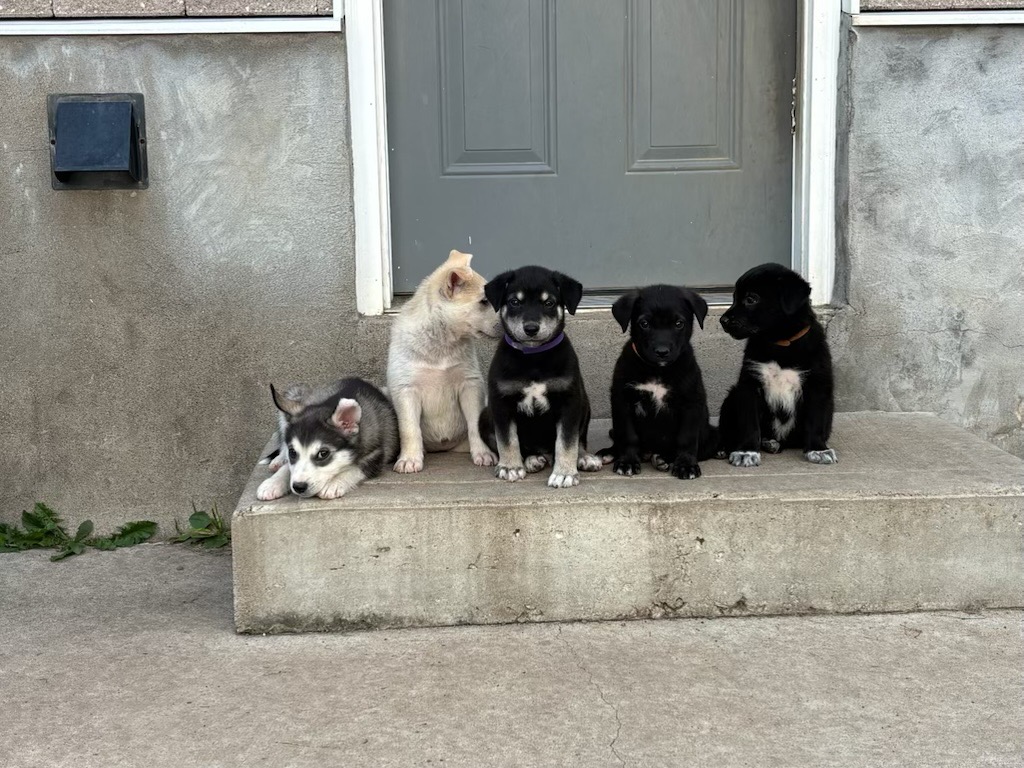
Among the animals we’ve cared for during the wildfire response was a young puppy named Alice, who arrived with her littermates showing concerning signs. She was weak, lethargic and unsteady on her feet, so our veterinary team immediately began supportive care with fluids, nutrition and close monitoring. To ensure she received the individualized attention she needed, Alice was placed in a foster home while her siblings remained together.
Bloodwork and x-rays ruled out several serious conditions but revealed anemia, likely caused by parasites, along with signs of infection. After receiving treatment and continued supportive care, Alice grew stronger each day. Within days, she had recovered enough to be reunited with her littermates in foster care – a heartwarming reminder of the difference timely veterinary care and compassionate foster families can make for animals affected by emergencies.
Lost and found animals
Wildfire evacuations can mean animals getting separated from their families in the chaos. As communities begin to return home, we want to remind evacuees and first responders to keep an eye out for lost animals.
If you’ve spotted a stray animal in your area, or you’re still searching for your own, please call 1-888-ONT-SPCA (668-7722) and follow the prompts to reach our team.
If you come across a lost or stray animal:
- Don’t chase them. A frightened animal may run into danger if pursued.
- Snap a photo if it’s safe to do so, and so their families can identify them.
- Note the exact location where you spotted them.
- Report the sighting to us, or local animal control if that’s more accessible.
To learn more, access resources, or lend your support, visit ontariospca.ca/emergency-response