Receiving the Dr. Dave Wilson Memorial Student Award has made a profound and lasting impact on veterinary student Meagan Wellon, who is currently in her second year at the Ontario Veterinary College pursuing her DVM degree.
“I cannot thank you enough for your generous donation to support veterinary students like me,” Meagan says. “Your generosity has truly made a meaningful difference in my life and will continue to impact others as well.”
A background in veterinary care
Meagan has been a Registered Veterinary Technician for nearly a decade and has continued working throughout her time in veterinary school, demonstrating an ongoing commitment to animal welfare art every step in her professional journey
Outside of school and work, she volunteers with organizations that provide veterinary services to underserved and remote communities. She began participating in these clinics before the pandemic and has continued to take part every year.
“Even with limited resources, being able to provide essential healthcare to pets who otherwise would not have access is deeply meaningful to me,” she says.
Leadership in action
Since entering veterinary school, Meagan has taken on new challenges and leadership roles.
One of her proudest accomplishments has been becoming the goalie for her class’s hockey team. Despite never having played hockey before, she stepped into the role when her team needed someone, and her teammates trusted her to take on the position. This is a reflection of her willingness to take risks and support others; values reflected in the Memorial Student Award.
She has also been elected Vice President of both her class and the Central Veterinary Students’ Association, where she represents her peers and advocates for their educational experience.
Another major milestone was successfully passing the North American Veterinary Licensing Examination. Meagan credits receiving the Dr. Dave Wilson Memorial Student Award with helping her reach this achievement by allowing her to reduce her work hours and dedicate more time to studying.
Honouring a legacy
The unexpected passing of Dr. Dave Wilson in 2021 left a profound impact on the Ontario SPCA and Humane Society. To commemorate the legacy of our esteemed friend and colleague, we established the Dr. Dave Wilson Memorial Award at the University of Guelph to support students who share a passion for animal welfare and accessible veterinary care.
Through donor generosity, this award does more than support students. This award empowers future veterinarians to focus on their education and create a meaningful difference in the lives of the animals they care for.
Meagan’s journey is a powerful reminder that investing in future veterinarians helps create lasting change for every animal and family they will go on to support.
Learn more about the Dr. Dave Wilson Memorial Student
About Dr. Dave Wilson
Dr. Dave Wilson graduated from the Ontario Veterinary College with a Doctor of Veterinary Medicine and MSc. in Clinical Toxicology. He started his career working in small animal/mixed private practice before joining the Ontario SPCA where he spent the last 18 years of his career. He worked through the ranks within the organization, managing an animal centre before eventually becoming the Senior Director of Shelter Health & Wellness.
Dr Dave is remembered not only for his leadership but for his compassion and commitment to improving the lives of animals and people who care for them. This is a legacy that is continued through every student supported by this award.
Adoption fees reduced by 50 per cent to help big dogs find a loving home
IMMEDIATE RELEASE
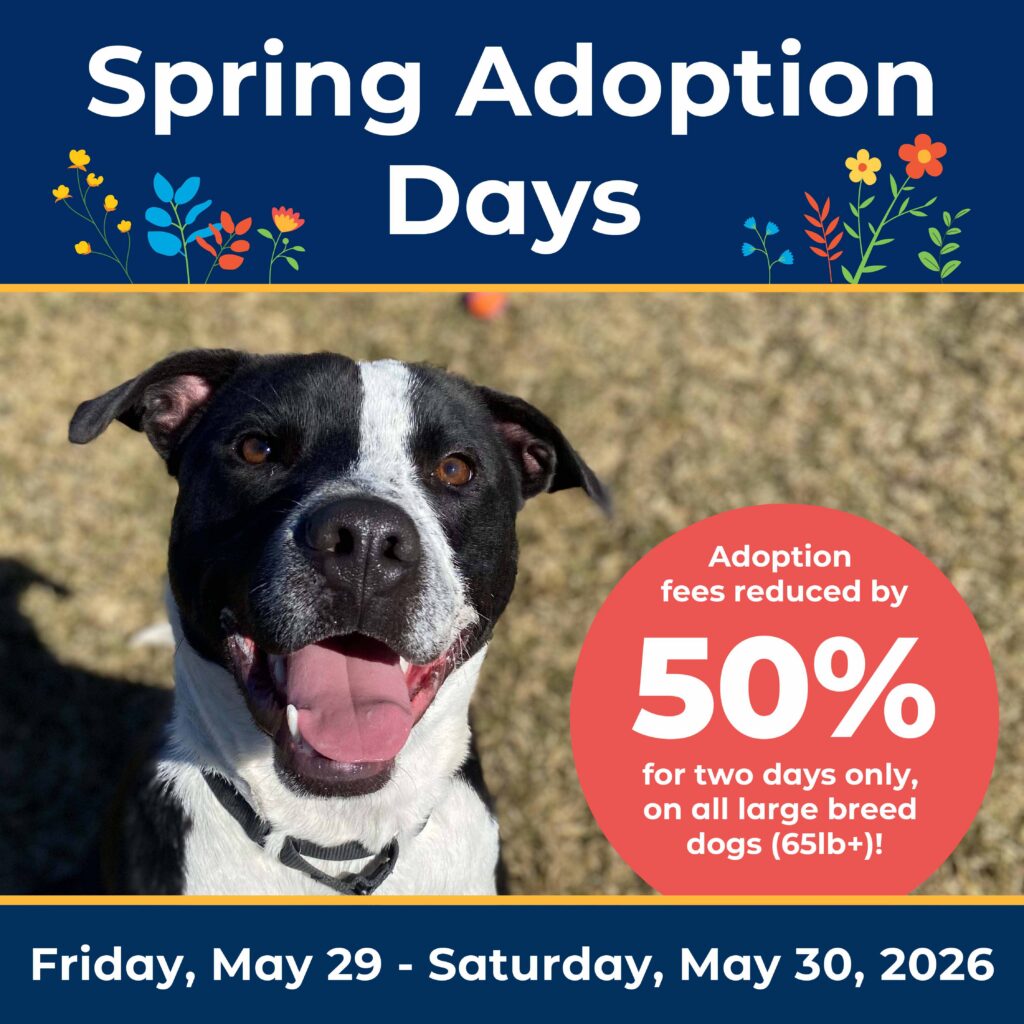
Stouffville, ON (May 25, 2026) – Give an animal the loving home they deserve during the Ontario SPCA and Humane Society’s Spring Adoption Days, taking place Friday, May 29 and Saturday, May 30 at its 13 animal centres across the province.
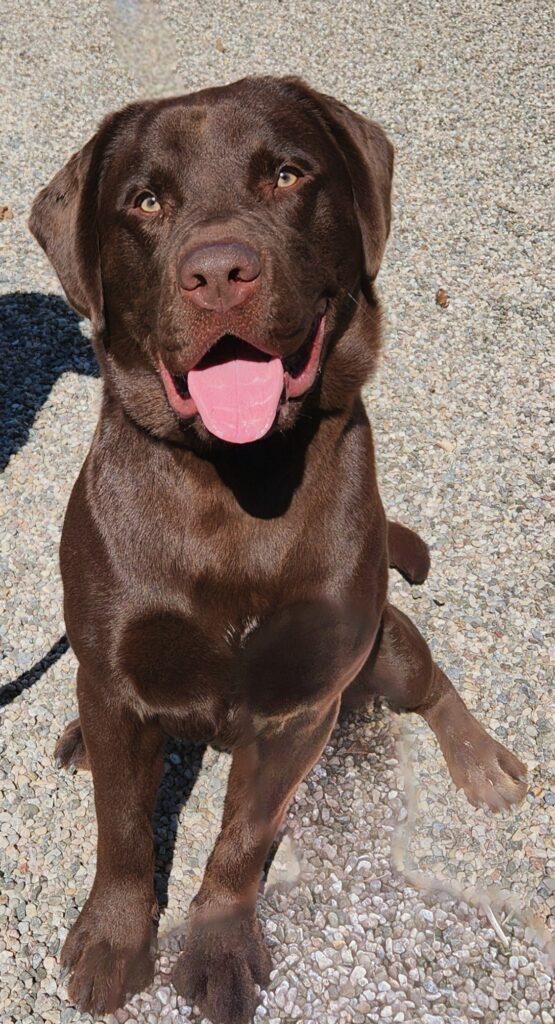
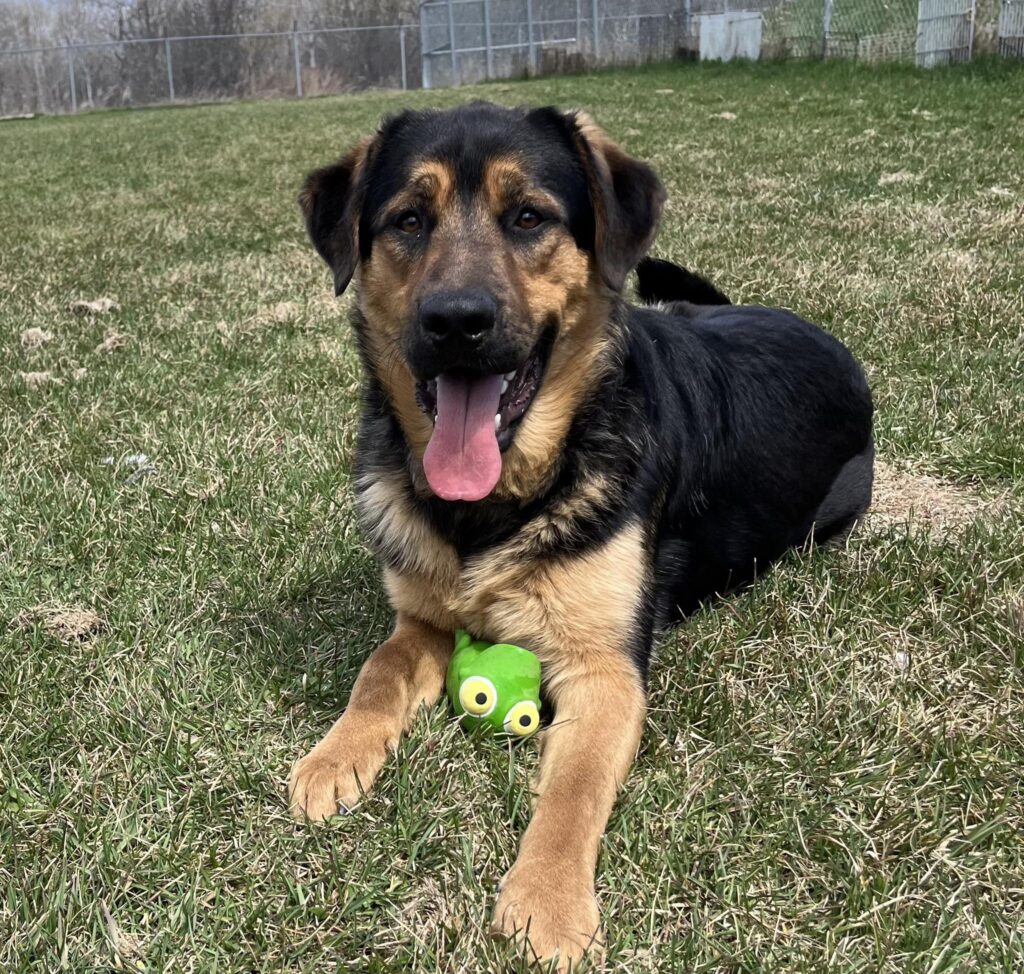
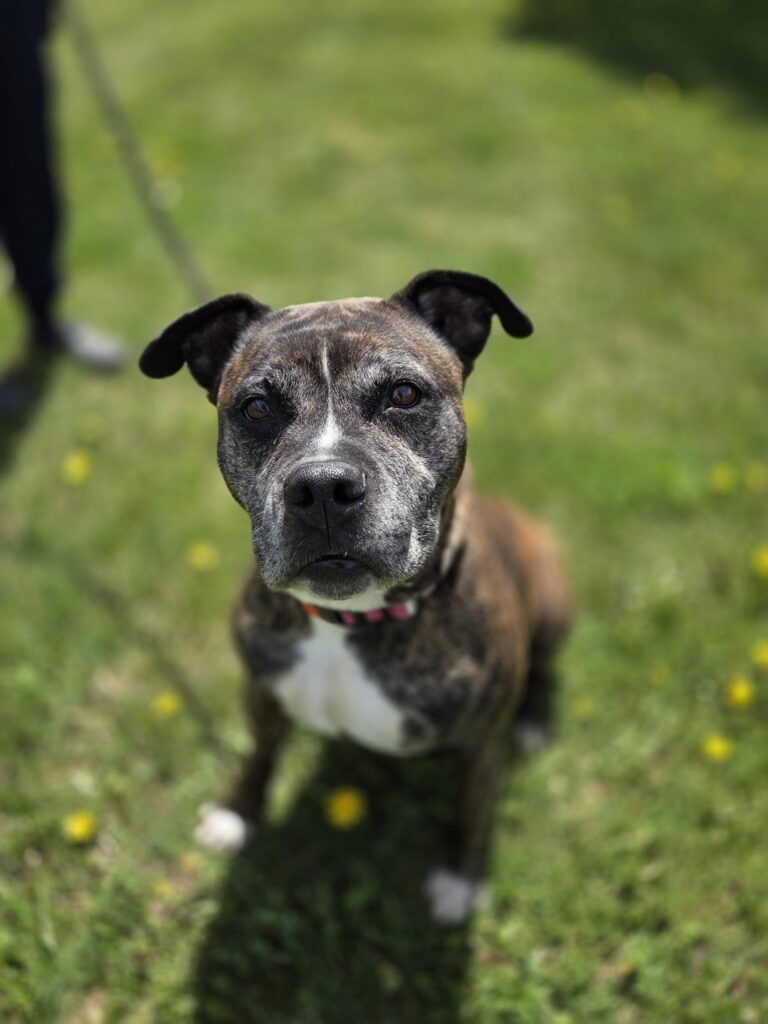
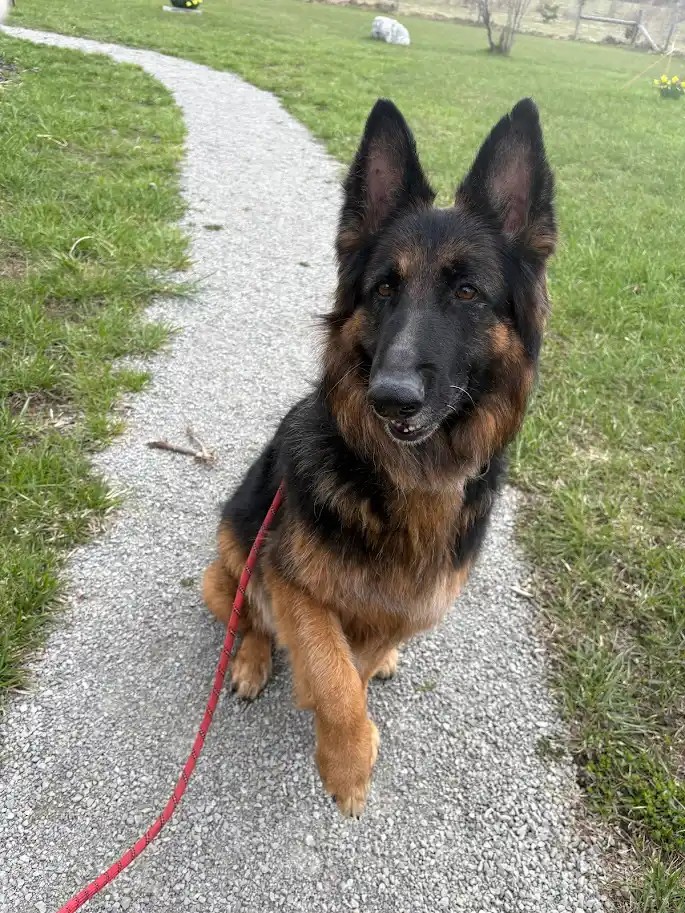
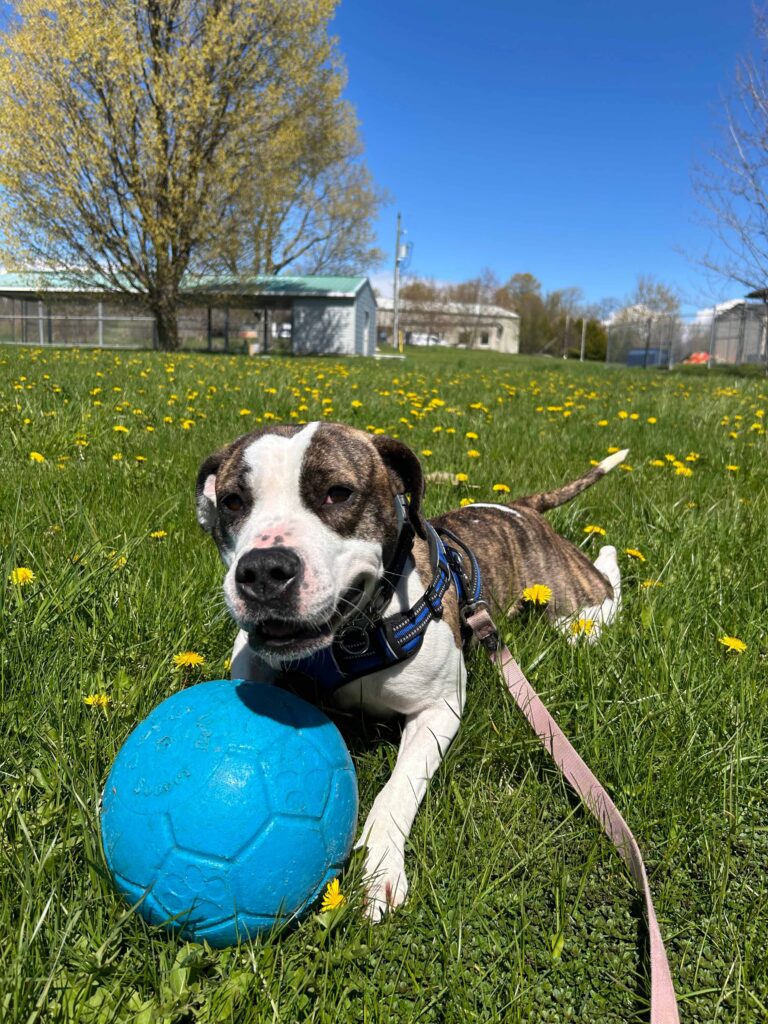
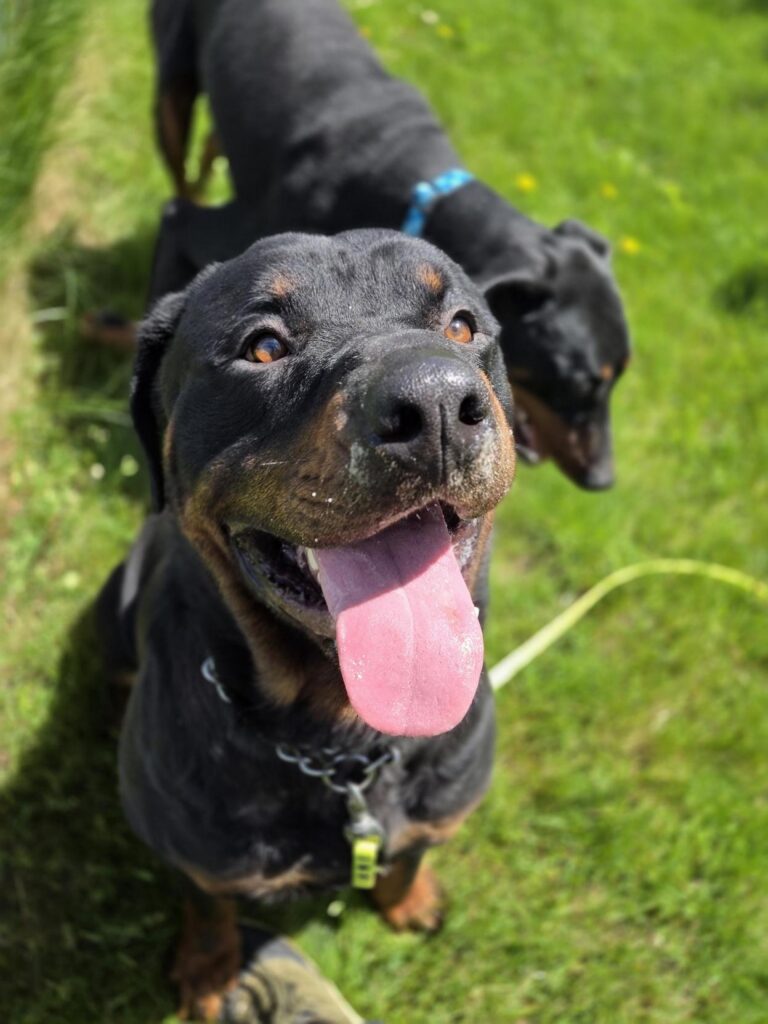
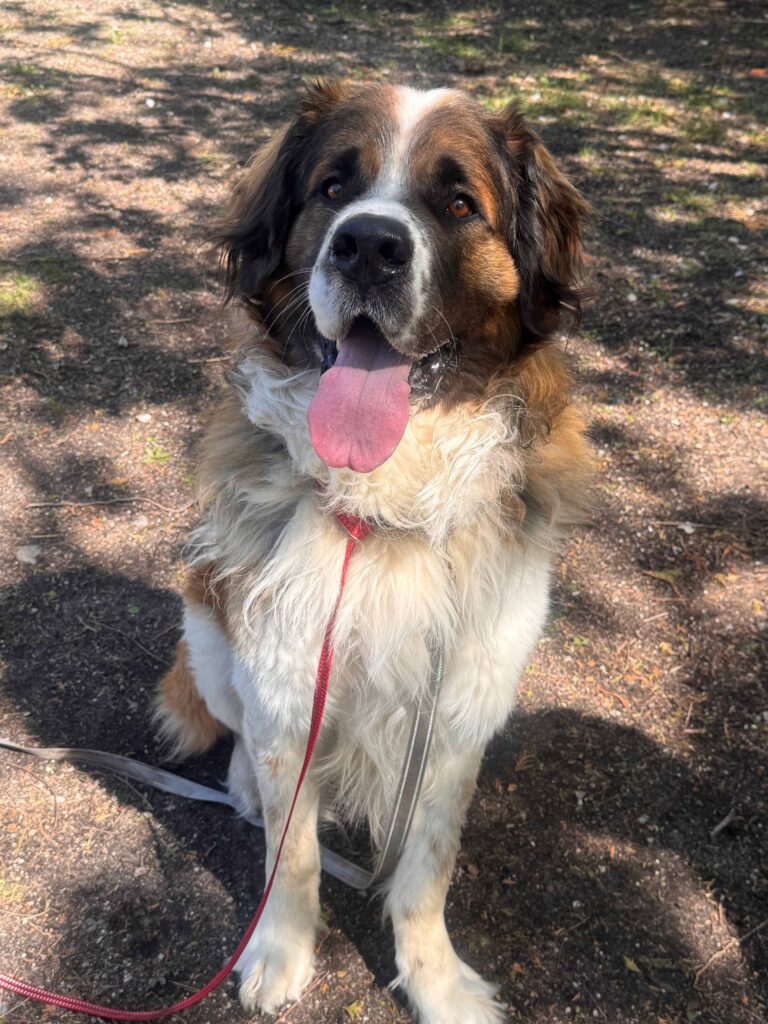
This special two-day event is designed to help as many animals as possible find loving families, with a special focus on helping large breed dogs find homes. These big dogs often wait longer for adoption due to their size, but they have just as much love to give. To help them on their journey home, adoption fees for dogs over 65 lbs have been reduced by 50 per cent during the event.
“Spring is one of our busiest times of year, with more animals coming into our care,” says Sonya Reichel, Vice President of Operations with the Ontario SPCA and Humane Society. “Spring Adoption Days give these animals a chance to find loving families while also opening space for others who urgently need us. We’re especially focused on helping our large breed dogs find the homes they’ve been waiting for.”
There are many great reasons to consider adoption. Not only are you giving an animal a second chance, but animals adopted from the Ontario SPCA are spayed or neutered, vaccinated, microchipped, and go home with food from Royal Canin to help ensure a smooth transition into their new home. Adopters also receive one free 24/7 virtual appointment with Vetster, an Adaptil or Feliway pheromone diffuser, and a Pet Valu coupon book with a value of $300.
To meet your new best friend, visit ontariospca.ca/adopt
Can’t adopt? Please consider donating to help provide care and shelter to animals in need at ontariospca.ca/donate


##
Media contact
Media Relations
Ontario SPCA and Humane Society
905-898-7122 x 375
The Ontario SPCA and Humane Society
The Ontario SPCA and Humane Society is a registered charity that has been changing the lives of animals for over 150 years. The Society provides care, comfort and compassion to animals in need in communities across Ontario. It values all animals and advocates to treat them with respect and kindness. The Society strives to keep pets and families together and does so through a variety of community support services, such as sheltering and adoptions, including emergency sheltering, feral cat management programs, animal transfers, food distribution, humane education, animal advocacy, and spay/neuter services.
The Ontario SPCA does not receive annual government funding and relies on donations to provide programs and services to help animals in need. To learn more, or to donate, visit ontariospca.ca. Charitable Business # 88969-1044-RR0002.
The Ontario SPCA and Humane Society Provincial Office sits on the traditional territory of the Wendat, the Anishinabek Nation, the Haudenosaunee Confederacy, the Mississaugas of Scugog, Hiawatha and Alderville First Nations and the Métis Nation. This territory was the subject of the Dish With One Spoon Wampum Belt Covenant, an agreement between the Iroquois Confederacy and the Ojibwe and allied nations to peaceably share and care for the resources around the Great Lakes. The treaties that were signed for this particular parcel of land are collectively referred to as the Williams Treaties of 1923.
Something special is happening this spring at the Ontario SPCA and Humane Society, and it’s all about giving animals the fresh start they deserve.
On Friday, May 29 and Saturday, May 30, animal centres across the province are celebrating Spring Adoption Days, a two-day event dedicated to helping more animals find loving homes. If you’ve been thinking about adopting, now is the perfect moment to meet your match.
Meet the big dogs with even bigger hearts
This year, the spotlight is on large breed dogs (65 lbs and over) who are ready to bring a whole lot of love into someone’s life. While the average length of stay for animals is around 18 days, large breed dogs are often overlooked and remain in our care longer.
To help them find homes faster, adoption fees for large breed dogs will be reduced by 50% during the event. If you’ve been thinking of adopting, it’s the perfect opportunity to welcome a truly special companion into your life.
Finding the right fit
There are many great reasons to consider adoption. Not only are you giving an animal a second chance, but animals adopted from the Ontario SPCA are spayed or neutered, vaccinated, microchipped, and go home with food from Royal Canin to help ensure a smooth transition into their new home. Adopters also receive one free 24/7 virtual appointment with Vetster, an Adaptil or Feliway pheromone diffuser, and a Pet Valu coupon book with a value of $300.
It’s all part of making sure both you and your new pet start off on the right paw.
Adopting a pet is an exciting decision and an important one. Taking the time to consider your lifestyle, space, and long-term commitment helps ensure a happy, lasting match. Whether it’s a playful pup, a laid-back companion, or a gentle giant, our animal care teams are there to help you find the best fit.
Be part of their story
Spring Adoption Days isn’t just about adoption; it’s about meeting the animal who leans into you like they’ve known you forever, or the one whose goofy personality makes you laugh instantly.
If now isn’t the right time to adopt, you can still make a difference by donating or becoming a volunteer.
Visit ontariospca.ca/adopt to see animals available for adoption and learn more.
‘Tis the season for gardening! But what do you do if you keep finding your lawn or gardens dug up? We’re here to help, with tips for handling the curious or hungry wildlife exploring your garden.
As more and more of their habitat gets destroyed each year, wildlife face enormous hardships. Each year they are forced into closer contact with humans and must compete for resources. With a little understanding, patience, a few precautions and simple steps, we can all enjoy the wonderfully interesting wild animals who share our backyards and cities.
Common questions:
Who is digging up my lawn and what can I do about it?
Both skunks and raccoons dig up lawns in search of grubs. Treating the lawn with an environmentally friendly and non-toxic pesticide will control the grub population. If it is a small area of lawn, you can sprinkle or spray a repellant such as hot sauce diluted with water (one tablespoon in one gallon of water) on the area to deter wild animals.
Community cats may also be digging in your gardens. Alley Cat Allies has a helpful resource that outlines what to do if you suspect cats are the culprits at your home!
Who is eating my garden and how can I prevent this?
Gardens are especially attractive to wildlife because they offer an accessible source of food. Prior to attempting any deterrent or exclusion method, it is important to determine what type of animal is actually damaging the garden. Animals leave behind clues to their identity, and you can use them to figure out who is visiting your garden. For example:
- Ragged, torn twigs or leaves, or plants cut down to the base indicate a deer. Deer also have their favourite snacks, including hostas and lilies.
- Neatly clipped ends of twigs and vegetation indicate the presence of rabbits and groundhogs.
- Small, pea-shaped droppings in the area are also an indication of rabbits.
- Missing fruits or veggies can be any number of animals, including chipmunks, birds, racoons, groundhogs and rabbits.
Once you have determined which animals are eating the garden, you can undertake some simple steps to prevent the activity.
Steps to prevent animals eating your garden:
Fences restrict rabbits and deer from access to gardens
Physical barriers may be set up so that certain animals cannot access the garden. You may have to place the fence a few inches into the ground so that animals cannot sneak under the fence. Obviously, the height of the fence would need to be greater to exclude deer than to exclude rabbits.
Fencing material should be stronger than chicken wire because most animals can manipulate it and gain entry to the garden. A lower-gauge, thicker wire mesh works best. Fencing is usually not successful in restricting raccoons from gardens. They are very good climbers and would have no difficulties climbing over the fence.
Covers restrict most animals from vegetables
Plant covers are also successful at keeping most animals from consuming garden plants. Covers can be purchased at garden centres, or you can make your own by cutting the bottom out of a milk or pop jug and placing it over the plant. To protect larger plants, place a net over them. For fruit trees, large nets can be purchased which cover the whole top of the tree to protect the fruit from birds and wild animals. To protect tree trunks from wild animals, plastic or metal screens can be purchased and wrapped around the trunks to a height of about two to three feet.
Deterrent devices work on all animals
Another approach to deter wild animals from your garden is to install deterrent devices. These devices are most useful when dealing with rabbits, groundhogs, skunks, and raccoons.
There are many commercial products you can buy from garden centres, such as motion sensitive lights, sprinklers, and acoustical alarms. There are also many homemade devices that are successful, such as the traditional scarecrow. The key to making this device successful is movement. For example, the scarecrow must move by wind or motorized equipment.
Another device to try is scare tape. Scare tape is reflective and auditory. Simply cut the tape into strips and attach them to posts or wires around the garden. The wind will cause the tape to reflect light and make noise, which will deter wild animals. Aluminum pie plates can also be used.
Note: Any deterrent method you use may need to be changed from time to time as animals adapt and become accustomed to noises and motion. Deterrent devices must remain novel and strange to be effective.
Taste repellents
You can also try a taste repellant applied to the plants that the wild animals are eating. A diluted mixture of hot sauce and water (one tablespoon of hot sauce in one gallon of water) can be sprayed directly on the fruits/vegetables or around the perimeter of the garden. Remember to wash fruits and vegetables thoroughly before eating.
For more tips on co-existing with wildlife, check out our Wildlife Fact Sheets.
If this information was helpful, please help us continue to educate about pet health and well-being by making a donation. As a registered charity that does not receive annual government funding, the Ontario SPCA and Humane Society depends on the generosity of donors to change the lives of animals in need.
Every animal has a story, and some leave a lasting impression on everyone they meet. For the team at the Ontario SPCA and Humane Society Greater Sudbury Animal Centre, Chase was one of those dogs: full of personality, heart and potential. With patience, dedication and a whole lot of love, Chase’s journey became a powerful reminder of how life-changing a second chance can be.
Small steps, big progress
From his goofy ears and endless energy to his love of belly rubs and snowy adventures, the young German Shepherd quickly captured the hearts of staff during his time in our care. Chase was brought to our animal centre for rehoming due to changes in his family’s health circumstances. While sweet and affectionate, Chase needed some extra patience, structure, and support to help him build confidence and learn his manners.
“Chase had so much love to give,” says Marissa, Animal Care Coordinator at the Sudbury and District Animal Centre. “He was incredibly smart and eager to learn, and our team worked closely with him every day to help him succeed. Watching his progress over time was so rewarding.”
For over a month in care, Chase participated in daily enrichment and training focused on leash manners, redirection and confidence building. Staff used everything from treat trails and puzzle feeders to long walks and positive reinforcement to help channel his energy in productive ways. Slowly but surely, Chase began showing just how far he could come.
Then came a call that changed everything.
A new name to mark a new beginning
After learning about Chase through social media, his adopters made the five-hour drive to Sudbury to meet him in person. They were drawn to him due to his eyes and markings, as he reminded them so much of their late dog. The connection was immediate and before long, Chase was heading home with a new name: Timber.
Timber thrives in his new home
Today, Timber is thriving. His family says he has grown into a calm, affectionate companion who loves long walks, car rides, and spending time outdoors. He enjoys exploring trails and soaking up every moment with his new family.
“He’s become the most loving and loyal dog,” his adopter, Rene says. “Watching him gain confidence and settle into our lives has been amazing. He truly was meant to be part of our family.”
For the Sudbury team, Timber’s story is one they will never forget.
“Seeing him so happy and loved means everything to us,” says Marissa. “Stories like Timber’s remind us why we do this work every day.”
Timber’s happy story is a testament to the power of compassion, patience and the bond between animals and the people who believe in them. Thanks to the support of caring adopters and dedicated animal care teams, dogs like Timber are given the opportunity to thrive in loving homes where they truly belong.
As a registered charity that does not receive annual government funding, the Ontario SPCA and Humane Society depends on the generosity of donors to change the lives of animals in need.
Please consider donating today.

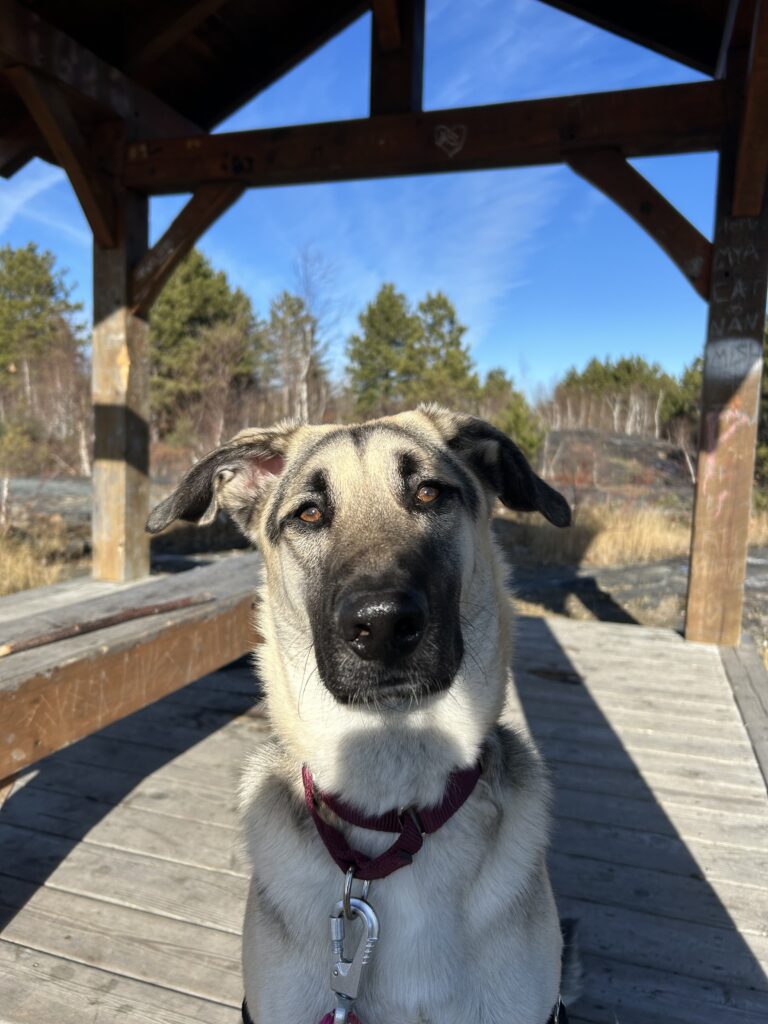
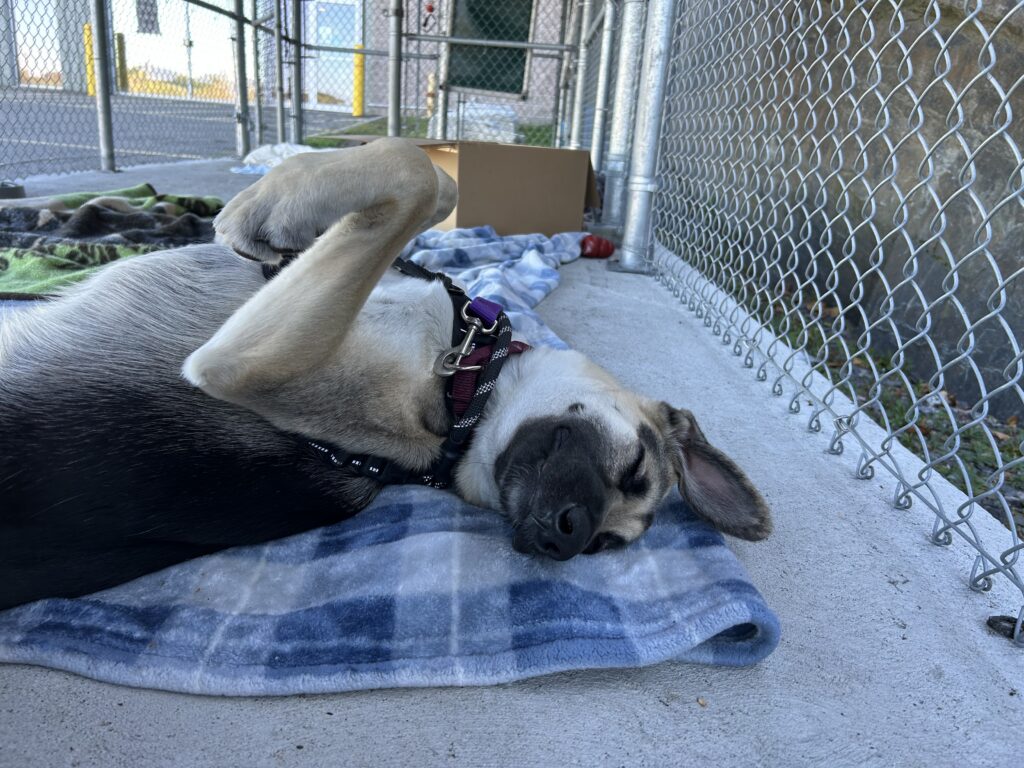
If you’ve ever had to move to a new house, you know there is a lot to think about leading up to the big day. Moves are exciting, but they can also be very stressful for us as well as our furry friends. To help the day go smoothly and reduce the impact on your canine pal, here are some tips.
Unpack the mystery of boxes
Bring packing materials like boxes, newspaper and bubble wrap out well before you start to pack and introduce them to your dog with lots of treats. This will get them used to the new items and give them a positive association with the disruption of packing items. Remember, things like bubble wrap can be dangerous to dogs if ingested, and could cause suffocation, so keep an eye on them.
Pack your pet’s belongings last
Like cats, dogs will be watching what you do with their favourite toys and bed, so make sure to pack these items last, so they have a safe place to go if they do start to feel anxious. Check on them regularly and offer pats and treats as the process goes on.
Enlist the help of a dog sitter
On the day of the move, if you have a trusted friend that your dog likes, ask them if they could keep your dog at their home until the move is over. If that’s not possible, ask a family member to take on the important job of “dog sitter” during the moving process to ensure your dog is comfortable, calm and doesn’t dart out the door while you’re bringing in boxes and furniture.
Walk off any stress
Take your dog for a nice long walk before you bring them into their new home. This will help reduce anxiety, as well as give them time for a bathroom break. While you’re doing that, have someone else set up their bed and favourite toys in a special, out–of–the way area of the home where your dog can relax while you unpack. The more energy they expend at this time the better!
Explore at your pup’s pace
Let your pup explore your new home at their own pace with lots of positive reinforcement through treats and affection. Having a diffuser like Adaptil, a calming pheromone product for dogs, can also help keep them calm.
Routines keep things relaxed
Keep to your regular schedule as much as you can and, if possible, take a few days off after the move. This will help your dog feel safe in the new space while you both adjust to your new surroundings together.
We know there are bound to be challenges on moving day, but being aware of your dog’s needs can go a long way in helping them feel calm and secure in their new home.
If this information was helpful, please help us continue to educate about pet health and well-being by making a donation. As a registered charity that does not receive annual government funding, the Ontario SPCA and Humane Society depends on the generosity of donors to change the lives of animals in need.
It’s Victoria Day! We hope you are ready for a day filled with fun and we have a few suggestions on how you can include your furry friends! Here are a few activities you can do with your family and companion animals today.
Make some homemade treats for your furry friend
There are lots of great recipes you can find online for whatever type of furry friend you have at home. Here are some of our favourites!
DIY Pet Treats: Apple Peanut Butter Balls
DIY Pet Treats: Frozen PB & Banana
Teach your companion animal some new tricks!
Did you know, it isn’t just dogs who can be trained to learn tricks? Cats and rabbits can be trained for certain behaviours, too.
Learn training tips and tricks on our blog.
Fireworks? Tips to keep your pets comfortable
If people in your neighbourhood are setting off fireworks, it’s important for you to know how to keep your furry friend comfortable and happy. Read our blog on firework safety.
Small pets
Small animals (e.g., hamsters, gerbils, guinea pigs, rabbits, mice and birds) tend to frighten easily around loud noises. Here are some steps you can take to help them feel more at ease:
- If you’re concerned about noise, you can move your animal’s cage or hutch to an area of the house that’s quieter (e.g., the garage or basement).
- Rodents tend to burrow when they’re frightened, so make sure you provide extra bedding.
- Cover your birdcage or hutch with a blanket or towel to dampen the noise and to block out some of the bright lights.
Dogs and cats
- Keep your furry friend indoors during firework displays. Make sure to close windows and pet doors leading outside. Startled animals will seek a place to hide. That means if your cat or dog manages to get outside, it can be very easy to lose them. Being inside the house will also help dampen any loud noises.
- Make sure your animal is wearing his or her collar and ID tags. Microchipping is also recommended to help increase the chances of being reunited with your furry friend if they become lost.
- Walk your dog before it gets dark to avoid going outside once the fireworks start.
- Have a safe place for your companion animal to feel at ease, like a crate or other den-like enclosure.
- You can block out some of the flashing lights by keeping curtains closed and by placing a blanket over your animal’s crate.
- Your furry friend may pace around, make noise or search for a place to hide. Let your animal be—trying to coddle or comfort them will indicate that something is wrong and add to your animal’s anxiety. By staying calm and relaxed, you’ll help reassure your furry friend that there’s no real danger.
If this information was helpful, please help us continue to educate about pet health and well-being by making a donation. As a registered charity that does not receive annual government funding, the Ontario SPCA and Humane Society depends on the generosity of donors to change the lives of animals in need.
Trimming your canine companion’s nails can be nerve-wracking for both you and your pooch… but it doesn’t need to be. We have some tips to help you get prepared, and to keep the experience positive. Here are some tips to trim your dog’s dark nails and make it a safe and positive experience.
Nail it
Start with the basics. Dark nails are more challenging to trim than lightly coloured ones. By checking the underside of the nail, you should be able to see the lighter fleshy part – the quick. This contains the inner nerve and blood vessels. You want to trim above that point to avoid causing your dog any pain or discomfort.
Put on the brakes
If your pup is terrified or very nervous, you might want to postpone the nail clipping session. Take some time to counter condition or desensitize the dog.
Be prepared
Assemble what you will need for nail clipping. Sharp nail trimmers are essential. The style of clipper – guillotine or scissor – doesn’t matter as long as they are sharp. Replace guillotine-style blades frequently. Sharp trimmers prevent painful nail crushing. Also have on hand a Styptic pencil or cornstarch, in case you trim a nail too far and nick the quick.
An adequate supply of dog treats will help distract and encourage a pleasant experience.
No slip sliding
A rubber bath mat or a yoga mat for your furry friend to stand on is helpful. It will be more comfortable to stand/sit on and will prevent slipping and sliding.
Grab a friend
Enlist the help of a family member or friend who is comfortable with your pooch. Nail trimming is easier as a two-person task. One person can provide low-stress restraint as needed and offer bits of treats, while the other does the nail clipping.
Take paws
No matter how well you know the dog, keep your face back from the dog during nail trimming. Gently, but firmly, hold the paw. Give your pup time to get comfortable. Gently reposition as often as necessary.
Keep it small
Small clips are better than taking big pieces off a nail. Keep the clips small. Check the nail after every clip until you can see a small shiny dot. That is the quick of the nail. You want to stop when you reach that point. Getting too close will cause your dog pain and bleeding.
Keep paw-sitive
Take short breaks during the trimming for both you and your pup to prevent frustration.
Lots of encouragement, praise and some treats will keep the nail trimming experience positive.
If this information was helpful, please help us continue to educate about pet health and well-being by making a donation. As a registered charity that does not receive annual government funding, the Ontario SPCA and Humane Society depends on the generosity of donors to change the lives of animals in need.
Welcoming a kitten into your home is an exciting and heartwarming experience. Those early weeks are filled with playful moments, curiosity, and rapid growth, but they’re also one of the most important times in shaping your kitten’s future behaviour.
Why is it important?
Socialization during kittenhood helps build confidence, reduces fear, and sets the foundation for a friendly, well-adjusted adult cat. By gently introducing your kitten to new people, environments and experiences in a positive way, you can help them feel safe and comfortable in the world around them. To ensure that kittens in your care are friendly and well-adjusted:
- Socialize the kitten with both people and other animals.
- Introduce the kitten to a wide range of events, environments and situations.
- All animals, including cats, have a window of opportunity at the start of their lives during which they learn to accept things around them so they are not afraid of them later in life.
When to start socialization
Kittens have a prime socialization window which occurs at two to seven weeks of age but can extend up to 14 weeks. During this time, the kitten is most receptive to new experiences. You can help boost confidence and reduce the development of fears and phobias by providing kittens with a variety of experiences during these early weeks.
After the window closes, unfamiliar people, objects and experiences are approached with caution, and the kitten may become fearful. In fact, the most common cause of fear and aggression is lack of socialization.
Keep these interactions short and frequent so the kitten does not become overstimulated or tired.
Create a socialization schedule:
- Combine a variety of situations with positive reinforcement and rewards.
- Have the kitten become accustomed to handling by different people during its stay.
- Ensure the kitten is touched in different places such as the ears, paws, mouth and belly.
- Provide a wide variety of opportunities to explore.
- Expose them to different sights, sounds and smells.
- Ensure that socialization experiences are positive and that the kitten does not display signs of fear or anxiety in every situation.
The time and care you invest in socializing your kitten today can make a lasting difference in their life. With patience and consistency, you’ll be setting them up for a lifetime of comfort, curiosity, and companionship.
If this information was helpful, please help us continue to educate about pet health and well-being by making a donation. As a registered charity that does not receive annual government funding, the Ontario SPCA and Humane Society depends on the generosity of donors to change the lives of animals in need.
During the summer months, many families are packing up for weekends at the cottage – and bringing their furry family members along for the adventure. While a getaway can be fun for everyone, the cottage environment is often very different from your pet’s usual routine at home. From unfamiliar surroundings to new seasonal hazards, keeping a few safety tips in mind can help ensure a safe and enjoyable cottage season for both you and your pet.
Arriving safely
For your animal’s safety and your own, keep them in the back seat, either in a carrier or pet seatbelt (a special harness that attaches to the car’s seatbelt) when driving to the cottage. To help keep your animal comfortable throughout the trip:
- Keep the car at a comfortable temperature, using air conditioning when necessary. Never leave your animal alone inside the vehicle, even with windows open. Even a short time in a hot environment can be life-threatening for your pet.
- Run errands before you hit the road to minimize the need for stops. This is critical if you are travelling alone and do not have someone to stay with your pet if you need to leave the vehicle.
- Feed your furry friend a light meal at least four hours before the trip to help prevent car sickness.
- Prevent your animal from sticking their head out the window (sudden stops and debris can cause injury).
- Schedule rest stops every two to four hours for exercise, bathroom and water breaks (bring a litter box for cats).
- Attach your animal’s leash before opening the car door to prevent them from accidentally escaping.
- If your pet is not used to travelling, use a harness (it’s more difficult for your pet to wriggle out of).
- Keep the car sound system volume moderate as cats and dogs have sensitive hearing.
Pets on the loose!
Some people may feel more relaxed about letting their pets roam freely at the cottage, but unfamiliar surroundings can create unexpected risks. Pets who wander off may become lost, encounter traffic, get into fights with other animals, or have dangerous interactions with wildlife.
It’s important your furry friends stay within a safe radius of your cottage property and wear identification that has the address and phone number of your cottage. If your animal is microchipped, contact the microchip company and inform them of your weekend address and phone number. Be prepared and have the phone number of the local animal control facility and the local animal shelters in your cottage region.
Healthy = happy at the cottage
A preventative care plan for your animal will help protect them against disease and parasites while at the cottage. It is recommended to speak with your veterinarian about preventative flea and tick medications, as well as to ensure your pet is up to date with all their vaccines. Have the phone number of an emergency veterinary clinic serving your cottage area on hand, just in case emergency veterinary attention for your animal is required.
Water safety
If you plan to take your animal out on the water boating with you, be sure to invest in a pet life jacket. Even good swimmers can tire easily in rough water, and banks and rocks along the shore may be slippery or too steep to climb up. Life jackets not only keep your pet afloat if they decide to “jump ship,” they can also help protect against hypothermia in cold water and can also make it easier to pull them back onboard. Learn how to fit your dog for a lifejacket.
It’s important to remember that it can get very hot on the boat so be sure to provide a shaded area for your pet to rest and bring plenty of fresh water to prevent dehydration and/or heatstroke. Plan stops at public rest areas where you can disembark and give your dog a break on land. Remember to bring your dog’s leash for time off the boat.
If you are planning to be on the water for a long period of time, you may need to bring a portable potty system (some dogs will use a pee pad, a square piece of turf may work for others, or look up “pets and portable potty system” for available options).
Swimming tips
- Ensure your dog is supervised at all times. Life jackets are also a good idea, particularly for older dogs, or dogs who are not strong swimmers.
- Remove chain or slip collars before your dog goes into the water. These collars can snag a dog on hidden underwater obstacles, such as plants, branches or debris.
- Watch the water before allowing your dog to swim. Moving water can be dangerous. Even if the water appears to be moving slowly, the volume of moving water can make it difficult for a dog to swim against the current. If the current or wind appears too strong, let your dog splash close to shore instead.
- Check the water temperature. A dog will generally tire more quickly in cold water and can lose energy, develop cramps and suffer from hypothermia.
- Call your dog out of the water before they are too tired – a tired dog has a much higher risk of drowning.
Pets and wildlife – Be aware!
Problems can arise when your pet encounters a wild animal. Pets should NOT be allowed to chase and/or injure wildlife. Keeping your pet on leash will help protect them from wildlife as well. For example, quills from a porcupine can be a very painful experience, and skunk spray can sting the eyes – plus that’s not a smell you want in your cottage! There are also illnesses that can be passed from wildlife to domestic animals.
Follow these simple suggestions to help ensure that you and your animals enjoy a relaxing time at the cottage this summer.
If this information was helpful, please help us continue to educate about pet health and well-being by making a donation. As a registered charity that does not receive annual government funding, the Ontario SPCA and Humane Society depends on the generosity of donors to change the lives of animals in need.
Interactive play involves both you and your cat engaging in playtime. This is more stimulating than when a cat plays alone and ensures they get enough exercise and mental stimulation to stay emotionally healthy. Interactive play mimics hunting and predatory instincts, which helps build confidence and reduces fear, anxiety, stress, frustration, and boredom.
When you provide this type of play, it can greatly decrease the development of unwanted behaviours and increases quality of life by allowing the cat to express natural behaviours. Keep interactive play sessions short (5-10 minutes) and rewarding to encourage future interest.
Here’s what you’ll need:
- Wand toys
- Plastic rolling balls (with or without a bell inside)
- Toys that mimic prey (like mice or birds)
- Laser pointer
Tips for using toys for interactive play:
- Wand toys: Wand toys are great for overstimulated or fearful cats as they keep you at a distance while mimicking the movements of potential prey. Try flicking the wand toy up, swooping it through the air, or slithering it on the ground to see what kind of movement your cat prefers.
- Plastic rolling balls: Throwing or rolling these away or parallel to the cat can be fun for them to chase. These balls can also engage fearful or shy cats by allowing them to watch the movement without forced interaction.
- Toys that mimic prey: Cats often prefer toys that look like prey animals, such as mice or birds. Toys with legs and tails are particularly interesting. Many cats enjoy “hunting” soft toys that they can pounce on and hold in their mouths.
- Laser pointer: Laser pointers can be excellent for visual hunting and physical chasing when used appropriately. Never point the laser at your cat’s face, which can be dangerous. Instead, move it around the environment for them to chase. Always end the laser chase with the beam stopping on a toy so the cat can “catch” the laser and avoid frustration.
Making the toy act like prey
Prey animals typically move away from predators with quick stops, hiding, and darting in different directions. When playing with your cat, try to mimic these movements to make the play more realistic.
Watching is still engaging
Cats might not always want to play, especially if they are experiencing higher levels of fear, anxiety and stress. Watching a toy move without physically chasing it is still a form of interaction and can help build trust.
Allow for a “kill”
Near the end of play sessions, let your cat “make a kill” by catching, pouncing, kicking, or biting the toy to keep the play rewarding and reduce frustration.
Rotating toys or games
Change the type of interactive play or game to maintain your cat’s interest and engagement. Introduce new toys with different scents, movements, or textures. Hide new toys for your cat to discover, making it more fun and appealing than directly giving them the toy.
End play sessions on a positive note
Always end play sessions and “kills” with a treat or a meal (depending on the time of day) to mimic the natural hunting goal of obtaining food and encourage a calm stop to the play. Put interactive toys away between sessions. Wand toys can be dangerous if left out, as the string can be a choking or strangulation hazard. Constantly present toys can become disinteresting, making future play sessions less engaging.
Interactive play is crucial for keeping your cat physically and mentally stimulated. By following these tips and using appropriate toys, you can help your cat express natural behaviours, reduce their stress, fear and anxiety, and enhance their overall quality of life. Remember to keep sessions short, rewarding, and engaging, and always prioritize your cat’s safety by putting toys away when not in use.
A healthy weight for your dog means better quality of life and reduced risk of serious conditions associated with obesity. Here are some ways you can feel confident you’re helping them stay fit and well.
Whether your dog has recently lost weight, gained weight or you’re looking to make sure it stays as fit as possible, it’s important to feel confident that you’re doing the right things to keep their weight healthy and stable.
It can be difficult to resist your dog if they beg or whine, and many owners find themselves using treats as a way to manage behaviour. However, if you want to make sure your dog stays healthy, it’s crucial you maintain good practices in the home—and you encourage all other members of your family to do the same.
What’s a healthy weight for your dog?
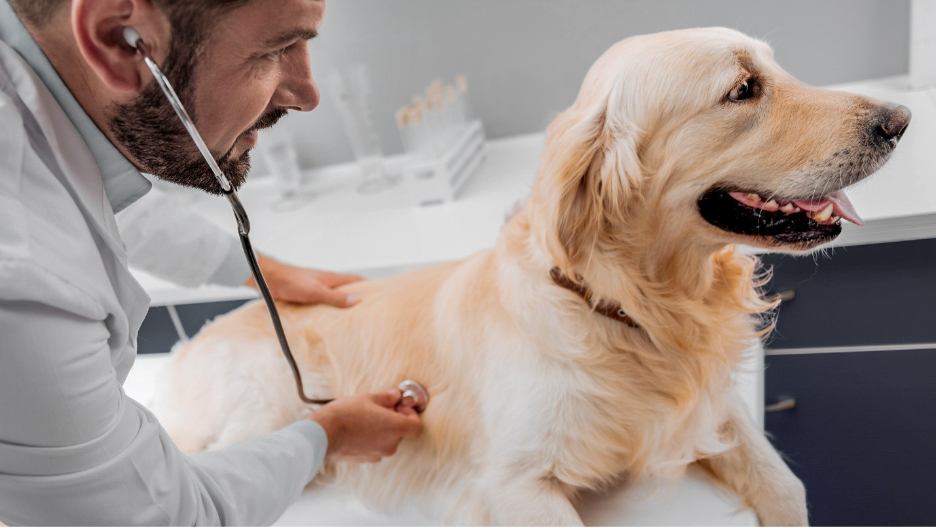
The best way to find out the healthiest weight for your dog is to visit your veterinarian. They’ll be able to tell you the most appropriate weight for your dog according to their breed, gender, age and several other factors. Often, a healthy weight is identified as the weight your dog was before they became obese—but this can be hard to define, particularly if your dog has been overweight for a long time or since they were a puppy.
Some specific factors could make your dog predisposed to weight gain, and therefore maintaining a healthy weight is even more important. There are several breeds that are more likely to gain weight than others, including Beagles, Pugs, Labrador Retrievers, Cocker Spaniels, Scottish Terriers and Saint Bernards. Female dogs are also more likely to gain weight, and if your dog has been neutered they are more likely still; the frequency of obesity in neutered male and female dogs can be twice that of unneutered dogs.
Feeding your dog to maintain its weight
If your dog has recently gained or lost weight, and is now at its recommended size, there are two options for continuing to feed them. You can stay with the same food as used during their weight-loss or weight-gain process, increasing or decreasing the quantities as necessary to maintain their weight, or you can choose a food with a higher energy density and retain the same quantity. It’s best to consult a veterinarian before starting this process to make sure any quantities are moderated appropriately. Your veterinarian will be able to advise you on the best course of action, as well as which specific foods are best for your dog.
The energy density and calorific value of their food is an important factor to take into account, and the food should also include high protein content to support muscle mass, with a moderate fat content to help avoid weight gain. Some foods even contain a unique blend of fiber, which helps your dog feel fuller without eating bigger portions.
Sticking to good feeding behaviours with your dog
You should rigorously maintain good eating practices for your dog so they have the best possible chance of maintaining a healthy weight. Feed them in the same place, from the same bowl, at the same time so they become used to specific mealtimes. Don’t give them scraps or give in to begging, and swap treats for kibbles taken from their daily allowance. It’s also a good idea to weigh them once a month and go for regular check-ups to get professional advice from your veterinarian.
With the right mindset, you will be able to support your dog in maintaining a healthy weight and enjoyable lifestyle. For more ideas on how to help manage your dog’s weight, speak to your veterinarian who’ll be happy to advise you.