Storms can be scary for both humans and animals, but it’s important to remember that your furry friends rely on you for their safety. You’re also responsible for making them feel safe! Here are some tips for weathering summer storms with your furry friends.
Be fully prepared
Even before a storm hits, it’s important to plan ahead so you can ensure you’re prepared for an emergency. During a severe storm, you want to be prepared with a pet first-aid kit, as well as a 72-hour survival kit for you and your pets. For a list of items for this kit, see our Emergency Preparedness page. You’ll also want to ensure your pet wears a properly fitted collar and ID tags. Microchipping is also encouraged to help increase the chances of being reunited with your pets if they become lost.
Take cover
First and foremost, you and your pet need a safe place to take shelter. If a storm becomes severe, head to your basement if you have one. Set up a comfortable space there for your furry friend as well, so you’re both prepared to stay safely in place if needed for an extended period.
You should also keep animals indoors, making sure to close windows and doors. Startled animals may seek a place to hide and if they manage to get outside, it can be easy to lose them. If you need to take your dog outside, keep them leashed at all times to prevent them from bolting and becoming lost.
Dangerous toxins
If you choose your basement as a shelter in case of emergencies, it’s important to be aware of what toxic chemicals may be stored down there. As curious creatures, animals may feel the need to sniff or potentially taste the chemical if they have the opportunity. It’s important to keep these products far away from where you and your furry friends are hiding out.
Hide and seek
Animals often have favourite hiding spots they like to go to if they are anxious or scared. It is important for caregivers to know where these spots are in case evacuation is necessary and their furry friend is winning the game of hide and seek.
It is important to be prepared for when the thunderstorms come rolling in. Block out flashing lights by keeping curtains and blinds closed or by placing a blanket over your animal’s crate. Turn on the TV or play quiet music to help drown out the noise.
Stay calm! Animals may pace around, make noise, or search for a place to hide. Let them be – remaining calm will help reassure that there’s no danger.
Feel free to share these tips with your friends! Let’s help each other prepare for the next summer storm.
If this information was helpful, please help us continue to educate about pet health and well-being by making a donation. As a registered charity that does not receive annual government funding, the Ontario SPCA and Humane Society depends on the generosity of donors to change the lives of animals in need.
Mother’s Day is a time to celebrate the compassion, care, and love that mothers bring into our lives every day. This year, why not honour that spirit with a gift that reflects those same values? Give a gift that will make your mom smile and help animals in need across Ontario!
Gifts she’ll love and feel good about
If you’re looking for something tangible, the Ontario SPCA and Humane Society’s Paws & Give website offers thoughtful items perfect for any animal-loving mom. From elegant Cat Mom and Dog Mom rose quartz bracelets to stylish everyday accessories like the Paw Print Crossbody Bag, these pieces are designed to celebrate her love for animals while supporting an important cause.
Looking to add a personal touch? Gift sets like the Forever Loved Set, complete with a paw charm keychain and collar charm, make for a heartfelt and memorable surprise.
Give a gift with deeper meaning
For a truly unforgettable gesture, consider a symbolic gift. It’s a meaningful way to honour your mom while directly helping animals in need.
- Care for a Cat Mom: Spring marks kitten season, a critical time when our animal centres see an influx of vulnerable litters. Your gift helps provide care for a mother cat and her kittens, giving them the best possible start.
- Care for a Dog Mom: Celebrate a dog-loving mom by supporting a mama dog and her puppies with essential care, nourishment, and shelter.
Each symbolic gift includes a personalized eCard sent directly to your recipient, making it a simple yet deeply meaningful way to show you care.
Why it matters
Every purchase through Paws & Give supports our work, helping animals receive shelter, medical care, and the second chance that they deserve. It’s a way to turn a thoughtful gesture into real impact.
This Mother’s Day, choose a gift that reflects the love and compassion you’re celebrating. Whether it’s something she can unwrap or a symbolic gesture that helps animals in need, your gift will make a difference.
Shop Mother’s Day Paws & Give today.
IMMEDIATE RELEASE
Stouffville, ON (May 4, 2026) – This week is Emergency Preparedness Week and theOntario SPCA and Humane Society is calling on the public to include animals in their emergency plans to help ensure no family member is left behind in a crisis.
Having an emergency plan means being ready for a range of situations, from severe storms to evacuations. The Ontario SPCA encourages families to have supplies ready, know how to safely shelter in place, and plan ahead in case they need to leave their home quickly with their pets.
To help families prepare, the Ontario SPCA offers free emergency preparedness resources, including a downloadable Emergency Preparedness Workbook that will help you build a 72-hour emergency kit and create a plan to care for your animals during an emergency. Visit ontariospca.ca/ep to start planning today.
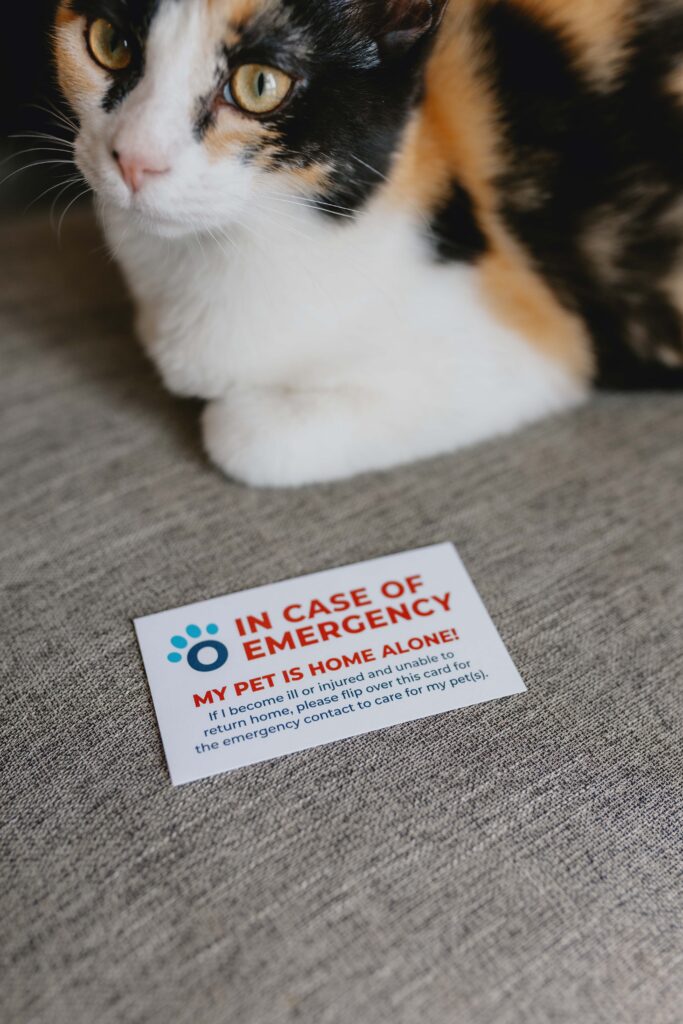
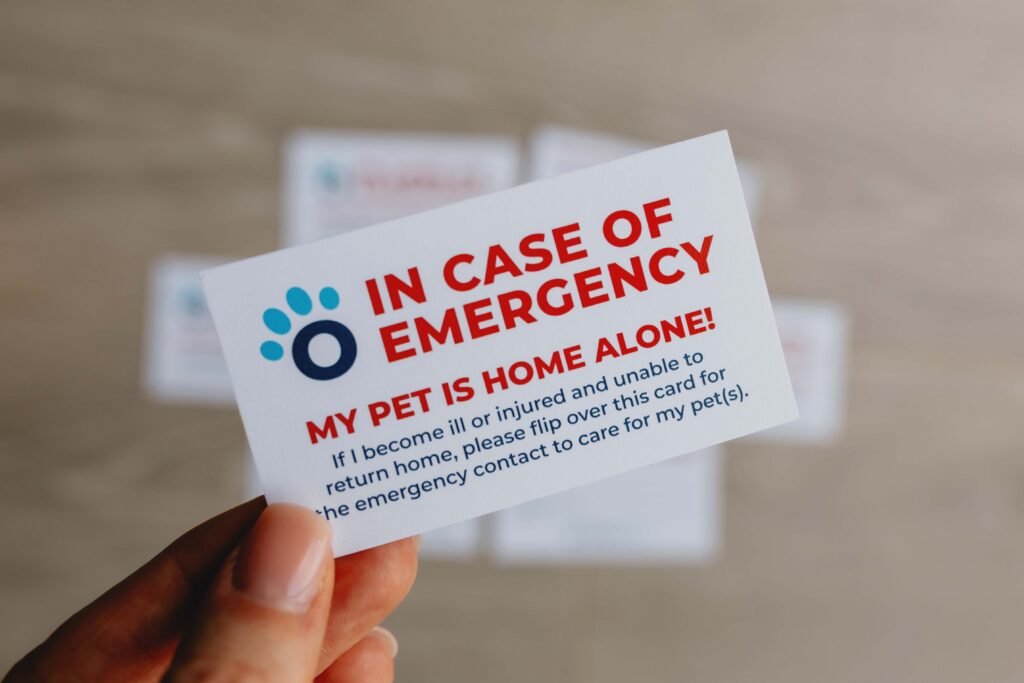
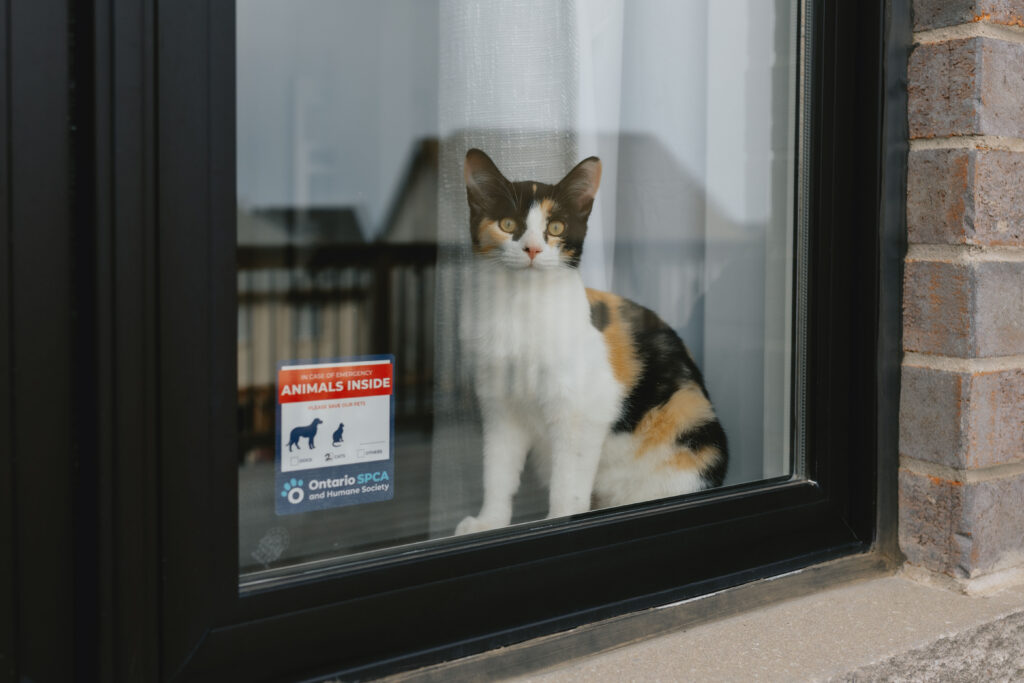
This week, the Ontario SPCA is also offering free emergency door decals, key tags and wallet cards at local animal centres, while supplies last. Door decals help alert first responders that pets are inside the home, while key tags and wallet cards ensure someone knows there are pets who need care if their person is unable to return home due to injury or illness.
“Emergency situations can be stressful and unpredictable, but having a plan that includes your pets can make those moments a little easier to manage,” says Jennifer Bluhm, Vice President, Community Outreach Services, Ontario SPCA and Humane Society. “Simple steps like preparing a 72-hour kit and identifying a safe place to go can make a big difference for your animals.”
To learn more about emergency preparedness for pets and to download free emergency preparedness resources, visit ontariospca.ca/ep

##
Media Contact
Media Relations
Ontario SPCA and Humane Society
905-898-7122 x 375
The Ontario SPCA and Humane Society
The Ontario SPCA and Humane Society is a registered charity that has been changing the lives of animals for over 150 years. The Society provides care, comfort and compassion to animals in need in communities across Ontario. It values all animals and advocates to treat them with respect and kindness. The Society strives to keep pets and families together and does so through a variety of community support services, such as sheltering and adoptions, including emergency sheltering, feral cat management programs, animal transfers, food distribution, humane education, animal advocacy, and spay/neuter services.
The Ontario SPCA does not receive annual government funding and relies on donations to provide programs and services to help animals in need. To learn more, or to donate, visit ontariospca.ca. Charitable Business # 88969-1044-RR0002.
The Ontario SPCA and Humane Society Provincial Office sits on the traditional territory of the Wendat, the Anishinabek Nation, the Haudenosaunee Confederacy, the Mississaugas of Scugog, Hiawatha and Alderville First Nations and the Métis Nation. This territory was the subject of the Dish With One Spoon Wampum Belt Covenant, an agreement between the Iroquois Confederacy and the Ojibwe and allied nations to peaceably share and care for the resources around the Great Lakes. The treaties that were signed for this particular parcel of land are collectively referred to as the Williams Treaties of 1923.
When an emergency happens, there’s often little time to think. In those moments, having a plan already in place can make all the difference. And for pet families, that plan should always include every member of the household, including the ones with paws.
Emergency Preparedness Week is the perfect time to pause and ask yourself if something unexpected happened today, would you be ready to protect your pets?
The reality is that emergencies can take many forms, like severe weather, power outages, or fires. While these situations can feel overwhelming, a bit of preparation can help bring a sense of calm and control when it matters most.
Planning ahead for the entire family
Pets depend on us entirely for their safety. That’s why building an emergency plan that includes them is so important. This includes having supplies ready, knowing how to safely shelter in place, factoring your pets into your fire escape plans, and identifying where you would go if you needed to evacuate.
Think about what your pet would need to stay safe and comfortable for at least 72 hours if you had to shelter in place. Food, water, medications, bowls, leashes/collars, and a way to transport them quickly are all essential. Familiar items like toys or blankets can also help reduce stress during an unfamiliar situation.
Not all evacuation centres accept pets, so having a list of pet-friendly hotels, or friends and family who could help, can save valuable time. Planning these details in advance means you won’t be scrambling to make decisions during a crisis.
Free resources to help you prepare
The Ontario SPCA and Humane Society offers free tools to help you build a plan that includes your pets.Our Emergency Preparedness Workbook walks you through everything you need to create a plan and build a 72-hour emergency kit for your pets. It’s a simple, practical way to make sure you’re not missing anything important and to give yourself peace of mind knowing you’re ready.
Small tools that can make a big difference
Until May 10, visit your local Ontario SPCA animal centre for a free emergency door decal, key tag, and wallet card while supplies last. If you are not near an animal centre, items are also available for purchase at Paws&Give™. These tools are designed to communicate critical information when you can’t.
A door decal can alert first responders that there are pets inside your home, which can be lifesaving in an emergency like a fire. Wallet cards and key tags let others know that you have pets at home who may need care if you’re ill or injured and unable to return home or make arrangements for your pets.It’s also a good idea to set up a “buddy system” with a trusted neighbour or nearby friend who can step in to check on or care for your pets if you’re not home when something happens.
Being prepared, together
No one likes to think about worst case scenarios, but planning for them is one of the most caring things you can do for your pets. Including them in your emergency plan helps ensure that, even in uncertain moments, they’re not left behind.
Emergency Preparedness Week is a reminder that a little preparation today can make a big difference tomorrow. By taking a few simple steps now, you’re helping to keep every member of your family safe no matter what comes your way.
To explore our free resources and begin building your plan today, visit ontariospca.ca/ep
IMMEDIATE RELEASE
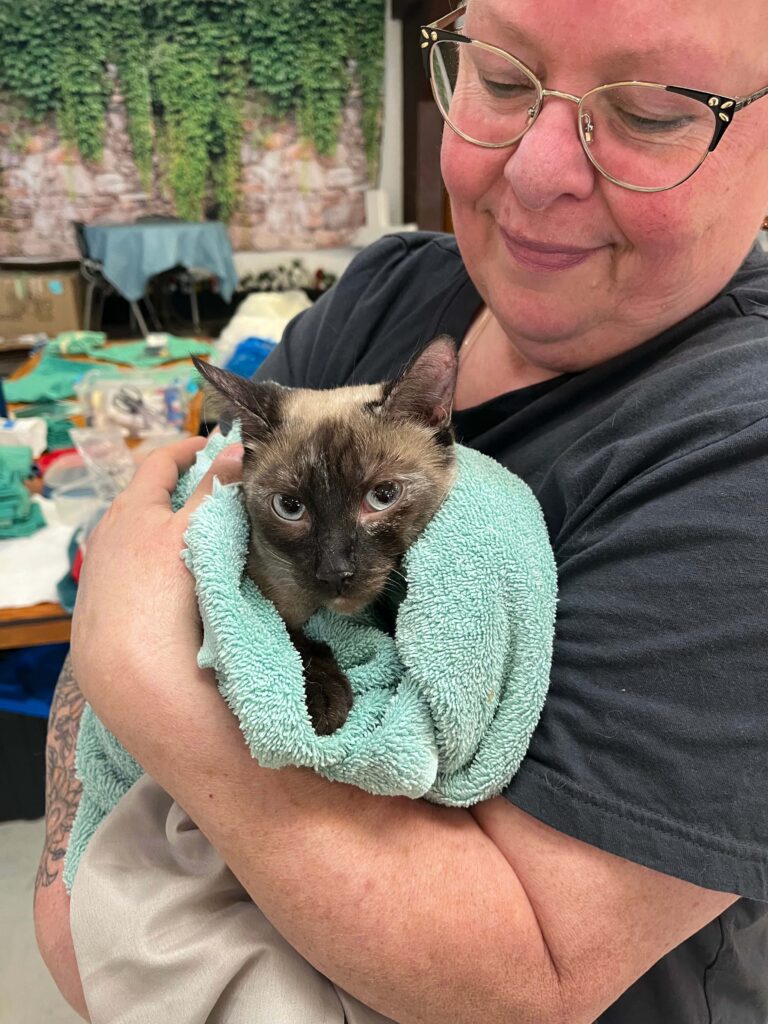
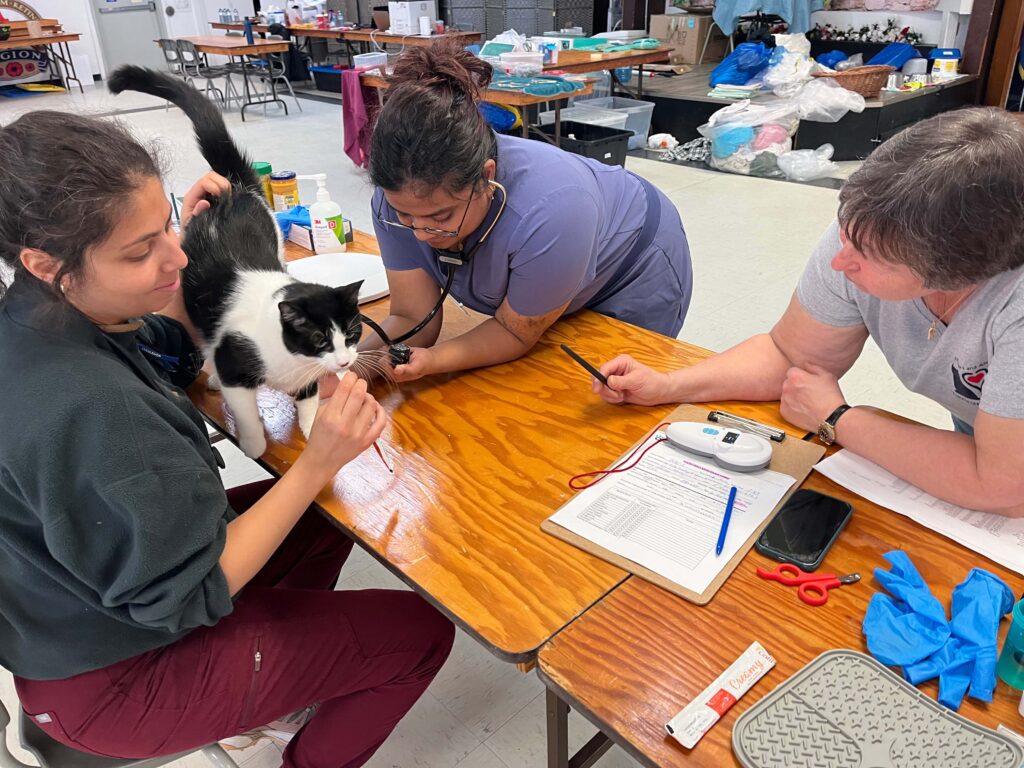
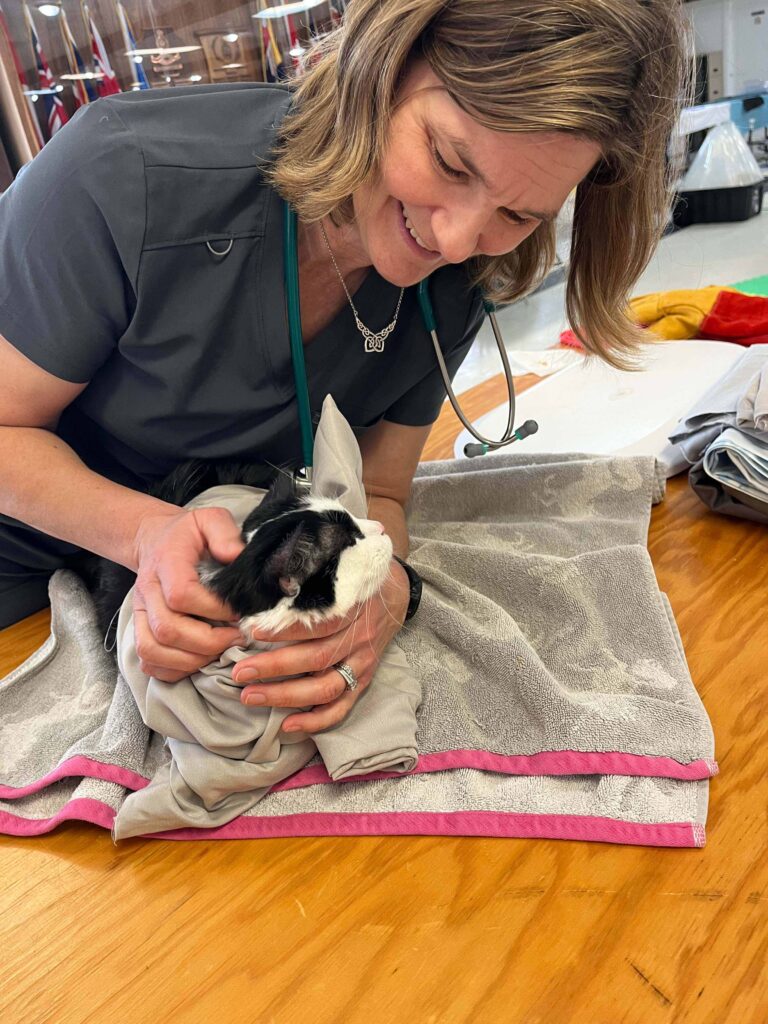
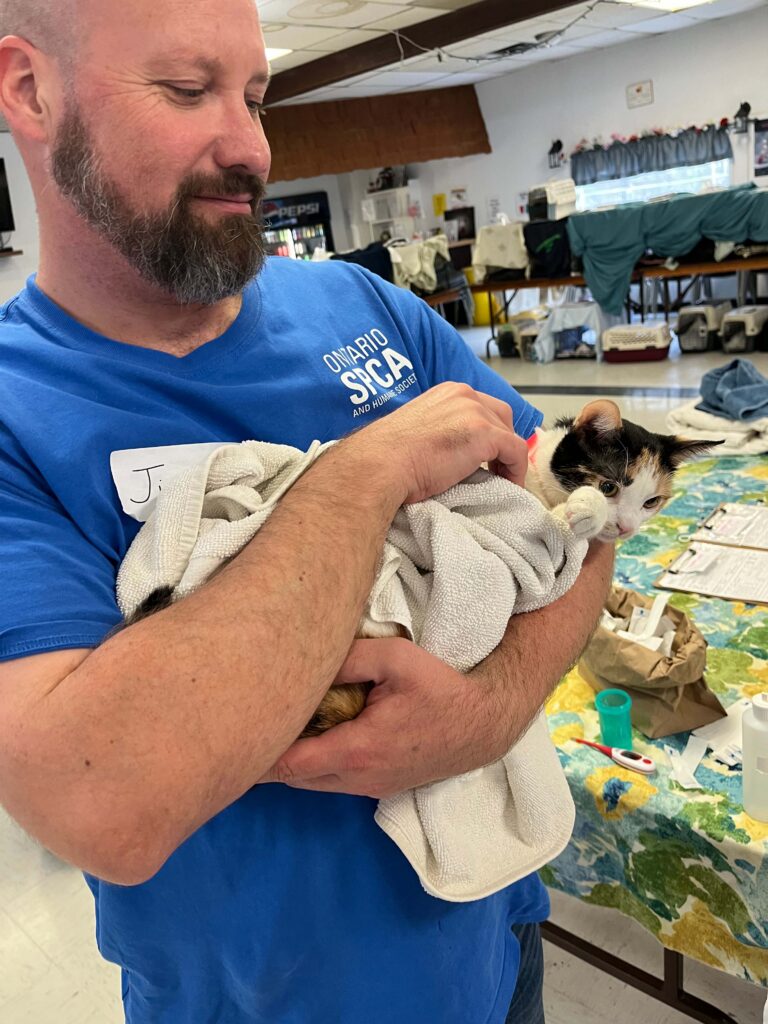
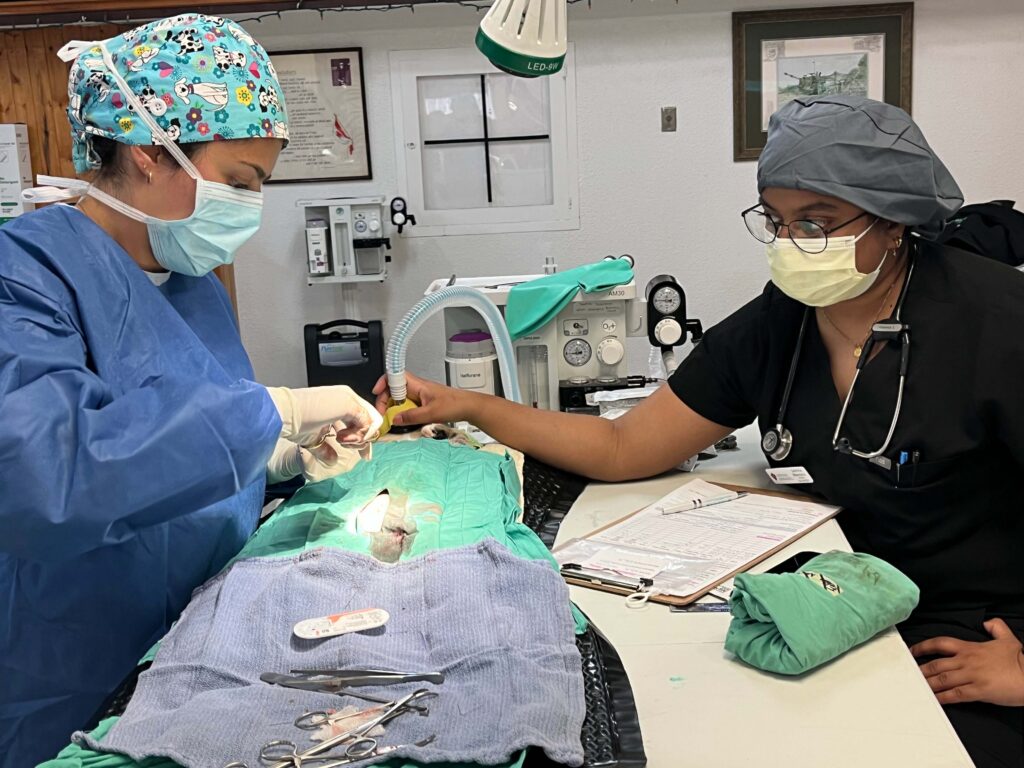
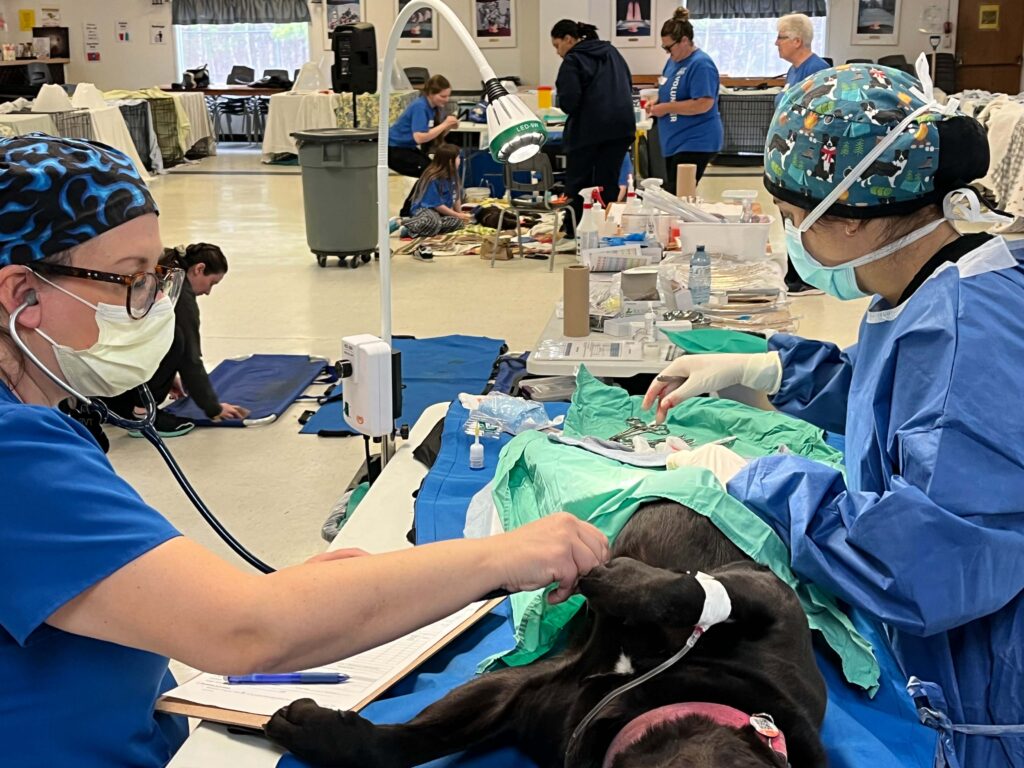
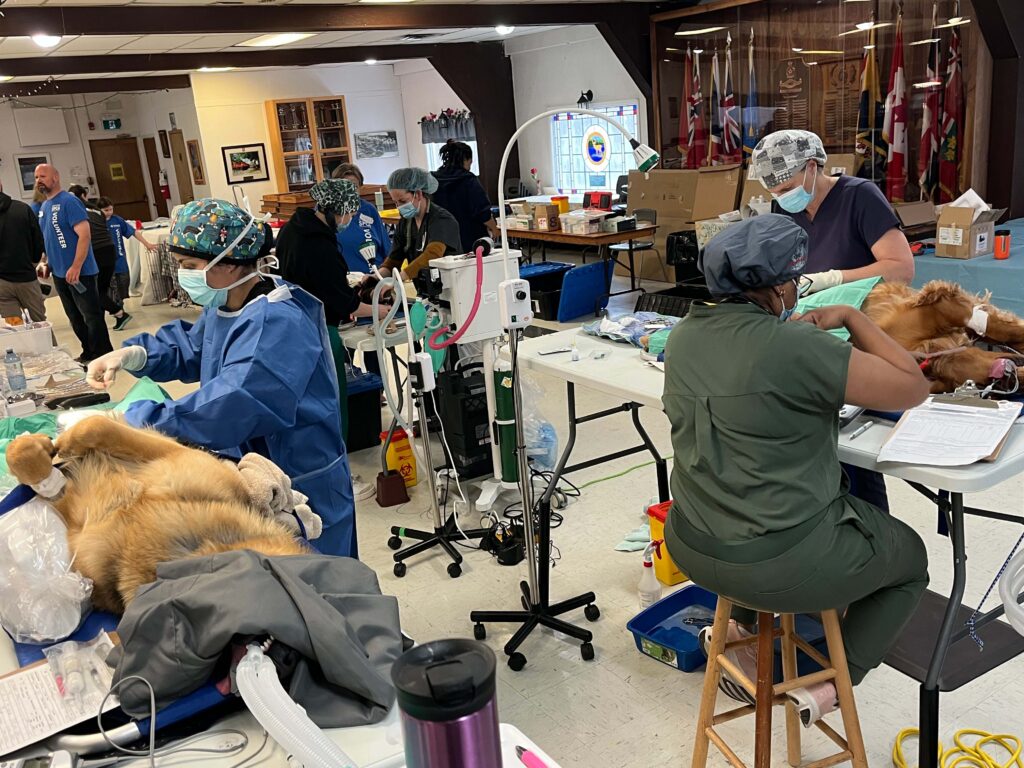
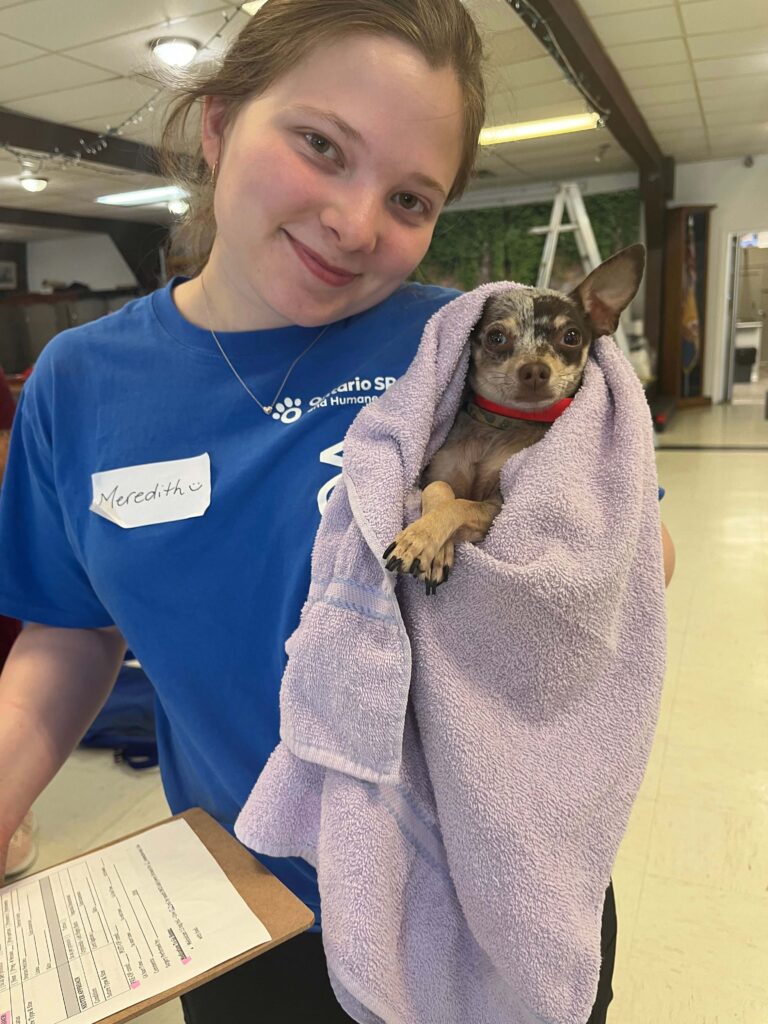
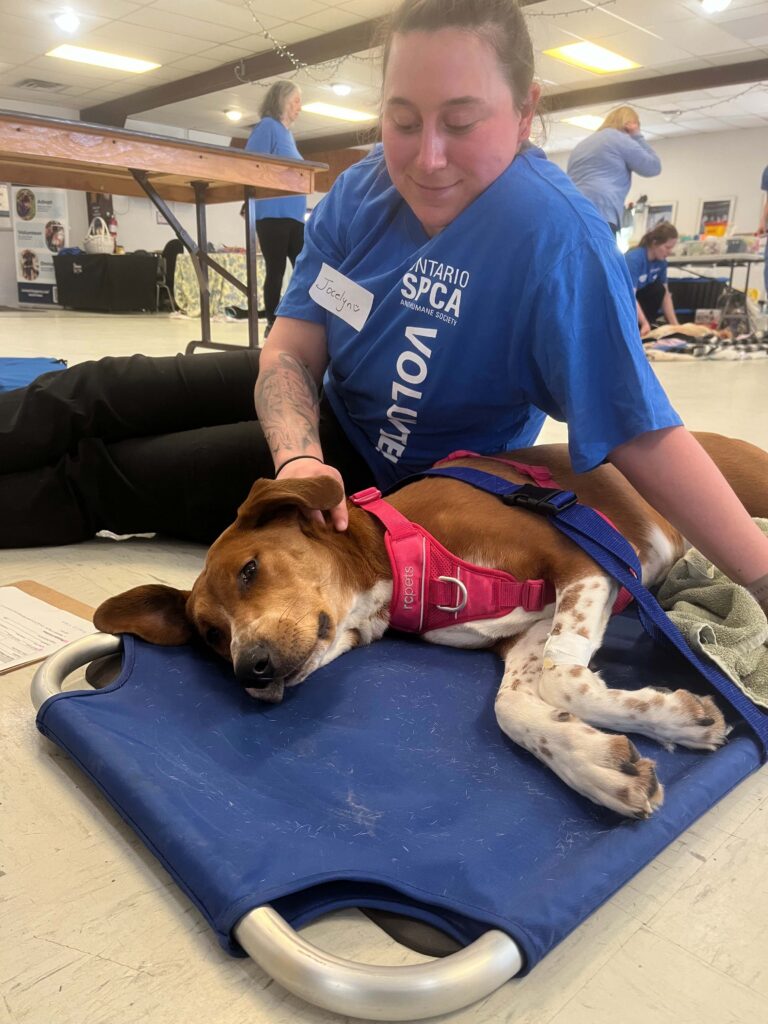
Petawawa, ON (May 1, 2026) – The Ontario SPCA and Humane Society hosted a spay/neuter and wellness clinic in Petawawa from April 27-30, helping improve access to basic veterinary care and supporting efforts to reduce pet overpopulation.
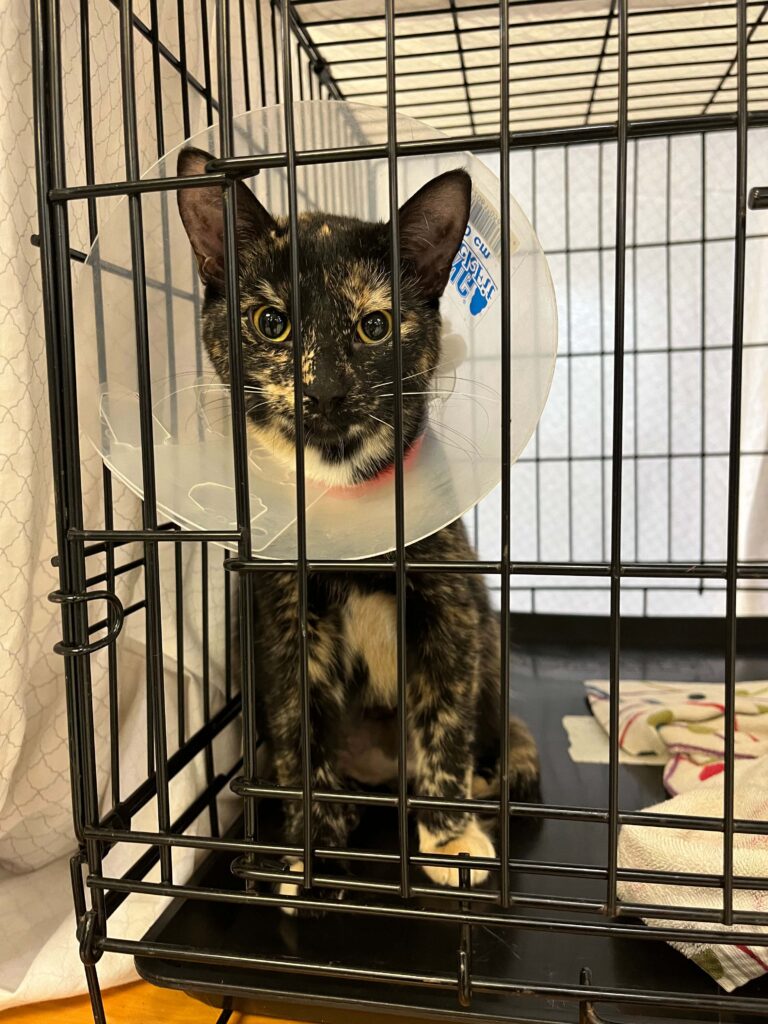
A total of 95 spay and neuter surgeries were performed on cats and dogs during the four-day event, which was held at the Royal Canadian Legion Branch 517 in Petawawa, preventing more than an estimated 5,700 unplanned puppies and kittens. In addition, 181 vaccines were administered during the clinic.
The Ontario SPCA’s MASH-style spay/neuter clinics are portable outreach events designed to reach underserved communities. In addition to providing spay/neuter surgeries on site, they also deliver basic veterinary services to animals who may not otherwise have had preventative care, including critical vaccines.
“When essential veterinary care is accessible, we can prevent pet overpopulation and help keep pets in loving homes,” says Heather Jobe, Community Outreach Coordinator, Ontario SPCA and Humane Society Renfrew County Animal Centre. “We’re grateful to everyone who worked together to make this clinic a reality and to help strengthen care for animals across our community.”
The MASH clinic was possible thanks to generous volunteers and supporters, including the Petawawa Civitan Club, which donated $7,500 to bring these services to the community. Special thanks to the Royal Canadian Legion Branch 517 for providing a space to host the clinic, and for supplying food to keep the clinic team fueled.
As a registered charity that is 100 per cent donor funded, the Ontario SPCA depends on the generosity of donors to help animals in need.
To learn more about the Ontario SPCA’s community support services, visit ontariospca.ca/communitysupport
##
Media Contact
Heather Jobe
Ontario SPCA Renfrew County Animal Centre
613-602-5321
The Ontario SPCA and Humane Society
The Ontario SPCA and Humane Society is a registered charity that has been changing the lives of animals for 150 years. The Society provides care, comfort and compassion to animals in need in communities across Ontario. It values all animals and advocates to treat them with respect and kindness. The Society strives to keep pets and families together and does so through a variety of community support services, such as sheltering and adoptions, including emergency sheltering, feral cat management programs, animal transfers, food distribution, humane education, animal advocacy, and spay/neuter services.
The Ontario SPCA does not receive annual government funding and relies on donations to provide programs and services to help animals in need. To learn more, or to donate, visit ontariospca.ca. Charitable Business # 88969-1044-RR0002.
The Ontario SPCA and Humane Society Renfrew County Animal Centre is situated on the traditional, unceded and unsurrendered territory of the Algonquin people. We also recognize the enduring presence of all First Nations, Métis & Inuit peoples.
IMMEDIATE RELEASE
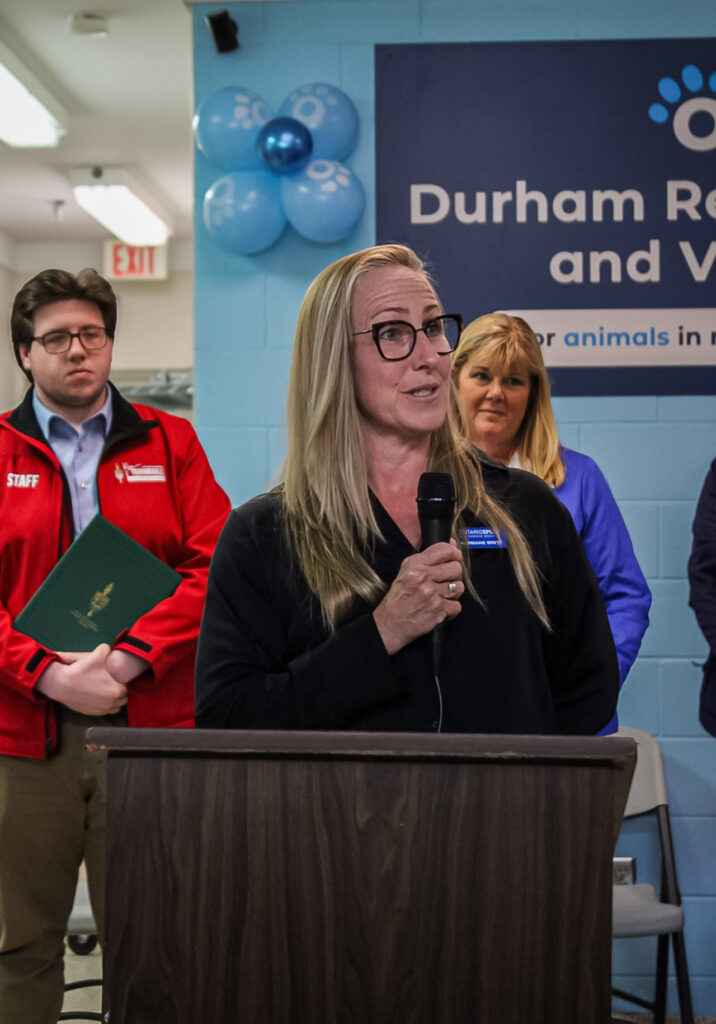
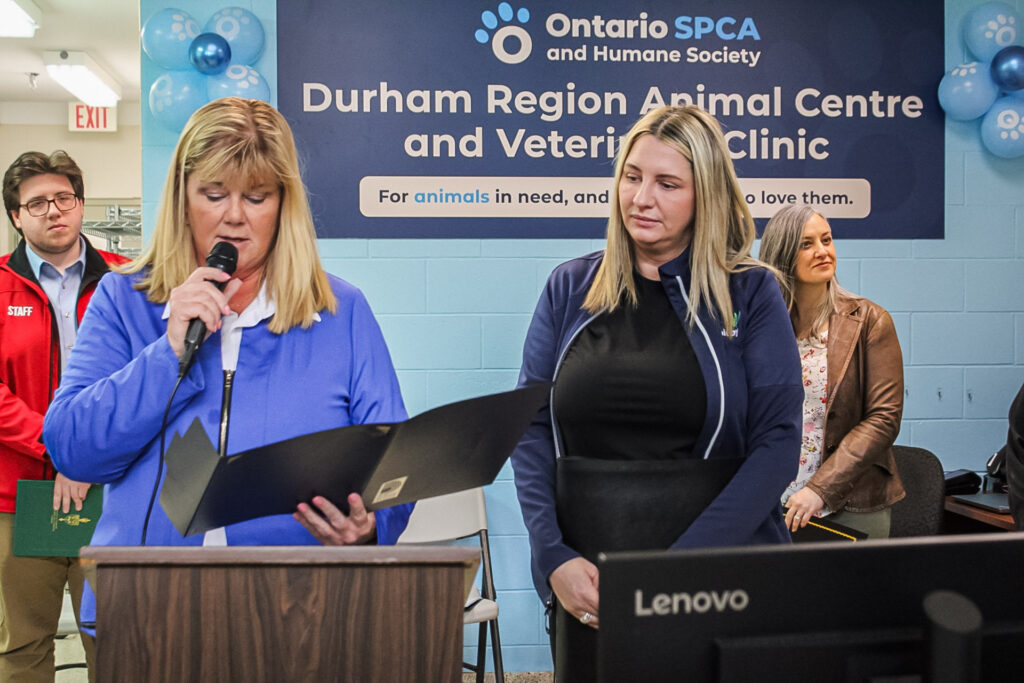
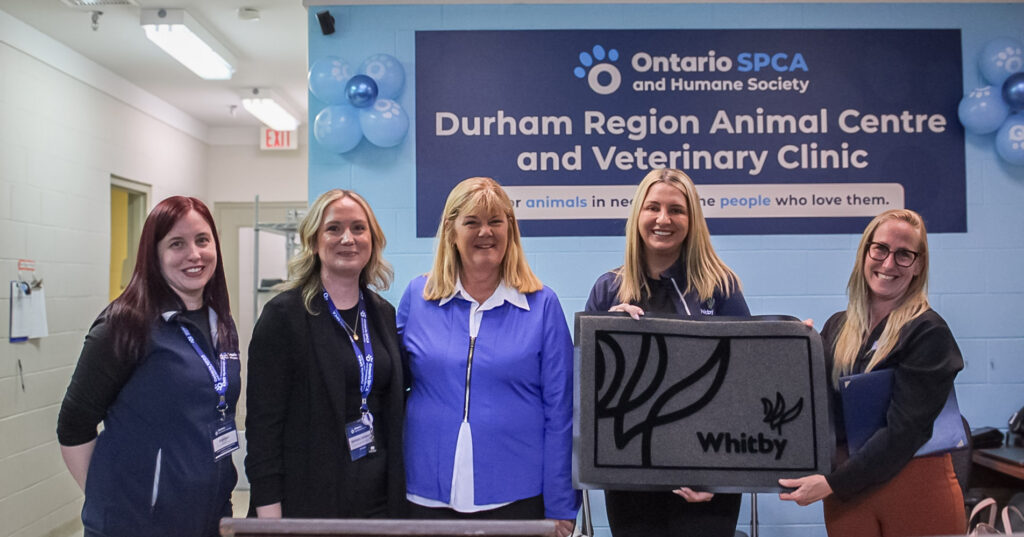
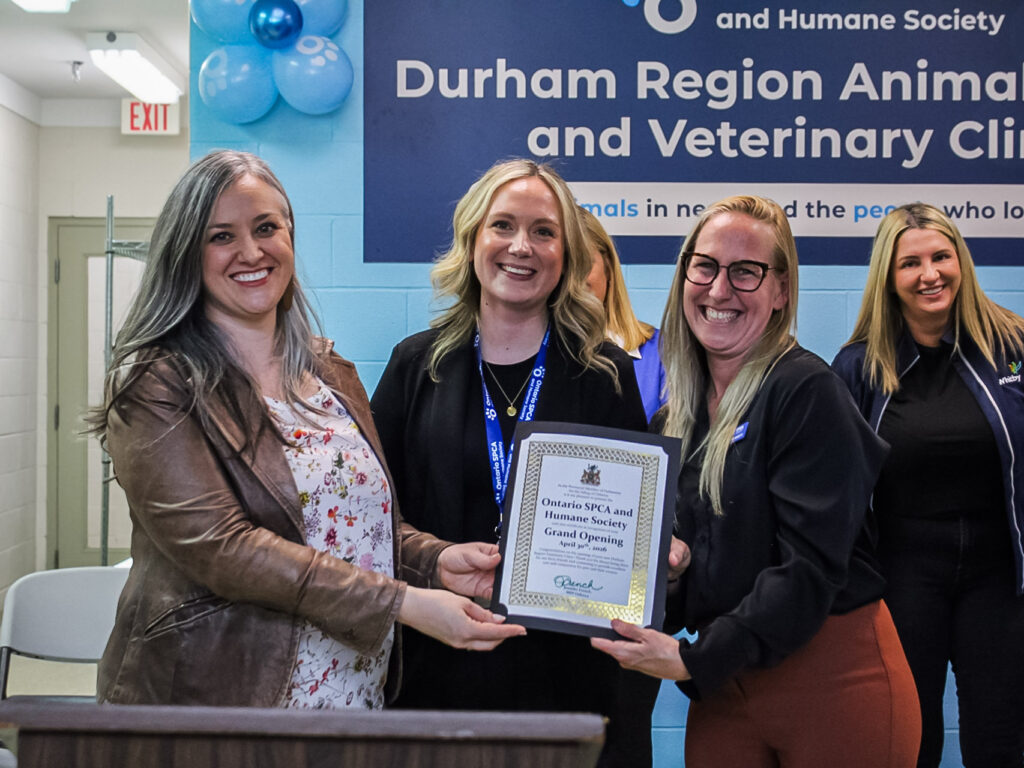
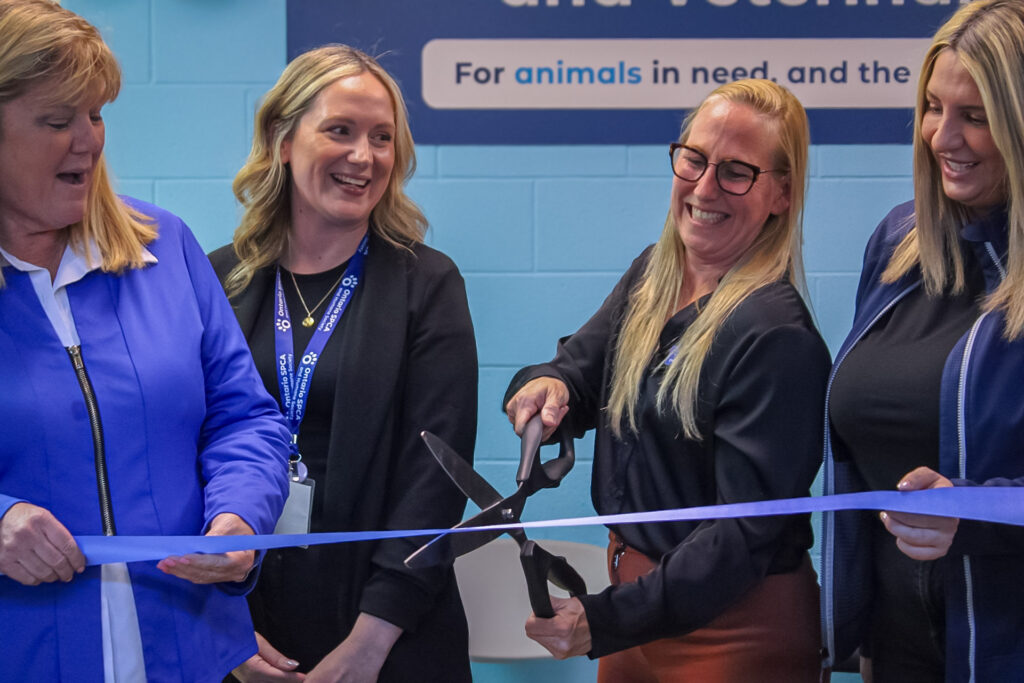
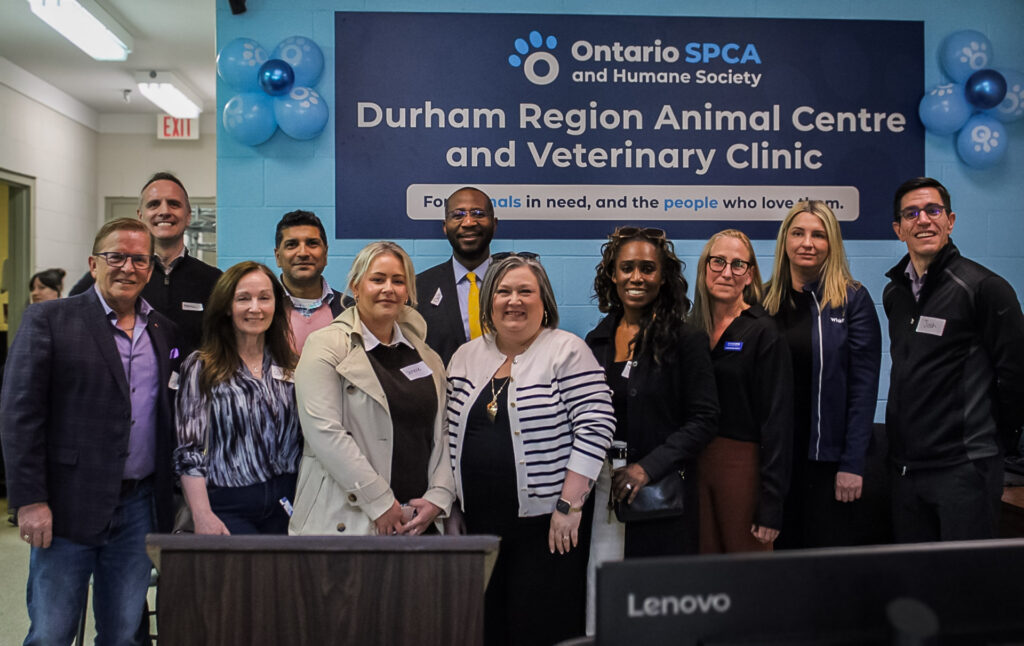
Whitby, ON (May 1, 2026) – The Ontario SPCA and Humane Society officially celebrated the grand opening of its Durham Region Veterinary Clinic on April 30, marking an important milestone in expanding access to spay/neuter services for pet families in Durham Region.
The ribbon cutting ceremony was attended by Oshawa MPP Jennifer French, Whitby Mayor Elizabeth Roy, and Whitby Councillor Victoria Bozinovski, along with a representative from the office of Whitby MP Ryan Turnbull, and representatives from the Whitby Chamber of Commerce.
Mayor Roy presented a commemorative certificate on behalf of Regional Chair John Henry, with additional certificates and congratulatory scrolls provided by MPP Jennifer French, the offices of Ryan Turnbull and Whitby MPP Lorne Coe, and the Whitby Chamber of Commerce.
Following opening remarks, Ontario SPCA representatives led behind-the-scenes tours of the facility.
The celebration highlighted the clinic’s role in helping address the growing need for accessible veterinary care in the community. Previously dedicated to providing care exclusively for animals in the Ontario SPCA’s care, the clinic welcomes publicly owned dogs and cats for spay/neuter surgeries. It follows the Ontario SPCA’s high-quality, high-volume model operating successfully in Barrie, Stouffville and Sudbury.
The clinic expansion was made possible thanks to the generosity of donors, including the Eric S. Margolis Family Foundation, Mississaugas of Scugog Island First Nation, the Durham Community Foundation, the Town of Whitby, and private donors.
“The official opening of the Ontario SPCA and Humane Society Durham Region Veterinary Clinic represents an important investment in the health and well-being of animals in our community,” says Shannon Stephenson, Operations Manager of the Ontario SPCA and Humane Society Durham Region Veterinary Clinic. “We are proud to provide accessible spay/neuter services that support pet families and help reduce pet overpopulation.”
Spay/neuter services play a critical role in preventing unplanned litters, reducing the number of animals entering shelters, and helping families care responsibly for their animals. By increasing access to these services, the clinic is helping keep animals with the families who love them.
The opening of the Durham Region clinic is part of the Ontario SPCA’s broader commitment to increasing access to veterinary services across Ontario and strengthening the human-animal bond through proactive, community-based support programs.
To learn more or to book a spay/neuter appointment at the Durham Region Veterinary Clinic, visit ontariospca.ca/spayneuter
##
Media Contact
Media Relations
Ontario SPCA and Humane Society
905-898-7122 x 375
The Ontario SPCA and Humane Society
The Ontario SPCA and Humane Society is a registered charity that has been changing the lives of animals for over 150 years. The Society provides care, comfort and compassion to animals in need in communities across Ontario. It values all animals and advocates to treat them with respect and kindness. The Society strives to keep pets and families together and does so through a variety of community support services, such as sheltering and adoptions, including emergency sheltering, feral cat management programs, animal transfers, food distribution, humane education, animal advocacy, and spay/neuter services.
The Ontario SPCA does not receive annual government funding and relies on donations to provide programs and services to help animals in need. To learn more, or to donate, visit ontariospca.ca. Charitable Business # 88969-1044-RR0002.
The Ontario SPCA and Humane Society Durham Region Animal Centre, formerly the Humane Society of Durham Region, acknowledges the lands and people of the Mississaugas of Scugog Island First Nation, which is covered under the Williams Treaties. The HSDR is situated on the traditional territory of the Mississaugas, a branch of the greater Anishinaabeg Nation, which includes Algonquin, Ojibway, Odawa and Pottawatomi.
Neutering your male cat is one of the most important decisions you can make for their long-term health and well-being, as well as for the well-being of animals in your community. While it’s a routine procedure, its impact is far-reaching, helping cats live safer, healthier lives while reducing pet overpopulation by preventing unplanned pregnancies.
Health benefits for your cat
Neutering offers several key medical advantages:
- Reduced risk of disease: Unneutered male cats are more likely to roam and fight, increasing their exposure to infections like Feline Immunodeficiency Virus (FIV) and Feline Leukemia Virus (FeLV).
- Prevention of certain cancers: Neutering eliminates the risk of testicular cancer and can lower the chance of prostate issues later in life.
- Fewer injuries: Cats that roam are more likely to be hit by vehicles or injured in territorial disputes. Neutering reduces these high-risk behaviours.
Behavioural benefits at home
Neutering doesn’t just protect your cat physically; it can also improve their day-to-day behaviour:
- Reduced spraying: Marking territory with strong-smelling urine is significantly decreased.
- Calmer temperament: Many neutered cats are more relaxed and focused on companionship rather than mating instincts.
- Less roaming: Neutered cats are less driven to wander far from home.
Preventing pet overpopulation
If one female cat can produce up to 120 kittens in her lifetime, a single unneutered male can contribute to countless more. Many of these kittens end up in shelters or living outdoors, facing harsh conditions.
By neutering your cat, you are playing a direct role in:
- Reducing the number of unplanned litters
- Easing the strain on animal shelters and rescue organizations
- Helping create healthier, more stable animal communities
Spay/neuter services in your community
Talk to your veterinarian to learn more about spay/neuter services and how they can benefit your furry friend.Committed to reducing pet overpopulation, the Ontario SPCA and Humane Society offers high-volume, high-quality spay/neuter services across the province. Spay/neuter procedures are offered at our clinics in Stouffville, Barrie, Sudbury, and the newly opened location in Durham Region.
To learn more about available services, eligibility, and booking details, visit: Ontario SPCA Spay/Neuter Services.
Neutering is a small step with a big impact, supporting your cat’s health while reducing pet overpopulation/. This simple, one-time procedure can prevent costly health issues down the road and contribute to a more humane future for animals.
If this information was helpful, please help us continue to educate about pet health and well-being by making a donation. As a registered charity that does not receive annual government funding, the Ontario SPCA and Humane Society depends on the generosity of donors to change the lives of animals in need.
Heartworm is a serious health condition that can result in severe lung disease, heart failure, and sometimes, even death for dogs. It can be difficult and time-consuming to treat. In this blog we’re going to answer commonly asked questions about heartworm in dogs – signs, causes, treatment and more.
Heartworm in dogs
You’ve found the perfect dog who is looking for a loving forever home – but she is recovering from heartworm. Or maybe you’ve heard of this illness and worry about your furry friend getting sick.
Did you know that heartworm is both preventable and is often treatable? Prevention of heartworm is always preferable to treatment as it is safer, simpler, and less costly.
How does a dog get heartworm?
Mosquitoes play a critical role in the transmission of heartworm disease. Risk is especially high during mosquito season, in warmer climates and along waterways where mosquitoes frequent.
A mosquito feeds on an infected animal (such as another dog) and picks up an immature stage of heartworm called microfilaria. This immature stage matures within the mosquito to an infective stage. The mosquito then goes on to bite a dog and pass along this infective stage, which matures further over six to seven months into adult heartworm within that dog.
Adult heartworms can live for up to five to seven years in a dog. Dogs can be re-infected even if they already have heartworm, which means that they can have more and more heartworms build up in their body if not treated.
What are the signs of heartworm disease?
Clinical signs of heartworm disease can include cough, shortness of breath, exercise intolerance, lethargy, reduced appetite, and weight loss. Severe cases may result in heart failure, which can present as a swollen belly and legs, due to fluid buildup.
It’s important to note that just because a dog with heartworm disease may not be showing clinical signs, it does not mean they don’t have significant disease and damage present. Contact your veterinarian if you have any concerns about your animal’s health.
Can it be passed to other dogs or to me?
Heartworm disease does not spread directly from dog-to-dog or from dog-to-human. Heartworm disease in humans is rare.
Do dogs ever fully recover from heartworm?
Dogs can be successfully treated for heartworm. However, there is a risk of long-term damage to their heart, lungs, and blood vessels. Other vital organs, such as their liver and kidneys can also be affected if heartworms have blocked blood flow and oxygen delivery to these areas. Some recovered dogs may also require supportive therapy throughout their life in the form of medication and a special diet.
What’s involved in treating heartworm?
There are a number of stages involved in heartworm treatment, which will depend on the treatment plan recommended by your veterinarian. Your veterinarian will stage your dog’s heartworm disease using various tests, such as blood work and x-rays. A specific treatment plan tailored to your dog will be developed by your veterinarian, with the aim to stabilize your dog and reduce treatment complications.
Heartworm treatment traditionally involves a monthly heartworm preventative in the form of an oral or topical medication,the purpose of which is to kill immature heartworms and help to prevent new heartworm infections. Bacteria within the heartworms that helps heartworm survive and reproduce will be killed using a specific antibiotic prescribed by your veterinarian.
Your veterinarian will administer a series of injections of a specialized drug to kill your dog’s adult heartworms (immiticide) over several months. A steroid is often prescribed alongside these immiticide injections to support your dog as the heartworms are killed and broken down in your dog’s body. Your veterinarian may recommend that your dog stay at the clinic for close monitoring after these injections. This is so additional supportive therapies can be administered if needed.
An essential component of heartworm treatment is exercise restriction before, during, and in the weeks and months after heartworm treatment is complete. Exercise can worsen heartworm damage and complications can also arise as your dog’s body works to clear dead heartworms.
There is currently no vaccine available to prevent heartworm disease. However, there are monthly topical or oral preventatives available. There’s also an injectable preventative that can provide protection for up to six months. Consult your veterinarian for the best prevention plan for your companion animal.
I’m thinking about adopting a dog with heartworm. What should I know?
Consult your veterinarian before considering adopting a dog with heartworm disease to make sure you understand the commitments involved.
Did you know?
Cats can also get heartworm disease, so should be on prevention as well. There is also no cure for heartworm disease for cats, and as little as 1-2 worms can kill them.
If this information was helpful, please help us continue to educate about pet health and well-being by making a donation. As a registered charity that does not receive annual government funding, the Ontario SPCA depends on the generosity of donors to change the lives of animals in need.
IMMEDIATE RELEASE
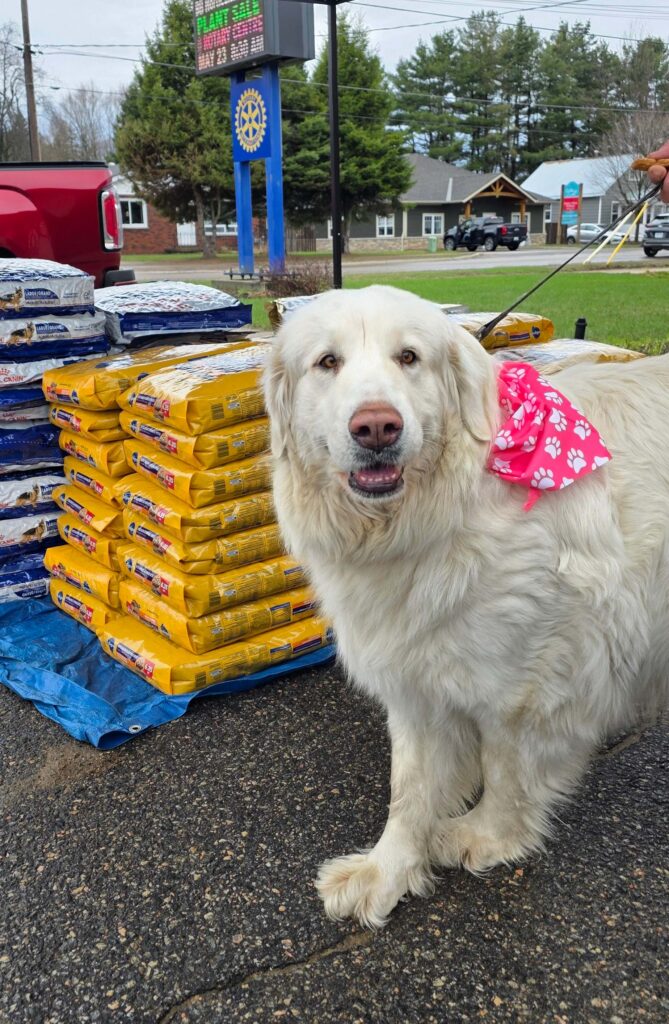
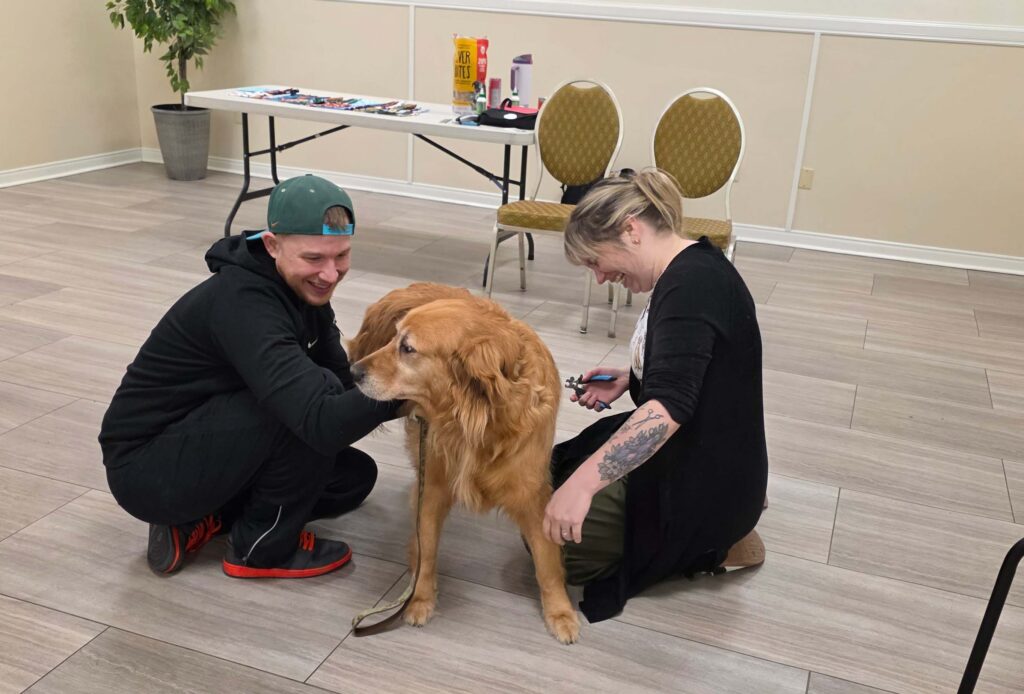
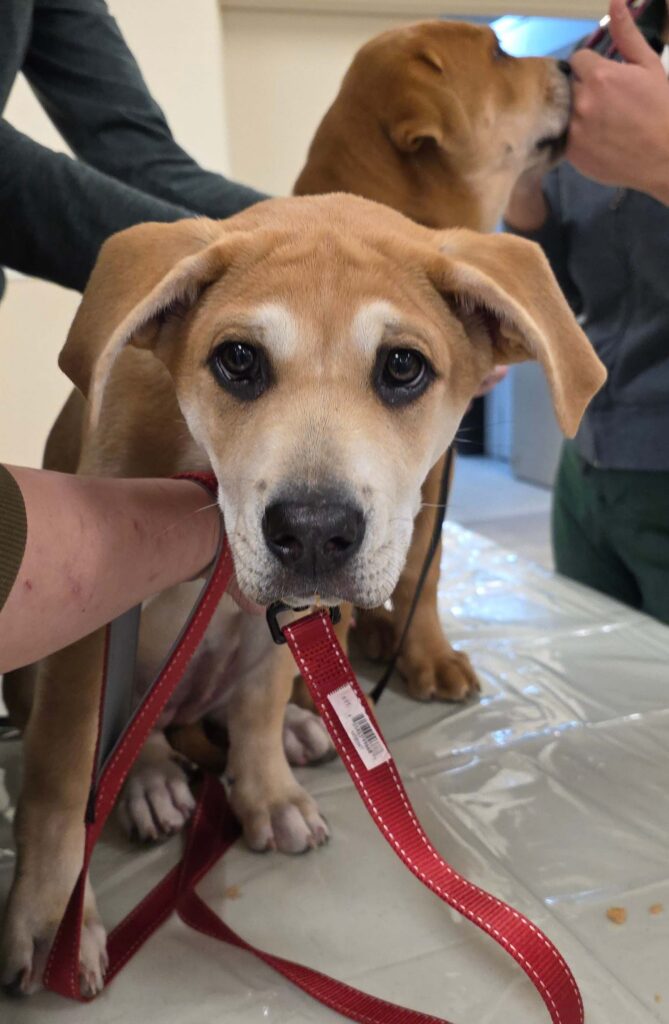
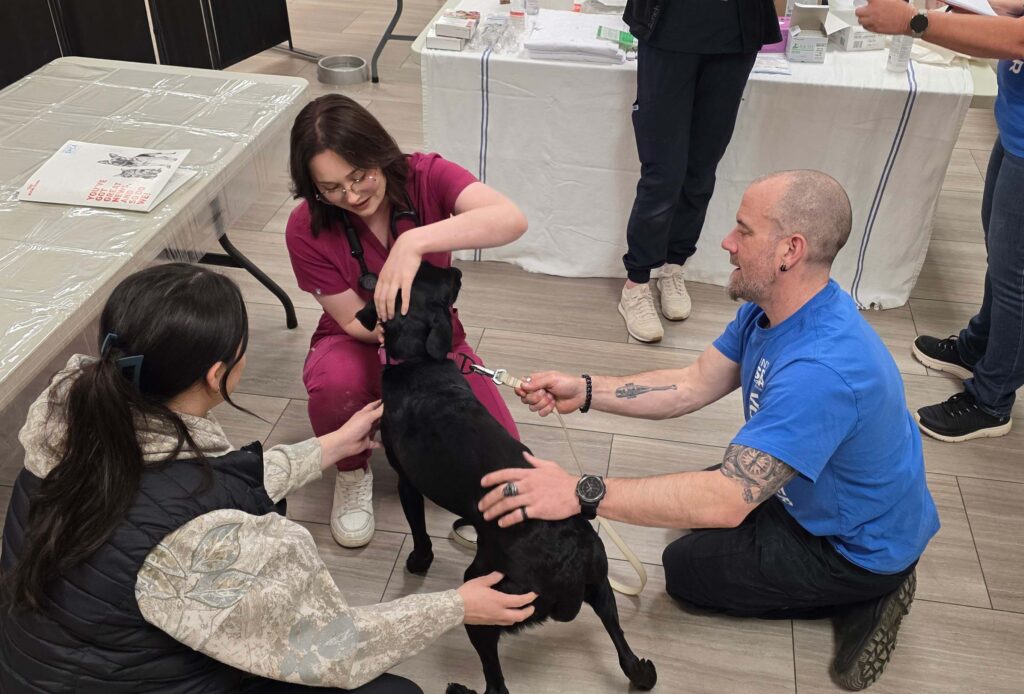
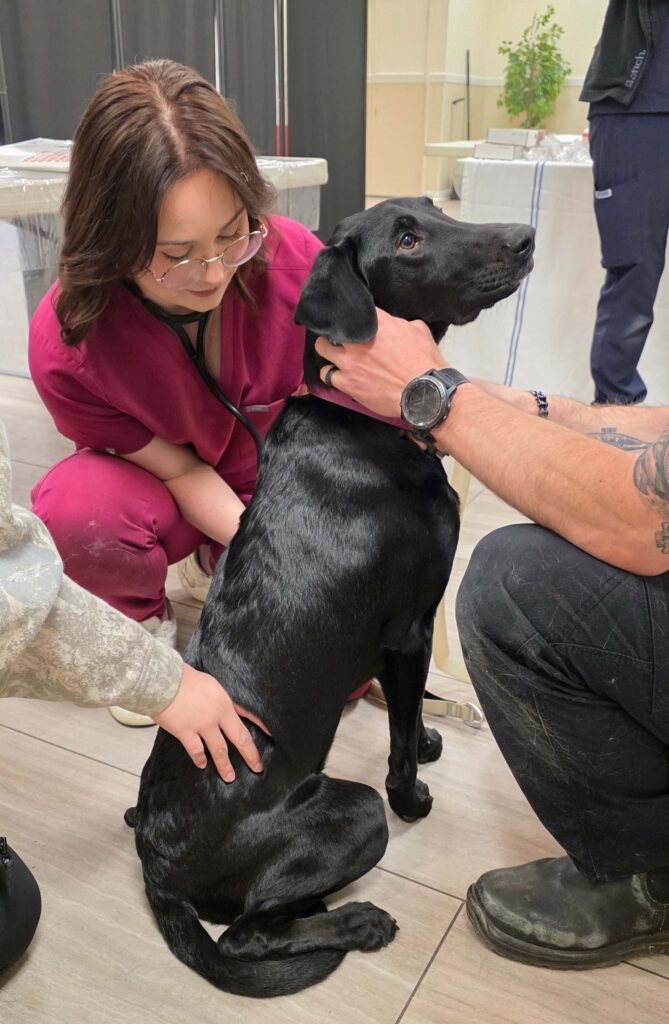
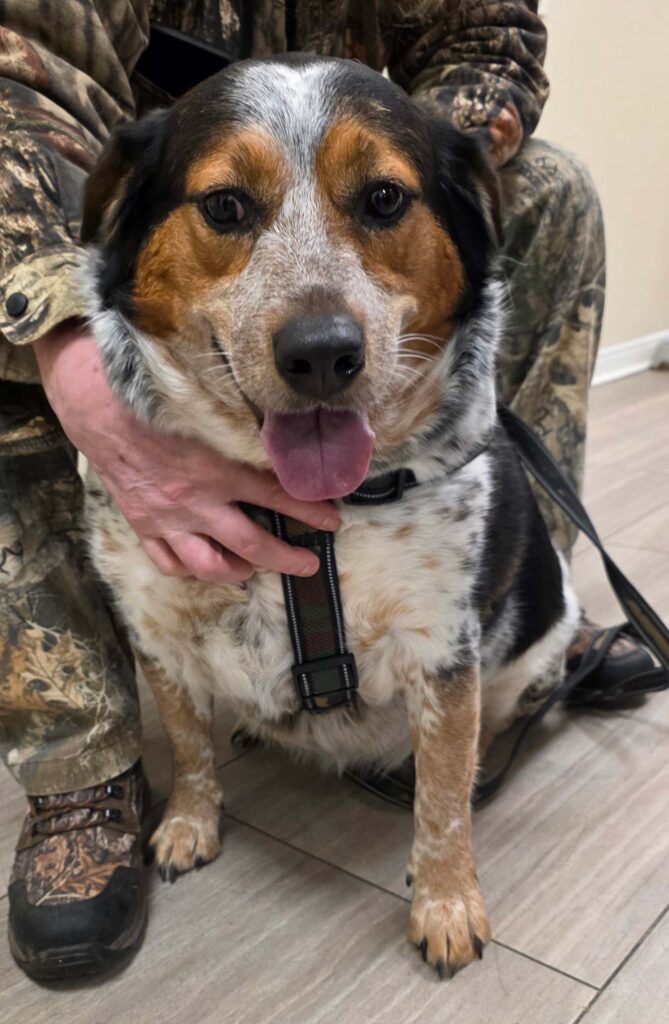
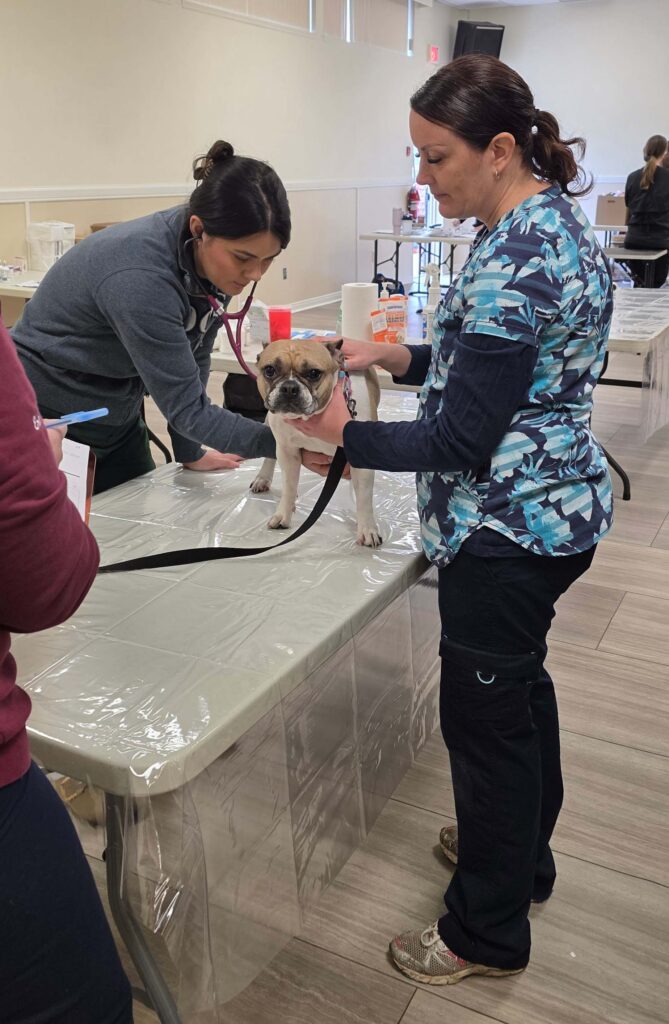
Bracebridge, ON (April 29, 2026) – The Ontario SPCA and Humane Society helped 81 dogs from across Muskoka access veterinary care and pet supplies at its Bracebridge wellness clinic on April 25, easing barriers for families who may otherwise struggle to afford basic pet care.
Held at the Bracebridge Rotary Centre for Youth, the event provided essential support, including nail trims and exams for all 81 dogs. In addition, 140 vaccines were administered, more than 2,000 pounds of pet food was distributed, and more than 100 toys, collars, leashes, harnesses, and other pet care essentials were provided by PetSmart Huntsville.
The Ontario SPCA will return to the same location for a booster clinic on May 30 from 11 a.m. to 3 p.m.
“We know that when pet families are facing financial challenges, veterinary care can feel out of reach,” says Leslie Barrie, Community Outreach Coordinator, Ontario SPCA and Humane Society Muskoka Animal Centre. “This event helped remove some of those barriers, giving pets the care they need while helping keep them with the families who love them.”
The event is part of the Ontario SPCA’s ongoing efforts to increase access to veterinary care and keep pets and families together. The Ontario SPCA also operates five high-volume spay/neuter clinics in Barrie, Sudbury, York Region, Durham and Thunder Bay.
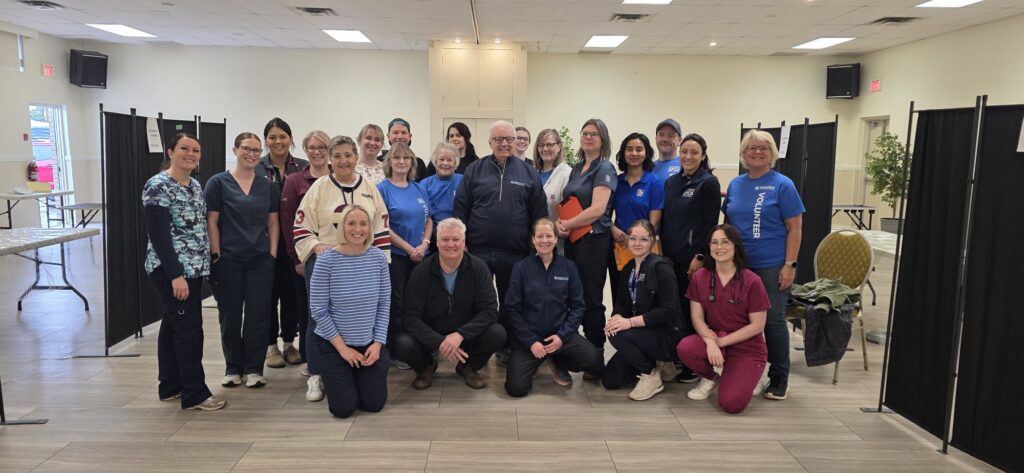
Special thanks to the Rotary Club of Bracebridge, RBC Bracebridge, the Peter de Graaf Real Estate Team, Shoppers Drug Mart Bracebridge, Centennial Animal Hospital, PetSmart Huntsville, and Stevens’ Your Independent Grocer Bracebridge for their generous support. Bracebridge Mayor Rick Maloney was also on site to show his support and help distribute pet food.
As a registered charity that is 100 per cent donor funded, the Ontario SPCA depends on the generosity of supporters to make services like this possible. To learn more, or to donate, visit ontariospca.ca/communitysupport
##
Media Contact
Leslie Barrie
Community Outreach Coordinator
Ontario SPCA and Humane Society Muskoka Animal Centre
1-888-668-7722 ext. 442
[email protected]
The Ontario SPCA and Humane Society
The Ontario SPCA and Humane Society is a registered charity that has been changing the lives of animals for over 150 years. The Society provides care, comfort and compassion to animals in need in communities across Ontario. It values all animals and advocates to treat them with respect and kindness. The Society strives to keep pets and families together and does so through a variety of community support services, such as sheltering and adoptions, including emergency sheltering, feral cat management programs, animal transfers, food distribution, humane education, animal advocacy, and spay/neuter services.
The Ontario SPCA does not receive annual government funding and relies on donations to provide programs and services to help animals in need. To learn more, or to donate, visit ontariospca.ca. Charitable Business # 88969-1044-RR0002.
The Ontario SPCA and Humane Society Muskoka Animal Centre serves communities situated on the traditional territory of the Anishinaabeg, which includes the Ojibwe, Odawa, and Potawatomi Nations, collectively known as the Three Fires Confederacy. The Huron-Wendat and the Haudenosaunee Nations have also walked on this territory over time. Today Muskoka is home to three sovereign nations: Wahta Mohawks First Nations, Moose Deer Point First Nation and the Moon River Métis. These lands are covered by the Williams Treaty (of 1923), the Robinson Huron Treaty of 1850 and the J. Collins land purchase (of 1785).
Just like we get an itch that needs scratching from time to time, so do dogs. But when that itching becomes more frequent, there might be underlying issues. There are a number of possible reasons behind continuously itchy ears in dogs. Today we’re going to focus on four possible causes.
Possible ear infection
A common reason for excessive head scratching in dogs is a possible ear infection. Ear infections can be painful, itchy and uncomfortable for your dog. There are a number of factors that may cause or predispose your dog to ear infections such as:
- Breeds with long hanging ears
- Allergies
- Hair within the ear
- Foreign object (such as grass) in the ear
- Dogs who frequently swim
- A mass within the ear
- Ear medications, if your dog is sensitive to them
- Aggressive cleaning of the ears
- Underlying health issue
- History of chronic ear infections
Whatever the cause may be, it is very important to address the signs as early as possible to avoid damage, inflammation and scarring of the ear. Dogs of any age or gender can get an ear infection.
Your veterinarian will need to examine your dog’s ears with a specialized instrument and/or swab their ears to help determine the cause.
After treatment, your dog may need some continued care at home, including medication given by mouth or directly into the ear. Gentle ear cleaning may also be recommended longer term. Your veterinarian will advise on the best treatment plan for your dog.
Once the discomfort is assessed and treated, additional long-term maintenance such as grooming your dog’s hair in and around their ears, managing potential food and/or environmental allergies, as well as managing underlying health issues may be needed.
Dental concerns
While you might not think scratching their head would mean trouble in their mouth, it is important to have your vet rule out a dental concern. Your dog may be indirectly scratching or shaking their head to soothe dental discomfort.
Hearing loss
The aging process or damage to a dog’s ear may result in hearing loss and cause your dog to scratch or shake their head in response to not being able to hear as well out of that ear.
External parasites
External parasites such as fleas can also result in excessive scratching. Fleas are tiny bugs that don’t grow much larger than the tip of a pen, and they range from light brown to almost black in color. They don’t have wings, so they get around by jumping from host to host. Learn more about fleas and flea treatment here.
We encourage you to contact your veterinarian if your dog has persistent itching or head shaking to determine an underlying cause and receive treatment.
If this information was helpful, please help us continue to educate about pet health and well-being by making a donation. As a registered charity that does not receive annual government funding, the Ontario SPCA and Humane Society depends on the generosity of donors to change the lives of animals in need.
IMMEDIATE RELEASE
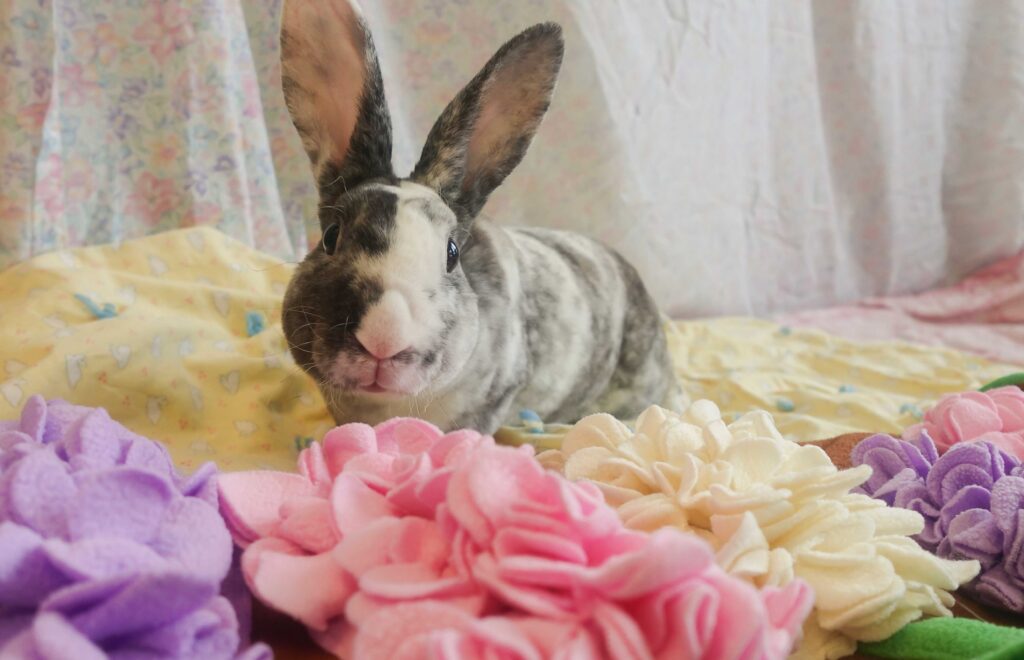
Stouffville, ON (April 28, 2026) – With just 10 days left until the Grand Prize draw, the jackpot in the Ontario SPCA and Humane Society’s Spring Draws for Paws 50/50 Lottery has reached more than $100,000 – and it’s still climbing.
Tickets are available until 11:59 p.m. on Wednesday, May 6 with the Grand Prize draw taking place on Thursday, May 7. You can get in on the action for as little as $10 for 10 tickets. The winner of the fall Draws for Paws 50/50 Lottery took home more than $144,000.
“This is your last chance to take part in the Ontario SPCA’s Draws for Paws 50/50 Lottery,” says Stephanie Miller, Vice President of Development, Ontario SPCA and Humane Society. “Every ticket helps provide life-saving care for animals in need – and one lucky supporter will walk away with a jackpot that could change their life.”
When you buy a ticket, you’re not just taking a chance at a life-changing prize – you’re helping give animals a second chance. Funds raised through the Draws for Paws 50/50 Lottery support the Ontario SPCA’s Community Access to Resources, Education, and Support (CARES) Fund – a grant program that helps SPCAs and humane societies across Ontario. The CARES Fund provides financial support for initiatives that enhance animal welfare, including spay/neuter programs, veterinary care, and shelter improvements.
Don’t miss your chance to win big and make tails wag. Visit ontariospcalottery.ca today to get your tickets before it’s too late!
Lottery License No: RAF1534375




##
MEDIA CONTACT
Media Relations
Ontario SPCA and Humane Society
905-898-7122 x 375
The Ontario SPCA and Humane Society
The Ontario SPCA and Humane Society is a registered charity that has been changing the lives of animals for over 150 years. The Society provides care, comfort and compassion to animals in need in communities across Ontario. It values all animals and advocates to treat them with respect and kindness. The Society strives to keep pets and families together and does so through a variety of community support services, such as sheltering and adoptions, including emergency sheltering, feral cat management programs, animal transfers, food distribution, humane education, animal advocacy, and spay/neuter services.
The Ontario SPCA does not receive annual government funding and relies on donations to provide programs and services to help animals in need. To learn more, or to donate, visit ontariospca.ca. Charitable Business # 88969-1044-RR0002.
The Ontario SPCA and Humane Society Provincial Office sits on the traditional territory of the Wendat, the Anishinabek Nation, the Haudenosaunee Confederacy, the Mississaugas of Scugog, Hiawatha and Alderville First Nations and the Métis Nation. This territory was the subject of the Dish With One Spoon Wampum Belt Covenant, an agreement between the Iroquois Confederacy and the Ojibwe and allied nations to peaceably share and care for the resources around the Great Lakes. The treaties that were signed for this particular parcel of land are collectively referred to as the Williams Treaties of 1923.
MEDIA ADVISORY
Whitby, ON (April 27, 2026) – Members of the media are invited to attend the official grand opening of the Ontario SPCA and Humane Society Durham Region Veterinary Clinic, marking an important milestone in expanding access to spay/neuter services for pet families in Durham Region.
Previously dedicated to providing care exclusively for animals in shelter care, the clinic now offers spay/neuter surgeries for publicly owned dogs and cats, helping address the growing need for accessible veterinary services in Durham Region.
The event will include opening remarks from representatives of the Ontario SPCA and Humane Society, followed by a photo opportunity and guided tour of the clinic.
DATE: Thursday, April 30, 2026
TIME: 4-6 p.m.
LOCATION: Ontario SPCA and Humane Society Durham Region Veterinary Clinic, 1505 Wentworth St., Whitby, ON.
As space is limited, members of the media are asked to RSVP.
##
Media Contact
Kayla Montes
Community Outreach Coordinator,
Ontario SPCA and Humane Society Durham Region Animal Centre
289-894-3404
[email protected]
The Ontario SPCA and Humane Society
The Ontario SPCA and Humane Society is a registered charity that has been changing the lives of animals for over 150 years. The Society provides care, comfort and compassion to animals in need in communities across Ontario. It values all animals and advocates to treat them with respect and kindness. The Society strives to keep pets and families together and does so through a variety of community support services, such as sheltering and adoptions, including emergency sheltering, feral cat management programs, animal transfers, food distribution, humane education, animal advocacy, and spay/neuter services.
The Ontario SPCA does not receive annual government funding and relies on donations to provide programs and services to help animals in need. To learn more, or to donate, visit ontariospca.ca. Charitable Business # 88969-1044-RR0002.
The Ontario SPCA and Humane Society Durham Region Animal Centre, formerly the Humane Society of Durham Region, acknowledges the lands and people of the Mississaugas of Scugog Island First Nation, which is covered under the Williams Treaties. The HSDR is situated on the traditional territory of the Mississaugas, a branch of the greater Anishinaabeg Nation, which includes Algonquin, Ojibway, Odawa and Pottawatomi.