There’s a new friendly face at the Ontario SPCA Sudbury & District Animal Centre!
Robert Poirier, the animal centre’s new manager, brings to the role over two decades of leadership experience and a deep commitment to helping others.. With a passion for teamwork and animal welfare, he’s quickly making his mark – leading with warmth, energy, and a genuine love for the animals and people he serves.
A career built on compassion
Before joining the Ontario SPCA and Humane Society, Robert spent more than 20 years in leadership roles in pharmacy, where helping others was always his focus.
“It was extremely rewarding spending two decades having a positive impact on people’s lives,” he says. “During the pandemic, caring for people became even more meaningful. I took great pride knowing I made a difference in someone’s life.”
When Robert discovered the opportunity to lead the Sudbury & District Animal Centre, he knew it was the perfect next chapter.
“I was eager to apply for the role as I saw an immediate fit due to the passion and love I have for animals,” he says. “Pairing it with my leadership and dedication, knowing I can make an impact to our mission made it a no-brainer for me!”
Community connection
Born and raised in Sudbury, Robert has deep roots in the community and a strong sense of local pride.
“Sudburians have a grit like no other,” he says. “We are resilient, we overcome challenges, and we prevail.”
Robert’s connection to the city fuels his desire to give back – not only by helping animals, but also by supporting the people who care for them.
A lifelong love for animals
Robert’s love for animals began early. When his mother decided to trade camping trips for farm life, their home and property quickly filled with several different types of animal friends.
“Dogs, cats, horses, chickens, turkeys, pigs – you name it!” he recalls with a laugh.
Robert’s mother also runs a therapeutic riding program that helps people with special needs to experience the joy and therapeutic benefits of horseback riding. Watching her dedication inspired Robert’s own lifelong commitment to compassion and community service.
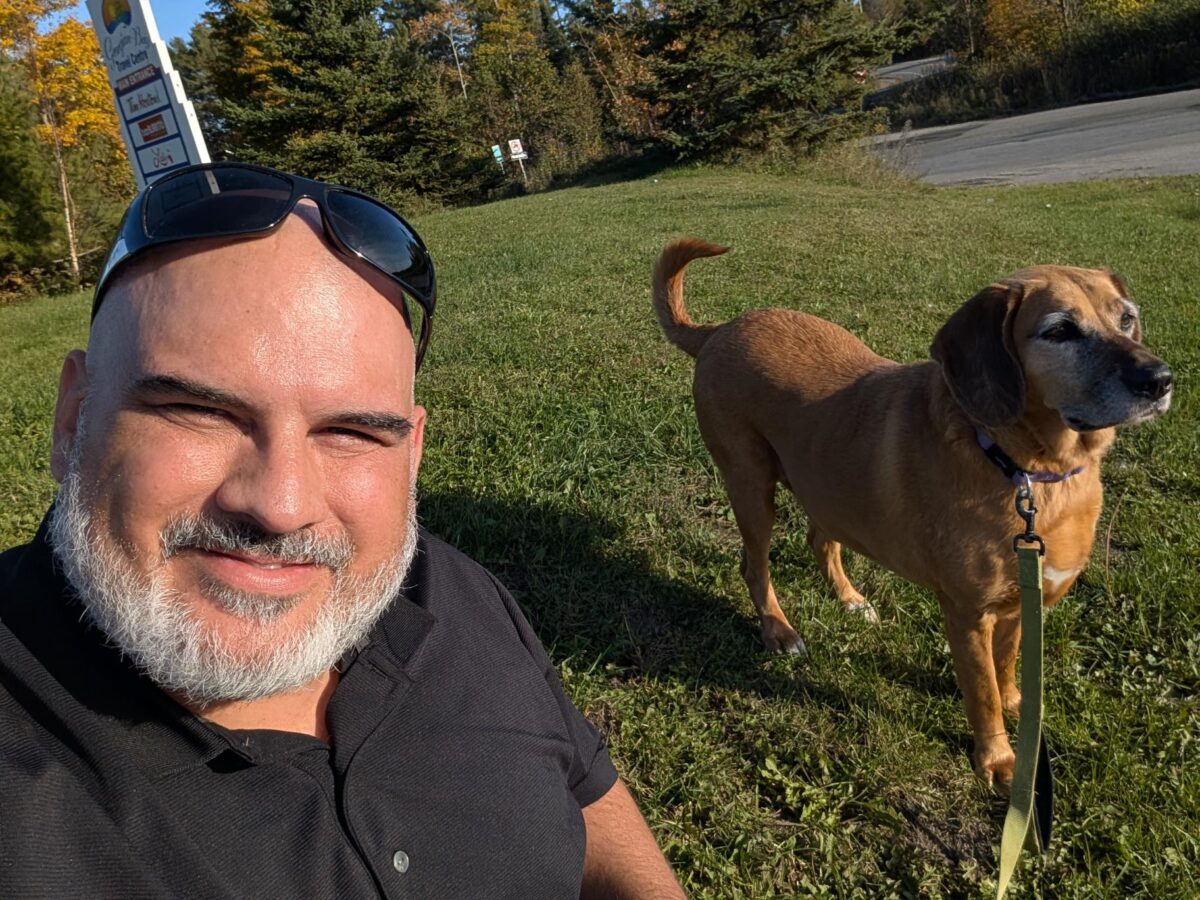
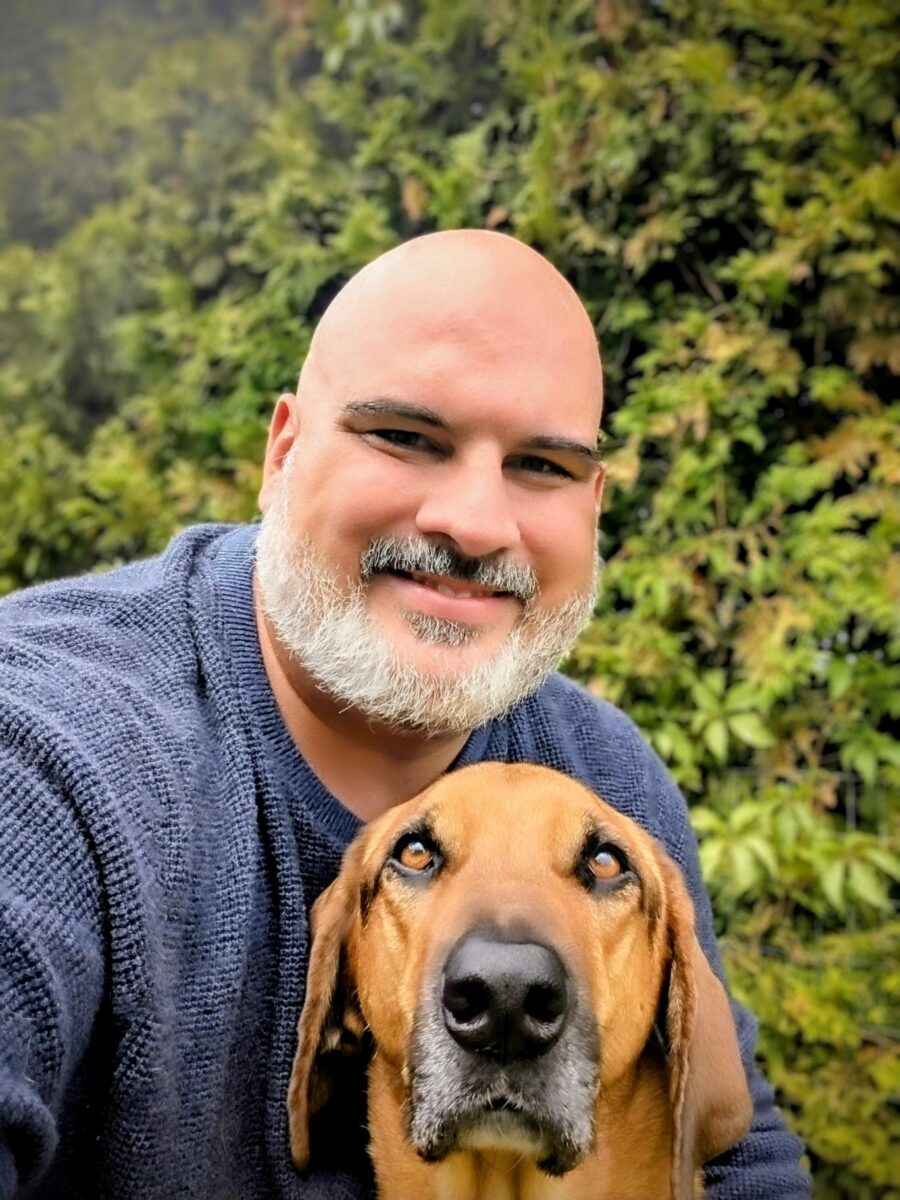
Today, Robert shares his home with his wife, daughter, and their Coonhound, Jax, who he affectionately calls “a big goofball.”
“Anyone who meets Jax is greeted with love,” says Robert. “He’s the friendliest, most affectionate dog I’ve ever had the pleasure of having as part of my family.”
Leading with heart
From his first day at the Sudbury & District Animal Centre, Robert was struck by the dedication of his team.Robert describes a typical day at the centre as full of energy, teamwork, and dedication.
“One thing that surprised me is what it really takes to make our animal centres run like they do…it takes an army,” Robert says. “From the time we walk in the door, we hit the ground running, caring for these animals and finding them their new homes. Our team treats every animal like their own until they find someone who loves them as much as they do.”
Looking ahead
Robert is excited for the future of the Sudbury & District Animal Centre.
“We’re always evolving,” he says. “What excites me most is the impact we continue to make – finding new ways to support animals and strengthen our community. Individually, we are steppingstones in the organization’s path to achieve our goals and deliver that positive impact.”
When he’s not at the animal centre, Robert enjoys spending time outdoors with his family, cheering on his daughter’s Sudbury North Stars ringette team, and supporting his beloved Toronto Maple Leafs.
A message to the community
“We couldn’t do what we do without our fosters, volunteers, and co-op students,” says Robert. “Any help is appreciated greatly by us and the animals, and the impact you’ll have – little or big – is special and extremely rewarding.”
When it comes to adoption, Robert’s passion is clear.
“There’s something truly special about it,” he says. “The bond between a family and their new animal – it’s pure joy.” The Ontario SPCA is thrilled to welcome Robert to the Ontario SPCA Sudbury & District Animal Centre. With his compassionate leadership and lifelong love for animals, he’s already making a lasting impact on the community.
To learn more about the Sudbury & District Animal Centre, visit ontariospca.ca/sudbury
Join us
The Ontario SPCA and Humane Society offers a wide range of rewarding career opportunities dedicated to supporting animal well-being across Ontario. If you’re passionate about making a difference for animals in need, visit ontariospca.ca/employment to learn more.

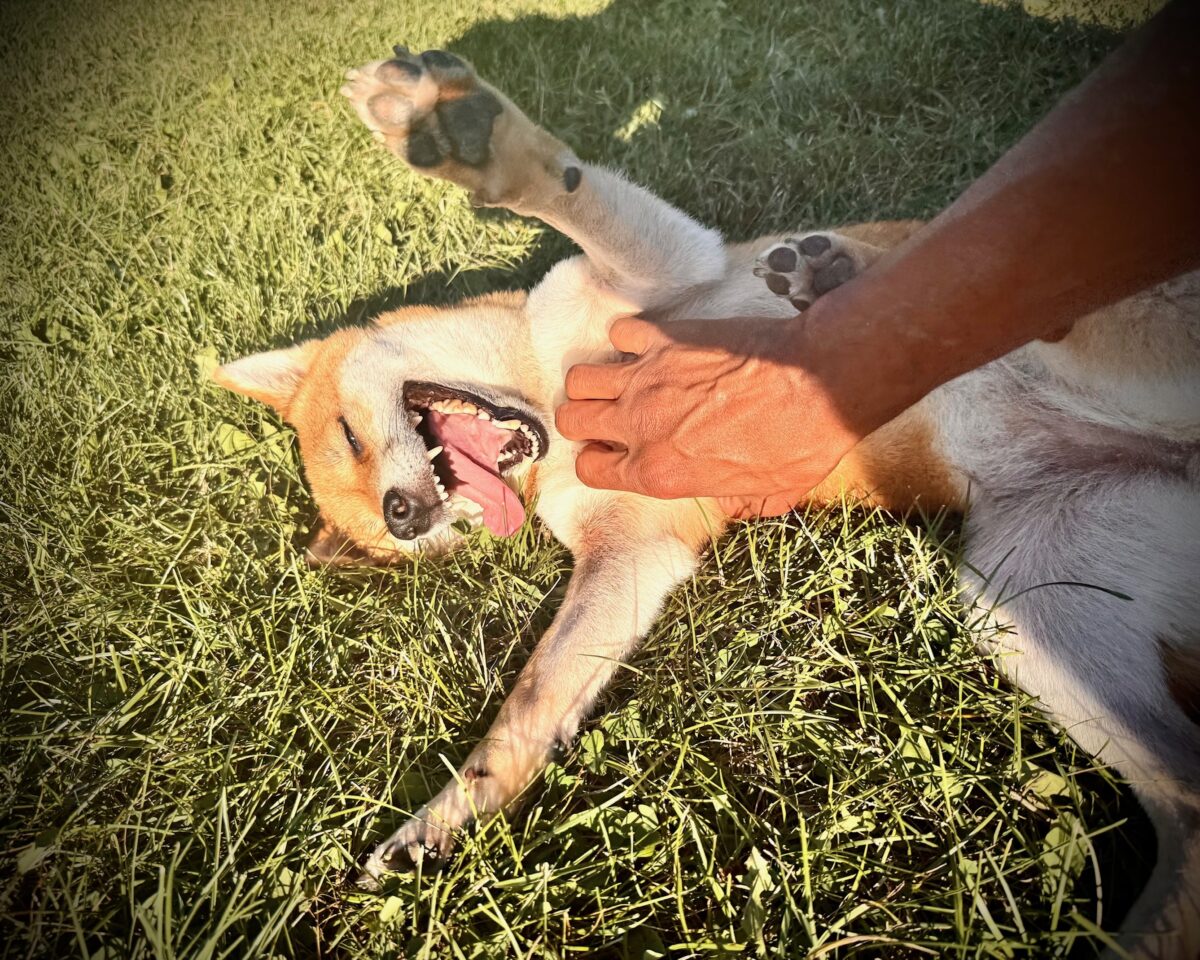
When Sheba, a three-year-old Shiba Inu, was found wandering as a stray, no one could have predicted the journey she was about to embark on or the community of compassionate people who would help her along the way.
Sheba was brought to the Ontario SPCA York Region Animal Centre in Stouffville with a severely broken femur. The injury was so serious that leg amputation was initially considered the only option.
Teamwork overcomes the odds
Thanks to a partnership with the Toronto Humane Society, Sheba was transferred for a complex repair surgery that would ultimately save her leg. The procedure was made possible through the generosity and collaboration between organizations, proving once again that compassion and teamwork can overcome even the most difficult odds.
The surgery was a success, and Sheba made a full recovery under the supervision of her animal care team at the York Region Animal Centre. Today, she jumps and plays with the energy of a dog who has never known pain. Her resilience is nothing short of inspiring.
A second chance as ‘Chilli’
Recently, Sheba – now renamed Chilli – was adopted into a loving home, joining a family who had previously adopted from the York Region Animal Centre.
Crystal Brain, Manager of the York Region Animal Centre, says that Chilli is thriving in her new home. “You’d think her broken leg never even happened” she says.
Chilli’s new family says it best: “It has been an absolute pleasure having her in our family. She’s settled in really well and loves when my kids tuck her in on the couch. We go for walks two to three times a day and she loves meeting other dogs. Her leg has healed so well that you wouldn’t even know anything happened if you weren’t told.”
A community of compassion
Chilli’s journey from stray to beloved family member is a testament to the power of community, compassion, and second chances. It’s stories like hers that remind us why we do this work—and how working together truly changes lives.
If you’re considering adoption, know that you’re not just giving an animal a home –you’re becoming part of a life-changing story.
As a registered charity that does not receive annual government funding, the Ontario SPCA and Humane Society depends on the generosity of donors to change the lives of animals in need. Please consider donating today.
On a crisp fall morning, shovels hit the ground at 2151 Second St. W. in Cornwall to officially kick off construction of the Ontario SPCA and Humane Society’s new 8,000-square-foot Cornwall & Region Animal Centre and Veterinary Clinic.
This groundbreaking marks more than the start of a building; it also marks the beginning of a brighter, healthier future for animals and the people who love them.
Meeting the growing needs of the community
When complete in 2027, the new animal centre will replace the aging Ontario SPCA animal centre on Boundary Road, which was built more than 30 years ago. With demand for services growing year after year, the existing space is unable to keep up with the needs of the community.
The new centre is designed with animal comfort, health, and happiness in mind. Every aspect, from room layouts to noise reduction, aims to minimize stress and shorten recovery times for animals in care. The Cornwall & Region Animal Centre and Veterinary Clinic will boost both animal intakes and adoptions by about 30% and will have the space to care for as many as 57 animals at a time – more than double the 24 spaces at the current centre.
“The size and state of our existing animal centre prevents us from responding to the animal care crisis in the communities we serve. The need is great, and it’s growing,” says Candice Gordon, Manager, Ontario SPCA Stormont, Dundas & Glengarry Animal Centre. “This new facility will allow us to support the community with the tools to curb and ultimately solve the animal care crisis in our region.”
Expanding access to veterinary care
A major highlight of the project is the inclusion of a 1,400-square-foot, charity-based veterinary clinic operated by the Ontario SPCA. This in-house clinic will offer high-quality, high-volume spay/neuter procedures and basic veterinary services – care that many families in the region might not otherwise be able to access.
The clinic will include both a medical treatment suite for vaccinations and wellness care, as well as a surgical suite capable of performing thousands of spay/neuter surgeries each year.
“The veterinary clinic will be a first in the region,” says Dr. Jill Kirk, DVM, Chief Veterinary Officer, Ontario SPCA and Humane Society. “Intended to complement existing veterinary care in the region, it will help ensure underserved members of our community have access to basic care that their pets might not have otherwise received and will help curb the overpopulation issue of stray animals in the region. It will also help foster educational partnerships with Ontario colleges and universities with veterinary programs, giving students the practical knowledge they need while fostering the next generation of animal care professionals.”
Investing in the future of Cornwall
Designed by Ottawa-based Deimling Architecture and constructed by Grant-Marion Construction of Cornwall, the $8 million facility represents a major investment in the community and a significant driver of local economic growth.
Once completed, it will create numerous new permanent jobs and volunteer opportunities, contributing to employment and civic engagement. To date, the Ontario SPCA has secured $4 million through philanthropy for this project. A campaign leadership team will be inviting additional philanthropic support to make this transformative project a reality.
A legacy of care
The Ontario SPCA operates 14 animal centres across the province. For over 70 years it has served the communities of Akwesasne, Cornwall, the United Counties of Stormont, Dundas, and Glengarry, and the United Counties of Prescott and Russell. It partners with local and regional organizations, including St. Lawrence College, The Agapè Centre and Centre 105 to support animals in the community, and the people who love them.
This new facility will carry that legacy forward, creating a space where animals heal, families grow, and communities thrive together.
To learn more or donate, visit ontariospca.ca/sdg
Cornwall & Region Animal Centre
Fall can be a great time to get out and get active. With cooler weather, there are plenty of perfect opportunities to get outside. Here are a few great ways to get moving:
Tips to get active with pets this fall
- Take a nature hike – There are many pet-friendly trails, conservation areas and parks all over Ontario – hidden gems that can be found in every city and town. While the beautiful fall colours relax and intrigue you, you and your companion animal can enjoy the many health benefits of a hike! Remember to keep your dog on a leash!
- Visit an apple orchard or pumpkin patch – Many orchards and pumpkin patches allow dogs; just call ahead to be sure. The new sights and smells will stimulate your dog’s senses and an apple slice can be a nice treat for your dog that will also help to clean their teeth.
- Go camping – Fall is a perfect time to go camping. The weather is great and the leaves are beautiful. Dogs love exploring and being with you, so this is a perfect way to stay active and bond with your furry friend. Remember not to let Fido wander unattended or they could become lost.
- Jump in a pile of leaves – After you’ve raked leaves in your backyard, try jumping in them! This can be a fun game for you and your pet. If your cat likes being outdoors (supervised outdoor time on a leash is recommended), they may want to join in the fun and play in the leaves as well. Be sure to remove any sticks or branches that could injure your pet.
- Play a game of fetch – You can play fetch with a football, frisbee or any other toy your pet loves. This activity can be done in any open space that is pet friendly, just make sure your furry friend is secure and can’t run off!
Before you come inside at the end of one of these fall activities, make sure you check your pet for ticks. Ticks like to hide in long grass and leaf litter, and because your pet is so low to the ground, they may attract one or more of these critters.
If this information was helpful, please help us continue to educate about pet health and well-being by making a donation. As a registered charity that does not receive annual government funding, the Ontario SPCA and Humane Society depends on the generosity of donors to change the lives of animals in need.
IMMEDIATE RELEASE
Cornwall, ON (Oct. 17, 2025) – An official groundbreaking ceremony kicked off construction of the Ontario SPCA and Humane Society’s new 8,000-square-foot Cornwall & Region Animal Centre and Veterinary Clinic and marks the beginning of a brighter future for animals and the community.
Once complete in 2027, the new facility at 2151 Second St. W. in Cornwall will replace the aging Ontario SPCA animal centre on Boundary Road, which was designed over 30 years ago and can no longer keep up with the growing needs of the community. The Cornwall & Region Animal Centre and Veterinary Clinic will boost both animal intakes and adoptions by about 30% and will have the space to care for as many as 57 animals at a time – more than double the 24 spaces at the current centre. The facility has been designed for animal health and comfort to minimize stress and reduce length of stay.
The building will also contain an in-house, charity-based veterinary clinic operated by the Ontario SPCA. It will provide high-quality, high-volume spay/neuter procedures and basic veterinary services, helping families access care for their pets that they might not otherwise have received. The 1,400-square foot veterinary clinic will have a medical treatment suite for vaccinations and basic care, and a surgical suite capable of performing thousands of spay/neuter procedures each year.
Designed by Ottawa-based Deimling Architecture and constructed by Grant-Marion Construction of Cornwall, the $8 million facility represents a major investment in the community and a significant driver of local economic growth. Once completed, it will create numerous new permanent jobs and volunteer opportunities, contributing to employment and civic engagement. To date, the Ontario SPCA has secured $4 million through philanthropy for this project. A campaign leadership team will be inviting additional philanthropic support to make this transformative project a reality.
The Ontario SPCA operates 14 animal centres across the province. For over 70 years it has served the communities of Akwesasne, Cornwall, the United Counties of Stormont, Dundas, and Glengarry, and the United Counties of Prescott and Russell. It partners with local and regional organizations, including St. Lawrence College, The Agapè Centre and Centre 105 to support animals in the community, and the people who love them.
For more information on the Ontario SPCA, visit ontariospca.ca/sdg
Quotes:
“The size and state of our existing animal centre prevents us from responding to the animal care crisis in the communities we serve. The need is great, and it’s growing,” says Candice Gordon, Manager, Ontario SPCA Stormont, Dundas & Glengarry Animal Centre. “This new facility will allow us to support the community with the tools to curb and ultimately solve the animal care crisis in our region.”
“We are a big area – both urban and rural – facing big challenges in terms of stray animals, animal overpopulation and a lack of access to affordable basic veterinary care. This new Ontario SPCA animal centre and veterinary clinic will make our communities safer, help keep animals and people together, and support the veterinary services already here in the community – now and into the future,” says Gordon Campbell, Ontario SPCA Board Member and Capital Campaign Cabinet Member.
“The veterinary clinic will be a first in the region. Intended to complement existing veterinary care in the region, it will help ensure underserved members of our community have access to basic care that their pets might not have otherwise received and will help curb the overpopulation issue of stray animals in the region. It will also help foster educational partnerships with Ontario colleges and universities with veterinary programs, giving students the practical knowledge they need while fostering the next generation of animal care professionals,” says Dr. Jill Kirk, DVM, Chief Veterinary Officer, Ontario SPCA and Humane Society.

#
Photo caption:
Celebrating the groundbreaking on the new Cornwall & Region Animal Centre and Veterinary Clinic set to open in 2027.
Chris Deimling of Deimling Architecture, Chief Fallon David of the Mohawk Council of Akwesasne for the Kana:takon district , Eric Duncan MP for Stormont, Dundas and South Glengarry, Charmaine Brett Ontario SPCA President and CEO, Justin Towndale Cornwall Mayor, Renata D’Innocenzo Ontario SPCA Board of Directors Chair, Gordon Campbell Ontario SPCA Board of Director Member and Campaign Cabinet Member, Bernadette Clement Canadian Senator, Jaxon Chapman-Scott Communication Manager for Nolan Quinn MPP of Stormont, Dundas and South-Glengarry, Matt Lefebvre of Grant Marion Construction, Candice Gordon Ontario SPCA Stormont, Dundas & Glengarry Animal Centre Manager, and furry friend Tucker.
Media Contact
Media Relations
Ontario SPCA and Humane Society
905-898-7122 x 375
[email protected]
The Ontario SPCA and Humane Society
The Ontario SPCA and Humane Society is a registered charity that has been changing the lives of animals for over 150 years. The Society provides care, comfort and compassion to animals in need in communities across Ontario. It values all animals and advocates to treat them with respect and kindness. The Society strives to keep pets and families together and does so through a variety of community support services, such as sheltering and adoptions, including emergency sheltering, feral cat management programs, animal transfers, food distribution, humane education, animal advocacy, and spay/neuter services.
The Ontario SPCA does not receive annual government funding and relies on donations to provide programs and services to help animals in need. To learn more, or to donate, visit ontariospca.ca. Charitable Business # 88969-1044-RR0002.
The Ontario SPCA Stormont Dundas & Glengarry Animal Centre is located on the lands of the Akwesasne Mohawks and their ancestors. We also acknowledge the Algonquin, Haudenosaunee (Ho-den-oshow-nee) (Iroquois), Huron-Wendat (huron-wen·dat), and Abenaki who are neighbours and partners to the Akwesasne Mohawk.
As our cities expand, it’s becoming increasingly common to spot raccoons, skunks, squirrels, foxes and other wildlife in urban areas. These animals are highly adaptable and have learned to thrive in neighbourhoods, taking advantage of food and shelter sources provided, often unintentionally, by people. While seeing wildlife can be exciting, it’s important to remember that these animals are best left wild. Here’s what you can do to peacefully coexist with urban wildlife.
Wildlife-proof your home and property
The best way to avoid conflicts is through prevention. Animals are resourceful when it comes to finding food and shelter, so taking steps to make your property less inviting will go a long way.
- Secure garbage and compost: Use wildlife-resistant bins with tight-fitting lids. Put garbage out the morning of collection instead of the night before.
- Remove food sources: Pick up fallen fruit, clean your barbecue, and never leave pet food outdoors.
- Block entry points: Inspect your home for gaps in siding, rooflines, decks or sheds where animals could nest. Seal openings with durable materials like wire mesh or metal flashing, but only after you are sure no animals are inside.
- Yard care: Keep grass trimmed, clear brush piles, and use enclosed composters to reduce hiding spots and attractants.
The problem with trapping
It may seem like setting a trap to remove an unwanted animal is the simplest solution, but trapping and relocating wildlife is not recommended and is regulated under provincial law Many animals don’t survive the stress of relocation and moving them can create a host of other problems, such as spreading disease and separating mothers from their young.
Relocated animals often struggle to find food, water or shelter in unfamiliar areas. Instead, focus on prevention and humane deterrents such as motion-activated lights or sprinklers, removing attractants, and using one-way doors to encourage animals to leave a space, such as an attic, on their own.
Why feeding wildlife does more harm than good
Offering food to wildlife might feel like an act of kindness, but it can cause significant harm. Animals that become accustomed to being fed by people can lose their natural fear of humans, increasing the risk of conflict or injury. Supplemental feeding can also lead to overcrowding, spread disease, and create unhealthy diets for animals that are adapted to forage naturally. The best way to support wildlife is to allow them to find their own food sources. Learn more by checking out our blog on Why feeding wildlife does more harm than good.
Living together
Wildlife play an important role in maintaining healthy ecosystems. By making small changes around your home, avoiding harmful practices like trapping or feeding, and respecting animals from a distance, we can ensure that humans and wildlife can coexist safely.
For more tips and resources on living with wildlife, visit our blog.
If this information was helpful, please help us continue to educate about pet health and well-being by making a donation. As a registered charity that does not receive annual government funding, the Ontario SPCA and Humane Society depends on the generosity of donors to change the lives of animals in need.
IMMEDIATE RELEASE
SUDBURY, ON (Oct. 15, 2025) – The Ontario SPCA and Humane Society is pleased to welcome Rob Poirier as the new manager of the Ontario SPCA Sudbury & District Animal Centre.
Born and raised in Sudbury, Poirier brings over 20 years of leadership experience to his new role, having previously worked in the pharmacy sector where he was dedicated to improving the lives of others. Now, he’s turning that same passion for service toward helping animals and the people who love them.
“Animals have always been a part of my life,” says Poirier. “When I saw the opportunity to join the Ontario SPCA, I knew it was the perfect fit. I wanted to pair my leadership experience with my love for animals and make a meaningful impact in my community.”
Poirier’s deep respect for animals is rooted in his upbringing on a family farm, where he was surrounded by a variety of animals from a young age. His family’s long-standing involvement in therapeutic horseback riding also helped shape his belief in the healing bond between animals and people, and the importance of community support – values he brings with him to the Ontario SPCA.
Since stepping into his new role, Poirier says he’s been inspired by the dedication and compassion of the Sudbury team. “It takes an incredible group of people to make everything run smoothly,” he says. “The team here treats every animal as their own until they find a loving home. Seeing an adoption come full circle – watching families connect with their new companions – that’s what makes it all worthwhile.”
Outside of work, Poirier enjoys spending time with his wife and daughter, who share his love of animals and the outdoors. Their family includes Jax, a friendly Coonhound who keeps life lively at home.
“Sudbury is a strong, resilient community,” Poirier says. “I’m proud to serve the community I grew up in and to continue the Ontario SPCA’s mission of bringing animals and people together.”
The Ontario SPCA and Humane Society extends a warm welcome to Poirier and invites the community to stop by the Sudbury & District Animal Centre to meet him and learn more about adoption, volunteering and more ways to get involved.
To learn more, visit ontariospca.ca/sudbury
##
Media Contact
Emma Bailey
Community Outreach Coordinator
Ontario SPCA Sudbury & District Animal Centre
705-923-0692
[email protected]
The Ontario SPCA and Humane Society
The Ontario SPCA and Humane Society is a registered charity that has been changing the lives of animals for over 150 years. The Society provides care, comfort and compassion to animals in need in communities across Ontario. It values all animals and advocates to treat them with respect and kindness. The Society strives to keep pets and families together and does so through a variety of community support services, such as sheltering and adoptions, including emergency sheltering, feral cat management programs, animal transfers, food distribution, humane education, animal advocacy, and spay/neuter services.
The Ontario SPCA does not receive annual government funding and relies on donations to provide programs and services to help animals in need. To learn more, or to donate, visit ontariospca.ca. Charitable Business # 88969-1044-RR0002.
The Ontario SPCA Sudbury & District Animal Centre is located on the traditional lands of the Atikameksheng Anishnawbek. The Greater City of Sudbury also includes the traditional lands of the Wahnapitae First Nation.
MEDIA ADVISORY
Cornwall, ON (Oct. 14, 2025) – Members of the media are invited to attend a groundbreaking ceremony for the Ontario SPCA and Humane Society’s new Cornwall & Region Animal Centre and Veterinary Clinic.
DATE: Friday, Oct. 17, 2025
TIME: 10 a.m., rain or shine
LOCATION: 2151 Second Street West, Cornwall
Local dignitaries and Ontario SPCA representatives will gather to celebrate the official start of construction on the 8,000-square-foot facility, set to open in 2027.
The new Cornwall & Region Animal Centre and Veterinary Clinic will replace the aging Ontario SPCA animal centre on Boundary Road, built more than 30 years ago. The new facility will transform animal care in the region by increasing capacity to help more animals, supporting families with accessible veterinary care, and serving as a hub for compassionate animal welfare.
Please RSVP for the groundbreaking ceremony through the Ontario SPCA’s media office by emailing [email protected]
##
Media Contact
Media Relations
Ontario SPCA and Humane Society
905-898-7122 x 375
The Ontario SPCA and Humane Society
The Ontario SPCA and Humane Society is a registered charity that has been changing the lives of animals for over 150 years. The Society provides care, comfort and compassion to animals in need in communities across Ontario. It values all animals and advocates to treat them with respect and kindness. The Society strives to keep pets and families together and does so through a variety of community support services, such as sheltering and adoptions, including emergency sheltering, feral cat management programs, animal transfers, food distribution, humane education, animal advocacy, and spay/neuter services.
The Ontario SPCA does not receive annual government funding and relies on donations to provide programs and services to help animals in need. To learn more, or to donate, visit ontariospca.ca. Charitable Business # 88969-1044-RR0002.
The Ontario SPCA Stormont Dundas & Glengarry Animal Centre is located on the lands of the Akwesasne Mohawks and their ancestors. We also acknowledge the Algonquin, Haudenosaunee (Ho-den-oshow-nee) (Iroquois), Huron-Wendat (huron-wen·dat), and Abenaki who are neighbours and partners to the Akwesasne Mohawk.
Registered Veterinary Technicians (RVTs) play a crucial role at the Ontario SPCA and Humane Society, bringing compassion and care to the animals who depend on them. October is RVT Month and we are excited to have an entire month to celebrate them!
It’s no secret that an RVT is an integral part of any animal health care team, but they are particularly valuable in a shelter environment. These skilled, trained professionals offer support on how to manage the animals in our care and confidently provide their expertise in terms of medical advice and next steps in our care.
Why is it so valuable to have RVT’s on our team?
RVT’s are committed to providing the highest level of care available and work to the full extent of their capabilities. As shelter health professionals, RVT’s participate in the decision making of individual animal planning. This role aids and further enhances the health and welfare of all animals in our care.
What does a typical day look like for an RVT?
The role of an RVT at the Ontario SPCA includes:
- Performing daily rounds – ensuring that the 5 freedoms are being met for each individual animal every day. This includes both the medical and behavioural components of animal health and well-being. They also aid in the early identification of illness or infectious disease and implementing isolation protocols accordingly.
- Providing a high level of nursing care in our animal centres;
- Establishing and re-evaluating enrichment plans daily, monitoring post-operative patients, administering medications through veterinary guidance and protocol.
- Conducting intake exams, identifying abnormal signs and triaging to ensure animals are receiving veterinary care in a timely manner.
- Ensuring biosecurity protocols are understood and being followed to help keep animals in our centres healthy.
If you’d like to become part of this innovative, exciting, and engaging RVT team with the Ontario SPCA, please keep an eye on our employment page for job opportunities.
Join us in celebrating and thanking all our hard-working RVTs who are making a difference!
For many people, the Thanksgiving holiday is a time to get together with friends and family to enjoy a delicious meal together. If you want to make sure your dog doesn’t feel left out, we have some special treat ideas just for them!
Before we share these special treats, here are a few general safety tips to keep in mind.
General safety tips
- Do not introduce new foods to your furry friend this weekend. Human food should only be introduced after a conversation with your veterinarian.
- If you have company coming over, it’s important to tell them not to feed your furry friend from the table.
- Consider leaving your companion animal in a different room during mealtime with some of their own treats and favourite toys.
- Foods to watch out for include chocolate, raisins, grapes, yeast (raw dough), turkey drippings, any kind of bones, and foods cooked with garlic and onion, as these can all be toxic to our furry friends. Learn more about foods that are harmful to dogs and foods that are harmful to cats.
More about why Thanksgiving food may not be safe for your furry friend can be found here!
Thanksgiving treat ideas for your furry friend
Here are some holiday treat ideas you can make for your furry friend to enjoy in their own space during Thanksgiving celebrations:
DIY fall pumpkin dog treat
Using simple ingredients such as flour, pumpkin puree, and peanut butter*, you can roll the dough and create fun, festive shapes using cookie cutters. Bake cookies for 30 minutes, allow them to cool and let your furry friend enjoy!
DIY Apple peanut butter* balls
Peanut butter and an apple – super simple! Just spread peanut butter on a cut up apple and freeze it. Make sure you take it out 30 minutes before serving it to your furry friend!
*Watch for peanut butter with artificial sweeteners such as xylitol or birch sugar, as it can be toxic to dogs.
We hope you enjoy making these treats as much as your dog enjoys eating them!
Have a safe and enjoyable Thanksgiving!
If this information was helpful, please help us continue to educate about pet health and well-being by making a donation. As a registered charity that does not receive annual government funding, the Ontario SPCA and Humane Society depends on the generosity of donors to change the lives of animals in need.
Small animals also require their daily dose of fun and excitement outside of their enclosures to help keep them healthy and happy. However, outside playtime should be supervised in a safely enclosed and pet-proofed area.
A rodent’s teeth grow continuously, so it’s important to provide appropriate chew-safe toys and to keep loose electrical wires or dangerous items out of reach. Below are some tips to create fun and fabulous sports centres for your small furry family members!
Guinea pigs are gentle, social creatures who love to play
Good guinea pig games offer tunnels for chewing and playing in, such as paper towel and toilet paper rolls (slit up the side so they can’t get stuck inside) or “chubes” (often made of vegetable parchment).
Plastic balls designed for small animals provide additional entertainment, as well as non-toxic wooden toys, plastic spoons, and small stuffed animals. Let your guinea run around in a room in your house for extra exercise every day. An excited guinea pig makes a chorus of loud, happy whistles!
Hamsters enjoy evening workouts
Nocturnal by nature, hamsters love their evening workouts. Exercise wheels provide a great source of activity, combined with chew toys, such as pieces of dog biscuit, or pesticide-free twigs from beech trees, maples, willows, hazelnut bushes, or fruit trees.
Cardboard boxes, toilet paper, and paper towel rolls are also safe for hamsters to burrow in, chew on, and play with. Wooden ladders and branches fastened securely to the inside of the cage can help hamsters show off their climbing agility. Scattering food pellets into the cage is an easy source of stimulation.
Rats and mice enjoy tons of toys
For rats and mice, cardboard paper towel tubes make great tunnels; cardboard egg cartons are perfect for climbing and chewing; wooden blocks satisfy a rodent’s need to gnaw; and plastic or solid metal exercise wheels provide hours of fun (avoid wire versions, which they can get their tails stuck in). For a special rat hammock, tie a thick rope across the cage or use an old dish rag! Ladders and branches are also great toys, and don’t forget small balls (but no rubber ones). Make a mouse maze with paper towel tubes and boxes with entrance holes cut out. For a tempting treat, place a brown paper bag open and on its side!
Cool gerbil toys add spice to life
Great gerbil toys include overturned flowerpots, boxes, and cardboard tubes for exploring, as well as rocks and ladders for climbing and crawling. Keep in mind that gerbils can’t see very well, so watch your pet carefully so they don’t have accidents when outside their cage. For their chewing pleasure, make sure your gerbil has a piece of log or wood that hasn’t been painted or treated with chemicals.
Romping rabbits enjoy active fun
Rabbits enjoy things they can toss, roll, chew on and bat. Inexpensive toys can include paper towel or toilet paper rolls, wicker, hard plastic baby keys, cat toys like solid balls, a log (that hasn’t been sprayed with paint or chemicals), or a fallen branch from an apple tree. Rabbit cages should offer some tempting diversions, including wooden boxes or rocks they can get up on or go under. When the weather is nice, you can let your supervised rabbit play in your fenced backyard (make sure that pesticides and fertilizers have not been applied to the grass).
If a small animal is the right companion for you, visit ontariospca.ca/adopt to see animals available for adoption.
If this information was helpful, please help us continue to educate about pet health and well-being by making a donation. As a registered charity that does not receive annual government funding, the Ontario SPCA and Humane Society depends on the generosity of donors to change the lives of animals in need.
IMMEDIATE RELEASE
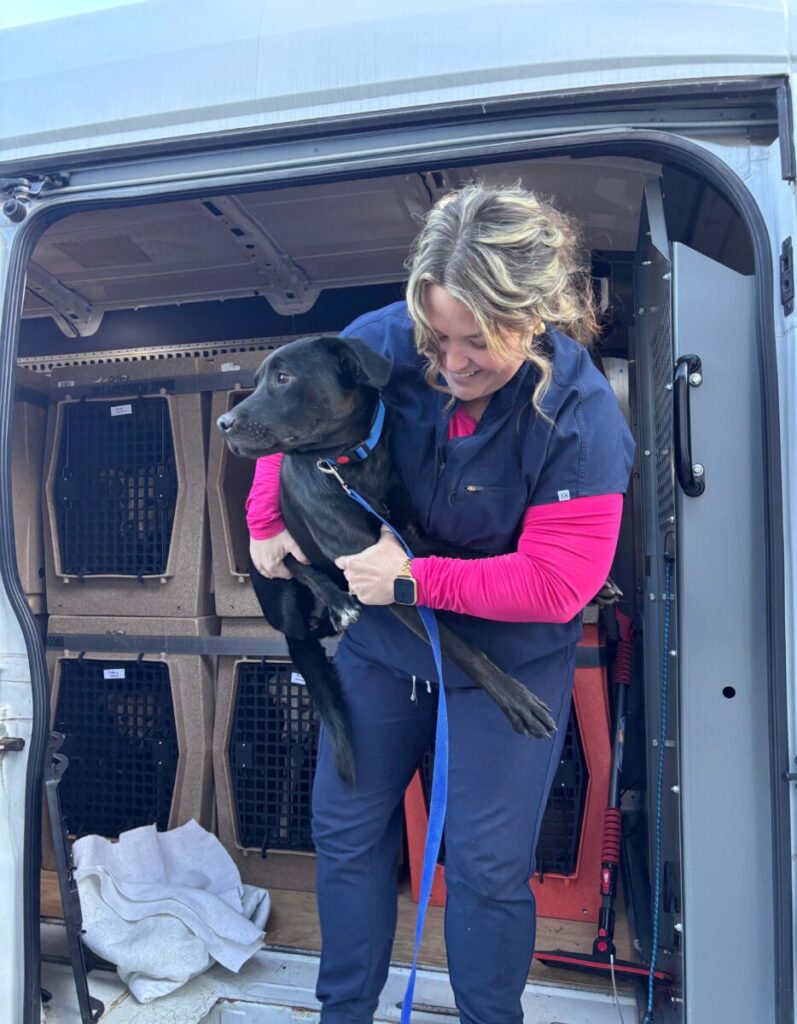
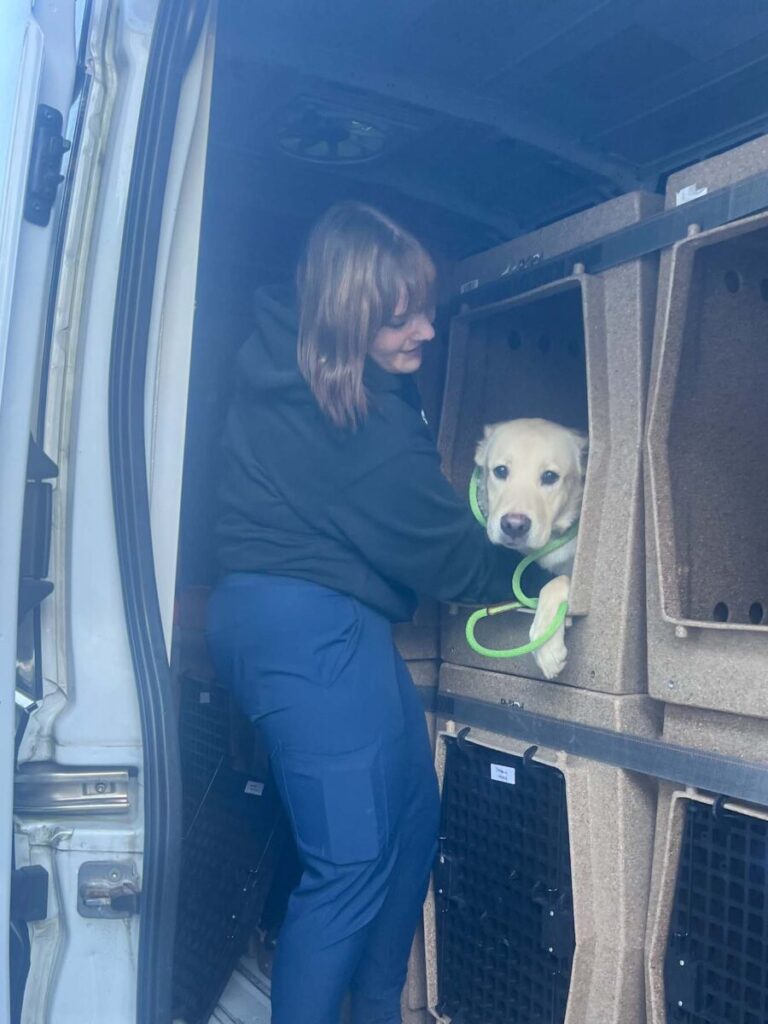
Stouffville, ON (Oct. 9, 2025) – Ontario SPCA and Humane Society animal centres across the province will be welcoming over 40 dogs and cats from Northern Ontario over the next week to help them find loving homes.
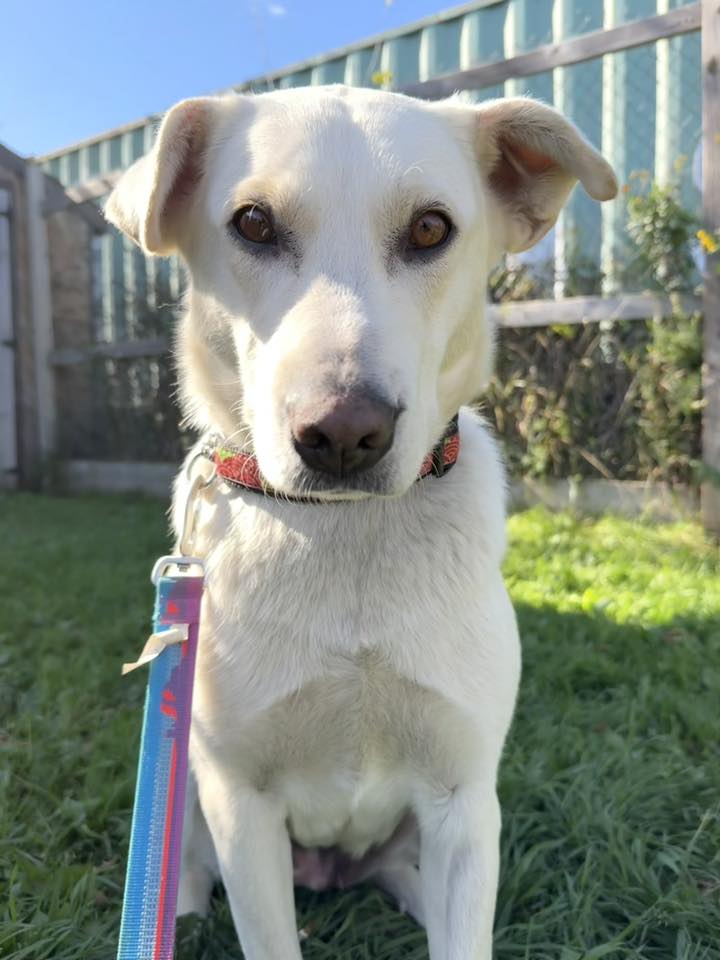
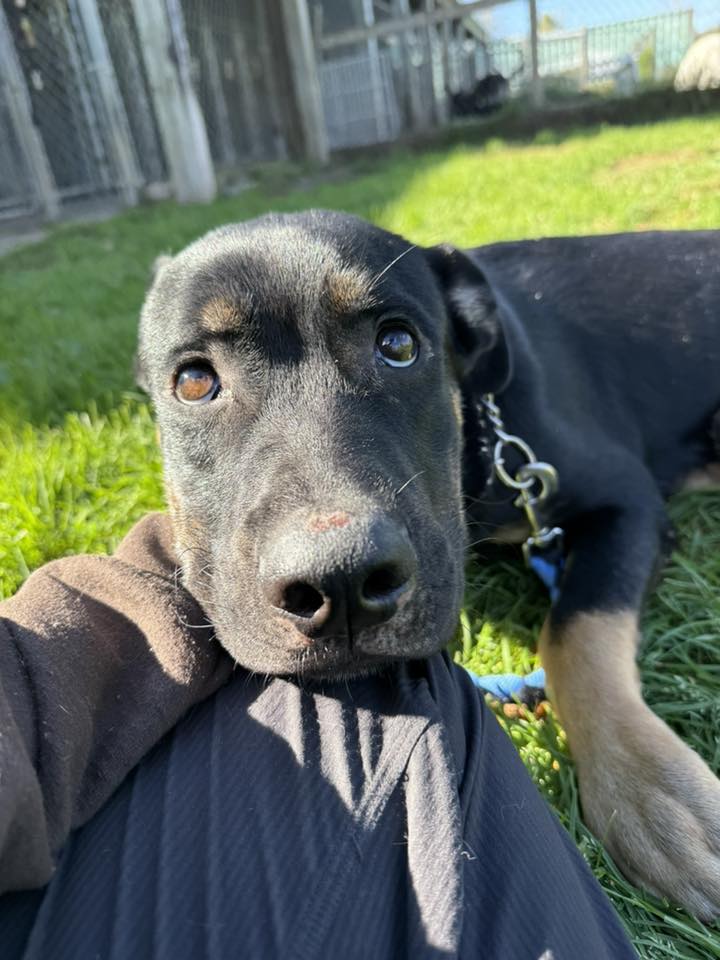
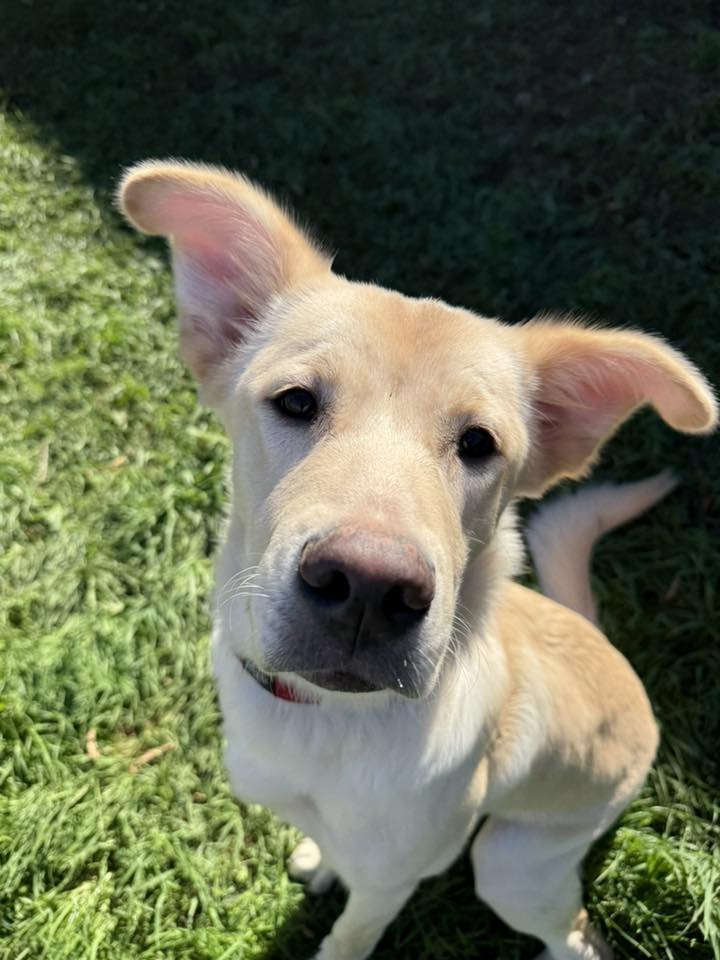
A total of 14 dogs from the Thunder Bay & District Humane Society and Constance Lake First Nation have arrived at Ontario SPCA animal centres in Orillia, Durham, Orangeville, York Region and Brockville where they will be placed up for adoption. Next week, 30 cats will be arriving from Kenora Cat Shelter to find loving homes at Ontario SPCA animal centres.
Yesterday’s dog transfer comes on the heels of the Ontario SPCA’s iAdopt: Furever Homes adoption event, which found loving homes for 123 animals over three days in September, making space available to help more animals.
“Every adoption creates a ripple effect,” says Sonya Reichel, Vice President of Operations at the Ontario SPCA and Humane Society. “When an animal finds a loving home, it not only changes that animal’s life, but it also opens up space to help another animal in need. By working with our Northern partners, we’re giving these dogs and cats a second chance.”
To date in 2025, the Ontario SPCA has transported 229 animals from Northern communities to find them loving homes. It also partners with communities to reduce pet overpopulation through its MASH-style spay/neuter and wellness clinics.
Interested in adopting? Visit ontariospca.ca/adopt to see animals available for adoption. Animals adopted from the Ontario SPCA are spayed or neutered, microchipped, vaccinated, and they go home with food from Royal Canin to help ensure a smooth transition into their new home.
If you’re not able to adopt, you can make a difference for an animal by becoming a foster volunteer. The foster program supports animals who are too young, sick, injured, under-socialized, or stressed to thrive in an animal centre environment. Visit ontariospca.ca/foster to learn more and apply today.

##
MEDIA CONTACT
Media Relations
Ontario SPCA and Humane Society
905-898-7122 x 375
The Ontario SPCA and Humane Society
The Ontario SPCA and Humane Society is a registered charity that has been changing the lives of animals for 150 years. The Society provides care, comfort and compassion to animals in need in communities across Ontario. It values all animals and advocates to treat them with respect and kindness. The Society strives to keep pets and families together and does so through a variety of community support services, such as sheltering and adoptions, including emergency sheltering, feral cat management programs, animal transfers, food distribution, humane education, animal advocacy, and spay/neuter services.
The Ontario SPCA does not receive annual government funding and relies on donations to provide programs and services to help animals in need. To learn more, or to donate, visit ontariospca.ca. Charitable Business # 88969-1044-RR0002.
The Ontario SPCA and Humane Society Provincial Office sits on the traditional territory of the Wendat, the Anishinabek Nation, the Haudenosaunee Confederacy, the Mississaugas of Scugog, Hiawatha and Alderville First Nations and the Métis Nation. This territory was the subject of the Dish With One Spoon Wampum Belt Covenant, an agreement between the Iroquois Confederacy and the Ojibwe and allied nations to peaceably share and care for the resources around the Great Lakes. The treaties that were signed for this particular parcel of land are collectively referred to as the Williams Treaties of 1923.