Your cat is talking to you all day long, and you’ve probably been missing most of it. Cats communicate constantly through body language, and once you know what to look for, you’ll never look at your cat the same way again.
In this video, our friends at Royal Canin Canada are breaking down exactly what your cat is trying to tell you, from the subtle signs of stress to the unmistakable signals of trust and comfort.
Watching wildfires affect communities across Northern Ontario this summer is a reminder of something we hope pet parents never have to think about under pressure: what to do when an emergency means leaving home fast.
Evacuations rarely come with much warning. The families we’ve supported through our emergency response efforts this month often arrive at evacuation centres with little more than the pets in their arms. Having a kit ready before an emergency happens can make those first hours – and the days that follow – far less overwhelming.
That’s exactly what our 72-Hour Emergency Preparedness Workbook is designed to help with.
Why 72 hours?
The first three days of any emergency are usually the hardest. Roads may be closed, shelters may still be organizing, and it can take time before additional support arrives. A 72-hour kit is designed to carry you and your pets through that window with the essentials already on hand, so you’re not searching for supplies while also trying to keep your family calm and safe.
What to include
Our workbook walks through building a kit for both people and pets, but here are a few pet-specific essentials worth starting with:
- Food and water for each pet (plus a manual can opener, if needed)
- A leash, collar or harness, and a carrier or crate
- Copies of vaccination records and medications
- A recent photo of your pet in case you’re separated
- Comfort items such as a blanket or favourite toy to help reduce stress
Check it twice a year
An emergency kit isn’t a one-time task. Food expires, pets’ medical needs change, and family situations shift. We recommend reviewing your kit twice a year andupdating supplies and information as needed so it’s ready whenever you need it. Download the workbook
Our full 72-Hour Emergency Preparedness Workbook walks you through building a complete kit for your household and your pets.
Download the 72-Hour Emergency Preparedness Workbook
For more emergency planning resources, including fire escape plans and provincial and federal preparedness guides, visit our Emergency Response page.
Being prepared won’t prevent an emergency. But it can mean the difference between panic and a plan, for you and for the animals who depend on you.
A gift to our Emergency Response Fund helps us continue providing food, supplies, veterinary care and emergency boarding to pets and the families who love them. To learn more or donate to the Ontario SPCA’s Emergency Response Fund, visit ontariospca.ca/emergency-response
Every donation makes a difference.
Update from July 25-31, 2026
As the wildfire situation in Northern Ontario begins to stabilize, our commitment to supporting pets and the people who love them remains as strong as ever.
While no major new fire activity or evacuation orders have been reported in recent days, thousands of people have been displaced over the past two weeks. Many communities are now beginning the journey home, and our teams are adapting our response to meet their changing needs.
Here’s a snapshot of what we’ve been up to over the past week since our last update:
- 111 animals were supported through our animal centre and clinic
- 21 spay/neuter procedures were performed
- 62 vaccinations were administered and and wellness exams performed
- 7 animals were supported through emergency boarding
- Approximately 50 animals at host sites in Thunder Bay were supported with basic supplies and care items
- 31 dogs were transferred to Ontario SPCA animal centres in Southern Ontario to make space for animals impacted by the wildfires
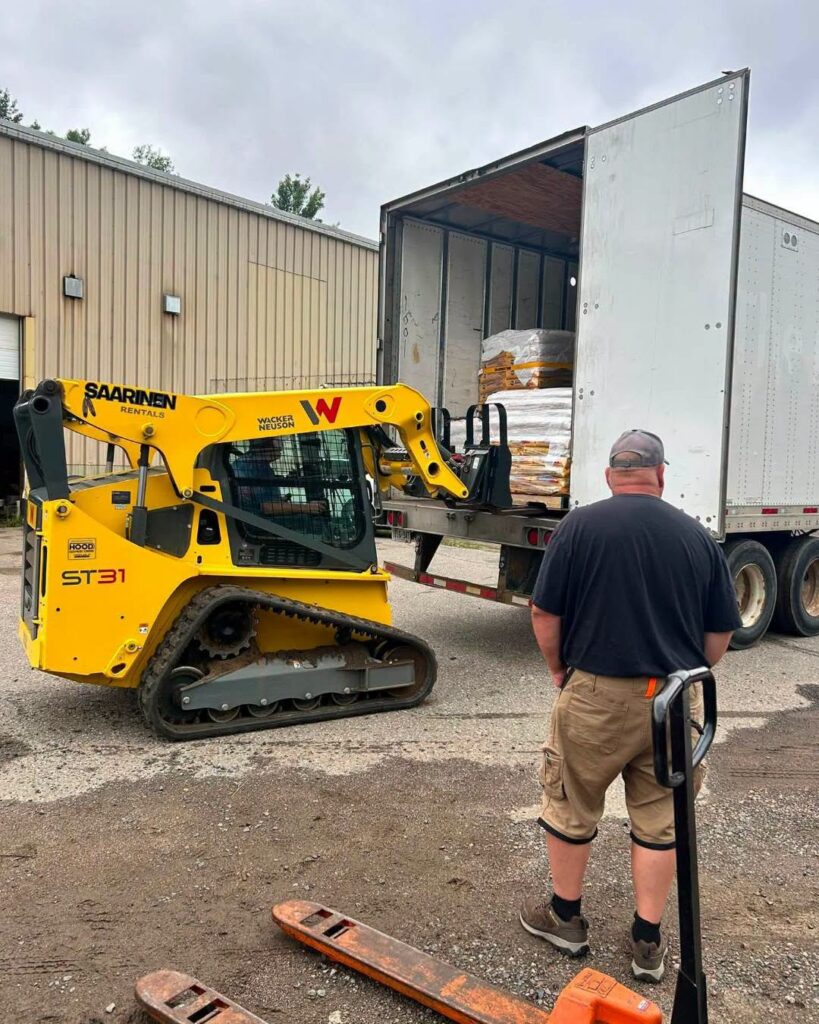
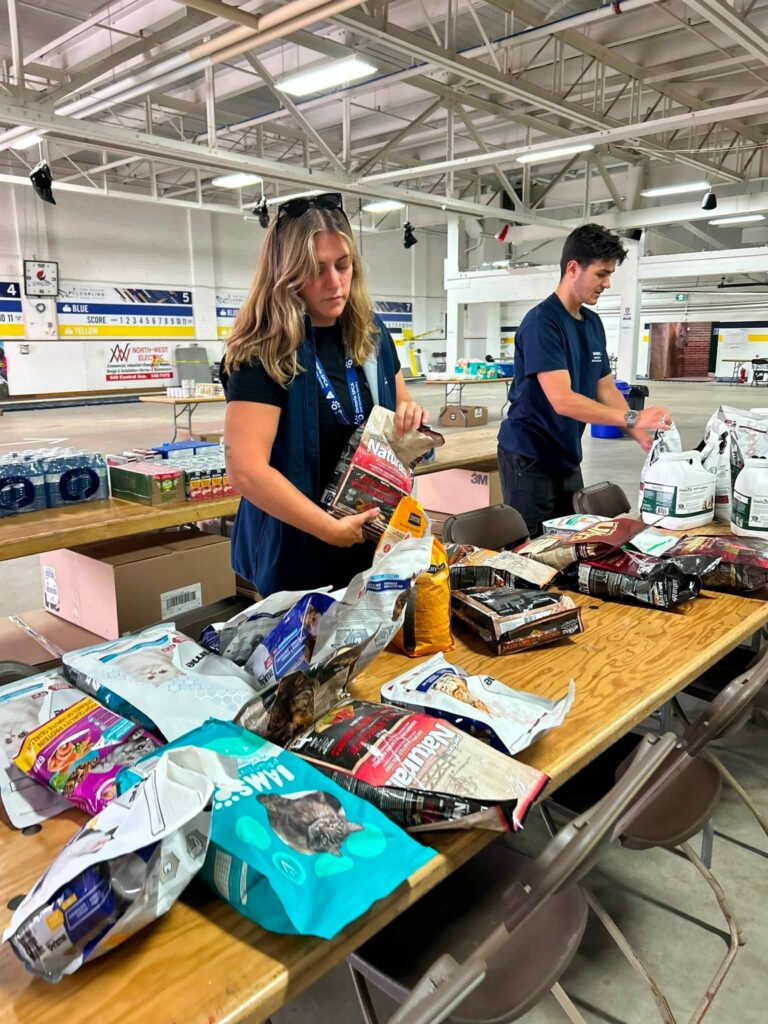
- Another 2,000 lbs of pet food was distributed
Ensuring evacuees have essentials for their pets
This week, our staff continued visiting with evacuees staying in Thunder Bay to check in with families and deliver supplies. While emergency pet food remains available, many of the most urgent needs have shifted to everyday essentials that help make temporary accommodations more comfortable for pets.
We’ve been providing food and water bowls, secure harnesses and leashes, litter boxes and litter for cats, crates, treats, toys and enrichment items to help keep animals comfortable during what can be a stressful time. It’s the small things, like a bowl instead of a paper plate on a hotel floor, that can bring normalcy to a chaotic situation for a displaced pet. Novelties like toys and treats occupy pets whose routines and lives have been turned upside down.
A special shout out to the teams at Pet Valu stores in Thunder Bay for their help providing these critical supplies, which allow our teams and partners to respond quickly, support emergency shelter and provide comfort to pets and the families who love them.
Keeping furry bellies full
Thanks to generous donations from Mars and Pet Valu, an additional 2,000 lbs of pet food was distributed through our emergency response network this week, helping ensure evacuees and the communities returning home have continued access to food for their animals.
As families prepare to return home, we’re helping ensure they don’t make the trip empty-handed. Evacuees are being encouraged to stop by our pet food distribution hubs on their way home, where they can stock up on food and supplies to support not only their own pets, but others in their communities as they recover.
Providing vet care to those who need it
Our veterinary support continues as well. Over the past week, our team has performed 21 spay/neuter surgeries. Since the evacuations began just over two weeks ago, our team has administered more than 240 vaccines and performed 60 spay/neuter surgeries. During times of crisis, these services help keep pets healthy and reduce on more worry for families already facing so much uncertainty.
It takes a community to make a difference and we extend a heartfelt thank you to the Ontario Veterinary Medical Association (OVMA) for helping connect veterinary partners from across Ontario to support animals impacted by the ongoing wildfires. We continue to receive offers of support from veterinary clinics across Ontario who are generously donating medical supplies, as well as veterinary professionals who are giving their time, allowing us to expand our support for animals who require care.
Behind the scenes at our animal centres
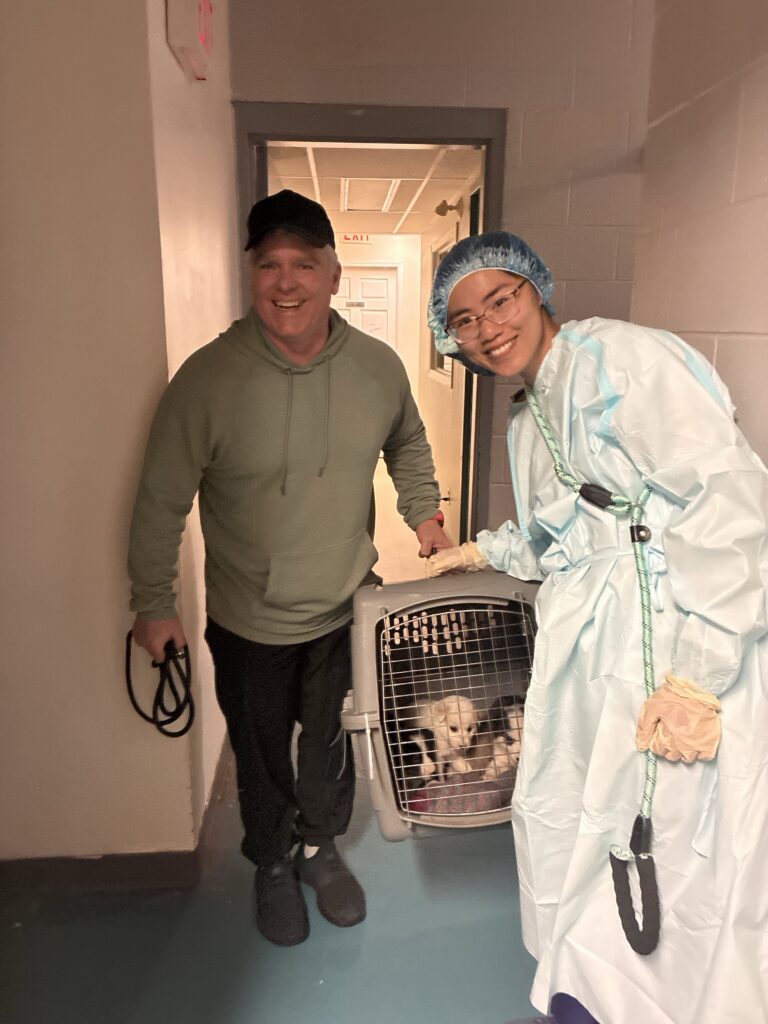
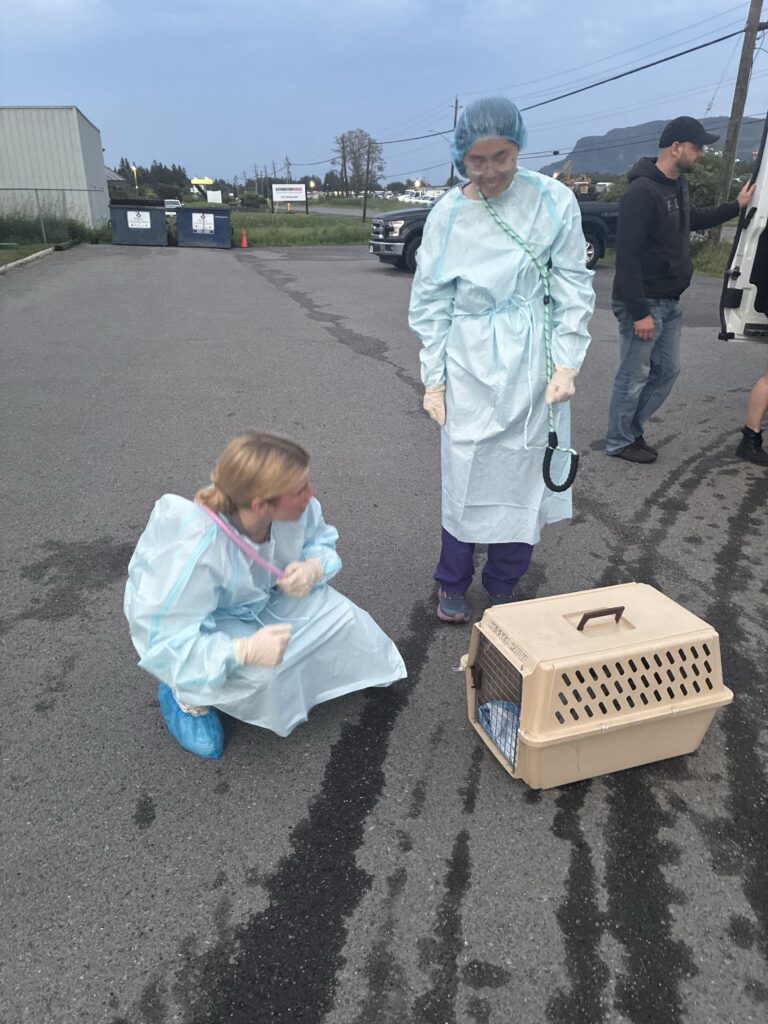
Behind the scenes, our animal centres continue to play a critical role in the emergency response. We transferred 31 Northern dogs over the past week to our animal centres across the province, creating much-needed space for animals impacted by the wildfires. This brings the total number transferred since the evacuations began to 53 dogs.
A huge thank you to our drivers, coordinators and volunteers making these transfers happen – including Provincial Animal Welfare Services, which supported a transfer of 18 dogs earlier this week.
Ready to jump into action
Although some communities are beginning to return home, we’re prepared to respond if conditions change. Our team remains on standby in Dryden, where a 100-bed evacuation reception centre has been established should additional residents need to leave their communities.
None of this would be possible without the incredible generosity of our donors, supporters, corporate partners and volunteers. Thank you for standing with us as we continue to respond to the evolving needs of pets and families impacted by the Northern Ontario wildfires.
To learn more, access resources, or lend your support, visit ontariospca.ca/emergency-response
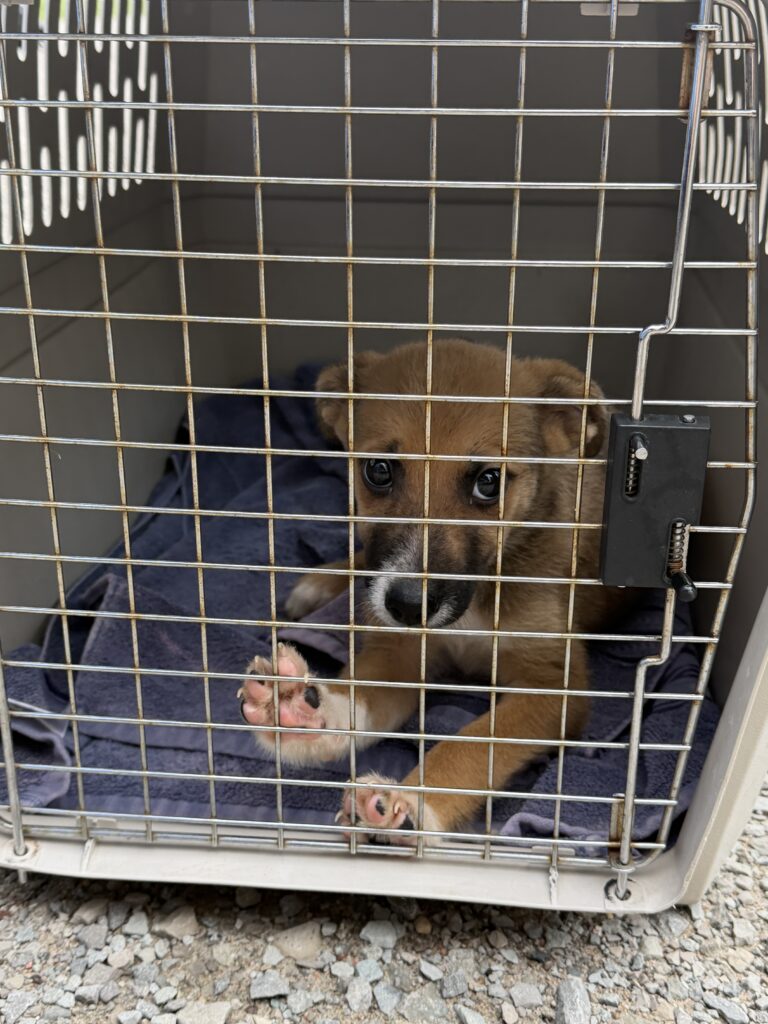
Do you have exciting plans with your furry friends on the long weekend? Whether you’re hiking, camping, or cottaging, we have some helpful tips to keep you and your companion animals safe.
Hiking
Whether it’s a small, local trail or a provincial or national park, there are many options available for taking a hike with your furry friend – just make sure the park is animal-friendly before going!
Hiking is a great way to get outside in nature. Not only is walking a pleasant activity and good exercise for you, it also has many health benefits for your dog. Walking your dog can improve their weight and body composition, joint health, digestive and urinary health. It can improve your dog’s mental and emotional health, as well!
Remember to keep your dog leashed while on the trail. This way, you can get to know how he/she will react to wildlife and other hikers on the trail. You’ll also want to check for fleas and ticks regularly and bring along water so your furry friend can rest and stay hydrated.
Did you know animals can also get sunburnt? Make sure to bring along pet-friendly sunscreen and apply it, especially around the nose and other less hairy areas. Always check with your veterinarian before introducing any new products to ensure they are safe for your furry friend.
Read more about visiting a national park with your dog.
Camping
Similar to hiking, camping is a fun and active way to enjoy the great outdoors with your furry family members. However, there are a few things to take into consideration before heading out.
- If your dog likes to bark, it may be a good idea to sit this one out! Campsites do not permit excessive noise that might disturb others.
- Keep your dog on a leash at all times – this will prevent avoidable accidents from occurring.
- Always pick up and dispose of your dog’s waste. Some parks offer free dog waste bags, but you should bring your own just in case.
- Dogs can attract wildlife so keep an eye out! Additionally, make sure your dog is not chasing or harassing wildlife.
- Bugs can be pesky little things for you and your dog! Consult with your veterinarian about how to protect against them.
Please note that not all campsites allow dogs, so check the regulations before you embark on your adventure! For more tips, as well as information on camp sites, visit ontarioparks.com
Cottage trip
Who doesn’t like a relaxing weekend at the cottage? While the cottage is the perfect place to kick back and relax, here are a few things to keep in mind:
- Your dog may have great recall at home, but the cottage can offer new and exciting distractions. Consider keeping your dog on a leash as a precaution.
- Find a life jacket that fits your dog properly for boating excursions, even if your dog is an excellent swimmer. Strong winds and waves may tire your dog more quickly should they fall overboard. Plus, brightly coloured lifejackets make it easier to spot an animal in the water, and you can use the life jacket to help grab your dog and pull them back on the boat should they end up in the water.
- Make sure your dog is up to date on their vaccines, as well as flea and tick medication and heartworm prevention.
- Ensure your dog has a collar with identification and is microchipped to help increase the chances of being reunited with you should they become lost.
Read more about cottage safety.
With these tips in mind, enjoy some fun long weekend activities with your furry friends!
If this information was helpful, please help us continue to educate about pet health and well-being by making a donation. As a registered charity that does not receive annual government funding, the Ontario SPCA and Humane Society depends on the generosity of donors to change the lives of animals in need.
We all know dogs need walks, but have you ever let your dog stop and sniff everything? If you’re used to brisk, structured walks with a clear start and finish, a “sniff walk” might feel unproductive. In reality, it might be one of the best things you can do for your dog’s wellbeing.
What is a sniff walk?
A sniff walk is exactly what it sounds like: a walk where your dog sets the pace, and sniffing is the main event. Instead of marching forward at a steady pace, you let your dog pause, investigate, and explore scents for as long as they like (within reason, of course).
Why sniffing matters so much to dogs
Dogs experience the world primarily through scent. Their noses have up to 300 million scent receptors, compared to about 6 million in humans, and the part of their brain devoted to analyzing smells is proportionally much larger than ours. When your dog sniffs a fire hydrant or a patch of grass, they’re not just being nosy; they’re gathering information about who’s been there, what’s nearby, and what’s changed in their environment.
The benefits for your dog
- Mental stimulation: Sniffing requires concentration and decision making, which can tire a dog out mentally just as much as physical exercise tires them out physically.
- Stress relief: Many trainers and behaviourists believe that sniffing can have a calming, almost meditative effect.
- Confidence building: Letting your dog explore at their own pace, especially in new environments, can help nervous or anxious dogs feel more in control and secure.
- Natural behaviour: Sniffing is instinctual. Giving your dog the chance to do it freely allows them to express a natural behaviour that structured walks often don’t make room for.
How to incorporate sniff walks
You don’t need to give up structured walks altogether. Try setting aside one walk a day, or even just 10 to 15 minutes on regular walks as dedicated sniff time. A longer leash (whenit’s safe to do so) can also give your dog more freedom to explore without compromising safety.
A small change with a big impact
For pet parents looking for an easy way to support their dog’s mental and emotional health, sniff walks are a simple place to start. Sometimes the most enriching thing you can do for your dog is to slow down and let them lead the way, nose first.
If this information was helpful, please help us continue to educate about pet health and well-being by making a donation. As a registered charity that does not receive annual government funding, the Ontario SPCA and Humane Society depends on the generosity of donors to change the lives of animals in need.
If you’ve ever come home to a shredded shoe or a hollowed-out couch cushion, you know that chewing can feel like a problem to solve. But for dogs, chewing isn’t bad behaviour. It’s a biological need, and understanding why your dog does it is the first step toward managing it in a way that works for everyone in the household.
It’s an instinct
Chewing is hardwired into dogs from the time they’re puppies. Teething pups chew to relieve sore gums, but the habit doesn’t stop once adult teeth come in. Dogs continue chewing throughout their lives because it serves real purposes: it keeps jaw muscles strong, helps scrape plaque off teeth, and satisfies their instincts as scavengers and hunters. When a dog gnaws on something, they’re doing what dogs have always done.
Chewing is a stress reliever
Just like some people bite their nails or tap their feet when anxious, dogs often turn to chewing to self-soothe. The repetitive motion releases endorphins, which can help a dog work through boredom, separation anxiety, or excess energy. A pet parent who notices their dog chewing more than usual during a thunderstorm, after a change in routine, or when left alone for long stretches is likely watching a coping mechanism in action, not a behaviour issue.
Mental stimulation matters too
A bored dog is often a destructive one. Chewing gives dogs a job to do, engaging their senses and their minds in a way that a quiet afternoon on the couch doesn’t. Puzzle toys, frozen treats, and sturdy chew toys can turn idle time into enrichment, reducing the likelihood that your dog will look elsewhere, like a table leg, for entertainment.
Supporting healthy chewing at home
The goal isn’t to stop your dog from chewing – it’s to give them appropriate outlets, so the habit doesn’t turn into a problem. A few ways to do that:
- Offer a variety of textures, including rubber, rope, and dental-specific chews so your dog stays interested.
- Rotate toys regularly to keep them novel and exciting.
- Supervise new toys at first to make sure they’re a good fit for your dog’s size and chewing style.
- Redirect, rather than punish, if you catch your dog chewing something they shouldn’t. Calmly swap the item for an approved toy.
When to pay closer attention
Sudden or intense chewing, especially paired with pacing, whining, or destruction concentrated around doors and windows, can be a sign of anxiety that needs more support than a chew toy alone can offer. If you’re concerned, a conversation with your veterinarian or a positive reinforcement-based trainer can help you support your dog’s needs.
Chewing is one of the simplest ways dogs communicate their needs, whether that’s a sore tooth, a craving for stimulation, or a little stress relief. By understanding the why behind the behaviour, pet parents can turn a frustrating habit into an opportunity to support their dog’s well-being.
If this information was helpful, please help us continue to educate about pet health and well-being by making a donation. As a registered charity that does not receive annual government funding, the Ontario SPCA and Humane Society depends on the generosity of donors to change the lives of animals in need.
It only takes a quick internet search to find thousands of humorous memes and videos on the failed attempts of administering medication to cats and dogs. But as entertaining as they are, getting your pet to take any prescribed medication is extremely important, so we asked our team of animal care experts for their advice.
Tricks are for furry friends
One of the easiest tricks to get your companion animal to take their pills is by hiding it in food like peanut butter, cheese, lickable cat treats, or in a small amount of canned wet food.
Many pet stores also sell pill pocket treats that are specially designed to hide medication. However, when hiding pills in food, hand feed your cat or dog the medication to ensure they aren’t spitting it out. There’s nothing worse than thinking you were successful only to find a pile of discarded meds behind the couch.
Some animals are just too clever, and no matter how crafty you get with hiding those pills, they absolutely refuse to eat that special treat. Also, some furry friends have strict dietary restrictions that may prevent you from using this trick. If hiding pills in food is not an option, you will need to administer the medication directly into their mouth. Don’t worry! We have a few steps below to help make it easier.
Giving a pill to your companion animal
- Set your pet up in a safe and comfortable area. The less stressful the environment, the better.
- Lubricate the pill with a light coating of butter or margarine (if dietary needs permit) and have it close by.
- Gently hold your pet’s muzzle from above, placing your thumb behind the teeth on one side of the upper jaw and your fingers on the other side.
- With a firm but gentle grip, tilt your pet’s head towards the ceiling. This will naturally allow for the lower jaw to open.
- With the pill in the other hand, use your baby and ring fingers to open the mouth a little wider by putting slight downward pressure on the lower lip and place the pill as far back over the tongue as possible.
- Close their mouth and hold it as you bring the head back to a normal position.
- Gently rub or blow lightly on their nose. This should stimulate swallowing. Gentle massage of the throat region in an up and down motion can help stimulate swallowing, as well.
- Show them plenty of love and offer a real treat after giving the medication.
- If pilling is too difficult, discuss alternatives with your pet’s veterinarian. (i.e. topical, transdermal, oral liquids, etc.) There may be other options available.
Remember to use your pet’s medication as directed, finish the prescription unless otherwise indicated, and never share medication between animals. Always talk to your veterinarian if you have any questions or concerns.
If this information was helpful, please help us continue to educate about pet health and well-being by making a donation. As a registered charity that does not receive annual government funding, the Ontario SPCA and Humane Society depends on the generosity of donors to change the lives of animals in need.
As devastating wildfires forced thousands of people from their homes across Northwestern Ontario, the Ontario SPCA and Humane Society rapidly mobilized its emergency response to ensure pets and the people who love them had access to veterinary care, shelter, food and essential supplies.
Close to 1,000 dogs and cats have already been supported through emergency clinics, food distribution, animal transfers, surrenders, emergency boarding, medical care and community partnerships as response continues across Northwestern Ontario.
By the Numbers
- 85 families traveling with pets supported through emergency response services
- 35 dogs transferred from Thunder Bay to Ontario SPCA animal centres across Southern Ontario to create emergency shelter capacity, with 20 additional dogs scheduled for transfer on July 27
- 138 pets supported through emergency veterinary clinics, wellness services and medical care
- 3 free emergency community veterinary clinics launched for wildfire evacuees
- 4 free spay/neuter clinics scheduled
- Approximately 25,000 pounds of pet food and emergency supplies distributed to communities and evacuees
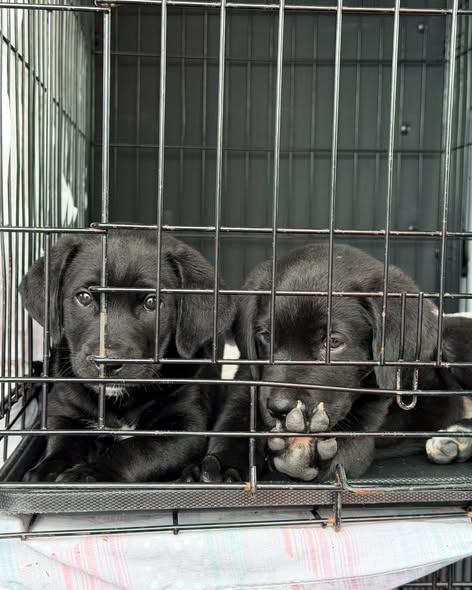
- 22 dogs and puppies brought into the care of the Ontario SPCA from wildfire-affected communities
- Volunteer veterinary response expanded with veterinarians from across Ontario supporting emergency operations
The Ontario SPCA operates 13 animal centres and five veterinary clinics across Ontario, including an animal centre and veterinary clinic in Thunder Bay. As the wildfire situation escalated, our first priority was creating emergency shelter capacity for animals expected to arrive from affected communities.
Preparing for animals evacuating from wildfires
On July 16 and 17, working alongside Provincial Animal Welfare Services and Northern Reach Rescue Network, the Ontario SPCA transferred 24 dogs from Thunder Bay to Ontario SPCA animal centres across Southern Ontario. These proactive transfers immediately created space for animals displaced by wildfires.
With evacuations continuing the Ontario SPCA sent its Vice President of Operations, Sonya Reichel, to Thunder Bay on July 17 to help coordinate our emergency response.
Recognizing the urgent need for veterinary care, the Ontario SPCA issued a call for volunteer veterinarians and opened its Thunder Bay veterinary clinic on Sunday, July 19 for a free emergency wellness clinic for wildfire evacuees.
During the clinic, 21 pets received veterinary care, including vaccinations, parasite prevention, treatment for minor illnesses and injuries, and other medical support. The team also accepted two dogs into the Ontario SPCA’s care after their owners requested surrender assistance due to the challenges created by the evacuation. A special thanks to Vets Around the Corner for sending an extra veterinarian to support the clinic.
As the needs of evacuees became clearer, our focus shifted from immediate response to proactive community support.
Supporting pets through community outreach
Beginning July 20, Ontario SPCA teams visited hotels and evacuation sites housing displaced families, providing food, supplies, medical support and identifying ongoing veterinary needs. Feedback from evacuees consistently highlighted access to veterinary care, particularly spay/neuter services, as one of the community’s highest priorities.
In response, the Ontario SPCA expanded its emergency support services to include free spay/neuter clinics for wildfire-affected pets. These services not only address an immediate community need but also help prevent unplanned litters during what is already an incredibly stressful time for families and their animals.
Working together to help more animals
Throughout the response, Northern Reach Rescue Network has worked alongside the Ontario SPCA, providing foster support, transportation coordination and assistance for animals requiring temporary care. The Ontario SPCA also acknowledges the outstanding work of Northern Critters in Need, Indigenous communities, local veterinarians, municipal partners, Provincial Animal Welfare Services, Emergency Management Ontario and the many organizations working together to support both people and animals.
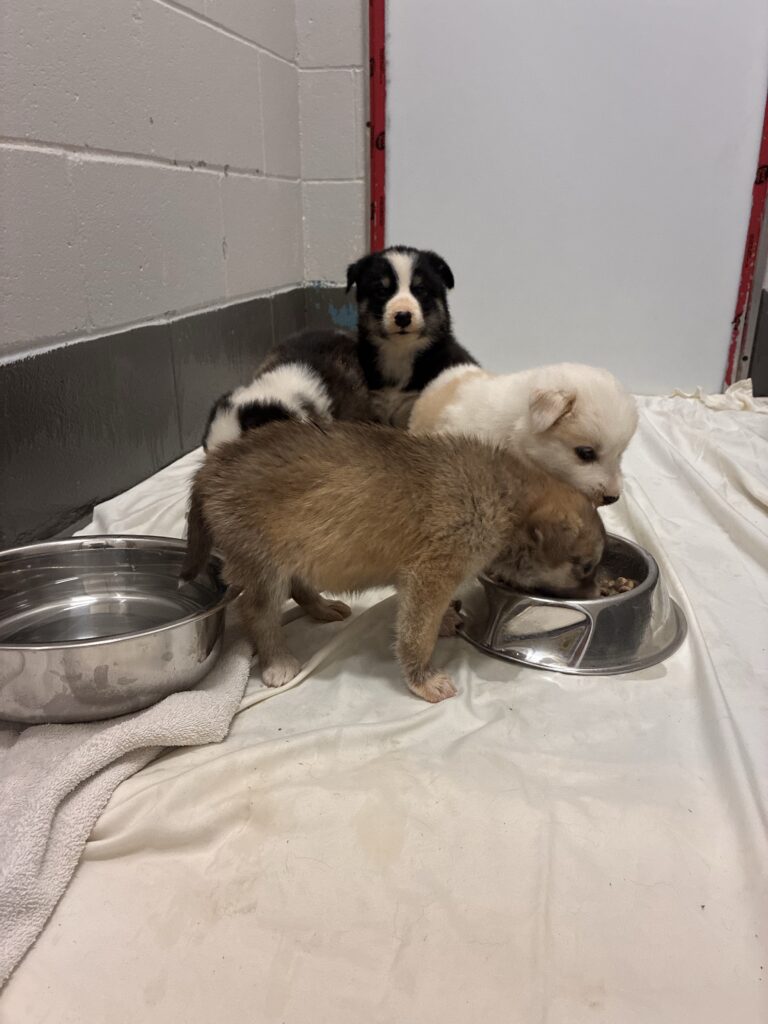
On July 22, the Ontario SPCA held its second emergency wellness clinic while continuing to respond to urgent medical cases requiring immediate attention. That same day, following requests from Northern Critters in Need, we welcomed a mother dog and her five puppies from the Kenora area into care at our Northwest Animal Centre.
On July 23, following a high volume spay/neuter clinic running all day (and receiving two emergency surgical requests from pets in crisis) and into the early hours of July 23, our Northwest Animal Centre in Thunder Bay received 11 additional dogs and puppies from. Many arrived exhausted, hungry and in need of immediate veterinary assessment and care.
As intake numbers continued to increase at our animal centre, the Ontario SPCA immediately activated additional transfer plans. On July 24, 11 dogs were transported to Ontario SPCA animal centres in Midland, Orillia, Bracebridge and York Region to create further capacity in Thunder Bay. With the generous support of Provincial Animal Welfare Services, another 20 dogs are scheduled to be transferred south on July 27, ensuring the Northwest Animal Centre in Thunder Bay remains ready to respond as additional requests emerge from affected communities.
Northern Reach Rescue and their dedicated team of fosters have taken in and supported dozens of dogs through respite care for community members – providing immense relief when needed the most.
Veterinary community steps up to provide care
The emergency response has also been strengthened through partnerships with Ontario’s veterinary community. Veterinary clinics across Ontario have stepped up, offering supplies and volunteer services. University of Guelph’s Community Healthcare Initiative Program (CHIP) joined on July 21 and will be staying through July 28.
We are also incredibly grateful to the Ontario Veterinary Medical Association (OVMA) for helping connect us with veterinary partners from across Ontario to support animals when they need our urgent care.
“Every day brings new requests for help – we are working around the clock,” says Sonya Reichel, Vice President of Operations, Ontario SPCA and Humane Society. “What has been most inspiring is seeing communities, Indigenous leaders, rescue organizations, veterinarians, government partners, donors and volunteers working together with one shared goal: ensuring families have what they need to continue caring for their beloved pets.”
While significant progress has been made, the response remains ongoing as wildfire impacts continue across Northwestern Ontario.
For those impacted by the wildfires
We are here to help. Please call our Northwest Animal Centre and Veterinary Clinic to book services (grooming, veterinary care, transportation or surgery) or request supplies. Call (807)-475-8803
Anyone affected by the wildfires who needs support with their pets is encouraged to call 1-888-ONT-SPCA (668-7722) and follow the prompts to be connected with available services.
How you can help
We are immensely grateful to the Ontario SPCA’s community of generous donors and partners whose compassion and immediate response have made this work possible.
If you wish to support our wildfire relief efforts, financial donations remain one of the most effective ways to support emergency animal response efforts, allowing critical veterinary supplies and emergency resources to be deployed quickly where they are needed most.
To donate to the Ontario SPCA’s Emergency Response Fund, visit ontariospca.ca/emergency-response or phone 1-888-ONT-SPCA (668-7722) ext. 321
The Ontario SPCA is also seeking support from both the veterinary community and the public to help us acquire some much-needed items
Priority Equipment
- Veterinary exam table
- Vaccine fridge
- Dog scale
- Cat scale
- Wellness Room cabinetry
- Xray Machine and equipment
- Dental equipment
- Anesthetic machine
- Anesthetic monitoring equipment
- Syringes, vaccines, deworming treatment and other veterinary supplies
Animal Care Supplies
- Martingale collars
- Slip leads and leashes
- Dog and cat crates
- Poop bags
- Other essential animal handling supplies
If you have items you would like to donate, please reach out to Kallie Milleman at [email protected]
Volunteer Opportunities
The Ontario SPCA is seeking volunteers:
- Licensed veterinarians
- Registered Veterinary Technicians (RVTs)
Volunteers who can commit approximately five consecutive days are encouraged to apply. Travel, accommodations and meals will be provided.
Interested volunteers can email [email protected]
Communities needing assistance
If your First Nation, municipality or community in Northwestern Ontario has been impacted by the wildfires and requires support for pets or animal populations in your community –including emergency pet food, veterinary care, medical supplies, animal relocation or other animal welfare assistance –please contact the Ontario SPCA Emergency Response Line at 1-888-668-7722, extension 991.
Calling our emergency response line allows our team to assess your community’s needs, coordinate with local leaders and partners, and mobilize the appropriate resources as quickly as possible.


This summer, we’re asking you to help keep animals safe by taking the No Hot Pets pledge to never leave animals unattended in a vehicle. To help you keep your pledge, today we’re sharing some “cool” and “not cool” decisions you can make while travelling with your animals.
Not cool
You’re on a road trip and you go into a restaurant for a sit-down meal while you leave your animal in your car. Parked cars can reach deadly temperatures in minutes – even on mild days, in the shade, or with windows open.
Cool
Instead of dining in, you get your food to go at the drive-thru, or pack a meal for the road. If you’re travelling with your furry family member, always plan ahead. Choose pet-friendly stops, run errands before or after your trip, or travel with someone who can stay with your pet if you need to leave the vehicle.
Not cool
You’re on your way to the park to take your dog for a walk when you realize you need to make a stop at the grocery store. You run in quickly to pick up what you need, leaving your dog in the parking lot, and then continue on to the park.
Cool
You plan your grocery trip at another time so you can bring your dog straight to the park and straight home again.
It doesn’t take long for parked cars to quickly reach deadly temperatures. For the safety of your furry friend, leave them at home where they are comfortable and safe if you’re unable to bring them with you when you leave your vehicle. If something unexpected were to delay you from returning to your vehicle, such as a long lineup or a medical emergency, it could cost your furry friend their life.
Not cool
You’ve prepared all the road-trip essentials for yourself and your family – snacks, drinks and tunes! You forget, however, to bring along a dog bowl and water for your furry friend.
Cool
Before heading out on your road trip, you make sure to have snacks and water for your furry friend, as well as yourself! You also make sure to note the signs of dehydration, so you can ensure your animal is comfortable and safe on the drive.
Not cool
While heading into the mall, you see a dog barking inside a vehicle, with no guardian in sight. You figure they’ll be back soon and walk away to continue your shopping.
Cool
When you see an animal left unattended in a vehicle, you follow the Ontario SPCA and Humane Society’s recommended steps! To report an animal left unattended in a vehicle, call Provincial Animal Welfare Services at 1-833-9Animal, or your local police. If you see an animal in immediate danger, call 911. Take down the license plate of the car and try to get someone close by to go into nearby businesses and have the owner paged back to the car, while you stay with the animal.
No Excuses. No Hot Pets.
Visit nohotpets.ca to pledge that you will never leave an animal unattended in a vehicle. If you can’t take your animal with you, leave them at home where they are safe.
You can also help save an animal’s life by sharing the No Hot Pets message on social media, asking your municipality to enact a bylaw to prevent animals from being left unattended in vehicles, and supporting businesses that welcome animals in their store.
Visit nohotpets.ca to learn how you can get involved.
As wildfires continue to force evacuations across Northern Ontario, the Ontario SPCA and Humane Society is helping keep families and their pets together by providing emergency support for animals displaced by the crisis.
Working alongside the Ministry of Emergency Preparedness and Response, the Red Cross, municipalities, Airbnb, 211Ontario, and animal welfare partners across Ontario, we’re providing a range of services to support evacuated families and their animals, including:
- Pet-friendly housing: Working with Airbnb to help find housing for people and their pets, so families can stay together during this difficult time.
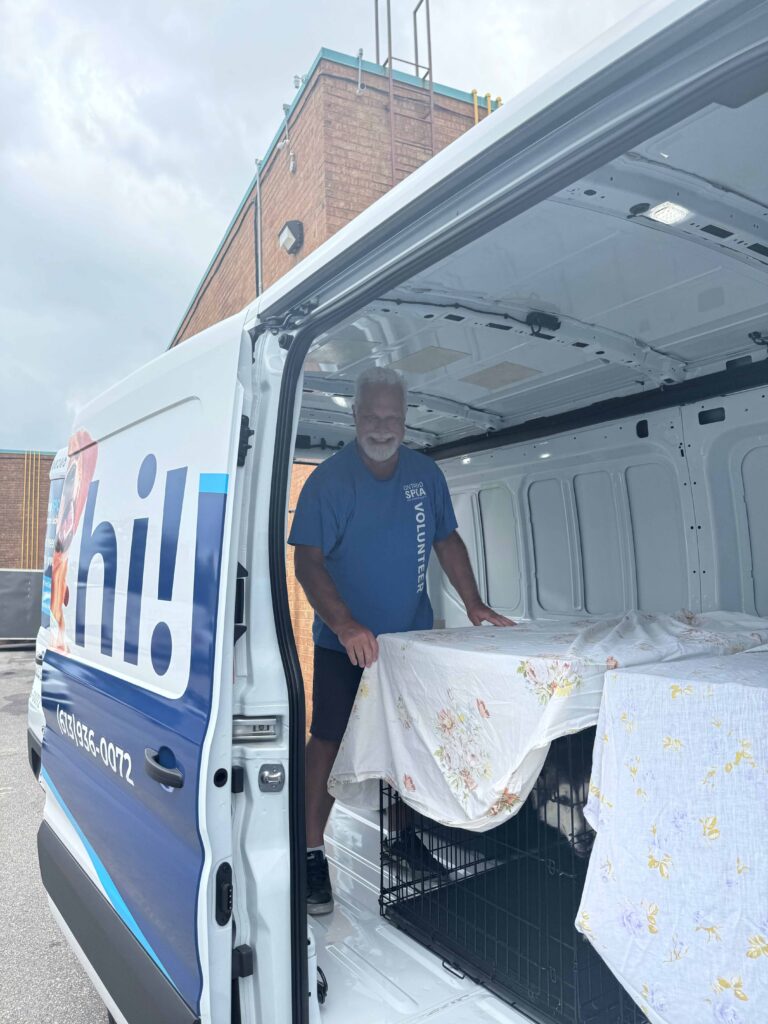
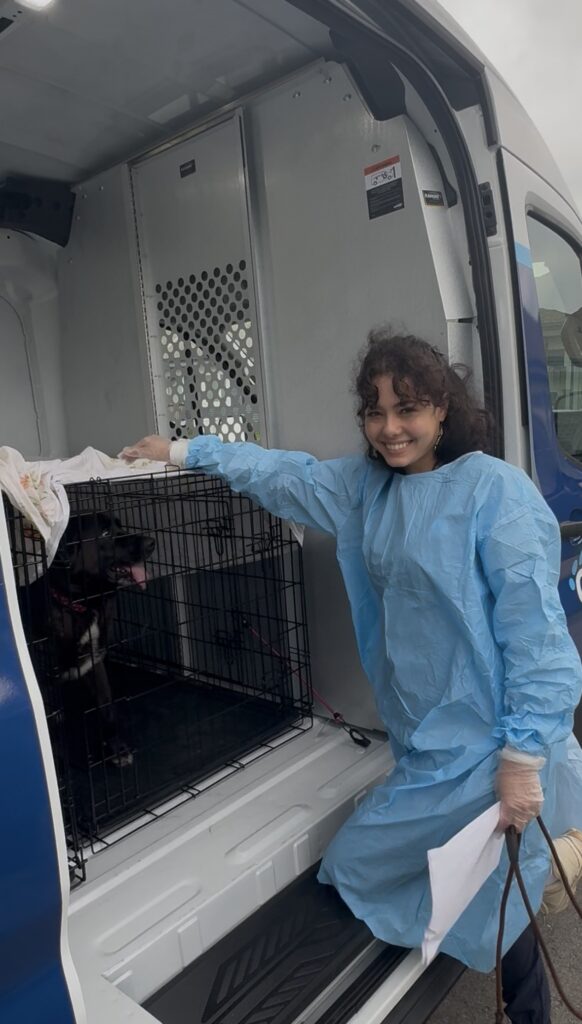
- Pet emergency boarding: Adoptable animals from the Ontario SPCA and Humane Society Northwest Animal Centre in Thunder Bay have been moved south to provide temporary shelter at the centre for displaced animals while families get settled.
- Emergency food: Approximately 75,000 lbs of emergency dog food are being distributed through hubs in Thunder Bay and Dryden, with supplies also reaching host sites provincially.
- Emergency supplies: Crates, leashes, collars, harnesses, bowls, and other essentials are being provided to families arriving at evacuation centres and host communities with little more than the pets in their arms.
- Wildfire telehealth for pets: Available to pet parents and emergency responders, alongside vaccinations and basic medical care to help keep evacuated animals healthy.
- Clinical support for pets: Pets impacted by the wildfires who need an in-person visit with a vet can access our clinical services. We’re offering vaccines, spay/neuter services, and health checks by our veterinary team for free.
- RV parking support: Working with our partners to find temporary parking for families arriving with their RVs, so they can stay with their animals.
- Livestock support: We are working with our partners to offer support for livestock, should families need it.
- 211Ontario Support: The Ontario SPCA is working with 211Ontario to help connect people affected by the wildfires with pet-related resources.
If you are in need of support
Anyone affected by the wildfires who needs support with their pets is encouraged to call 1-888-ONT-SPCA (668-7722) and follow the prompts to be connected with available services.
Generosity in action
This support wouldn’t be possible without our generous supporters. We want to thank everyone who has donated to the Ontario SPCA’s Emergency Response Fund.
We are incredibly grateful to The Eric S. Margolis Family Foundation for their generous $50,000 donation to our Emergency Response Fund, supporting pets and their families who are fleeing the devastating wildfires, arriving with little more than their pets in their arms.
We have also had corporate partners step up to support our efforts. A big thank you to Mars Pet Nutrition Canada for supporting us with pet food supplies for people and pets in need. We’d also like to thank Pet Valu’s Companions for Change™ for donating some of the pet supplies we are distributing and Boehringer Ingelheim for supporting our efforts.
We have also received numerous products and supplies from veterinary clinics across the province, who have generously donated to the cause.
How you can help
This response is ongoing, and it’s made possible by community support. A gift to our Emergency Response Fund helps us continue providing food, supplies, veterinary care, and emergency boarding to pets and the families who love them.
To learn more or donate to the Ontario SPCA’s Emergency Response Fund, visit ontariospca.ca/emergency-response.
Every donation makes a difference.
For the most current updates as the situation develops, follow us on Instagram and Facebook.
IMMEDIATE RELEASE
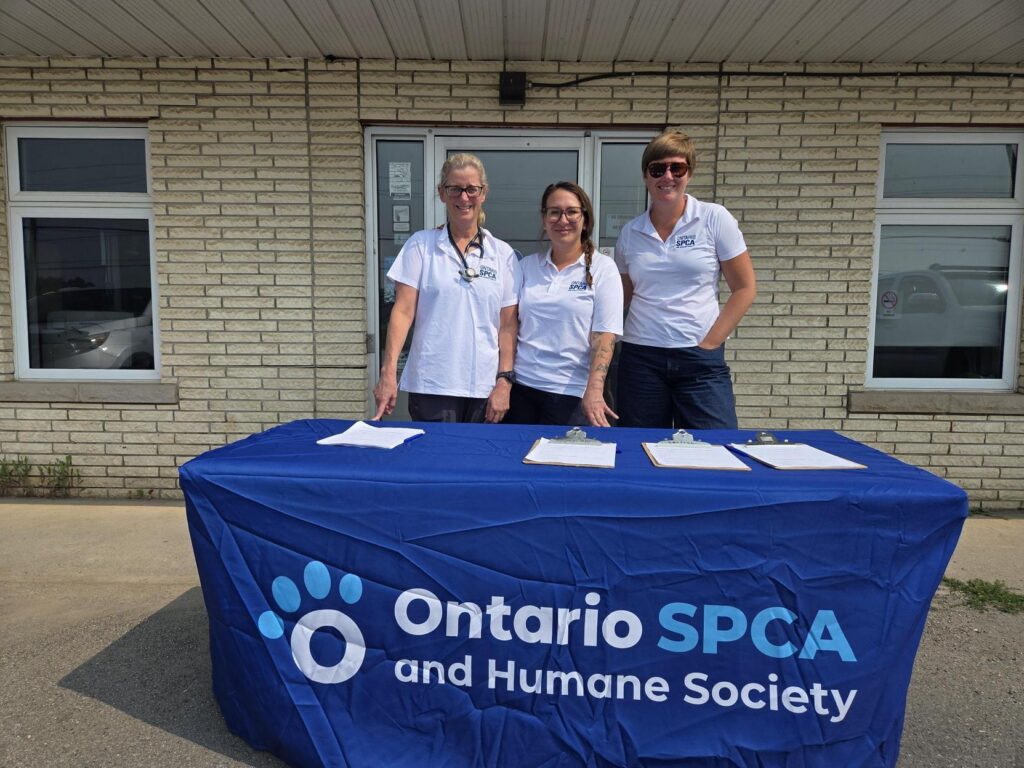
Thunder Bay, ON (July 21, 2026) – As wildfires continue to force evacuations across Northern Ontario, the Ontario SPCA and Humane Society is helping keep families and their pets together by providing emergency support for animals displaced by the crisis.
Working alongside the Ministry of Emergency Preparedness and Response, the Red Cross, municipalities, Airbnb, 211Ontario, and animal welfare partners across Ontario, the Ontario SPCA is providing a range of services to support evacuated families and their animals, including:
- Pet-friendly housing: Working with Airbnb to help displaced families find temporary accommodations where they can stay with their pets.
- 211Ontario support: Connecting people affected by the wildfires with pet-related resources.
- Emergency boarding: Adoptable animals from the Ontario SPCA and Humane Society Northwest Animal Centre in Thunder Bay have been moved south to provide temporary shelter at the centre for displaced animals while families get settled.
- Emergency pet food and supplies: Approximately 75,000 lbs of emergency dog food is on its way to Northern Ontario to replenish supplies that have already been distributed to feed pets impacted by the wildfires. Families are also receiving crates, leashes, collars, harnesses, bowls, and other essential pet supplies.
- Veterinary care: Offering wildfire telehealth support for pets, as well as free in-person veterinary services for animals impacted by the wildfires, including health checks, vaccinations, and spay/neuter services when needed.
- Additional supports: Working with partners to identify temporary RV parking for families travelling with animals and coordinating support for livestock if required.
Anyone affected by the wildfires who needs support with their pets is encouraged to call 1-888-ONT-SPCA (668-7722) and follow the prompts to be connected with available services.
“The situation continues to evolve every day, and we know more families may need support in the days and weeks ahead,” says Shawna Beaulieu, Regional Director, Northwestern Ontario, Ontario SPCA and Humane Society. “When families arrive at evacuation centres, we want to make sure they have the pet food, supplies, veterinary care, and other support they need to stay together while they focus on getting through this emergency.”
To learn more or donate to the Ontario SPCA’s Emergency Response Fund, visit ontariospca.ca/emergency-response
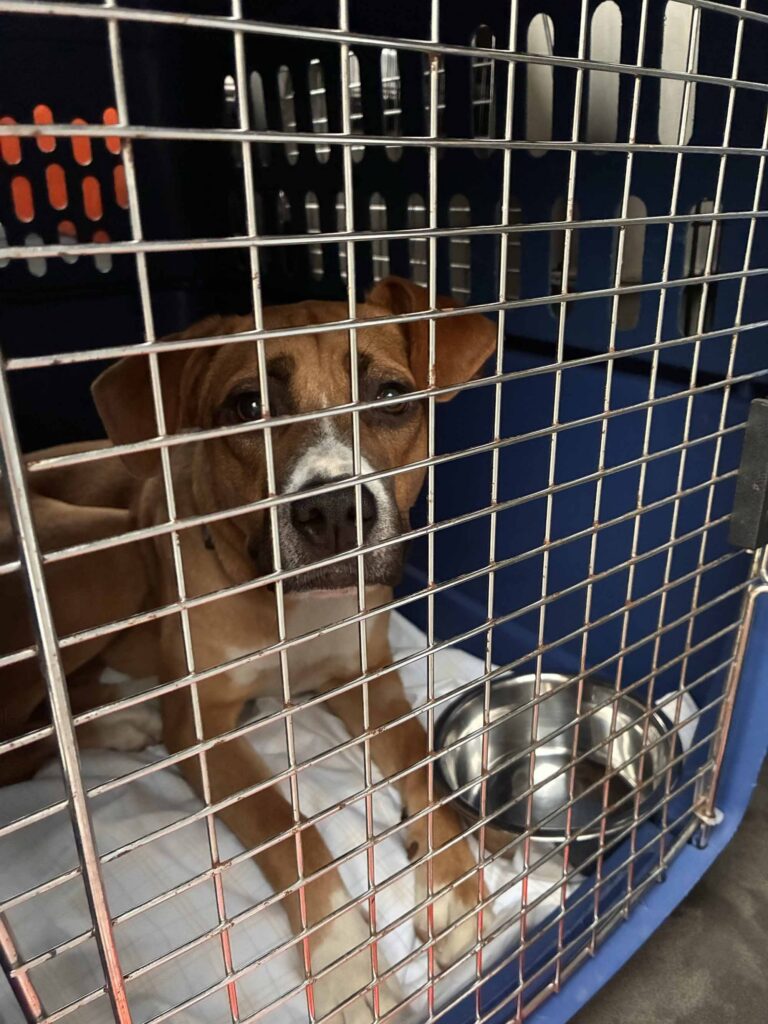



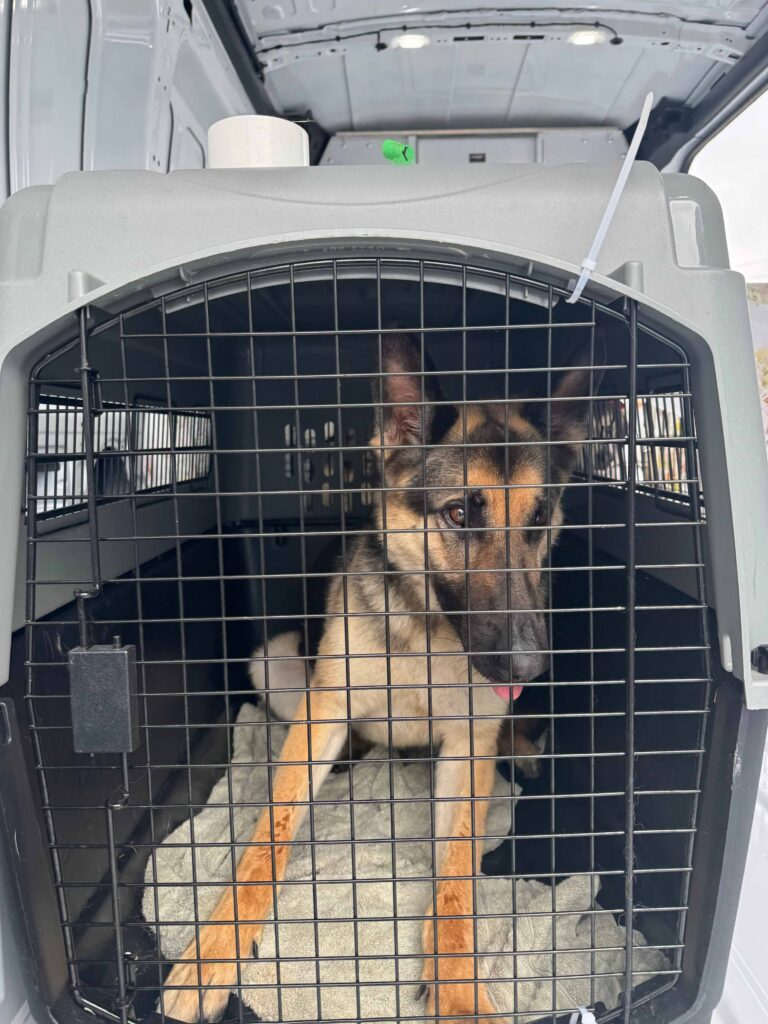
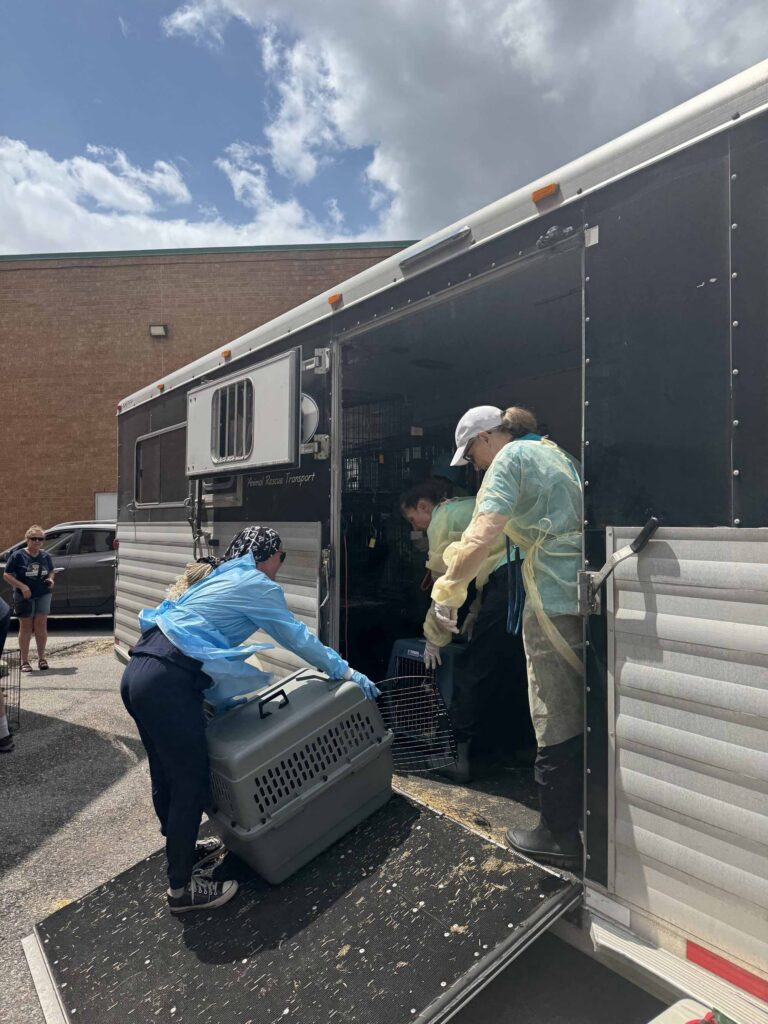

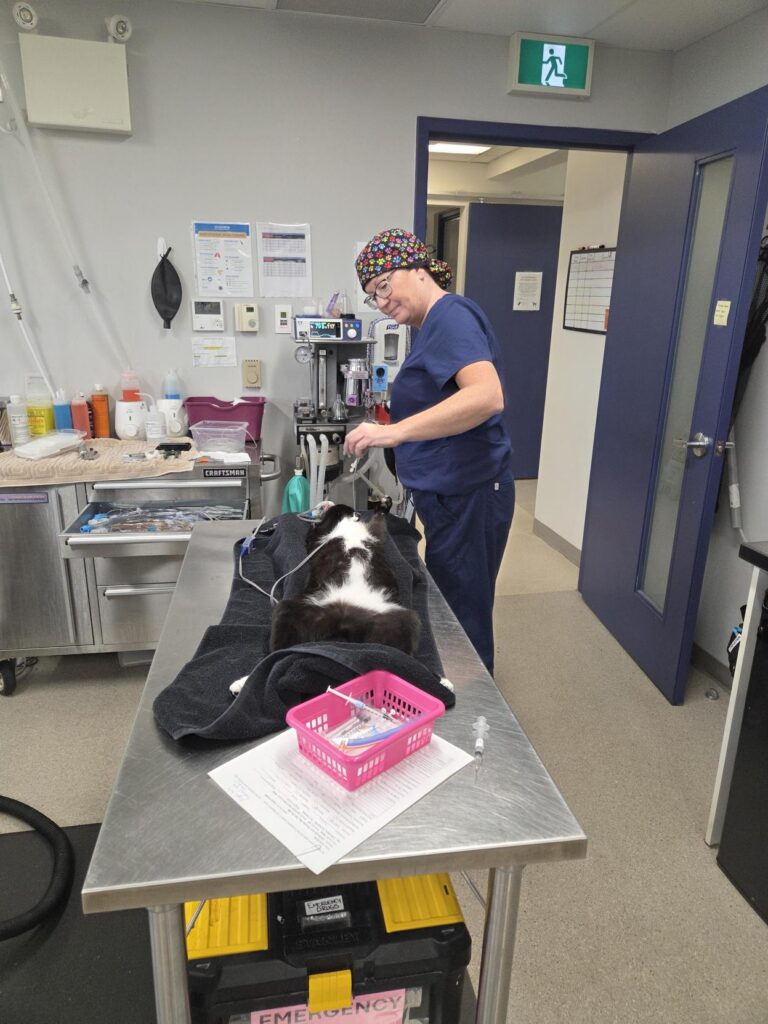
##
Media Contact:
Media Relations
Ontario SPCA and Humane Society
905-898-7122 x 375
[email protected]
The Ontario SPCA and Humane Society
The Ontario SPCA and Humane Society is a registered charity that has been changing the lives of animals for over 150 years. The Society provides care, comfort and compassion to animals in need in communities across Ontario. It values all animals and advocates to treat them with respect and kindness. The Society strives to keep pets and families together and does so through a variety of community support services, such as sheltering and adoptions, including emergency sheltering, feral cat management programs, animal transfers, food distribution, humane education, animal advocacy, and spay/neuter services.
The Ontario SPCA does not receive annual government funding and relies on donations to provide programs and services to help animals in need. To learn more, or to donate, visit ontariospca.ca. Charitable Business # 88969-1044-RR0002.
The Ontario SPCA and Humane Society Northwest Animal Centre, formerly the Thunder Bay & District Humane Society, is located on the traditional territory of Fort William First Nation, part of the Anishinabek Nation and signatory to the Robinson-Superior Treaty of 1850. We honour the long-standing stewardship of these lands and the connection Indigenous communities have with animals, and we are committed to nurturing respectful partnerships across the North.
When Rex first arrived at the Ontario SPCA and Humane Society Durham Region Animal Centre in November 2025, he was in need of immediate care and compassion.
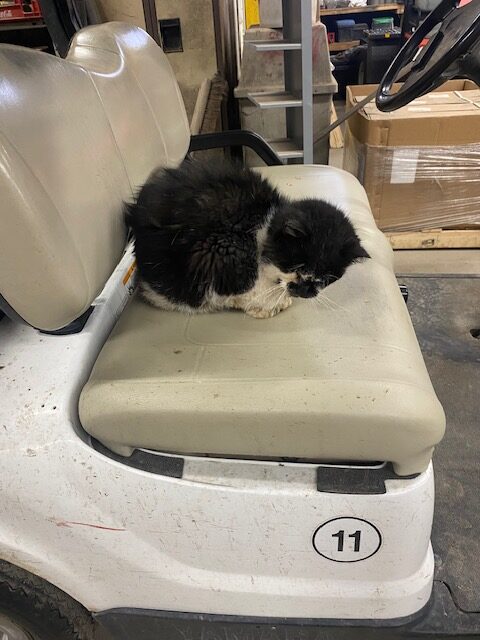
The five-year-old cat was in poor condition when he was found living on a golf course. An employee of the course noticed Rex needed help and brought him to our animal centre where he received life-saving care and began his healing journey.
A difficult beginning
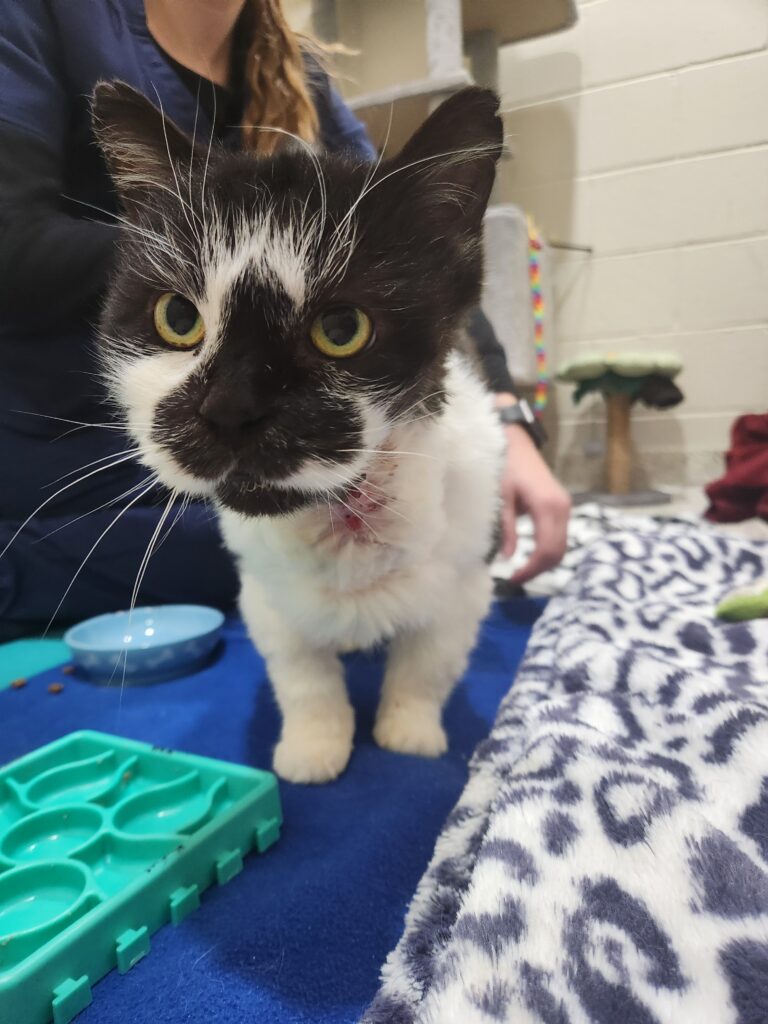
When he arrived, our animal care team could see Rex had a severely infected wound on the left side of his neck and beneath his chin, where a significant amount of skin was missing. He was also showing signs of an upper respiratory infection.
Although Rex had clearly been through a lot, his gentle and loving personality never faded.
“Rex was very friendly and affectionate with the team right from the beginning,” says Shannon Stephenson, Operations Manager at the Ontario SPCA and Humane Society Durham Region Animal Centre and Veterinary Clinic.
Despite everything he was facing, Rex trusted the people around him. He welcomed attention from the team and quickly showed everyone that behind his injuries was a sweet cat who simply wanted love.
Compassionate care every step of the way
Rex’s road to recovery took time, patience, and a dedicated team behind him.
To begin his healing process, Rex underwent a procedure to clean and treat his wound. Due to the severity of his injury, he required ongoing treatment and monitoring to ensure he was healing properly.
In the months that followed, Rex remained in the care of the Durham Region Animal Centre where he received bandage changes and had his wounds gently cleaned. The team worked carefully to keep him comfortable while giving his body the time it needed to heal.
But his neck just wouldn’t heal, despite all the TLC he was receiving. He needed surgery to completely close his wound so he could finally find a loving family to call his own. The surgery was a success and by March – after five months in our care – Rex was finally ready to begin the next chapter of his journey.
While his medical treatment helped him heal physically, it was the kindness he experienced every day that helped rebuild his confidence.
The healing power of kindness
Behind every recovery story is a team of people offering care and support.
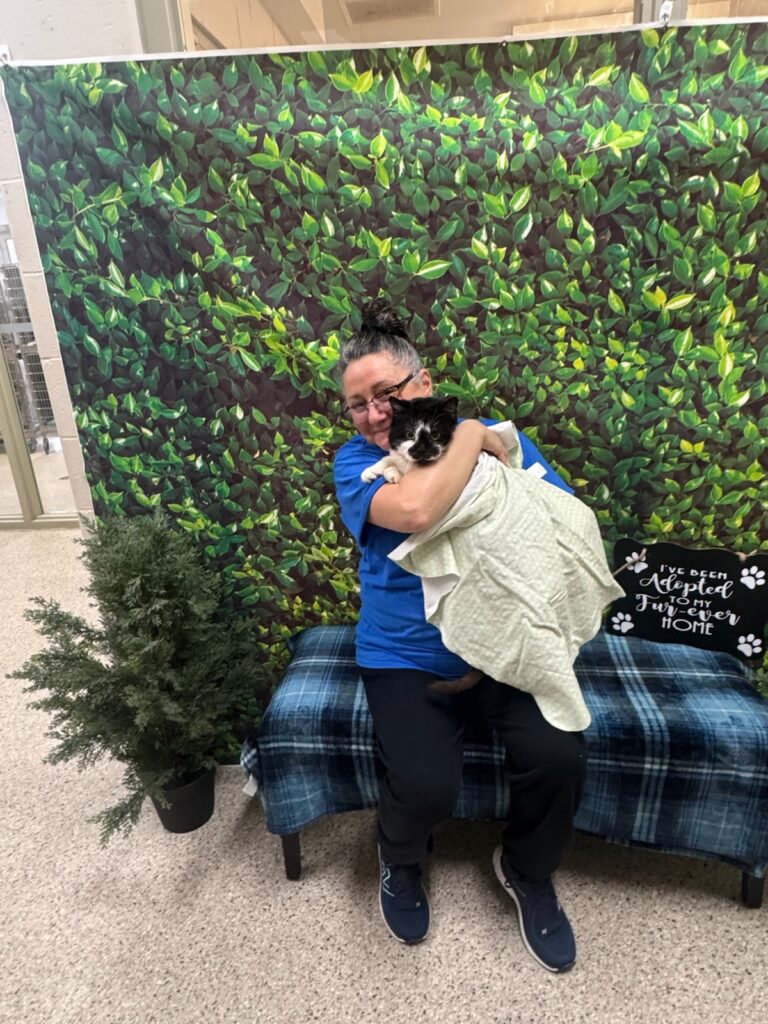
During his time at our animal centre, Rex had volunteers by his side for most of the day, every day, throughout his recovery. Among them, he developed a special connection with Diane, one of the centre’s dedicated volunteers. As Rex continued to heal, Diane was there to offer comfort, companionship and plenty of cuddles.
“Diane spent countless hours cuddling with Rex and providing him comfort throughout his recovery journey,” says Shannon. “She was there with him through his healing process, and when it was time for Rex to find a home, he had already found someone who loved him.”
For animals recovering from illness, injury or difficult circumstances, support from volunteers and foster families can make all the difference. These moments of kindness help animals build trust and help prepare for their next chapter.
Learn more about becoming a foster volunteer.
A second chance and a forever home
When Rex was officially ready for adoption, it became clear that the person who helped his recovery was also the person to give him a forever home.
At the end of March 2026, Diane adopted Rex, giving him the loving home he deserved after being by his side throughout his recovery.
From the community member who brought him to safety, to the veterinary team who provided his medical care, to the volunteer who became his family, Rex’s story is a reminder of what can happen when people come together for animals in need.
Help animals like Rex
Every animal deserves the chance to heal and experience love. As a registered charity that does not receive annual government funding, the Ontario SPCA and Humane Society depends on the generosity of donors to change the lives of animals like Rex.
Please consider donating today to make second chances possible.