World Rabies Day
To mark World Rabies Day and help keep pets, families and communities safe, the Ontario SPCA and Humane Society is hosting free rabies vaccine clinics in communities across the province from Sept 20 – Oct 3, 2026.


Find a free rabies vaccine clinic near you
Choose your community below to learn more and register.
Eastern Ontario
Akwesasne
Saturday, Sept. 26
Cornwall
Saturday, Sept. 26
Central Ontario
Barrie
Monday, Sept. 28
Stouffville
Monday, Sept. 28
Saturday, Oct. 3
Whitby
Monday, Sept. 28
Northern Ontario
Huntsville
Sunday, Sept. 20
Sudbury
Monday, Sept. 28
Thunder Bay
Tuesday, Sept. 29
Stronger Together
By helping remove barriers to preventative veterinary care, we can ensure more pets are protected from this deadly but preventable disease.
Vaccinating pets against rabies is the best way to protect animals, people and communities.
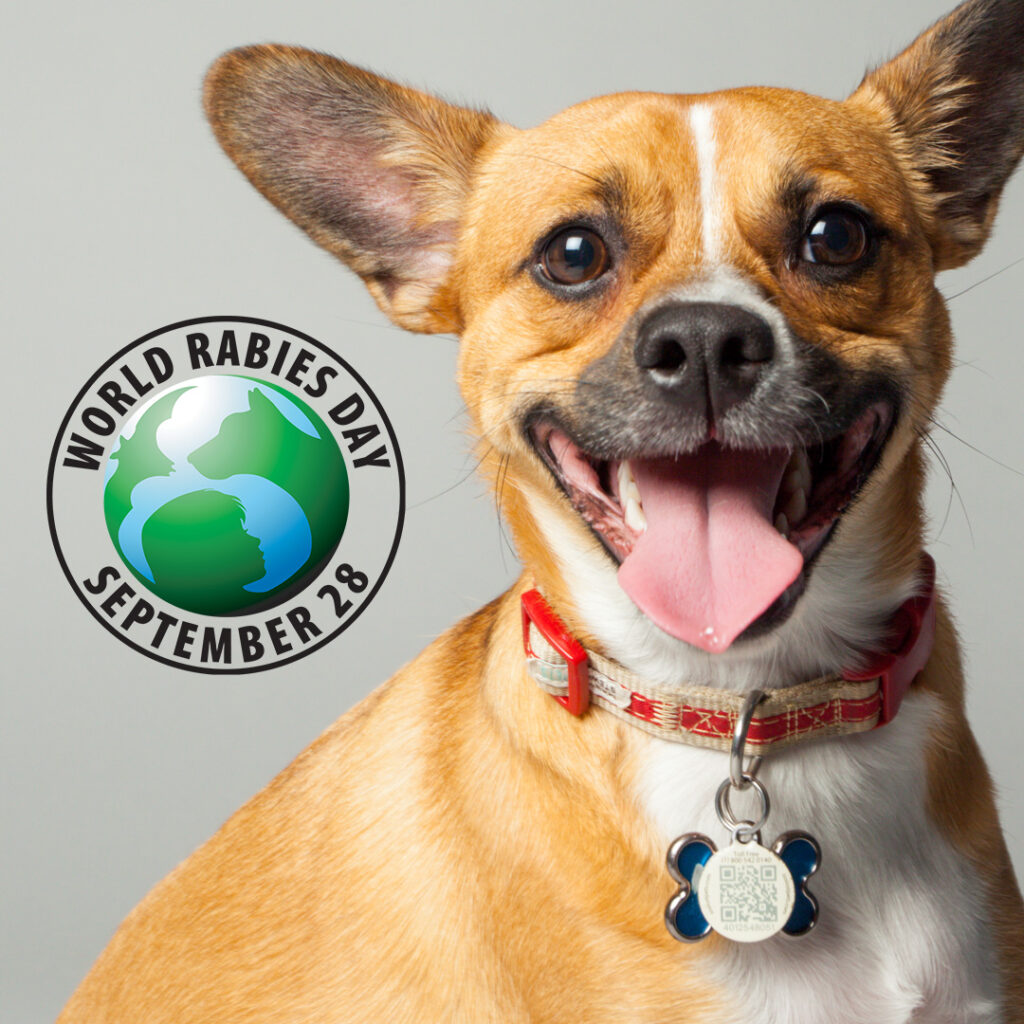
Each year, September 28th marks World Rabies Day – a time dedicated to raising awareness about ending the fatal zoonotic disease across the globe – including right here in Canada. This year’s theme, “Stronger Together,” highlights the vital role we all play in rabies prevention.
Special thanks to Boehringer Ingelheim for donating 500 rabies vaccines for our World Rabies Day vaccination clinics!
As a registered charity that does not receive annual government funding, the Ontario SPCA depends on the generosity of donors and partners to make vital programs like this possible.
Why Rabies Prevention Matters
Rabies is one of the world’s deadliest diseases, but it is also entirely preventable through vaccination.
Vaccinating pets against rabies helps protect them, their families and the broader community. It also helps reduce the risk of rabies spreading between wildlife, pets and people.
In Ontario, dogs, cats and ferrets over three months of age are required by law to be vaccinated against rabies and kept up to date.
Yet for some families, the cost or availability of veterinary care can make it difficult to access essential preventative services.
That’s why access matters.
By providing free rabies vaccinations in communities across Ontario, with the support of Boehringer Ingelheim, we’re helping remove barriers to preventative care and making it easier for more pets and people to stay protected.
World Rabies Day FAQs
What is World Rabies Day?
Each year, Sept. 28 marks World Rabies Day – a time dedicated to raising awareness about ending the fatal zoonotic disease across the globe, including right here in Canada.
World Rabies Day brings together organizations, communities, animal health professionals and public health partners around the world to work toward a world free from rabies.
Rabies is a deadly but preventable disease, and vaccination is one of the most effective ways to protect animals and people. The 2026 World Rabies Day theme, “Stronger Together,” highlights the importance of collaboration to prevent rabies and ultimately eliminate it.
Why was it important to hold these rabies clinics?
Rabies is a deadly but preventable disease. By vaccinating pets, we’re protecting not only animals but also our communities. These clinics make it easier for people who may face challenges to access this essential care for their pets.
These clinics help remove barriers by providing free rabies vaccinations to pets in communities across Ontario. By improving access to preventative care, we can help ensure that cost is not the reason a pet goes unprotected.
Who is eligible to attend these clinics?
These clinics are intended to reach those who might struggle to access this preventative care for their pets. For more information on clinic locations and eligibility, click on the individual events above.
Who made these clinics possible?
These free rabies vaccination clinics are a true partnership. Thank you to Boehringer Ingelheim for supplying the 500 rabies vaccines for these clinics, and thank you to our volunteers, veterinarians and supporters for making these clinics possible.
How do pets get rabies?
Rabies is caused by a virus found in the saliva of infected mammals. Rabies can infect any mammal, including humans, pets, wildlife and livestock.
Your pet can get rabies if:
- it is bitten by a rabid animal
- it gets saliva, brain or spinal tissue from an infected animal, dead or alive, in an open cut, sore, wound, eyes, mouth or nose
How can people support this kind of work?
As a registered charity that does not receive annual government funding, the Ontario SPCA depends on the generosity of donors and the support of partners and volunteers to make vital programs like this possible.
Thank you to our sponsor!