IMMEDIATE RELEASE
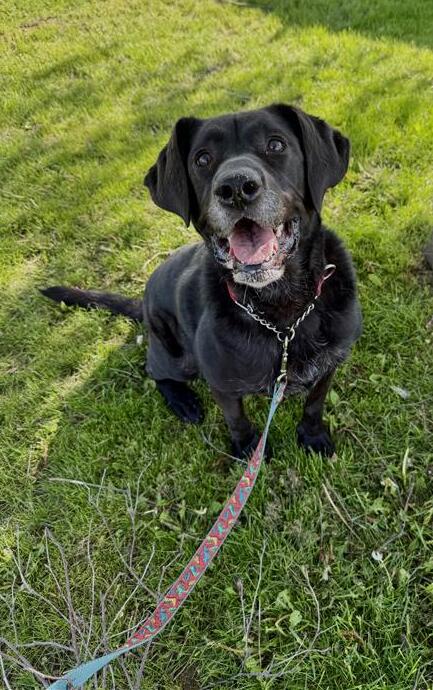
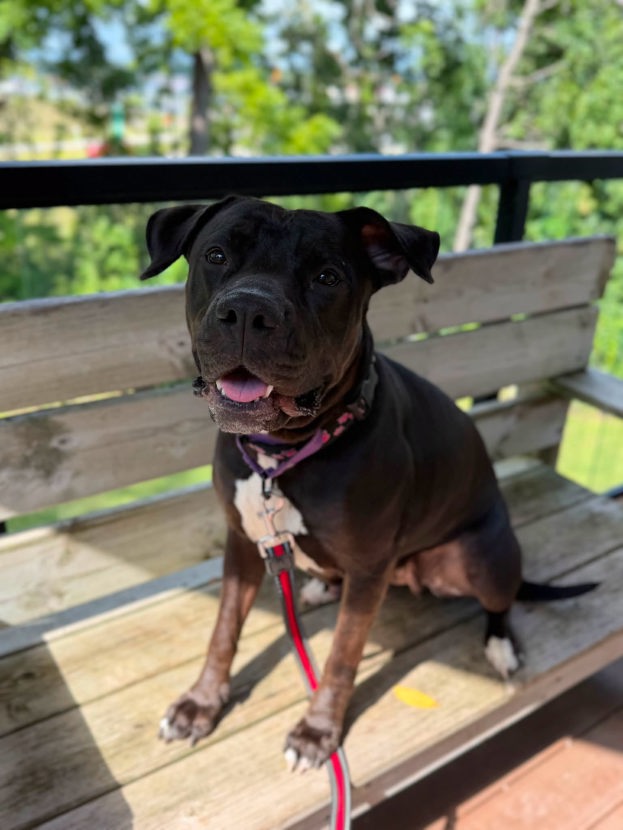
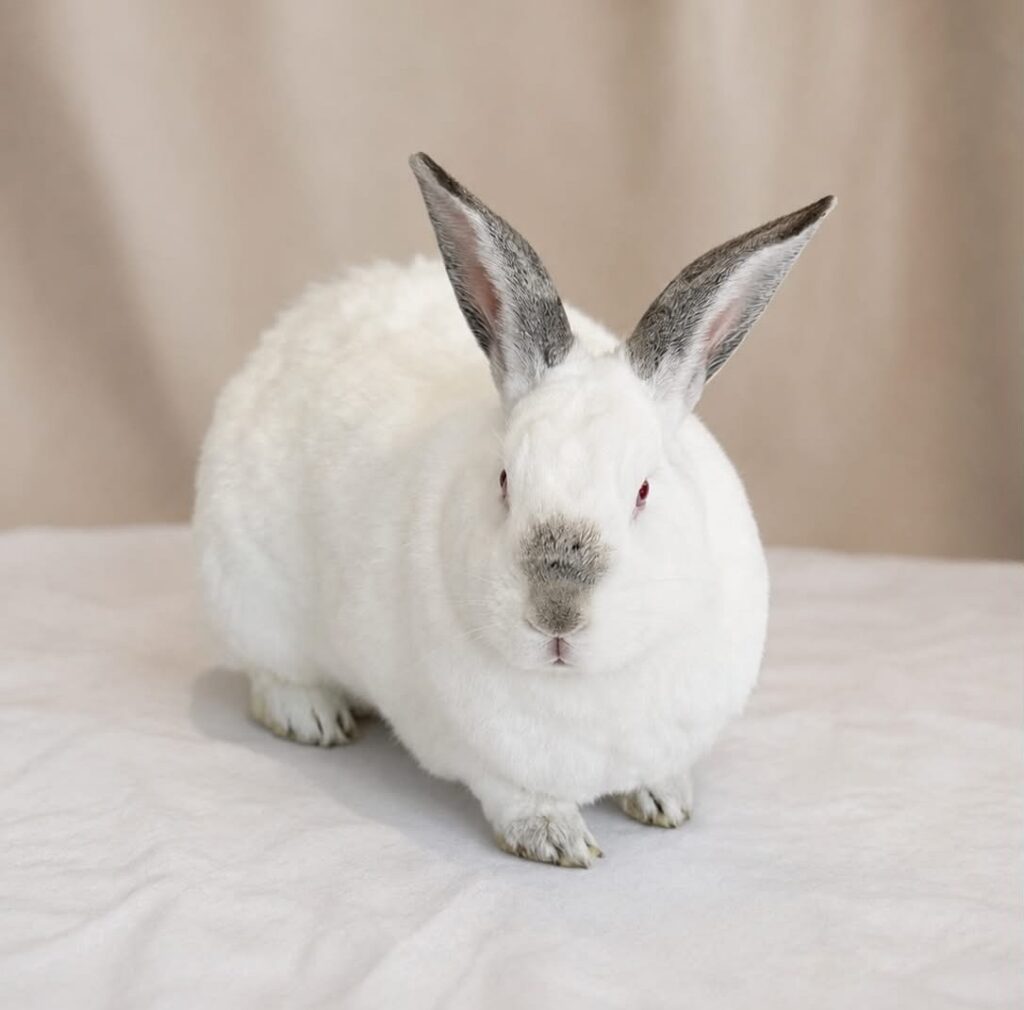
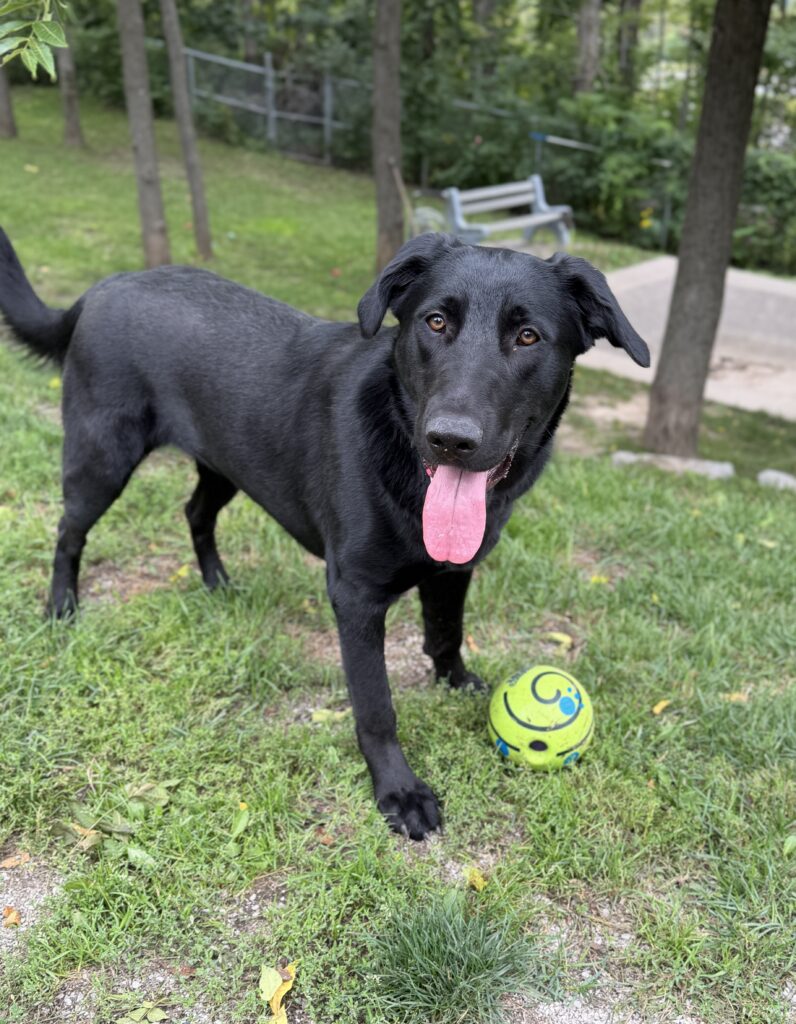
Help an animal find a loving home during the Ontario SPCA’s Fall Adoption Days
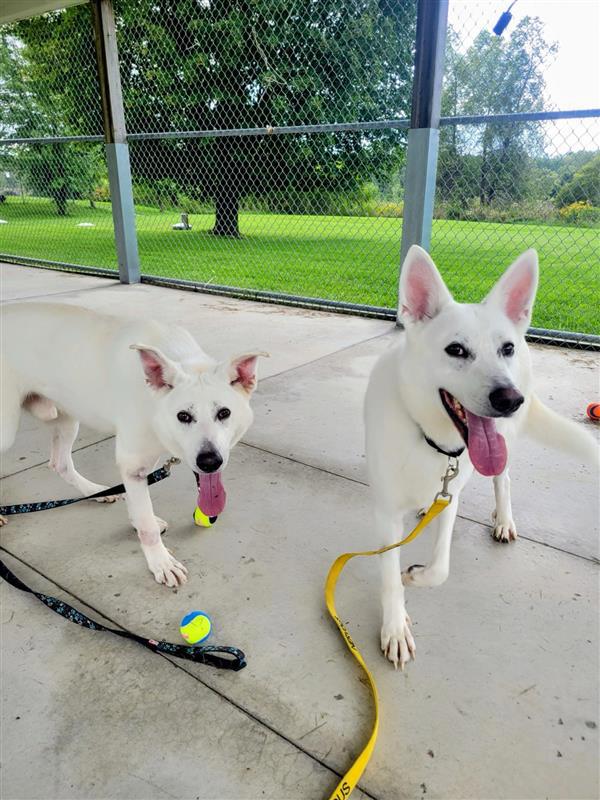
Adoption fees reduced by 15 per cent for adult cats, dogs and rabbits during two-day event
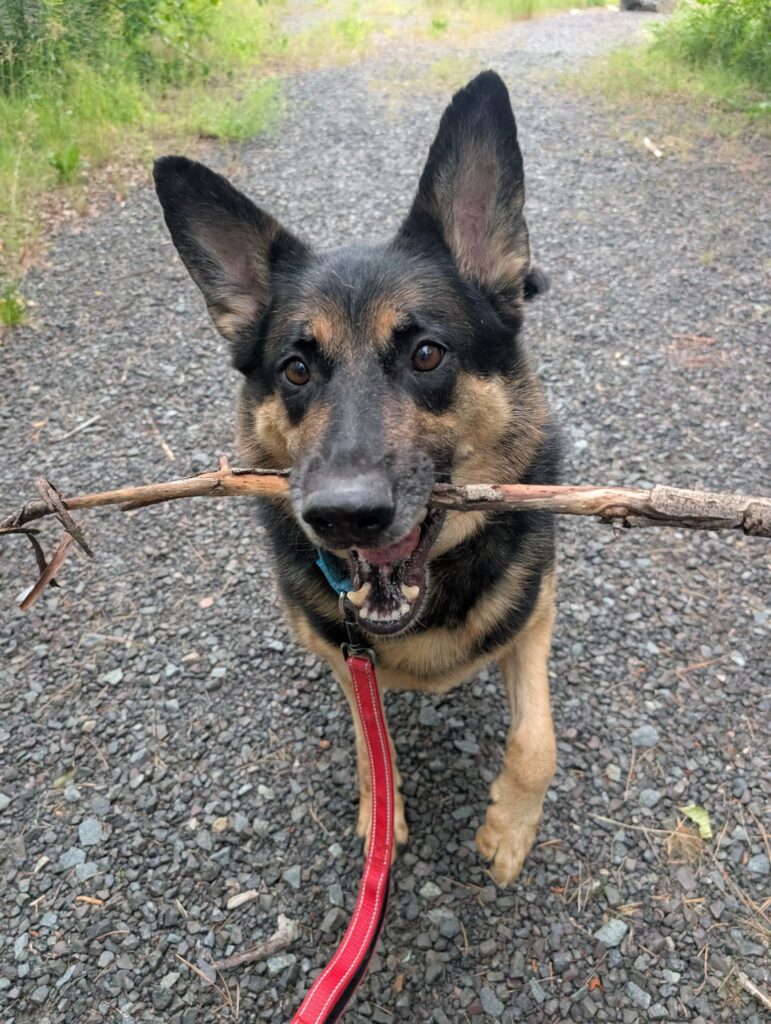
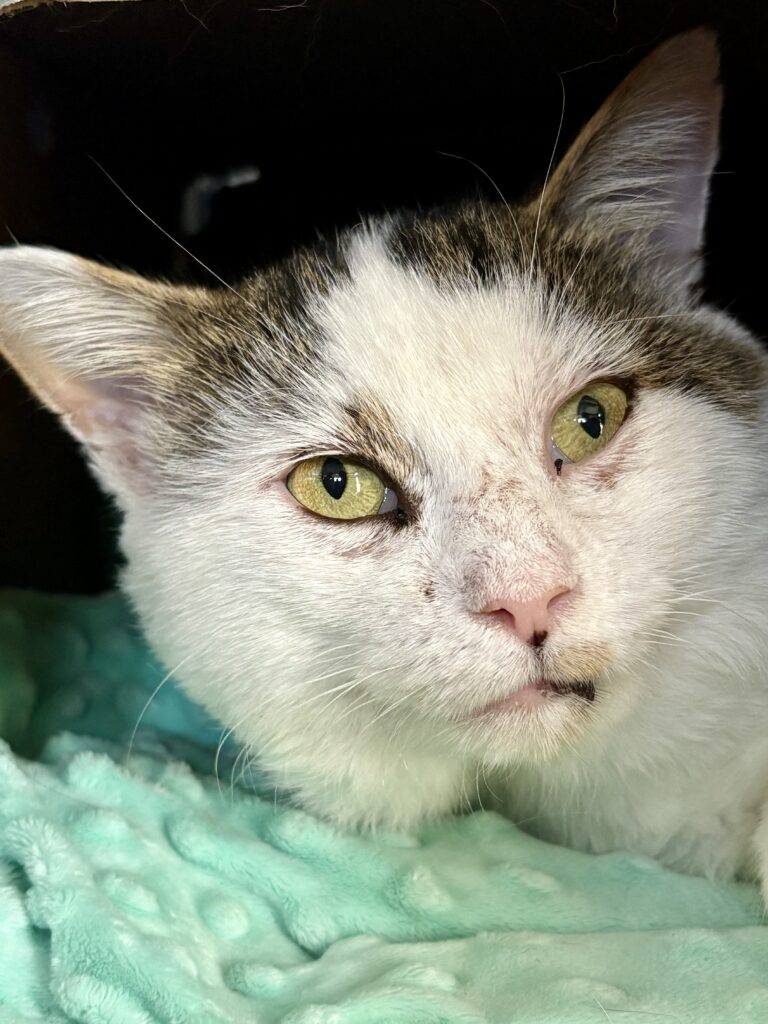
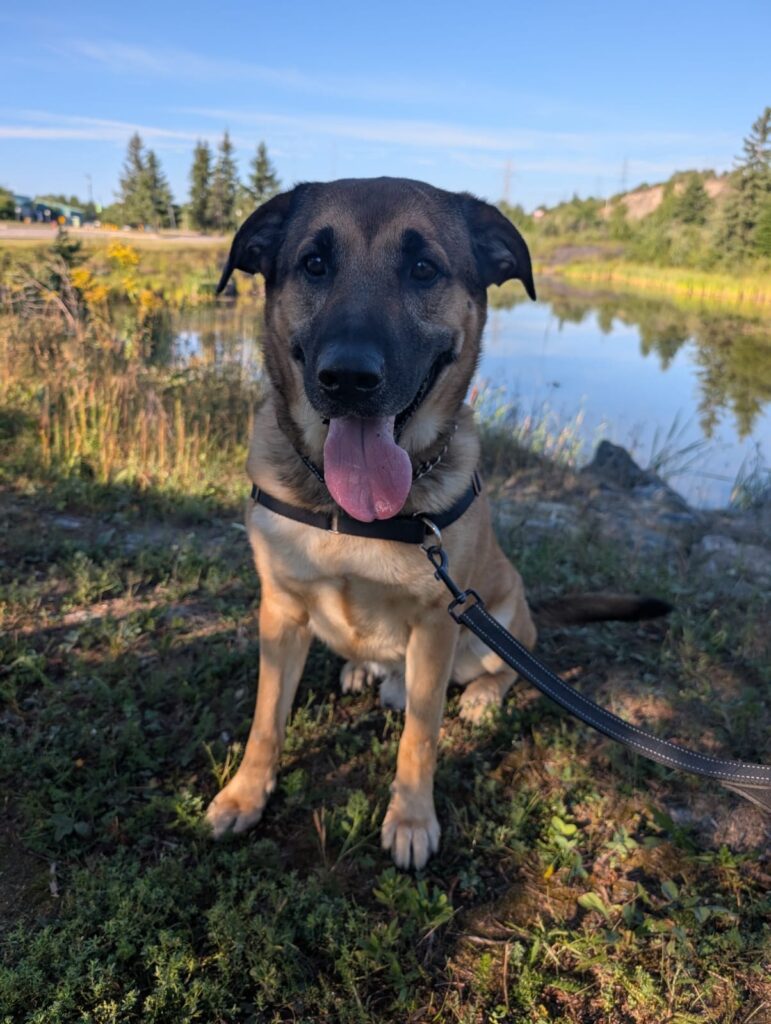
Stouffville, ON (Sept. 21, 2026) – With a record number of animals in its care, the Ontario SPCA and Humane Society is hosting Fall Adoption Days on Friday, Sept. 25 and Saturday, Sept. 26 at its 13 animal centres across the province.
During the special two-day event, adoption fees for adult cats, dogs and rabbits will be reduced by 15 per cent to help as many animals as possible find loving homes.
The Ontario SPCA is currently caring for more than 650 animals across its animal centres – the highest number of animals in its care at one time in the past five years. Animal numbers have increased as more animals have come into the Society’s care following the wildfires in Northern Ontario, along with an increase in requests from families looking to re-home their pets.
“Every animal deserves the chance to find a loving home, and right now, there are more animals than usual waiting for that chance,” says Sonya Reichel, Vice President of Operations with the Ontario SPCA and Humane Society. “Fall Adoption Days are an opportunity for people to open their hearts and homes to an animal in need, while helping us make space for other animals who may need our support.”
There are many great reasons to consider adoption. Not only are you giving an animal a second chance, but dogs and cats adopted from the Ontario SPCA are spayed or neutered, vaccinated and microchipped. They also go home with food from Royal Canin, as well as other adoption perks, to help ensure a smooth transition into their new home.
To find your new best friend, visit ontariospca.ca/adopt to view animals currently available for adoption.
Can’t adopt? Please consider donating to help provide care and shelter to animals in need at ontariospca.ca/donate

##
Media contact
Media Relations
Ontario SPCA and Humane Society
The Ontario SPCA and Humane Society
The Ontario SPCA and Humane Society is a registered charity that has been changing the lives of animals for over 150 years. The Society provides care, comfort and compassion to animals in need in communities across Ontario. It values all animals and advocates to treat them with respect and kindness. The Society strives to keep pets and families together and does so through a variety of community support services, such as sheltering and adoptions, including emergency sheltering, feral cat management programs, animal transfers, food distribution, humane education, animal advocacy, and spay/neuter services.
The Ontario SPCA does not receive annual government funding and relies on donations to provide programs and services to help animals in need. To learn more, or to donate, visit ontariospca.ca. Charitable Business # 88969-1044-RR0002.
The Ontario SPCA and Humane Society Provincial Office sits on the traditional territory of the Wendat, the Anishinabek Nation, the Haudenosaunee Confederacy, the Mississaugas of Scugog, Hiawatha and Alderville First Nations and the Métis Nation. This territory was the subject of the Dish With One Spoon Wampum Belt Covenant, an agreement between the Iroquois Confederacy and the Ojibwe and allied nations to peaceably share and care for the resources around the Great Lakes. The treaties that were signed for this particular parcel of land are collectively referred to as the Williams Treaties of 1923.
Keeping your pet’s teeth healthy with preventative care
Your pet’s dental health is an important part of their overall well-being. Dental disease can cause pain, inflammation, and tooth loss, but regular preventative care and professional treatment can help keep their mouth healthy.
For pet parents in York Region, we’re making it easier to prioritize your pet’s dental health! The Ontario SPCA and Humane Society York Region Veterinary Clinic now offers dental services for pets.
Whether you’re noticing signs of dental disease or looking to stay on top of your pet’s oral health, our veterinary team is here to help.
Does your pet have signs of dental disease?
Dental disease often starts with plaque, which begins forming on the teeth shortly after eating. If plaque isn’t removed, it can harden into tartar and contribute to gingivitis, receding gums, pain and loose or damaged teeth.
Some signs to watch for include:
- Bad breath
- Brownish tartar buildup
- Red or irritated gums
- Excessive drooling
- Loss of appetite
- Changes in behaviour
- Broken or loose teeth
- Bleeding or discharge from the mouth
Dental problems aren’t always easy to spot at home. If you’re concerned about your pet’s teeth or gums, a veterinary examination can help determine what care they may need.
Dental care at our York Region Veterinary Clinic
The Ontario SPCA York Region Veterinary Clinic now offers dental services to help address your pet’s oral health needs.
Dental care begins with assessing your pet’s mouth and determining the appropriate treatment.
When needed, a Complete Oral Health Assessment and Treatment (COHAT) is performed under general anesthesia, allowing the veterinary team to thoroughly examine and treat areas of the mouth that can’t be fully assessed while your pet is awake.
Dental packages include:
- A pre-surgical examination with a veterinarian on the day of surgery
- Day hospitalization
- A dental examination, cleaning and polishing
- Dental radiographs (X-rays)
- Extractions, as required
- Anesthesia and anesthetic medications
- Standard post-operative pain medication
- A recheck examination for surgery-related complications, as determined by a veterinarian
Please note that a dental consultation appointment is required to determine an appropriate treatment plan and is separate from the cost of the dental package.
Keeping teeth healthy at home
Professional dental care is only one part of protecting your pet’s oral health. Regular care at home can help prevent plaque from developing into tartar and reduce the risk of dental disease.
We recommend brushing a minimum of three to four times a week, although daily brushing is ideal. Always use toothpaste and a toothbrush designed specifically for animals and introduce brushing slowly if it’s new to your pet.
Dental diets, treats, rinses, and gels can also help support oral health. Look for VOHC-approved products and avoid excessively hard chews, such as antlers or hard nylon bones, which can fracture teeth. Learn more on dental habits in our blog Take a Bite Out of Dental Health.
We’re here to help keep York Region pets smiling
Dental disease can be easy to overlook, but your pet’s mouth deserves the same attention as the rest of their health. Staying on top of at-home preventative care, watching for changes, and seeking veterinary care when concerns arise can help keep your pet comfortable and healthy.
With dental services now available at our York Region Veterinary Clinic, our team can help you take the next step in caring for your pet’s oral health. Begin your pet’s dental journey here: ontariospca.ca/dental-services
How to help your cat overcome their fear of new people
Guest blog by Ceva Animal Health
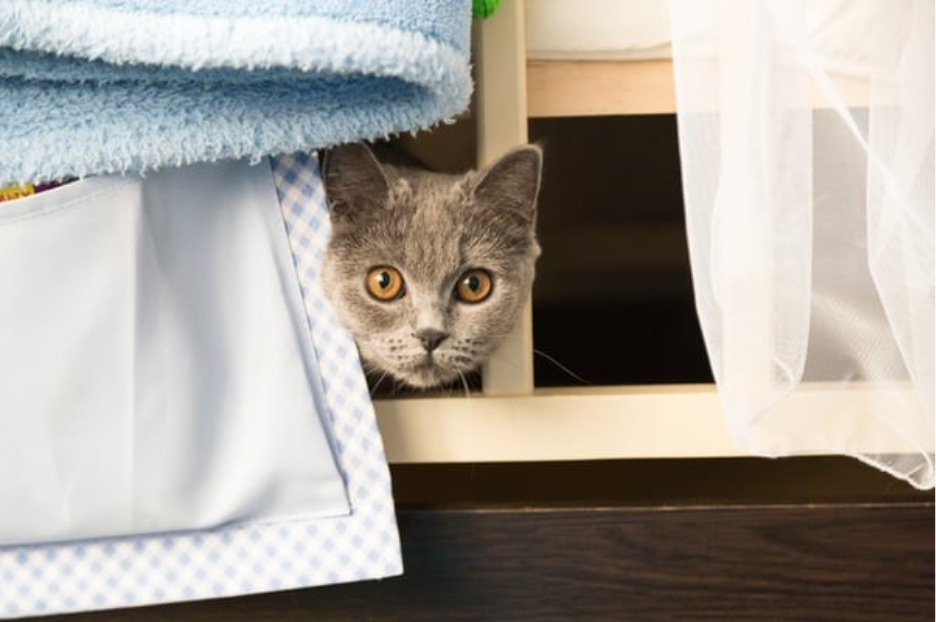
Our feline friends are creatures of habit, and while some are naturally sociable, others may feel anxious or fearful when unfamiliar people enter their space. Whether it’s a visitor, a new roommate, or an addition to the family, these changes can be unsettling for your kitty.
This unfamiliarity may make your cat scared of strangers, but just because they’re initially fearful doesn’t mean it’s impossible to overcome. We’ve compiled some expert tips to help a cat that’s scared of new people conquer their fear.
Why is my cat scared of new people?
Before we can understand how to calm a scared cat, it’s important to first know why they feel fearful. Cats are often wary of new people because they rely heavily on scent, routine and familiarity. When a new person enters their space, they’re introduced to new smells, sounds and energy, all of which can trigger signs of stress and fear.
Some common reasons why your cat is scared can include:
- Lack of early socialization – If they haven’t had enough positive experiences with humans in the first few months of their life, they may find humans frightening later on. That’s why it’s important to ensure your kitten has plenty of positive interactions with people while they’re still young.
- Negative past experiences with humans – Past trauma and negative encounters can affect how your cat reacts to human interactions, making them more wary of new people.
- Sudden changes in environment or routine – A lot of change at once, such as moving furniture for guests or changing your cat’s routine, can already make them feel unsettled. This feeling can worsen when a new person comes along.
- Overwhelming introductions – Loud voices, doorbells, fast movements and lots of people arriving at once can all contribute to your cat’s fear.
How to help a scared cat?
Tip 1 – Create a safe retreat
One of the first ways to help a cat that’s scared of new people is to give them at least one safe space to retreat to before any introductions. A safe space helps give your cat control, which is a key factor in reducing anxiety when unfamiliar people are around. You can help your cat feel safe by:
- Making sure there’s a quiet room away from new people where your cat can rest, with access to their resources, such as a litter tray, water and a scratching surface, so they don’t feel the need to interact with strangers.
- Providing elevated spaces, as cats often feel safer when they’re off the ground. A bed or hammock placed in a high position can help them feel hidden and secure.
- Letting your cat decide when they’re ready to leave their safe space and investigate. Don’t force an interaction, as this only makes the situation worse for your cat.
- Always respecting their boundaries and never cornering, chasing or picking up a fearful cat.
Tip 2 – Take it slow
Gradual exposure is key to helping your cat feel comfortable, but it’s important to let your cat set the pace. When introducing your cat gradually to a new person, it’s important to:
- Get your cat used to their scent – allow your cat to sniff and interact with an item belonging to the new person, such as a worn T-shirt or blanket. This can be especially helpful if the person will be spending a lot of time in your home. However, don’t force your cat to engage with the item.
- Have the person in the same room, but at a distance – let the person be in the room without approaching the cat. This helps them get used to their presence without feeling threatened.
- Guide the new person on how to interact with your cat – encourage them to sit calmly, avoid eye contact, speak softly and allow your cat to approach them on their own terms.

Tip 3 – Build positive associations
Pairing people with positive experiences is a great way to help calm a scared cat. By using positive associations, it can help reshape your cat’s perception of new people through a few simple steps:
Offer high value snacks when the person is nearby
Offer your cat their favourite high value snack when the new person is nearby.
You could place a delicious snack on a lick mat or in their food bowl, keeping it at a distance from the new person to avoid forcing an interaction.
Over time, your cat may become more comfortable and move closer. But remember, this needs to be on your cat’s own terms and it may take time.
Use toys to engage them
As well as treats, you can try toys! Wand toys are a great first way to engage your cat from a distance, allowing them to play without feeling the pressure from an unfamiliar person. A catnip filled toy may also be super interesting for your cat if they respond to it. Ask your guest to gently throw a catnip toy near your cat, not at them, and let your kitty choose whether to play.
Establish trust through positive experiences
Long-term positive associations are built through trust, so punishing or pressuring your cat can ruin any positive progress and end up making them more wary of new people.
Repeat positive interactions to help build a bank of good experiences that your cat can draw on in future situations when strangers are in the home.
Tip 4 – Support their emotional well-being
When helping a cat that’s scared of new people, it is important to prioritize their well-being. FELIWAY Optimum is a fantastic way to help your cat feel emotionally supported. This pheromone diffuser promotes enhanced serenity and can provide your cat with benefits such as:
- Helping them feel calm – using pheromones, which are part of cats’ natural communication system, the diffuser sends calming signals. This helps your cat feel safe in changing environments and social situations.
- Long lasting serenity – simply plug it a few days before guests arrive or when a new person moves in and leave it plugged in. Each refill lasts 30 days, and the diffuser is designed for continuous use, helping your cat feel calmer for longer.
- Improving their safe space – put your FELIWAY Optimum in a room where your cat spends most of their time, ideally near their safe space, to give them an extra feeling of comfort.
Tip 5 – Be patient and consistent
Progress may be slow, but that’s okay. For cats, trust is built over time, not forced in moments. If you and your feline friend are taking smaller steps, try things like:
- Celebrating small wins—a sniff, a blink or a nearby nap. These are all signs of growing trust.
- Respect your cat’s personality – some kitties may always prefer quiet companionship, and that’s perfectly okay.
- Keep your cat’s routines consistent – a predictable routine can help your cat feel more secure.
- Introduce new people one at a time – if possible, keep introductions gradual to avoid overwhelming your cat.
- Consult a professional – if your cat’s fear persists or you notice a sudden change in how they cope with different people in your home, there may be an underlying medical reason. In these cases, it’s important to consult your vet.
To find out more about kitty behaviours, continue exploring Ceva’s FELIWAY blog online.
National Pet Memorial Day: Honouring the pets who changed our lives
Our pets leave a lasting mark on our hearts.
They greet us at the door after a long day, offer comfort when we need it most, and fill our lives with unconditional love, laughter, and companionship. They teach us about unconditional love and how to live in the moment. They become part of our families and leave paw prints on our hearts that never fade. The bond we share with our pets is unlike any other, which is why saying goodbye can be one of life’s most difficult experiences.
On National Pet Memorial Day, we pause to remember the beloved animals who have touched our lives and celebrate the joy they brought us. Whether they were by our side for many years or a fleeting time, the memories we shared remain with us forever.
For many people, finding meaningful ways to honour a cherished companion can bring comfort while keeping their legacy alive. A tribute donation made in honour or memory of a beloved pet is one way to celebrate the love you shared while helping vulnerable animals receive the care they need.
When you make a memorial gift to the Ontario SPCA and Humane Society, you’re creating a lasting legacy that helps provide shelter, medical care, enrichment, and a brighter future for animals waiting for loving homes.
Honour their memory in a meaningful way
There are many ways to remember a special pet this National Pet Memorial Day:
- Make a tribute donation in their honour or memory
- Send a personalized eCard to family or friends
- Create a lasting tribute with a pet memorial keepsake through Paws & Give™
- Access our free pet loss support resources and information
Our collection of memorial keepsakes includes personalized items designed to celebrate the unique bond between pets and the people who love them, including custom framed prints, custom memorial pillows, pet fur keepsake keychain, memorial suncatcher and a rainbow bridge keepsake.
Every purchase helps support animals in need.
Their love lives on
While our pets may no longer be physically by our side, their love, loyalty, and companionship remain part of us forever.
This National Pet Memorial Day, take a moment to remember the pets who changed your life. By making a tribute gift, sending an eCard, or purchasing a memorial keepsake, you can honour their memory while helping provide hope, healing, and second chances for animals awaiting their fur-ever homes.
Udon’s story of healing, hope and home
When Udon arrived at the Ontario SPCA and Humane Society York Region Animal Centre in January 2026, the six-year-old tabby was in desperate need of care.
He had scabs on his face, a painful infection affecting his left eye, fleas and severe stomatitis – a painful dental condition that had gone untreated for years. For weeks, Udon barely lifted his head. But underneath everything he had been through was a sweet, affectionate cat who just needed the chance to heal.
Helping Udon heal
When Udon first arrived, the animal care team’s biggest concerns were his painful stomatitis and entropion affecting his left eye. He needed dental work as soon as possible to begin feeling better.
During his dental and entropion procedures, testing also revealed that Udon was FIV positive.
“Following his procedures, you could tell he almost immediately started to feel better,” says Crystal Brain, Manager of the Ontario SPCA and Humane Society York Region Animal Centre.
Cats living with FIV can still enjoy long, happy and healthy lives with appropriate care and management. Read our blog to learn more about FIV. While Udon’s diagnosis meant some additional precautions were required while he was in the animal centre, it didn’t change the loving personality that began emerging as he recovered.
Before long, Udon was showing everyone just how affectionate he could be.
“Udon’s very lovable personality definitely worked in his favour,” says Crystal. “He loved people and was very affectionate.”
Finding the right family
Finding Udon a home came with one additional consideration. Since he is FIV positive, he needed to be the only cat in his new home or live with another cat who was already FIV positive.
The team remained hopeful that the right family was out there, and they kept sharing Udon’s story.
Udon was regularly featured across the Ontario SPCA’s social media channels. Eventually, his story reached a family in Toronto who already had an FIV-positive cat and understood the care and considerations involved.
After seeing Udon online, they came to meet him. The connection that started with a social media post soon led to Udon heading home.
Settling into his new life
In his new home, Udon quickly began showing even more of the playful, affectionate personality his animal care team had come to know.
He loves jumping between the windowsills to watch everything happening outside. His adopter has also discovered that Udon has quite the impressive jump and a serious love for catnip-filled mouse toys.
“He’s got seemingly endless energy, but curls up with me in bed every night when it’s time to settle in,” says Udon’s adopter, Karen.
It’s a life that looks very different from the one Udon knew when he first arrived in our care. The cat who once barely lifted his head is now spending his days playing and soaking up all the comforts of home.
A story share can help change a life
Udon’s journey is also a reminder that you can help animals in need, even if you aren’t ready to adopt. Following the Ontario SPCA on social media, liking and sharing posts, and telling friends and family about animals waiting for adoption are all amazing ways to help.
Every interaction can introduce an animal to someone new. In Udon’s case, sharing his story helped reach the family who had exactly the kind of home he needed. You never know whether one social media share could help connect them with the person they’ve been waiting for.
Want to help more animals like Udon find their second chance? Follow the Ontario SPCA and Humane Society on Facebook and Instagram, share our posts about animals who are waiting for homes, and help their stories reach more people.
Foods that are toxic to pocket pets
Pocket pets like hamsters, guinea pigs, and rabbits often get treats straight from the kitchen table, and it’s easy to assume that if a food is healthy for humans, it must be fine for them too. Unfortunately, that isn’t the case. Many common fruits, vegetables, and household foods that seem harmless can cause serious illness or even death in small animals. Knowing what to avoid is one of the simplest ways to keep your pocket pet safe.
Why pocket pets are so sensitive
Hamsters, guinea pigs, and rabbits have small bodies and delicate digestive systems, so it doesn’t take a large quantity of a toxic substance to cause harm. Guinea pigs and rabbits are also strict herbivores, with digestive systems built to process high fiber plant matter, which means foods with high sugar or fat content can throw off their gut bacteria and lead to serious digestive distress. Because these animals can’t vomit, anything toxic they eat stays in their system longer, making prevention especially important.
Foods to avoid
While the following isn’t an exhaustive list of foods that can be harmful to pocket pets, it contains some common household foods that should be avoided:
Onions, garlic, and chives: These contain compounds that damage red blood cells and can cause anemia in small animals. This applies whether the food is raw, cooked, or powdered.
Chocolate and caffeine: Both contain theobromine and caffeine, which are toxic to small animals and can affect the heart and nervous system.
Avocado: Avocado contains a compound called persin, which is particularly dangerous for rabbits and guinea pigs and can cause difficulty breathing and heart damage.
Iceberg lettuce: While leafy greens are generally healthy, iceberg lettuce is low in nutrients and contains a compound called lactucarium, which can cause digestive upset in large amounts.
Rhubarb leaves: These contain high levels of oxalic acid, which can be toxic and even fatal.
Raw beans and potatoes: Both contain compounds that are toxic to small animals, especially green or sprouting potatoes.
Sugary or processed human snacks: Cookies, candy, and other processed treats offer no nutritional value and can cause obesity and digestive problems. Many items also contain xylitol, which is highly toxic to animals.
Almonds: Small animals should never be given almonds, as raw almonds contain trace amounts of cyanogenic compounds and have a high fat content.
Citrus fruits: Feeding citrus fruits to small animals can cause mouth sores and digestive upset due to their high acidity. Guinea pigs are unable to produce their own vitamin C, so while this doesn’t relate to toxicity directly, it’s worth noting that a diet lacking vitamin C can lead to serious health issues.
Dairy: Rabbits should avoid yogurt drops, and other dairy-based treats that are often sold in pet stores. Rabbits are lactose intolerant, and dairy can cause significant digestive upset. Rabbits should also avoid nuts and seeds, which are too high in fat for their digestive systems.
Signs of toxicity to watch for
If your pocket pet has eaten something toxic, symptoms can include lethargy, loss of appetite, diarrhea, drooling, difficulty breathing, or unusual behaviour. Because small animals can decline quickly, any of these signs should be treated as an emergency.
If you think your pet may have ingested a potentially poisonous substance, contact your veterinarian or 24-hour emergency poison hotline.
Call Pet Poison Hotline at 855-764-7661
Call ASPCA Poison Control Center (APCC) at 1-888-426-4435 (fees may apply)
Keeping treat time safe
Pocket pets can enjoy a wide variety of safe fruits and vegetables in moderation, including small amounts of apple, carrot, romaine lettuce, and leafy greens like cilantro or basil. When introducing a new food, start with a small portion and watch for any signs of digestive upset before making it a regular part of their diet.
A little research before treat time goes a long way. By knowing which foods to avoid, you can keep snack time safe and enjoyable for your pocket pet.
If this information was helpful, please help us continue to educate about pet health and well-being by making a donation. As a registered charity that does not receive annual government funding, the Ontario SPCA and Humane Society depends on the generosity of donors to change the lives of animals in need.
Teaching kids to be gentle and respectful of animals
Growing up with an animal can be a special experience for a child. Animals have the potential to become their best companions, while also teaching important lessons about respect, care, responsibility and compassion from a young age.
But as a parent, it’s also completely understandable to feel a little nervous about introducing a young child to an animal. Kids are curious, full of energy, and still learning boundaries in the world around them. They may not know how to respectfully interact with an animal, which is essential for safe and enjoyable moments together.
Learning how to live with an animal
One of the most important things we can teach kids is that animals have their own feelings and preferences. A stuffed animal can be played with whenever a child wants. A living animal has a choice. Sometimes they might want to play or cuddle and other times they might want to be left alone. Helping kids understand that differences early can set the foundation for a respectful relationship with animals.
Try explaining that just like they might not always want a hug or want someone touching their things, animals can feel the same way. Putting it into terms children understand can make the idea of an animal’s boundaries much easier to grasp.
Every animal has different boundaries
There isn’t one set of rules that apply to every animal. One dog might love having their belly rubbed, while another would rather sit beside you. One cat might happily curl up on a child’s lap, while another prefers affection on their own terms.
Encourage kids to get to know the individual animal in front of them.
Teaching children to notice when an animal walks away, turns their body, hides or otherwise shows they don’t want to interact helps them understand an important lesson: when an animal asks for space, we listen.
It can also help to show kids what the animal does enjoy. Instead of only saying, “Don’t do that,” try showing them how to gently pet the animal or explaining where they like to be touched. This helps make learning positive for both the child and the animal.
Growing up together
Having an animal in a child’s life can be about so much more than having someone to play with.
Everyday routines can teach responsibility and care. Depending on their age, children can help participate in feeding routines, or learn why their animal needs enrichment, and rest. These little moments can also encourage empathy. Asking questions like, “How do you think they’re feeling?” or “Do you think they want some space?” get kids thinking about the animal’s experience and needs.
Over time, a child isn’t just learning how to care for an animal. They’re learning what it means to be responsible for another living being. It’s okay to take it slowly. If you’re nervous about how your child and animal will interact, you don’t need to rush things.
Supervising their time together gives you the opportunity to guide your child and reinforce gentle behaviour when either the child or animal needs a break. With patience and consistency, children can learn what respectful interactions with animals look like.
And when those lessons click, the relationship that develops can be incredibly rewarding.
Helping kids become AnimalSmartä
At the Ontario SPCA and Humane Society, we believe learning compassion for animals should start at a young age.
Through our AnimalSmart humane education program, children and youth learn about animal well-being, emotions, responsible animal care and the importance of treating animals with respect.
AnimalSmart brings these conversations into classrooms through engaging, age-appropriate lessons that encourage students to think about animals as individuals with their own needs and feelings.
Teaching a child to be gentle with an animal might feel like a small lesson today, but the respect, responsibility and compassion behind it are lessons they will carry with them for life.
To learn more about AnimalSmart, sign up to become a volunteer, or book a presentation at your school, visit ontariospca.ca/animalsmart Together we can help inspire the next generation of animal advocates!
Transporting your kitten: Tips for a calmer journey
Whether you’re bringing your new kitten home, heading to a veterinary appointment or taking a trip together, getting your kitten comfortable with travelling can help make the experience easier for everyone.
A carrier and car ride may be unfamiliar experiences for a young kitten. By introducing them to their carrier and travel gradually, you can help them build positive associations and feel more comfortable when it’s time to hit the road.
Our friends at Royal Canin Canada have three helpful tips to help you prepare your kitten for transportation and make each journey as calm and positive as possible.
Watch this video for tips on transporting your kitten.
IMMEDIATE RELEASE
The Ontario SPCA expands access to veterinary care with free Midland clinic
Midland, ON (Sept. 2, 2026) – Following a positive response to its community wellness clinics this summer, the Ontario SPCA and Humane Society is bringing another free vaccination and wellness clinic to Midland to help make essential veterinary care more accessible to pet families who may otherwise face barriers to accessing care.
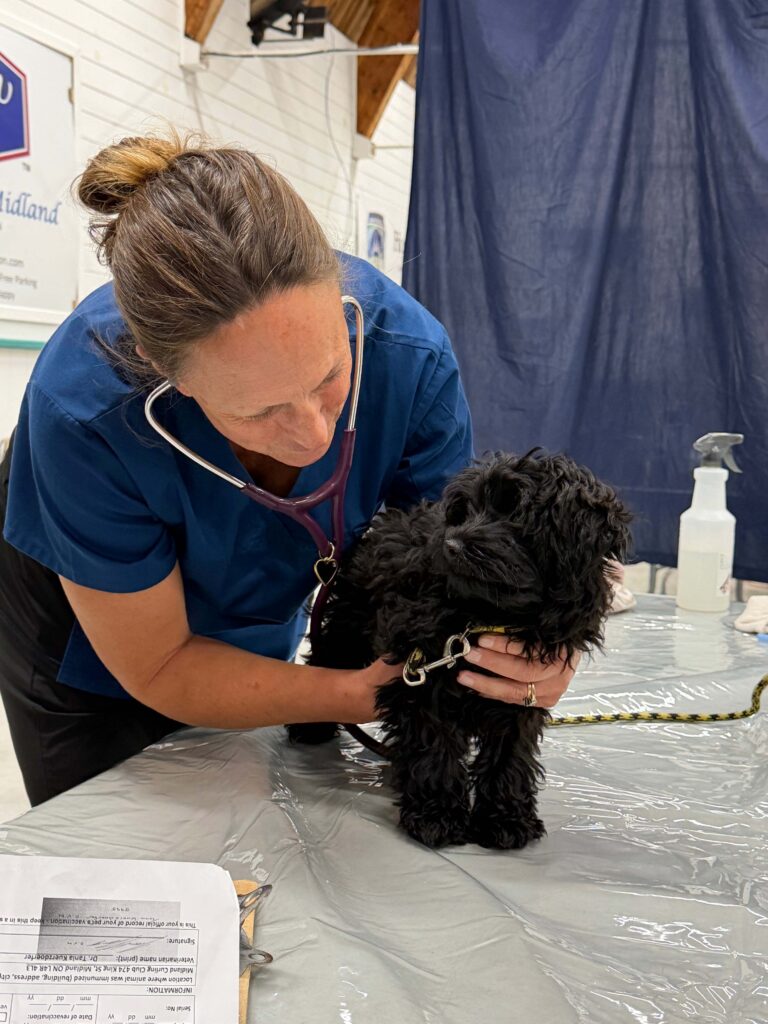
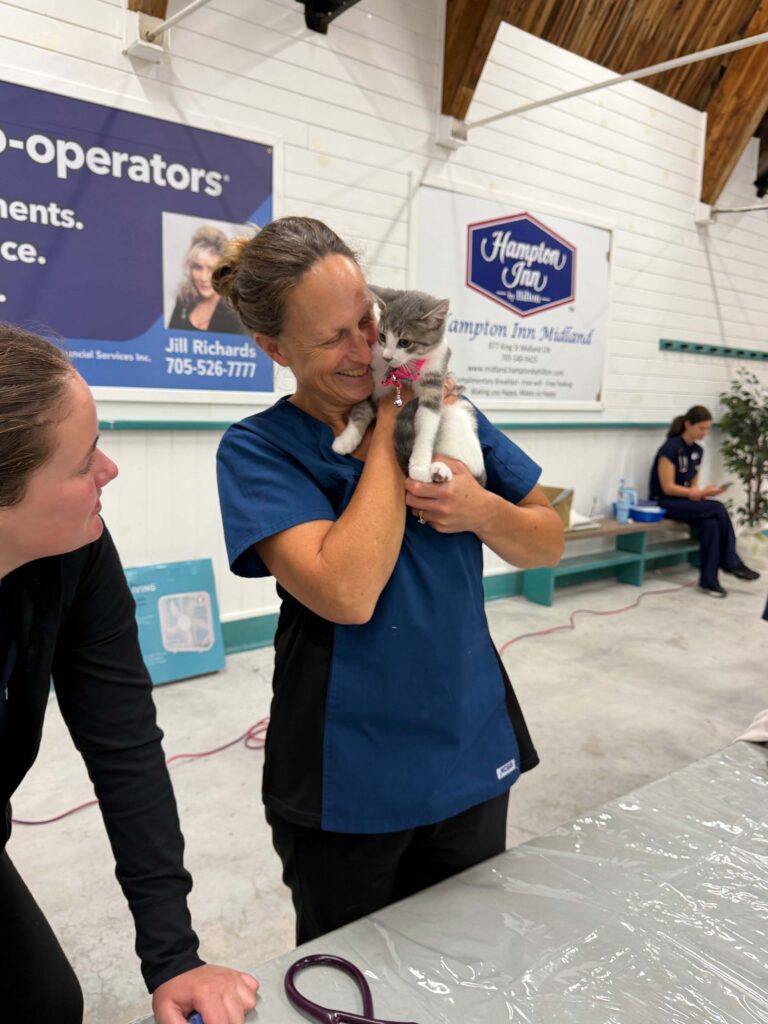
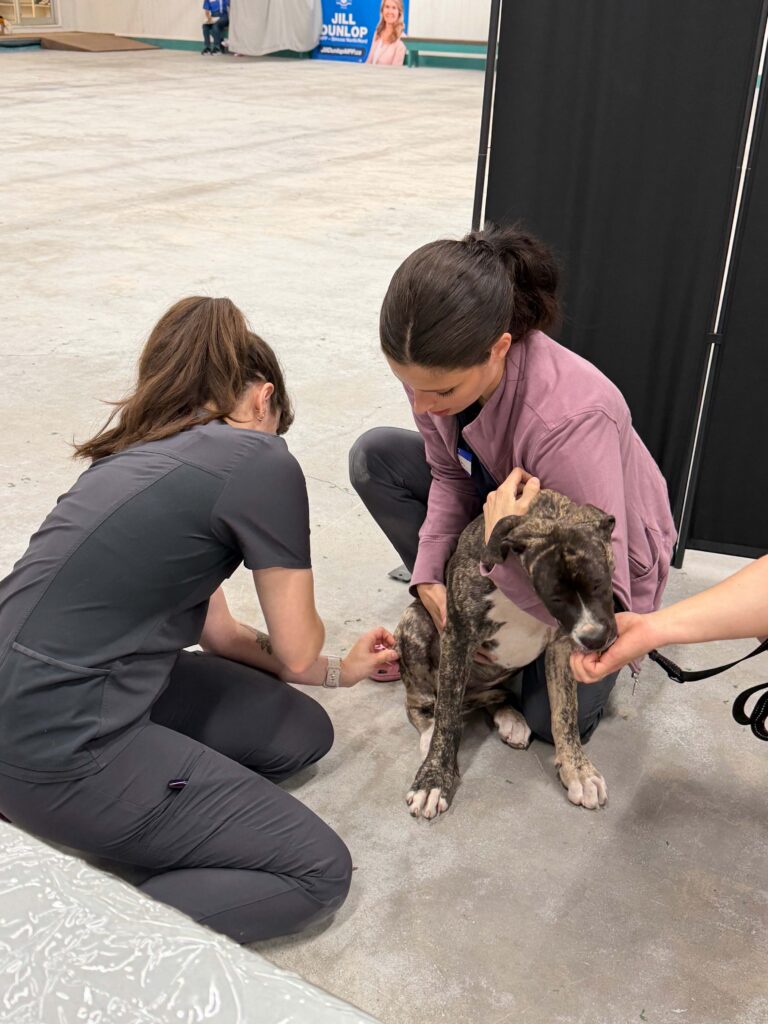
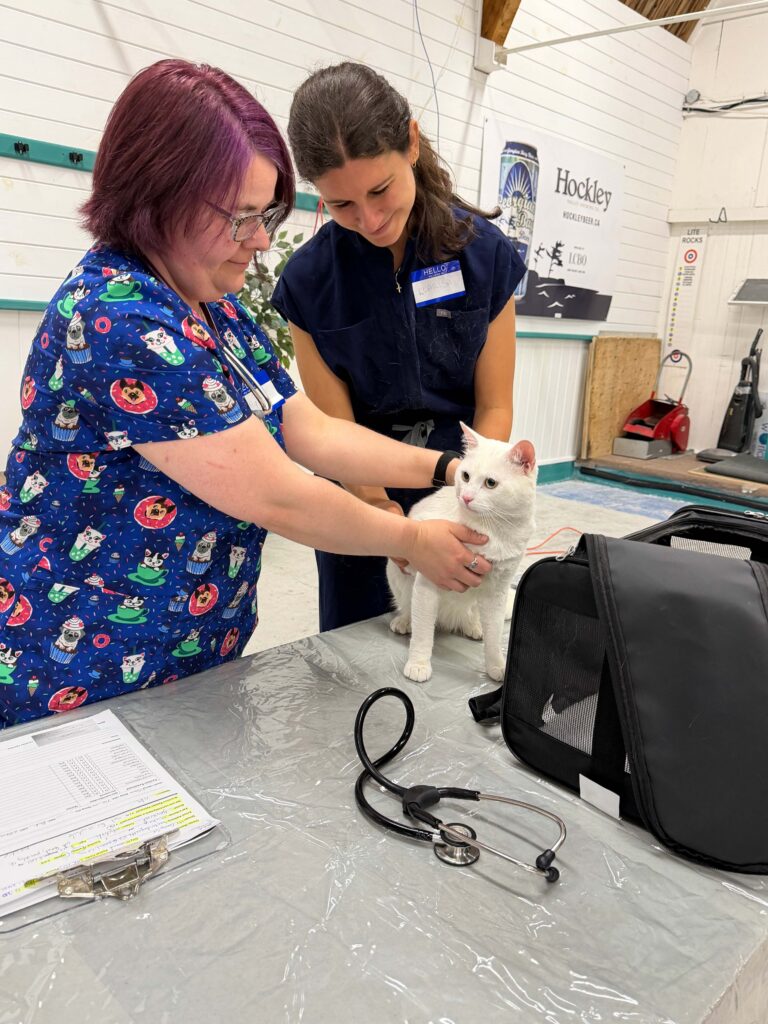
Taking place Saturday, Sept. 12 at the Midland Curling Club, located at 474 King St., the clinic will provide preventive veterinary services for cats and dogs, including core and booster vaccinations, as well as basic wellness examinations.
The clinic is open to residents of Midland, Penetanguishene, Tay Township, Tiny Township and Christian Island who are on a subsidized income, or those who hold a valid Indigenous Status Card. Valid ID and proof of subsidy, or an Indigenous Status Card, are required.
Appointments are required for both cats and dogs. Cats will be seen from 12 p.m. to 1:30 p.m., followed by dogs from 1:30 p.m. to 3 p.m.
“Preventive veterinary care can make a meaningful difference in a pet’s health, but we know that cost and access can sometimes make it difficult for families to get the care their pets need,” says Krista Grant, Community Outreach Coordinator, Ontario SPCA and Humane Society Midland and District Animal Centre. “The response to our previous clinics has shown us how valuable these services are to the community.”
The Ontario SPCA has already helped close to 100 pets through three community wellness clinics held in Midland this summer. In addition to administering 150 vaccines, the Ontario SPCA also distributed more than 1,600 lbs of pet food, as well as basic pet care supplies.
These wellness events have been made possible thanks to the County of Simcoe’s Social and Community Investment Fund, with support from Mountainview Veterinary Clinic, Pet Valu Midland, and Trooper Pet.
To learn more or to book an appointment, visit ontariospca.ca/midland
##
Media contact:
Krista Grant
Community Outreach Coordinator
Ontario SPCA and Humane Society Midland and District Animal Centre
705-534-4459 x 374
The Ontario SPCA and Humane Society
The Ontario SPCA and Humane Society is a registered charity that has been changing the lives of animals for over 150 years. The Society provides care, comfort and compassion to animals in need in communities across Ontario. It values all animals and advocates to treat them with respect and kindness. The Society strives to keep pets and families together and does so through a variety of community support services, such as sheltering and adoptions, including emergency sheltering, feral cat management programs, animal transfers, food distribution, humane education, animal advocacy, and spay/neuter services.
The Ontario SPCA does not receive annual government funding and relies on donations to provide programs and services to help animals in need. To learn more, or to donate, visit ontariospca.ca. Charitable Business # 88969-1044-RR0002. The Ontario SPCA and Humane Society Midland and District Animal Centre is located on land which is the traditional and treaty territory of the Anishinabek people, now known as the Chippewa Tri-Council comprised of Beausoleil First Nation, Rama First Nation and the Georgina Island First Nation.
Debunking rescue dog myths
Thinking about adopting? You may have heard a few things about dogs in shelters that just aren’t true. Let’s set the record straight.
Myth #1: Rescue dogs have behavioural issues
Dogs end up in shelters for all kinds of reasons, such as a move, a change in family circumstances, or financial hardship, and very rarely because something is “wrong” with them. Many adoptable dogs are happy, healthy, and well-adjusted family members simply waiting for a second chance. Our staff get to know each dog’s personality and needs, so we can help match you with a dog that’s the right fit for your home.
Myth #2: You can’t know what you’re getting with a rescue
Our staff and volunteers spend time observing the behaviour, personality and energy levels of the dogs in our care. We’re happy to answer any questions so you can make an informed decision before bringing your new best friend home. In fact, when adopting an adult dog, you often know more of what you’re getting than you would with an untrained puppy.
Myth #3: Rescue dogs aren’t good with kids
A dog’s suitability with children comes down to the individual dog, not whether they’re in a shelter. Plenty of adoptable dogs are gentle, patient, and wonderful with kids. Our staff take household details, including children, into account when helping pet parents find their match.
Myth #4: Rescue dogs will always have separation anxiety or be hard to train
Every dog is unique. Many dogs in shelters have existing training, while others may need help learning new routines or adjusting to a new environment. With patience, consistency, and the right support, adopted dogs can thrive in their new homes. Our staff is also here to provide guidance and resources.
Every dog deserves a chance to find their loving home. By choosing to adopt, you’re not just gaining a loyal companion, you’re giving a deserving dog the home they’ve been waiting for.
Check out our blog for some heartwarming happy tail stories.
Ready to meet your new best friend? Visit your local Ontario SPCA and Humane Society animal centre or visit our adoption page today.
Not ready to adopt? As a registered charity that does not receive annual government funding, the Ontario SPCA depends on the generosity of donors to change the lives of animals in need. Please consider donating today.
Behind the scenes of a Northern dog transfer
When people meet one of our adoptable dogs, they’re seeing the end of one journey and the beginning of another. What they don’t see is the work behind the scenes that makes it all possible. As an Animal Care Attendant at the Ontario SPCA and Humane Society York Region Animal Centre, I get to see firsthand where some of these second chances begin.
For me, Northern dog transfers are particularly special and are a reminder of why I love this work.
Helping Northern animals find loving homes
In many Northern communities, there are more adoptable animals than there are families who can give them homes due to a lack of access to spay/neuter services. This creates ongoing pressure on local resources and increases the need for outside support.
The Ontario SPCA and Humane Society works alongside local leaders and volunteers, responding when help is requested. Support may include food and supplies, mobile wellness and spay/neuter services, and safe transport to help animals access care and re-homing opportunities.
This year alone, the Ontario SPCA has welcomed close to 400 Northern dogs and cats into our care to help them find loving homes. Behind every one of those numbers is an animal with their own story. Every animal arrives with different experiences, different personalities and different needs, so we meet them exactly where they are.
Creating a safe, welcoming space
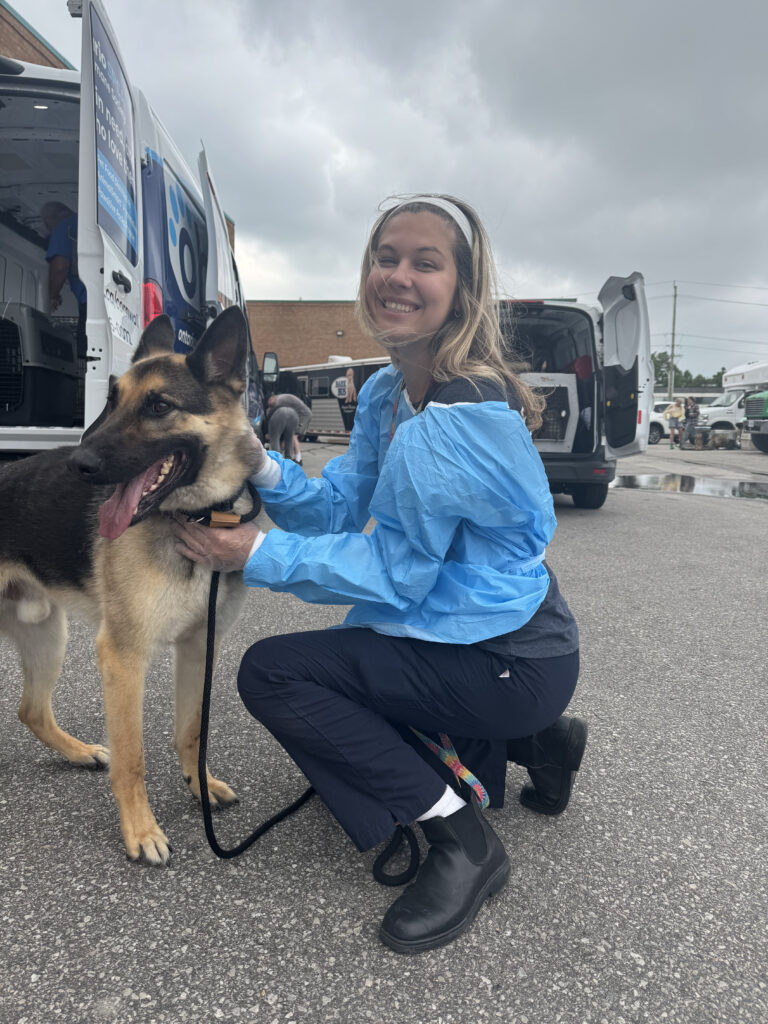
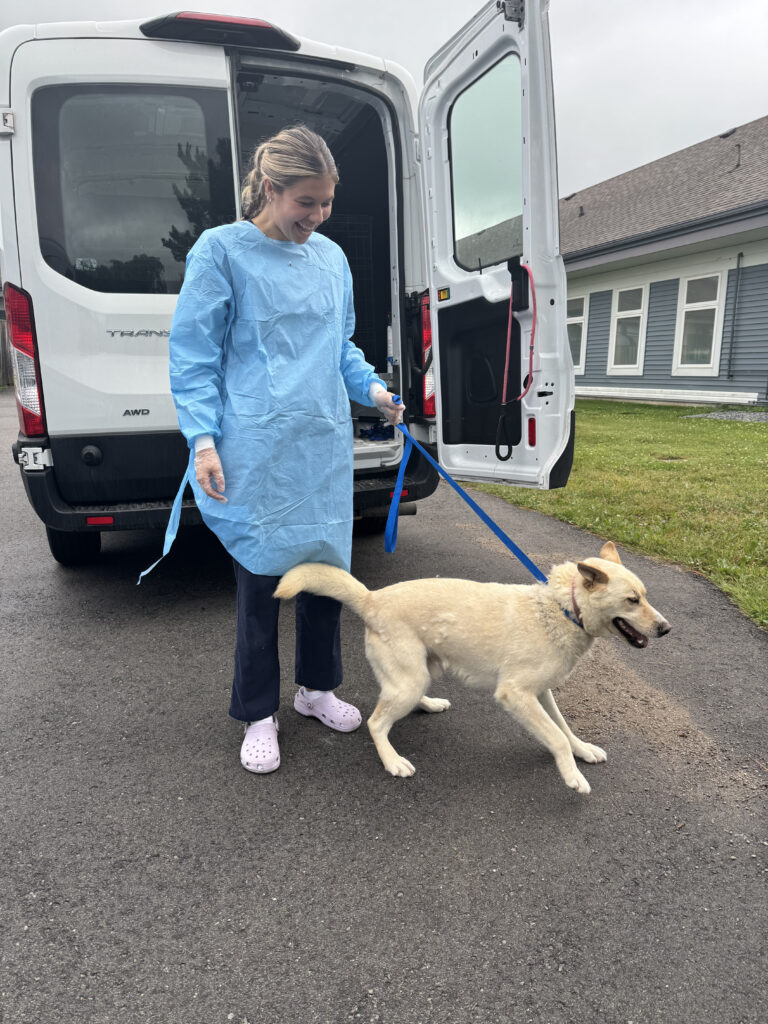
After travelling for thousands of kilometers, many of these dogs are unsure of where they are. Some have never walked on a leash before. Some have had very little interaction with people. When they come off the van or trailer, they’re just trying to figure out whether they’re safe.
Crystal Brain, the manager of the York Region Animal Centre, always reminds us, “It is our role to make them feel safe from the minute they arrive.”
Those words stick with me every time a transfer comes through our doors.
I’ve seen dogs step confidently out of their crate, ready to explore everything around them. I’ve also sat beside a crate for 30 minutes, helping a nervous dog feel comfortable. That’s one of the biggest things I’ve learned doing transfers; you can’t rush trust. Every dog tells us what they need, and it’s our job to listen.
Coming together to make second chances possible
What many people don’t realize is just how much happens before those dogs ever arrive at our centre. Ontario SPCA teams across the province spend days coordinating with Northern communities, arranging transportation, compiling veterinary records, preparing care plans, and making sure each receiving animal centre is ready to welcome these furry friends. It takes an incredible amount of teamwork to make every transfer possible.
The work doesn’t stop there. These transfers are also made possible because of our incredible volunteer drivers. At the Ontario SPCA, volunteer drivers travel to communities across Ontario, generously giving their time to safely transport dogs so they can begin their journey toward a second chance.
Transferring animals across the province to find new homes isn’t easy, but it is rewarding. Just this past June our team at the York Region Animal Centre welcomed a transfer of Northern dogs that didn’t arrive until nearly 1 a.m. While most people slept, we spent the next three hours intaking each dog and helping them settle into their new accommodations.
Getting to know the dogs
Once the dogs arrive, they begin their mandatory quarantine period. While it’s an important step to protect the health of the other animals in our care, it’s also one of my favourite parts of the process because it’s when we really get to know each dog.
Many of our Northern dogs are shy or unsure when they arrive. Every day we learn something new about them. Maybe they light up the second a tennis ball comes out. Maybe they love carrying stuffed toys around. We ultimately learn what makes them feel safe and how they can thrive.
Those little details might seem small, but they’re what makes all the difference. By the time a dog is ready for adoption, we know their personality, their favourite things and the type of home that will help them succeed. When adopters meet them, they see a confident, happy dog.
That’s why Northern dog transfers mean so much to me. They’re not just about bringing dogs from one place to another. They’re about giving them the patience and support they need to discover who they are before introducing them to the family that’s been waiting for them all along.
Every transfer is the beginning of a new story. It’s a reminder that when communities come together with one shared goal, we can change the lives of animals who need us most.
As a registered charity that does not receive annual government funding, the Ontario SPCA depends on the generosity of donors to make second chances possible for animals in need. To donate to support our work in the North, visit ontariospca.ca/donate
IMMEDIATE RELEASE
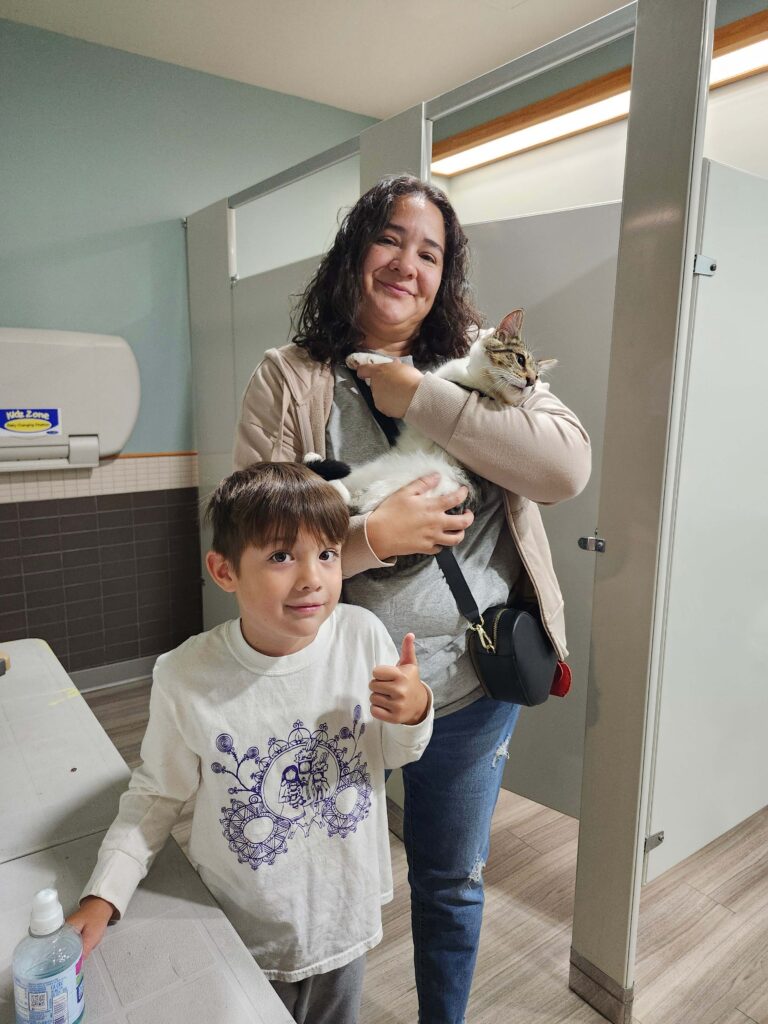
65 animals vaccinated through Akwesasne Mohawk community clinic with the Ontario SPCA
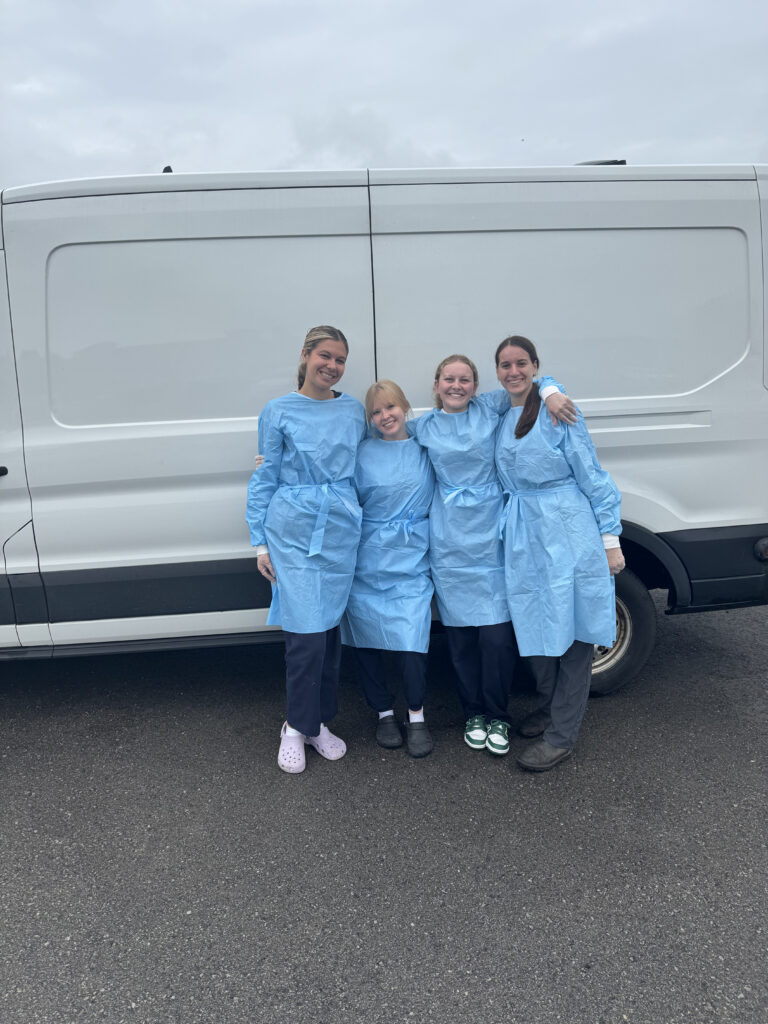
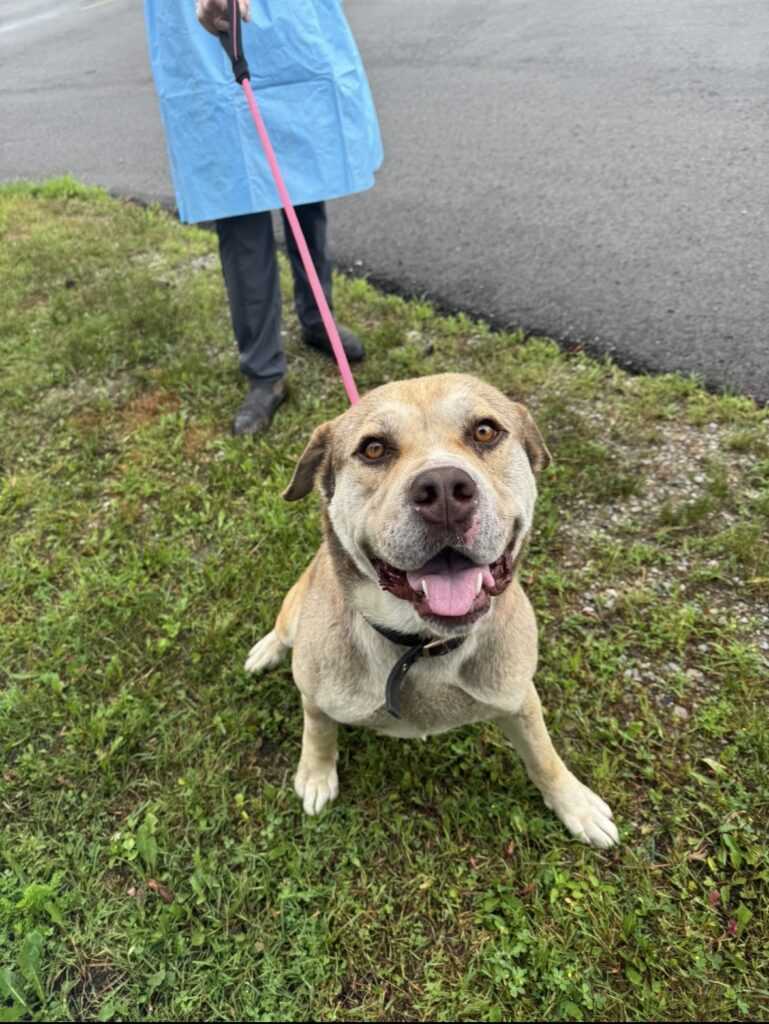
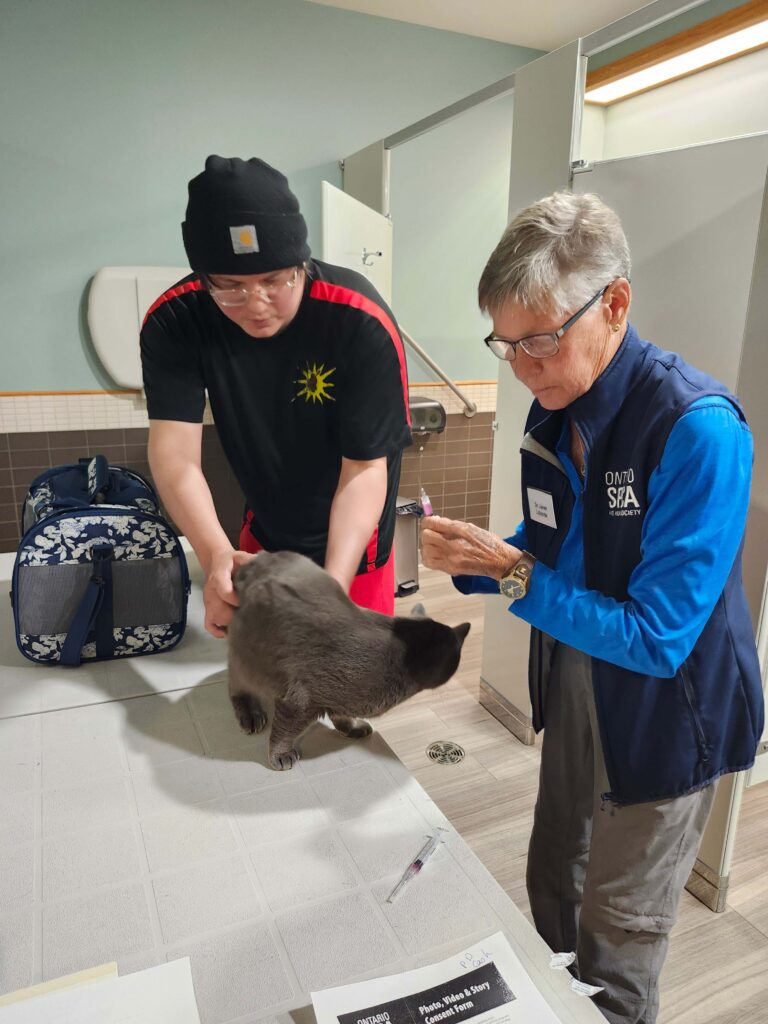
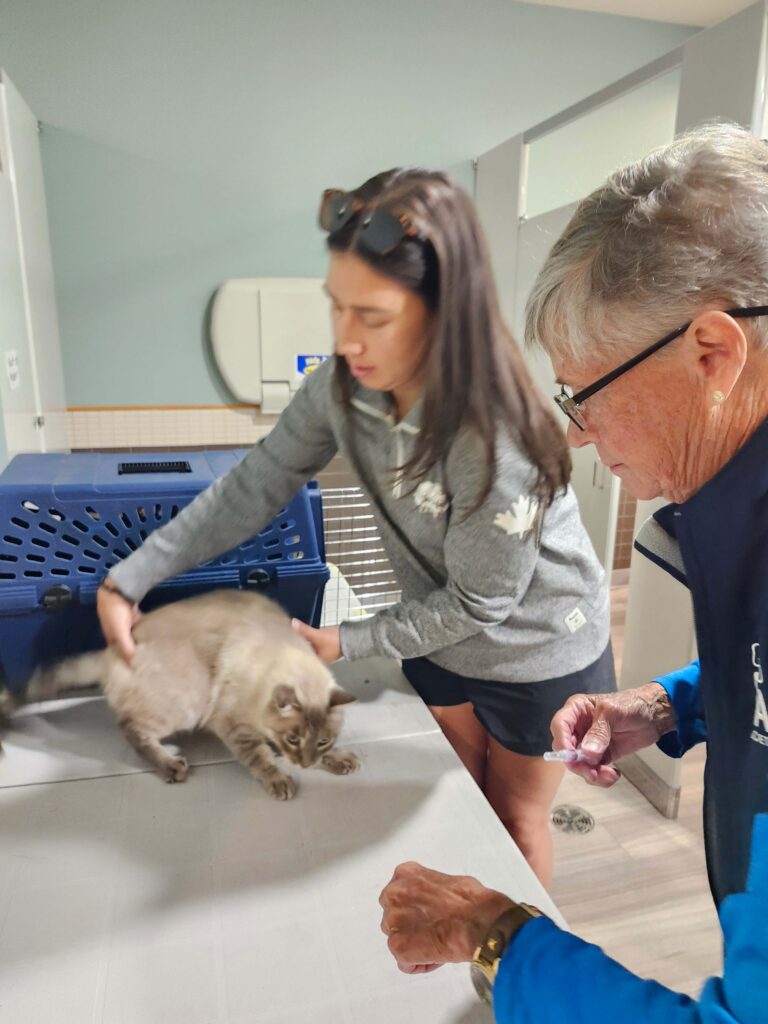
Akwesasne, ON (Aug. 25, 2026) – A total of 65 pets were vaccinated at a community wellness clinic held last Saturday in Akwesasne, helping strengthen protection for pets and people against the deadly rabies virus.
The Ontario SPCA and Humane Society partnered with the Akwesasne Mohawk community to make essential veterinary services more accessible to local families. In addition to the rabies vaccines, core vaccines were also administered at the Aug. 22 clinic at the Kawehno:ke Recreation Center to help keep pets healthy and protected.
Rabies is a dangerous disease that can infect any mammal, including humans, pets, livestock and wildlife. Once clinical signs of rabies appear, it is almost always fatal. Keeping pets up to date on their rabies vaccinations is one of the most effective ways to protect them and help reduce the risk of rabies spreading in the community.
“We’re grateful for the opportunity to work alongside the Akwesasne Mohawk community to help keep pets healthy and protected,” says Bonnie Bishop, Eastern Regional Manager of Community Outreach Services with the Ontario SPCA and Humane Society. “With recent rabies incidents in the region, making rabies vaccination accessible is especially important. It was wonderful to see families take advantage of this clinic and take an important step toward protecting their beloved pets and the broader community.”
The Ontario SPCA has been working with the Akwesasne Mohawk community for a number of years to make essential animal wellness services more accessible. The Akwesasne Compliance Department is grateful for the partnership with the Ontario SPCA.
Through community support services, the Ontario SPCA works to help keep animals healthy, safe and with the people who love them. For more information about the Ontario SPCA’s community support services, visit ontariospca.ca/communitysupport
##
Media contact
Media Relations
Ontario SPCA and Humane Society
905-898-7122 x 375
The Ontario SPCA and Humane Society
The Ontario SPCA and Humane Society is a registered charity that has been changing the lives of animals for over 150 years. The Society provides care, comfort and compassion to animals in need in communities across Ontario. It values all animals and advocates to treat them with respect and kindness. The Society strives to keep pets and families together and does so through a variety of community support services, such as sheltering and adoptions, including emergency sheltering, feral cat management programs, animal transfers, food distribution, humane education, animal advocacy, and spay/neuter services.
The Ontario SPCA does not receive annual government funding and relies on donations to provide programs and services to help animals in need. To learn more, or to donate, visit ontariospca.ca. Charitable Business # 88969-1044-RR0002.
The Ontario SPCA and Humane Society Cornwall and Region Animal Centre, formerly the Ontario SPCA Stormont, Dundas & Glengarry Animal Centre, is located on the lands of the Akwesasne Mohawks and their ancestors. We also acknowledge the Algonquin, Haudenosaunee (Ho-den-oshow-nee) (Iroquois), Huron-Wendat (huron-wen·dat), and Abenaki who are neighbours and partners to the Akwesasne Mohawk.