The Government of Ontario is aware of the challenges facing the many communities that do not have reliable access to a veterinarian. To their credit, they have taken steps to address this situation.
The province is funding an expansion of the Ontario Veterinary College’s Doctor of Veterinary Medicine program, through a partnership between the University of Guelph and Lakehead University. The initiative is designed to train more veterinary professionals from and for Northern Ontario.
They also provide funding support for veterinary access programs designed for large animal and agricultural veterinary access.
A critical gap in companion animal care
As much as these efforts are valuable, there is a critical gap in the province’s support: companion and shelter medicine. Currently, the province does not fund direct support for veterinary access for companion animals or for animal shelters to provide veterinary care to animals in their facilities or in the broader community.
Recognition from the Legislature
This gap was recently recognized by the Ontario Legislature’s Standing Committee on Justice Policy. The committee’s recently published Study on Intimate Partner Violence recognized the interplay between violence, animal abuse, and lack of access to veterinary care, particularly in underserved communities.
In its list of recommendations, the committee stated that “the Government of Ontario should establish a stable, annualized veterinary access fund to support intermittent service delivery for companion animals in Northern and remote communities without year-round access to veterinary care.”
Strong public support for action
The need for support is also recognized by the public: a recent Environics poll conducted for the Ontario SPCA found that 88% of Ontarians support government funding to increase veterinary access in underserved communities and for low-income individuals.
Expanding the Veterinary Incentive Program
This is why the Ontario SPCA has been proposing that the provincial government create a fund to expand companion animal and shelter veterinarian access. This wouldn’t be funding specifically for the Ontario SPCA but would create a broad access fund to provide organizations and communities with resources to increase veterinary access in the most underserved areas.
There is also a ready-made way to finance this proposed program; the province’s existing Veterinary Incentive Program is intended to attract large animal veterinarians to underserved communities, particularly in Northern Ontario. This program, with a budget of $5 million dollars over nine years, has been significantly under-spending its budget in the first two years it has been running. This is leaving money intended for veterinary access on the table.
By redirecting any unspent funds from the Veterinary Incentive Program to a new program to support companion and shelter animal veterinary access, or expanding the eligibility of the existing program, the provincial government can effectively fund two programs for the price of one and provide another important resource to address the veterinary access crisis.
To join our animal advocacy efforts, visit changeforanimals.ca and be a voice for animals.
Introductions can be daunting for young puppies and any negative experiences can have long-lasting effects. So it’s important to learn how to make each introduction as carefully as possible.
Even once your puppy’s comfortable with you and the rest of your household, they may be nervous with other new people. Here are our top tips for ensuring introductions are comfortable for them.
Limit visitor numbers: To avoid overwhelming your puppy, have as few visitors as possible in their first few days with you.
Gradual introductions: Meeting lots of people at once can be intimidating for a puppy, so give them chance to get used to each person individually.
Speak calmly: Ask people to keep their excitement at meeting your puppy under wraps and use a calm tone and gentle movements.
Let your puppy make the first move: Puppies can feel threatened if they’re approached too quickly or passed from person to person. It’s best to ask people to sit quietly and wait for your puppy to approach them.
Take it slowly: Give your puppy plenty of time to get to know each person. Positive experiences now will help when they encounter new people outside your home.
Watch their body language: Look out for signs that your puppy’s nervous such as avoiding eye contact or holding their tail low. If this happens, take them out of the room so they can have some quiet time alone.
It’s natural for children to be excited about getting a puppy. But it’s important that you prepare them for how to behave and make sure that they understand they have a role in their puppy’s development, safety, and happiness.
Even if you don’t have children in your household, it’s a good idea to introduce your puppy to children. Otherwise, they may become nervous around them later in life. Here are some key things to remember:
Ask children to sit quietly: Teach children to sit still and let your puppy come to them so your puppy doesn’t become startled or frightened.
Teach careful handling: Show children how to pet your puppy and pick them up by supporting their tummy and rear end. It’s best not to allow children to pick your puppy up at all in the early days though, and make sure they know not to hug or squeeze the puppy too much.
Quiet time during sleeping and eating: To avoid bites and scratches, children must know to leave puppies alone while they’re eating and sleeping.
No teasing or excitement: Don’t allow children to tease your puppy with toys or food. And make sure they understand they need to stay calm and not treat them like a toy.
Always supervise: Children should never be left alone with a puppy, and an adult should always be there when children and puppies are playing together.
Pets can feel very territorial, so it’s important you introduce your new puppy to any other pets in a controlled, sensitive way. These are the important things to bear in mind.
Introduction checklist
Introduce pet scent early: Before bringing your puppy home, it’s a good idea to give them a blanket carrying your existing pet’s scent and vice versa. Then they smell familiar to each other when they meet.
Check vaccinations: Make sure your puppy’s been vaccinated before introducing them to other dogs.
Reduce the threat: Introduce other pets to your new puppy one by one on a neutral ground, such as in the yard or a park, so they’re less likely to feel threatened. Keep them both on a leash and give them plenty of time to sniff around and get used to one another.
Set up a safe zone: Give your puppy a place to escape to when they’re tired or intimidated.
Always supervise: Never leave your puppy alone with other pets.
Allow individual spaces: Each pet needs their own territory here they can rest and eat undisturbed, so make sure yours have separate beds and feeding areas. Cats, in particular, will need peace and quiet out of your puppy’s reach.
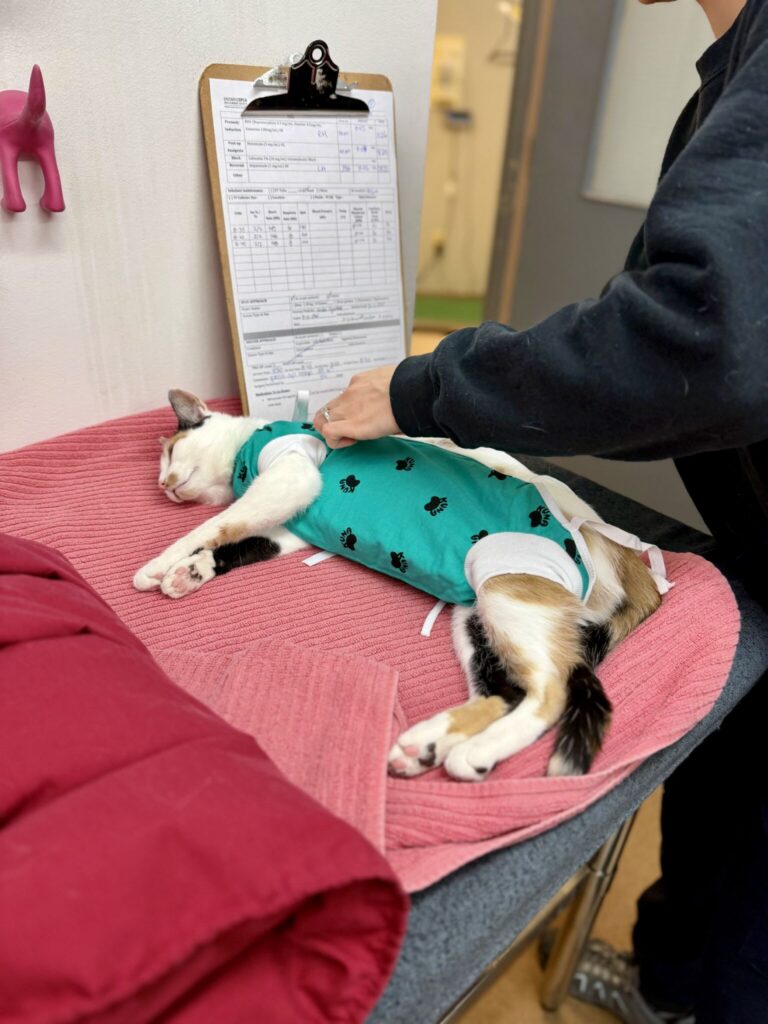
On February 24, the Ontario SPCA and Humane Society joined animal welfare organizations around the world to mark World Spay Day, a global movement dedicated to expanding access to spay and neuter services and advancing long-term solutions to pet overpopulation.
Creating lasting change
Spay and neuter remains one of the most effective ways to prevent unplanned litters, reduce the number of animals entering shelters, and create healthier communities for pets and the people who love them.
How we marked World Spay Day in Ontario
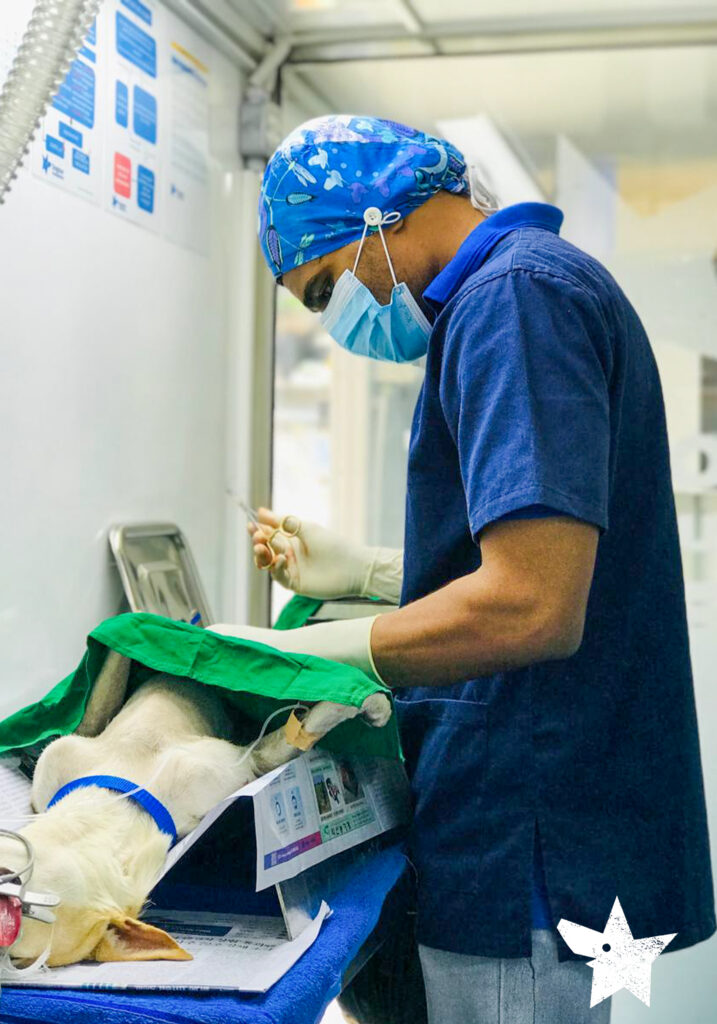
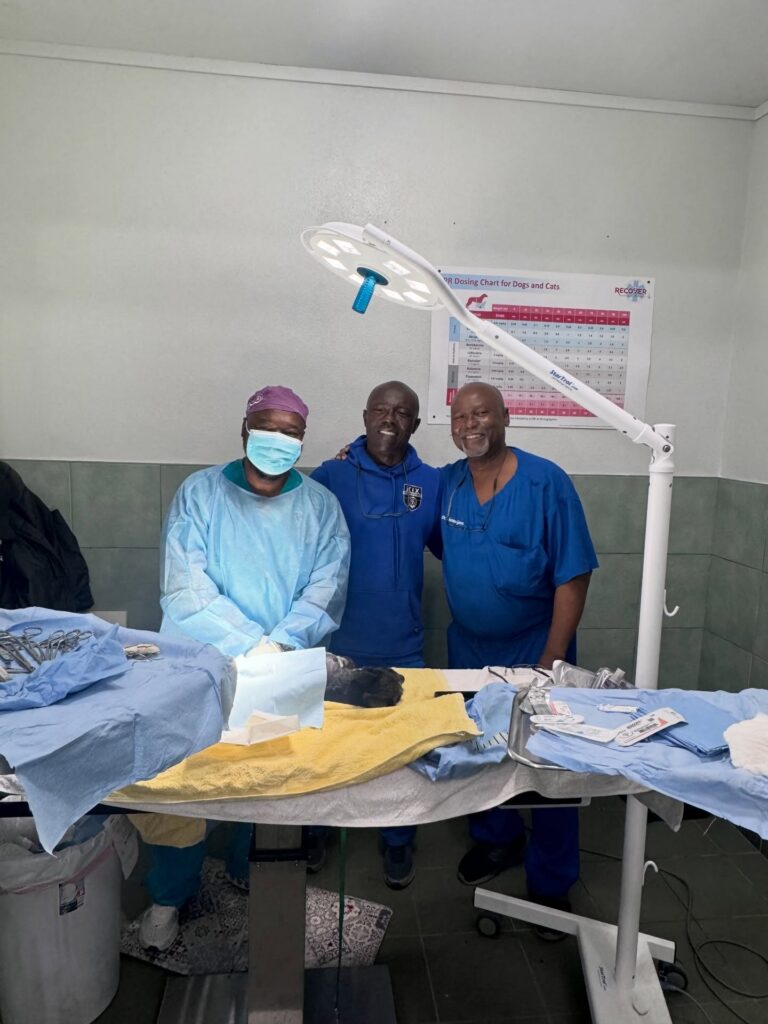
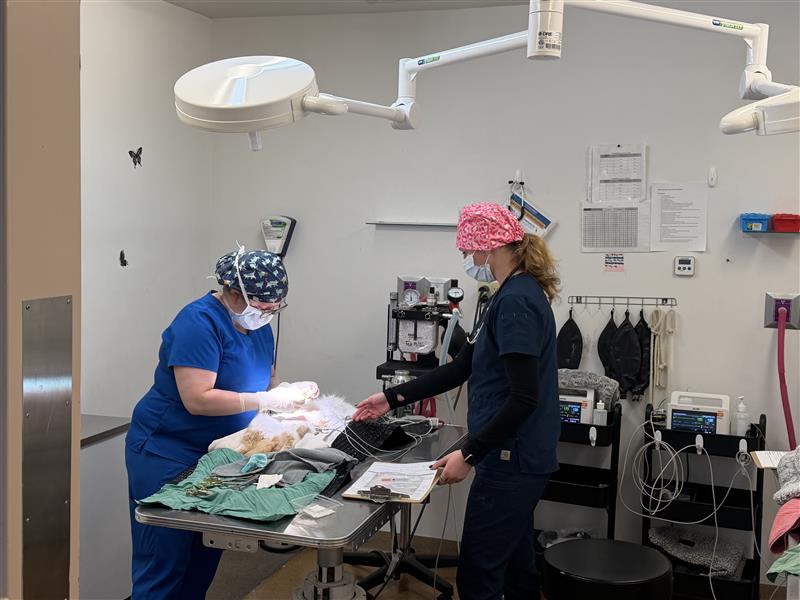
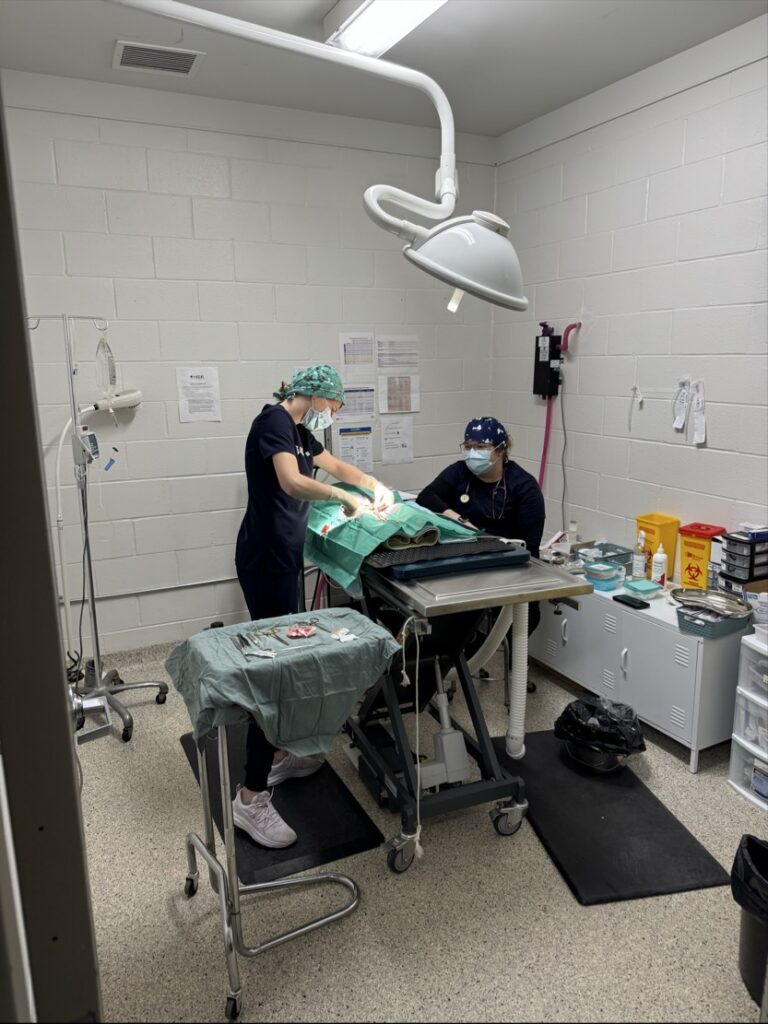
To maximize our impact, the Ontario SPCA tripled capacity across our five high-quality, high-volume spay/neuter clinics in Barrie, Stouffville, Durham, Thunder Bay and Sudbury. By dedicating additional resources and extending clinic hours, our teams were able to help significantly more animals than on a typical day.
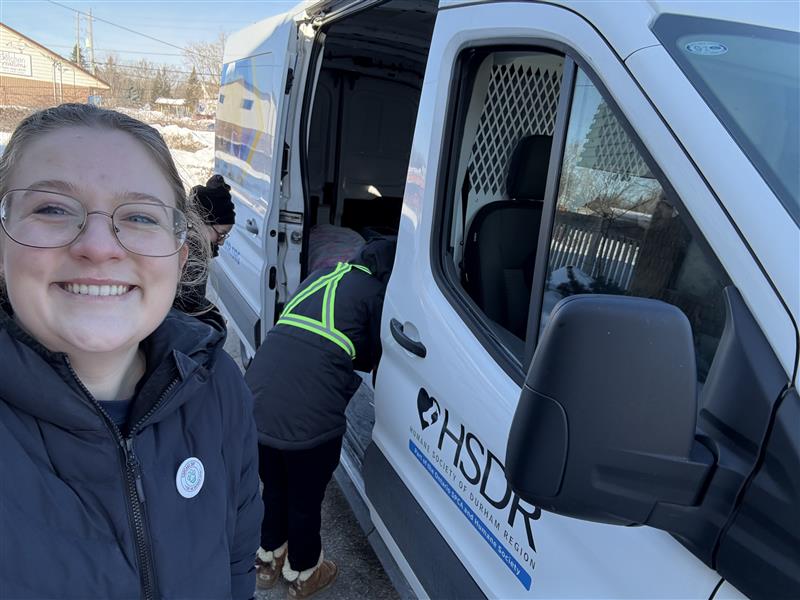
Our Neuter Scooters were also on the road in Durham, Napanee and Orangeville, transporting animals to participating clinics and returning them home the same day.
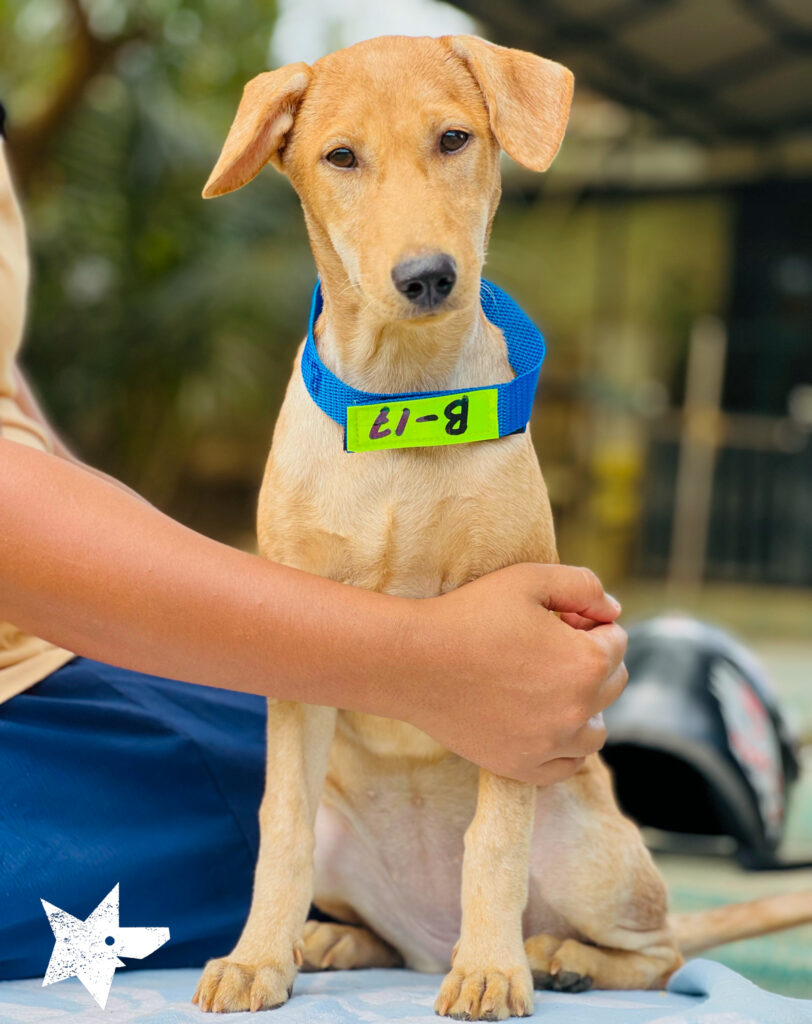
Through these expanded efforts, 227 animals were spayed or neutered at our clinics, helping prevent more than an estimated 12,000 unplanned puppies and kittens who may have otherwise ended up in shelters.
“This service is so extremely important,” says a client from our Ontario SPCA York Region Veterinary Clinic in Stouffville. “A lot of families in my situation struggle financially and our animals are our family. This is a gift for me.”
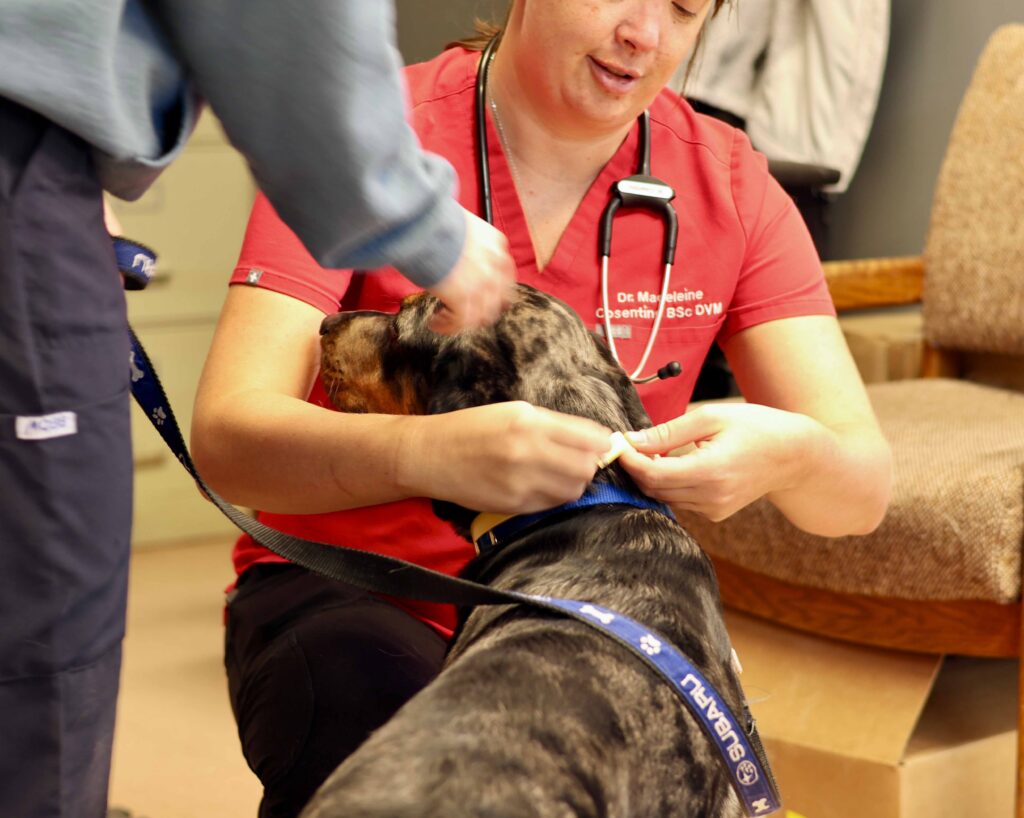
In addition to surgery, families received added preventive support. Thanks to our generous partners, 275 microchips were donated by 24PetWatch, and free rabies and canine distemper vaccines were provided by Boehringer Ingelheim, ensuring animals left better protected for the future.
“The impact of World Spay Day extends well beyond a single day,” says Charmaine Brett, President and CEO of the Ontario SPCA and Humane Society. “Our efforts helped more animals gain access to essential spay and neuter services, removing barriers for families in the community.”
Collaboration beyond borders
This year, we were proud to stand alongside partners in Ukraine, Nepal, India, Romania, the Bahamas, Sri Lanka, Mexico and here in Canada.
We extend our sincere thanks to Amulet Veterinary Clinic, FOP Polyanska A.Yu. (VC Anna Polyanska), Himalayan Animal Rescue Trust, Jaipur, Asociatia Sache, Tree of Life for Animals, SPCA Bahamas, Help the Suffering India, Worldwide Vets, Dogstar, the BC SPCA, Peterborough Humane Society, and Maya Animal Alliance for their commitment to improving animal well-being.
Thank you to our supporters
This vital preventative care was made possible through the generosity of our donors and supporters, including Royal Canin, 24PetWatch, Boehringer Ingelheim, Whiskas and many generous individuals.
“Thanks to our generous sponsors, all procedures provided through the Ontario SPCA were offered at no cost to the community, enabling us to reach families and animals who might not have been able to access this care otherwise,” says Charmaine.
As a 100% donor-funded charity, we are grateful to everyone who helps make initiatives like World Spay Day possible.
Together, we are creating lasting change for animals.
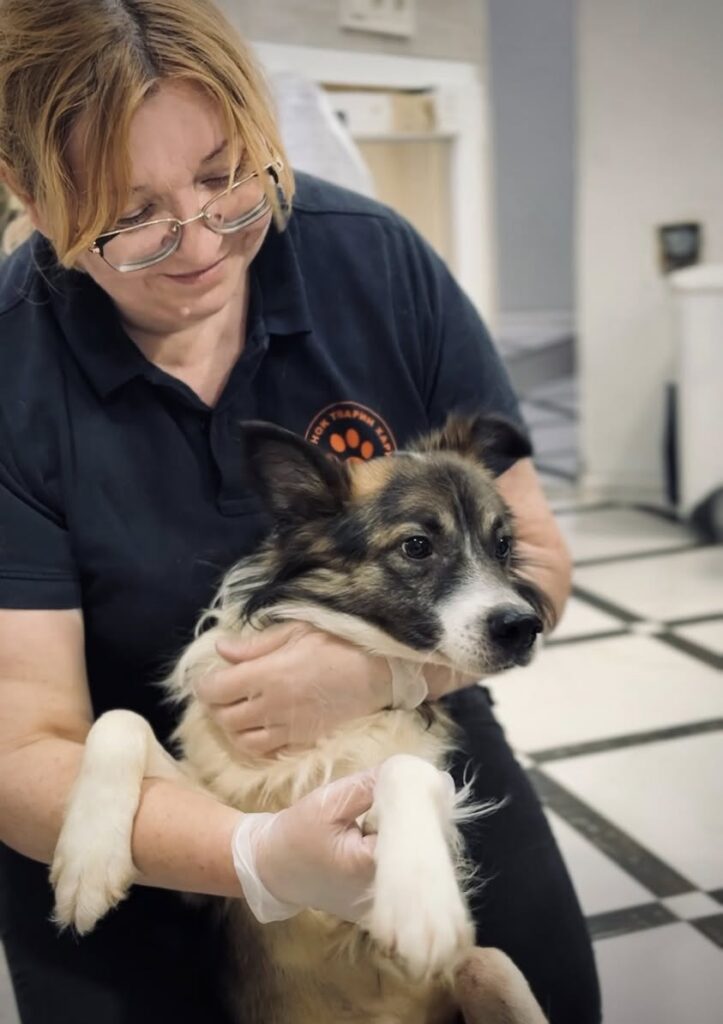
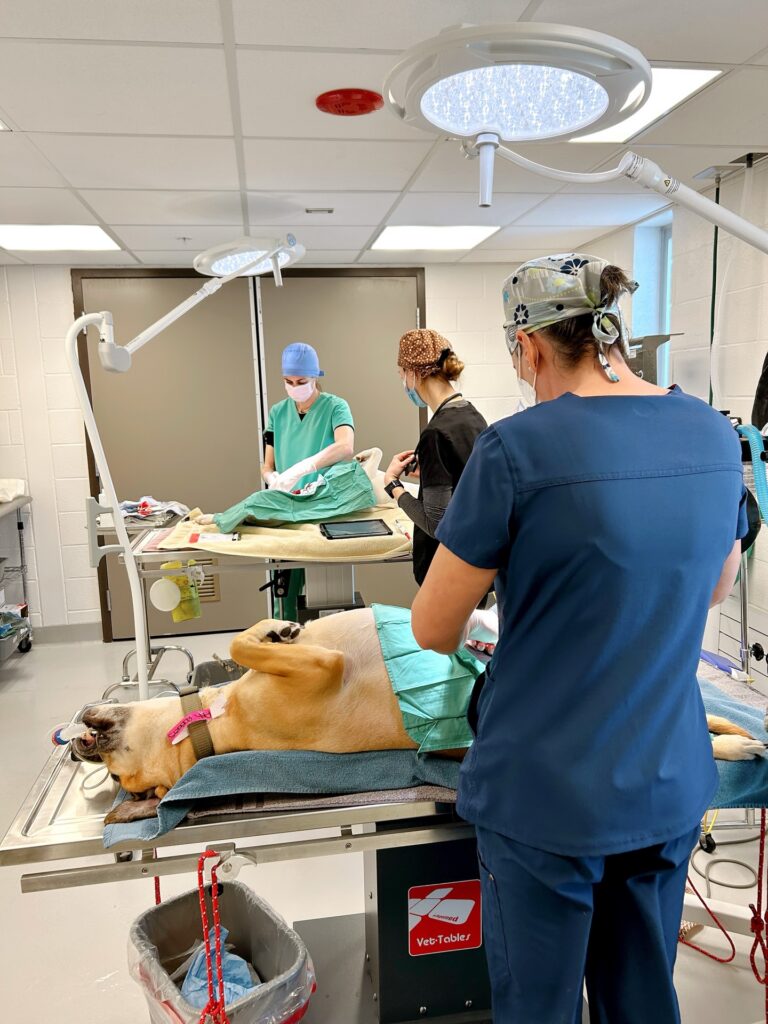
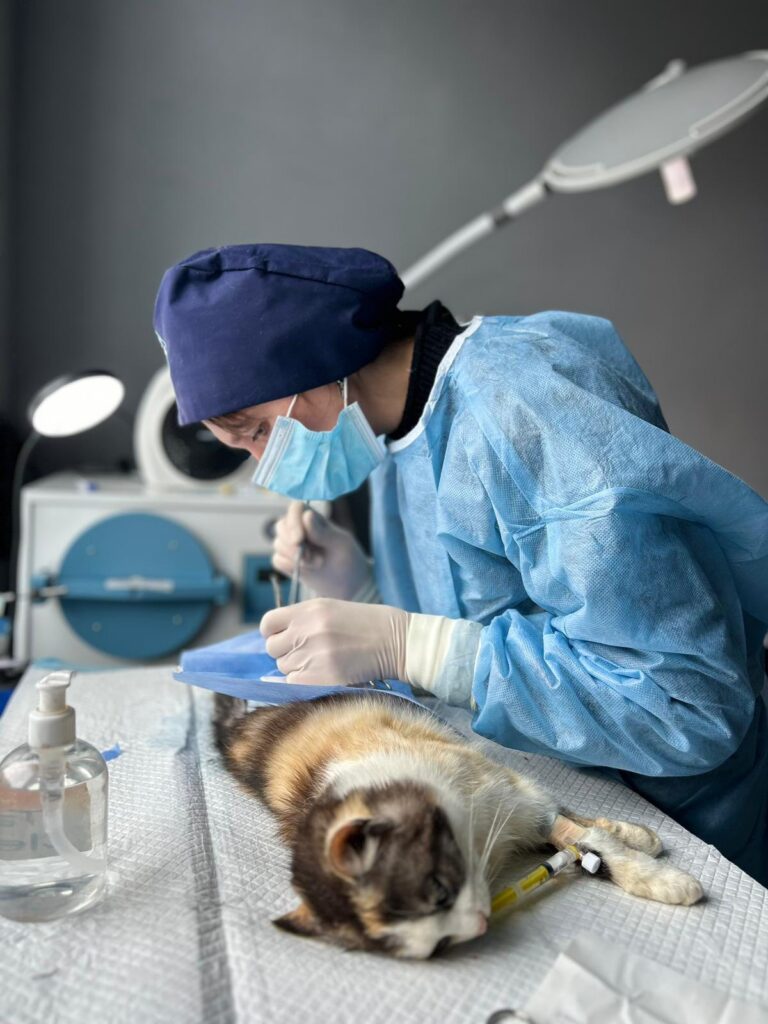
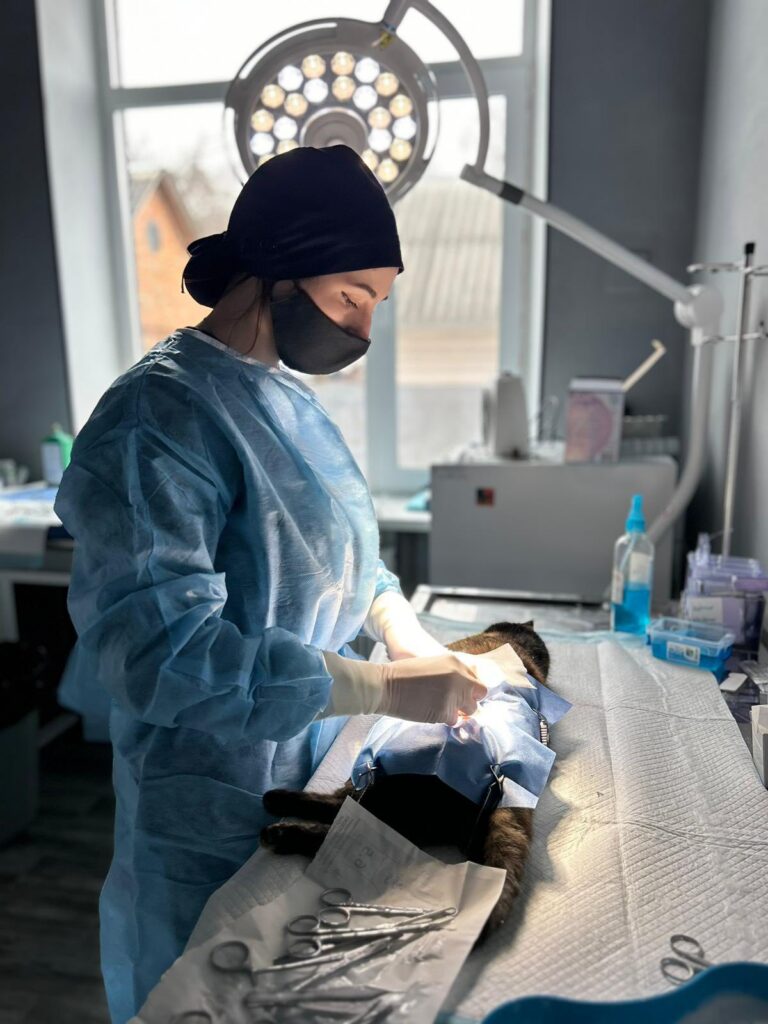
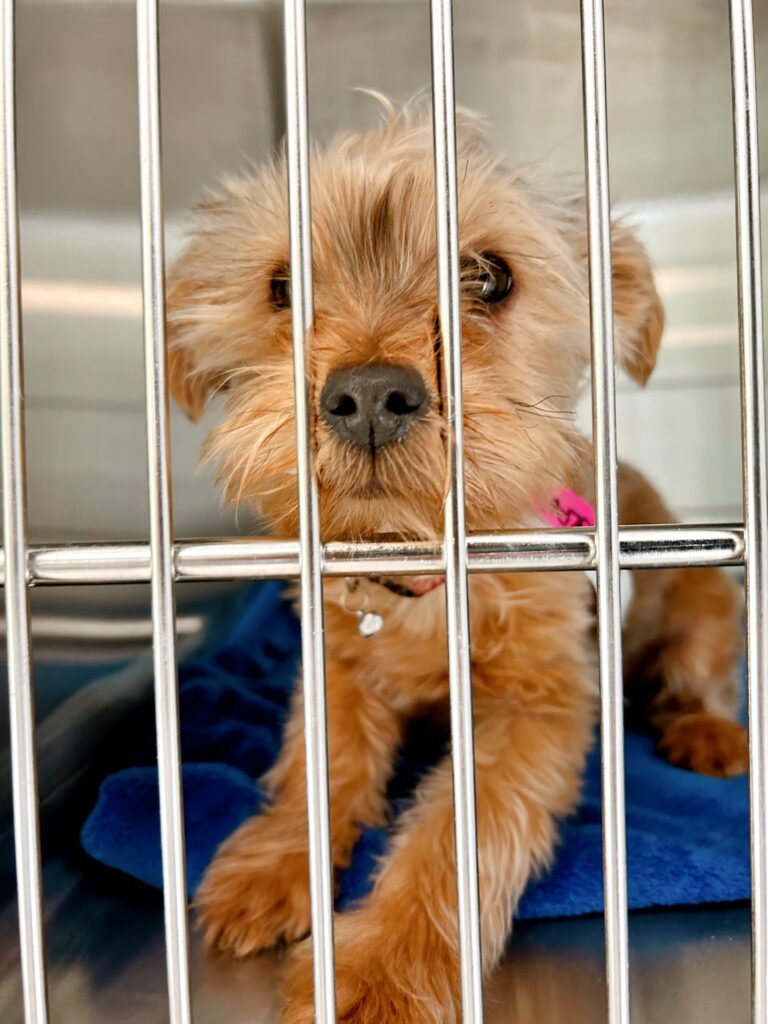


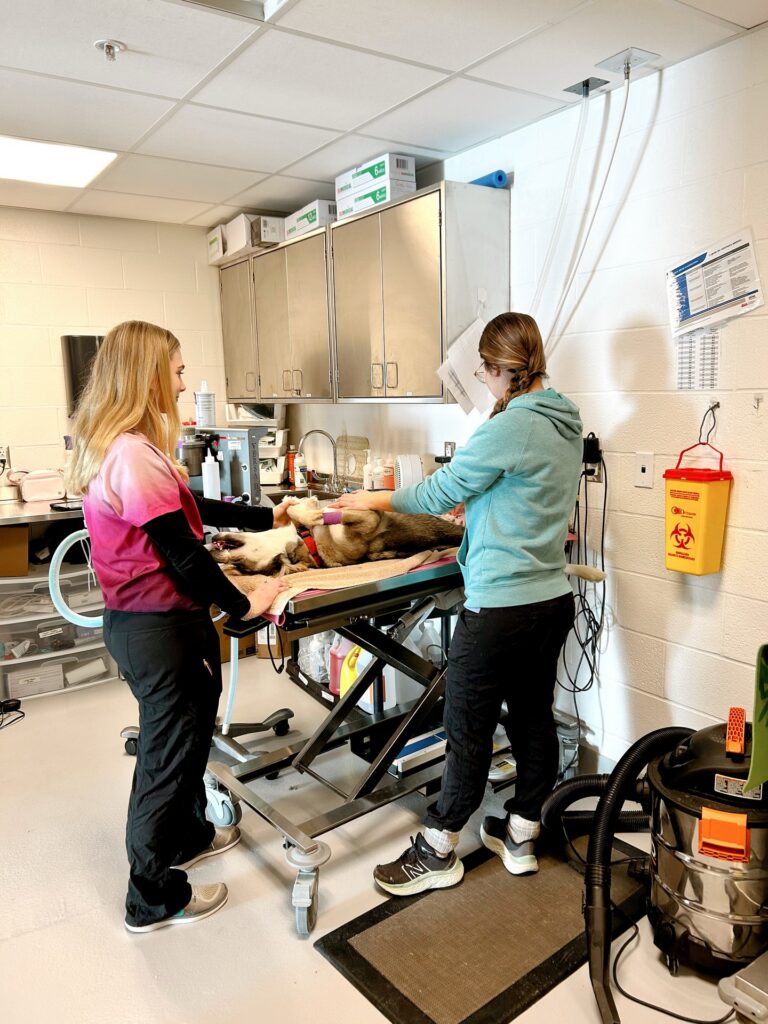
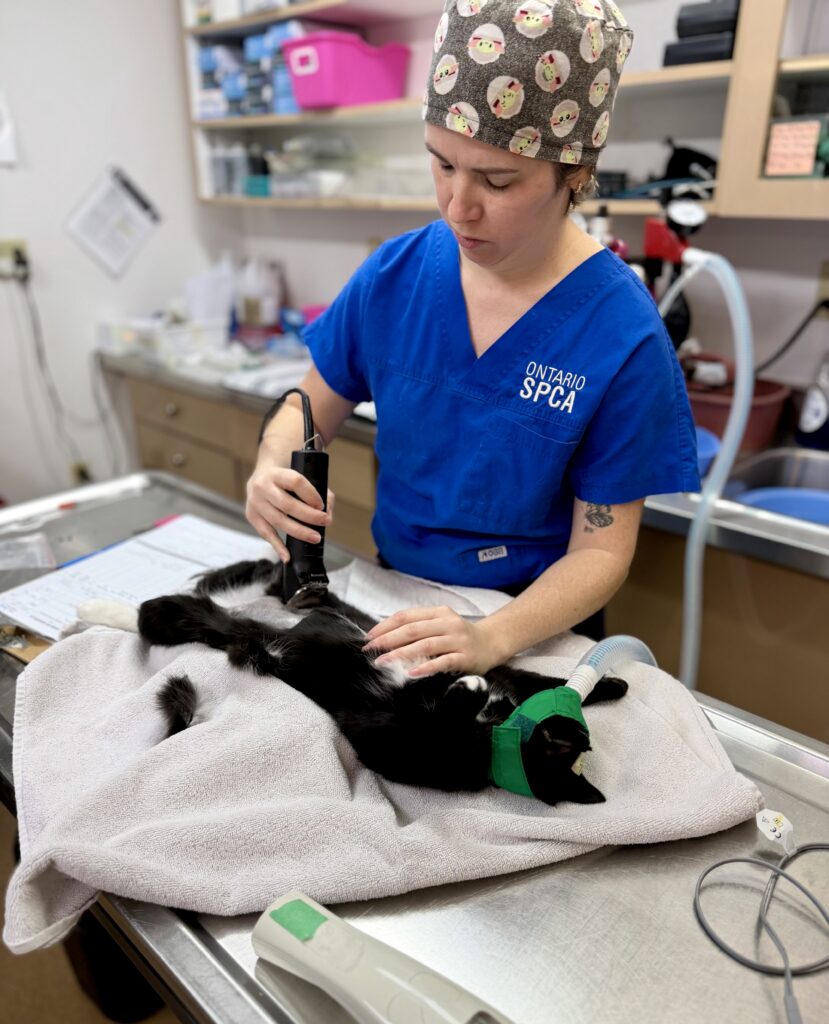
On Employee Appreciation Day, we’re proud to recognize the dedicated team members who bring compassion, commitment and care to the Ontario SPCA and Humane Society.
Behind every animal helped and family supported is a passionate team working to improve the lives of animals and strengthening communities. Today, we celebrate the 306 employees who make our mission possible.
Many roles united by one mission
With 85 unique job positions across the organization, our work spans far beyond what many people see. From veterinary professionals and animal care attendants to administrative professionals, fundraisers, foster coordinators, educators and leadership teams, each role plays a vital part in advancing animal welfare across Ontario.
This diversity of roles reflects the complexity and reach of our work. Whether providing hands-on care to animals in our centres, supporting pet families through outreach programs, or ensuring operational excellence behind the scenes, our employees unite for one shared mission: an unwavering commitment to animals.
Honouring years of dedication
This year, 42 employees will celebrate at least 10 years of service with our organization. These long-standing team members have helped shape the Ontario SPCA into what it is today, strengthening the culture of compassion that defines us.
Their dedication represents thousands of days spent caring for animals, supporting pet families, and continually evolving to meet the needs of the communities we serve. We are deeply grateful for their loyalty and leadership.
Thank you
Employee Appreciation Day is an opportunity to pause and say thank you. Thank you for your commitment, dedication, teamwork, and compassion to move our mission forward.
Today and every day, we celebrate you.
On Employee Appreciation Day, we’re proud to recognize the dedicated team members who bring compassion, commitment and care to the Ontario SPCA and Humane Society.
Behind every animal helped and family supported is a passionate team working to improve the lives of animals and strengthening communities. Today, we celebrate the 306 employees who make our mission possible.
Many roles united by one mission
With almost 120 unique job positions across the organization, our work spans far beyond what many people see. From veterinary professionals and animal care attendants to administrative professionals, fundraisers, foster coordinators, educators and leadership teams, each role plays a vital part in advancing animal welfare across Ontario.
This diversity of roles reflects the complexity and reach of our work. Whether providing hands-on care to animals in our centres, supporting pet families through outreach programs, or ensuring operational excellence behind the scenes, our employees unite for one shared mission: an unwavering commitment to animals.
Honouring years of dedication
This year, 42 employees will celebrate at least 10 years of service with our organization. These long-standing team members have helped shape the Ontario SPCA into what it is today, strengthening the culture of compassion that defines us.
Their dedication represents thousands of days spent caring for animals, supporting pet families, and continually evolving to meet the needs of the communities we serve. We are deeply grateful for their loyalty and leadership.
Thank you
Employee Appreciation Day is an opportunity to pause and say thank you. Thank you for your commitment, dedication, teamwork, and compassion to move our mission forward.
Today and every day, we celebrate you.
At the Ontario SPCA and Humane Society, we believe that the strength of our organization lies in how we work together to achieve the best possible outcome for every animal in our care, whether it be through sharing knowledge, clinical capacity or hands-on care across our animal centre locations. Collaboration is how we ensure every animal receives the care they need, when and where they need it most.
This coordinated approach is reflected in the numbers. At the Ontario SPCA and Humane Society York Region Animal Centre alone, teams supported 911 animal intakes and facilitated 126 internal transfers between our animal centres in 2025, helping well over 1,000 animals in a single year. These aren’t just numbers. They represent real animals whose lives were changed because of the collaborative efforts of our centres.
Pickles: A second chance through coordinated care
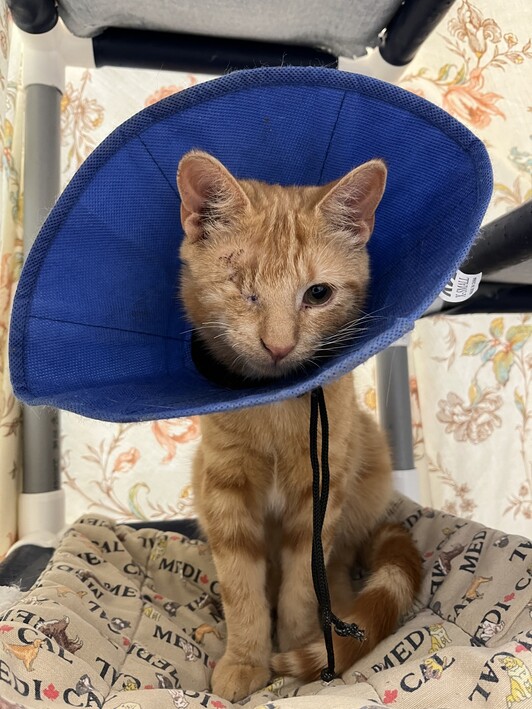
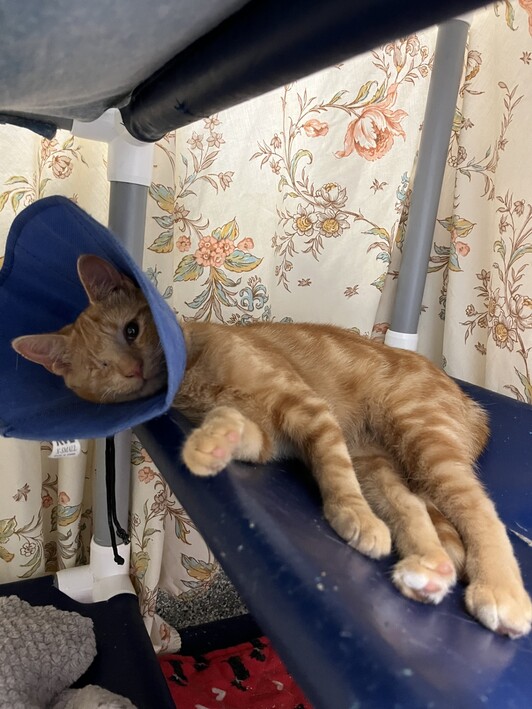
Pickles, a tiny kitten originally brought in as a stray to our Ontario SPCA and Humane Society Renfrew County Animal Centre, arrived with a severe eye injury. His eyelid was ulcerated and swollen shut, and he was in pain…
Pickles was transferred to the Ontario SPCA and Humane Society York Region Veterinary Clinic for surgical care. The eye unfortunately couldn’t be saved and Pickles underwent surgery to remove it, giving him the best chance at a pain-free future. During surgery, veterinarians discovered and removed two small quills embedded deep within the eye socket.
Following surgery and suture removal, Pickles’ transformation was remarkable. Once fearful and timid, after weeks of examinations and treatment he began to relax with consistent, gentle handling. Thanks to the seamless collaboration between centres and dedicated staff, he made a full recovery and was successfully adopted into a loving home.
His journey is a powerful reminder that coordinated care can completely change an animal’s future.
Vern: Flexibility in action
Vern’s story is another example of how adaptability between centres leads to positive outcomes.
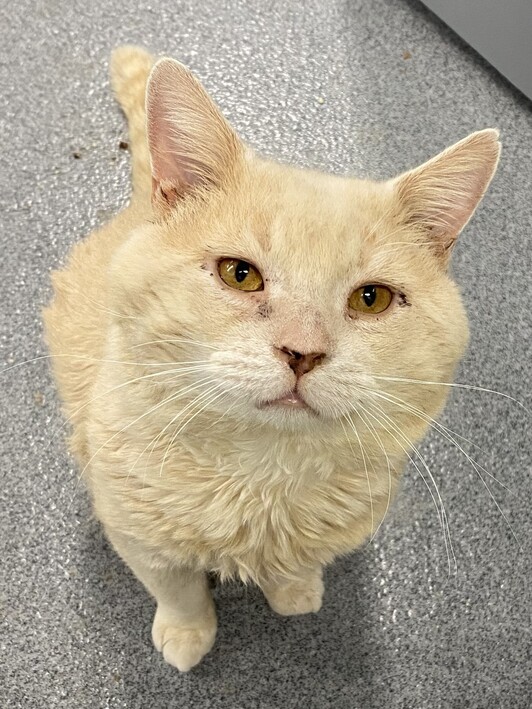
Transferred to our Ontario SPCA and Humane Society York Region Animal Centre for a scheduled neuter and dental surgery, this sweet FIV-positive cat ended up needing to postpone his procedure due to an Upper Respiratory Infection. While awaiting his procedure, his animal care team focused on keeping Vern comfortable and ensuring he was feeling his best. With attentive daily care and close communication between centres, Vern regained his strength over the following weeks.
Once his surgery was complete, he returned to the Ontario SPCA and Humane Society Orillia and District Animal Centre to continue his journey toward adoption. Today, Vern is in a loving home. His story underscores how flexibility, patience and communication between teams ensure that each animal receives care tailored to their needs.
Harley: Shared commitment through recovery
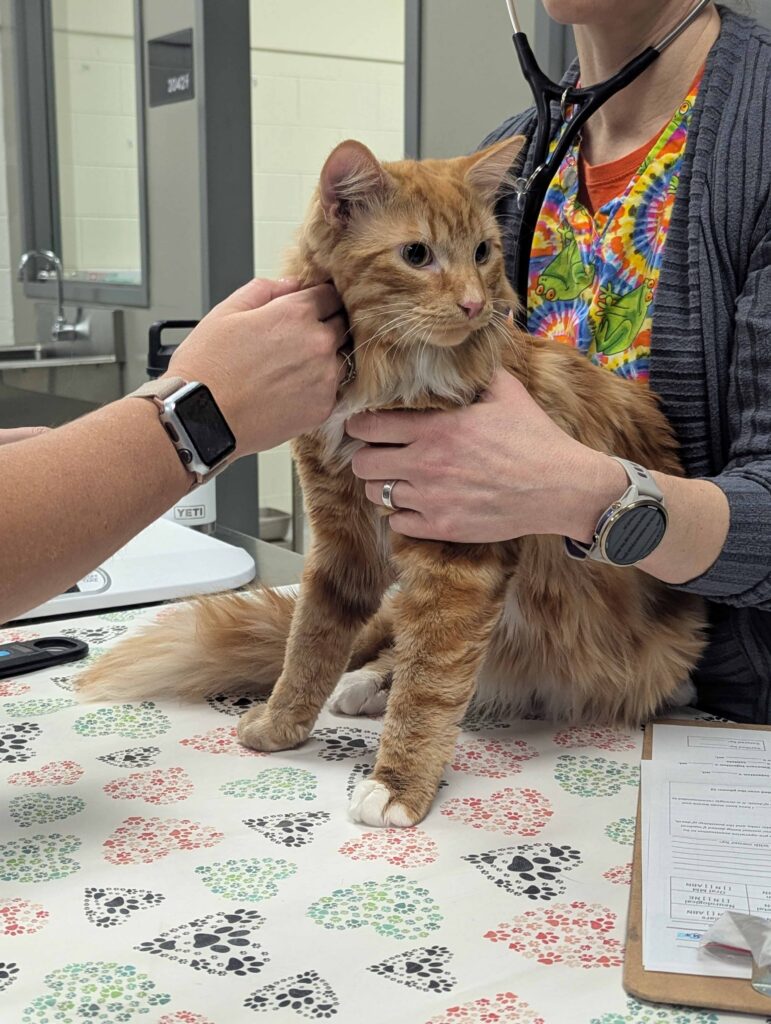
Harley’s journey required collaboration on an even larger scale. He was brought to the Ontario SPCA and Humane Society Muskoka Animal Centre for rehoming with a large mass on his leg. He was placed into delayed adoption while undergoing surgery to remove the mass.
Unfortunately, he required a second surgery at our Ontario SPCA and Humane Society Marion Vernon Memorial Animal Clinic in Barrie. Given the extensive aftercare needed, including daily bandage changes and wound cleaning three to four times a day for several weeks, Harley was transferred to our York Region Animal Centre for intensive post-operative care with their team of veterinary professionals.
His animal care team managed his recovery with diligence and compassion. Once medically cleared, Harley was transferred back to the Muskoka Animal Centre, where his adoption was finalized.
Due to the shared resources and coordinated effort across multiple centres, Harley’s recovery and adoption was successful, and he is now enjoying life with his loving family.
Stronger together
These stories reflect the strength of collaboration across the Ontario SPCA’s network of animal centres across the province.
Behind every successful adoption is a team of dedicated professionals who collaborate and support one another. It’s this shared commitment that turns challenges into success stories and ensures that animals like Pickles, Vern and Harley get the second chances they deserve.
As a registered charity that does not receive annual government funding, the Ontario SPCA and Humane Society depends on the generosity of donors to change the lives of animals in need. Please consider donating today.
IMMEDIATE RELEASE
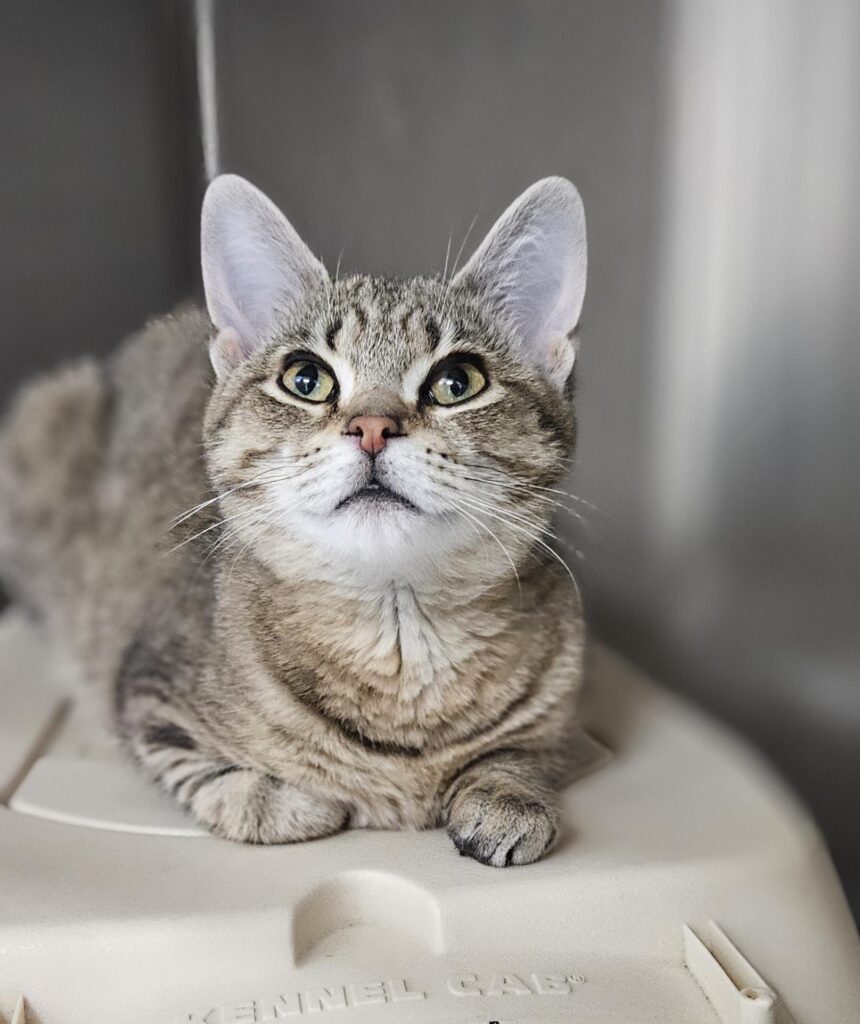
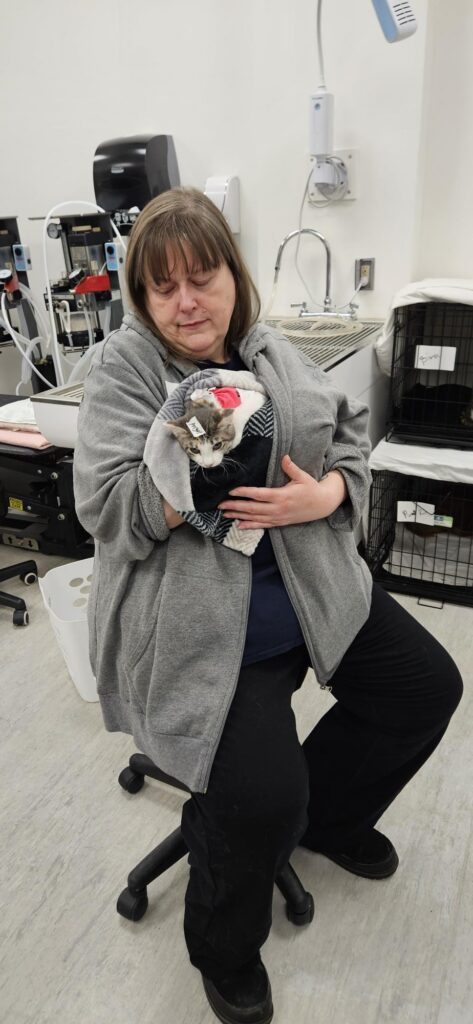
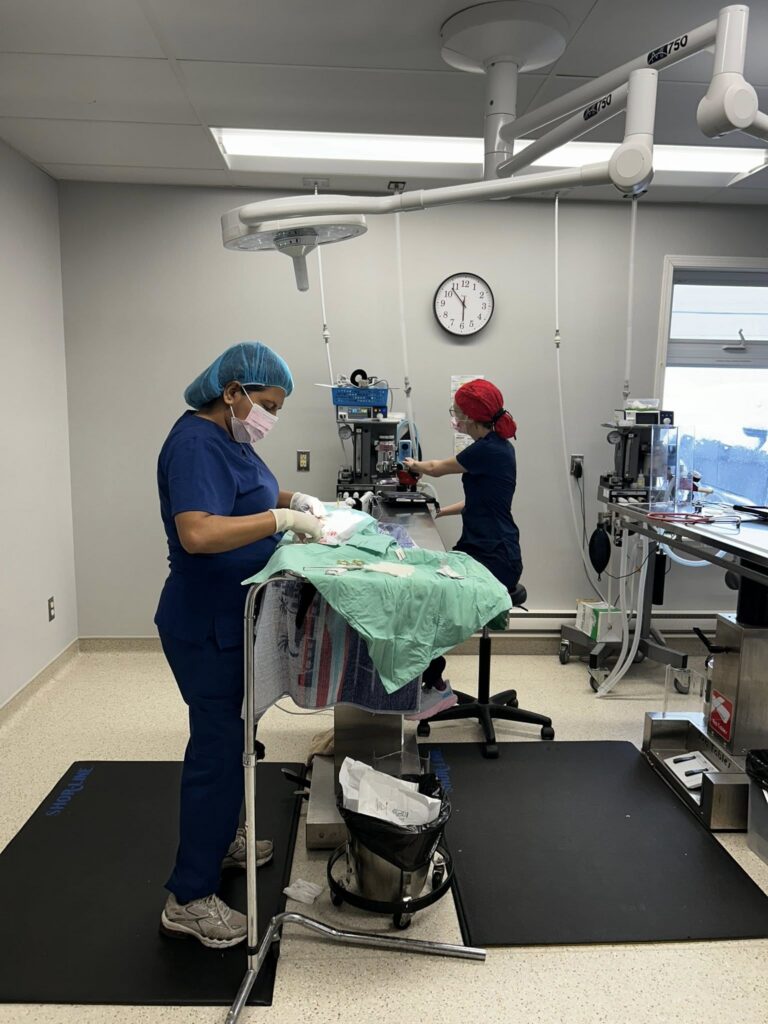
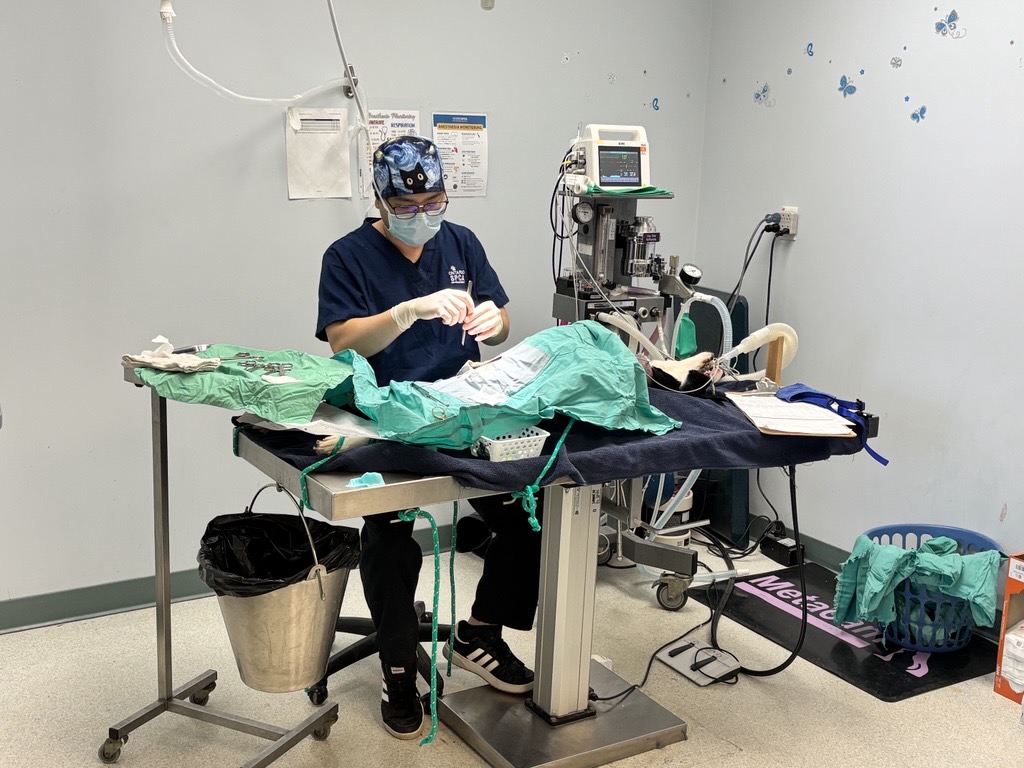
Stouffville, ON (Feb. 24, 2026) – The Ontario SPCA and Humane Society is marking World Spay today by providing 227 free spay and neuter surgeries across the province, preventing more than an estimated 12,000 unplanned puppies and kittens who may have ended up in shelters.
At its five high-quality, high-volume spay/neuter clinics in Barrie, Stouffville, Durham, Thunder Bay and Sudbury, the Ontario SPCA was able to triple its daily spay/neuter capacity today by dedicating additional resources and extending clinic hours to mark World Spay Day. Ontario SPCA Neuter Scooters were also running in Durham, Napanee, and Orangeville, transporting animals to participating spay/neuter clinics and returning them to their families at the end of the day.
In addition to free spay/neuter services, which were supported by Royal Canin and other generous donors, the Ontario SPCA was also able to provide free microchips, courtesy of 24Petwatch, as well as free rabies vaccinations and canine distemper vaccinations, provided by Boehringer Ingelheim.
“The impact of World Spay Day extends well beyond a single day,” says Charmaine Brett, President and CEO of the Ontario SPCA and Humane Society. “Our efforts helped more animals gain access to essential spay and neuter services, removing barriers for families in the community.”
World Spay Day is a global movement, with animal welfare organizations around the world joining the Ontario SPCA’s efforts to reduce pet overpopulation. Organizations in Ukraine, Nepal, India, Romania, Bahamas, Sri Lanka, Mexico and here in Canada took part, collectively performing 1,200 spay/neuter surgeries.
“Thanks to our generous sponsors, all procedures provided through the Ontario SPCA were offered at no cost to the community, enabling us to reach families and animals who might not have been able to access this care otherwise,” says Brett.
As a registered charity that is 100 per cent donor funded, the Ontario SPCA depends on the generosity of donors to make initiatives like World Spay Day possible. To support spay and neuter programs or help provide care for animals in need, visit ontariospca.ca/donate
##
Media Contact
Media Relations
Ontario SPCA and Humane Society
905-898-7122 x 375
The Ontario SPCA and Humane Society
The Ontario SPCA and Humane Society is a registered charity that has been changing the lives of animals for over 150 years. The Society provides care, comfort and compassion to animals in need in communities across Ontario. It values all animals and advocates to treat them with respect and kindness. The Society strives to keep pets and families together and does so through a variety of community support services, such as sheltering and adoptions, including emergency sheltering, feral cat management programs, animal transfers, food distribution, humane education, animal advocacy, and spay/neuter services.
The Ontario SPCA does not receive annual government funding and relies on donations to provide programs and services to help animals in need. To learn more, or to donate, visit ontariospca.ca. Charitable Business # 88969-1044-RR0002.
The Ontario SPCA and Humane Society Provincial Office sits on the traditional territory of the Wendat, the Anishinabek Nation, the Haudenosaunee Confederacy, the Mississaugas of Scugog, Hiawatha and Alderville First Nations and the Métis Nation. This territory was the subject of the Dish With One Spoon Wampum Belt Covenant, an agreement between the Iroquois Confederacy and the Ojibwe and allied nations to peaceably share and care for the resources around the Great Lakes. The treaties that were signed for this particular parcel of land are collectively referred to as the Williams Treaties of 1923.
Teaching “place” is a great training technique to help encourage your dog to settle. It encourages your dog to go to a designated spot (such as a bed or mat) and remain there calmly. This is particularly useful when you want your dog to relax and settle down, especially in busy or distracting environments. “Go to place” can help manage your dog’s excitement levels, providing them with a clear cue to calm down and stay in a specific area rather than jumping on guests or getting overly enthusiastic.
It also establishes boundaries for your dog, teaching them where they are expected to be and helping to prevent them from wandering into areas where they shouldn’t be, such as the kitchen during cooking or near a door when visitors arrive.
This cue can be used in various contexts and settings, such as at home, in public places, or during visits to friends’ houses, helping to maintain good behaviour and manners wherever you go.
Remember to keep training sessions short and stop the session before the dog starts to lose interest. We want to set the dog up for success in every stage.
Here’s what you’ll need:
- 6’ leash
- Mat, towel, bed or platform (choose one to use as the dog’s “place”)
- Low distraction area to start with treat pouch, or bag of bite-sized treats
- High value treats
- Clicker (optional)
Step 1: Teaching the down
- While holding the dog’s leash, walk them towards their “place.” The moment the dog steps onto or makes contact, mark (click or “Yes”) but do not release the treat yet. Instead, lure the dog into a down.
- As soon as the dog offers the down, reward by releasing the lure to the ground between their feet.
- Mark and reward with treats a few times before o ering their “release” cue.
Step 2: Teaching a “release” cue
- Give your release cue (say “Release”).
- Remain still; try not to move away or lure the dog.
- The moment the dog gets out of the down position, mark (click or “Yes”), reward, and then move away from the mat while continuing to give treats, praise or play.
- Restart from step 1 until the dog consistently offers an automatic down on their mat. Note: this may only take 3 to 5 reps.
Step 3: Adding the “place” cue
- Once your dog is consistently offering a down on the designated place, start to say the cue “Place” while walking towards the mat.
Step 4: Increasing duration and distance
- As the dog is becoming more consistent and comfortable with the place, start to increase the duration of time before releasing the dog. Ex. wait a few seconds before marking and rewarding.
- Once the dog is able to stay on the place for a while before releasing, you can begin to increase the distance you are from the place, while taking steps away.
Step 5: Increase distance to target
- As you walk your dog up to their place, stop a couple of steps back a er saying “Place.” As long as the dog lands on the mat and o ers their automatic down, mark (click or “Yes”) and reward.
- Continue to add distance between yourself and the mat in increments, as you increase the difficulty of the behaviour.
Teaching “place” enhances your dog’s ability to settle down, focus, and behave appropriately in different situations, contributing to a harmonious relationship between you and your dog. If you need assistance, contact a professional trainer or behaviour consultant.
If this information was helpful, please help us continue to educate about pet health and well-being by making a donation. As a registered charity that does not receive annual government funding, the Ontario SPCA and Humane Society depends on the generosity of donors to change the lives of animals in need.
IMMEDIATE RELEASE
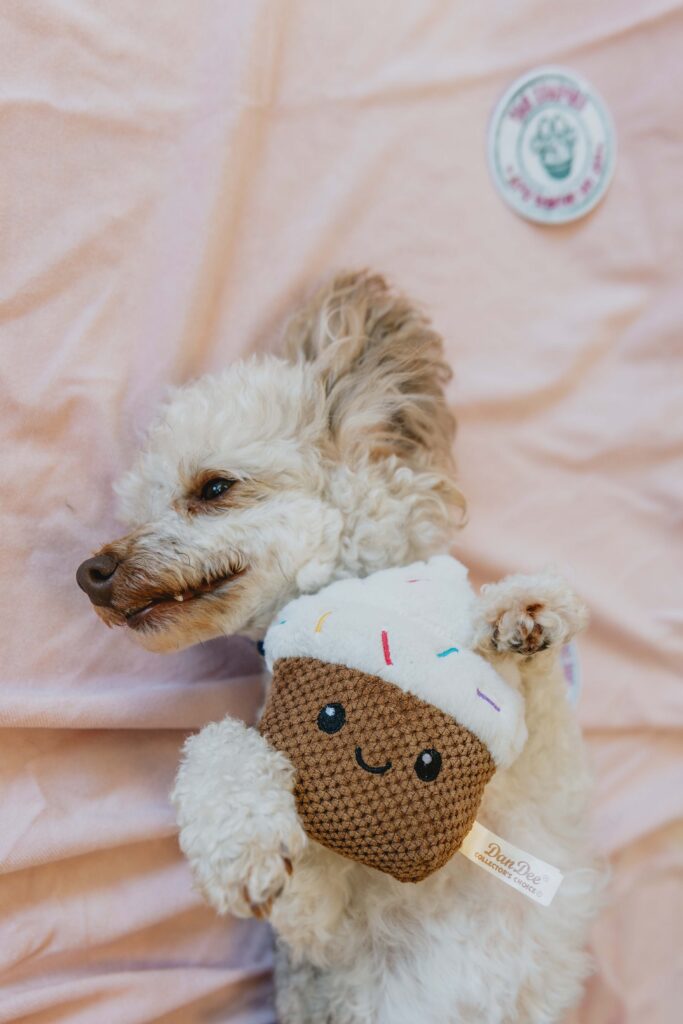
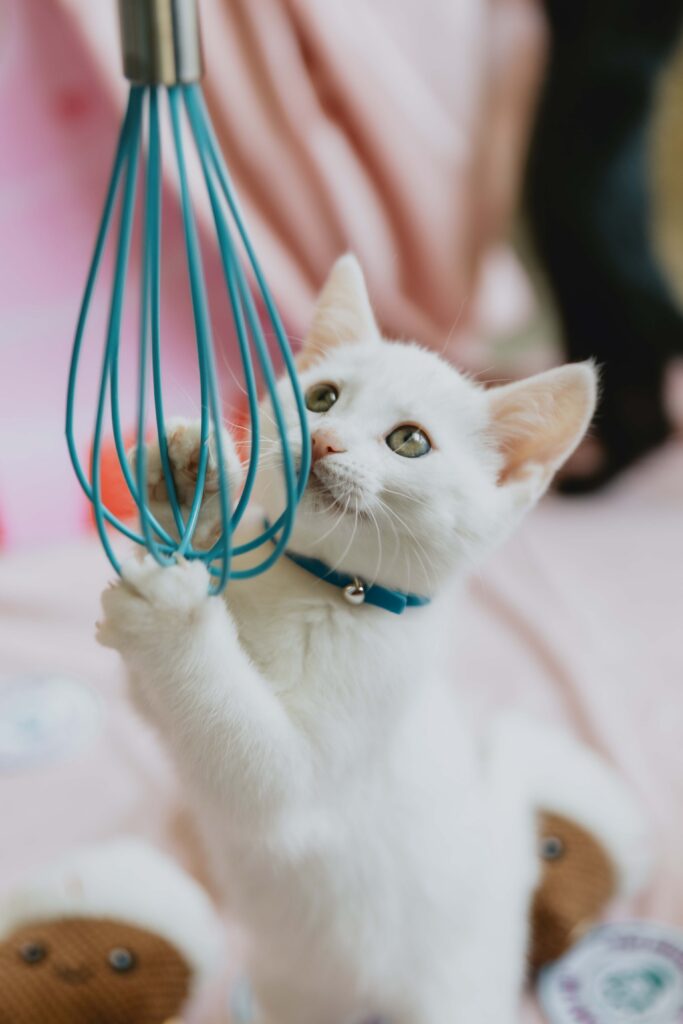
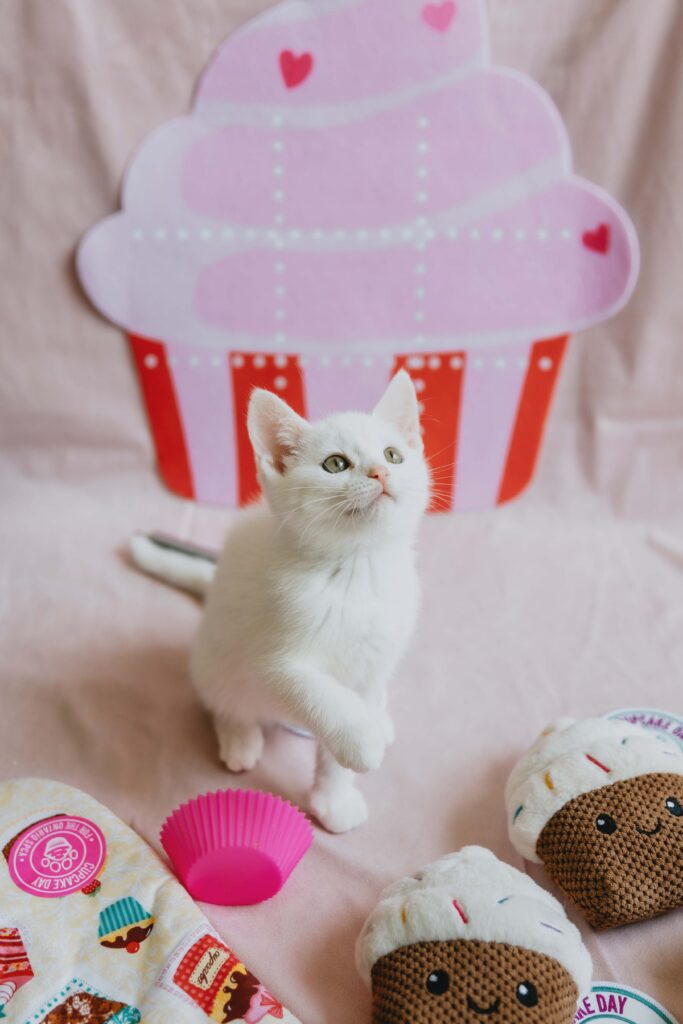
Stouffville, ON (Feb. 23, 2026) – Today is Cupcake Day for the Ontario SPCA – the sweetest day of the year! Whether you’re a sprinkle lover, a frosting fan, or a baking superstar, today is your chance to indulge in cupcakes and make a real difference for animals in need.
The Ontario SPCA and Humane Society is calling on animal lovers across Ontario to raise some dough – bake, buy, or share cupcakes today and make a donation at cupcakeday.ca to support animals in need of care, shelter, and love. Try a batch of homemade cupcakes, treat yourself at a local bakery, or even whip up some dog-approved “pupcakes” for your furry friend. Every bite helps!
As a registered charity that is 100 per cent donor funded, the Ontario SPCA relies on the generosity of supporters to help animals in need. Your cupcake today is more than just a tasty treat – it’s a gift of care, comfort, and hope.
“Cupcake Day is all about having fun while making a difference,” saysStephanie Miller, Vice President, Development, Ontario SPCA and Humane Society. “Every cupcake shared and every donation at cupcakeday.ca helps animals get the care and love they deserve.”
Enjoy a cupcake, donate online, and help us bake the world a better place for animals. Visit cupcakeday.ca to do something sweet for animals today.


##
Media Contact
Media Relations
Ontario SPCA and Humane Society
905-898-7122 x 375
The Ontario SPCA and Humane Society
The Ontario SPCA and Humane Society is a registered charity that has been changing the lives of animals for over 150 years. The Society provides care, comfort and compassion to animals in need in communities across Ontario. It values all animals and advocates to treat them with respect and kindness. The Society strives to keep pets and families together and does so through a variety of community support services, such as sheltering and adoptions, including emergency sheltering, feral cat management programs, animal transfers, food distribution, humane education, animal advocacy, and spay/neuter services.
The Ontario SPCA does not receive annual government funding and relies on donations to provide programs and services to help animals in need. To learn more, or to donate, visit ontariospca.ca. Charitable Business # 88969-1044-RR0002.
The Ontario SPCA and Humane Society Provincial Office sits on the traditional territory of the Wendat, the Anishinabek Nation, the Haudenosaunee Confederacy, the Mississaugas of Scugog, Hiawatha and Alderville First Nations and the Métis Nation. This territory was the subject of the Dish With One Spoon Wampum Belt Covenant, an agreement between the Iroquois Confederacy and the Ojibwe and allied nations to peaceably share and care for the resources around the Great Lakes. The treaties that were signed for this particular parcel of land are collectively referred to as the Williams Treaties of 1923.
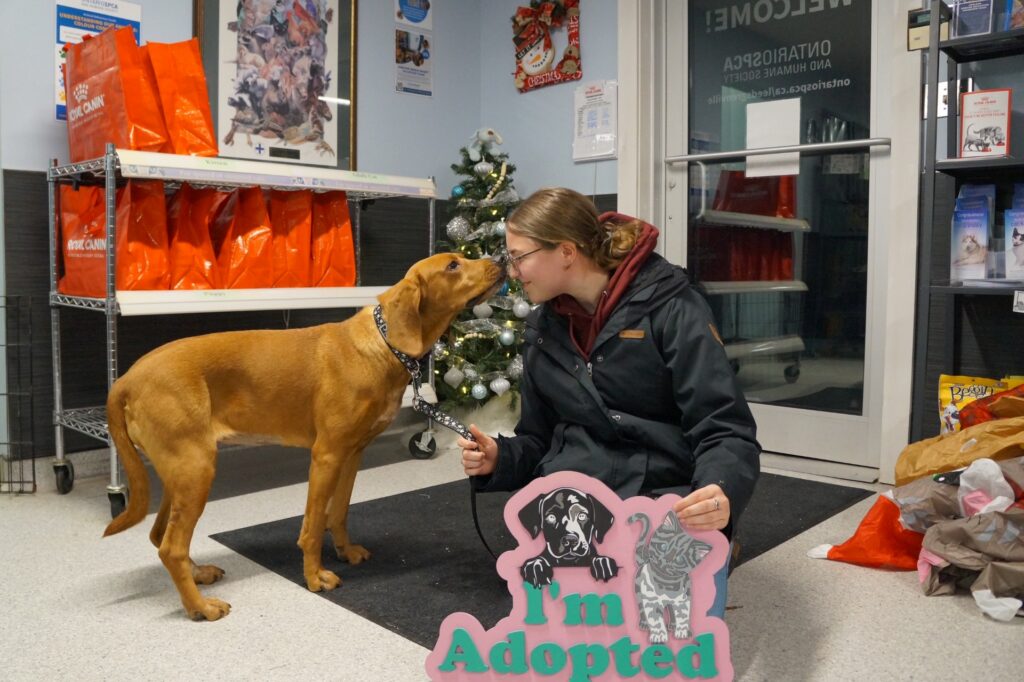
When Rusty first arrived in the care of the Ontario SPCA and Humane Society, the world felt impossibly big to the two-year-old hound. She had spent her entire life outdoors before coming to us for rehoming. Her very first car ride left her so overwhelmed that she needed to be carried inside. But even in those first unsure moments, her sweetness was unmistakable; she was shy and gentle.
Finding her footing
During her first week at the Ontario SPCA and Humane Society Renfrew County Animal Centre, Rusty tucked herself into the back corner of her kennel, silent and still, taking in the unfamiliar sights, sounds, and smells.
By week two, small changes began to appear. She started peeking out more often, showing sparks of curiosity and cautiously approaching her animal care team and volunteers. Her progress came in tiny steps: a longer pause at the kennel door, a soft tail wag, a willingness to explore the outdoor run. She was beginning to let the world in.
Strength in companionship
Rusty wasn’t alone in her journey. Two other dogs she had lived with, Sandy and Lacey, were also brought to the centre for rehoming during this time. Together, they discovered new experiences and learned to trust.
“Watching the three of them interact, play, and grow together was truly beautiful,” says Heather Jobe, Community Outreach Coordinator, Renfrew County Animal Centre. “Their bond helped them all build confidence day by day. Seeing them blossom has been a privilege.”
Holiday wishes come true
Rusty had never experienced the comfort of a home before – something her animal care team hoped she would find over the holiday season.
Rusty’s holiday wishes were granted just days after the Ontario SPCA’s Home for the Holidays campaign began. She has now settled into her home, discovered warmth, safety, and love – the best holiday gift she could have asked for.
As a registered charity that does not receive annual government funding, the Ontario SPCA depends on the generosity of donors to change the lives of animals in need. If you want to help animals like Rusty find their loving homes, please consider donating today.
Winter in Ontario can be beautiful, but just like for us, the colder months can bring a unique set of health challenges for our pets. From stiff joints to dry, itchy skin and weakened immune systems, winter can take a toll on both cats and dogs.
Prevention and awareness are key to keeping pets comfortable, healthy, and happy year-round. Here’s how winter affects your pet’s health and what you can do to support them.
Joints, stiffness and arthritis
Cold weather can be especially hard on pets with joint issues. Just like people, dogs and cats may experience increased stiffness, reduced mobility, and discomfort in colder temperatures. Pets with arthritis, past injuries, or age-related joint degeneration are particularly vulnerable.
Signs:
- Hesitation to go for walks or climb stairs
- Slower movement or stiffness after resting
- Limping or difficulty getting up
What you can do:
- Keep walks shorter but more frequent to maintain mobility
- Consider fitting your dog for a winter coat
- Provide warm, padded bedding away from drafts
- Maintain a healthy weight to reduce strain on joints
- Talk to your veterinarian about joint-support supplements or pain management options
Dry skin and coat issues
Winter air tends to be dry, and that dryness can affect your pet’s skin and coat. Indoor heating strips moisture from the air, often leading to flaky skin, itchiness and dull fur.
Signs:
- Increased scratching or licking
- Dandruff or flaky skin
- Brittle or thinning fur
What you can do:
- Limit bathing and use pet-safe moisturizing shampoos
- Ensure a balanced diet with essential fatty acids
- Use a humidifier in your home, if possible
- Always provide fresh water to support hydration
- Consult a veterinarian as it could be a sign of other underlying health issues
Immune health during the colder months
Winter can put additional stress on your pet’s immune system. Less outdoor activity, reduced sunlight, and increased exposure to germs can all play a role.
What you can do:
- Keep vaccinations up to date
- Feed high-quality, nutrient-rich food
- Encourage safe indoor play to maintain physical and mental health
- Watch for early signs of illness, such as lethargy or changes in appetite
- Regular veterinary checkups should be performed to ensure there is no health concerns
Winter doesn’t have to mean discomfort for your pet. With a little extra attention and proactive care, you can help them stay active, comfortable, and healthy through the colder months.
If you notice changes in your pet’s mobility, skin, or overall behaviour, it’s always a good idea to consult your veterinarian.
Together, we can ensure every pet feels safe, supported and cared for no matter the season.
If this information was helpful, please help us continue to educate about pet health and well-being by making a donation. As a registered charity that does not receive annual government funding, the Ontario SPCA and Humane Society depends on the generosity of donors to change the lives of animals in need.
Few things test a dog parent’s patience like a pair of hopeful eyes locked on your dinner plate. While sharing food may feel harmless, or even loving, table feeding can quickly turn into an unhealthy habit that’s hard to break.
The good news is, with consistency and a little planning, you can train your dog to stop begging or sneaking food from the table.
Why table feeding is a problem
When dogs are fed from the table, they learn that begging works. Over time, this behaviour becomes reinforced, making it more persistent. Human food can also be high in salt, fat, or ingredients that are unsafe for dogs, leading to digestive upset, weight gain, or potentially life-threatening consequences. Teaching your dog to stay away from the table protects both their health and your mealtimes.
Set clear boundaries
The most important step is consistency. Everyone in the household needs to agree: no food from the table. Even the occasional “just this once” teaches your dog that waiting long enough pays off. Clear, predictable rules help dogs understand appropriate behaviour.
Create a positive alternative
Instead of focusing on what your dog shouldn’t do, give them something they can do. Feed your dog their meal before you sit down to eat or provide a long-lasting chew toy during mealtimes. This keeps them occupied and builds a positive association with staying away from the table.
Teach a “stay” or “place” cue
Training your dog to go to a designated spot, like a bed or mat, during meals can be incredibly effective. Start by rewarding your dog for staying on their mat for short periods, then gradually increase the duration. Over time, your dog will learn that relaxing away from the table earns praise and treats.
Avoid accidental rewards
Be mindful of dropped food. If scraps fall to the floor and your dog gets to eat them, the behaviour is reinforced. Clean up spills promptly and consider using baby gates or barriers if your dog is especially persistent while learning.
Be patient
Habits don’t change overnight. Stay calm, reward good behaviour, and avoid punishment as it can create anxiety and confusion. With patience and positive reinforcement, your dog can learn that mealtime manners are part of being a great companion.
By setting boundaries and offering better alternatives, you’re helping your dog stay healthy, happy, and well-mannered while you can enjoy your dinner in peace.
If this information was helpful, please help us continue to educate about pet health and well-being by making a donation. As a registered charity that is 100 per cent donor funded, the Ontario SPCA and Humane Society depends on the generosity of donors to change the lives of animals in need.