IMMEDIATE RELEASE
SUDBURY, ON (July 31, 2025)— The Ontario SPCA and Humane Society, in partnership with Collège Boréal, is pleased to announce the opening of the Ontario SPCA Sudbury Regional Veterinary Clinic.
Located at 21 Lasalle Blvd. on the Collège Boréal campus, the new clinic offers spay/neuter and basic veterinary services for publicly owned dogs and cats, local rescue organizations, and animals in the care of the Ontario SPCA Sudbury & District Animal Centre.
This initiative is a direct result of the Ontario SPCA’s strategic commitment to increasing access to veterinary services across the province and supporting animal welfare in the North.
In addition to providing essential care, the clinic also supports the training of future veterinary professionals. It serves as a hands-on learning facility for students enrolled in Collège Boréal’s Veterinary Care Technician program, preparing graduates to meet the rising demand for veterinary services in their communities.
“This partnership not only helps us provide access to veterinary services in the community, but it also helps us train more veterinary professionals,” says Sonya Reichel, Vice President of Operations, Ontario SPCA and Humane Society. “With veterinary shortages reaching crisis levels, particularly in Northern Ontario, this clinic is one step toward addressing the growing needs of the community.”
“Collège Boréal is proud to join this meaningful partnership that helps the Ontario SPCA Sudbury Regional Veterinary Clinic to offer accessible preventative care to animals in Northern communities,” says Paulette Bonin, Vice-President, Academic at Collège Boréal. “By working together, our students will also gain valuable experiential learning opportunities, enhancing skills in communication, teamwork, and professionalism. This collaboration enriches our curriculum, supports community health, and prepares future Registered Veterinary Technicians for success in today’s evolving veterinary care industry.”
Registration for a spay or neuter procedure at the new clinic will be available once a month on the Ontario SPCA’s website at ontariospca.ca/spayneuter, with the next registration taking place on Aug. 5, 2025.
##
Media Contact:
Media Relations
Ontario SPCA and Humane Society
905-898-7122 x 375
[email protected]
The Ontario SPCA and Humane Society
The Ontario SPCA and Humane Society is a registered charity that has been changing the lives of animals for over 150 years. The Society provides care, comfort and compassion to animals in need in communities across Ontario. It values all animals and advocates to treat them with respect and kindness. The Society strives to keep pets and families together and does so through a variety of community support services, such as sheltering and adoptions, including emergency sheltering, feral cat management programs, animal transfers, food distribution, humane education, animal advocacy, and spay/neuter services.
The Ontario SPCA does not receive annual government funding and relies on donations to provide programs and services to help animals in need. To learn more, or to donate, visit ontariospca.ca. Charitable Business # 88969-1044-RR0002.
The Ontario SPCA Sudbury Regional Veterinary Clinic is located on the traditional lands of the Atikameksheng Anishnawbek. The Greater City of Sudbury also includes the traditional lands of the Wahnapitae First Nation.
About Collège Boréal
Founded in Sudbury in 1995, Collège Boréal is a French-language postsecondary institution committed to the development and growth of the various Ontario communities it serves. With 34 sites including eight campuses in 27 communities, Boréal offers high-level expertise in postsecondary education with the highest graduate and employer satisfaction rates among Ontario’s 24 community colleges.
Its services also include basic training, apprenticeship, immigration and integration services, employment services, continuing education, customized training and applied research.
Collège Boréal’s Veterinary Care Technician program is proudly accredited by the Ontario Association of Veterinary Technicians (OAVT) and the College of Veterinarians of Ontario. This program also has a Certificate of Good Animal Practice (GAP) issued by the Canadian Council on Animal Care (CCAC) and is certified under the Animals for Research Act issued by the Ontario Ministry of Agriculture, Food and Agribusiness. For more details: visit collegeboreal.ca/en/programme/veterinary-care-technician.
Do you have exciting plans this long weekend with your furry friends? Whether you’re hiking, camping, or cottaging, we have some helpful tips to keep you and your companion animals safe.
Hiking
Whether it’s a small, local trail or a provincial or national park, there are many options available for taking a hike with your furry friend – just make sure the park is animal-friendly before going!
Hiking is a great way to get outside in nature. Not only is walking a pleasant activity and good exercise for you, it also has many health benefits for your dog. According to the ASPCA, walking your dog can improve their weight and body composition, joint health, digestive and urinary health. It can improve your dog’s mental and emotional health, as well!
Remember to keep your dog leashed while on the trail. This way, you can get to know how he/she will react to wildlife and other hikers on the trail. You’ll also want to check for fleas and ticks regularly and bring along water so your furry friend can rest and stay hydrated.
Did you know animals can also get sunburnt? Make sure to bring along pet-friendly sunscreen and apply it, especially around the nose and other less-hairy areas.
Read more about visiting a national park with your dog.
Camping
Similar to hiking, camping is a fun and active way to enjoy the great outdoors with your furry family members. However, there are a few things to take into consideration before heading out.
- If your dog likes to bark, it may be a good idea to sit this one out! Campsites do not permit excessive noise that might disturb others.
- Keep your dog on a leash at all times – this will prevent avoidable accidents from occurring.
- Always pick up and dispose of your dog’s waste. Some parks offer free dog waste bags, but you should bring your own just in case.
- Dogs can attract wildlife so keep an eye out! Additionally, make sure your dog is not chasing or harassing wildlife.
- Bugs can be pesky little things for you and your dog! Consult with your veterinarian about how to protect against them. Find out if your dog has fleas or ticks!. Read our blog on Heartworm.
Please note that not all campsites allow dogs, so check the regulations before you embark on your adventure! For more tips, as well as information on camp sites, visit ontarioparks.com
Cottage trip
Who doesn’t like a relaxing weekend at the cottage? While the cottage is the perfect place to kick back and relax, here are a few things to keep in mind:
- Your dog may have great recall at home, but the cottage can offer new and exciting distractions. Consider keeping your dog on a leash as a precaution.
- Find a life jacket that fits your dog properly for boating excursions, even if your dog is an excellent swimmer. Strong winds and waves may tire your dog more quickly should they fall overboard. Plus, you can use the life jacket to help grab your dog and pull them back on the boat should they end up in the water.
- Make sure your dog is up to date on their vaccines, as well as flea and tick medication and heartworm prevention.
- Ensure your dog has a collar with identification and is microchipped to help increase the chances of being reunited with you should he become lost.
Read more about cottage safety.
With these tips in mind, you’re good to go enjoy some fun long weekend activities with your furry friends and family!
If this information was helpful, please help us continue to educate about pet health and well-being by making a donation. As a registered charity that does not receive annual government funding, the Ontario SPCA and Humane Society depends on the generosity of donors to change the lives of animals in need.
IMMEDIATE RELEASE
Stouffville, ON (July 30, 2025) – As the long weekend approaches, the Ontario SPCA and Humane Society is reminding pet parents to plan ahead and keep animals safe – whether you’re heading to the cottage, hosting a backyard barbecue, or hitting the road.
Hot temperatures and busy holiday activities can be overwhelming, or even dangerous, for our furry friends. As part of its annual No Hot Pets campaign, the Ontario SPCA is urging everyone to take precautions and visit nohotpets.ca to pledge to keep animals safe in hot weather.
“Long weekends are a time to unwind, but we can’t forget about the needs of our animals,” says Jennifer Bluhm, Vice President, Community Outreach Services, Ontario SPCA and Humane Society. “With a bit of planning, you can help your furry companions stay safe, cool and comfortable all weekend long.”
The Ontario SPCA shares its top tips for keeping pets safe this long weekend:
Traveling – Never leave animals unattended in a vehicle, even for a quick stop. Cars can become dangerously hot in minutes, even if they are parked in the shade with the windows down. Plan pet-friendly stops if you must bring your animal, or leave them at home where they are safe and comfortable. Pet-friendly businesses can download a sign welcoming pets at nohotpets.ca
Camping – Keep your furry friends leashed at your campsite. Provide constant access to water and shade, and never leave your animal alone in a tent, camper, or vehicle.
Boating – Fit your animal with a lifejacket and ensure they stay hydrated and cool. Watch for signs of overheating, like excessive panting or drooling. If your boat doesn’t have a top or cabin where an animal can seek shade, leave them at home.
Backyard barbecues – Keep animals away from the grill and human food, especially foods that are toxic to animals, like onions, grapes, and alcohol. Set up a shady, quiet space for them to retreat from noise and crowds.
Cottage time – Ensure your furry family members have up-to-date ID tags or a microchip in case they wander off. Keep an eye on them around the water, and provide a cool, shaded area where they can relax.
Take the No Hot Pets pledge today at nohotpets.ca for a chance to win a YETI summer prize pack! You’ll also get access to hot weather safety resources, a downloadable toolkit, and tips to help spread the message in your community.
If you see an animal in distress, take action. Call the government’s Provincial Animal Welfare Services at 1-833-9ANIMAL or your local police. In an emergency, call 911.
Let’s make this long weekend safe and enjoyable for everyone – including our furry family members.
##
Media Contact:
Media Relations
Ontario SPCA and Humane Society
905-898-7122 x 375
[email protected]
About the Ontario SPCA and Humane Society
The Ontario SPCA and Humane Society is a registered charity that has been changing the lives of animals for over 150 years. The Society provides care, comfort and compassion to animals in need in communities across Ontario. It values all animals and advocates to treat them with respect and kindness. The Society strives to keep pets and families together and does so through a variety of community support services, such as sheltering and adoptions, including emergency sheltering, feral cat management programs, animal transfers, food distribution, humane education, animal advocacy, and spay/neuter services.
The Ontario SPCA does not receive annual government funding and relies on donations to provide programs and services to help animals in need. To learn more, or to donate, visit ontariospca.ca. Charitable Business # 88969-1044-RR0002.
The Ontario SPCA and Humane Society Provincial Office sits on the traditional territory of the Wendat, the Anishinabek Nation, the Haudenosaunee Confederacy, the Mississaugas of Scugog, Hiawatha and Alderville First Nations and the Métis Nation. This territory was the subject of the Dish With One Spoon Wampum Belt Covenant, an agreement between the Iroquois Confederacy and the Ojibwe and allied nations to peaceably share and care for the resources around the Great Lakes. The treaties that were signed for this particular parcel of land are collectively referred to as the Williams Treaties of 1923.
Bringing warmth, experience, and a deep sense of purpose to her role, Crystal Brain leads the Ontario SPCA York Region Animal Centre as manager. With a passion for both people and animals, she plays a vital role in guiding the centre’s day-to-day operations, supporting her team, and helping animals find loving homes. Her compassionate leadership is at the heart of everything she does, and we’re excited to help you get to know Crystal a little better – and learn more about the driving force behind her work.
A lifelong commitment to caregiving
Animals have been a part of Crystal’s life since childhood. Growing up in a home filled with furry companions taught her the values of empathy, responsibility, and unconditional love – principles that continue to guide her work today.
“Over the years, I’ve had the privilege of sharing my life with both dogs and cats, and that connection has only deepened my commitment to advocating for animals in need,” Crystal says.
Her professional journey began in healthcare and later expanded into animal welfare, allowing her to blend her passion for caregiving with her strengths in leadership and organization.
“I’ve always been passionate about making a meaningful difference in the lives of others – whether human or animal,” she says. “The opportunity to join the Ontario SPCA and Humane Society felt like a perfect alignment of my values.”
A day in the life at the York Region Animal Centre
Crystal’s role as manager is dynamic and hands-on. Her mornings often begin with checking in on the animals and the team, ensuring everyone is set up for the day ahead. From there, her responsibilities might include coordinating medical care for animals, reviewing adoptions, supporting staff, or working with community partners.
“No two days are ever quite the same, which is part of what I love about this role,” she says. “It’s a balance of strategic oversight and hands-on support.”
The fast-paced nature of the role is balanced by its rewards. For Crystal, one of the most fulfilling aspects is seeing animals go from fearful or vulnerable states to thriving in loving homes.
“Knowing that we’ve helped change the trajectory of that animal’s life – and in many cases, the lives of the people who adopt them – is why we do what we do,” she says. “I also find it deeply fulfilling to support and empower the staff and volunteers who make that work possible.”
One memorable case involved a one-year-old American Bulldog named Scooter, who presented with behavioural challenges and required time, structure, and patience. He was adopted and returned four times before finding his perfect match. During this time, Crystal and her team never gave up on him.
“He would get overstimulated very easily and become jumpy/mouthy, and given his size, this was challenging,” Crystal says. “Each time he was returned, he would be higher strung and less manageable.”
She adds, “Our team rallied around him, giving him the care he needed. We implemented a catered enrichment/training program for him to help curb his overstimulation and anxiety. After months of socialization, he found a home with a family who truly understood him. It reminded me how resilience and compassion can transform lives.”
Looking ahead
Crystal is passionate about expanding the Ontario SPCA York Region Animal Centre’s reach and impact in the community. Her focus is on strengthening the animal centre’s role not only as a safe haven for animals in need, but also as a trusted resource for pet parents and animal lovers throughout the region.
“We’re not just here for the animals in our care,” she says. “We’re here for the people who love them, too. Whether it’s through outreach, education, or partnerships, I want people to know that we’re a resource they can turn to.”
Life beyond the centre
At home, Crystal and her family share their home with a 15-year-old Border Collie mix named Carlie, a 17-year-old cat named Jack, and a spirited hamster named Stormcloud. Each has their own personality and quirks – and each reminds her daily of the importance of her work.
“They’re not just pets – they’re family.”
When she’s not at work, Crystal enjoys spending time outdoors, exploring nature, and relaxing with her family. She also has a personal interest in maternal health and early parenting support.
“It might seem unrelated, but at the core, it’s about nurturing, advocating, and helping others through challenging transitions,” she says. “That through-line of care and compassion is central to everything I do.”
Join us
The Ontario SPCA and Humane Society has a wide variety of career opportunities supporting animal well-being across the province of Ontario. To learn more, visit: ontariospca.ca/employment
IMMEDIATE RELEASE
Petawawa, ON (July 28, 2025) – Grab your paddle (and your pup!) for the 5th Annual Ottawa Valley Doggy Paddle Fundraiser on Sunday, Aug. 10 at Petawawa Point Beach. Presented by End of the Leash, and in partnership with the Water and Dirt Festival, this splash-tastic event supports the Ontario SPCA Renfrew County Animal Centre.
Whether you canoe with your canine, kayak for a kitten, or SUP with your pup, the Doggy Paddle is a fun way to make waves for a good cause. All proceeds stay local, helping the Renfrew County Animal Centre continue to provide care, shelter, and support to animals across the region.
No furry sidekick? No problem! Bring your two-legged friends and enjoy a morning on the water, followed by lunch and entertainment. Don’t have your own canoe, kayak or paddleboard? The Renfrew County Animal Centre can help you source one so you can still get in on the action.
Check in begins at 9 a.m., with the Doggy Paddle hitting the water at 10 a.m. for an approximately one-hour paddle. Lunch and more fun will follow with live music, face painting, a hydration station, cool treats for your furry pal, a raffle and a 50/50 draw. There will also be an art station where your dog can create their own Pawcasso masterpiece. The cost for the event is $60/adult and $40/youth under 18 years of age. Registration includes a branded shirt, meal, and event swag.
For those looking to turn up the friendly competition, the Community Relay Race is back! Round up your crew and paddle for the podium in this high-spirited challenge that will test your paddling skills, rubber duck wrangling, and treasure hunting abilities.
“Where else can you paddle with your pup, race for rubber ducks, and help animals in need – all before lunch?” says Heather Jobe, Community Outreach Coordinator, Ontario SPCA Renfrew County Animal Centre. “The Doggy Paddle is the ulti-mutt feel-good fundraiser for animal lovers.”
Spaces are limited – register early to secure your spot and support local animals in need! As a registered charity that is 100 per cent donor funded, the Renfrew County Animal Centre depends on community support to change the lives of animals. Visit ontariospca.ca/renfrew to register or learn more.
##
Media Contact:
Heather Jobe
Community Outreach Coordinator
Ontario SPCA Renfrew County Animal Centre
(613) 602-0760
[email protected]
The Ontario SPCA and Humane Society
The Ontario SPCA and Humane Society is a registered charity that has been changing the lives of animals for 150 years. The Society provides care, comfort and compassion to animals in need in communities across Ontario. It values all animals and advocates to treat them with respect and kindness. The Society strives to keep pets and families together and does so through a variety of community support services, such as sheltering and adoptions, including emergency sheltering, feral cat management programs, animal transfers, food distribution, humane education, animal advocacy, and spay/neuter services.
The Ontario SPCA does not receive annual government funding and relies on donations to provide programs and services to help animals in need. To learn more, or to donate, visit ontariospca.ca. Charitable Business # 88969-1044-RR0002.
The Ontario SPCA Renfrew County Animal Centre is situated on the traditional, unceded and unsurrendered territory of the Algonquin people. We also recognize the enduring presence of all First Nations, Métis & Inuit peoples.
This summer, we’re asking you to help keep animals safe by taking the No Hot Pets pledge to never leave animals unattended in a vehicle. To help you keep your pledge, today we’re sharing some “cool” and “not cool” decisions you can make while travelling with your animals.
Not cool
You’re on a road trip and you go into a restaurant for a sit-down meal while you leave your animal in your car, parked in the shade with the window open.
Cool
Instead of dining in, you get your food to go or pack a meal for the road! Parked cars can quickly reach deadly temperatures, even on relatively mild days with the car parked in the shade and the windows open.
Not cool
You’re on your way to the park to take your dog for a walk when you realize you need to make a stop at the grocery store. You run in quickly to pick up what you need, leaving your dog in the parking lot, and then continue on to the park.
Cool
You plan your grocery trip at another time so you can bring your dog straight to the park and straight home again.
It doesn’t take long for parked cars to quickly reach deadly temperatures. For the safety of your furry friend, leave them at home where they are comfortable and safe if you’re unable to bring them with you when you leave your vehicle. If something unexpected were to delay you from returning to your vehicle, such as a long lineup or a medical emergency, it could cost your furry friend their life.
Not cool
You’ve prepared all the road-trip essentials for yourself and your family – snacks, drinks and tunes! You forget, however, to bring along a dog bowl and water for your furry friend.
Cool
Before heading out on your road trip, you make sure to have snacks and water for your furry friend, as well as yourself! You also make sure to note the signs of dehydration, so you can ensure your animal is comfortable and safe on the drive.
Not cool
While heading into the mall, you see a dog barking inside a vehicle, with no guardian in sight. You figure they’ll be back soon and walk away to continue your shopping.
Cool
When you see an animal left unattended in a vehicle, you follow the Ontario SPCA and Humane Society’s recommended steps! To report an animal left unattended in a vehicle, call Provincial Animal Welfare Services at 1-833-9Animal, or your local police. If you see an animal in immediate danger, call 911. Take down the license plate of the car and try to get someone close by to go into nearby businesses and have the owner paged back to the car, while you stay with the animal.
No Excuses. No Hot Pets.
Visit nohotpets.ca to pledge that you will never leave an animal unattended in a vehicle. If you can’t take your animal with you, leave them at home where they are safe.
You can also help save an animal’s life by sharing the No Hot Pets message on social media using the hashtag #nohotpets, asking your municipality to enact a bylaw to prevent animals from being left unattended in vehicles, and supporting businesses that welcome animals in their store.
Visit nohotpets.ca to learn how you can get involved.
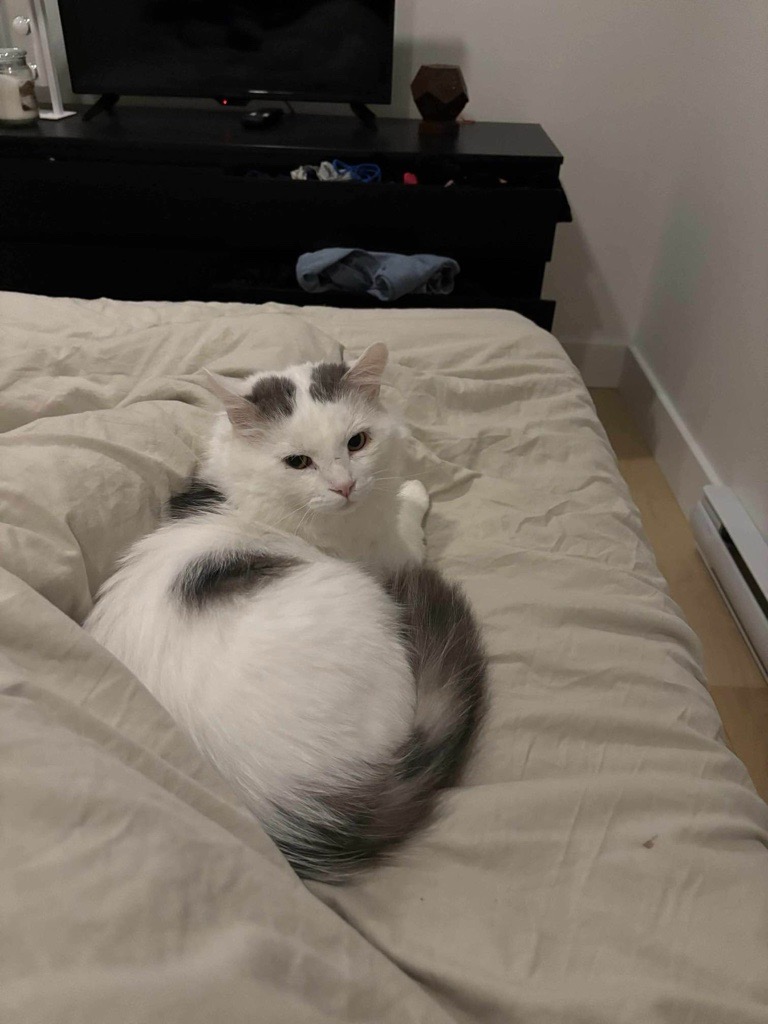
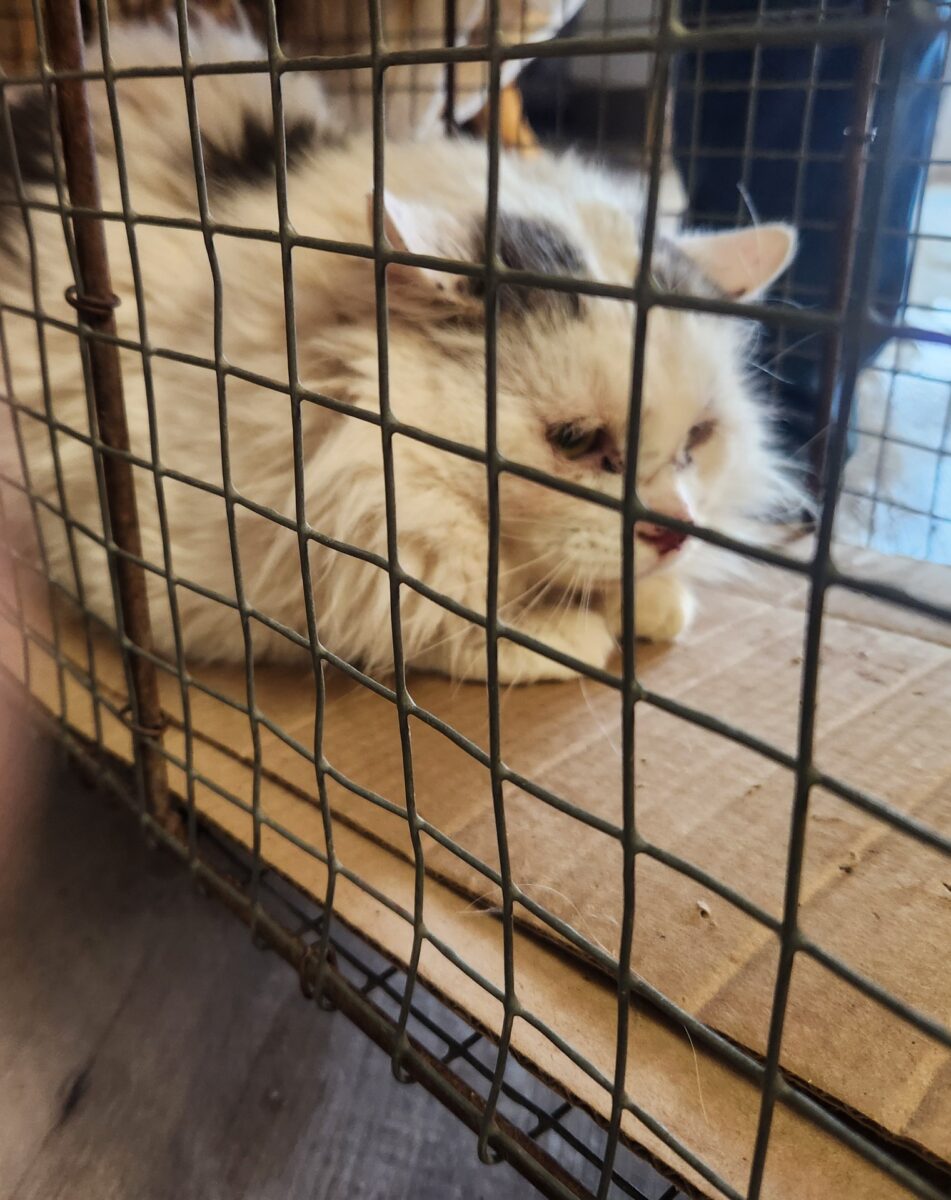
When a stray cat was brought into the Ontario SPCA Renfrew County Animal Centre by a concerned community member, staff immediately knew he was special.
“His adventure has been so heartwarming!” says Ontario SPCA Renfrew County Animal Centre Manager Amanda Eckersley.
With his pink nose, almost naked rounded ears, and shining black eyes, our Registered Veterinary Technician April Sereda-Ashcroft immediately saw a resemblance between the long-haired feline and an opossum. She dubbed him “Opawsome,” and his recovery journey began.
Community teamwork
Opawsome, now affectionately known as “Opie,” is a shining example of the profound impact teamwork can have on the life of an animal in need. When Opie arrived at the centre, tests showed he was suffering from a broken pelvis and was FIV positive. The medical team also started a care plan for a handful of other ailments.
His animal care team fell in love with Opie right away.
“He is a very special boy indeed!” says Amanda. During six weeks of rest to allow the cat’s broken pelvis to heal properly, he began to thrive. When Opie was ready to find his forever home, his care team launched “Mission Opawsomable,” featuring this sweet cat on social media, and sharing his story with local media outlets. The community rallied together to help Opie find a loving home.
A happy ending
“There were so many hands that came together to help this boy. His happy tale was truly a community effort,” Amanda says. His adoption fee was even fully sponsored by a generous supporter who is also a volunteer at the centre.
Opie was adopted in April and now enjoys plenty of love and attention from his pet parents.
As a registered charity that does not receive annual government funding, the Ontario SPCA and Humane Society depends on the generosity of donors to change the lives of animals in need, like Opawsome. Please consider donating today.
Everyone is trying to enjoy the summer in their own way, and cats are no exception! Have a cat who wants to explore the great outdoors? We have tips to help make supervised outdoor time possible with your cat.
Fenced-in or screened porch/catio
Using a fenced-in or screened-in porch or patio gives you the ability to watch your cat to make sure they are safe. Cat enclosures, dubbed “catios,” are another alternative.
Did you know that the Ontario SPCA and Humane Society has catios for cat enrichment? Currently our Muskoka, Midland, Brockville and Napanee animal centres have outdoor space for cats.
Catios are a wonderful form of enrichment. It gets them out in the fresh air and in a new environment.
The Midland & District Animal Centre has two 10’ x 15’ completely mesh-enclosed catios. They have wind chimes on the ceilings, and twirly toys outside for the cats to watch.
To keep your feline friends at home comfortable while providing outdoor enrichment, be sure to put food, water, and a litter box inside the enclosed area they are enjoying. Protection from the elements is also very important, including a shady area from the sun. You can also put a bird feeder at a safe distance from the enclosure, so the cats can engage safely.
Walks with a leash or collar
Some cats can also tolerate a leash and collar, or leash and harness. If you want to introduce this technique, do so at a low-stress time. Using treats as the harness is introduced can also be effective.
Rubbing the harness or brushing it against your cat’s fur can help with the initial introduction. This will get their scent on it so it will feel more familiar. Connect the collar or harness with good experiences, such as treat time.
Not sure how to introduce your cat to a collar, learn more by visiting our blog, How to train your cat to wear a collar.
Keep in mind that any collars or harnesses being left on long-term when your cat isn’t being monitored closely should be breakaway collars or harnesses to prevent them from becoming trapped/caught on something.
By providing your feline friend with supervised outdoor time, or allowing them to explore from a catio or enclosure, you are helping keep your cat safe and comfortable while still getting the enrichment of the outdoors.
If this information was helpful, please help us continue to educate about pet health and well-being by making a donation. As a registered charity that does not receive annual government funding, the Ontario SPCA and Humane Society depends on the generosity of donors to change the lives of animals in need.
As we transition into spring and start spending more time outside with our pets, it is important to remember some tick prevention tips for your furry friend. Ticks can be harmful to your dog and can transmit Lyme disease. Ticks can also be passed on through contact with other animals, so it’s always important to check for ticks after your dog has been out playing with friends!
Here is an overview of what ticks are and how to prevent them:
What are ticks?
- Ticks are members of the spider family and are strong biters. They are attracted to body motion, body heat and carbon dioxide.
- Ticks are ground dwellers and are found on low shrubbery and long grass
- They can be most commonly found on the body parts of your dog that are closest to the ground. These include the neck, head, around the ears, the front of the chest and the underside of the chest.
- Ticks can transmit Lyme disease, a serious illness which can spread by the bite of infected blacklegged ticks. When a tick bites and begins to feed, the bacteria in the tick’s stomach begins to migrate via the bite wound to the blood stream of the dog who has been bitten. This can take four to five days to occur, so the longer the tick remains on the animal, the higher the risk of Lyme disease.
Tick prevention
- There are some tick products that kill ticks before they can infect your furry friend. Speak to your veterinarian about which tick prevention products are best for your dog.
- Make it a habit to check your dog every time you come in from a walk or after they have been playing outside. Don’t forget to check their underside!
- Early detection is always best for treating ticks. If you find a tick on your animal, put the tick in a plastic bag and bring it to your veterinarian for identification.
Tick removal
- Removing ticks improperly can cause many problems. You can develop a preventative program with your veterinarian to ensure you are taking the right precautions and know how to properly remove ticks.
Along with ticks, fleas can also become a problem for your animals as the weather warms up. Find out how to prevent, remove and treat fleas here.
If this information was helpful, please help us continue to educate about pet health and well-being by making a donation. As a registered charity that does not receive annual government funding, the Ontario SPCA and Humane Society depends on the generosity of donors to change the lives of animals in need.
Renovating your home can be exciting but also stressful for both you and your four four-legged family members. However, with a little planning and some pet friendly strategies, you can keep your dog or cat safe, comfortable, and calm throughout the process. Here are some practical tips to guide your next renovation:
Minimize stress with a safe retreat
Construction noise, unfamiliar workers, and shifting furniture can leave pets feeling anxious. Set up a quiet “renovation refuge” in a low traffic area, ideally a spare bedroom or den where your pet has access to their bed, water, toys, and a few chews. It’s also important to try and keep their daily routine consistent to help maintain a sense of security.
Protect indoor air quality
Dust, chemical odours, and volatile organic compounds (VOCs) from paints, stains, and adhesives can irritate sensitive lungs. Opt for low or zero VOC paints, sealants, and finishes labeled “pet safe” or “non-toxic.” Seal work areas off with plastic sheeting and use HEPA filter air purifiers to capture airborne particles. If possible, schedule heavy sanding or painting when your companion animals can stay with a friend or at daycare to minimize exposure.
Crate training as a comfort zone
A well introduced crate can become your furry friend’s personal den during chaotic renovation days. Begin crate training well before the work begins. Feed meals in the crate, leave the door open with beloved toys inside, and gradually increase “crate time” paired with positive reinforcement. During noisy or disruptive phases, a calm, crate trained dog or cat will often choose to rest in their familiar, secure space.
Read Crate Training Tips for more information.
Choose durable, pet friendly materials
While not strictly about stress or safety, selecting scratch and stain resistant flooring (like tile or vinyl plank) and washable wall finishes will protect your investment and make cleanup easier once construction wraps up. Slip resistant surfaces help prevent injuries, and rounded corners on new cabinetry can reduce bumps and bruises during excited play.
By anticipating your pet’s needs and building in safe havens, you’ll keep tails wagging and purrs rumbling through every hammer strike and coat of paint. A thoughtful, pet-centric approach ensures that your renovation enhances rather than disrupts your home’s harmony for every member of the family.
If this information was helpful, please help us continue to educate about pet health and well-being by making a donation. As a registered charity that does not receive annual government funding, the Ontario SPCA and Humane Society depends on the generosity of donors to change the lives of animals in need.
While your dog won’t be looking at the clock and reading the hour and minute hands to tell time, they can absolutely sense the passing of time. Especially when you have been away from the house for awhile!
Dogs can start to anticipate certain time events based on a consistent schedule, such as when you leave or come home from work. Some dogs may enjoy their alone time to relax or play with their toys, while others may experience separation anxiety and feel stressed when you’re gone. Here are just a few tips to help them pass the time while you’re away.
Open the curtains
While you aren’t home, leave the curtains to a window or two open so your dog can watch the world outside. This can keep them occupied and stimulated! However, if they have a temperament that tends to get upset at seeing other dogs or people, then this tip may not be for you.
Establish background noise
Whether it is leaving some music playing or leaving the TV tuned to an animal channel, some background noise can help your dog feel less alone than a quiet house and decrease the likelihood of them getting into trouble!
Leave time-consuming treats
A treat that will take them awhile to finish or stuffing a toy with treats or peanut butter (xylitol-free) will help pass some time. Hiding small handfuls of their kibble around your home, or puzzle toys can also help them entertain themselves and stimulate their brains.
Doggy daycare
If you find your furry friend still struggles with separation and alone time, doggy daycares are a great alternative. It can help them socialize with other dogs at the daycare and not notice the time apart nearly as much.
If this information was helpful, please help us continue to educate about pet health and well-being by making a donation. As a registered charity that does not receive annual government funding, the Ontario SPCA and Humane Society depends on the generosity of donors to change the lives of animals in need.
IMMEDIATE RELEASE
Cornwall, ON (July 15, 2025) – In an effort to help protect animals and support pet families, the Ontario SPCA and Humane Society hosted a vaccination clinic on July 13 at the Agora Catholic Centre/Nativity Bowling Alley in Cornwall. The clinic provided free wellness resources and vaccinations – including the parvovirus vaccine – to 62 dogs whose families may otherwise face barriers to veterinary care.
The event was open to individuals referred through social service agencies, those receiving social assistance, and members of First Nations communities. In addition to the parvo vaccination, attendees had access to vital outreach services. A total of 2,100 lbs of dog food, cat food and litter were provided, as well as leashes, collars, toys, and more, ensuring that animals are not only protected, but also supported with the essentials they need to thrive.
“Parvovirus is highly contagious and can be deadly, but it’s preventable with vaccination,” says Bonnie Bishop, Eastern Regional Manager, Community Outreach Services, Ontario SPCA and Humane Society. “This clinic helped remove barriers to care, while also connecting families with the resources they need to keep their animals safe and cared for.”
An upcoming booster clinic will be held at the same location on August 10 to ensure follow-up care is accessible for the animals seen at this clinic.
In response to a spike in deadly parvovirus cases in the Cornwall area in 2017, the Ontario SPCA’s community outreach team began holding annual parvo vaccine clinics. By 2019, 450 dogs had been vaccinated against the life-threatening illness, and only three cases of the parvovirus were reported in the community that year. The Ontario SPCA is grateful to all partners, volunteers and donors who help make these vaccination events possible.
For more information on how to support community outreach efforts, visit ontariospca.ca/communitysupport
#
Media Contact
Arianne Kirkey
Community Outreach Coordinator,
Ontario SPCA Stormont, Dundas & Glengarry Animal Centre
(613) 937-7622
[email protected]
The Ontario SPCA and Humane Society
The Ontario SPCA and Humane Society is a registered charity that has been changing the lives of animals for over 150 years. The Society provides care, comfort and compassion to animals in need in communities across Ontario. It values all animals and advocates to treat them with respect and kindness. The Society strives to keep pets and families together and does so through a variety of community support services, such as sheltering and adoptions, including emergency sheltering, feral cat management programs, animal transfers, food distribution, humane education, animal advocacy, and spay/neuter services.
The Ontario SPCA does not receive annual government funding and relies on donations to provide programs and services to help animals in need. To learn more, or to donate, visit ontariospca.ca. Charitable Business # 88969-1044-RR0002.
The Ontario SPCA Stormont Dundas & Glengarry Animal Centre is located on the lands of the Akwesasne Mohawks and their ancestors. We also acknowledge the Algonquin, Haudenosaunee (Ho-den-oshow-nee) (Iroquois), Huron-Wendat (huron-wen·dat), and Abenaki who are neighbours and partners to the Akwesasne Mohawk.