As the snow melts and the days get longer, spring is the perfect time to refresh your pet’s grooming routine. Seasonal changes can bring shedding, muddy paws, and even new skin sensitivities, so a little extra care goes a long way in keeping your furry friend comfortable and healthy.
Here are some simple and effective spring grooming tips to help your pet transition into the warmer months.
Seasonal shedding and bathing
Many pets shed their thick winter coats in the spring, which can lead to excess fur around your home and on your clothes. Regular brushing helps remove loose hair, reduces matting, and keeps your pet’s coat looking its best.
Not only does brushing control shedding, but it also helps distribute natural oils for a healthier, shinier coat.
Spring can also bring about more outdoor adventures and more dirt. While it may be tempting to bathe your pet frequently, too many baths can dry out their skin. Use a gentle, pet-safe shampoo, bathe only when necessary, and rinse thoroughly to avoid irritation.
If your pet gets muddy paws, a quick rinse or wipe-down can be a great alternative to a full bath.
Check ears and eyes
Warmer weather can increase the risk of ear infections, especially in pets who love water.
- Gently check ears for redness, odour, or buildup
- Keep ears clean and dry
- Watch for excessive scratching or head shaking
Also keep an eye on tear staining or discharge around the eyes, and gently clean as needed.
Trim nails regularly
With more outdoor activity, it’s important to keep your pet’s nails at a healthy length. Overgrown nails can cause discomfort, affect how your pet walks, and increase the risk of snagging. Nails should be trimmed every 3-4 weeks. If you hear clicking on the floor, it may be time for a trim.
A professional groomer or veterinarian can help if you’re unsure how to do it safely. Learn more about how to trim your pet’s nails.
Parasite prevention
Spring marks the return of fleas, ticks, and other parasites. Grooming time is a great opportunity to check your pet’s skin and coat.
- Look for small dark specks or ticks
- Use veterinarian-recommended flea and tick prevention
- Pay close attention after walks in grassy or wooded areas
Find out if your furry friend has fleas in 2 easy steps!
Make grooming a positive experience
Grooming should be a calm and positive time for your pet. Use treats and praise, start slowly, and keep sessions short and gentle.
Spring is all about renewal, and your pet deserves to feel their best as the season changes. With regular grooming and a little extra attention, you can help keep them comfortable, clean, and ready to enjoy everything spring has to offer.
If this information was helpful, please help us continue to educate about pet health and well-being by making a donation. As a registered charity that does not receive annual government funding, the Ontario SPCA and Humane Society depends on the generosity of donors to change the lives of animals in need.
Discover a new way to incorporate leafy greens into your small animal’s diet in a fun, natural and engaging way! Integrating a vegetable garden for them is a great way to provide enrichment for your little furry friends.
Get started on creating a garden for your small animals with our favourite tips below.
Carefully choose your plants
There are many plants that are beneficial to include in a garden for small animals.
“Leafy greens are fantastic – romaine lettuce, green leaf lettuce, butterhead or bibb lettuce,” says Jocelyn Rutgers, Registered Veterinary Technician at the Ontario SPCA Midland & District Animal Centre “Many herbs are also a great choice, and are very easy to grow; basil, cilantro, parsley, and mint are all great choices. Wheat grass is very fast growing and is enjoyed by many small animal species. Some fun veggies to grow include bell peppers (great for their high vitamin C content, especially for Guinea Pigs), cucumber and zucchini.”
She adds, “Everyone always wants to give their rabbits carrots, which you can certainly grow, but they need to be fed quite sparingly as they are high in sugar! If you want something really easy, dandelion greens are also enjoyed by small animals, and being a ‘weed’ they are fast to grow.”
Set a welcoming environment
If you want animals to enjoy your garden, it is crucial to avoid chemical herbicides, pesticides and fertilizers. Avoid damaging the health of natural organisms whenever possible, using organic methods to protect the balance of nature and prevent harm.
Deter unwanted visitors
To avoid unwanted visitors, plan for natural and manmade barriers. Organic deterrents can be helpful to rid your plants of harmful insects. For example, crushed eggshells on your garden base can help prevent unwelcome intruders. Encouraging natural predators such as frogs and birds can help lessen this burden.
Planting wildflowers such as Marigolds in your vegetable garden not only adds beautiful colour, but also gives the wildlife such as birds something to feast on rather than your veggies. To prevent wild animals from raiding all your veggies, consider heavily scented herbs like lavender to deter the deer from a certain crop.
By creating a safe, thoughtfully planned garden, you’re not only adding fresh, nutritious foods to your small animal’s diet, you’re also giving them a stimulating environment that supports their natural behaviours. From selecting the right plants to maintaining an organic, wildlife-friendly space, each step helps ensure your furry companions can explore, nibble and thrive safely. With a little care and creativity, your garden can become a rewarding space that benefits both you and your small animals all season long.
If this information was helpful, please help us continue to educate about pet health and well-being by making a donation. As a registered charity that does not receive annual government funding, the Ontario SPCA and Humane Society depends on the generosity of donors to change the lives of animals in need.
Providing your cat with the right litter box is essential for their comfort and well-being. With various options available, it can be overwhelming to choose the best fit for your feline friend. We’ve explored the different types of litter boxes to help you find the right one.
Open vs. covered litter boxes
The first decision to make is whether you want an open or covered litter box. Open litter boxes are spacious and provide easy access for your cat. They are a great choice for cats who may feel confined or claustrophobic in covered spaces. On the other hand, covered litter boxes offer more privacy for your cat and help contain odors. Some cats may not like the enclosed feeling, so it’s essential to observe your cat’s preferences.
Selecting the right size
Choosing the right size of litter box is crucial for your cat’s comfort. A litter box should be large enough for your cat to move around comfortably and turn without feeling cramped. If you have a kitten, consider the future growth potential when selecting the size. Cats generally prefer larger boxes, so opting for one that exceeds the minimum recommended dimensions is a wise choice.
Entrance design
The entry style of the litter box is another factor to consider. Traditional litter boxes have a low entry point, making them accessible for cats of all ages. However, if you have an elderly cat or a cat with physical limitations, consider a litter box with a lower entrance to make it easier for them to access and exit.
Self-cleaning options
For cat parents with busy schedules, self-cleaning litter boxes can be a game changer. These automated systems use sensors to detect when your cat has used the box and automatically scoop away waste, keeping the litter clean. While they can be convenient, it’s essential to introduce your cat to the new system gradually to ensure they feel comfortable using it.
Litter box material
Consider the material of the litter box, as it can impact both your cat’s experience and the ease of cleaning. Plastic is a common choice due to its affordability and lightweight nature. However, some cats may develop aversions to certain textures or materials, so if your cat seems hesitant, explore alternatives like stainless steel or high-quality, odor-resistant plastics. Cats also have a very strong sense of smell, so you may want to consider a non-scented litter in place of a scented litter.
Multiple boxes for multiple cats
If you have multiple cats, it’s essential to have multiple litter boxes. The rule of thumb is to have one litter box per cat, plus an additional litter box. Cats can be territorial (resource guarding), and providing separate spaces for each cat helps prevent conflicts and ensures that each feline friend has their private area. Place the boxes in quiet, easily accessible locations to accommodate the needs of all your cats.
Litter box location
Another important factor to consider is the location of the litter box. If you have multiple litter boxes for multiple cats, consider dispersing them around the house and make sure that there is one on each level. This will prevent one cat from getting territorial (resource guarding) over all the boxes and causing your other cats to have accidents elsewhere. Cats are also private about doing their business, so establishing litter boxes in quiet areas with less traffic will help encourage them to use the litterbox.
Having a hard time getting your cat to use the litter box? Check out our blog on troubleshooting litterbox issues.
Finding the best litter box for your cat involves factors like box type, size, entry style, and material. By observing your cat’s behaviour and preferences, you can choose a litter box that aligns with their needs, promoting a positive and stress-free litter box experience. Regular cleaning and maintenance are crucial to keep your cat’s space hygienic and comfortable. Remember, a well-chosen litter box contributes to a happier and healthier life for your beloved feline companion.
Visit the ontariospca.ca/blog for more tips on litter box maintenance and training!
If this information was helpful, please help us continue to educate about pet health and well-being by making a donation. As a registered charity that is 100 per cent donor funded, the Ontario SPCA and Humane Society depends on the generosity of supporters to change the lives of animals in need.
Clicker training is a fun and effective way to help teach a wide variety of animals, including cats and dogs. Unlike traditional training, which relies on commands and compliance, clicker training is more of a game.
Clicker training presents an interesting challenge to cats. Instead of simply being handed treats as freebies, your cat is inspired to exercise their intelligence and to figure out different ways they can earn rewards by problem solving. You will walk away from clicker sessions happy that your cat is repeating behaviours you like – and your cat will walk away certain that they are training you to click!
What is clicker training?
A clicker is a small plastic box with a flexible steel plate inside which, when pressed, makes a double click sound. It comes in many shapes and colours and is available at most pet stores. With the clicker you can make a distinct sound that tells your cat that they just did something you like (made the right choice) – and promises a reward.
When you don’t click and treat, you’re telling your cat they made the wrong choice and that they should try something else. Because the click is always paired with a treat, you motivate your cat to figure out what they just did “right,” to repeat it, and to come up with new ways they can earn rewards. Simply by rewarding the right choices and ignoring the wrong choices, the behaviours you like will begin to happen more frequently.
Clickers aren’t the only tools used to mark “right choices.” Trainers of deaf animals often use a flash of light. Many dog trainers use a sound or word such as “Yes.” With cats, the unique and precise sound of the clicker typically yields the best results.
What should you “click”?
Observe your cat and see what behaviours they perform naturally. For example, does your cat like to roll over on their back, retrieve crumpled balls of paper, jump onto different surfaces or take paw swipes at objects you dangle? Also, consider behaviours that are useful that you might want to encourage, such as coming when called, using their scratch pad or even staying still for short periods.
Clicking these and other behaviours can help inactive or elderly cats to become more playful and energetic, and overactive or aggressive cats to become calmer. Best of all, creating a new and fun way to communicate can bring you and your cat closer together. Below are three steps to help you and your cat discover the joys of clicker training.
Step 1: “Charging” your clicker. At first the clicker will be meaningless to your cat – just a plastic noisemaker. To make it valuable to your cat – and to make themmotivated to work for it – you need to associate it with food or something else the cat loves. This is called “charging the clicker.” To charge the clicker, simply click and immediately give your cat a treat. After a number of repetitions, you will start to see your cat look at you expectantly after each click in anticipation of a treat.
Some cats may be frightened of the click at first. To help prevent any fear, start by clicking with the clicker in your pocket, or with adhesive tape layered over the metal tab so the sound is muffled. Once the cat reacts positively to the clicker you can take it out of your pocket or get rid of the tape.
Step 2: Clicking behaviours you like. Start to click and treat when your cat does something you like. Correct timing is essential. If it’s a finished behaviour, such as lying down, click the moment they lie down. If it’s an ongoing behaviour, such as following you, you can click and treat periodically during the activity. Or, if you’re working on a larger training goal, such as getting your cat to come, break the training into smaller learning blocks and click and treat them for closer and closer approximations (think “baby steps”). This is called “shaping.” For example, you might click and treat your cat at first for simply turning their head towards you, later for taking several steps towards you, and finally for walking up to you.
Step 3: Adding a verbal cue. For some behaviours, such as “Come,” you may want to add a verbal cue. At this stage stick to clicking for the behaviour only when it follows the verbal cue – and ignore the behaviour when it is performed spontaneously. You can help your cat by trying to time it so that you say the word just before your pet is about to engage in the behaviour, or by encouraging them to perform (e.g. say “Come” then wave a treat or toy or shake their dinner so they start to approach).
Exercises to get you started. Below are a couple of clicker training exercises you can practice with your cat to get you started – and to help you start thinking about how to clicker train other behaviours you like. Remember, every cat is an individual and will be interested in different things. Make training fun, short (only a minute or two) and work with your cat’s natural abilities. If your cat doesn’t repeat the behaviour you like, they simply don’t get the treat. Never punish or reprimand your pet. Respect their right to walk away if they’re not interested.
Respond to their name. Begin by simply clicking and treating whenever your cat looks at you. Later, start saying your cat’s name in a friendly voice. If they look at you, click and treat. You may need to encourage them to look at you first by waving a toy or treat or shaking their food. You can toss the treat to them or give it to them when they come up to you to collect it. Once your cat responds reliably to their name, you can try using it to interrupt behaviours you don’t like, such as stalking.
Come. To start, click and treat whenever your cat looks at you or approaches. When they are responding well to the clicker you can introduce the word “Come.” Call out your cat’s name in a friendly tone and say “Come.” In the beginning you might click and treat your cat for simply turning their head towards you, later for taking several steps towards you, and finally for walking up to you. If they need encouragement, start by sitting on the floor, waving treats, shaking a toy or scratching the floor in front of you. Feed the treat by dropping it near you or give it to them from your hand when they come to collect it.
Training tips
- Keep your sessions as simple as possible. Reward all correct choices and ignore all wrong choices.
- Sessions should be short – two or three minutes is ample. Try to end the session before your cat gets bored.
- Start with a clear goal in mind. Break the task down into small steps. Only go to the next step when your cat has reliably mastered the first step. At times you may need to go back a step before moving forward.
- Ideally, the click should happen at the exact moment the behaviour occurs to give your cat a clear idea of the behaviour you want them to repeat. To practice your timing, try dropping a ball and clicking the instant the ball hits the ground.
- Use a special treat or favourite meal as a reward. If you’re using food, make sure it is broken into tiny pieces so that you are not overfeeding your cat. Train before meals – not immediately after.
- Training that fails is typically traced to one of three training errors: failing to click at the right moment, trying for too much too soon (you need to break the training goal down into smaller steps) and too few rewards (making the animal frustrated).
With these tips in mind, we hope that you give clicker training your cat a try for some fun bonding time!
If this information was helpful, please help us continue to educate about pet health and well-being by making a donation. As a registered charity that does not receive annual government funding, the Ontario SPCA and Humane Society depends on the generosity of donors to change the lives of animals in need.
For Dr. Joey Tang, veterinary medicine has always been about more than treating animals – it’s about giving them a second chance. Now, as Medical Director with the Ontario SPCA and Humane Society, he’s helping ensure more animals receive the care they need to thrive.
In this role, Dr. Tang will help lead and support veterinary care across the organization, playing a key part in advancing the Ontario SPCA’s priorities of ensuring the best possible support for the animals in our care, and inspiring healthy bonds between pets and people through accessible care, education and community collaboration.
A journey shaped by curiosity and compassion
For Dr. Tang, a career in veterinary medicine began with a moment of curiosity that never left him. Growing up with animals, he always had a natural love for them, but it was a single experience with his family dog that changed everything.
When his dog suddenly became sick, his family rushed her to the veterinarian. Within minutes, the vet diagnosed the issue and provided treatment that had her feeling better within days.
“I remember thinking, how did he know? My dog couldn’t talk, and we didn’t know what was wrong,” says Dr. Tang. “It felt almost magical.”
That moment sparked a lifelong interest in veterinary medicine. He went on to study at the Ontario Veterinary College, graduating in 2019, and spent five years in general practice before discovering a new path in shelter medicine.
Finding purpose in shelter medicine
Dr. Tang joined the Ontario SPCA in April 2024, bringing with him a strong clinical background and a desire to make a broader impact.
It didn’t take long for him to feel connected to the organization’s work.
“I fell in love with the stories,” he says. “Seeing an animal come in sick, scared, or neglected, and then watching them recover, grow, and find a loving home – that’s what makes this work so meaningful.”
He also highlights the importance of accessible veterinary care, something the Ontario SPCA continues to expand through its community clinics.
“In general practice, I often heard, ‘I can’t afford this,’” he says. “Being able to offer accessible services and give more animals access to care – that really resonates with me.”
A role rooted in collaboration and impact
As Medical Director, Dr. Tang’s days are dynamic and multifaceted, ranging from performing surgeries and supporting clinical teams to consulting complex cases and helping guide organization-wide medical protocols.
At the core of his role is collaboration. Working closely with registered veterinary technicians, animal care attendants, veterinarians, and leadership, he helps ensure animals across the province receive high-quality, compassionate care.
“They’re the ones on the ground, seeing these cases every day,” he says. “I want to help support them and make sure their voices are heard when it comes to improving animal care.”
Every animal adopted through the Ontario SPCA has a team behind them ensuring they are healthy, supported, and ready for their next chapter. From intake assessments and diagnostics to treatment plans and recovery, veterinary care plays a critical role in each step of that journey.
“Our goal is to make sure each animal is stable, comfortable, and ready to thrive in a home,” says Dr. Tang. “There’s a lot of care and collaboration that happens behind the scenes to make that possible.”
A story that stayed with him
One case that continues to stay with Dr. Tang is a young cat named Charlie, who was surrendered by her family for euthanasia after becoming severely ill.
Further assessment led to a diagnosis of Feline Infectious Peritonitis (FIP), a condition that now has emerging treatment options.
With quick thinking and a dedicated care plan, Charlie began treatment and within days, her condition dramatically improved.
“She went from being near death to acting like a normal, happy two-year-old cat,” he says.
After completing treatment, Charlie made a full recovery – an outcome that reflects the impact of compassionate, team-based care.
Life beyond the clinic
Outside of work, Dr. Tang’s life is just as full. He shares his home with two dogs and two cats, all adopted or rescued, and is currently preparing for an exciting new chapter: welcoming his first child this spring!
When he’s not working, you can find him spending time with his family, walking his dogs, or enjoying hands-on hobbies like arts and crafts.
A shared commitment to animals
For Dr. Tang, being part of the Ontario SPCA means being part of something bigger.
“Everyone here is working toward the same goal: improving the lives of animals and creating a better future for them,” he says. “That shared commitment is what makes this work so meaningful.”
We’re proud to have Dr. Joey Tang in this role and look forward to the continued impact he will make for animals and communities across Ontario.
Interested in joining the Ontario SPCA team? Visit our career page to learn more about employment opportunities.
Access to essential veterinary care in Durham Region has taken an important step forward. The Ontario SPCA and Humane Society has officially opened its Durham Region Veterinary Clinic to the public for spay/neuter surgeries.
Previously dedicated to animals in shelter care, the clinic is now offering these services to the public to help support pets and the people who love them. This expansion follows our successful high-quality, high-volume clinic model already in place in Barrie, Stouffville, and Sudbury, helping to increase accessibility to veterinary care in communities across the province.
Why spay/neuter services matter
Spay/neuter surgeries play a critical role in:
- Preventing unplanned litters
- Reducing the number of animals entering shelters
- Supporting responsible pet parenting
- Promoting long-term animal health
In Durham Region, demand for these services remains high, and many pet parents continue to face barriers when accessing veterinary care. Increasing availability is an important step toward supporting pet families.
Supporting communities across Ontario
In addition to opening the Durham Region Veterinary Clinic to the public, the Ontario SPCA and Humane Society has also recently increased surgery capacity at its Marion Vernon Memorial Animal Clinic in Barrie and its York Region Veterinary Clinic in Stouffville, and continues to operate a spay/neuter clinic in Sudbury.
This increase in surgical capacity is aimed at helping more local pet families access essential care – part of the Ontario SPCA’s ongoing commitment to expanding access to veterinary services. By making essential care available to more people, we aim to keep pets healthy, support families, and reduce the risk of animal homelessness in communities across Ontario.
Booking information
April registration opens on the Ontario SPCA’s website on Tuesday, April 7, 2026. Pet parents are encouraged to book early, as demand is expected to be strong.
To learn more or schedule an appointment, visit ontariospca.ca/spayneuter
As a registered charity that does not receive annual government funding, the Ontario SPCA and Humane Society depends on the generosity of donors to provide these vital programs and services. Please consider donating today.


Cats are beloved companions. Keeping them indoors can help protect them from injury, illness, and becoming lost, and with a few simple environmental changes, you can ensure they stay happy, healthy, and enriched.
Attention and play
Cats are extremely social beings, and they get lonely and crave attention just like people. Cats need emotional and playful stimulation to remain happy and secure. Take the time to pet your cat, reassuring them with soft, soothing words of love and encouragement. Using a grooming mitt or soft brush can also provide comfort and it improves their coat.
Food
Indoor cats do not burn as many calories as animals who venture outdoors, so it is important to moderate their meal portions and treat intake. A healthy weight will help keep your feline purring and prevent potential health implications.
Interactive toys and soothing music
Cats benefit from entertainment and musical stimulation just like their human counterparts. Invest in well-constructed, safe toys that encourage movement and a degree of prowess. Cats have a high prey drive, and toys are a great way to maintain that natural instinct safely.
Music, particularly classical, can pique your cat’s interest and awareness. An added bonus is that classical music has been shown to lower the stress level of animals who fear loud noises such as thunder.
Vantage point
Cats love looking out the window at scenery. Make sure your cat has access to a view while ensuring all windows and screens are safe and completely secure. Consider investing in (or constructing) a cat tree or a “catio.”
By following these tips, you can ensure your cat stays happy and engaged all day long!
If this information was helpful, please help us continue to educate about pet health and well-being by making a donation. As a registered charity that does not receive annual government funding, the Ontario SPCA and Humane Society depends on the generosity of donors to change the lives of animals in need.
Moving to a new home is a big change for your kitten. To help them settle and stay safe in their new environment, it’s really important to get prepared. Royal Canin will be with you every step of the way, starting with this comprehensive overview.
Getting ready for your kitten
There’s a lot to do to ensure you’re ready for the arrival of your new kitten. As well as buying the right equipment, you’ll need to prepare your home and family too. When thinking about how to prepare for a new kitten, key things to consider are:
- Kitten-proofing your home
- Buying the right kitten kit, such as a carrier, litter box, and toys
- Finding a veterinarian
- Choosing appropriate kitten food – you can discuss this with your breeder, shelter or veterinarian
- Preparing your family, pets, and visitors for your new addition
Prepare your house for a kitten
Kittens love to climb, explore, and hide. So it’s crucial to do some safeguarding in your home before you bring your kitten to make sure it’s safe for them. Here’s our checklist to help you prepare.
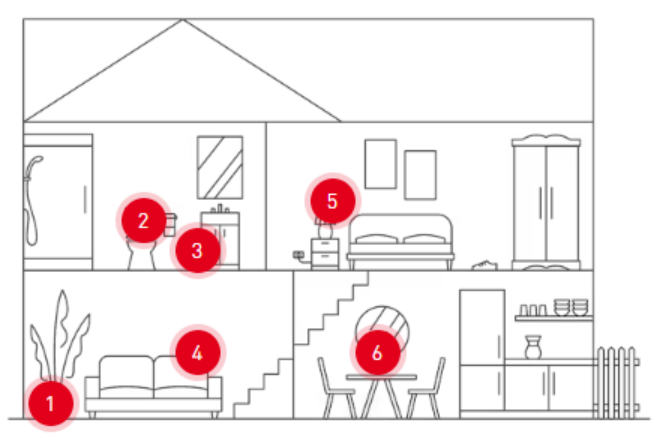
1.Toxic houseplants
There are some houseplants, like lilies, for instance, that can be toxic to your cat. Ask your veterinarian for a full list and, ideally, remove them from the house before the arrival of the kitten. See the ASPCA for a list of all toxic plants for your kitten.
2.Toilets and wastebaskets
To prevent your kitten from falling into your toilets or wastebaskets, make sure you keep the lids down. Also, keep your kitten away from any type of discarded string as they may become tangled in them or swallow them.
3.Dangerous substances
Make sure medicines, cleaning products, and other toxic substances are stored away safely. For example, some flea treatments for dogs are dangerous for cats and antifreeze is particularly lethal for them. See the ASPCA for a list of all toxic household substances.
4.Hiding places
Kittens tend to hide in places like laundry baskets, dryers, and under furniture. Spot the places where your kitten’s likely to hide and either block them off or be careful as you move around your home to make sure they don’t get trapped.
5.Electrical cables and outlets
To prevent your kitten from chewing on cables or getting tangled in wires, hide them away by using covers or cable ties. Remember to shield electrical outlets with covers.
6.Poisonous foods
Some of the foods that are healthy or enjoyable for humans can be poisonous for cats or cause digestive issues. These toxic foods include, but are not limited to, onions, garlic, raw eggs, raw meat, chocolate, cow’s milk, grapes, and raisins. So keep your food out of your kitten’s reach and make sure your family knows they should only feed them kitten food. See the ASPCA for a full list of all harmful foods for your kitten.
Spring is in the air, and so is the sound of tiny meows. Every year as temperatures warm and flowers begin to bloom, the Ontario SPCA and Humane Society braces for one of the busiest times of the year: kitten season.
Why spring means more cats
Cats are seasonally polyestrous, meaning they go through multiple reproductive cycles per year triggered by increasing daylight and warmer temperatures. As the days grow longer in late winter and early spring, female cats begin coming into heat more frequently, making April one of the peak months for feline births
A single unspayed female cat can have two to three litters per year, with an average of four to six kittens per litter. One female cat can produce as many as 120 kittens in her lifetime!
By the time April rolls around, our teams are already fielding calls from residents who have discovered litters of kittens in their yards, garages, and neighbourhoods.
What kitten season looks like at our centres
During kitten season, our animal centres across Ontario can see intake numbers spike. Neonatal kittens (those under four weeks old who still need to be bottle-fed) require round-the-clock care. Older kittens need socialization, vaccinations, and monitoring for common illnesses like upper respiratory infections. Mother cats arriving with their litters need quiet, low-stress spaces to nurse and bond with their young.
Our dedicated animal care staff and volunteers work tirelessly during this period, but the work doesn’t stop at medical care. We also focus on each cat’s emotional well-being.
The role of hiding and perching
Cats are both predator and prey by nature, and that dual identity shapes everything about how they experience the world. That’s why creating spaces that cater to cats’ natural instincts is so important.
Two of the most essential behaviours for feline well-being are hiding and perching:
Hiding: Cats are instinctively drawn to enclosed spaces as a source of security. Having a designated hiding spot gives cats a sense of control over their environment, dramatically reducing stress and anxiety levels. When a cat can choose whether it wants to be seen, rather than being exposed at all times, it makes a significant difference in how quickly they settle in.
Perching: Elevation is everything to a cat. High perches allow them to survey their surroundings, assess their environment, and satisfy their instinct to watch for potential threats. Perching also provides mental stimulation and physical exercise, keeping cats engaged and active, even while they await their loving home.
A safe haven for every cat
Thanks to a generous Pet Valu Companions for Change sponsorship, every cat in our care is provided with their very own cat cabin. These specially designed cardboard structures are more than just a cozy corner – they are built to support the hiding and perching behaviours that cats rely on to feel safe and in control.
Each cat cabin gives our feline residents a private sanctuary within the busy shelter environment. Whether a cat wants to tuck themselves away and observe the world from the shadows or climb to the top and keep watch over their surroundings, the cabin accommodates both, giving cats the agency they need to decompress and feel at ease.
Every kitten that comes through our doors this spring deserves warmth, safety, and a soft place to land while they await their loving home.
If this information was helpful, please help us continue to educate about pet health and well-being by making a donation. As a registered charity that does not receive annual government funding, the Ontario SPCA and Humane Society depends on the generosity of donors to change the lives of animals in need.
IMMEDIATE RELEASE
Ontario, Canada — April 1, 2026 — The Ontario Community Support Association (OCSA) and the Ontario SPCA and Humane Society (Ontario SPCA) are launching a new partnership to support seniors and their pets by delivering pet food alongside Meals on Wheels deliveries.
This collaboration brings together community support providers and animal welfare services to address a practical challenge faced by many older adults – accessing pet food due to limited mobility, fixed incomes, or transportation barriers. By leveraging existing Meals on Wheels routes, volunteers can now also deliver pet supplies donated by the Ontario SPCA during their regular visits.
The initiative is being introduced through an initial pilot with a small group of participating providers, including Meals on Wheels Sudbury, and Meals on Wheels Cornwall, which has already completed its first pet food deliveries to local seniors.
“Meals on Wheels programs do far more than deliver food, they are a vital connection point into the community,” says Lori Holloway, CEO of OCSA. “This partnership reflects how organizations can work together to respond to real, everyday challenges seniors face. It’s a practical example of how community-based care supports the whole person, not just clinical needs.”
“Pets are family, and we know the positive impact they have on people’s mental and emotional health,” says Jennifer Bluhm, VP, Community Outreach, Ontario SPCA and Humane Society. “This partnership helps remove barriers so seniors can continue to enjoy the companionship of their pets.”
The program is already making an impact at the community level, with local providers seeing firsthand how small supports can improve quality of life for clients.
“Pets can play a powerful role in reducing the isolation many seniors experience,” says Tammi Lear, Executive Director, Meals on Wheels Sudbury. “Meals on Wheels Sudbury is excited to partner with the Ontario SPCA and Humane Society to help keep our seniors healthy, connected, and able to remain in their homes with their pets.”
“Meals on Wheels Cornwall is proud to be the first organization to pilot this program with the Ontario SPCA,” says Andree-Ann Morin, Meals on Wheels Coordinator, Glen Stor Dun Lodge. “This pilot program recognizes that food security doesn’t stop with the individual – it includes the pets who bring comfort and companionship. Thanks to the Ontario SPCA, we’ve already been able to help clients who were struggling with the cost, access, and special dietary needs of their pets. Even with just a few clients so far, we’ve seen how removing this worry can improve overall wellbeing.”
Evidence shows that pets can reduce loneliness and support mental well-being among older adults. Small, practical supports like this can play an important role in maintaining health, preventing more complex needs over time, and improving client outcomes.
This new partnership demonstrates the potential of cross-sector collaboration to better support seniors aging at home, while strengthening connections between health, community, and social supports.
OCSA and the Ontario SPCA will continue working together to explore opportunities to expand the program with additional community partners across Ontario.

##
Media Contact
Karla Sealy
Ontario Community Support Association (OCSA)
[email protected]
416-256-3010 / 1-800-267-6272 ext. 242
About the Ontario Community Support Association (OCSA)
The Ontario Community Support Association (OCSA) is the leading voice for home and community care in Ontario, representing hundreds of not-for-profit organizations delivering both home care and community support services across the province. OCSA members provide essential services including nursing, personal support and therapies; Meals on Wheels, transportation, caregiver supports, and other programs that help people remain safely in their homes and communities. Serving over one million Ontarians each year, OCSA works with government and system partners to advance integrated, community-based care as a cornerstone of a sustainable health system.
The Ontario SPCA and Humane Society
The Ontario SPCA and Humane Society is a registered charity that has been changing the lives of animals for over 150 years. The Society provides care, comfort and compassion to animals in need in communities across Ontario. It values all animals and advocates to treat them with respect and kindness. The Society strives to keep pets and families together and does so through a variety of community support services, such as sheltering and adoptions, including emergency sheltering, feral cat management programs, animal transfers, food distribution, humane education, animal advocacy, and spay/neuter services.
The Ontario SPCA does not receive annual government funding and relies on donations to provide programs and services to help animals in need. To learn more, or to donate, visit ontariospca.ca. Charitable Business # 88969-1044-RR0002.
The Ontario SPCA and Humane Society Provincial Office sits on the traditional territory of the Wendat, the Anishinabek Nation, the Haudenosaunee Confederacy, the Mississaugas of Scugog, Hiawatha and Alderville First Nations and the Métis Nation. This territory was the subject of the Dish With One Spoon Wampum Belt Covenant, an agreement between the Iroquois Confederacy and the Ojibwe and allied nations to peaceably share and care for the resources around the Great Lakes. The treaties that were signed for this particular parcel of land are collectively referred to as the Williams Treaties of 1923.
By Sonya Reichel, Ontario SPCA and Humane Society
Across Canada, animal welfare organizations are under increasing pressure, and the drivers are becoming more consistent year over year. Surrenders are rising, not because people care less about their animals, but because they are increasingly unable to afford to keep them. National data from the 2025 Hill’s Canada State of Shelter Pet Adoption Report shows that cost is now one of the most significant barriers to both having pets and adoption, with a majority of Canadians identifying veterinary expenses as a primary concern.
We’re seeing that reality play out in very tangible ways.
In Muskoka this past year, our team worked with three individuals who were each caring for large numbers of cats and no longer able to manage. In total, 129 cats were brought into care –but not all at once. The team worked with these individuals to create a structured intake plan that didn’t overwhelm them or the system, ensuring the animals could be cared for safely and responsibly.
Those intakes alone prevented the reproduction of more than an estimated 2,300 cats in the surrounding communities.
That is the reality of the current environment. It’s not a lack of compassion driving these challenges, but affordability pressures, limited access to veterinary care, and gaps in support services when they’re needed most.
The question, then, is not whether more animals need help. It is how we respond to that demand in a way that is responsible to both the animals we serve and the donors who make the work possible.
Over the past two years, we have seen meaningful growth in our ability to support animals. Intake has continued to rise, and adoptions reached 6,325 in 2025, representing a 10.3% increase over the previous year. At the same time, live outcomes reached 96.6%, and length of stay continued to decline. What is notable is that this progress did not come from significant expansion in infrastructure. It came from a deliberate shift toward optimizing how the system functions.
One of the clearest examples of this is the reduction in length of stay, which decreased from 23.6 days to 20.5 days in 2025. A three-day reduction may appear incremental, but in operational terms it represents a meaningful increase in capacity. When animals move through the system more efficiently, the same physical space can support more animals over time. This is increasingly reflected in Canadian shelter data, where efficiency of care –not just intake volume –is emerging as a defining factor in overall outcomes.
This focus on flow extended into intake practices. Rather than treating intake as a passive function, centres began aligning surrender scheduling with surgical availability and adoption demand. Animals entering care earlier in the week could receive necessary procedures mid-week and be ready for adoption during peak weekend periods, reducing delays and helping more animals find homes sooner. These are operational decisions, but they are also strategic ones, because they allow existing resources to go further.
At the same time, there has been a necessary shift toward earlier intervention. In 2025, 8,570 spay and neuter surgeries were completed, alongside more than 2,000 wellness appointments. This work is often less visible than adoption, but it is one of the most effective ways to reduce future demand on the system. The Hill’s Canada report reinforces this, noting that financial barriers to veterinary care are directly linked to both delayed treatment and increased likelihood of surrender. When access to care improves, intake pressure decreases.
Coordination across the system has also emerged as a critical factor. In 2025, external transfers increased, including a 64.9% rise in animals coming from Northern communities. In addition, the Ontario SPCA’s Provincial Animal Transfer Hub supported 330 animals in its first full year of operation. Coordinated transfer efforts allowed animals to be moved across regions within 48 hours, ensuring that they were placed in locations with the highest likelihood of adoption. This is particularly important in a province as geographically diverse as Ontario, where access to services and adoption demand are not evenly distributed.
In 2026, our clinical capacity expanded in a more direct and visible way with the opening of our Sudbury Animal Hospital, strengthening our ability to deliver care in Northern Ontario where access has historically been limited. This was not simply an addition of physical space, but a strategic extension of the model we have been building—bringing spay and neuter services, primary veterinary care, and urgent support closer to communities that need it most. The Sudbury clinic increases our ability to intervene earlier, reduce the need for long-distance transfers, and support both owned and shelter animals within the region. It also allows us to better align clinical services with intake and adoption flow across nearby centres, further improving system efficiency. In a landscape where access to veterinary care continues to be a key driver of surrender, expanding clinical presence in underserved regions is one of the most meaningful ways we can both respond to current demand and prevent future pressure on the system.
Equally important is our investment in training and workforce capability. In 2025 alone, more than 14,600 hours were dedicated to onboarding new staff, supported by ongoing training in animal handling, behaviour, and safety. Teams conducted 721 behavioural assessments and delivered 154 post-adoption support calls, reinforcing the role of behaviour programming as a core component of successful outcomes. As the complexity of cases increases –a trend also identified in national reporting –this type of investment becomes essential to maintaining both outcomes and staff safety.
Capacity has also been extended through community-based models. Volunteers contributed nearly 23,000 hours in 2025 –equivalent to 11 full-time staff –and the number of active foster homes increased by 56%. These are not supplementary programs. When structured intentionally, they function as an extension of the organization, increasing both capacity and quality of care without requiring proportional increases in cost.
Taken together, these shifts point to a broader conclusion. In a charitable environment, impact is often associated with expansion, but expansion is only one path, and it is often the most resource intensive. Optimization –how effectively we use the resources we already have –is equally important, and in many cases more sustainable.
This is ultimately a question of stewardship. Every donor dollar carries an expectation that it will be used thoughtfully and effectively. That means reducing unnecessary time in care, preventing avoidable intake, improving adoption outcomes, and ensuring that support reaches communities where access has historically been limited.
The pressures facing animal welfare organizations in Canada are not likely to ease in the near term. Economic conditions, housing challenges, and rising costs will continue to shape the landscape. What remains within our control is how we design our systems to respond.
Helping more animals is not simply a function of scale. It is a function of how precisely –and how responsibly –we use what we already have.
IMMEDIATE RELEASE
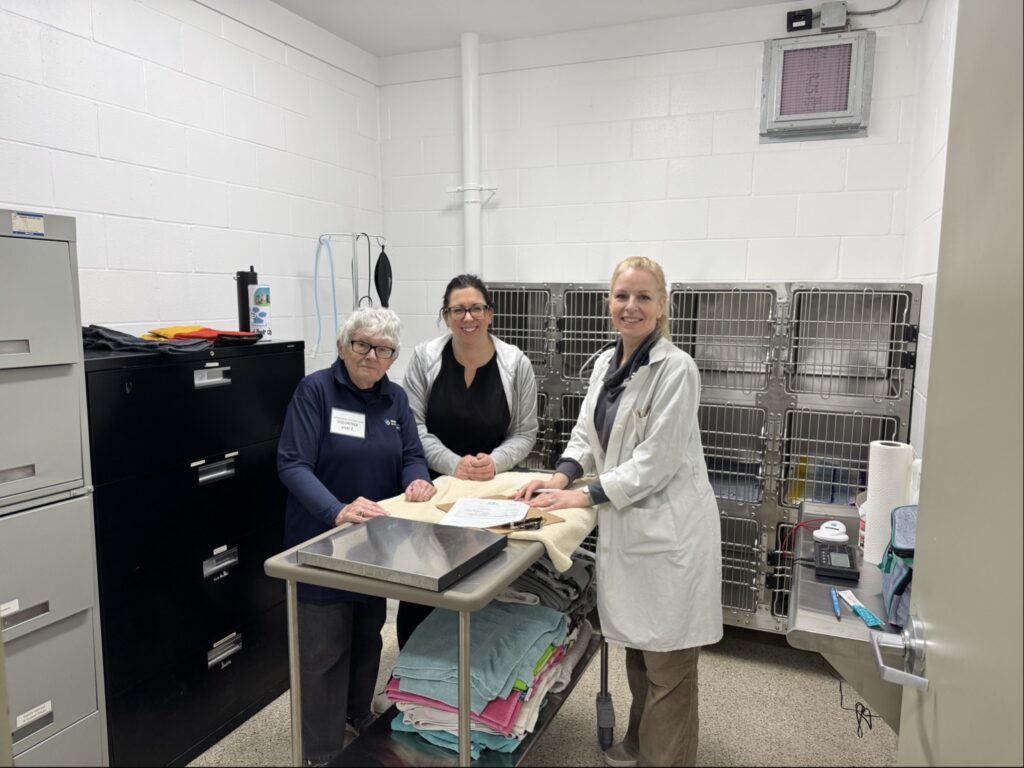
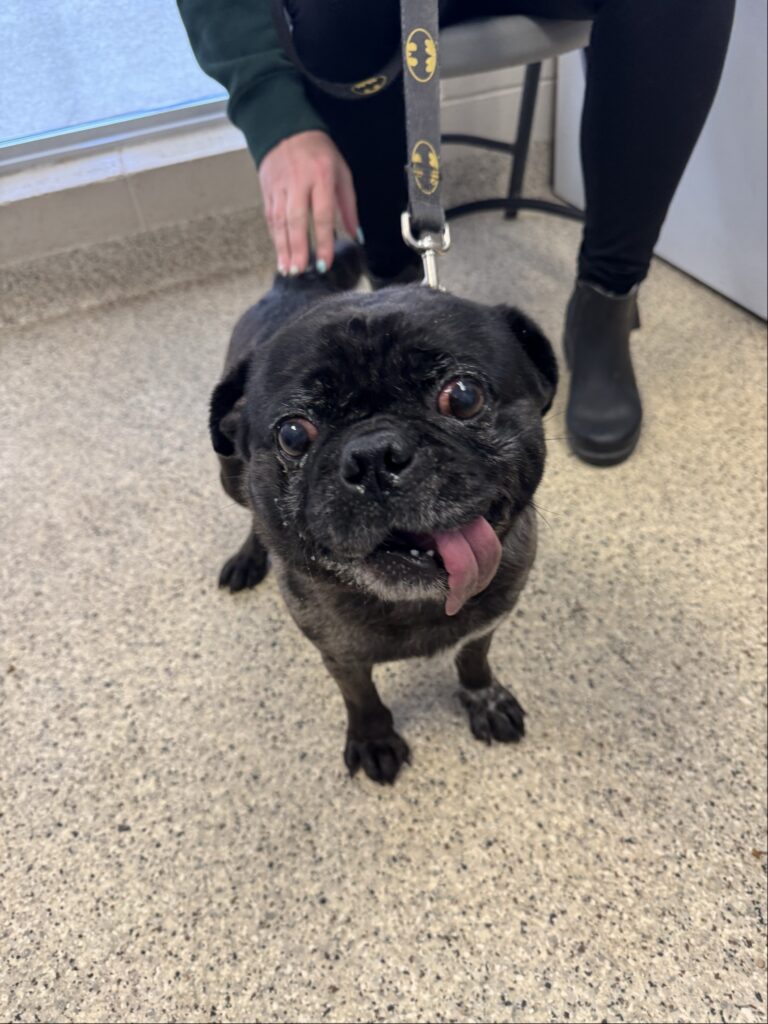
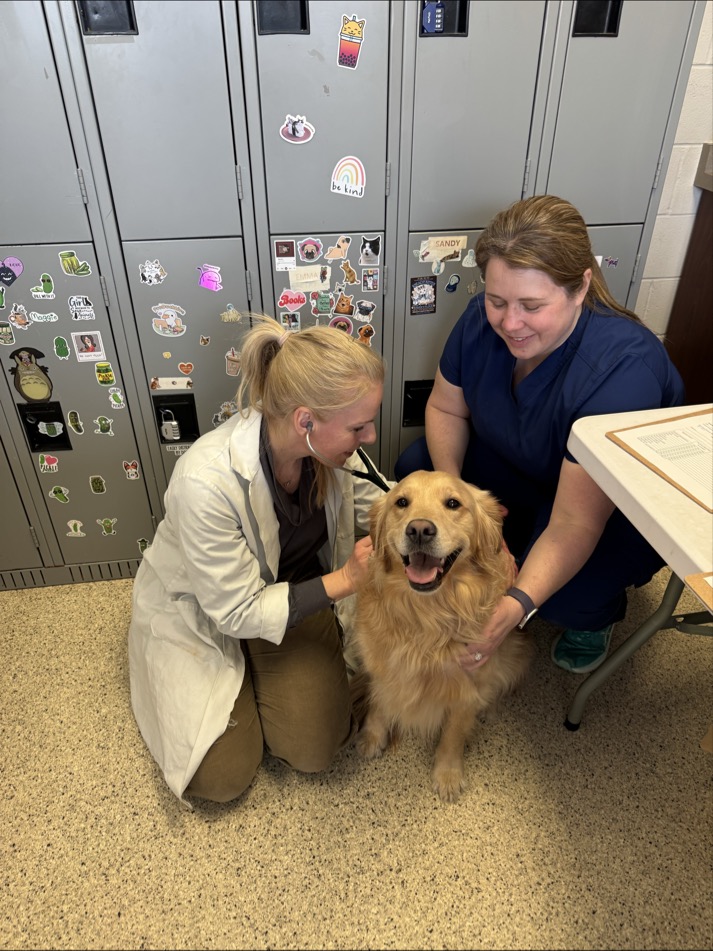
Whitby, ON (March 30, 2026) – To reach underserved communities and help keep animals with the families who love them, the Ontario SPCA and Humane Society hosted a wellness event at its Durham clinic over the weekend.
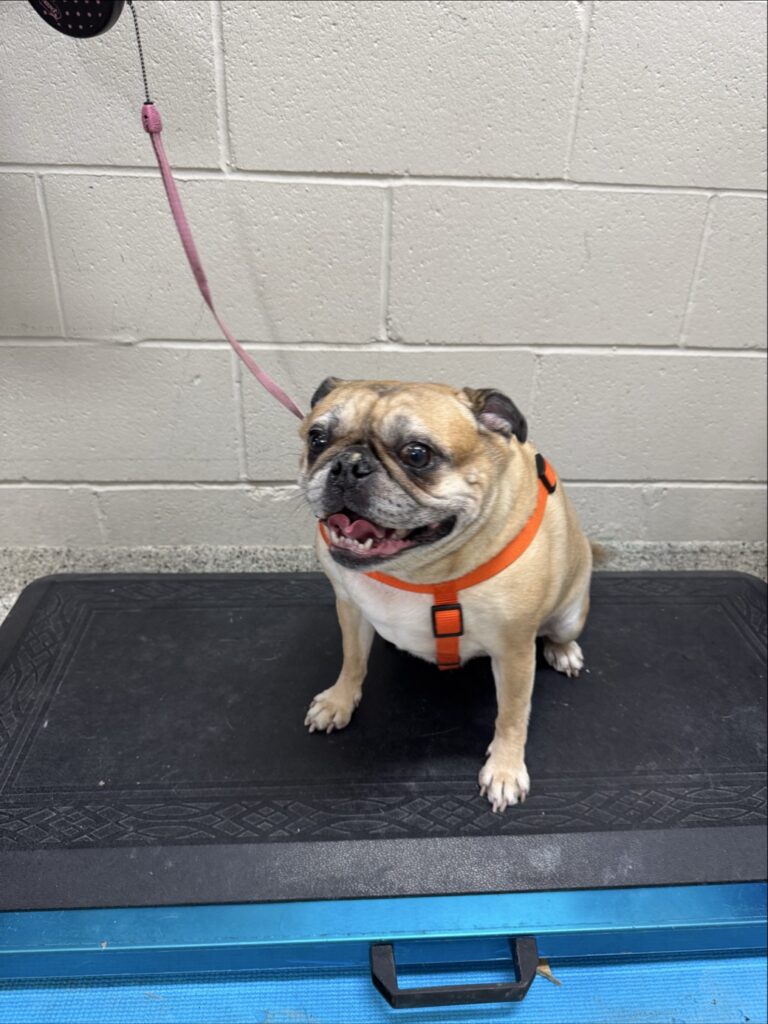
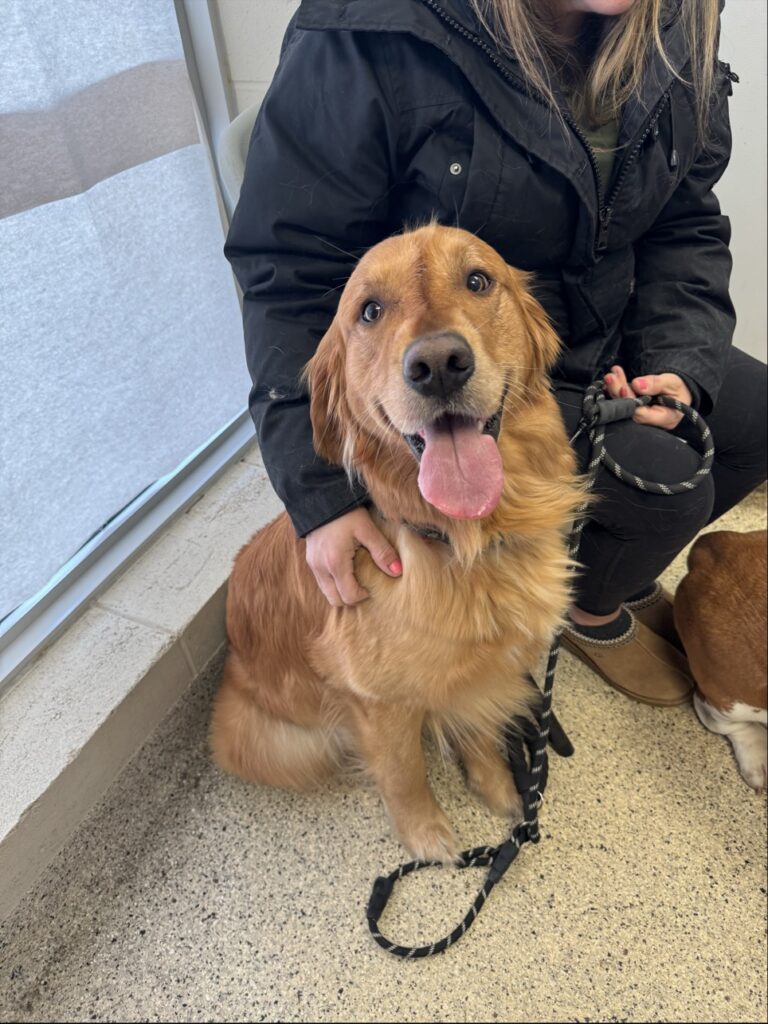
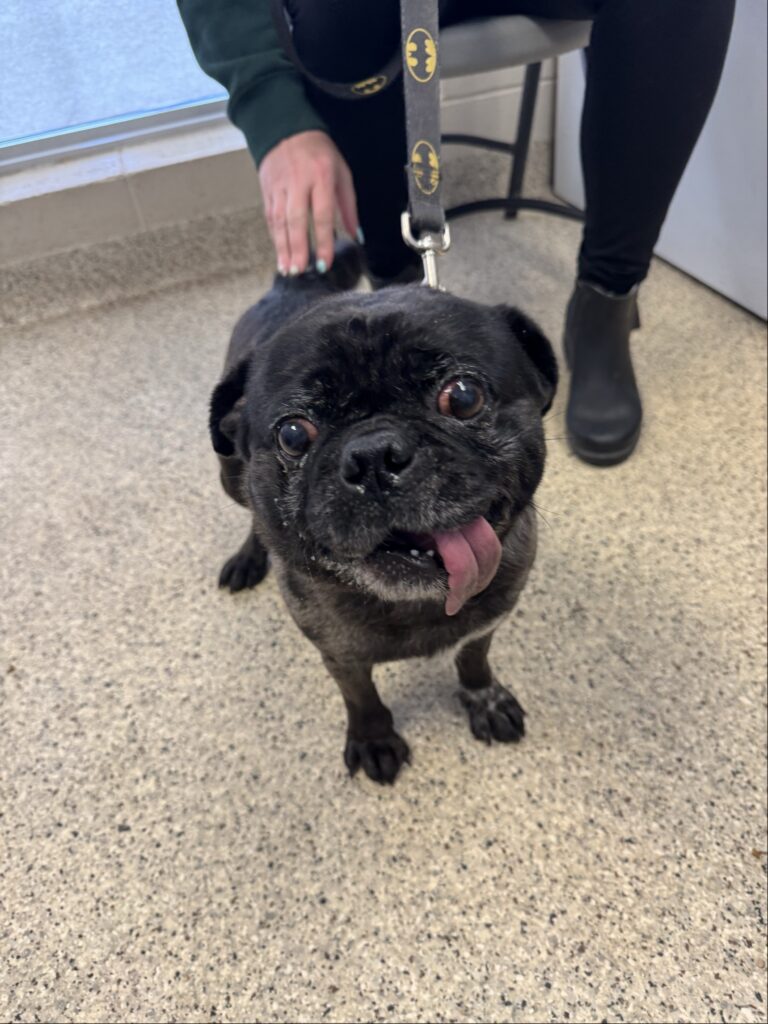
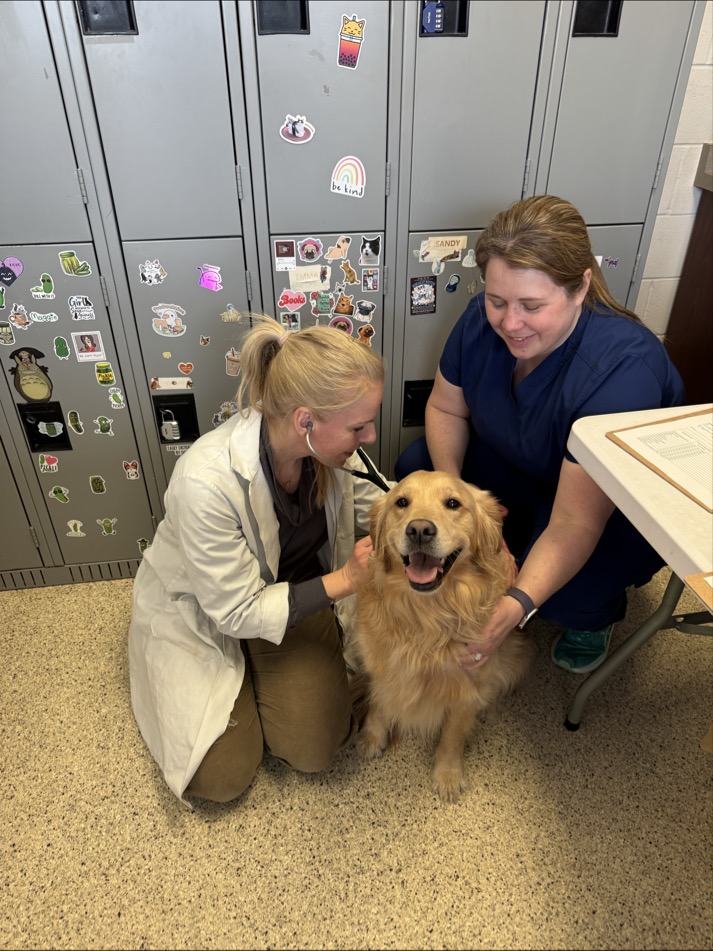
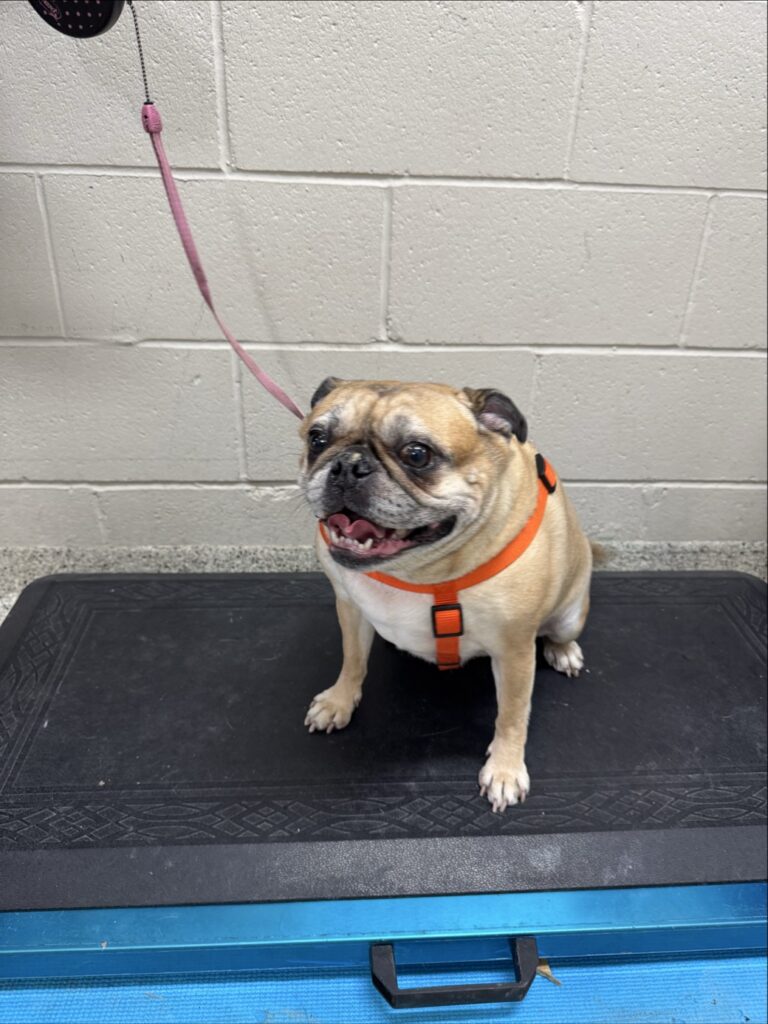
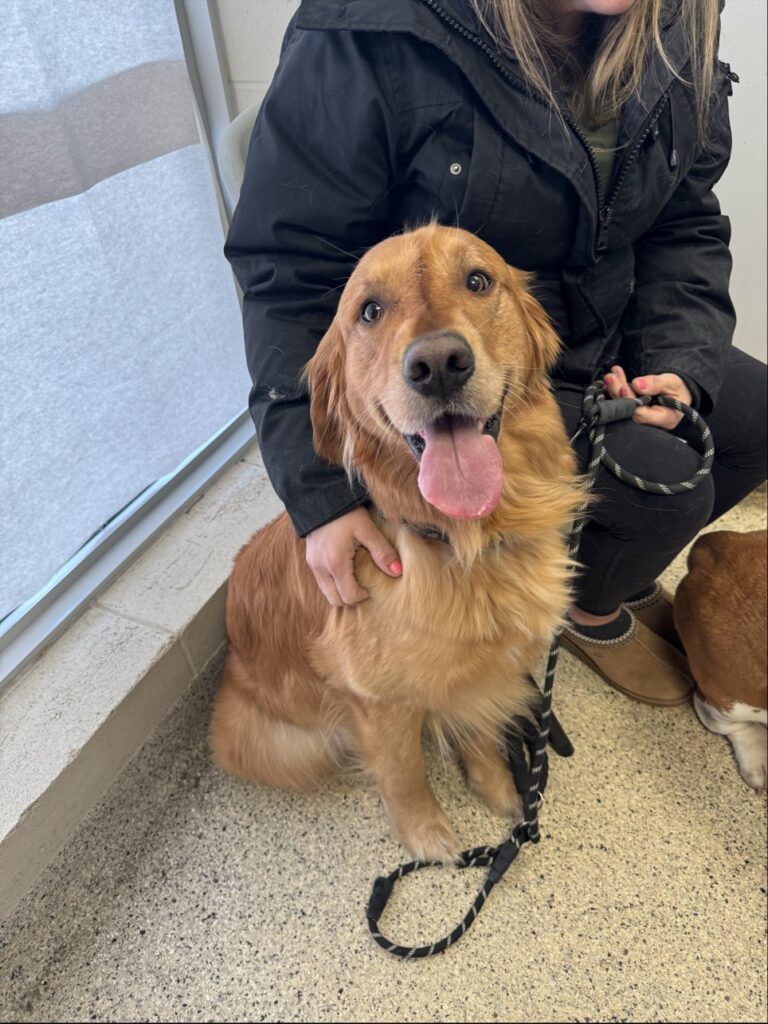
Held on Saturday, March 28 and Sunday, March 29 at the Ontario SPCA and Humane Society Durham Region Veterinary Clinic, the wellness event provided examinations, vaccinations and microchip services for cats and dogs in the region. A total of 32 dogs and 17 cats were seen over the weekend, with 79 vaccines administered to keep pets and communities safe.
“Access to basic veterinary care can make all the difference in keeping pets healthy and with the families who love them,” says Shannon Stephenson, Operations Manager, Ontario SPCA and Humane Society Durham Region Veterinary Clinic. “These services are designed for families who may otherwise go without basic care for their pets. By providing preventative services like vaccines and wellness exams, we can help keep animals healthy and prevent more serious medical issues.”
Access to essential veterinary care in Durham Region took an important step forward earlier this month with the opening of the Durham Region Veterinary Clinic, which offers spay/neuter surgeries for publicly owned dogs and cats. It is one of five Ontario SPCA run high-volume spay/neuter clinics across the province. The Ontario SPCA is committed to increasing access to veterinary services, helping keep pets healthy and reducing the risk of homelessness for animals.
As a registered charity that is 100 per cent donor funded, the Ontario SPCA depends on the generosity of its supporters to make these community support services possible. To learn more, or to donate, visit ontariospca.ca/communitysupport


##
Media Contact
Kayla Montes
Community Outreach Coordinator,
Ontario SPCA and Humane Society Durham Region Animal Centre
289-894-3404
[email protected]
The Ontario SPCA and Humane Society
The Ontario SPCA and Humane Society is a registered charity that has been changing the lives of animals for over 150 years. The Society provides care, comfort and compassion to animals in need in communities across Ontario. It values all animals and advocates to treat them with respect and kindness. The Society strives to keep pets and families together and does so through a variety of community support services, such as sheltering and adoptions, including emergency sheltering, feral cat management programs, animal transfers, food distribution, humane education, animal advocacy, and spay/neuter services.
The Ontario SPCA does not receive annual government funding and relies on donations to provide programs and services to help animals in need. To learn more, or to donate, visit ontariospca.ca. Charitable Business # 88969-1044-RR0002.
The Ontario SPCA and Humane Society Durham Region Animal Centre, formerly the Humane Society of Durham Region, acknowledges the lands and people of the Mississaugas of Scugog Island First Nation, which is covered under the Williams Treaties. The HSDR is situated on the traditional territory of the Mississaugas, a branch of the greater Anishinaabeg Nation, which includes Algonquin, Ojibway, Odawa and Pottawatomi.