As temperatures rise, so does the danger for animals left unattended in vehicles. This summer, the Ontario SPCA and Humane Society is once again reminding pet parents that there is no safe amount of time to leave an animal alone in a parked vehicle.
Through the No Hot Pets campaign, we’re asking animal lovers across Ontario to take the pledge to never leave a pet unattended in a vehicle and help spread this lifesaving message throughout their communities.
Take the pledge and you could win
By taking the No Hot Pets pledge, you’re making a commitment to help keep animals safe this summer. As a thank you, everyone who takes the pledge will be entered for a chance to win a cool YETI prize pack!
Cars heat up faster than you think
Many people underestimate how quickly temperatures can rise inside a parked vehicle. Even on relatively mild days, a vehicle can become dangerously hot within minutes. Cracking the windows, parking in the shade, or running errands “just for a minute” does not eliminate the risk.
If something unexpected delays your return to the vehicle, it could have tragic consequences for your furry family member.
The safest option is always to leave your pet at home where they can stay cool, comfortable and safe.
Help spread the message
Everyone can play a role in protecting animals this summer.
In addition to taking the pledge, you can help by:
- Sharing the No Hot Pets message on social media
- Encouraging friends and family to take the pledge
- Asking pet-friendly businesses in your community to get involved
- Downloading and sharing free campaign resources from our website
Together, we can raise awareness and prevent animals from suffering in hot vehicles.
What to do if you see an animal left in a vehicle
If you see an animal unattended in a vehicle, act immediately. Report it by callingProvincial Animal Welfare Services at 1-833-9ANIMAL or contact your local police service. If the animal appears to be in distress , call 911.
While waiting for help to arrive:
- Note the vehicle’s license plate number
- Stay near the vehicle and monitor the animal
- Ask nearby businesses to page the owner and request they return to their vehicle
It is illegal to break a vehicle window. The best course of action is to contact authorities right away and remain with the animal until help arrives.
Other summer safety reminders
Hot vehicles aren’t the only danger animals face during the summer months. Pets who are left outdoors without access to shade and fresh water can also suffer from heat-related illnesses.
Signs of heat stroke may include:
- Increased heart rate
- Excessive panting or drooling
- Dry, sticky, or abnormally coloured gums
- Weakness, lethargy, or disorientation
- Vomiting or diarrhea
- Body temperature above 40°C
- Collapse, unconsciousness, seizures, or coma
If you suspect an animal is suffering from heat stroke, seek veterinary attention immediately. In the meantime, move the animal to a shaded area, offer water if they are able to drink, and wet their fur with lukewarm to cool (not cold) water.
Join the movement
A few moments of planning can save a life. If you’re travelling with your pet this summer, plan ahead by identifying pet-friendly stops along your route and ensuring your animal is never left unattended in a vehicle.
Take the No Hot Pets pledge today and help keep animals safe all summer long. Visit nohotpets.ca to learn more, access free resources, and help spread the message.
Looking for a meaningful way to celebrate Dad this Father’s Day? Whether he’s a devoted pet parent, an animal lover, or simply someone who enjoys making a difference, the Ontario SPCA and Humane Society’s Paws & Give™ symbolic giving catalogue offers gifts that help animals in need across Ontario.
Give Dad a gift that creates a lasting impact for vulnerable animals. With Paws & Give™, you can honour a special father figure while helping provide care, comfort, and hope to animals waiting for their second chance.
Help keep pets and families together
For many families facing financial hardship, accessing pet food can be a challenge. A symbolic gift to the Pet Food Pantry helps provide food and supplies that are distributed through community partners, ensuring beloved pets can stay with the families who love them. By helping fill empty bowls, you’re giving both animals and their people a helping hand when they need it most.
Give animals the care they urgently need
When animals arrive in the care of the Ontario SPCA, some require immediate medical attention, transportation, vaccinations, assessments, and specialized treatment before they can begin their journey toward adoption. A Gift of Urgent Need helps provide critical support for animals requiring immediate care, giving them the opportunity to heal and thrive. Every contribution helps ensure animals receive the treatment and compassion they deserve.
Bring comfort and joy to shelter animals
A simple toy can make a world of difference to an animal awaiting adoption. Toys provide enrichment, reduce stress, encourage exercise, and help keep animals mentally stimulated during their stay at our animal centres. By giving a Toy for a Shelter Pet, you’re helping brighten an animal’s day while supporting their overall wellbeing.
A Father’s Day gift with heart
One of the best things about symbolic gifts is that they give twice: once to Dad and once to an animal in need. You can even pair your gift with an e-card to let Dad know a donation has been made in his honour. It’s a thoughtful way to celebrate the compassion, kindness, and generosity that fathers and father figures bring to our lives.
This Father’s Day, make your gift count for animals in need. Explore the Paws & Give™ symbolic giving catalogue and discover how your Father’s Day gift can help provide food, care, comfort, and hope to animals across Ontario.
Shop Father’s Day Paws & Give™ today.
IMMEDIATE RELEASE
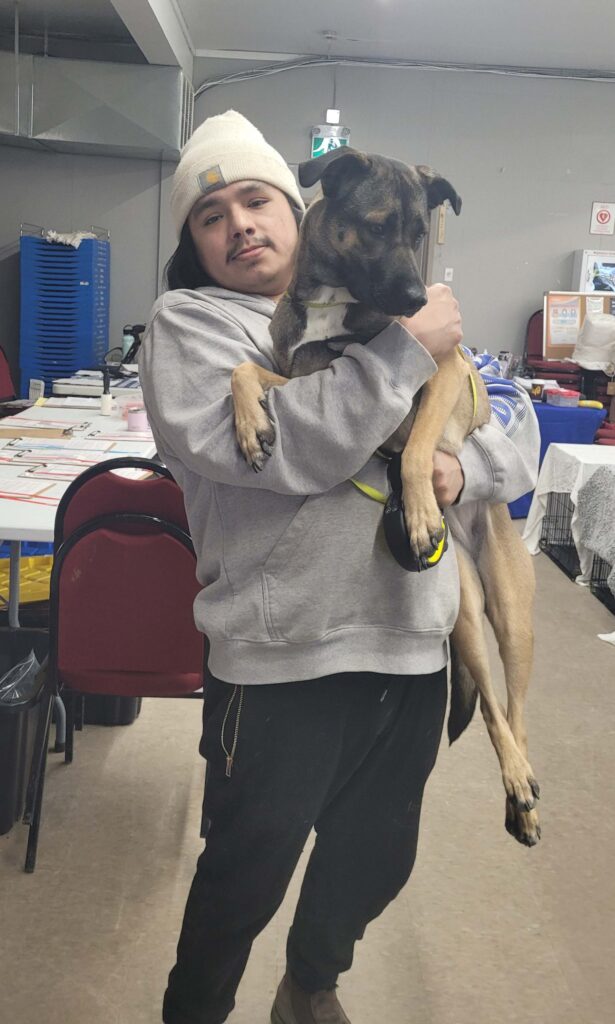
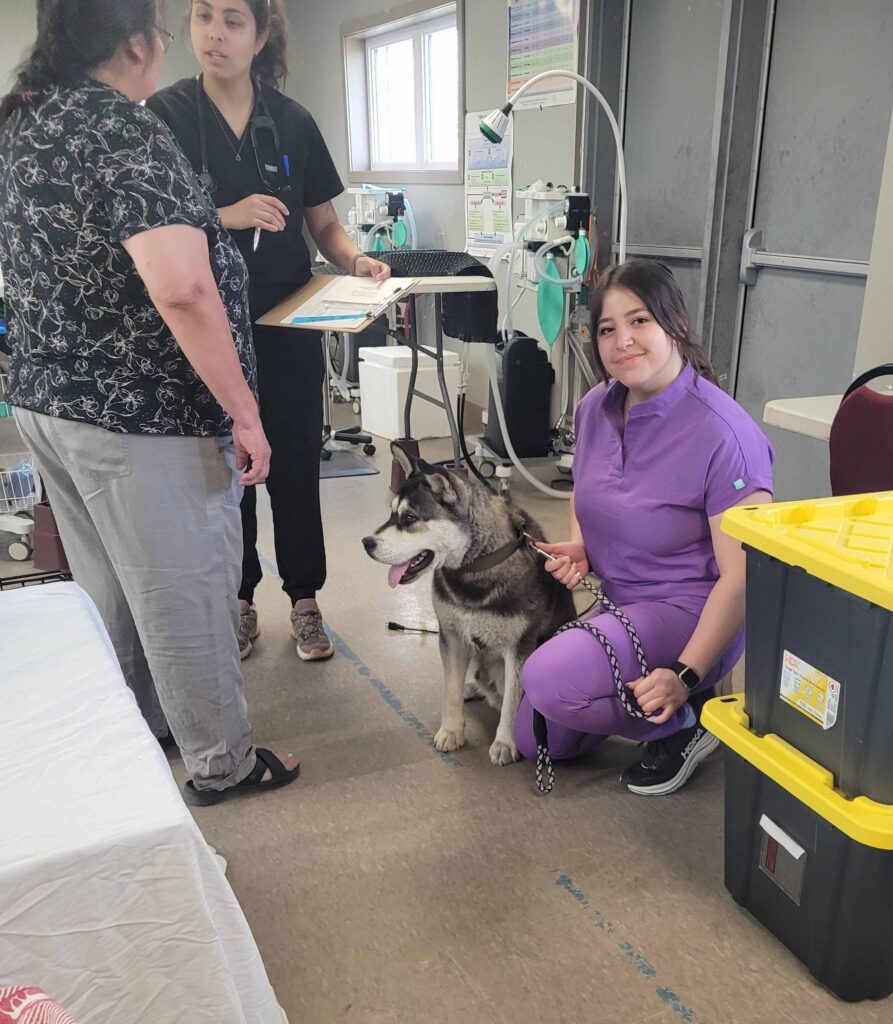
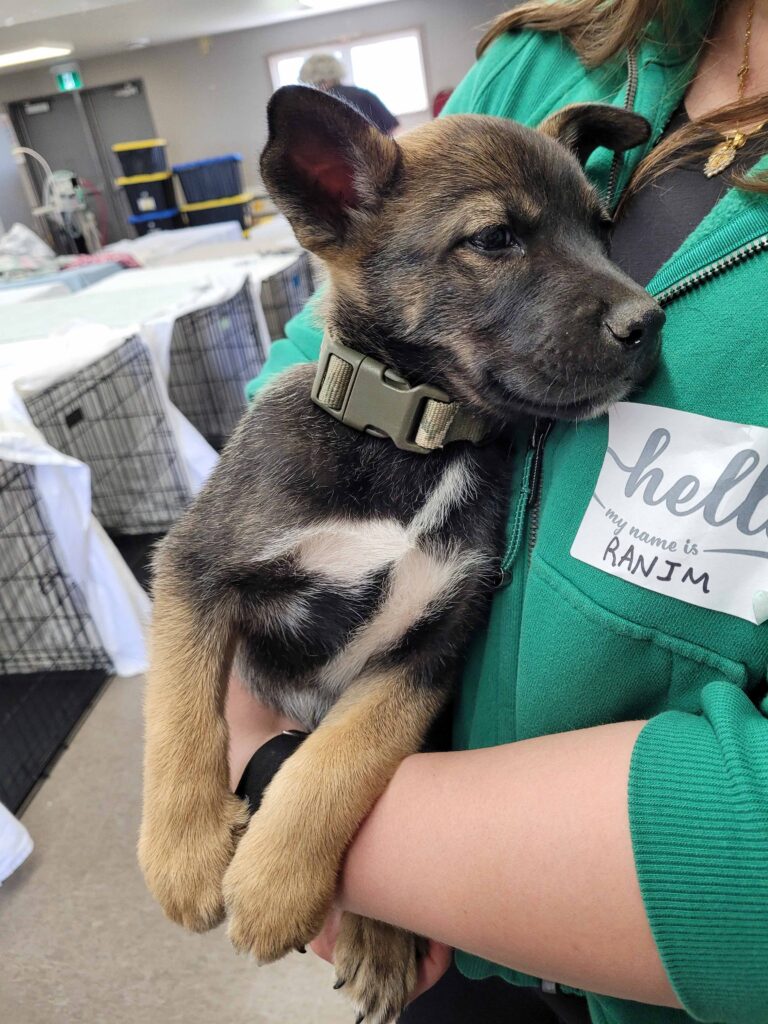
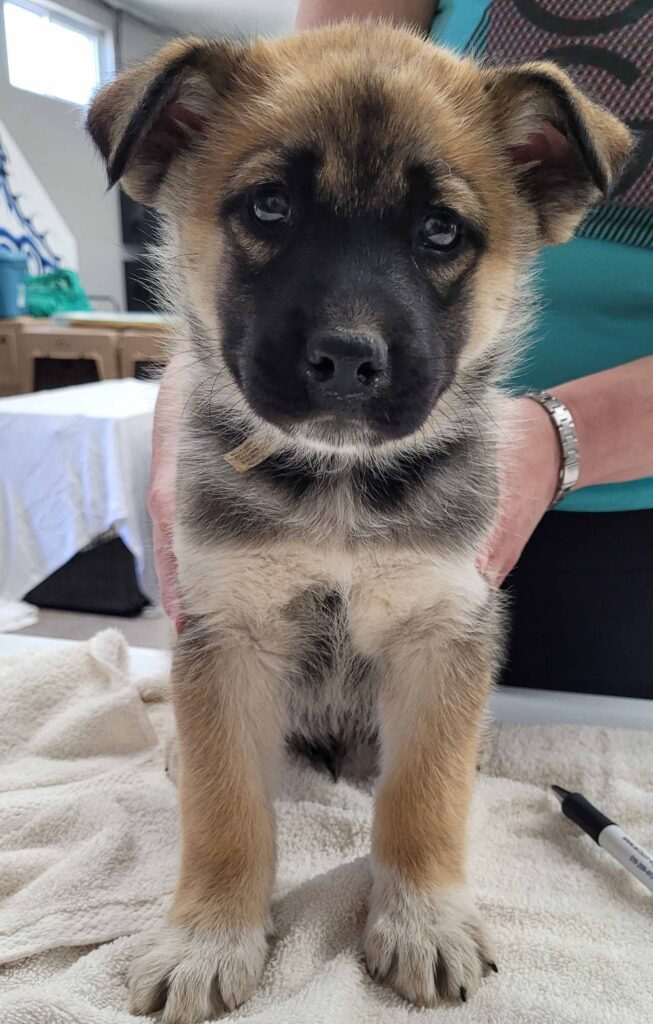
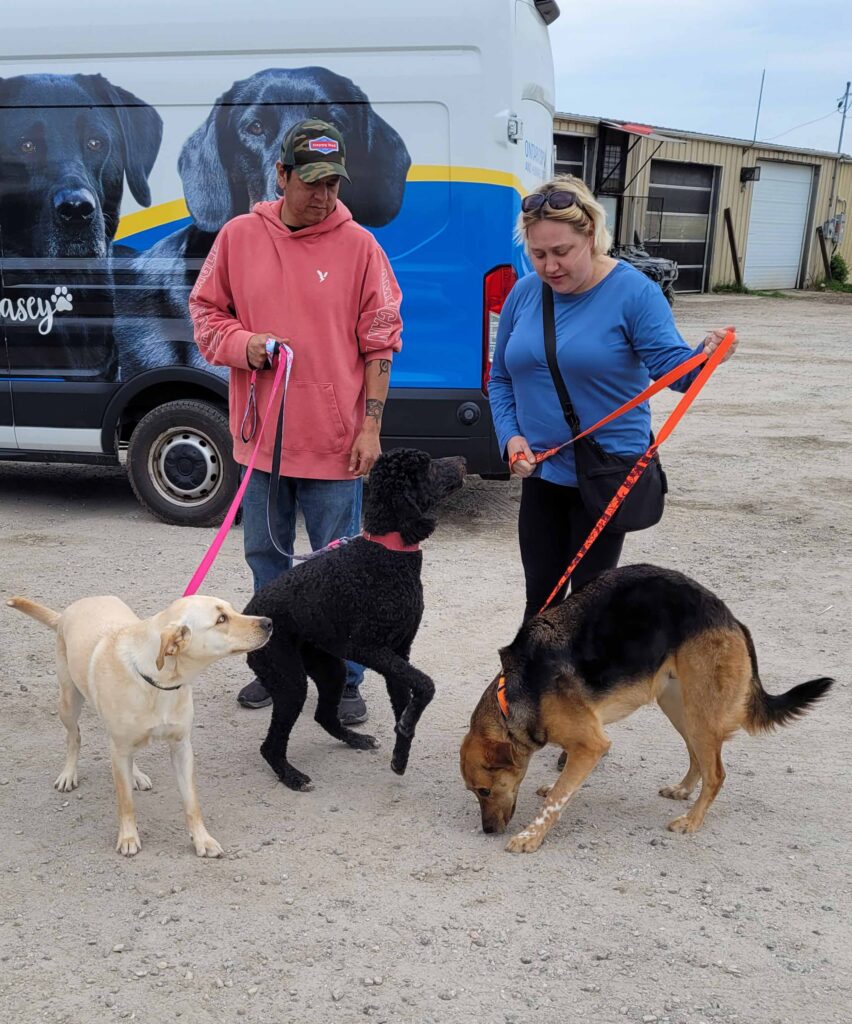
Constance Lake First Nation, ON (June 15, 2026) – More than 130 animals received vital veterinary care during a four-day animal wellness clinic hosted by the Ontario SPCA and Humane Society in partnership with Constance Lake First Nation.
From June 1-4, the Ontario SPCA’s mobile MASH-style clinic provided spay/neuter surgeries for 48 cats and dogs, helping prevent close to an estimated 1,800 unplanned puppies and kittens. The clinic also provided 84 wellness appointments to animals in the community and administered 119 rabies vaccinations. The Ontario SPCA has also transported more than 5,200 lbs of pet food to Constance Lake to date this year, with more on the way.
The Ontario SPCA is committed to improving access to veterinary care in underserved communities with its MASH-style spay/neuter and wellness clinics. These portable outreach events are designed to be easily packed up and transported to wherever they are needed, including remote communities.
“Access to veterinary care can be a challenge in remote and underserved communities,” says Arista Wogenstahl, Northern Regional Manager of Community Outreach Services with the Ontario SPCA and Humane Society. “Through this clinic, we were able to provide spay/neuter services, wellness care and vaccinations to support animal health in Constance Lake First Nation.”
“On behalf of Constance Lake First Nation, I would like to extend our sincere appreciation to PetSmart and the Ontario SPCA for their continued partnership and support in delivering pet wellness clinics within our community,” says Chief Richard Allen of Constance Lake First Nation. “Through this ongoing collaboration, we have seen meaningful improvements in the health and well-being of animals in Constance Lake. These clinics have increased access to essential veterinary services, supported responsible pet ownership, and contributed to a stronger, healthier animal population. As a result, many of our community dogs are healthier, better cared for, and receiving the support they need, which has had a positive impact on both animal welfare and overall community safety. We are grateful for this partnership and look forward to continuing this important work together.”
The wellness event was made possible thanks to an Incubator grant from PetSmart Charities of Canada® to address challenges in accessing veterinary care in Constance Lake First Nation. This clinic is the third pet wellness clinic hosted in the community, continuing a strong and valued partnership between Constance Lake First Nation, PetSmart, and the Ontario SPCA.
Rising costs combined with geographical and cultural barriers have left many communities out of the veterinary care system altogether. The Incubator grant program supports innovative and culturally relevant veterinary programs targeted toward Indigenous communities across Canada.
For more information on the Ontario SPCA’s mobile animal wellness services, visit ontariospca.ca/communitysupport



##
Media Contact
Media Relations
Ontario SPCA and Humane Society
905-898-7122 x 375
[email protected]
About the Ontario SPCA and Humane Society
The Ontario SPCA and Humane Society is a registered charity that has been changing the lives of animals for over 150 years. The Society provides care, comfort and compassion to animals in need in communities across Ontario. It values all animals and advocates to treat them with respect and kindness. The Society strives to keep pets and families together and does so through a variety of community support services, such as sheltering and adoptions, including emergency sheltering, feral cat management programs, animal transfers, food distribution, humane education, animal advocacy, and spay/neuter services.
The Ontario SPCA does not receive annual government funding and relies on donations to provide programs and services to help animals in need. To learn more, or to donate, visit ontariospca.ca. Charitable Business # 88969-1044-RR0002.
The Ontario SPCA and Humane Society Provincial Office sits on the traditional territory of the Wendat, the Anishinabek Nation, the Haudenosaunee Confederacy, the Mississaugas of Scugog, Hiawatha and Alderville First Nations and the Métis Nation. This territory was the subject of the Dish With One Spoon Wampum Belt Covenant, an agreement between the Iroquois Confederacy and the Ojibwe and allied nations to peaceably share and care for the resources around the Great Lakes. The treaties that were signed for this particular parcel of land are collectively referred to as the Williams Treaties of 1923.
IMMEDIATE RELEASE
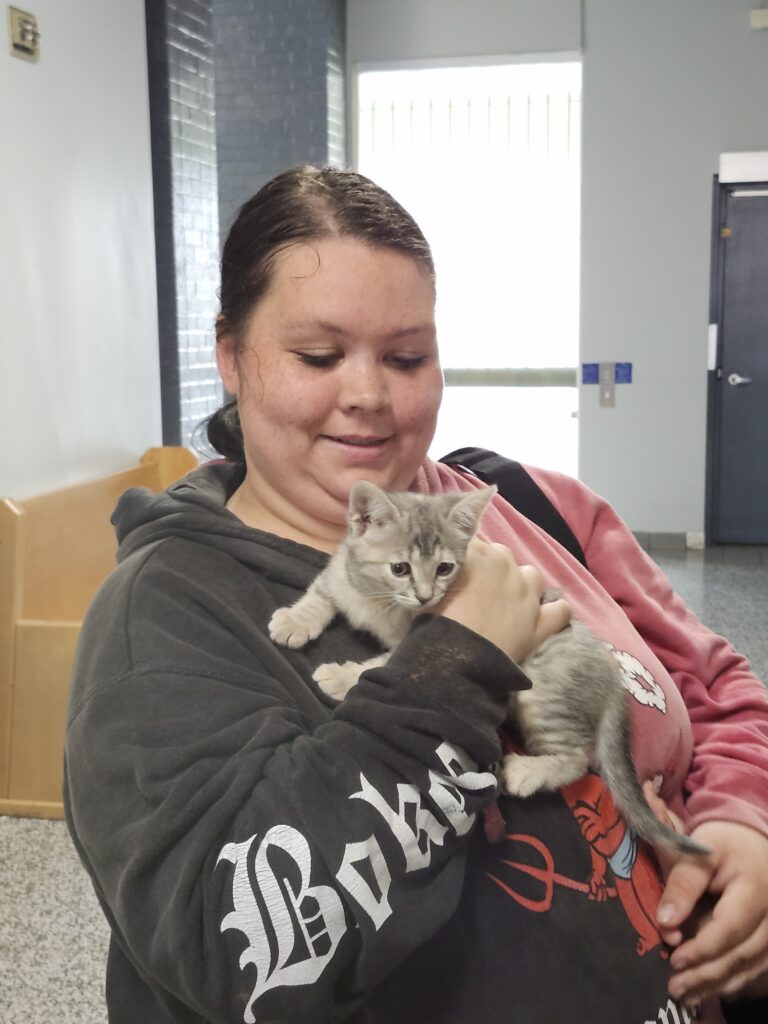
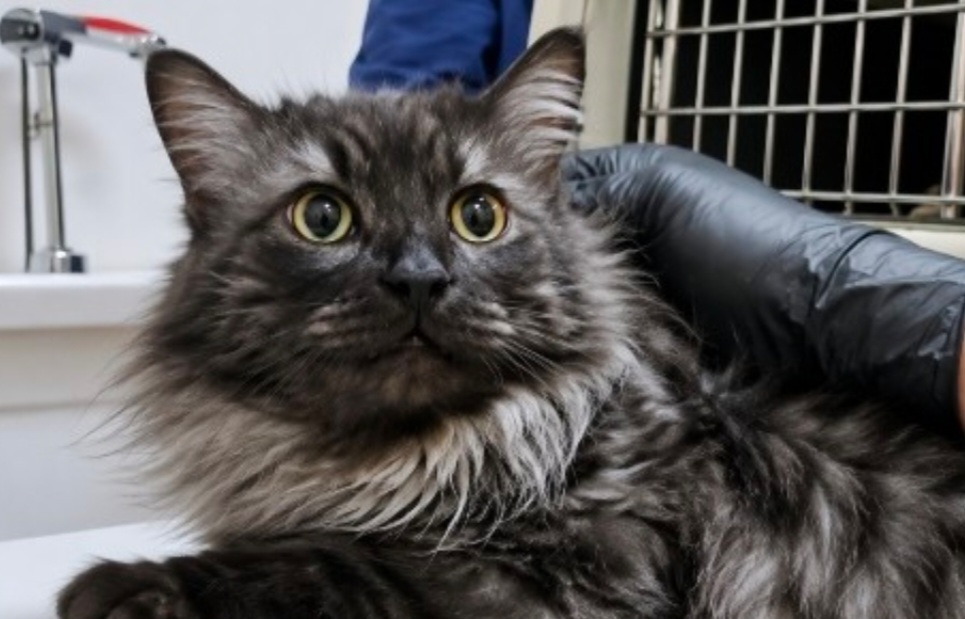
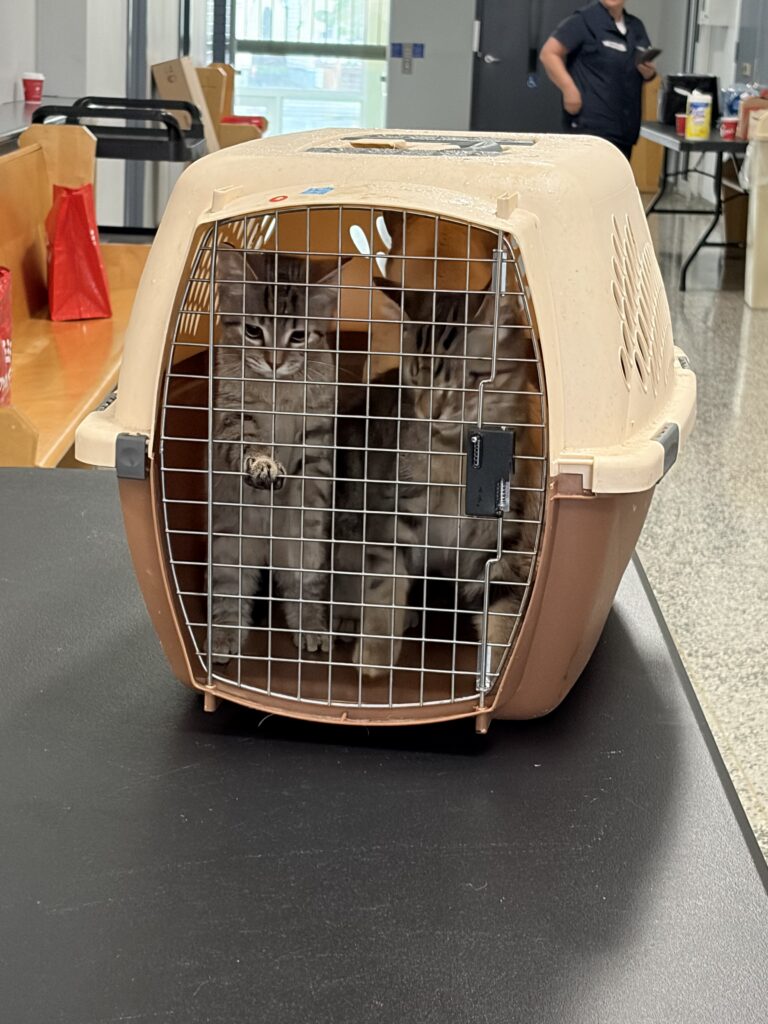
Cornwall, ON (June 15, 2026) – The Ontario SPCA and Humane Society hosted a wellness and vaccination clinic for cats in Cornwall on June 14, helping remove barriers to essential veterinary care and supporting pet families in the community.
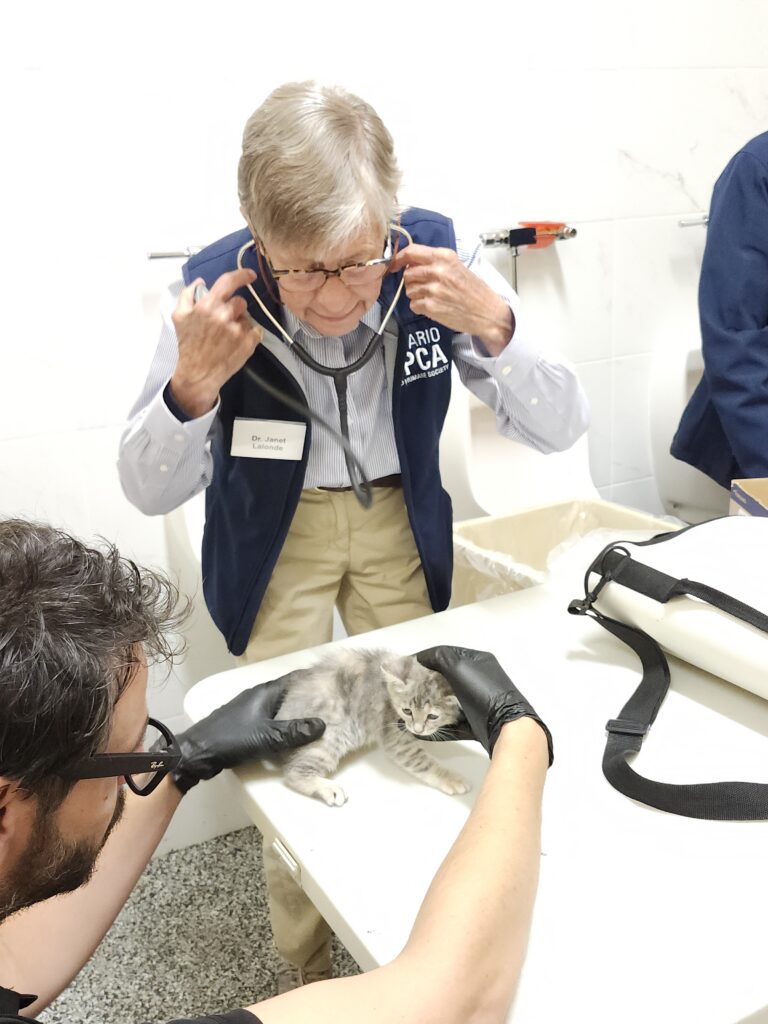
Held at Agora Catholic Centre in Cornwall, the clinic provided free wellness resources and vaccinations to 43 cats whose families may otherwise face barriers accessing veterinary care for their pets. A total of 2,100 lbs of cat food was also distributed during the event, along with other essential pet items for families who needed additional support.
“When barriers such as cost or accessibility prevent pets from receiving routine care, community wellness clinics can make a meaningful difference,” says Bonnie Bishop, Eastern Regional Manager, Community Outreach Services, Ontario SPCA and Humane Society. “These events help keep pets healthy and with the families who love them.”
The Ontario SPCA is grateful to Boehringer Ingelheim for donating vaccines, as well as the veterinarians, registered veterinary technicians, community partners and volunteers whose support helped make the event possible. A booster event will take place on July 12 at the same location.
The wellness clinic for cats builds on the Ontario SPCA’s ongoing efforts to increase access to veterinary care in Cornwall. Last month the Ontario SPCA hosted a canine wellness and vaccination clinic on May 24, where 87 dogs received Parvo vaccinations.
These community-based services will continue to expand with the future Ontario SPCA and Humane Society Cornwall and Region Animal Centre and Veterinary Clinic, currently under construction and expected to open in 2027. The new centre will help increase access to veterinary care and community support services, making it easier for families to access the resources they need to keep their pets healthy. Visit ontariospca.ca/brighter-future-cornwall-and-region to learn more and donate.
For more information about Ontario SPCA community support services, visit ontariospca.ca/communitysupport

##
Media contact
Media Relations
Ontario SPCA and Humane Society
905-898-7122 x 375
[email protected]
The Ontario SPCA and Humane Society
The Ontario SPCA and Humane Society is a registered charity that has been changing the lives of animals for over 150 years. The Society provides care, comfort and compassion to animals in need in communities across Ontario. It values all animals and advocates to treat them with respect and kindness. The Society strives to keep pets and families together and does so through a variety of community support services, such as sheltering and adoptions, including emergency sheltering, feral cat management programs, animal transfers, food distribution, humane education, animal advocacy, and spay/neuter services.
The Ontario SPCA does not receive annual government funding and relies on donations to provide programs and services to help animals in need. To learn more, or to donate, visit ontariospca.ca. Charitable Business # 88969-1044-RR0002.
The Ontario SPCA and Humane Society Cornwall and Region Animal Centre, formerly the Ontario SPCA Stormont, Dundas & Glengarry Animal Centre, is located on the lands of the Akwesasne Mohawks and their ancestors. We also acknowledge the Algonquin, Haudenosaunee (Ho-den-oshow-nee) (Iroquois), Huron-Wendat (huron-wen·dat), and Abenaki who are neighbours and partners to the Akwesasne Mohawk.
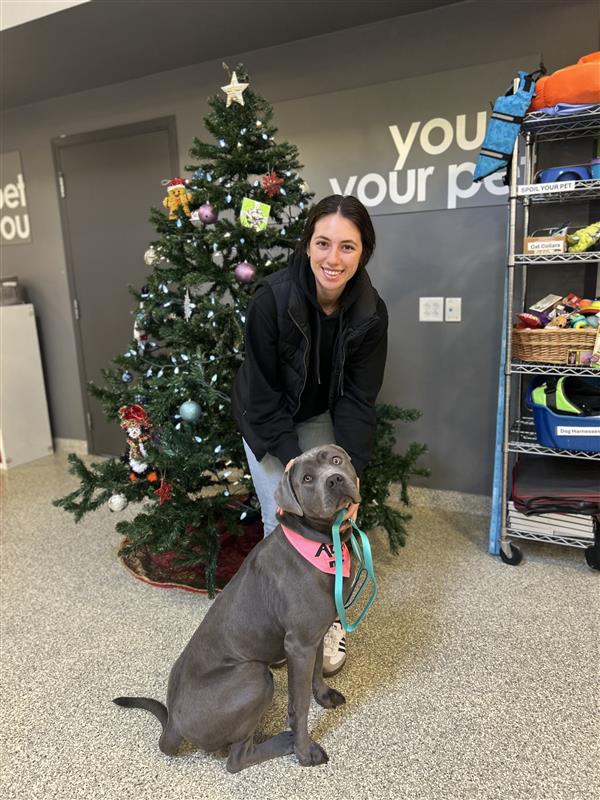
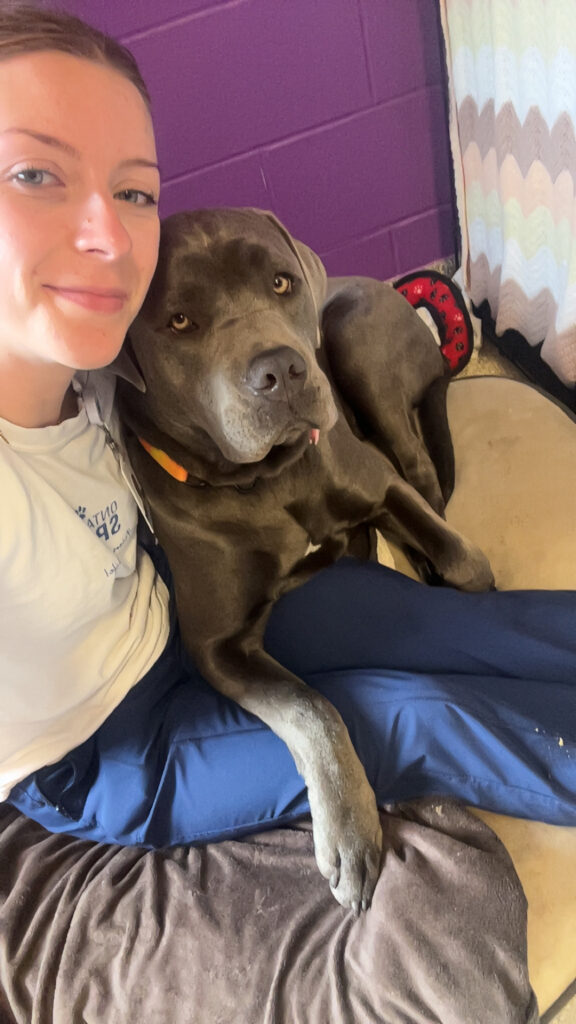
When Nessy first arrived at the Ontario SPCA and Humane Society York Region Animal Centre in April last year, she was just an 11-month-old puppy trying to navigate a world that suddenly felt unfamiliar and overwhelming.
Like many under-socialized dogs, Nessy struggled to feel safe in new environments and around unfamiliar people. The staff at the York Region Animal Centre quickly noticed just how fearful and nervous she was. In her early days at the centre, Nessy was extremely cautious around unfamiliar people and would retreat or have stress-related accidents.
But behind those fearful behaviours was a young dog who desperately wanted connection.
Learning to trust
With patience and consistency, Nessy slowly began to come out of her shell. After a few days, she started showing glimpses of her playful personality. She slowly discovered how much she loved affection and how curious she was when learning new things. Staff members quickly fell in love with her cuddly nature and eagerness to learn.
“What many people didn’t see behind the scenes were the countless hours of patience, training, exposure work, encouragement and trust-building that went into helping Nessy feel safe again,” says Crystal Brain, Manager of the Ontario SPCA and Humane Society York Region Animal Centre. “Progress wasn’t always linear, but the small victories mattered.”
Looking beyond fear
As Nessy grew more comfortable, staff also began noticing fear-reactive behaviours around new people. She would bark, withdraw from interactions, or try to create distance from unfamiliar people and situations.
While she formed strong bonds with those who she trusted, building that trust took time. Her large size and deep bark could make these reactions seem intimidating to potential adopters, making it harder for them to see the affectionate and intelligent dog behind her nervousness. Her animal care team knew that with continued training and patience, Nessy could continue building confidence and thrive in the right home.
Patience and progress
For months, Nessy’s animal care team worked with her every single day through a structured behaviour plan designed to help her build her confidence and feel secure. Nessy’s training plan included daily routines, managed exposure to new situations and confidence building exercises.
“Working with Nessy was incredibly rewarding because she consistently showed us she wanted to engage and learn, even when she was scared,” says Megan Holmes, Animal Behaviour Coordinator, Ontario SPCA and Humane Society.
One of Nessy’s biggest breakthroughs came through desensitization work. Early in her stay, unfamiliar people and environments could quickly overwhelm her, making it difficult for her to feel safe and confident. Through gradual exposure and positive reinforcement, Nessy began developing new coping skills and building positive associations with experiences that had previously caused her stress.
Nessy slowly learned that unfamiliar people and environments did not have to be scary. Instead of becoming overwhelmed, she increasingly looked to the people she trusted for reassurance and guidance. As her confidence grew, she became more comfortable meeting new people and participating in experiences that would have once felt intimidating to her.
This progress helped Nessy transform into a loving companion who could confidently navigate situations that once felt overwhelming by building trusting relationships with the people around her.
A perfect match
As Nessy’s needs were unique, the animal care team developed a specialized adoption process to help find the right match. Potential adopters participated in multiple meet and greets, allowing trust to develop gradually while learning how to support Nessy’s continued growth and confidence at home.
After more than eight months in care, Nessy finally found her forever family in late November.
“Watching her get adopted with pet parents who understood her journey and loved her for exactly who she was reminded us why we never give up on the harder cases,” says Crystal. “Nessy taught us that healing takes time, trust is earned slowly, and every dog deserves someone willing to see beyond their fear.”
Today, Nessy’s adopters describe her as an incredibly intelligent dog with endless curiosity.
“She is a very smart dog, filled with so much curiosity,” says Nessy’s pet parent, Tara. “She loves to be right next to us and is so intrigued by everything. We all love her.”
A new beginning
While every adoption is special, some animals leave a lasting mark on the people who care for them.
“Nessy is one of the dogs that you work with once and remember forever,” says Megan Evensen, Animal Care Coordinator, Ontario SPCA and Humane Society York Region Animal Centre. “She holds a special place in our hearts.
With patience, understanding, and the right support, dogs like Nessy can thrive. Her journey is a reminder of the importance of giving animals the time they need and reflects the Ontario SPCA and Humane Society’s commitment to providing compassion, support and second chances to animals in need, while never giving up on finding them the loving homes they deserve, no matter how long it takes.
As a registered charity that does not receive annual government funding, the Ontario SPCA and Humane Society depends on the generosity of donors to change the lives of animals in need. Please consider donating today to give animals like Nessy the second chance they deserve.
IMMEDIATE
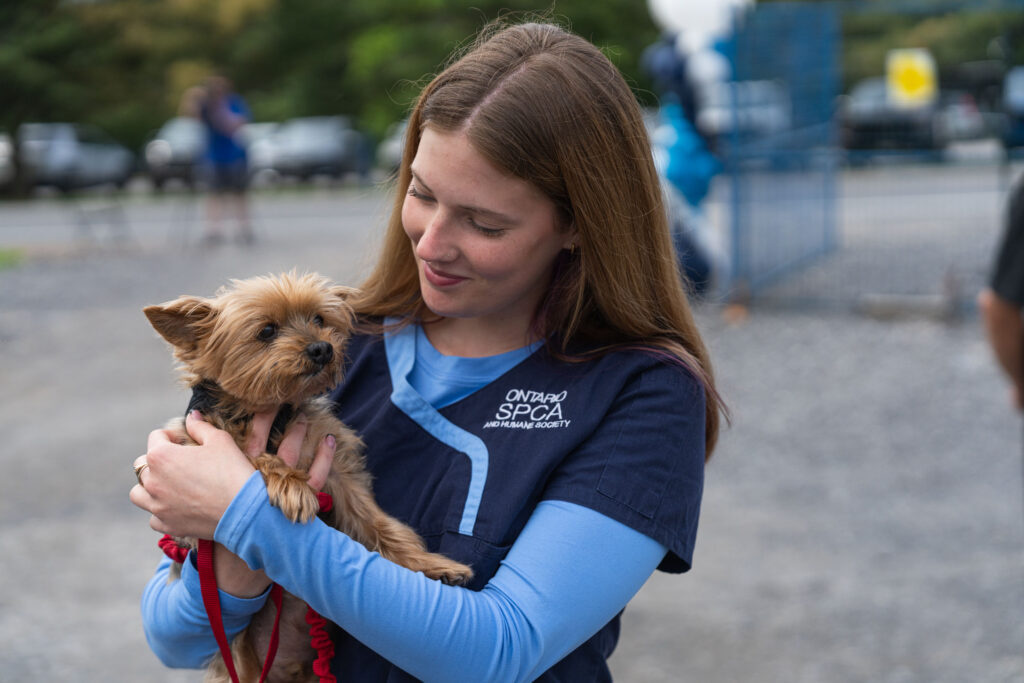
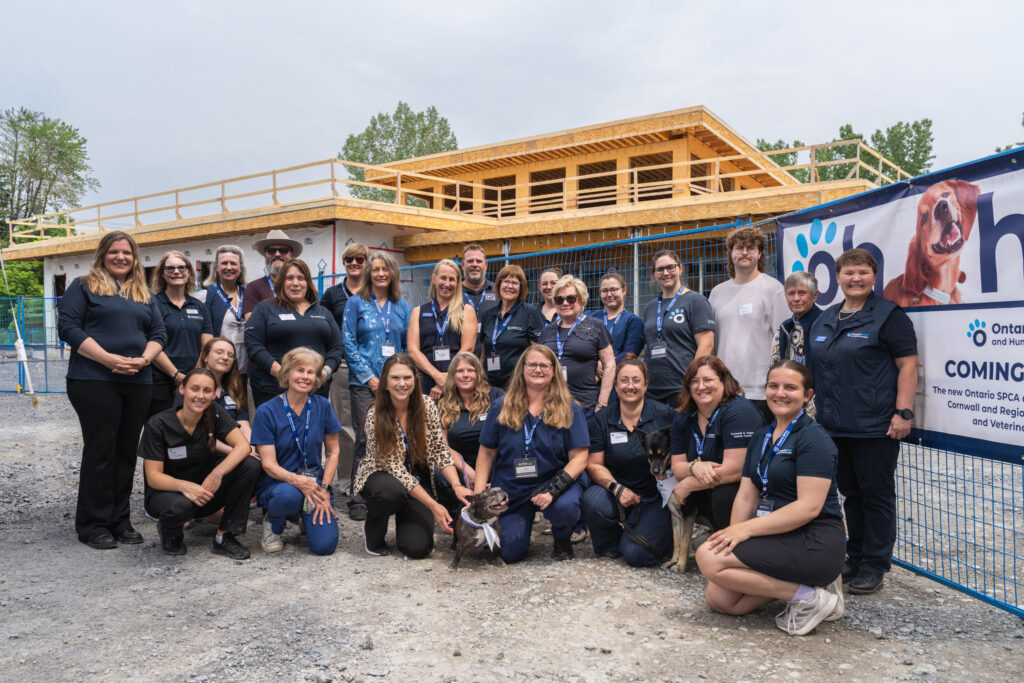
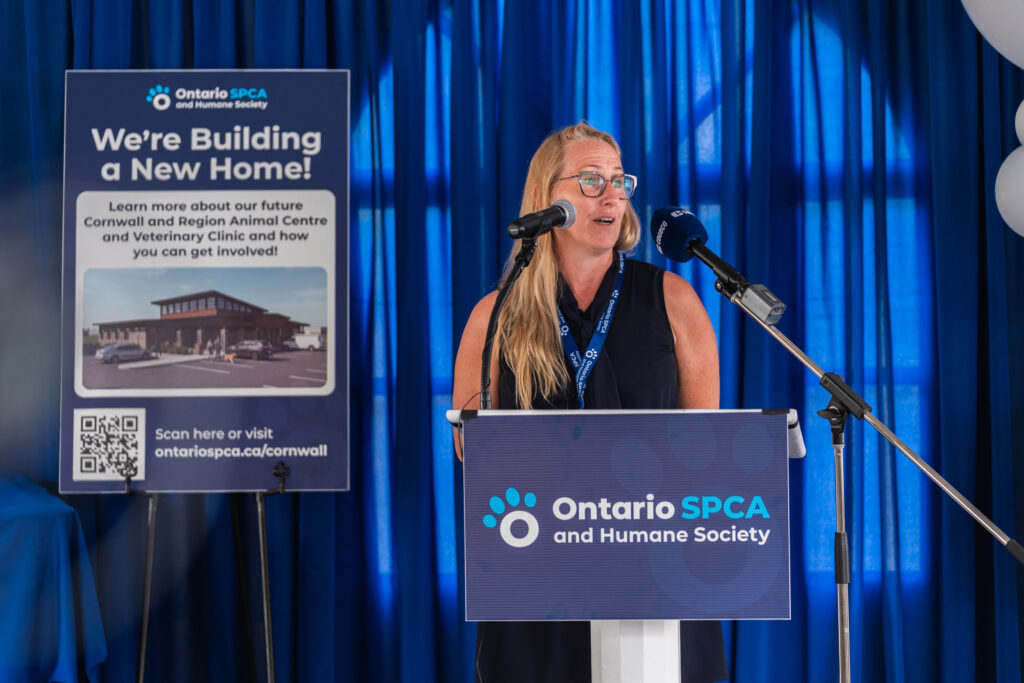
Cornwall, ON (June 10, 2026) – Facing rising animal intakes and growing demand for accessible veterinary care, the Ontario SPCA and Humane Society has launched the public phase of the Brighter Future for Pets and People campaign to build a new Cornwall and Region Animal Centre and Veterinary Clinic.
The campaign was officially launched June 10 during a community event held at the future site of the facility at 2151 Second St. W. in Cornwall. Supporters, donors and community members gathered to learn more about the transformational $8 million project currently under construction and the critical need it will address in the region.
The assembled crowd reacted enthusiastically upon hearing that $5.8 million, or 73 per cent, has already been raised toward the campaign goal.
“Today’s announcement showcases the receptivity of the community to get on board and help meet the critical need this project is addressing. There are so many animal lovers among us, and getting this new facility up and running has already resonated with so many,” says Christina Morgan, Campaign Cabinet Member.
The focus now turns to raising the remaining $2.2 million still needed to complete the facility.
Expected to open in 2027, the new 8,000-square-foot Cornwall and Region Animal Centre and Veterinary Clinic will replace the aging Ontario SPCA facility on Boundary Road. The new centre will increase animal intake and adoption capacity by approximately 30 per cent and will have room to care for up to 57 animals at a time — more than double the capacity of the current building. Over the past year alone, animal intakes at the Ontario SPCA’s Cornwall centre have increased by 20 per cent, reflecting the growing pressures facing pets and the people who care for them.
The new facility will also feature a 1,400-square-foot charity-based veterinary clinic operated by the Ontario SPCA and Humane Society. The high-volume spay/neuter clinic will be able to perform as many as 3,400 spay and neuter surgeries each year, helping prevent an estimated 50,000 unplanned puppies and kittens each year. The clinic will also offer basic veterinary services, including vaccinations and dental care, helping improve access to care for families who may otherwise go without support.
“We are incredibly grateful to the donors who have already stepped forward to support this important project, and to the members of our campaign cabinet and advisors for their leadership, dedication and belief in this vision,” says Bonnie Bishop, Eastern Regional Manager, Community Outreach Services, Ontario SPCA and Humane Society. “Their generosity is helping build a brighter future for animals and families in Cornwall and the surrounding region and bringing us one step closer to the facility this community needs.”
From business owners and their employees, families and animal lovers throughout the region, everyone is invited to support this once-in-a-generation, game-changing initiative. Fundraising events and donation opportunities will take place throughout the summer across the region.
To learn more about the Brighter Future for Pets and People campaign, or to support the new Cornwall and Region Animal Centre and Veterinary Clinic, visit ontariospca.ca/cornwall
##
Media contact
Arianne Kirkey
Community Outreach Coordinator
Ontario SPCA and Humane Society Cornwall and Region Animal Centre
(613) 937-7622
[email protected]
The Ontario SPCA and Humane Society
The Ontario SPCA and Humane Society is a registered charity that has been changing the lives of animals for over 150 years. The Society provides care, comfort and compassion to animals in need in communities across Ontario. It values all animals and advocates to treat them with respect and kindness. The Society strives to keep pets and families together and does so through a variety of community support services, such as sheltering and adoptions, including emergency sheltering, feral cat management programs, animal transfers, food distribution, humane education, animal advocacy, and spay/neuter services.
The Ontario SPCA does not receive annual government funding and relies on donations to provide programs and services to help animals in need. To learn more, or to donate, visit ontariospca.ca. Charitable Business # 88969-1044-RR0002.
The Ontario SPCA and Humane Society Cornwall and Region Animal Centre, formerly the Ontario SPCA Stormont, Dundas & Glengarry Animal Centre, is located on the landsof the Akwesasne Mohawks and their ancestors. We also acknowledge the Algonquin, Haudenosaunee (Ho-den-oshow-nee) (Iroquois), Huron-Wendat (huron-wen·dat), and Abenaki who are neighbours and partners to the Akwesasne Mohawk.
Did you know dogs and cats can get sunburned? Or that short-nosed dog breeds have more trouble cooling down through panting? Or that shaving your dog’s fur coat may be more harmful than not?
Summer heat and sunshine are serious issues for our dogs and cats, which depend on us to keep them protected. Keep reading for some more useful tips from our friends at Royal Canin Canada!
Summer heat tips
For example, did you know dogs and cats can get sunburned? Or that short-nosed dog breeds have more trouble cooling down through panting? Or that shaving your dog’s coat may be more harmful than not? Here are a few tips to consider to keep your pet comfortable in the summer heat.
- Sunburn: Animals need sun protection on their sensitive areas such as the tips of their ears, their noses and other areas exposed to sunlight. Pets with pink skin or light-colored coats can be vulnerable. Staffordshire Terriers, Boxers, Bull Terriers, German Shorthaired Pointers, and Chinese Crested are among the breeds prone to sunburn. Apply pet-friendly sunscreen—not zinc oxide-based treatments, which are toxic—about half an hour before exposure.
- Panting is cooling: It’s well known that dogs and cats don’t sweat. They eliminate heat through their respiration. Short-nosed dog such as Pugs and English Bulldogs tend to be more vulnerable to heat stroke. Panting can mean that it’s incredibly important for your dog to stay hydrated in warm weather. If your dog overheats, there are a number of indicators to be aware of. Heat stroke signs include excessive or exaggerated panting, lethargy, weakness, drooling, high fever, dark red gums, rapid heartbeat, unresponsiveness to surroundings and vomiting.
- Overheating cars: A Stanford University study showed that the temperature within a car increases by over 22°C within an hour, no matter the ambient temperature outside of the vehicle.
- Avoid hot surfaces: Hot sidewalks, beaches and other surfaces can severely injure your pet’s paw pads. You might be surprised how often vets diagnose this injury. The rule of thumb is simple: If the surface is too hot for you to handle barefoot, it’s too hot for your dog.
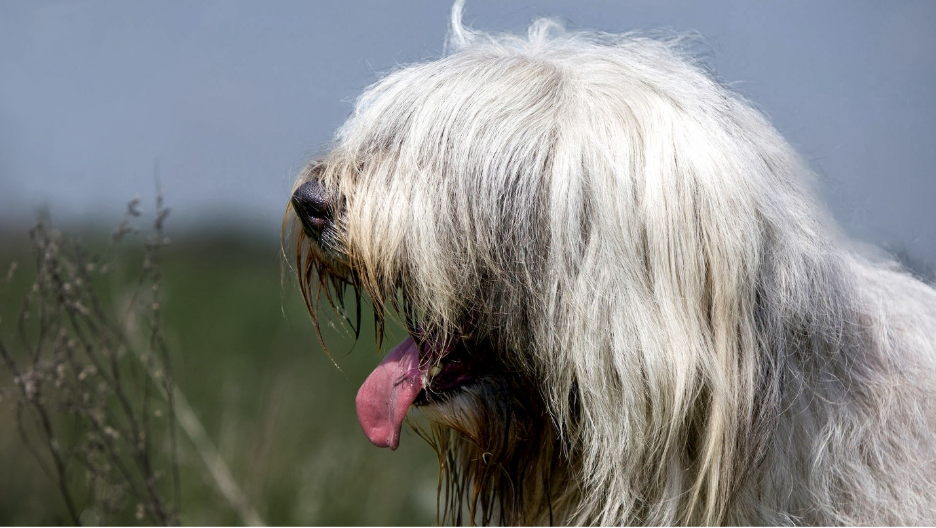
- No shaving: A dog’s coat insulates them from the heat, so shaving isn’t the best strategy. That being said, trimming a long-haired dog’s coat, particularly if it hangs around his legs, is acceptable. Vets suggest that owners should brush their dogs more often in the summertime as well, which can thin out the thick coat and get rid of hair that your pet is shedding.
- Avoid the heat: make sure not to exercise during the hottest parts of the day, and be vigilant about finding shade to rest when the time comes.
If you have any other concerns about caring for your dog during the hottest months, consult a vet who will be able to offer you expert help and advice best suited to your pet.
Baby is a two-year-old cat with a story that reminds us just how important access to care can be.
For months, Baby’s pet parent, Brian, had been trying to have her spayed. With limited access to transportation, getting to an appointment wasn’t easy for the Orangeville resident, but he remained committed to getting her care. That is until he heard about the Ontario SPCA and Humane Society’s Neuter Scooter program through a local TV segment.
The Ontario SPCA’s Neuter Scooter is a monthly service that operates in communities across the province. It provides accessible transportation to and from partnering spay/neuter clinics to provide spay/neuter and wellness services.
When a clinic date became available, our team stepped in to assist Brian, arranging transportation and providing a carrier to ensure Baby could travel safely to and from her appointment.
Learn more about the Ontario SPCA’s Neuter Scooter program.
An unexpected discovery
What was expected to be a routine spay became more serious during surgery.
Veterinarians discovered that Baby was suffering from pyometra, a serious and potentially life-threatening infection that can develop quickly, often without clear warning signs.
Without treatment, this condition can become fatal, making prompt veterinary care critical.
Pyometra most often affects unspayed female cats and dogs, particularly after a heat cycle, which is why spaying is so important in preventing this condition.
Learn more about pyometra and how you can protect your pet.
A second chance
Thanks to the care she received at the clinic, Baby was able to get the life-saving treatment she urgently needed.
“Access to care can make all the difference” says Shannon Bury, Community Outreach Coordinator for the Ontario SPCA and Humane Society Orangeville and District Animal Centre. “In Baby’s case, it meant getting her the help she needed when it mattered most.”
Her surgery was successful, and Baby was able to return home to her waiting family. Now she’s back to enjoying life after surviving this close call.
Why stories like Baby’s matter
Baby’s story highlights how serious conditions can go unnoticed, and how timely veterinary care can make all the difference. By removing barriers like transportation and access to services, we can help keep pets healthy and with the families who love them.
For Shannon, the experience was one that stayed with her. “It reassures you that the work we’re doing is making a difference” she says, “Even helping one pet and one family can change everything”.
Stories like Baby’s also help raise awareness about conditions like pyometra, which can develop quickly and without obvious signs; reinforcing the importance of preventative care, such as spaying.
As a registered charity that does not receive annual government funding, the Ontario SPCA and Humane Society depend on the generosity of donors to change the lives of animals in need. If you were inspired by Baby’s story, please consider donating today.
Have you ever heard of pyometra? Understanding the warning signs and acting quickly can make the difference between a routine surgery and a life-threatening emergency.
What is pyometra?
Pyometra is a serious and potentially life-threatening uterine infection that affects unspayed female dogs and cats. It most commonly occurs in middle-aged or older animals, though it can develop in younger pets as well. The condition typically develops a few weeks after a heat cycle, when hormonal changes create the perfect environment for bacteria to grow inside the uterus.
After a heat cycle, progesterone levels remain elevated to support a potential pregnancy. This hormone thickens the uterine lining and reduces uterine contractions. If pregnancy does not occur, the thickened lining and suppressed immune response can allow bacteria to multiply. The uterus can then fill with pus, leading to infection and, in severe cases, rupture or sepsis.
There are two forms of pyometra: open and closed. In open pyometra, the cervix remains open and infected discharge may be visible from the vulva. In closed pyometra, the cervix is closed, trapping infection inside the uterus and making it harder to detect and often more dangerous.
Signs and symptoms
Symptoms can vary but may include:
- Lethargy or weakness
- Loss of appetite
- Increased thirst and urination
- Vomiting
- Abdominal swelling or discomfort
- Fever
- Vaginal discharge (in open cases)
Closed pyometra can progress rapidly without obvious discharge, so any sudden illness in an unspayed female pet, especially weeks after a heat cycle, should be treated as urgent.
Treatment
Pyometra is a medical emergency. The most common and effective treatment is emergency spay surgery (ovariohysterectomy) to remove the infected uterus and ovaries. Supportive care, including intravenous fluids and antibiotics, is typically required. While medical (non-surgical) treatment exists in limited cases, it carries significant risk and recurrence is common.
Prompt veterinary care greatly improves the chances of recovery.
Prevention
The most effective way to prevent pyometra is to have your pet spayed before her first or second heat cycle. Spaying not only eliminates the risk of pyometra but also reduces the risk of mammary tumors and unplanned litters.
If your pet is not spayed, closely monitor her after each heat cycle and speak with your veterinarian about the risks. Early action can save her life.
It’s also important to know that a routine spay is much safer, simpler and less costly than the emergency surgery required to treat pyometra. In addition to surgery, pets with pyometra often require supportive treatment such as intravenous fluids, medications and close monitoring. In some cases, hospitalization at a veterinary clinic may be necessary during recovery.
If this information was helpful, please help us continue to educate about pet health and well-being by making a donation. As a registered charity that does not receive annual government funding, the Ontario SPCA and Humane Society depends on the generosity of donors to change the lives of animals in need.
IMMEDIATE RELEASE
Cornwall, ON (June 3, 2026) – As construction continues on the Ontario SPCA and Humane Society’s new Cornwall and Region Animal Centre and Veterinary Clinic, the charity is inviting the community to a special event on June 10 to launch the Brighter Future for Pets and People campaign and learn how the new facility will expand access to services for animals and the people who love them.
The campaign kick-off takes place Wednesday, June 10 at 10 a.m. at 2151 Second St. W. in Cornwall, the future home of the Cornwall and Region Animal Centre and Veterinary Clinic. Ontario SPCA representatives will share details about the transformational project, announce the results of early fundraising efforts and launch the public phase of the campaign to raise the remaining funds needed to complete the $8 million facility.
Once complete in 2027, the new 8,000-square-foot facility will replace the aging Ontario SPCA animal centre on Boundary Road. The new Cornwall Region Animal Centre and Veterinary Clinic will boost both animal intakes and adoptions by about 30% and will have the space to care for as many as 57 animals at a time – more than double the 24 spaces at the current centre. The facility has been designed for animal health and comfort to minimize stress and reduce length of stay.
The building will also contain an in-house, charity-based veterinary clinic operated by the Ontario SPCA. It will provide high-quality, high-volume spay/neuter procedures and basic veterinary services, helping families access care for their pets that they might not otherwise have received. The 1,400-square foot veterinary clinic will have a medical treatment suite for vaccinations and basic care, and a surgical suite capable of performing thousands of spay/neuter procedures each year.
To learn more, or to RSVP to attend the campaign launch event on June 10, visit ontariospca.ca/cornwall

##
Media contact
Arianne Kirkey
Community Outreach Coordinator
Ontario SPCA and Humane Society Cornwall and Region Animal Centre
(613) 937-7622
[email protected]
The Ontario SPCA and Humane Society
The Ontario SPCA and Humane Society is a registered charity that has been changing the lives of animals for over 150 years. The Society provides care, comfort and compassion to animals in need in communities across Ontario. It values all animals and advocates to treat them with respect and kindness. The Society strives to keep pets and families together and does so through a variety of community support services, such as sheltering and adoptions, including emergency sheltering, feral cat management programs, animal transfers, food distribution, humane education, animal advocacy, and spay/neuter services.
The Ontario SPCA does not receive annual government funding and relies on donations to provide programs and services to help animals in need. To learn more, or to donate, visit ontariospca.ca. Charitable Business # 88969-1044-RR0002.
The Ontario SPCA and Humane Society Cornwall and Region Animal Centre, formerly the Ontario SPCA Stormont, Dundas & Glengarry Animal Centre, is located on the landsof the Akwesasne Mohawks and their ancestors. We also acknowledge the Algonquin, Haudenosaunee (Ho-den-oshow-nee) (Iroquois), Huron-Wendat (huron-wen·dat), and Abenaki who are neighbours and partners to the Akwesasne Mohawk.
IMMEDIATE RELEASE
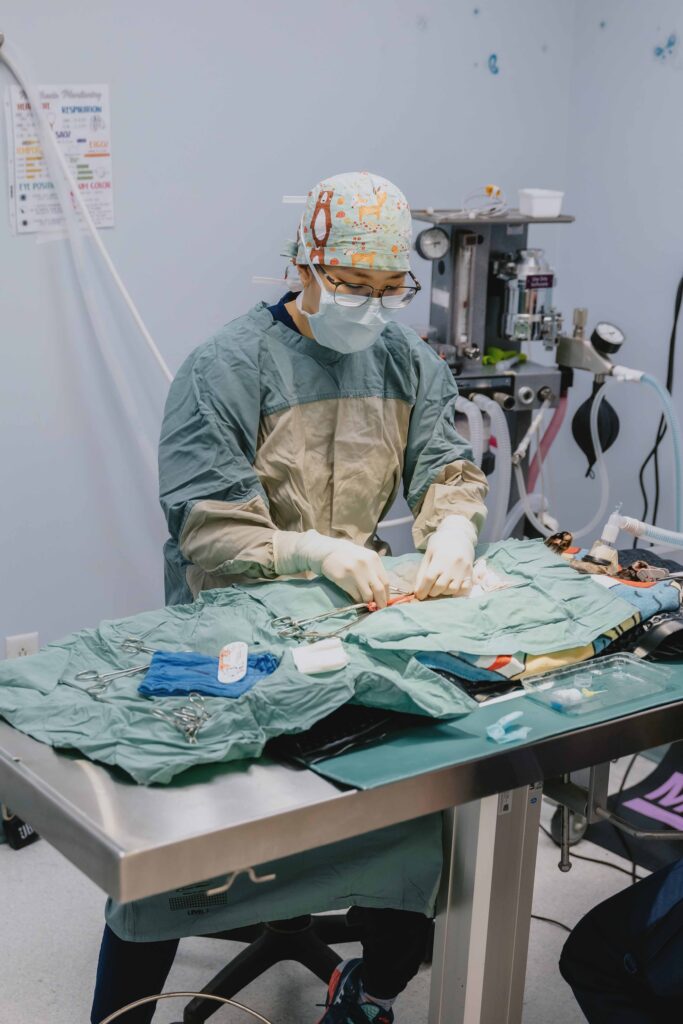
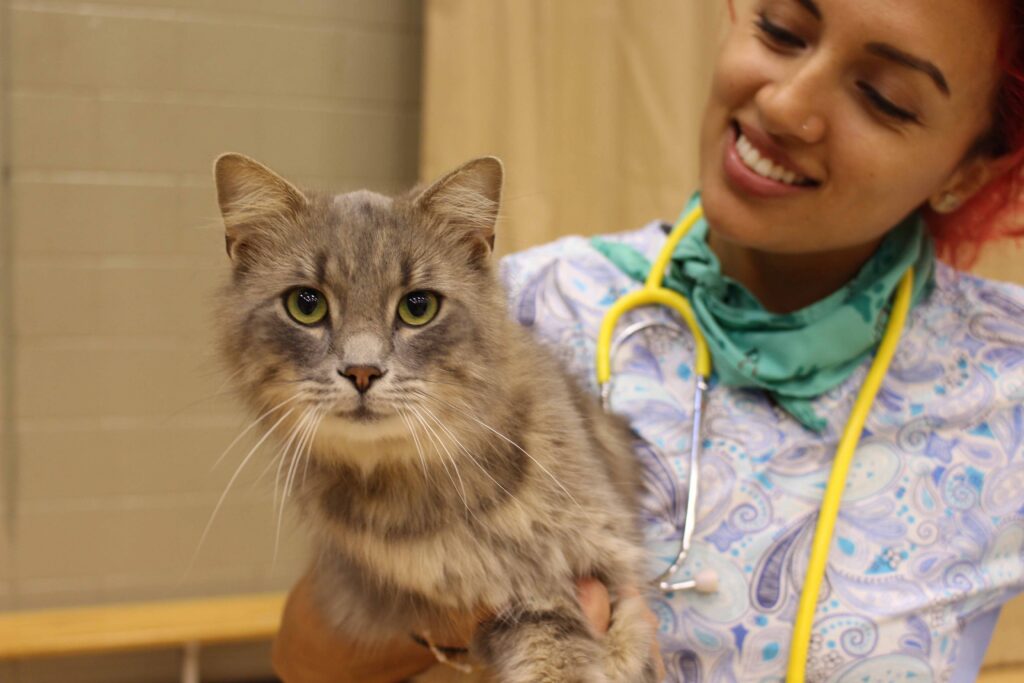
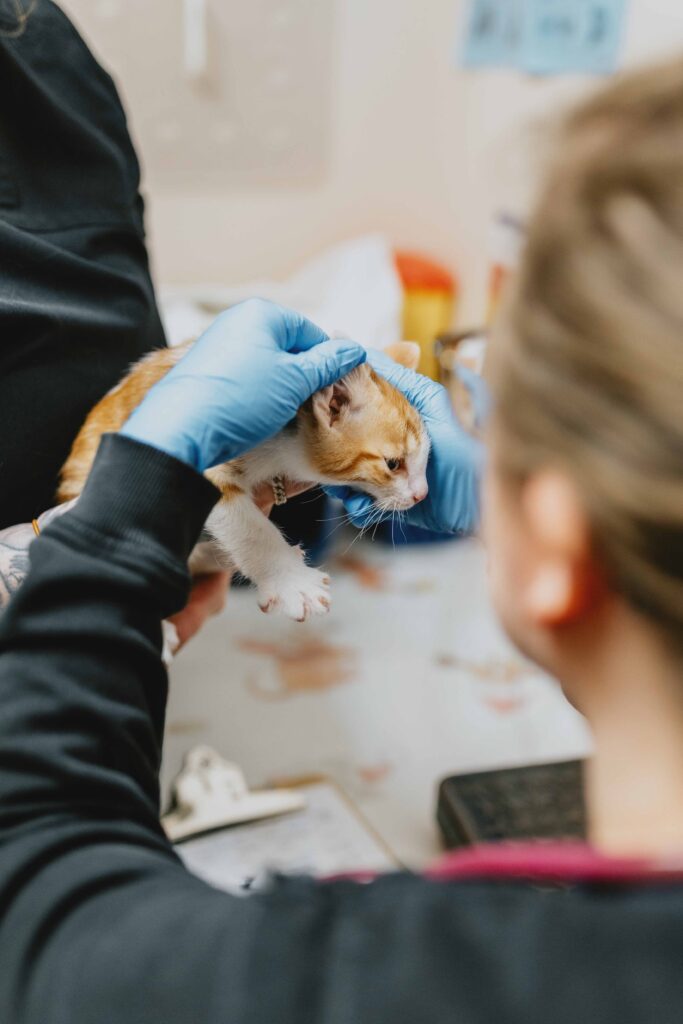
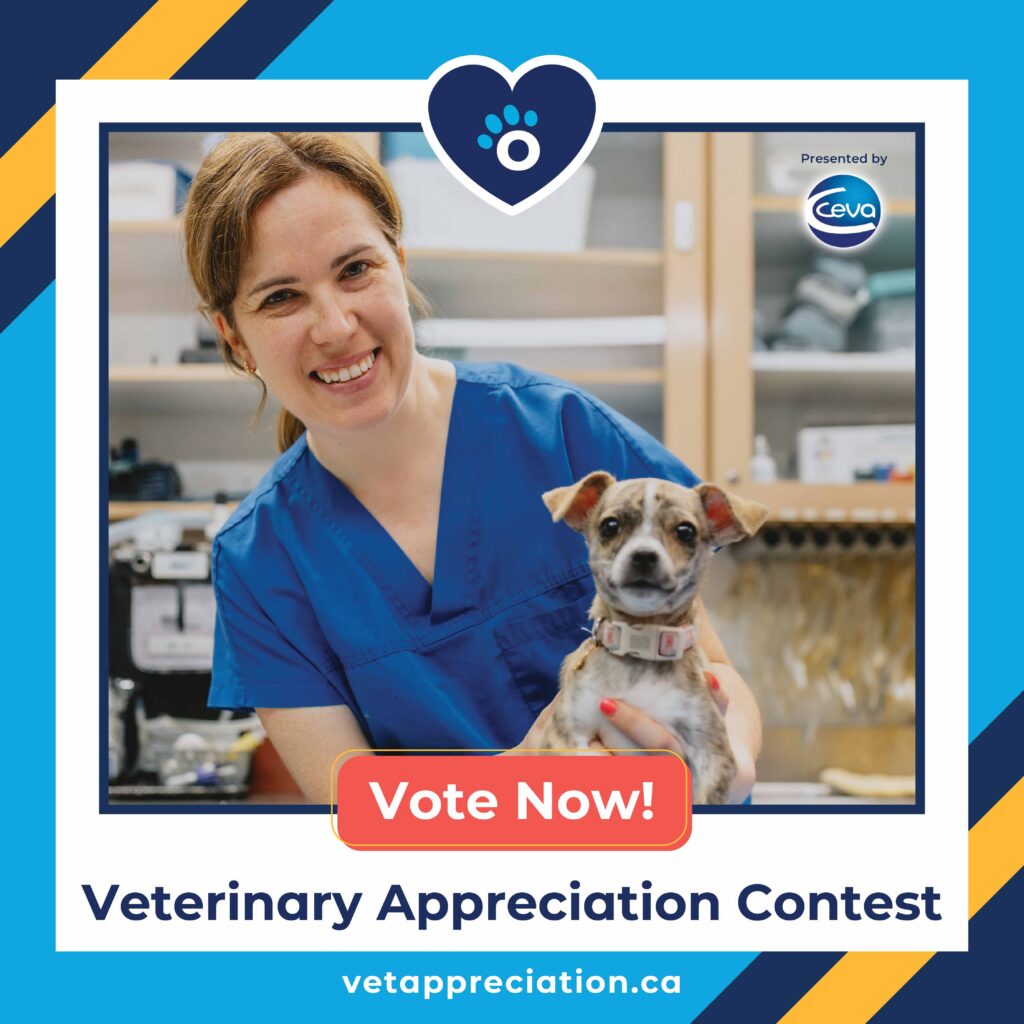
Stouffville, ON (June 1, 2026) – Pet families across Ontario now have a chance to recognize the veterinary professionals who help keep their animals healthy and thriving through the Ontario SPCA and Humane Society’s Veterinary Appreciation Contest, presented by Ceva Animal Health.
Visit vetappreciation.ca daily from June 1-12 to vote for your furry friend’s veterinary clinic. Veterinary teams show compassion, expertise and dedication in every appointment, helping animals live healthier, happier lives. This contest is a chance to say thank you in a meaningful way.
The clinic with the most votes will receive a commemorative plaque and a complimentary lunch for staff – a small gesture of appreciation for the big impact they make every day.
“Veterinary professionals make a difference in the lives of animals and the people who love them, and this contest is a chance to recognize their incredible impact,” says Dr. Joey Tang, Medical Director, Ontario SPCA and Humane Society. “We hope pet families across Ontario will take a moment to show their appreciation by voting for the clinic that has cared for their beloved companions with such skill and compassion.”
Ceva Animal Health is committed to advancing animal health and champions the veterinary professionals who make a difference every day in the lives of pets and the people who love them.
To learn more or vote for your pet’s veterinary clinic, visit vetappreciation.ca
##
Media Contact
Media Relations
Ontario SPCA and Humane Society
905-898-7122 x 375
The Ontario SPCA and Humane Society
The Ontario SPCA and Humane Society is a registered charity that has been changing the lives of animals for over 150 years. The Society provides care, comfort and compassion to animals in need in communities across Ontario. It values all animals and advocates to treat them with respect and kindness. The Society strives to keep pets and families together and does so through a variety of community support services, such as sheltering and adoptions, including emergency sheltering, feral cat management programs, animal transfers, food distribution, humane education, animal advocacy, and spay/neuter services.
The Ontario SPCA does not receive annual government funding and relies on donations to provide programs and services to help animals in need. To learn more, or to donate, visit ontariospca.ca. Charitable Business # 88969-1044-RR0002.
The Ontario SPCA and Humane Society Provincial Office sits on the traditional territory of the Wendat, the Anishinabek Nation, the Haudenosaunee Confederacy, the Mississaugas of Scugog, Hiawatha and Alderville First Nations and the Métis Nation. This territory was the subject of the Dish With One Spoon Wampum Belt Covenant, an agreement between the Iroquois Confederacy and the Ojibwe and allied nations to peaceably share and care for the resources around the Great Lakes. The treaties that were signed for this particular parcel of land are collectively referred to as the Williams Treaties of 1923.
Veterinary professionals are there for us through every stage of our pets’ lives, from routine checkups and vaccinations to emergency care and difficult goodbyes. Their compassion, dedication and expertise help keep the animals we love healthy and thriving. That’s why the Ontario SPCA and Humane Society is once again celebrating veterinary teams across the province through our Veterinary Appreciation Contest, presented by Ceva Animal Health.
Ceva Animal Health is committed to advancing animal health and champions the veterinary professionals who make a difference in the lives of pets and the people who love them every day.
A chance to say thank you
Now in its fifth year, the contest is an opportunity for pet parents to recognize the incredible work veterinary professionals do every single day. Whether it’s the veterinarian who helped your nervous rescue dog feel safe, the veterinary technician who comforted your cat during an appointment, or the clinic staff who always greet your pet by name, this is your chance to say thank you.
From June 1-12, visit vetappreciation.ca and cast your vote for your favourite veterinary clinic in Ontario. You can also encourage friends and family members with pets to vote for the clinic they appreciate most. The clinic that receives the most votes will receive a plaque and a complimentary lunch for their team as a small token of appreciation for the care they provide to animals and the people who love them.
Why veterinary care matters
The contest also shines a light on the important role veterinary professionals play in animal health. Routine and preventative veterinary care helps pets live longer, healthier lives and can catch health concerns before they become more serious. Establishing a relationship with a local veterinarian is one of the best things pet parents can do for their furry family members.
Supporting veterinary teams across Ontario
At the same time, veterinary professionals across Ontario continue to face significant challenges. Communities across the province, especially in rural and Northern areas, are experiencing veterinary shortages, making it harder for families to access care for their pets. This can lead to longer wait times, difficulty finding clinics accepting new patients, and increased pressure on veterinary teams already working tirelessly to meet demand.
The Ontario SPCA is committed to advocating for increased access to veterinary care and supporting initiatives that help keep pets and families together. Through programs like our community support services, spay/neuter services and wellness clinics, we work to reach underserved communities and connect families with ongoing veterinary care.
Small actions make a big difference
Pet parents can also help support veterinary teams by booking routine appointments early, prioritizing preventative care, and showing kindness and patience during visits. A little appreciation can go a long way.
This June, take a moment to celebrate the people who dedicate their lives to helping animals. Cast your vote, share the contest with fellow pet lovers, and help recognize the veterinary professionals who make a difference in the lives of pets every day.