Veterinary Services
We are proud to operate five veterinary clinics across the province, providing compassionate, high-quality care with a focus on prevention, wellness and improving the health and well-being of companion animals.

Compassionate, Accessible Veterinary Care
At the Ontario SPCA and Humane Society, we believe every pet deserves access to quality veterinary care. Our veterinary services are designed to improve access to essential care for pets and the people who love them, helping families keep their companion animals healthy while supporting stronger, healthier communities across Ontario.
Our Services
-
Spay/Neuter Services
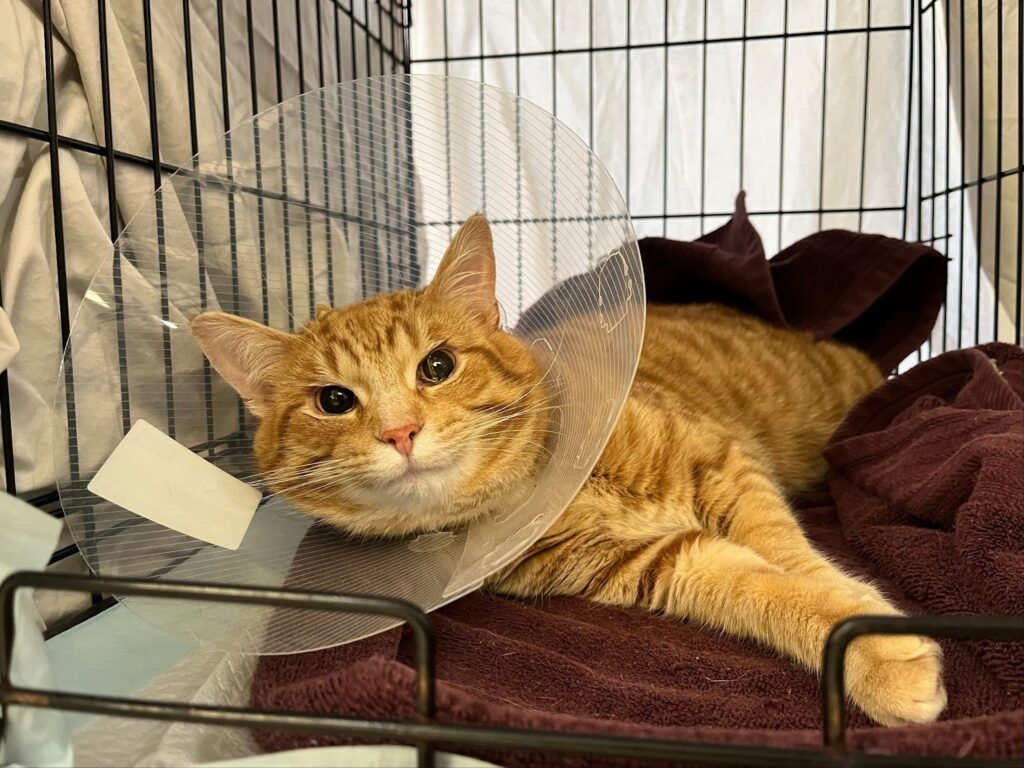
Spaying and neutering is one of the most important investments you can make in your pet's lifelong health. These routine surgical procedures help prevent unwanted litters, reduce the risk of certain cancers and reproductive diseases, and may decrease behaviours associated with mating. They also play a vital role in reducing pet overpopulation and helping more animals find loving homes.
Book Appointment -
Basic Veterinary Care and Wellness Services
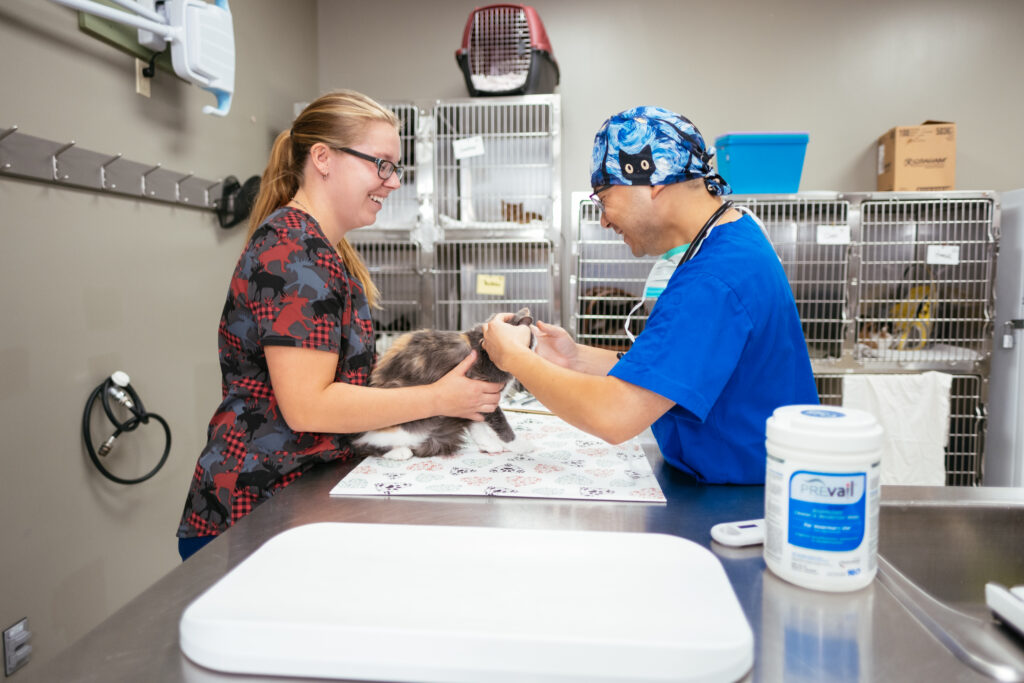
Preventative care is the foundation of a healthy life. Our wellness services include physical examinations, vaccinations, parasite prevention and diagnostic testing. Regular veterinary visits help detect health concerns early, allowing pets to live longer, healthier, and happier lives.
Book Appointment -
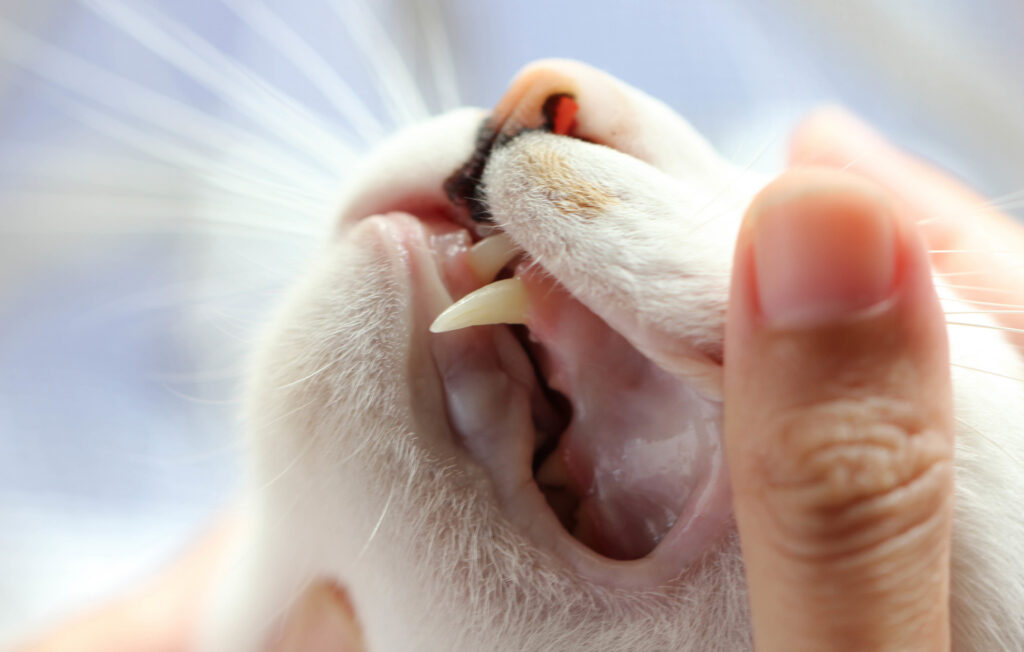
Dental Services
Oral health is an essential part of your pet's overall well-being. Our dental services are now available at our York Region Veterinary Clinic and include comprehensive oral health assessments, professional dental cleanings, digital dental radiographs, and medically necessary tooth extractions. Maintaining good dental health helps prevent pain, infection, and disease while improving your pet's comfort and quality of life.
Dental Services -
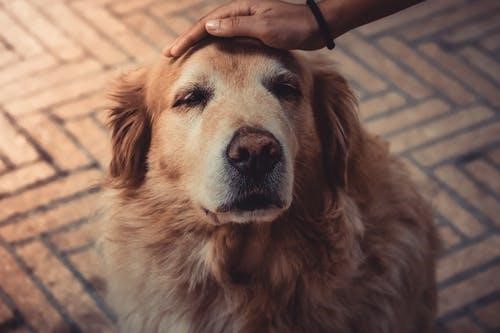
End-of-Life Services
Saying goodbye to a beloved companion is never easy. Our veterinary teams provide compassionate end-of-life consultations and humane euthanasia services in a respectful, supportive environment. We are committed to helping families make informed decisions while ensuring every pet receives dignity, comfort, and kindness during their final moments.
Book Appointment
Book Your Pet’s Appointment
Note: These clinics do not have the capacity to provide emergency care or treat injured or sick animals.
2026 Veterinary Service Fees
| Rate | |
| Feline Spay | $282 |
| Feline Neuter | $227 |
| Dog Spay | $500 |
| Dog Neuter | $416 |
| Wellness Exam | $60 |
| Rabies | $33 |
| FVRCP | $33 |
| FeLv | $33 |
| DA2PP | $33 |
| Lepto | $33 |
| Bordetella | $33 |
| Microchip | $36 |
| 4DX | $80 |
| FeLV/FIV | $90 |
| Euthanasia | $250 |
| Pre-op exam | $25 |
| Feral Cats (Surgery, Rabies, FVRCP, Ear Tip) | $80 |
| Dogs over 34kg or 75 lbs | +$75 |
| Bloodwork | Costs vary* |
| Onesie | $37 |
| E-collar/surgical onesie | $20 |
| Cardboard carrier | $15 |
| Communal cremation | $60-$190 (based on weight) |
| Dentals | Click for fees |
NOTE: It is recommended that you have your pet vaccinated at least two weeks prior to your spay/neuter appointment. Animals that have been vaccinated previously should be accompanied by proof of vaccination. Should you be unable to have this done in advance, vaccines can also be given at the time of surgery.
If cost is a barrier to care, support options may be available. Please fill out our Financial Assistance Information Form.
Important Notes
Payment
To ensure efficient scheduling and to accommodate the high volume of requests, the Ontario SPCA requires a deposit at the time of booking to secure all appointments. This policy applies to both basic veterinary care and spay/neuter services. Credit card payments can be made over the phone, and debit, credit or cash payments can be made in person, at our offices.
Cancellations
Appointment cancellations that are made seven (7) or more days ahead of the scheduled appointment date are eligible for a full refund of your booking deposit. Clients may request to reschedule their appointment to a future date, and their initial deposit will be transferred to this future booking.
Appointment cancellations that are made less than seven (7) days ahead of the scheduled appointment date will receive a refund less a cancellation fee. Clients may request to reschedule their appointment to a future date, but will be subject to a cancellation fee.
Spay/Neuter appointment cancellation fee: $100
Basic veterinary care appointment cancellation fee: $25
Declines
It is the responsibility of the owner to ensure all pre-surgical instructions are followed and that the animal meets the criteria for service.
A cancellation fee will be applied if your animal is turned away on the day of the procedure for any of the following reasons:
• Failure to follow pre-surgical instructions (e.g., not fasting), or
• The animal does not meet the Ontario SPCA’s medical or eligibility criteria.
All refunds will be at the discretion of the clinic manager.
Pre-surgery & Post-operative Care
Get tips to prepare your pet for spay/neuter surgery and ensure a smooth recovery. Help them stay safe, comfortable, and cared for every step of the way.

Ashley Z
Renee
Heather N
Jen F
Tamara M
Lynn H
Ontario SPCA and Humane Society Veterinary Services FAQs
Where are your veterinary clinics located?
Ontario SPCA and Humane Society Greater Sudbury Veterinary Clinic
College Boreal, Sudbury Campus West Side
21 Lasalle Boulevard
Sudbury, ON P3A 6B1
phone: 705-995-4463
email: [email protected]
Ontario SPCA and Humane Society York Region Veterinary Clinic
16586 Woodbine Avenue
Stouffville, ON L4A 2W3
phone:(905) 898-6112
email: [email protected]
Ontario SPCA and Humane Society Marion Vernon Memorial Animal Clinic
91A Patterson Road
Barrie, ON L4N 3V9
phone:(705) 734-9882
email: [email protected]
Ontario SPCA and Humane Society Durham Region Veterinary Clinic
1505 Wentworth St
Whitby, ON L1N 0H9
phone:(905) 285-6896
email: [email protected]
Ontario SPCA and Humane Society Northwest Veterinary Clinic
1535 Rosslyn Rd
Thunder Bay, ON, P7E 6W2
phone:(807) 235-9279
email: [email protected]
How can people access the service?
Basic veterinary services offered by the Ontario SPCA are accessible to the general public and those who receive government subsidies, have an Indigenous status card, are referred through social services and/or do not currently have a relationship with a local veterinarian. Contact one of our clinics above to begin the booking process.
Who determines who is eligible to use the clinics?
Anyone is eligible to access these clinics, but priority for booking appointments is given to those on subsidy, who do not have a regular veterinarian or are of Indigenous status.
For subsidized services, we will be working directly with local social services to identify those who need assistance caring for their animals. Pet families who receive a government subsidy can also reach out to us directly to book an appointment. Proof of eligibility will be required.
What kind of treatments and procedures do you offer?
The clinics provide physical examinations, vaccinations and microchipping. If an animal requires any additional care, the family will be referred to a local veterinarian for additional treatment. These clinics do not have the capacity to treat ill or injured animals.
We also provide end-of-life care for animals who have reached the natural end of their life, and their family does not have a veterinarian to perform humane euthanasia to end their suffering. We know that this is an extremely difficult and emotional decision to make for your beloved pet, and we are here to support you in any way we can.
Do the clinics offer emergency care?
Unfortunately, these clinics do not have the capacity to treat ill animals or emergency situations. We encourage you to keep a list of local emergency veterinary clinics should your pet fall ill or require emergency care.
What type of animals do you help?
The Ontario SPCA offers basic veterinary care to cats and dogs.
How is it funded?
As a registered charity, the Ontario SPCA and Humane Society depends on the generosity of donors to fund programs and services that help vulnerable animals in our community. If you are in a position to give and would like to help support these basic veterinary care clinics, you can donate online.
Who is eligible for spay/neuter services?
The Ontario SPCA and Humane Society is committed to supporting pet guardians and community animal welfare efforts through accessible spay/neuter services.
Who is eligible for our services:
- Pet guardians from the general public seeking spay/neuter procedures for their personal companion animals
- Registered animal rescue organizations working to reduce pet overpopulation
Who is not eligible for our services:
Breeders, pet-related businesses, or individuals seeking services for animals intended for sale or commercial use.
Can you spay my dog while she’s in heat?
We do not perform spay surgeries on dogs while they are in heat.
Can you spay my cat while she’s in heat?
While it is ideal to wait until a cat has finished her heat cycle before performing a spay surgery, cats have more cycles than dogs, so it is not always possible to time a spay procedure when the cat is not in heat.
How long does my cat/dog need to wear the Elizabethan collar or onesie?
To promote healing and minimize postoperative complications, it is recommended that your pet wear an Elizabethan collar (e-collar) or a onesie for 7 to 10 days post-surgery.
Can my pet eat and drink while wearing the Elizabethan collar?
Your pet will be able to eat and drink while wearing the Elizabethan collar (e-collar). Moving their bowls away from the wall will help ensure easier access.
How long do I have to keep my pet quiet?
It is very important that you limit your pet’s activity for 14 days post-surgery. No running, jumping, playing, swimming, bathing or other strenuous activity for 14 days after surgery. Pets must be kept indoors where they can stay clean, dry, and warm. Do not bathe your pet during the recovery period. Dogs must be walked on a leash, and cats must be kept inside. Any strenuous activity could disrupt this healing process.
Do I have to give my pet the pain medication they were sent home with?
The medications that they were sent home with need to be given to manage their pain and keep them comfortable. It is recommended that you follow the medication instructions provided at the time your pet was discharged from our clinic.
How do I safely pick up my pet post-surgery?
If you need to pick up your pet, gently scoop them up, with your hands cradling their back end and front end, trying not to put pressure on their abdomen.
Do sutures need to be removed?
Unless you are told otherwise, your pet does not have external sutures, so there is no need for suture removal. All sutures on the inside are absorbable, and the very outer layer of skin is held together with water-soluble surgical glue. Do not clean or apply a topical ointment to the incision site. If you are told that your pet has skin sutures or skin staples, they will need to return in 7-10 days to have those removed. Male cats do not have any sutures.
Why does the Ontario SPCA and Humane Society offer paediatric spay/neuter procedures?
Pre-pubertal (early-age) spay/neuter is widely accepted within the animal welfare and veterinary communities. The body of research on paediatric spay/neuter procedures involves various factors that can be interpreted in different ways. For a deeper understanding of this area, please read:
Canadian Veterinary Medical Association’s Position on Spaying/Neutering
Maddie’s Fund – Analysis of Critical Spay/Neuter Literature
An ASV Critique: The 2024 WSAVA Guidelines for the Control Of Reproduction in Dogs and Cats
All spay and neuter procedures offered by the Ontario SPCA and Humane Society are performed by licensed veterinarians, and animals are only cleared for surgery when they are healthy and at an appropriate age and weight. As with any medical procedure, each animal is assessed individually to ensure the best possible outcome.
Why are Ontario SPCA and Humane Society kittens and puppies spayed/neutered prior to adoption?
The Ontario SPCA and Humane Society spays or neuters animals prior to adoption to help prevent unplanned litters and reduce pet overpopulation, which continues to place a strain on animal shelters and communities across Canada.
Pre-pubertal (early-age) spay/neuter is widely accepted within the animal welfare and veterinary communities. The Canadian Veterinary Medical Association (CVMA) supports the spaying and neutering of shelter animals prior to sexual maturity as an important and responsible step in addressing pet overpopulation.
To read the CVMA’s position statement on the spaying and neutering of cats and dogs: https://www.canadianveterinarians.net/policy-and-outreach/position-statements/statements/spaying-and-neutering-of-dogs-and-cats/
Research has shown that when spay/neuter is left to be completed after adoption, compliance rates can be low, even when agreements or incentives are in place. By completing the procedure prior to adoption, we can be certain every animal adopted from our care is part of the solution to pet overpopulation.
Animals are only cleared for surgery when they are healthy and at an appropriate age and weight. As with any medical procedure, each animal is assessed individually to ensure the best possible outcome.
At the Ontario SPCA and Humane Society, we are committed to helping reduce pet overpopulation. Therefore, we believe that ensuring pets are spayed or neutered before adoption is a responsible and necessary step. Our goal is to give every animal the best start in their new home while also helping to prevent more animals from entering the shelter system in the future.