It’s time to head back to school and return to your family’s regular activities, which means your animal may be alone for longer periods during the day. This is a great opportunity for some enrichment time for your furry friend. It will help them adjust, as well as make your transition back to school smoother.
Let’s talk about enrichment
It’s important to remember that animal enrichment is an ongoing process, not a single object or event, and it is usually delivered on a routine schedule. If you haven’t had your pet’s enrichment scheduled before, don’t worry! It’s never too late to start.
Goals for enrichment:
- Improving quality of life
- Increasing the ability to successfully cope with daily stressors
- Encouraging natural behaviours, such as hunting, chasing, and climbing
Here are a few enrichment ideas and activities to help your animals adjust to your family being out of the home more.
Cat enrichment
- Food puzzles
-
- Puzzle feeders, toys or devices that contain food encourage your cats to engage in predatory behaviour. Manipulating the device provides stimulation and exercise.
- Fishing game
-
- Fill a shallow container with water and a few floating toys (such as ping pong balls). This can be done in a playroom or communal room where there is lots of space. This may be a good activity for when everyone is back from school/work and you can supervise the fun!
Dog enrichment
- Food dispensing toys
- These types of toys help dogs work for their food, and provide enrichment, especially when the dog is alone.
- For information on cereal box dispensers, click here. You can also watch this how-to video.
- Music
- The right music can calm your dog and provide them with enrichment. Make sure to select dog-friendly music, such as classical music, or music created specifically for dogs. Learn more here.
Small animal enrichment
- Nesting material
-
- Nesting material should be provided for your small animal to build a nest or resting place for themselves. This provides physical and mental stimulation.
-
- Examples of nesting material include cotton balls, pieces of fleece, shredded newspaper, toilet paper and hay.
- White noise
-
- White noise can have a calming effect and promote relaxation for small animals.
-
- White noise should be used for shorter periods of time (about 2 hours long) to prevent them from becoming habituated to it or “tuning it out.”
Separation anxiety and enrichment
Keep in mind, if your furry friend is used to having people at home, they may be susceptible to developing separation anxiety when normal routines resume. Animals that experience a great deal of change, such as a new environment or new schedule, can be at higher risk.
Some signs of separation anxiety include:
- Howling
- Barking, or whining excessively
- House-trained dogs may also have “accidents” indoors and inappropriate chewing or eating of household items
For more information and what to do if you notice these signs, read this blog.
We hope you found these ideas helpful and that they help to smooth the transition back to school for your family!
If this information was helpful, please help us continue to educate about pet health and well-being by making a donation. As a registered charity that does not receive annual government funding, the Ontario SPCA and Humane Society depends on the generosity of donors to change the lives of animals in need.
Bed bugs… just the name is enough to make you itch! These tiny hitchhikers are experts at sneaking into homes — and once they’re in, they can be tough to evict. But what about your companion animals? Are they at risk of becoming a bed bug buffet? Let’s bust a few myths and help keep everyone in your household — two- or four-legged — comfy and bug-free.
Where do bed bugs come from?
Bed bugs are like the worst kind of house guests — they show up uninvited and refuse to leave. They can hitch a ride on luggage, used furniture, clothing, or even on you after a stay in a hotel or public place. Once inside, they make themselves at home in mattresses, furniture, baseboards — anywhere cozy and close to where humans (and sometimes animals) hang out.
Do bed bugs affect animals?
Good news: bed bugs prefer to snack on humans. But in a bad infestation, they won’t turn their noses up at a nearby animal. Dogs, cats, rabbits — if your pet’s bed is close to an infested area, they may get bitten. Bed bugs won’t live on your four-legged friends like fleas or ticks do, but they can hide out in their bedding and blankets.
Need more info on ticks… read our blog, “Tick Prevention”.
Signs of bed bugs in the home
How do you know if you’ve got unwanted visitors? Look for:
- Tiny reddish-brown bugs (about the size of an apple seed)
- Little white eggs or shed skins in bedding or furniture
- Rust-coloured stains on fabrics
- Furry companions that seem itchy or restless (though not all animals will react)
How to kick bed bugs to the curb
If you suspect bed bugs have moved in:
- Wash all bedding, including your animal’s, on the hottest setting and dry on high heat.
- Vacuum thoroughly — especially spots where your animals sleep. Empty the vacuum right away.
- Call a licensed pest control professional for safe, effective treatment.
While bed bugs don’t spread disease, they do cause stress and sleepless nights. Staying vigilant, inspecting bedding regularly, and acting fast will help protect both you and your furry family members. After all, everyone deserves a good night’s sleep — without extra critters in the bed!
If this information was helpful, please help us continue to educate about pet health and well-being by making a donation. As a registered charity that does not receive annual government funding, the Ontario SPCA and Humane Society depends on the generosity of donors to change the lives of animals in need.
Cats may seem independent, but their happiness and wellbeing depend on how their home environment is set up. At home, your cat builds her routine around four essentials: resting, playing, eating, and cuddling. Our friends at Royal Canin Canada share some tips for setting up dedicated spaces for each of these activities helps her feel secure, enriched, and content.
Eating area
Must be distant from her litter box and in a calm area. You can use a feeding toy to satisfy her hunting instinct and make her “earn” her food.
Resting area
Several resting spaces to provide your cat with some privacy is ideal. They will have to be soft, comfortable and easy to keep clean. You can have a resting place near a heat source and some high up so she can see what is going on in the house. However, your bedroom may not be the right place as cats can be active at night.
Playing area
Toys help to entertain a cat when you are not home, but the best for her is when you can spend some time playing with her! Have a scratching post in your home to help prevent the cat from scratching the furniture.
Litter box
The litter box must always be easily accessible, placed away from their food bowl and cleaned both regularly and often.
From cozy resting spots to stimulating play areas, every detail of their space contributes to their comfort. By organizing your home around your cat’s natural instincts, you can help her thrive.
We’re excited to shine a spotlight on the incredible organizations chosen to receive funding through the Ontario SPCA’s CARES Fund in 2025, and the inspiring work they’re about to embark on to improve the lives of animals in their communities.
The Community Animal Resources, Education & Support (CARES) Fund is a new initiative by the Ontario SPCA and Humane Society aimed at supporting and strengthening the efforts of local SPCAs and Humane Societies working in underserved communities across Ontario. This initiative helps bring vital animal care and resources to the people and pets who need them most.
From across the province, passionate organizations submitted thoughtful, community-driven proposals, and after a thorough review process, six outstanding projects rose to the top. These initiatives stood out for their innovation, compassion, and potential to make a real difference in the lives of animals.
These grants are more than just funding; they’re fuel for change. We’re proud to stand alongside these passionate organizations as they lead the charge in making Ontario a better place for animals and the people who love them.
2025 CARES funded projects
In total, $122,152 in funding has been awarded to six inspiring initiatives that reflect the heart of the CARES fund: removing barriers to care, enhancing shelter infrastructure, and building stronger, healthier communities for animals and the people who love them.
The Pet Pantry Food Assistance Program at The Humane Society of Kitchener Waterloo and Stratford Perth will establish a permanent pet pantry to help families facing pet food insecurity, ensuring animals can stay in loving homes.
The Fort Erie SPCA will support the creation of a new Registered Veterinary Technician (RVT) role, helping expand access to veterinary services within their community. This one-year pilot will allow the organization to assess the long-term impact of the position.
The Windsor/Essex County Humane Society will support Helping Paws, a program delivering veterinary outreach and spay/neuter services to at-risk pet parents. This initiative builds on community partnerships to improve access to care for those who need it most.
The Alliston & District Humane Society will launch their “From Sad to Rad” cat area renovation, enhancing feline housing and enrichment to improve welfare, increase shelter capacity, and boost volunteer engagement.
The Humane Society Hastings Prince Edward (Quinte Humane Society) will support a student animal care work experience program. This short-term training opportunity helps prepare the next generation of animal care professionals while supporting shelter operations.
Finally, the Arnprior and District Humane Society will support a subsidized spay/neuter program aimed at helping low-income pet parents access essential preventative care and support population control efforts in their region.
Investing in stronger communities
The CARES funded projects represent innovative, compassionate approaches to improving animal welfare and strengthening the human-animal bond across the province. Stay tuned, you’re going to want to see the amazing impact they’ll have on pets, people and communities across Ontario.
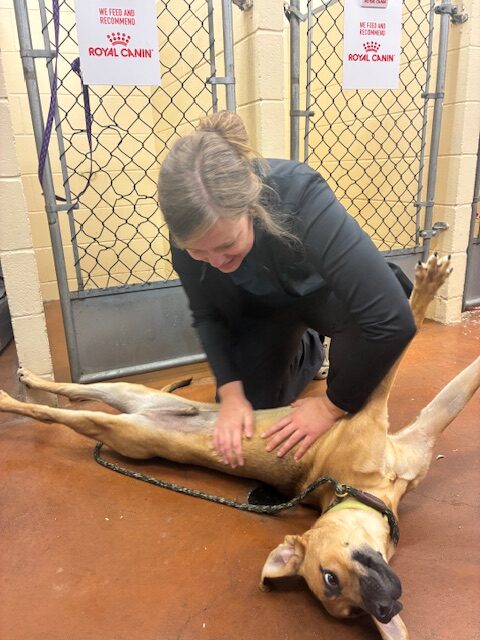
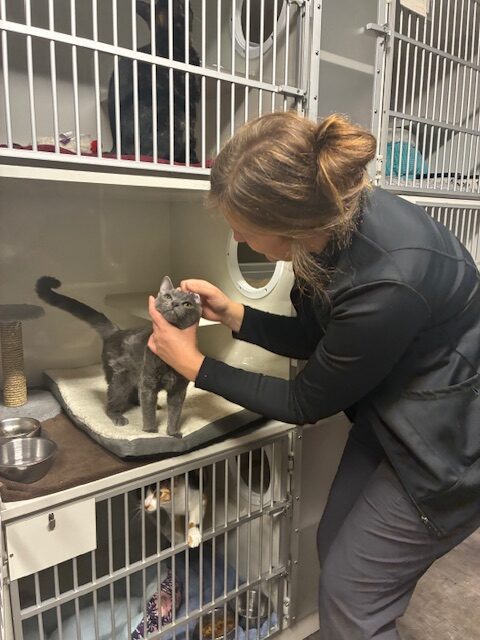
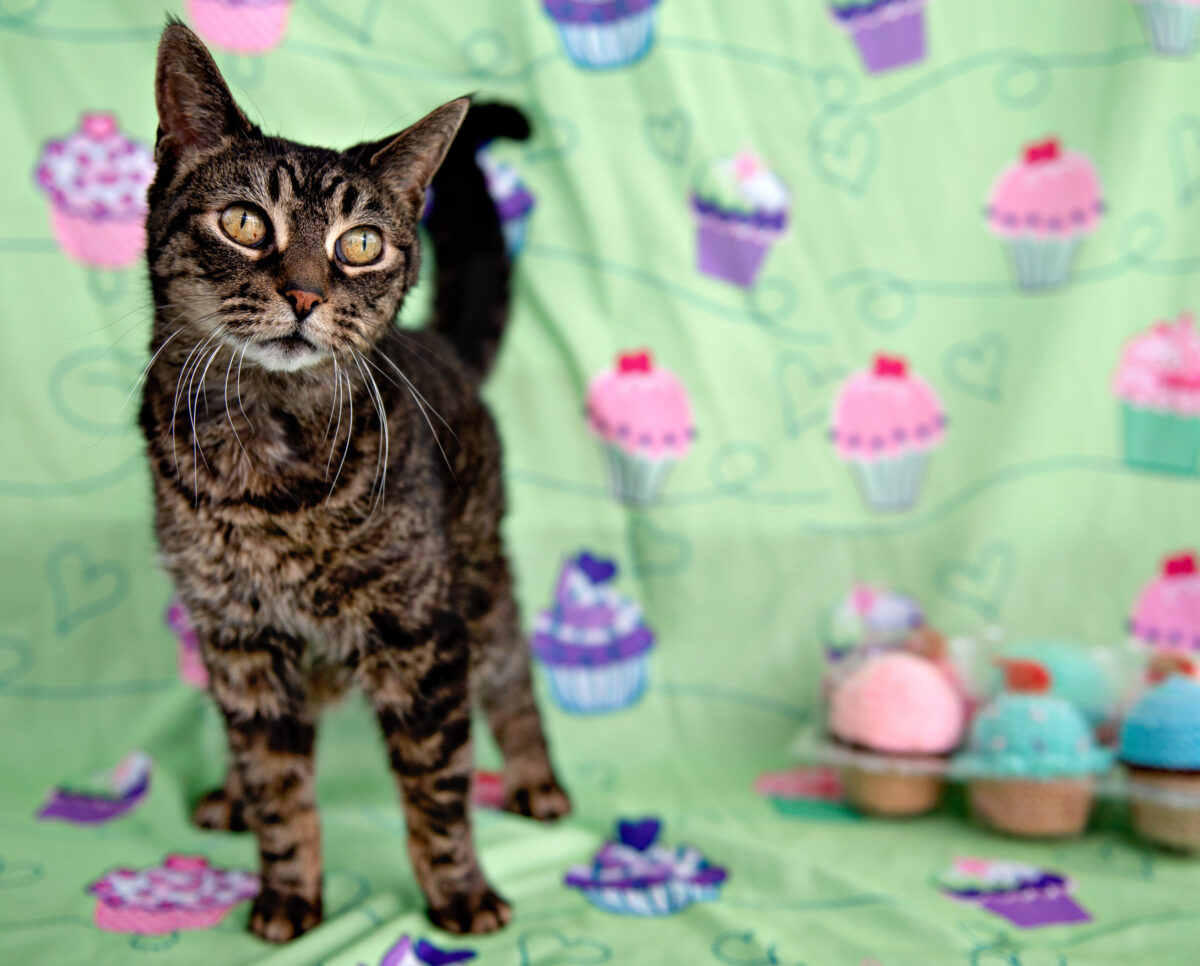
Penny was in rough shape when she came into the care of the Ontario SPCA Lennox & Addington Animal Centre in Napanee. The 10-year-old cat needed urgent care to treat her ruptured eye.
After undergoing surgery, she made a remarkable recovery. But while her body healed quickly, finding her loving home took a little longer. Many potential adopters overlooked her, hesitant about her age and medical history, even though she greeted everyone with her warm and gentle spirit.
Then there’s Mia, a 15-year-old cat who came into the Lennox & Addington Animal Centre for rehoming. Like Penny, she faced medical challenges. She was bright and alert, but tests revealed she was battling hyperthyroidism. We knew that with proper treatment her condition could be managed, and Mia could enjoy many more happy years.
A second chance together
Both Penny and Mia were long-term residents at the centre, overlooked by potential adopters due to their age. But sometimes, all it takes is one caring heart to change a life – or two.
A devoted volunteer at the animal centre felt a strong bond with these two senior cats, recognizing their resilience and loving personalities. Inspired by their unwavering spirit, the volunteer decided to adopt them both, ensuring they experienced the love and security of a forever home together.
The Ontario SPCA and Humane Society is dedicated to helping every animal get the second chance that they deserve, no matter how long it takes.As a registered charity that does not receive annual government funding, the Ontario SPCA depends on the generosity of donors to change the lives of animals in need. Please consider donating today to help more animals like Penny and Mia.
Interested in adopting? Visit our adoption page to see animals waiting for their second chance.
IMMEDIATE RELEASE
Stouffville, ON (Sept. 3, 2025) – With kids heading back to school and the house a little quieter, empty nesters now have a unique opportunity to open their hearts and homes to animals in need. The Ontario SPCA and Humane Society is urgently seeking foster volunteers to provide temporary, loving care for animals who need extra support before they’re ready for adoption.
The foster program supports animals who are too young, sick, injured, under-socialized, or stressed to thrive in an animal centre environment. The Ontario SPCA is currently looking for foster volunteers who can:
- Provide a temporary home for dogs and cats needing a little extra help learning new behaviours
- Care for animals with medical needs, such as those taking medication or recovering from surgery
- Support pregnant dogs and help care for their puppies after birth
- Provide bottle feeding and round-the-clock care
- And have no other cats or dogs already in the home
“Fostering not only gives an animal in need a loving home, it also brings joy, companionship, and purpose to the foster family,” says Kim Dooley, Provincial Manager, Volunteer Development, Ontario SPCA and Humane Society. “It’s a meaningful way to fill an empty house – and heart – while making a life-changing difference.”
To apply to become a foster volunteer and change an animal’s life, visit ontariospca.ca/foster
As a registered charity that does not receive annual government funding, the Ontario SPCA depends on the generosity of volunteers and donors. If you’re not in a position to foster, please consider making a donation to help provide care and shelter to animals in need by visiting ontariospca.ca/donate
##
MEDIA CONTACT
Media Relations
Ontario SPCA and Humane Society
905-898-7122 x 375
[email protected]
The Ontario SPCA and Humane Society
The Ontario SPCA and Humane Society is a registered charity that has been changing the lives of animals for 150 years. The Society provides care, comfort and compassion to animals in need in communities across Ontario. It values all animals and advocates to treat them with respect and kindness. The Society strives to keep pets and families together and does so through a variety of community support services, such as sheltering and adoptions, including emergency sheltering, feral cat management programs, animal transfers, food distribution, humane education, animal advocacy, and spay/neuter services.
The Ontario SPCA does not receive annual government funding and relies on donations to provide programs and services to help animals in need. To learn more, or to donate, visit ontariospca.ca. Charitable Business # 88969-1044-RR0002.
The Ontario SPCA and Humane Society Provincial Office sits on the traditional territory of the Wendat, the Anishinabek Nation, the Haudenosaunee Confederacy, the Mississaugas of Scugog, Hiawatha and Alderville First Nations and the Métis Nation. This territory was the subject of the Dish With One Spoon Wampum Belt Covenant, an agreement between the Iroquois Confederacy and the Ojibwe and allied nations to peaceably share and care for the resources around the Great Lakes. The treaties that were signed for this particular parcel of land are collectively referred to as the Williams Treaties of 1923.
With the school season coming back in full swing, your family will be adjusting to the new schedule – and that includes your pets!
Your furry family member may need time to adjust to a change in schedule. Separation anxiety can occur for pets when they are used to having you around all the time. Keep reading for signs to watch for, and how to help prevent separation anxiety.
Symptoms of separation anxiety
Some symptoms include any of the following when left alone:
- Urinating and defecating
- Barking and howling
- Chewing, digging and destruction of the house
- Escaping from their enclosure
- Pacing in a fixed pattern
- Coprophagia, when the dog defecates and consumes all or some of their excrement
If these actions are a result of separation anxiety, they typically are not performed in front of the guardian.
Tips to help prevent separation anxiety
- Keep a schedule to fulfil your dog’s physical and social needs through daily activities such as play, positive reinforcement training, leashed walks, and environmental enrichment.
- Teach your dog to be comfortable being left alone or separated from you by implementing a doggy gate or a door.
- If you spend most of your day at home with your dog, make sure to give them some space, as receiving constant attention can make it harder for them when you leave.
- Plan alone time for your dog each day while you pick up groceries, take a short drive, or take a shower.
- Offer your dog a food puzzle toy when you are leaving to give them something fun to do.
- Play calming music, such as classical or species-specific music at times throughout the day and when you leave home.
- Reward your dog for any calm behaviour.
- Make your arrivals and departures calm. Avoid high emotional responses when you leave the house or when you first arrive home.
To learn tips on overcoming this anxiety with your pet, read our blog: How to Help a Pet with Separation Anxiety.
For more information on the condition, read: Anxiety, pets, and mental health.
If this information was helpful, please help us continue to educate about pet health and well-being by making a donation. As a registered charity that does not receive annual government funding, the Ontario SPCA and Humane Society depends on the generosity of donors to change the lives of animals in need.
The Ontario SPCA and Humane Society is seeking foster volunteers to provide temporary, loving care for animals who need extra support before they’re ready for adoption! With kids heading back to school and the house a little quieter, now is the perfect opportunity to open your heart and home to animals in need.
The Foster Program benefits animals who are not ready for adoption and are either too young, sick, injured, under-socialized or stressed to thrive in the animal centre environment. Instead, animals are cared for in a nurturing foster home.
We are currently looking for specialized volunteers who can:
- Provide a temporary home for dogs and cats needing a little extra help learning new behaviours
- Care for animals with medical needs, such as those taking medication or recovering from surgery
- Support pregnant dogs and help care for their puppies after birth
- Provide bottle feeding and round-the-clock care (*All foster homes wishing to do bottle feeding will be provided with a mandatory online training course.)
Priority will be given to applicants who do not have other pets in the home.
Interested in becoming a foster volunteer?
Here are the answers to our most frequently asked questions to help you determine if becoming a foster volunteer is right for you:
What experience do I need to foster?
Experience in animal care, training and giving medications is helpful in becoming a foster parent, but a willingness to learn is the most important thing. Foster parents must be at least 18 years old and be able to set aside time to socialize with your foster animal and monitor their health. You also need reliable access to transportation to take the animal to any necessary appointments.
What will I need to provide my foster animal?
To thrive, foster animals need a peaceful, loving environment. Daily care and interaction are necessary to ensure their social, emotional and physical needs are met. That one-on-one time also gives the foster caregivers a chance to monitor the health and behaviour of the animal. For their comfort and well-being, foster animals will need a quiet space within the home that can be easily cleaned and segregated from other animals. They may also require routine health checks and veterinary appointments.
What support is available to me?
Foster pet parents receive a detailed animal care plan developed by the Ontario SPCA . If questions come up, the animal centre staff are available to provide any resources or support required to ensure a successful foster placement. The foster program coordinator will periodically check in to monitor the foster animal’s progress.
Can people adopt the animals they foster?
The foster care program provides temporary housing for animals in loving homes until they are ready for adoption. There are times when a foster volunteer develops a special bond with a foster animal and considers adoption. If that happens, we work with the foster volunteer to help them officially adopt the animal.
Is there a training process?
Yes, we will provide online training courses, manuals, and resources, as well as any hands-on training as needed.
What happens if a foster animal needs vet care?
The team at your local Ontario SPCA animal centre is available to answer any non-emergency health questions that a foster volunteer might have. Ontario SPCA foster volunteers will also have free access to Vetster, which provides on-demand online veterinary appointment with licensed veterinarians through video chat appointments 24/7. We also work closely with local veterinary hospitals to provide any additional or urgent care required.
Does the Ontario SPCA send fosters home with all the food and supplies they need?
Yes, all our foster families are provided with food, medication and other supplies the animal will require for their care.
How long does the foster animal usually stay in the foster home?
It depends on the type of animal, its care needs, and the availability of the foster home. Some fosters are able to take on animals recovering from surgery, so they may only have the foster until they are healthy. Or some may stay in the home until they are old enough to be adopted, which could be a few weeks. Some exceptional cases have even been in homes for a few months! It depends on what you can handle and what the animal needs.
What are the benefits of becoming a foster volunteer?
Being a foster volunteer gives you the opportunity to help animals by giving them the TLC they need to thrive while helping prepare them for life with a loving family. It is a rewarding experience that will light up your life in ways you could never imagine, allowing you to spend time with some new furry friends.
To give vulnerable animals the best opportunity at the second chance they deserve, we’re asking anyone who can help to join our team. For more information on becoming a foster volunteer, visit ontariospca.ca/foster
Are there other volunteer opportunities available?
We encourage anyone interested in volunteering to keep an eye on our website ontariospca.ca/volunteer for updates and opportunities.
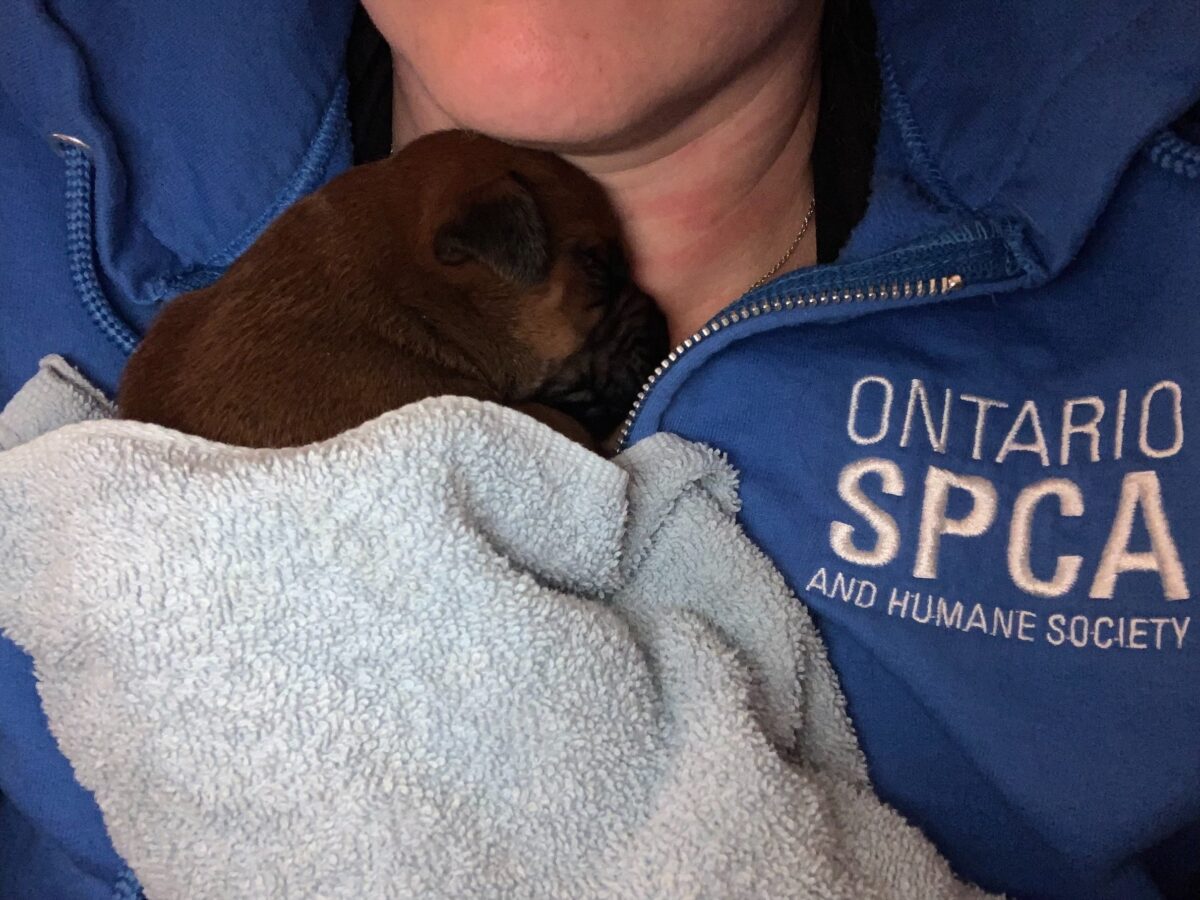
Adopting a dog is a life-changing decision, but one that can bring great love and joy to your life. To help you decide if you’re ready to adopt a dog, we’ve put together information on caregiver responsibilities and considerations before adopting!
How does adopting a dog impact your life?
By adopting a dog, you gain a loving companion who greets your homecomings with joyful abandon (regardless if you were gone five minutes or five hours), an eager partner to join you on every adventure (whether it’s placing your recycling at the curb or visiting a park), and an inspirational sidekick who lives each moment to the fullest.
Adoption also changes some of the people in your life (dogs attract new friends!), your activity level (lace up those walking shoes), your schedule (dogs need companionship and can’t be left alone for long hours) and your spending habits. As you consider whether you are ready to adopt, keep in mind the commitment and responsibilities involved.
General considerations
- Dogs need regular exercise and should be walked two or three times a day (the backyard does not provide enough exercise, stimulation or fun). Some dogs also require vigorous exercise.
- If your dog hasn’t been trained, you may need to attend training classes to help you understand your dog and develop a clear and consistent way of communicating.
- Dogs require regular grooming to keep their coats healthy and clean. You will need to do this yourself or take your dog to a groomer. Cost per year depends on the breed and frequency.
- Dogs require regular nail trimming and teeth brushing (note: there is special toothpaste available at pet stores that is safe for dogs).
- Dogs need and crave companionship and require lots of time with their family.
- The cost of adopting a dog is only the initial expense. You will need to provide food, identification (dog tags and licensing your pet); ongoing veterinary care, including vaccinations and routine health care, and supplies, such as food, dishes, toys and grooming tools.
- You’ll also need to be prepared to puppy/dog proof your home. Before bringing home a dog it’s important to have a safe space in your home for the dog to reside when you’re away from the house. This space will help them get comfortable until they’re ready to safely roam free in the house without supervision.
With all of this in mind, dogs bring joy, comfort, and companionship to our lives, helping us stay healthier and better able to handle life’s challenges!
Now what?
If you are convinced that you are ready for a dog in your life, please visit our website to see animals available for adoption. Animal centre staff will guide you through every step of finding your special friend – one that is just right for you.
If this information was helpful, please help us continue to educate about pet health and well-being by making a donation. As a registered charity that does not receive annual government funding, the Ontario SPCA and Humane Society depends on the generosity of donors to change the lives of animals in need.
We’re excited to shine a spotlight on the incredible organizations chosen to receive funding through the Ontario SPCA’s CARES Fund in 2025, and the inspiring work they’re about to embark on to improve the lives of animals in their communities.
The Community Animal Resources, Education & Support (CARES) Fund is a new initiative by the Ontario SPCA and Humane Society aimed at supporting and strengthening the efforts of local SPCAs and Humane Societies working in underserved communities across Ontario. This initiative helps bring vital animal care and resources to the people and pets who need them most.
From across the province, passionate organizations submitted thoughtful, community-driven proposals, and after a thorough review process, six outstanding projects rose to the top. These initiatives stood out for their innovation, compassion, and potential to make a real difference in the lives of animals.
These grants are more than just funding; they’re fuel for change. We’re proud to stand alongside these passionate organizations as they lead the charge in making Ontario a better place for animals and the people who love them.
2025 CARES funded projects
In total, $122,152 in funding has been awarded to six inspiring initiatives that reflect the heart of the CARES fund: removing barriers to care, enhancing shelter infrastructure, and building stronger, healthier communities for animals and the people who love them.
The Pet Pantry Food Assistance Program at The Humane Society of Kitchener Waterloo and Stratford Perth will establish a permanent pet pantry to help families facing pet food insecurity, ensuring animals can stay in loving homes.
The Fort Erie SPCA will support the creation of a new Registered Veterinary Technician (RVT) role, helping expand access to veterinary services within their community. This one-year pilot will allow the organization to assess the long-term impact of the position.
The Windsor/Essex County Humane Society will support Helping Paws, a program delivering veterinary outreach and spay/neuter services to at-risk pet parents. This initiative builds on community partnerships to improve access to care for those who need it most.
The Alliston & District Humane Society will launch their “From Sad to Rad” cat area renovation, enhancing feline housing and enrichment to improve welfare, increase shelter capacity, and boost volunteer engagement.
The Humane Society Hastings Prince Edward (Quinte Humane Society) will support a student animal care work experience program. This short-term training opportunity helps prepare the next generation of animal care professionals while supporting shelter operations.
Finally, the Arnprior and District Humane Society will support a subsidized spay/neuter program aimed at helping low-income pet parents access essential preventative care and support population control efforts in their region.
Investing in stronger communities
The CARES funded projects represent innovative, compassionate approaches to improving animal welfare and strengthening the human-animal bond across the province. Stay tuned, you’re going to want to see the amazing impact they’ll have on pets, people and communities across Ontario.
IMMEDIATE RELEASE
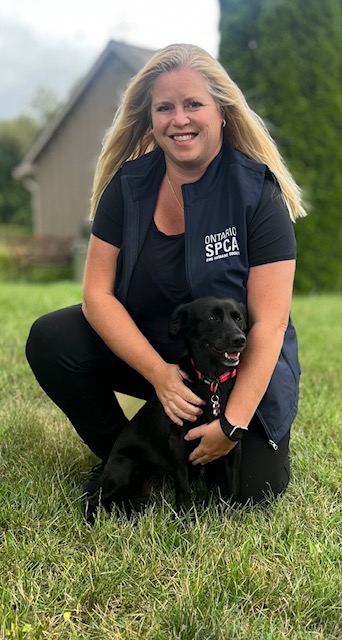
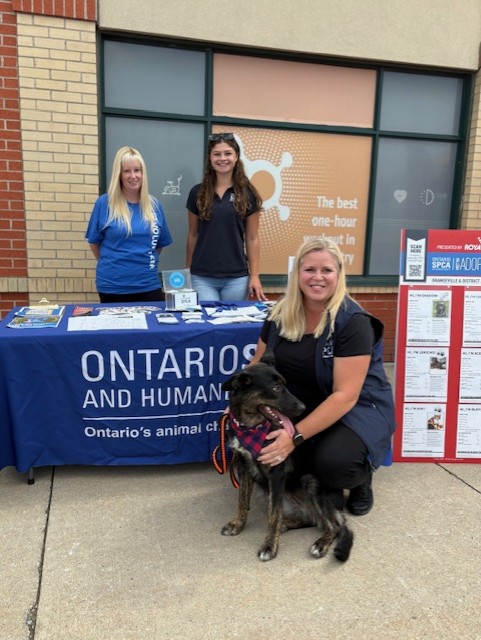
Orangeville, ON (Aug. 28, 2025) – The Ontario SPCA and Humane Society would like to officially welcome Julie Woods as the new manager of the Ontario SPCA Orangeville & District Animal Centre.
Woods brings with her a life-long love of animals, and over 20 years of customer service and leadership experience. She has worked in the pet industry in the past and is looking forward to bringing her passion for animals to her new role.
“I’ve had pets since I was a kid. My family has always had all kinds of animals – some adopted, and some found us,” says Woods. “It’s just so wonderful to work with animals again. I think working at the Ontario SPCA has just given me more of a purpose.”
One of the most rewarding aspects of her role as centre manager is getting to know each animal and helping them find loving homes. Woods’ goal is to find loving homes for more than 650 animals this year, and the animal centre is well on its way, with close to 400 having already been adopted to date this year.
“I love seeing the different personalities of the cats and their playfulness, and spending time outside with our dogs is really fun,” she says. “Sometimes they come in a little bit shy and within a couple days of routine and attention from our caring staff and volunteers, they come around and win everyone over. That’s really special.”
When she’s not changing lives at the animal centre, Woods enjoys spending time with her husband, daughter and furry family members at their farm in Belwood.
Woods takes the reigns from Dawn Lyons, who was the manager of the Orangeville & District Animal Centre for five years before moving into a new role as Provincial Operations Manager of Clinical Services with the Ontario SPCA and Humane Society.
To learn more about the Orangeville & District Animal Centre, and to view animals available for adoption, visit ontariospca.ca/orangeville
Follow the centre on Facebook and Instagram for news, updates, animals available for adoption, and care tips.
Media Contact
Shannon Bury
Community Outreach Coordinator
Ontario SPCA Orangeville & District Animal Centre
1-905-898-7122 x 433
[email protected]
The Ontario SPCA and Humane Society
The Ontario SPCA and Humane Society is a registered charity that has been changing the lives of animals for over 150 years. The Society provides care, comfort and compassion to animals in need in communities across Ontario. It values all animals and advocates to treat them with respect and kindness. The Society strives to keep pets and families together and does so through a variety of community support services, such as sheltering and adoptions, including emergency sheltering, feral cat management programs, animal transfers, food distribution, humane education, animal advocacy, and spay/neuter services.
The Ontario SPCA does not receive annual government funding and relies on donations to provide programs and services to help animals in need. To learn more, or to donate, visit ontariospca.ca. Charitable Business # 88969-1044-RR0002.
The Ontario SPCA Orangeville & District Animal Centre is situated on the traditional territory of the Anishinaabe people, including the Ojibway, Potawatomi and Odawa of the Three Fires Confederacy.
When a caring community member found two young dogs living outdoors, they knew the pair needed help. They brought the sisters to the Ontario SPCA Barrie Animal Centre – marking the start of a life-changing journey, made possible through patience and teamwork.
A rocky start
At just eight months old, the Rottweiler mix sisters had spent most of their early lives outdoors, so adjusting to indoor life proved challenging. Our team lovingly named the pair Bonnie and Miss Clyde. While Bonnie quickly found her footing and was adopted, Miss Clyde struggled with the unfamiliar – things like stairs, car rides, and house-training were overwhelming.
Specialized support at PDRC
To set her up for success, Miss Clyde was transferred to the Ontario SPCA’s Provincial Dog Rehabilitation Centre (PDRC). There, our team of animal behaviour experts can focus on each dog’s individual needs, offering the kind of one-on-one care that goes beyond what a typical animal centre can provide.
Overcoming challenges
Upon arrival, Miss Clyde was showing signs of fear, anxiety, stress, and frustration. Her intake exam also revealed she had hip dysplasia – a condition that would require life-long management and possibly surgery.
Despite these challenges, the PDRC team created a customized plan to help Miss Clyde build confidence and improve her fear-based avoidance behaviours.
With her newly learned skills, Miss Clyde continued her journey a few weeks later at the Ontario SPCA Lennox & Addington Animal Centre in Napanee as we broadened the search for her perfect family. Thanks to collaboration across our 12 animal centres, we’re able to reach more potential adopters and give more animals the second chances they deserve.
Despite her young age and affectionate personality, some adopters were hesitant to take a chance on this sweet girl due to concerns about her hip dysplasia and the long-term care it may require.
Building trust
She soon formed a special bond with a dedicated volunteer dog walker named Mac. After losing his own beloved dog at Christmas, Mac began volunteering, and it wasn’t long before Miss Clyde became his regular walking buddy.
His gentle presence and steady companionship played a big role in her rehabilitation, helping her build trust and showing potential adopters just how sweet and affectionate she truly was.
Steps toward forever
“After a few visits – playing catch and walking within the centre – we built the beginning of a trusting and fun-filled relationship,” says Mac.
What neither Miss Clyde nor Mac knew was that one of their walks would lead her straight into the heart of her future family.
“She was on a walk with a volunteer and passed by my husband’s work,” says Tricia, her adopter. “She went right up to him and his coworkers and was so friendly, rolling onto her back for a belly rub.”
Preparing for the journey ahead
Though initially unsure about managing Miss Clyde’s hip dysplasia on top of caring for their two resident canines and two feline furry family members, the couple visited the animal centre four times to make an informed decision. In the end, they opened their hearts and home, committed to giving Miss Clyde the patience and love she needed to thrive.
“It’s a very special feeling I experience when I learn of one of our dogs has gone to their new home,” Mac says. “Missy’s adoption, I must confess, was extra special! She has taken a little piece of me with her.”
From Miss Clyde to Xena
Today, Miss Clyde – now lovingly named Xena – is thriving in her forever home, adjusting beautifully and growing more confident every day.
Although Xena is the first dog the couple has adopted from the Lennox & Addington Animal Centre, she is the fourth animal they’ve welcomed into their home from the animal centre.
“We’ve had great experiences every time,” says Tricia. “The staff are friendly and very helpful – I would definitely recommend them to others.”
Sometimes, all it takes is a little extra TLC to prepare an animal for the next step of their journey, and Xena’s story is a powerful reminder of that. Through the teamwork, patience, and compassion of our staff and volunteers – and the kindness of adopters willing to embrace furry friends with special needs – we ensure every animal gets their second chance.
Consider adopting
If you’re interested in providing a loving home to an animal in need, please visit our adoption page to meet the animals patiently waiting for their forever families: ontariospca.ca/adopt