IMMEDIATE RELEASE
The Ontario SPCA helps protect pets through free rabies vaccination clinics in Cornwall and Akwesasne
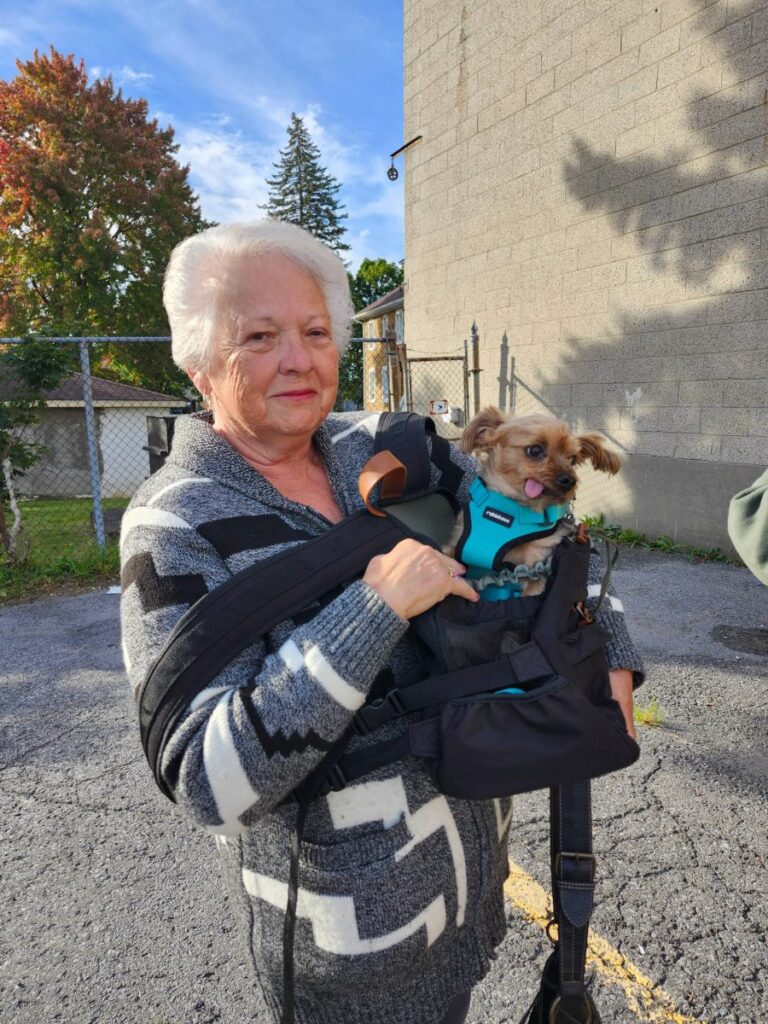
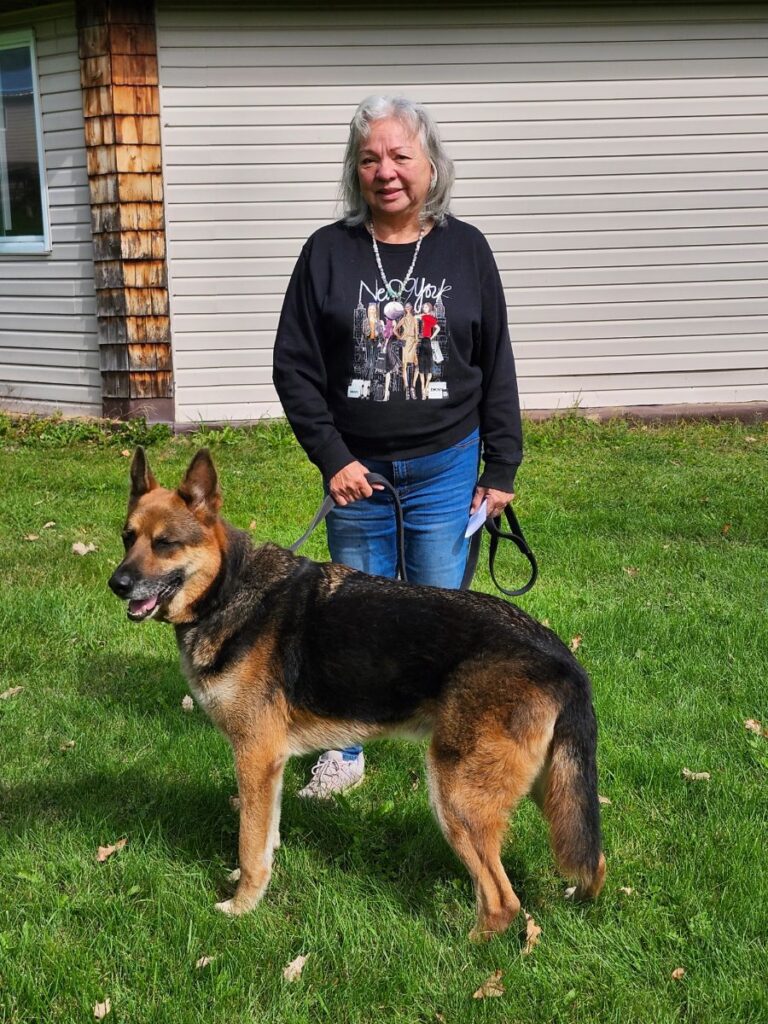
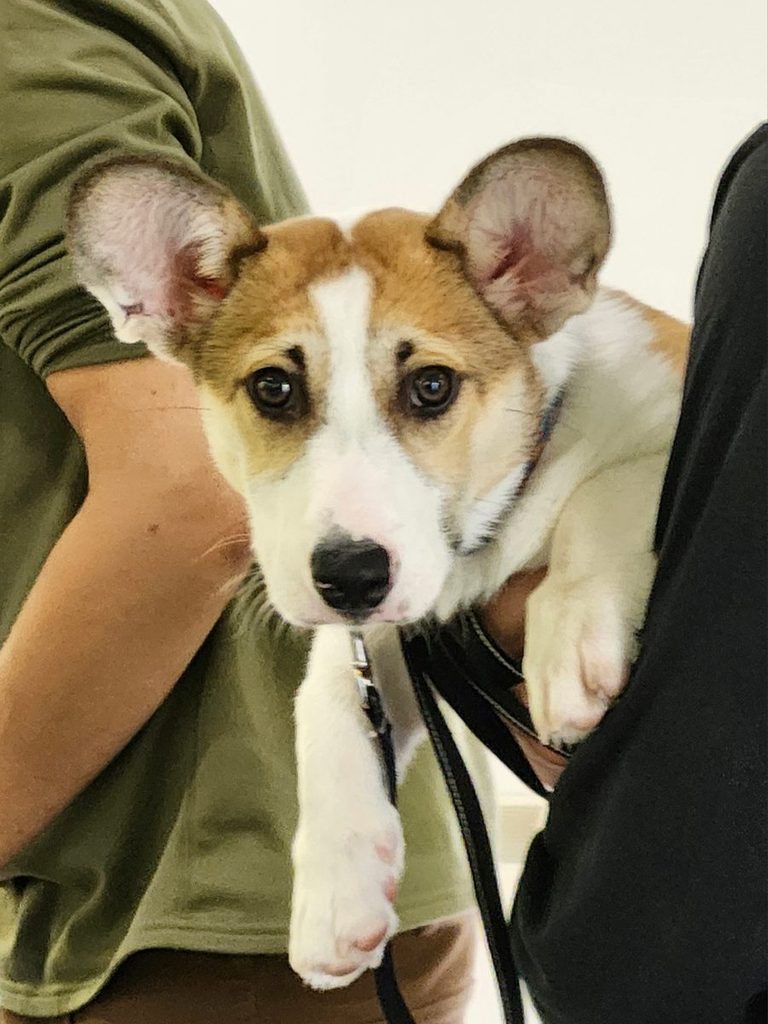
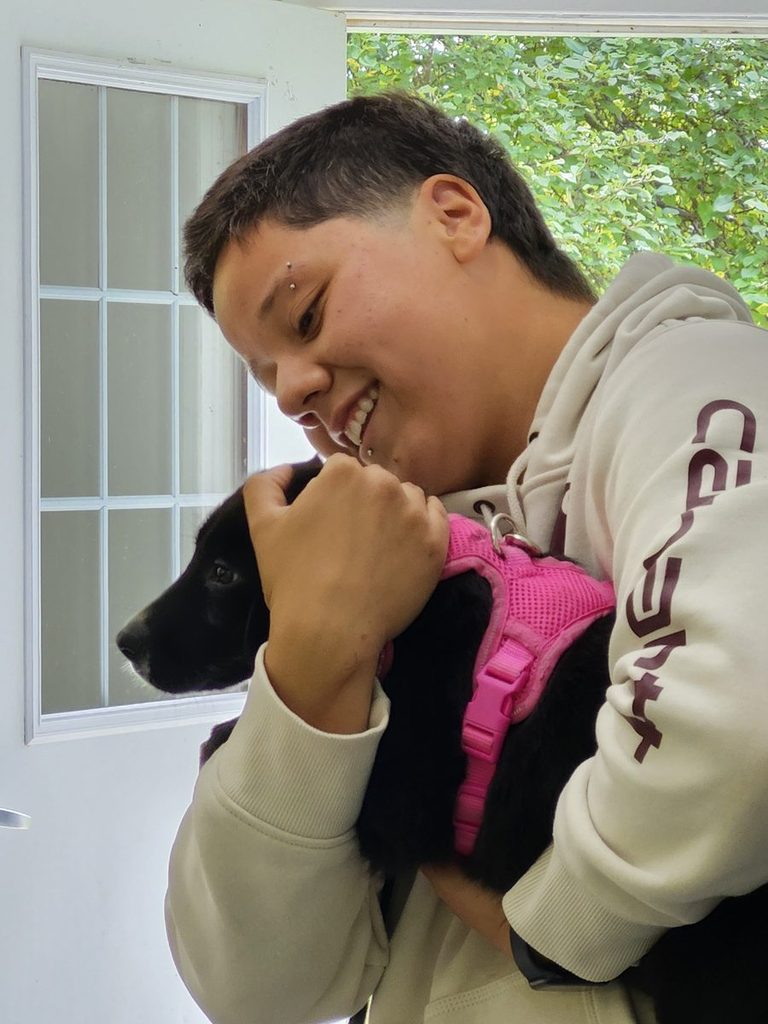
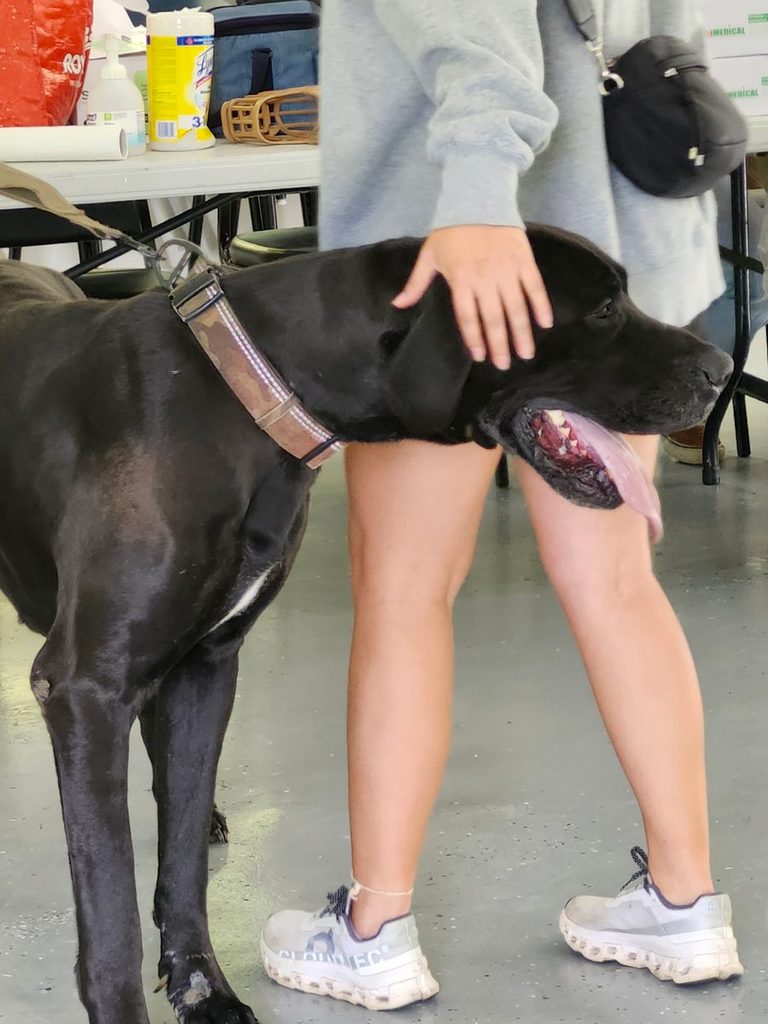
Cornwall, ON (Sept. 28, 2026) – In support of World Rabies Day efforts, the Ontario SPCA and Humane Society administered 149 free rabies vaccinations to pets at clinics in Cornwall and Akwesasne Mohawk Community this past weekend.
The vaccination clinics, held Sept. 26 at Native North American Travelling College in the Akwesasne Mohawk Community and at the Agora Catholic Centre in Cornwall, helped remove barriers to essential preventative veterinary care for people who may otherwise have difficulty accessing it for their pets. It is part of a province-wide initiative by the Ontario SPCA to vaccinate 500 community animals against rabies this month.
“Rabies is a deadly disease, but it is preventable through vaccination,” says Dr. Joey Tang, Medical Director, Ontario SPCA and Humane Society. “By making this essential preventative care more accessible, we’re helping protect pets, the people who love them and our communities. These clinics are an important reminder that when we work together, we can make a meaningful difference.”
Rabies is a fatal disease that can infect any mammal, including people, pets, livestock and wildlife. Vaccination is one of the most effective ways to protect pets and reduce the risk of rabies spreading in the community.
Each year, September 28 marks World Rabies Day, a global day dedicated to raising awareness about rabies prevention and working toward a world free from the disease. This year’s theme, “Stronger Together,” highlights the importance of collaboration among communities, animal health professionals, organizations and public health partners in preventing rabies.
The Ontario SPCA is grateful to Boehringer Ingelheim, which donated rabies vaccines to support the World Rabies Day clinics, as well as the veterinarians, volunteers, community partners and donors who helped make the clinic possible.
As a registered charity that does not receive annual government funding, the Ontario SPCA relies on the generosity of donors and partners to deliver programs that support animal health and welfare in communities across Ontario.
To learn more about rabies prevention and the Ontario SPCA’s work to improve access to veterinary care, visit ontariospca.ca/worldrabiesday

##
Media contact
Arianne Kirkey
Community Outreach Coordinator,
Ontario SPCA and Humane Society Cornwall and Region Animal Centre
The Ontario SPCA and Humane Society
The Ontario SPCA and Humane Society is a registered charity that has been changing the lives of animals for over 150 years. The Society provides care, comfort and compassion to animals in need in communities across Ontario. It values all animals and advocates to treat them with respect and kindness. The Society strives to keep pets and families together and does so through a variety of community support services, such as sheltering and adoptions, including emergency sheltering, feral cat management programs, animal transfers, food distribution, humane education, animal advocacy, and spay/neuter services.
The Ontario SPCA does not receive annual government funding and relies on donations to provide programs and services to help animals in need. To learn more, or to donate, visit ontariospca.ca. Charitable Business # 88969-1044-RR0002.
The Ontario SPCA and Humane Society Cornwall and Region Animal Centre, formerly the Ontario SPCA Stormont, Dundas & Glengarry Animal Centre, is located on the lands of the Akwesasne Mohawks and their ancestors. We also acknowledge the Algonquin, Haudenosaunee (Ho-den-oshow-nee) (Iroquois), Huron-Wendat (huron-wen·dat), and Abenaki who are neighbours and partners to the Akwesasne Mohawk.
IMMEDIATE RELEASE
The Ontario SPCA helps protect pets and communities through free rabies vaccination clinics across Ontario
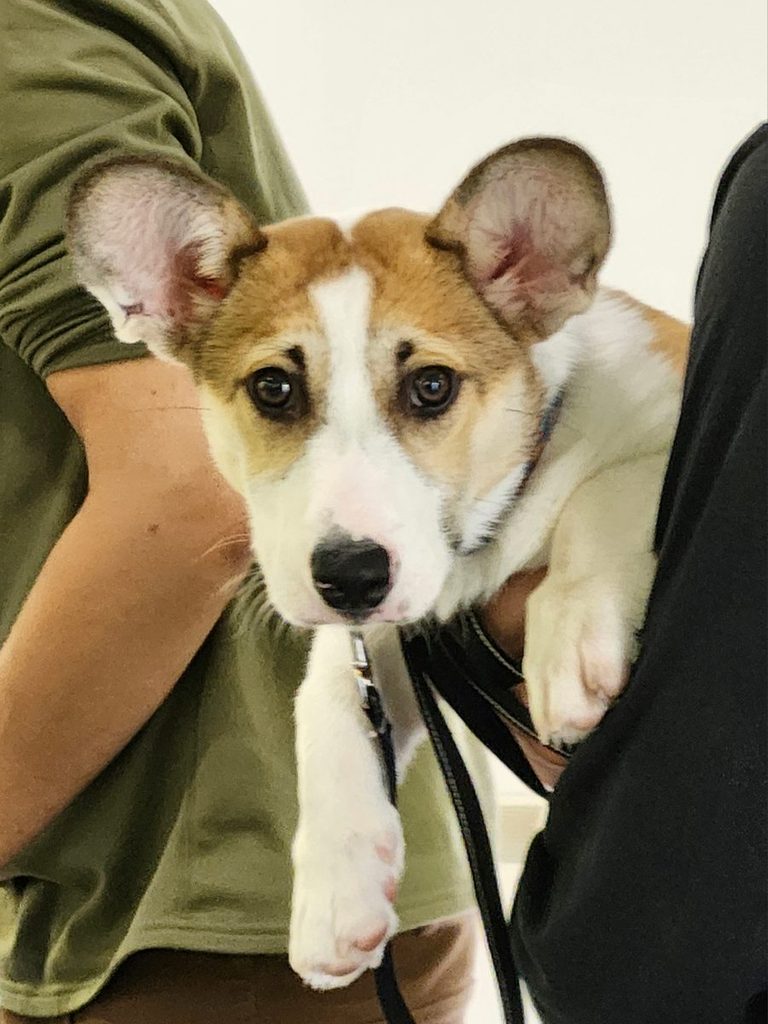
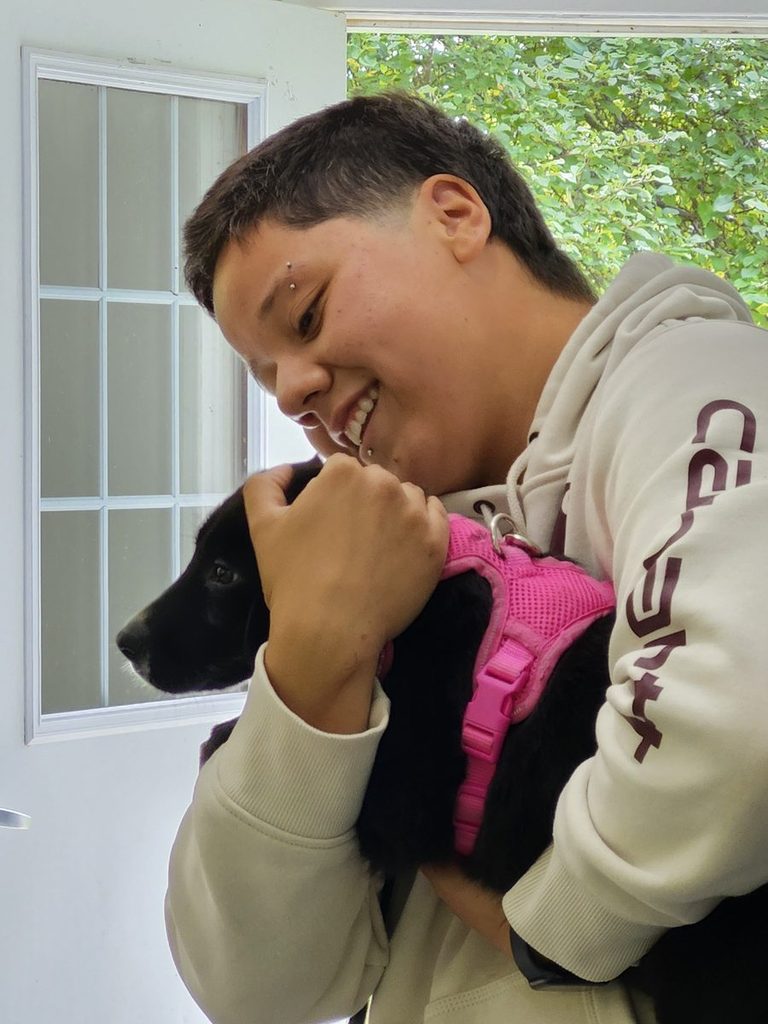
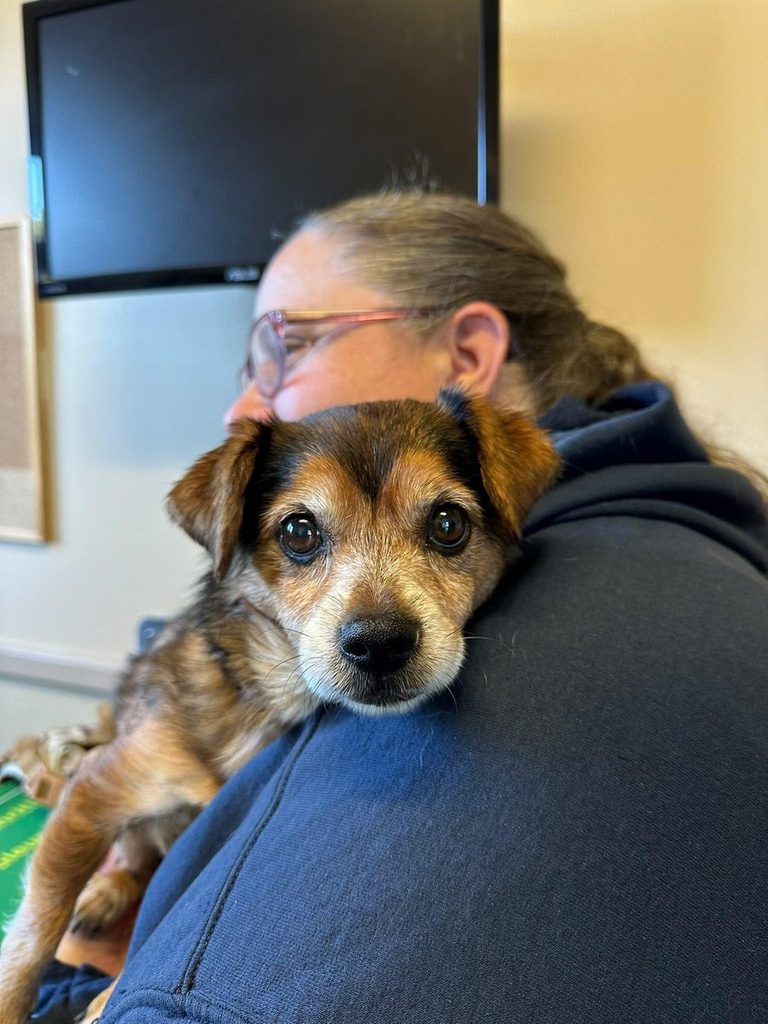
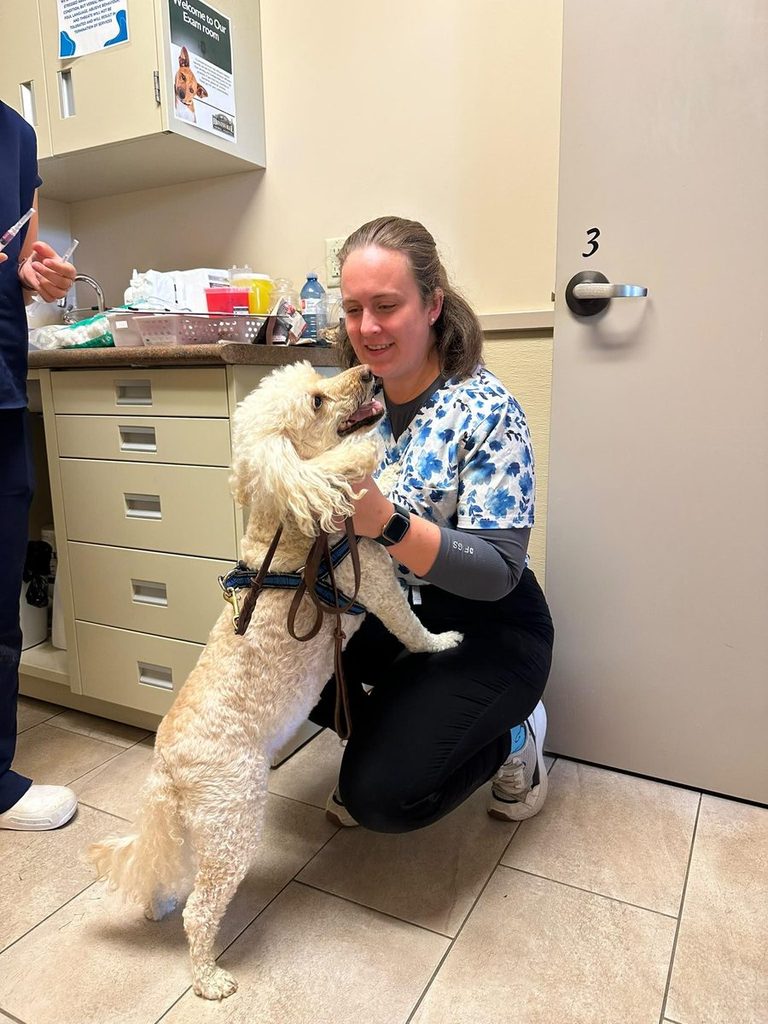
Stouffville, ON (Sept 28, 2026) – In recognition of World Rabies Day, which is observed around the world today, the Ontario SPCA and Humane Society is administering 500 free rabies vaccines to pets in communities across the province this month.
Vaccinations events are taking place throughout the week in Barrie, Stouffville, Sudbury, Durham and Thunder Bay, helping remove barriers to essential preventative veterinary care for people who may otherwise have difficulty accessing it for their pets. Events have already wrapped up in Muskoka, Cornwall and Akwesasne First Nation to help keep pets healthy and protected.
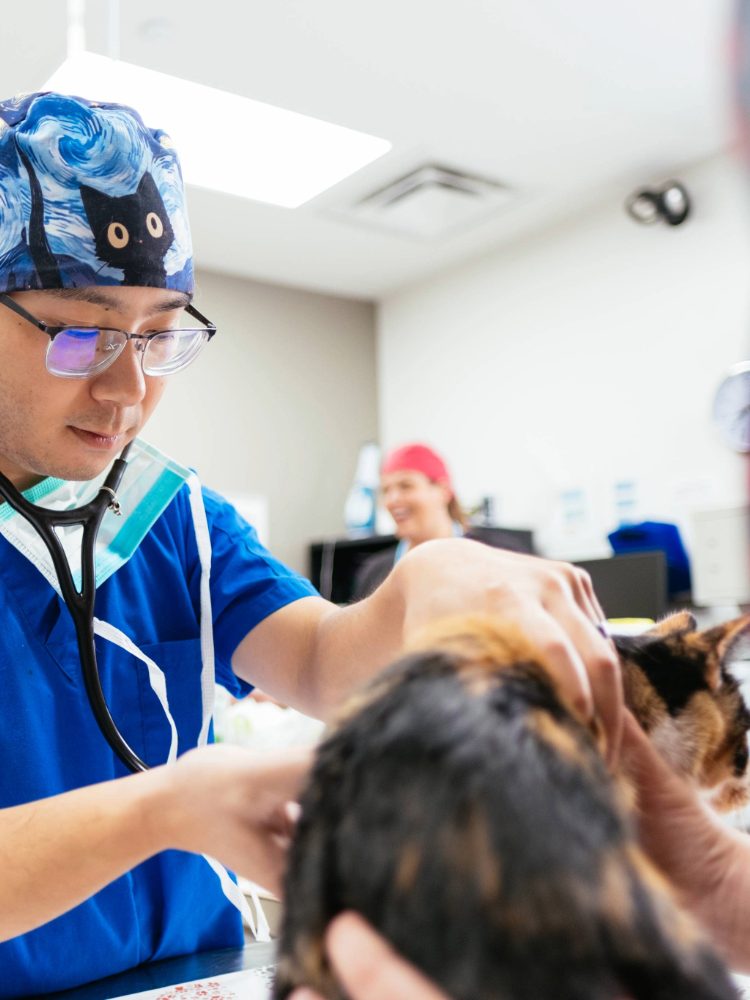
“Rabies is a deadly disease, but it is preventable through vaccination,” says Dr. Joey Tang, Medical Director, Ontario SPCA and Humane Society. “By making this essential preventative care more accessible, we’re helping protect pets, the people who love them and our communities. These clinics are an important reminder that when we work together, we can make a meaningful difference.”
Rabies is a fatal disease that can infect any mammal, including people, pets, livestock and wildlife. Vaccination is one of the most effective ways to protect pets and reduce the risk of rabies spreading in the community.
Each year, September 28 marks World Rabies Day, a global day dedicated to raising awareness about rabies prevention and working toward a world free from the disease. This year’s theme, “Stronger Together,” highlights the importance of collaboration among communities, animal health professionals, organizations and public health partners in preventing rabies.
The Ontario SPCA is grateful to Boehringer Ingelheim, which donated 500 rabies vaccines to support the World Rabies Day clinics, as well as the veterinarians, volunteers, community partners and donors who helped make the clinics possible.
As a registered charity that does not receive annual government funding, the Ontario SPCA relies on the generosity of donors and partners to deliver programs that support animal health and welfare in communities across Ontario.
To learn more about rabies prevention and the Ontario SPCA’s work to improve access to veterinary care, visit ontariospca.ca/worldrabiesday

##
Media Contact
Media Relations
Ontario SPCA and Humane Society
The Ontario SPCA and Humane Society
The Ontario SPCA and Humane Society is a registered charity that has been changing the lives of animals for over 150 years. The Society provides care, comfort and compassion to animals in need in communities across Ontario. It values all animals and advocates to treat them with respect and kindness. The Society strives to keep pets and families together and does so through a variety of community support services, such as sheltering and adoptions, including emergency sheltering, feral cat management programs, animal transfers, food distribution, humane education, animal advocacy, and spay/neuter services.
The Ontario SPCA does not receive annual government funding and relies on donations to provide programs and services to help animals in need. To learn more, or to donate, visit ontariospca.ca. Charitable Business # 88969-1044-RR0002.
The Ontario SPCA and Humane Society Provincial Office sits on the traditional territory of the Wendat, the Anishinabek Nation, the Haudenosaunee Confederacy, the Mississaugas of Scugog, Hiawatha and Alderville First Nations and the Métis Nation. This territory was the subject of the Dish With One Spoon Wampum Belt Covenant, an agreement between the Iroquois Confederacy and the Ojibwe and allied nations to peaceably share and care for the resources around the Great Lakes. The treaties that were signed for this particular parcel of land are collectively referred to as the Williams Treaties of 1923.
IMMEDIATE RELEASE
The Ontario SPCA helps protect pets through free rabies vaccination clinic in Muskoka
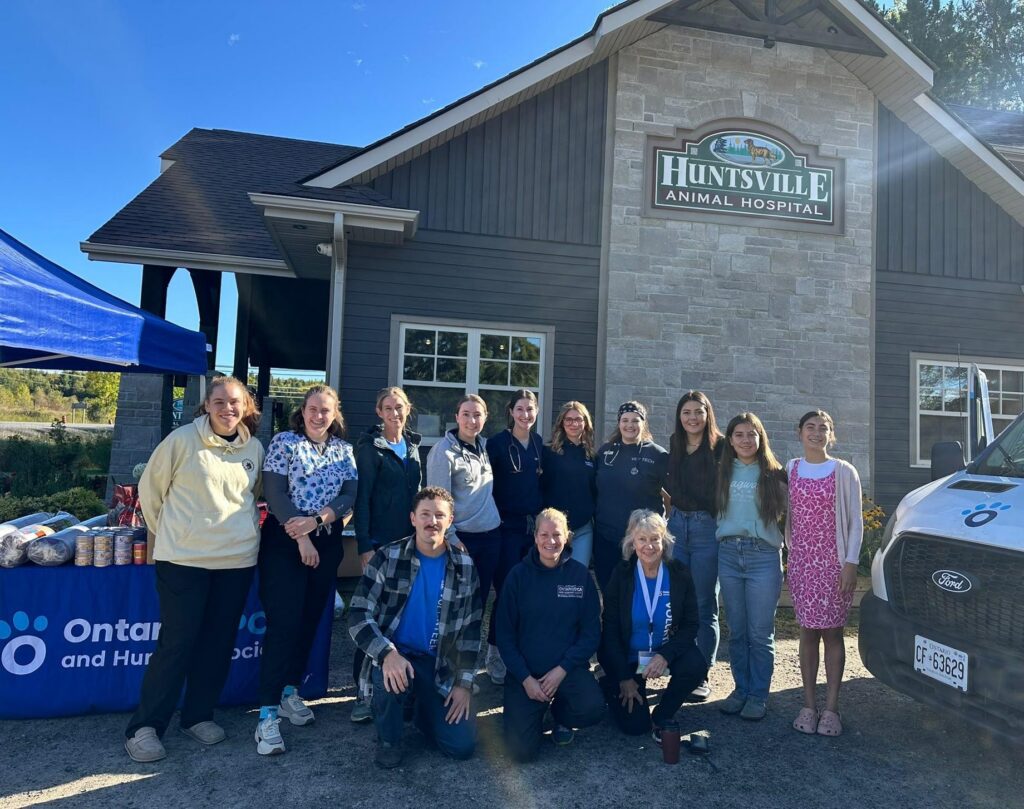
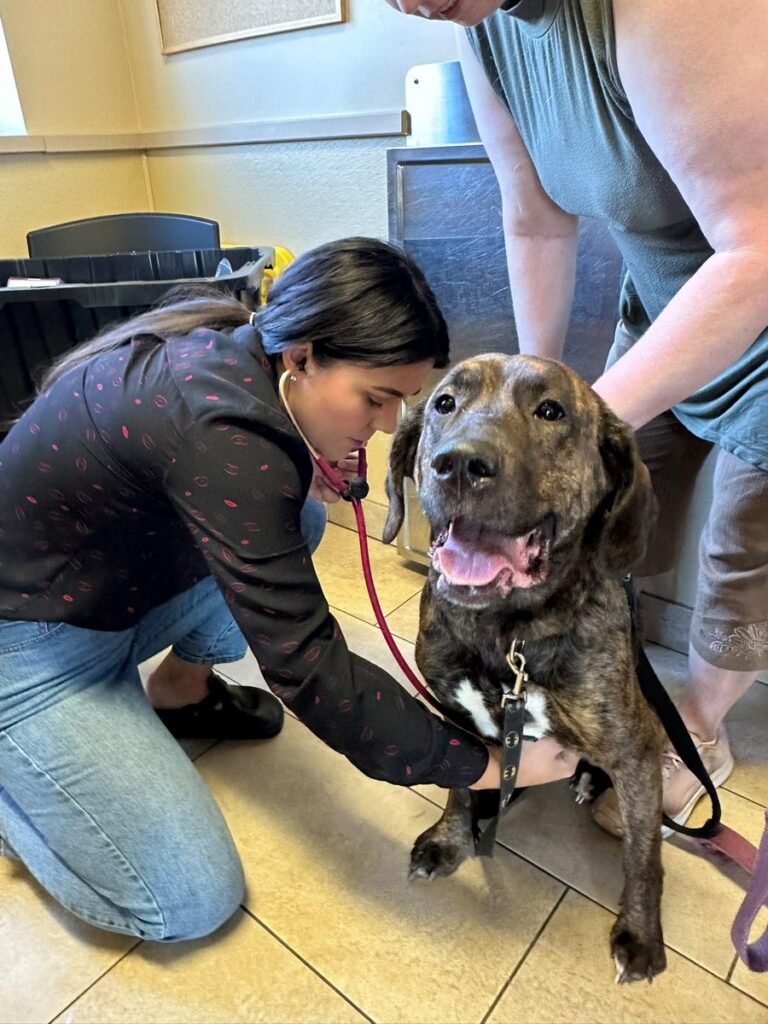
Huntsville, ON (Sept. 28, 2026) – In support of World Rabies Day efforts, the Ontario SPCA and Humane Society vaccinated 34 dogs against the deadly virus during a free community clinic held at the Huntsville Animal Hospital.
The vaccination clinic, held on Sept. 20, helped remove barriers to essential preventative veterinary care for people who may otherwise have difficulty accessing it for their pets. It is part of a province-wide initiative by the Ontario SPCA to vaccinate 500 community animals against rabies this month.
“Rabies is a deadly disease, but it is preventable through vaccination,” says Dr. Joey Tang, Medical Director, Ontario SPCA and Humane Society. “By making this essential preventative care more accessible, we’re helping protect pets, the people who love them and our communities. These clinics are an important reminder that when we work together, we can make a meaningful difference.”
Rabies is a fatal disease that can infect any mammal, including people, pets, livestock and wildlife. Vaccination is one of the most effective ways to protect pets and reduce the risk of rabies spreading in the community.
Each year, September 28 marks World Rabies Day, a global day dedicated to raising awareness about rabies prevention and working toward a world free from the disease. This year’s theme, “Stronger Together,” highlights the importance of collaboration among communities, animal health professionals, organizations and public health partners in preventing rabies.
The Ontario SPCA is grateful to Boehringer Ingelheim, which donated rabies vaccines to support the World Rabies Day clinics, as well as the veterinarians, volunteers, community partners and donors who helped make the clinic possible.
As a registered charity that does not receive annual government funding, the Ontario SPCA relies on the generosity of donors and partners to deliver programs that support animal health and welfare in communities across Ontario.
To learn more about rabies prevention and the Ontario SPCA’s work to improve access to veterinary care, visit ontariospca.ca/worldrabiesday


##
Media contact
Leslie Barrie
Community Outreach Coordinator
Ontario SPCA and Humane Society Muskoka Animal Centre
The Ontario SPCA and Humane Society
The Ontario SPCA and Humane Society is a registered charity that has been changing the lives of animals for over 150 years. The Society provides care, comfort and compassion to animals in need in communities across Ontario. It values all animals and advocates to treat them with respect and kindness. The Society strives to keep pets and families together and does so through a variety of community support services, such as sheltering and adoptions, including emergency sheltering, feral cat management programs, animal transfers, food distribution, humane education, animal advocacy, and spay/neuter services.
The Ontario SPCA does not receive annual government funding and relies on donations to provide programs and services to help animals in need. To learn more, or to donate, visit ontariospca.ca. Charitable Business # 88969-1044-RR0002.
The Ontario SPCA and Humane Society Muskoka Animal Centre serves communities situated on the traditional territory of the Anishinaabeg, which includes the Ojibwe, Odawa, and Potawatomi Nations, collectively known as the Three Fires Confederacy. The Huron-Wendat and the Haudenosaunee Nations have also walked on this territory over time. Today Muskoka is home to three sovereign nations: Wahta Mohawks First Nations, Moose Deer Point First Nation and the Moon River Métis. These lands are covered by the Williams Treaty (of 1923), the Robinson Huron Treaty of 1850 and the J. Collins land purchase (of 1785).
The jackpot is growing and you could win big
Could your ticket be the next big win?
Last fall, Karen C. from Midland received a call she’ll never forget. She had won more than $144,000 in the Ontario SPCA and Humane Society’s Draws for Paws 50/50 Lottery.
It was a life-changing win for Karen, and her ticket also helped create a brighter future for animals across the province.
Now, the jackpot is growing again, and you could be the next lucky winner.
Don’t leaf your luck behind!
In the Draws for Paws 50/50 Lottery, the jackpot grows with every ticket sold. Whether the Grand Prize would help fund a dream vacation, a home renovation or even a lifetime supply of treats for your furry friends, one lucky winner will take home a life-changing amount of money.
Plus, there are four Early Bird draws of $2,000 leading up to the Grand Prize draw on Thursday, Nov. 12, 2026. The earlier you enter, the more chances you have to win!
Ticket packages:
- $10 for 10 tickets
- $20 for 40 tickets
- $40 for 200 tickets
- $75 for 500 tickets
- $100 for 650 tickets
A win for you, and a helping paw for animals
While you’re hoping to rake in a win bigger than a pile of autumn leaves, your ticket is already helping animals.
Funds raised through the Draws for Paws 50/50 Lottery support life-changing work across the province, such as reducing pet overpopulation, providing veterinary care in underserved areas, and improving shelter life for furry friends waiting for forever homes through the Ontario SPCA Community Access to Resources, Education, and Support (CARES) Fund. The CARES Fund is a grant program designed to support SPCAs and Humane Societies in Ontario by providing funding for projects that enhance animal welfare. To learn more, visit ontariospca.ca/caresfund
As a registered charity that is 100 per cent donor funded, the Ontario SPCA relies on the generosity of supporters to make these programs possible. Every ticket purchased helps build a brighter future for animals and the families who love them.
So don’t let your chance blow away in the autumn breeze. Grab your tickets, cross your paws and change the lives of animals in need.
To learn more and purchase your tickets, visit ontariospcalottery.ca
Is your pet protected from rabies?
World Rabies Day is coming up on Sept. 28, making now a good time to check whether your pet’s rabies vaccination is up to date.
Rabies is a deadly viral disease that can infect any mammal, including people, pets, livestock and wildlife. Once symptoms appear, rabies is almost always fatal. The good news is that it is preventable through vaccination.
Why rabies vaccination matters
In Ontario, cats, dogs and ferrets over three months of age are required to be vaccinated against rabies.
Wildlife such as raccoons, skunks, foxes and bats are common carriers of rabies, but household pets can also become infected if they are exposed to a rabid animal.
Even pets who spend most of their time indoors can have unexpected encounters with wildlife. Keeping their vaccination up to date helps provide protection when the unexpected happens.
Vaccination can also make a critical difference if a vaccinated animal is potentially exposed to rabies. Plus, it protects communities.
Not sure what you know about rabies? Test your knowledge with our rabies myth-busting video.
Is your pet protected?
Take a moment to check your pet’s vaccination records to see when their rabies vaccine was last given. If you’re not sure whether your pet is due, contact your veterinarian. They can help you understand your pet’s vaccination schedule and make sure your animal companion has the protection they need.
Keeping your pet’s rabies vaccination up to date is about more than meeting a legal requirement. It’s an important step you can take to help protect your pet, your family and your community.
Helping make vaccination more accessible
This World Rabies Day, the Ontario SPCA is helping make rabies vaccination more accessible by providing 500 free rabies vaccinations to pets through clinics in communities across Ontario.
Clinics will be held in Muskoka, Cornwall, Akwesasne First Nation, Barrie, Stouffville, Sudbury, Durham and Thunder Bay, helping remove barriers to essential preventative veterinary care for people who may otherwise have difficulty accessing it for their pets.
The Ontario SPCA is grateful to Boehringer Ingelheim, which donated 500 rabies vaccines to support the World Rabies Day clinics, as well as the veterinarians, volunteers, community partners and donors who are helping make these clinics possible.
Learn more about the upcoming World Rabies Day clinics and rabies prevention at ontariospca.ca/worldrabiesday
House training your adult dog
Many adult dogs are not fully house-trained for a variety of reasons, including their family’s lack of training knowledge, illness, or the dog’s prior history.
Fortunately, adult dogs – even those who’ve had a disadvantaged start in life – can learn an appropriate time and place to go! By following the 10 steps below, you’ll be well on your way to having a house-trained adult dog.
Step 1. Supervise your dog inside
How thoroughly and consistently you watch your dog when they are inside will determine how successful you are at preventing accidents, and how quickly your dog is house-trained. Supervision means watching your dog at ALL times.
If you can’t give your dog your undivided attention, use the “umbilical cord” technique. For example, when you’re watching TV, have your dog on leash and tie the opposite end around your belt or waist. The leash should be short enough to alert you if your dog makes a move to eliminate, but long enough so they can lie or sit at your feet. When you’re in the house, but not watching your dog, they should be confined as described in Step 2.
Step 2. Confine your dog when you are unable to supervise them
If you can’t supervise your dog, leave them in a crate, x-pen (a metal exercise pen for dogs that comes in a variety of sizes), bathroom or other secure space small enough that they won’t want to eliminate. Baby gates can also be used to block off a small portion of a room. In the beginning, your dog should only have enough room to stand up, turn around and lie comfortably on their bed. The reasoning is that dogs are less likely to soil where they sleep or eat.
Step 3. If you leave the house for longer than your dog can “hold it,” think of alternatives
It’s important to note that while some dogs can go all day without eliminating, other dogs find it physically impossible – particularly elderly, young and small dogs, or dogs with a medical problem. If it’s not possible for your dog to hold it for the time you are away from the home, have a neighbour, pet sitter or dog walker drop by during the day as needed to let them out, or consider day boarding your dog at a reputable kennel. This is also helpful if your dog hasn’t yet learned to hold it for longer periods.
Step 4. If your dog already eliminates in their confined space, use a new one
If your dog is currently eliminating in their crate or other confined space, try to create a new living area with no former associations for your dog as a place to eliminate. For example, if they have been using a crate in the kitchen with a pillow for bedding, change to an x-pen in the living room padded with a blanket or thick layer of newspapers. Help your dog adjust to their new space by leaving them alone there for brief periods while eating meals or treats.
Step 5. Establish a routine and stick to it
Make your dog’s elimination needs more predictable by setting up regular feeding (remove the food between meals), sleeping and waking times. Keep an elimination log (with times) over 10 days so you can start anticipating your dog’s needs before they have the opportunity to make a mistake. At the same time make sure you take your dog outside as soon as they wake, after they eat or drink, after play, before leaving home, as soon as you arrive home, and before bed – at a minimum!
Step 6. Show your dog where to eliminate
Go with your dog on leash when they go outside. When they go in the correct spot, immediately reward their decision with a super yummy treat and praise. You want your dog to think, “I can’t wait to do my business in the yard and get treats!”
Step 7. Look for clues your dog needs to go outside
Dogs don’t always bark or paw at the door to be let outside. Common clues your dog needs to eliminate include acting restless, such as pacing, whining, sniffing, leaving the room, and circling just before eliminating – but many clues are very small and unique to your pet.
Step 8. Oops! Don’t punish accidents
If you do catch your pet in the act (mid-stream), you can interrupt them by calmly saying their name or walking over to them to then rush them outside. Reward them as soon as they finish! Never reprimand or punish your dog if you catch them in the act or find the accident afterwards. All it will do is make your dog afraid of you and/or eliminating in front of you – and make house-training much more difficult. Instead, reread this article to determine any steps you missed – and keep working with your dog to help them succeed!
Step 9. Remove pet odours completely
Thorough cleaning of areas where your dog has soiled indoors is critical to successful house-training. Areas that smell like urine or feces flash like washroom signs – encouraging your dog to continue soiling in the area. Clean up the accident immediately with an enzyme neutralizing cleaner, available at pet stores. Avoid using chemicals, especially those with strong odours, such as ammonia or vinegar, that don’t eliminate the odour. For washable items, add baking soda to your regular detergent or an enzymatic cleaner. For carpeted areas or upholstery, soak up as much of the urine as possible with newspaper and paper towels. Repeat until the area is barely damp. Rinse the area with clean, cool water and dry again and use an enzymatic cleaner to get rid of the smell. You may need to replace an area of the carpeting if urine soaks into the underpadding and your dog continues to return to the same spot. If your dog soils in a particular room or area, try to block off that area or room from your dog while they are housetraining.
Step 10. Gradually expand the “safe” area
Once your dog has established a consistent indoor routine, is being taken outside on a regular schedule, and has gone a month without accidents, you can slowly start to give them more freedom indoors. For example, if their enclosed space is a crate, you might begin by moving them to an x-pen or a portion of the kitchen blocked off with baby gates.
As your dog proves that they are reliable in the slightly larger area, leave them confined to the whole kitchen. Slowly increase their confinement area until they are reliable within your entire home. If your dog makes a mistake, which is to be expected while they are learning, back up to the last reliable step where they were successful and take it slower.
Patience and praise bring success
Remember there is no magic time for when your dog will be house trained. It depends on many factors, including the dog, you, and the situation. Supervise, stick to a schedule, reward them when they go outside, never punish them for making mistakes, and with diligence you can avoid most accidents within a few weeks, if not earlier.
Not all house-soiling problems are related to a lack of house training. Consider:
- Health problems. Some medications, illnesses and infections can contribute to house-soiling.
- Marking. Male and female dogs can mark territory with urine and feces outside and inside.
- Submissive urination. Dogs who pee when they meet new people, during greetings or during play may be exhibiting submissive or excitement urination – a confidence issue.
- Fears/phobias. Loud or frightening noises, such as those made by thunderstorms, can cause dogs to urinate or defecate in fear.
- Separation anxiety. Dogs with separation anxiety may eliminate a short time after you leave the house (come back to the house in 30 minutes to check if you’re not sure).
For more training tips, visit our blog. Consult with a positive reinforcement-based trainer to help resolve your dog’s house training issues if you are unable to modify your dog’s behaviour with the tips outlined in this blog.
If this information was helpful, please help us continue to educate about pet health and well-being by making a donation. As a registered charity that does not receive annual government funding, the Ontario SPCA and Humane Society depends on the generosity of donors to change the lives of animals in need.
5 fall pet hazards you wouldn’t expect
As we step into fall, with the crunch of leaves beneath our feet and our paws, it is important to be aware of safety concerns that come with the season. Here are five fall pet hazards you wouldn’t expect:
Acorns and oak leaves
Acorns contain tannins, which can upset your furry friend’s digestive tract if ingested. This can result in vomiting, diarrhea and abdominal pain. In some cases, kidney damage can also take place. Acorns can also be dangerous as they have the potential to cause blockages within the digestive tract, which can have serious consequences. Contact your veterinarian if you have any concerns.
Mushrooms
Though mushrooms tend to be an issue more in the springtime, the wet autumn season can also bring out more mushrooms. If your furry friend eats a wild mushroom, contact your veterinarian or animal poison control immediately.
For a list of poisonous plants to look out for and who to call if you suspect your pet has consumed something toxic, visit our blog.
Antifreeze
If you’re winterizing your cottage, boat or RV, be mindful of antifreeze! Antifreeze is toxic to animals. Yet, it can be appealing to them because of its sweet taste. Always be on the lookout for antifreeze spills and be sure to clean them up immediately. If you suspect your animal has ingested antifreeze, contact an emergency veterinarian immediately. Learn more about the dangers of antifreeze.https://ontariospca.ca/blog/pet-health-corner-dangers-of-antifreeze/
Rodenticides
When mice start to look for somewhere warm to spend the winter, many people turn to rodenticides. While we do not recommend the use of such products, if you are planning on using rodenticides, make sure they are placed in areas not accessible to your companion animals. As an alternative, we recommend a holistic deterrent of vinegar and pepper mix spray.
Essential oils
If you like having candles or essential oils in your home to bring those fall smells, it’s important to know the potential risk for companion animals!
https://ontariospca.ca/blog/its-already-the-first-day-of-fall-6-pet-safety-tips-for-your-family/https://secure.ontariospca.ca/site/Donation2?4501.donation=form1&df_id=4501&mfc_pref=T&set.SingleDesignee=1441&s_src=Website&s_subsrc=DonateBtn&utm_eventcategory=Website&utm_eventaction=blog&utm_eventlabel=blogpost
If this information was helpful, please help us continue to educate about pet health and well-being by making a donation. As a registered charity that does not receive annual government funding, the Ontario SPCA and Humane Society depends on the generosity of donors to change the lives of animals in need.
Keeping your pet’s teeth healthy with preventative care
Your pet’s dental health is an important part of their overall well-being. Dental disease can cause pain, inflammation, and tooth loss, but regular preventative care and professional treatment can help keep their mouth healthy.
For pet parents in York Region, we’re making it easier to prioritize your pet’s dental health! The Ontario SPCA and Humane Society York Region Veterinary Clinic now offers dental services for pets.
Whether you’re noticing signs of dental disease or looking to stay on top of your pet’s oral health, our veterinary team is here to help.
Does your pet have signs of dental disease?
Dental disease often starts with plaque, which begins forming on the teeth shortly after eating. If plaque isn’t removed, it can harden into tartar and contribute to gingivitis, receding gums, pain and loose or damaged teeth.
Some signs to watch for include:
- Bad breath
- Brownish tartar buildup
- Red or irritated gums
- Excessive drooling
- Loss of appetite
- Changes in behaviour
- Broken or loose teeth
- Bleeding or discharge from the mouth
Dental problems aren’t always easy to spot at home. If you’re concerned about your pet’s teeth or gums, a veterinary examination can help determine what care they may need.
Dental care at our York Region Veterinary Clinic
The Ontario SPCA York Region Veterinary Clinic now offers dental services to help address your pet’s oral health needs.
Dental care begins with assessing your pet’s mouth and determining the appropriate treatment.
When needed, a Complete Oral Health Assessment and Treatment (COHAT) is performed under general anesthesia, allowing the veterinary team to thoroughly examine and treat areas of the mouth that can’t be fully assessed while your pet is awake.
Dental packages include:
- A pre-surgical examination with a veterinarian on the day of surgery
- Day hospitalization
- A dental examination, cleaning and polishing
- Dental radiographs (X-rays)
- Extractions, as required
- Anesthesia and anesthetic medications
- Standard post-operative pain medication
- A recheck examination for surgery-related complications, as determined by a veterinarian
Please note that a dental consultation appointment is required to determine an appropriate treatment plan and is separate from the cost of the dental package.
Keeping teeth healthy at home
Professional dental care is only one part of protecting your pet’s oral health. Regular care at home can help prevent plaque from developing into tartar and reduce the risk of dental disease.
We recommend brushing a minimum of three to four times a week, although daily brushing is ideal. Always use toothpaste and a toothbrush designed specifically for animals and introduce brushing slowly if it’s new to your pet.
Dental diets, treats, rinses, and gels can also help support oral health. Look for VOHC-approved products and avoid excessively hard chews, such as antlers or hard nylon bones, which can fracture teeth. Learn more on dental habits in our blog Take a Bite Out of Dental Health.
We’re here to help keep York Region pets smiling
Dental disease can be easy to overlook, but your pet’s mouth deserves the same attention as the rest of their health. Staying on top of at-home preventative care, watching for changes, and seeking veterinary care when concerns arise can help keep your pet comfortable and healthy.
With dental services now available at our York Region Veterinary Clinic, our team can help you take the next step in caring for your pet’s oral health. Begin your pet’s dental journey here: ontariospca.ca/dental-services
IMMEDIATE RELEASE
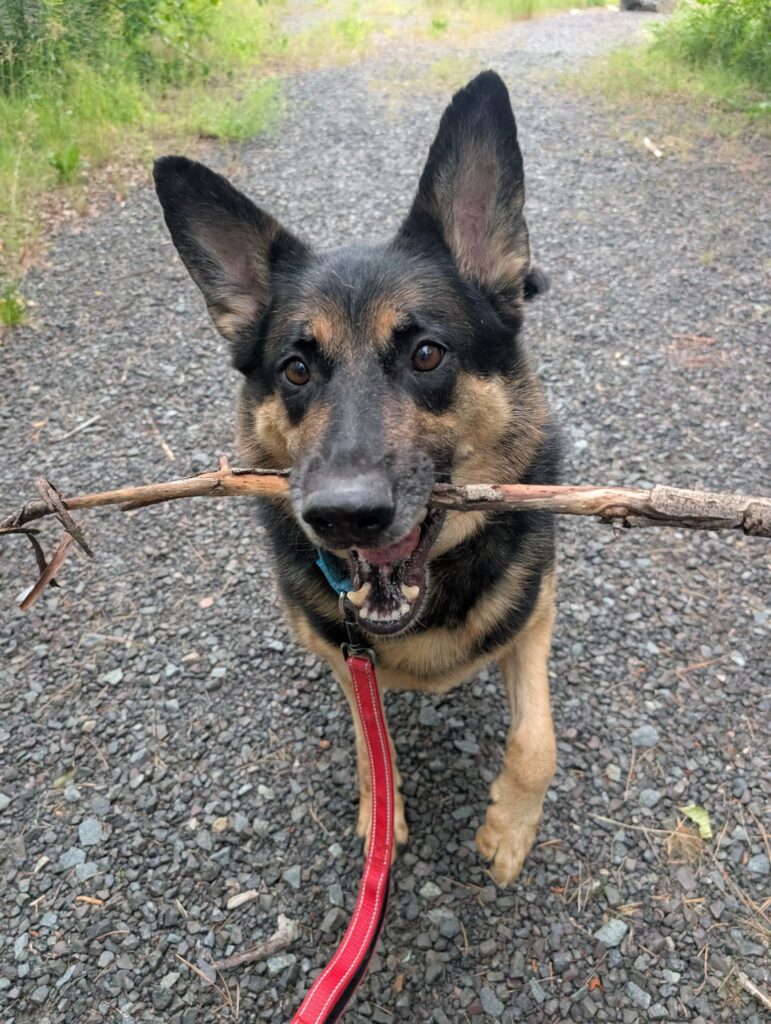
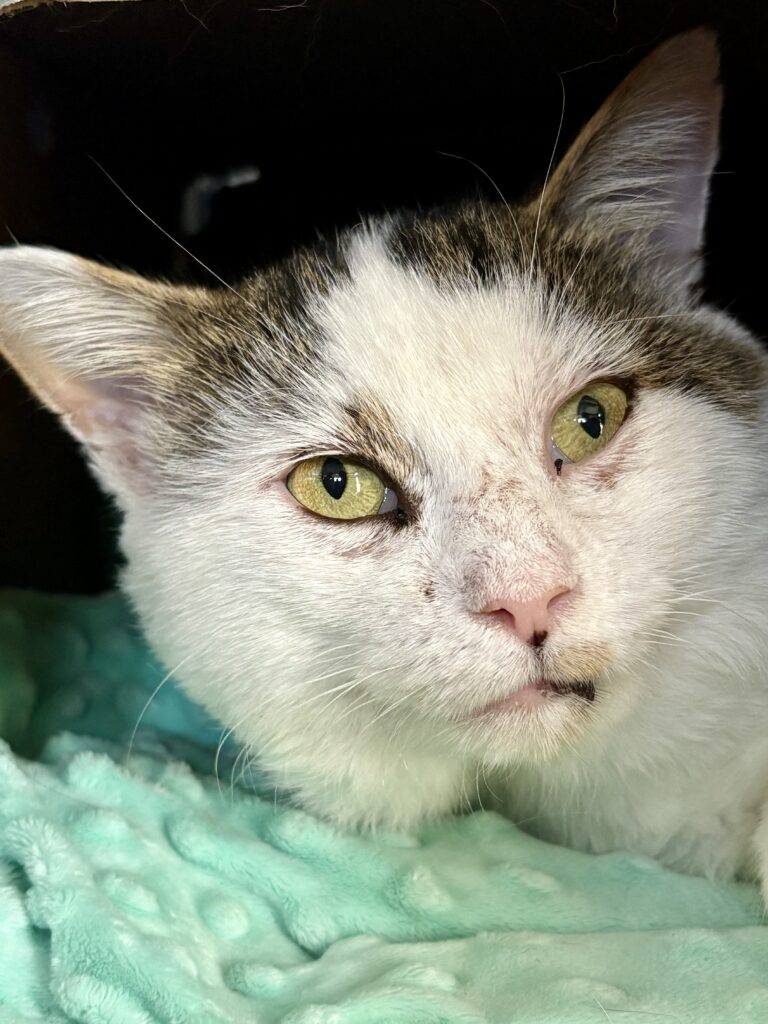
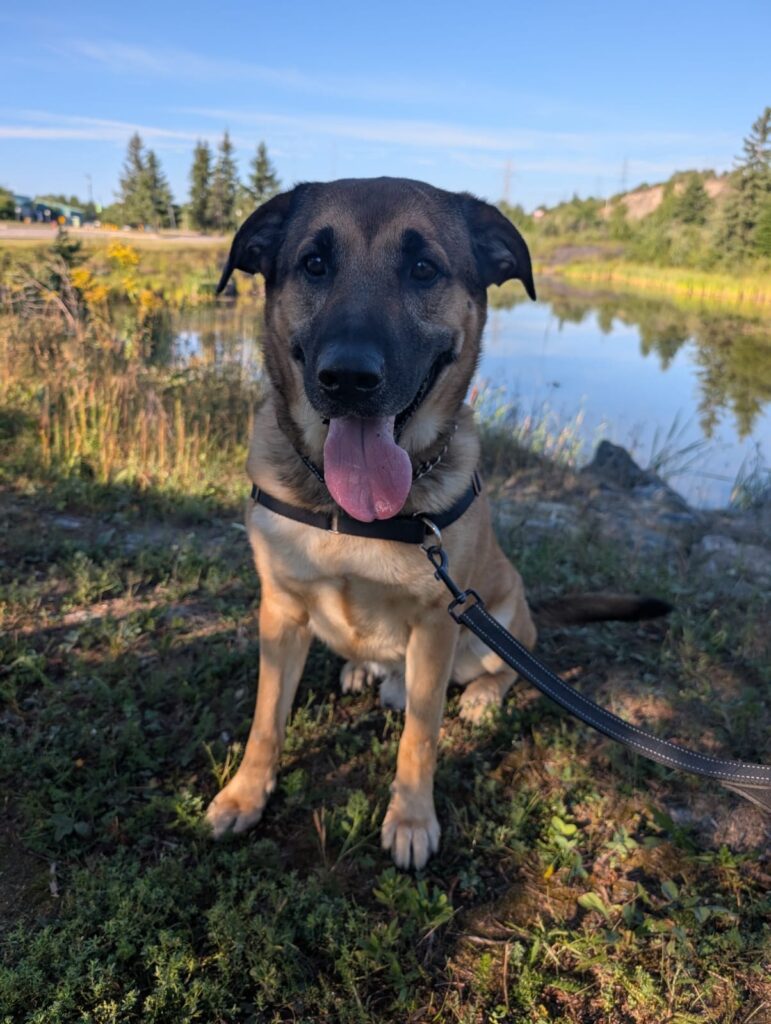
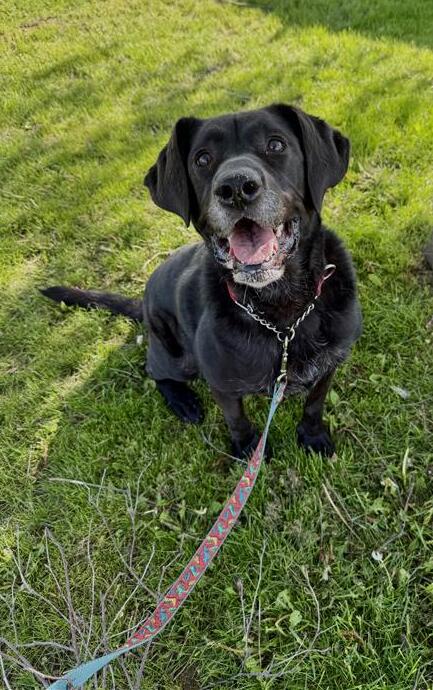
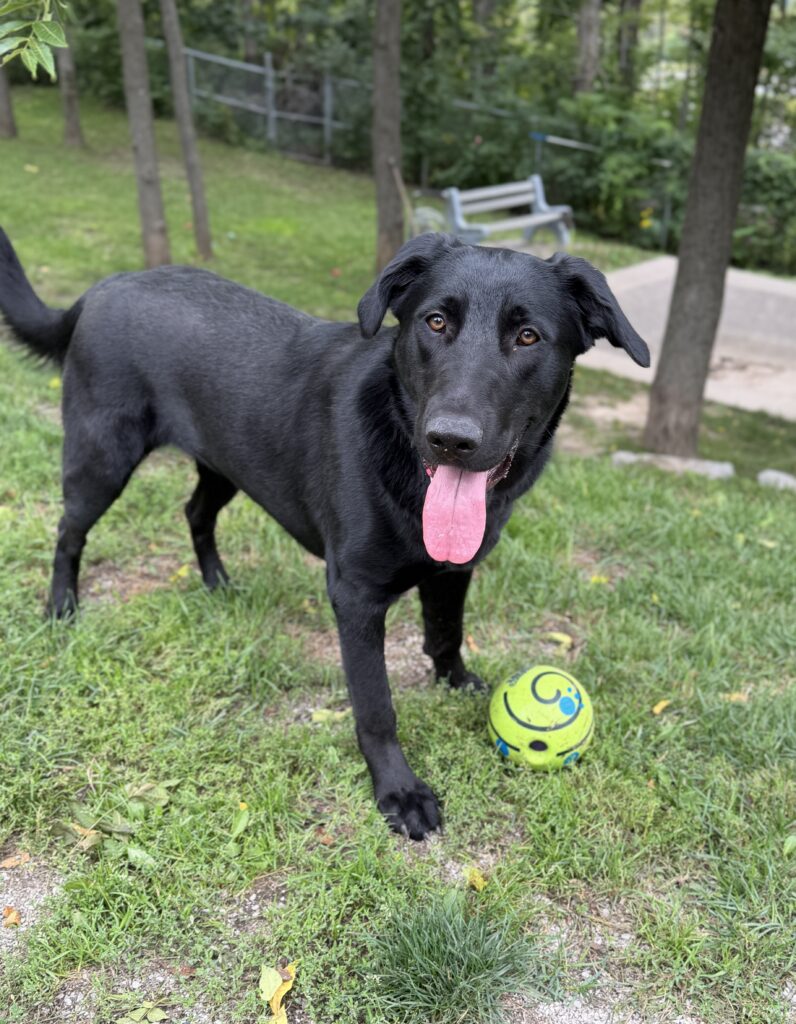
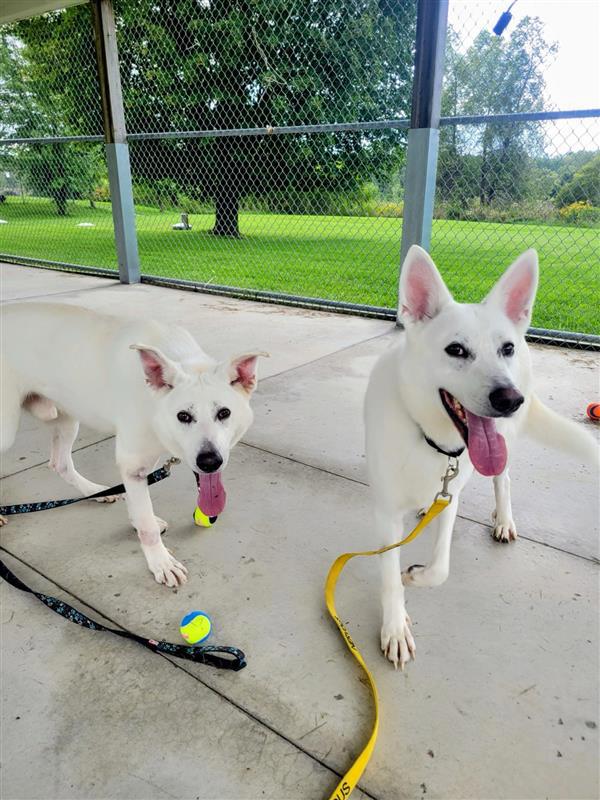
Help an animal find a loving home during the Ontario SPCA’s Fall Adoption Days
Adoption fees reduced by 15 per cent for adult cats, dogs and rabbits during two-day event
Stouffville, ON (Sept. 21, 2026) – With a record number of animals in its care, the Ontario SPCA and Humane Society is hosting Fall Adoption Days on Friday, Sept. 25 and Saturday, Sept. 26 at its 13 animal centres across the province.
During the special two-day event, adoption fees for adult cats, dogs and rabbits will be reduced by 15 per cent to help as many animals as possible find loving homes.
The Ontario SPCA is currently caring for more than 650 animals across its animal centres – the highest number of animals in its care at one time in the past five years. Animal numbers have increased as more animals have come into the Society’s care following the wildfires in Northern Ontario, along with an increase in requests from families looking to re-home their pets.
“Every animal deserves the chance to find a loving home, and right now, there are more animals than usual waiting for that chance,” says Sonya Reichel, Vice President of Operations with the Ontario SPCA and Humane Society. “Fall Adoption Days are an opportunity for people to open their hearts and homes to an animal in need, while helping us make space for other animals who may need our support.”
There are many great reasons to consider adoption. Not only are you giving an animal a second chance, but dogs and cats adopted from the Ontario SPCA are spayed or neutered, vaccinated and microchipped. They also go home with food from Royal Canin, as well as other adoption perks, to help ensure a smooth transition into their new home.
To find your new best friend, visit ontariospca.ca/adopt to view animals currently available for adoption.
Can’t adopt? Please consider donating to help provide care and shelter to animals in need at ontariospca.ca/donate



##
Media contact
Media Relations
Ontario SPCA and Humane Society
The Ontario SPCA and Humane Society
The Ontario SPCA and Humane Society is a registered charity that has been changing the lives of animals for over 150 years. The Society provides care, comfort and compassion to animals in need in communities across Ontario. It values all animals and advocates to treat them with respect and kindness. The Society strives to keep pets and families together and does so through a variety of community support services, such as sheltering and adoptions, including emergency sheltering, feral cat management programs, animal transfers, food distribution, humane education, animal advocacy, and spay/neuter services.
The Ontario SPCA does not receive annual government funding and relies on donations to provide programs and services to help animals in need. To learn more, or to donate, visit ontariospca.ca. Charitable Business # 88969-1044-RR0002.
The Ontario SPCA and Humane Society Provincial Office sits on the traditional territory of the Wendat, the Anishinabek Nation, the Haudenosaunee Confederacy, the Mississaugas of Scugog, Hiawatha and Alderville First Nations and the Métis Nation. This territory was the subject of the Dish With One Spoon Wampum Belt Covenant, an agreement between the Iroquois Confederacy and the Ojibwe and allied nations to peaceably share and care for the resources around the Great Lakes. The treaties that were signed for this particular parcel of land are collectively referred to as the Williams Treaties of 1923.
Thinking of adopting a diabetic cat? Here’s what you should know
Adopting a diabetic cat can be an incredibly fulfilling experience, as they are just as loving and playful as any other cat. With a bit of dedication, you can enjoy a rewarding relationship with your new furry friend.
Diabetic cats thrive on routine and benefit greatly from consistent care, including regular insulin injections, blood sugar monitoring and a consistent feeding schedule. Here are a few things to keep in mind as you prepare for this special journey:
Find a veterinarian
Establish a relationship with an experienced veterinarian who can teach you how to give insulin injections at home. They will guide you through this journey and help you along every step of the way. Regular blood sugar monitoring is also important to ensure your cat’s diabetes remains under control and prevent complications. Your veterinarian can offer you easy-to-use devices designed specifically for animals.
Dietary needs
A special diet, often low in carbohydrates and high in protein, can help regulate your cat’s blood sugar levels. Canned food is also a good choice for diabetic cats. Feeding your cat a specific diet and maintaining consistent mealtimes will help them enjoy a full and active life.
Lifestyle adjustments
You may need to adjust your lifestyle slightly to accommodate the care schedule of a diabetic cat. This includes administering insulin at the same times, usually twice daily along with feeding, and being vigilant about monitoring their health.
Signs and symptoms
Understanding the signs and symptoms of diabetes in cats can help you provide the care they need to live a long, healthy life. Common signs include increased thirst and urination, lethargy and unexplained weight loss despite a good appetite. If you notice any of these symptoms, it’s important to consult a veterinarian for a proper diagnosis. Left untreated, diabetes can lead to serious complications.
Caring for a diabetic cat can be incredibly rewarding. These cats often develop strong bonds with their caregivers, and routine care can become a fulfilling part of your daily life. Plus, adopting a diabetic cat means offering a loving home to an animal who might otherwise be overlooked. These cats have so much love to give, and with proper care, their condition is entirely manageable.
If this information was helpful, please help us continue to educate about pet health and well-being by making a donation. As a registered charity that does not receive annual government funding, the Ontario SPCA and Humane Society depends on the generosity of donors to change the lives of animals in need.
How to help your cat overcome their fear of new people
Guest blog by Ceva Animal Health
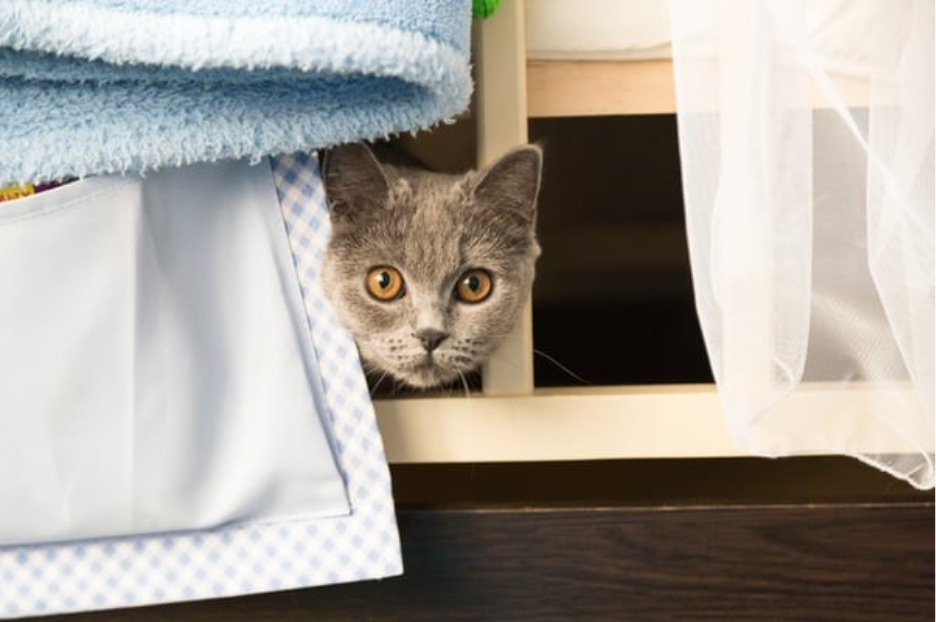
Our feline friends are creatures of habit, and while some are naturally sociable, others may feel anxious or fearful when unfamiliar people enter their space. Whether it’s a visitor, a new roommate, or an addition to the family, these changes can be unsettling for your kitty.
This unfamiliarity may make your cat scared of strangers, but just because they’re initially fearful doesn’t mean it’s impossible to overcome. We’ve compiled some expert tips to help a cat that’s scared of new people conquer their fear.
Why is my cat scared of new people?
Before we can understand how to calm a scared cat, it’s important to first know why they feel fearful. Cats are often wary of new people because they rely heavily on scent, routine and familiarity. When a new person enters their space, they’re introduced to new smells, sounds and energy, all of which can trigger signs of stress and fear.
Some common reasons why your cat is scared can include:
- Lack of early socialization – If they haven’t had enough positive experiences with humans in the first few months of their life, they may find humans frightening later on. That’s why it’s important to ensure your kitten has plenty of positive interactions with people while they’re still young.
- Negative past experiences with humans – Past trauma and negative encounters can affect how your cat reacts to human interactions, making them more wary of new people.
- Sudden changes in environment or routine – A lot of change at once, such as moving furniture for guests or changing your cat’s routine, can already make them feel unsettled. This feeling can worsen when a new person comes along.
- Overwhelming introductions – Loud voices, doorbells, fast movements and lots of people arriving at once can all contribute to your cat’s fear.
How to help a scared cat?
Tip 1 – Create a safe retreat
One of the first ways to help a cat that’s scared of new people is to give them at least one safe space to retreat to before any introductions. A safe space helps give your cat control, which is a key factor in reducing anxiety when unfamiliar people are around. You can help your cat feel safe by:
- Making sure there’s a quiet room away from new people where your cat can rest, with access to their resources, such as a litter tray, water and a scratching surface, so they don’t feel the need to interact with strangers.
- Providing elevated spaces, as cats often feel safer when they’re off the ground. A bed or hammock placed in a high position can help them feel hidden and secure.
- Letting your cat decide when they’re ready to leave their safe space and investigate. Don’t force an interaction, as this only makes the situation worse for your cat.
- Always respecting their boundaries and never cornering, chasing or picking up a fearful cat.
Tip 2 – Take it slow
Gradual exposure is key to helping your cat feel comfortable, but it’s important to let your cat set the pace. When introducing your cat gradually to a new person, it’s important to:
- Get your cat used to their scent – allow your cat to sniff and interact with an item belonging to the new person, such as a worn T-shirt or blanket. This can be especially helpful if the person will be spending a lot of time in your home. However, don’t force your cat to engage with the item.
- Have the person in the same room, but at a distance – let the person be in the room without approaching the cat. This helps them get used to their presence without feeling threatened.
- Guide the new person on how to interact with your cat – encourage them to sit calmly, avoid eye contact, speak softly and allow your cat to approach them on their own terms.

Tip 3 – Build positive associations
Pairing people with positive experiences is a great way to help calm a scared cat. By using positive associations, it can help reshape your cat’s perception of new people through a few simple steps:
Offer high value snacks when the person is nearby
Offer your cat their favourite high value snack when the new person is nearby.
You could place a delicious snack on a lick mat or in their food bowl, keeping it at a distance from the new person to avoid forcing an interaction.
Over time, your cat may become more comfortable and move closer. But remember, this needs to be on your cat’s own terms and it may take time.
Use toys to engage them
As well as treats, you can try toys! Wand toys are a great first way to engage your cat from a distance, allowing them to play without feeling the pressure from an unfamiliar person. A catnip filled toy may also be super interesting for your cat if they respond to it. Ask your guest to gently throw a catnip toy near your cat, not at them, and let your kitty choose whether to play.
Establish trust through positive experiences
Long-term positive associations are built through trust, so punishing or pressuring your cat can ruin any positive progress and end up making them more wary of new people.
Repeat positive interactions to help build a bank of good experiences that your cat can draw on in future situations when strangers are in the home.
Tip 4 – Support their emotional well-being
When helping a cat that’s scared of new people, it is important to prioritize their well-being. FELIWAY Optimum is a fantastic way to help your cat feel emotionally supported. This pheromone diffuser promotes enhanced serenity and can provide your cat with benefits such as:
- Helping them feel calm – using pheromones, which are part of cats’ natural communication system, the diffuser sends calming signals. This helps your cat feel safe in changing environments and social situations.
- Long lasting serenity – simply plug it a few days before guests arrive or when a new person moves in and leave it plugged in. Each refill lasts 30 days, and the diffuser is designed for continuous use, helping your cat feel calmer for longer.
- Improving their safe space – put your FELIWAY Optimum in a room where your cat spends most of their time, ideally near their safe space, to give them an extra feeling of comfort.
Tip 5 – Be patient and consistent
Progress may be slow, but that’s okay. For cats, trust is built over time, not forced in moments. If you and your feline friend are taking smaller steps, try things like:
- Celebrating small wins—a sniff, a blink or a nearby nap. These are all signs of growing trust.
- Respect your cat’s personality – some kitties may always prefer quiet companionship, and that’s perfectly okay.
- Keep your cat’s routines consistent – a predictable routine can help your cat feel more secure.
- Introduce new people one at a time – if possible, keep introductions gradual to avoid overwhelming your cat.
- Consult a professional – if your cat’s fear persists or you notice a sudden change in how they cope with different people in your home, there may be an underlying medical reason. In these cases, it’s important to consult your vet.
To find out more about kitty behaviours, continue exploring Ceva’s FELIWAY blog online.
What your rabbit’s body language is telling you
If you’re considering adopting a rabbit, or if you already have one in your home – it’s important to understand rabbit behaviour and body language.
Rabbits are prey animals and timid by nature, so you need to be patient if your rabbit seems shy at first. Hand feeding treats helps to engage the rabbit and reinforce social interaction.
Rabbits speak to other rabbits and to humans by using extensive body language and a few vocalizations. The following general descriptions of rabbit body language should help you understand rabbit behaviour.
Offensive postures can include:
- Both ears back against head: this can also be a sign of fearful behaviour; look for other signs of offensive posture to distinguish between the two
- Tail is erect
- Tail is wagging
- Body is tensed
- Thumping to express anger, or warn of danger
- Nipping could be a warning when combined with other body language such as an erect tail, or laid-back ears
- Grunting/growling indicates discomfort
Defensive postures include:
- Both ears back against head can indicate unsure or fearful behaviour if no signs of offensive posturing are noted
- Body tensed
- Whimpering or squealing are normally associated with distress and pain
- Screaming indicates mortal terror or severe pain
Social:
- Both ears forward and attentive
- One ear forward, one ear back (listening to you and to something else)
- Flopping: rabbits literally throw themselves onto their side as a sign of relaxation
- Chin-rubbing: rubbing secretions from the scent glands under the chin to mark their territory. The scent is undetectable to humans
- Circling around your feet as a means of getting attention
- Nudging: an invitation/demand to be groomed. The rabbit gives you a nudge and puts his/her head down to the floor in an extended position with relaxed ears
- Snorting to request attention or to indicate that the rabbit does not like something. (It could also be a symptom of an upper respiratory infection)
- Squeaking is an indication of closeness and intimacy
- Bunching: pushing, pulling, and biting bed linens, towels, pillows
- Chewing, digging, and burrowing are natural rabbit behaviours
- Climbing, running, and hopping are examples of exploring and play behaviour
- Tooth clicking is a light grinding or clicking of the teeth that indicate pleasure and contentment
- In contrast, tooth grinding indicates severe pain, discomfort, or distress
We hope you found this article helpful in better understanding your rabbit’s behaviour, and body language! For more rabbit care tips, visit our blog.https://ontariospca.ca/?post_type=post&s=rabbit
If this information was helpful, please help us continue to educate about pet health and well-being by making a donation. As a registered charity that does not receive annual government funding, the Ontario SPCA and Humane Society depends on the generosity of donors to change the lives of animals in need.