Growing up in the countryside, Brenda’s best friends had fur, feathers or hooves. As a child, she dreamed of becoming a veterinarian who rode her horse from farm to farm, healing animals along the way. Pets were her playmates and confidants – a connection that continued well into her senior years.
Years later, as she faced the quiet reality of living alone, she knew she needed companionship. That’s when she adopted two sibling cats, and later a dog named Lucy. Lucy, in particular, became her best friend. Lucy was her therapist on hard days and a cheerful shadow on the good ones. Her presence filled the home with warmth, laughter, and unconditional love.
Love at first sight
Lucy came into Brenda’s life one Friday afternoon at a humane society in Chatham, Ontario. She arrived with hope in her heart, knowing she would meet her next companion. While the staff initially introduced her to a few dogs that didn’t quite connect, they mentioned one dog in need of foster care. Curious, she asked to meet the dog. Out came a trembling pup, tail tucked tightly between her legs, cowering at every sound. But when Brenda knelt and spoke gently, something clicked. The dog slowly approached and laid by her side. It was love at first sight.
Over the years, Brenda and Lucy shared countless memories. Lucy had two favourite places: the local park gazebo, where she would sit and observe the geese and ducks from a respectful distance, and Point Pelee National Park. There, Lucy enjoyed long beach walks and peaceful strolls along the marsh boardwalk. These simple outings brought so much joy and connection.
Honouring Lucy’s memory
Late last year, Lucy crossed the rainbow bridge. Just three weeks after Lucy’s passing, Brenda underwent spinal surgery and became unable to walk. The timing was heartbreaking, but she remained grateful. Lucy had stayed by her side through some of the most difficult moments, offering comfort without a single word.
To honour Lucy’s memory, Brenda decided to become a monthly donor to the Ontario SPCA and Humane Society. Our mission touched her deeply, and now she hopes to help others find the same love she found in Lucy.
On World Pet Memorial Day, Brenda remembers Lucy with love, gratitude, and a heart full of the quiet, beautiful moments they shared. Lucy may be gone, but her spirit remains – gentle, loyal, and forever part of her life.
Pet loss support
At the Ontario SPCA, we recognize the unique bond you shared with your companions and understand that the pain of losing them can be profound. To navigate this difficult time, Ontario Pet Loss Support offers a safe and nurturing space where individuals come together to share their stories, memories, and emotions surrounding the loss of a cherished pet. Learn more about the Pet Loss Support Group today.
As a registered charity that does not receive annual government funding, the Ontario SPCA is able to change the lives of animals and keep pets with the people who love them thanks to donations from caring donors like Brenda. If you would like to honour your pet’s memory by supporting animals in need, please consider donating today.
Have an amazing animal parent who also happens to be your father?
This Father’s Day, whether you want to celebrate someone who is an amazing dad to their human children, or their fur babies, consider a gift that will put a smile on their face with purpose. The Ontario SPCA and Humane Society’s Paws & Give™ catalogue offers a unique opportunity to celebrate dads while supporting animals in need across Ontario.
Your purchase has double the impact: delighting paw-some pet parents AND giving animals a second chance at happy lives in loving homes.
Thoughtful gifts for every dad
The Paws & Give™ store features a variety of items that cater to different tastes and preferences:
- Bracelets: For the dad who proudly identifies as a “Dog Dad” or “Cat Dad,” these bracelets serve as stylish and meaningful accessories.
- Can Coozies: Ideal for enjoying a refreshing beverage on a warm day, these koozies are both practical and fun.
- ‘Rescue Dad’ T-shirt: A tee that allows dads to wear their passion for animal rescue on their sleeve.
- Dog Dad Keychains: Available in two distinctive designs, each keuchain comes assembled with a 24mm split ring, making it ready to add to your keys and go.
Shipping deadline for all Paws & Give™ items is June 10, so don’t wait!
Symbolic gifts that make a difference
For those seeking a more impactful way to honour Father’s Day, the symbolic gifts section offers contributions that directly benefit animals:
- Create a Second Chance: Support the transportation, examination, and care of animals arriving at Ontario SPCA animal centers.
- Spay it Forward: Contribute to spay/neuter surgeries, helping control the pet population and prepare animals for adoption.
- Pet Food Pantry: Assist in stocking community food banks with pet food, ensuring animals have access to necessary nutrition and can stay with the families who love them during hard times.
Visit our website for more symbolic gift options.
Shop with purpose
This Father’s Day, choose a gift that not only delights your dad, but also makes a lasting difference in the lives of animals. Visit the Paws & Give™ store to explore the full range of gifts and symbolic donations. Celebrate Father’s Day with a gift that gives back.
Do you find that your dog scavenges for items to eat on your walks? If daily walks are interrupted by your dog picking up sticks, grass, or any other little treats from nature, that’s because scavenging is a natural behaviour that dogs express – some more than others. However, it is possible to train your dog to walk without eating. Here’s how to help deter this behaviour.
Make sure your dog is fed before walks
Ensure your dog has had a meal not long before you head out the door. You can even fulfill their scavenging need by making mealtime more interesting using slow feeders, snuffle mats, or puzzle feeders. These make it more difficult for your dog to eat their food all at once. If you don’t have any of these items, you can try scattering kibble around their feeding area as another opportunity to help satisfy their needs before going on a walk.
Choose a less tempting route
If possible, change up where you walk by choosing somewhere away from gardens and hedges to help remove any temptations of eating plants and sticks. If you can’t change your route, simply redirect your dog’s attention by tossing treats up ahead while you walk so that your dog targets those instead of anything else on the ground.
Train your dog with “leave it” and “watch me” cues
Teaching your dog cues such as “leave it” and “watch me” can be extremely beneficial if they’re prone to scavenge on your walks. It’s best to work on both training methods in your home before trying them on walks so your dog is set up for success. Remember to continue rewarding them whenever they choose a treat over scavenging outside.
Change up how you walk
Going for a walk doesn’t have to just mean grabbing a leash and walking the same way each time. You can make walks extra fun – and distract your dog from scavenging – by bringing along a toy, a ball, walking at a quicker pace, or even continuing to practice your “leave it” and “watch me” cues. Just like humans, dogs like it when you change things up, and doing these things on their walks can prevent chomping on that tempting stick or chewing on some freshly cut grass.
If you find your dog continues to eat things they shouldn’t on their walk, even after trying everything above, it may be time to talk to your veterinarian to make sure there isn’t a medical reason behind this behaviour such as an upset stomach, anemia, nutrition deficiency, or more.
If this information was helpful, please help us continue to educate about pet health and well-being by making a donation. As a registered charity that does not receive annual government funding, the Ontario SPCA and Humane Society depends on the generosity of donors to change the lives of animals in need.
Whether they’re a kitten or full-grown, all cats love to play. And playing with your cat is good for her health, because it encourages her to be active, flexible and keeps her alert. Playing also encourages your cat to express her natural hunting instincts. Today, our friends at Royal Canin Canada share how you can Make Your Own Toy for your cat!
What you’ll need
- 1 Cardboard box
- 6 Toilet paper rolls
- 1 Pair of scissors
- 1 Utility knife pen
- Adhesive tape
- Decorations that would safe for the pets in the house.
Instructions
Step 1: Reinforce the cardboard box with adhesive tape, trace circles using a toilet paper roll and carefully cut out the circles on the box.
Step 2: Cut the toilet paper rolls into rings with your scissors. They can be different heights.
Step 3: Fit the rings into the box.
Step 4: Decorate the rings and the box however you want.
Step 5: Pour the kibble into the rings.
We hope your cat enjoys their new toy!
IMMEDIATE RELEASE
Whitby, ON (June 4, 2025) – Get ready for a tail-wagging good time at the Humane Society of Durham Region’s upcoming open house on Saturday, June 7. Come out for an afternoon of fun, meet some furry friends, and discover how HSDR is making a pawsitive impact in the community.
Visit the animal centre, located at 1505 Wentworth St. in Whitby, between 11 a.m. and 3 p.m. to meet adorable adoptable animals and enjoy an afternoon packed with fun. There will be food trucks, pet-related vendors, a kids’ zone, raffle prizes, and more!
The Humane Society of Durham Region is a registered charity that has been supporting pets and the people who love them in the Durham Region for over 30 years. As one of 12 Ontario SPCA and Humane Society animal centres across the province, the organization finds loving homes for animals and provides essential community support services.
“We can’t wait to welcome the community to our open house — it’s going to be a fun-filled day for all ages!” says Shannon Stephenson, Manager of the Humane Society of Durham Region. “From meeting adorable animals to exploring how we help keep pets and families together, it’s a chance to go behind the scenes, ask questions, and see the impact we make every day. Whether you’re an animal lover, a curious neighbour, or looking for a new furry friend, there’s something here for everyone!
To learn more about the Humane Society of Durham Region, visit hsdr.org
##
Media Contact
Blair Budgell
Events Coordinator
Humane Society of Durham Region
289-355-0399
[email protected]
The Humane Society of Durham Region
The Humane Society of Durham Region is a registered charity. For over 30 years, the HSDR has been dedicated to protecting and providing compassionate care for unwanted and abused animals in Durham Region until they find their forever homes. Committed to improving the lives of animals, HSDR provides education and resources to the community.
In August 2022, the HSDR formally joined the Ontario SPCA and Humane Society to combine the organizations. This will enable the HSDR to strengthen and grow the programs and community support services it provides to help animals and the families who love them.
The Humane Society of Durham Region acknowledges the lands and people of the Mississaugas of Scugog Island First Nation, which is covered under the Williams Treaties. The HSDR is situated on the traditional territory of the Mississaugas, a branch of the greater Anishinaabeg Nation, which includes Algonquin, Ojibway, Odawa and Pottawatomi.
IMMEDIATE RELEASE
Constance Lake First Nation, ON (June 3, 2025) – More than 100 animals received essential care during a four-day spay/neuter and wellness event hosted in Constance Lake First Nation, thanks to a partnership between the Ontario SPCA and Humane Society, the local community, and PetSmart Charities of Canada®.
A total of 48 dogs and cats were spayed or neutered during the event, which took place May 22-25, preventing an estimated 1,600 unplanned puppies and kittens. The team also provided 54 wellness appointments and administered 251 vaccines – critical steps in preventing disease and supporting healthier animals.
“To the veterinarians, technicians, volunteers, and support staff – thank you for your professionalism, compassion, and unwavering commitment. You are making a difference every single day, and this clinic was a shining example of that,” says Rick Allen, Chief of Constance Lake First Nation. “These preventative measures are vital for controlling disease, improving animal health, and supporting a safer, healthier community overall. We would also like to extend our sincere gratitude to the Ontario SPCA and PetSmart Charities for their generous grant, which helped make this clinic possible.”
This event was supported by an Incubator grant from PetSmart Charities of Canada®, which empowers organizations to create veterinary and animal wellness programs that are rooted in community guidance. The grant represents a three-year commitment to co-develop sustainable veterinary access in Constance Lake First Nation, with ongoing input from those who call it home.
“Universally, people overwhelmingly say pets are family – yet our research shows half of pet parents have skipped or declined veterinary care, with many more who haven’t been able to access it at all,” says Kate Atema, Director of Community Grants & Initiatives at PetSmart Charities of Canada. “This issue affects pet parents across many provinces in Canada – but becomes even more challenging for Indigenous people in regions where health, nutrition and other services are difficult to access. We’re proud to support our partners like the Ontario SPCA as they collaborate with local leaders at Constance Lake First Nation to co-create new models of vet care that meet cultural, regional and financial needs.”
This was the second event held in Constance Lake in partnership with the Ontario SPCA and PetSmart Charities. Since the first clinic, the community has continued to shape what animal wellness looks like locally – sharing stories, voicing needs, and driving decisions.
“This clinic wasn’t just about delivering care, it was about connection,” says Arista Wogenstahl, Northern Regional Manager, Community Outreach Services, Ontario SPCA and Humane Society. “We’re grateful to Constance Lake First Nation for welcoming us and for the trust they placed in us. Thanks to the support of PetSmart Charities of Canada, this clinic was a step forward in building lasting, community-led solutions for animal wellness. By working together, the goal is not just to deliver care, but also to help build relationships, deepen trust, and support long-term well-being for both animals and the people who love them.”
The Ontario SPCA is committed to reaching underserved communities with its MASH-style spay/neuter and wellness clinics. These portable outreach events are designed to be easily packed up and transported wherever they are needed, including remote communities. These clinics are grounded in listening and collaboration. Each visit is shaped by the voices of local leaders, families, and caregivers who share what matters most to them.
To learn more about the Ontario SPCA’s mobile animal wellness services, visit ontariospca.ca/mobileservices
##
Media Contacts
Media Relations
Ontario SPCA and Humane Society
905-898-7122 x 375
[email protected]
PetSmart Charities Media Line
623-587-2177
About the Ontario SPCA and Humane Society
The Ontario SPCA and Humane Society is a registered charity that has been changing the lives of animals for over 150 years. The Society provides care, comfort and compassion to animals in need in communities across Ontario. It values all animals and advocates to treat them with respect and kindness. The Society strives to keep pets and families together and does so through a variety of community support services, such as sheltering and adoptions, including emergency sheltering, feral cat management programs, animal transfers, food distribution, humane education, animal advocacy, and spay/neuter services.
The Ontario SPCA does not receive annual government funding and relies on donations to provide programs and services to help animals in need. To learn more, or to donate, visit ontariospca.ca. Charitable Business # 88969-1044-RR0002.
The Ontario SPCA and Humane Society Provincial Office sits on the traditional territory of the Wendat, the Anishinabek Nation, the Haudenosaunee Confederacy, the Mississaugas of Scugog, Hiawatha and Alderville First Nations and the Métis Nation. This territory was the subject of the Dish With One Spoon Wampum Belt Covenant, an agreement between the Iroquois Confederacy and the Ojibwe and allied nations to peaceably share and care for the resources around the Great Lakes. The treaties that were signed for this particular parcel of land are collectively referred to as the Williams Treaties of 1923
About PetSmart Charities of Canada®
PetSmart Charities of Canada is committed to making the world a better place for pets and all who love them. Through its in-store adoption program in all PetSmart® stores across the country, PetSmart Charities of Canada helps thousands of pets connect with loving families each year. PetSmart Charities of Canada also provides grant funding to support organizations that advocate and care for the well-being of all pets and their families. Our grants and efforts connect pets with loving homes through adoption, improve access to affordable veterinary care and support families in times of crisis with access to food, shelter, and emergency relief. Each year, thousands of generous supporters help pets in need by donating to PetSmart Charities of Canada directly at PetSmartCharities.ca, while shopping at PetSmart.ca, and by using the PIN pads at checkout registers inside PetSmart stores. In turn, PetSmart Charities of Canada efficiently uses more than 90 cents of every dollar donated to fulfill its role as the leading funder of animal welfare in Canada, granting more than $35 million since its inception in 1999. Independent from PetSmart LLC, PetSmart Charities of Canada is a registered Canadian charity. To learn more visit www.PetSmartCharities.ca.
Nail trimming can be seen as a source of stress for our animals and even for us as pet parents. It’s time to take the fear out of this routine grooming practice. You’ll be clipping claws and pampering your pet’s paws in no time with tips from Fear Free ® Happy Homes.
Ready your environment
Set the scene to be calm and inviting for your furry friend before you begin. Fear Free® recommends eliminating slippery surfaces by laying down a rug or towel. To appeal to your animal’s other senses, playing some calm music and having soothing scents is also advised.
Of course, you’ll want to make sure your furry friend’s favourite treats are within reach, too!
Ready your furry friend
Fear Free® stresses the fact that nail trimming is a process – especially during your animal’s first time! By letting your companion animal get comfortable with the room and the sight, sound and feeling of the tool, you will make them more at ease.
Fear Free® recommends introducing your animal to the process in steps:
- Accustom your friend to the environment
- Introduce the sight of the trimming tool
- Imitate the nail trimmer sound near your furry friend
- Touch their nails repeatedly without the trimming tool
- Squeeze their paw gently, repeatedly
- Touch the trimmer to your animal’s nail repeatedly
- Slowly and carefully trim one nail at a time
Ready your equipment
Nail trimming can be done with either nail clippers or nail grinders. If your furry friend has never had their nails trimmed, start with the tool you’re most comfortable using and assess their reaction. If your animal has previously been stressed by the use of one tool, try another type until they are calmer.
Whichever tool you choose to use, Fear Free® has tips for both.
Fear Free® Clipper Tips:
- Use sharp clippers and sharpen them regularly.
- Trim small amounts of the nail more often, rather than large pieces less often.
- Make sure to locate the nail’s blood supply (quick) to avoid trimming the nail too close.
Fear Free® Grinder Tips:
- Locate the quick (if possible).
- Ensure you have a firm and comfortable hold on the device.
- Consider using a quieter tool with adjustable speeds.
- Grind for small periods at a time to avoid the tool causing your animal discomfort.
- Gently hold back paw fur from the nail.
SUPPORT
For pup paw pampering, watch our resource: How to trim your pet’s nails.
For dark nail tips, watch our resource: How to trim your dog’s dark nails.
If nail trimming is still a source of stress for you or your furry friend, contact your animal’s veterinarian for advice and support.
If this information was helpful, please help us continue to educate about pet health and well-being by making a donation. As a registered charity that does not receive annual government funding, the Ontario SPCA and Humane Society depends on the generosity of donors to change the lives of animals in need.
For dark nail tips, watch our resource: How to trim your dog’s dark nails.
If you still find yourself or your companion animal experiencing stress with nail trimming, contact your animal’s veterinarian for advice and support.
At the Ontario SPCA and Humane Society, we believe in the power of community — and that includes the dedicated veterinary professionals who work tirelessly every day to care for our beloved pets. These unsung heroes help keep families together by ensuring our furry companions stay healthy and happy. That’s why we’re thrilled to announce the return of our Veterinary Appreciation Contest, running from June 2–15, 2025!
This campaign is our way of saying thank you to the veterinarians, technicians, and support staff across Ontario who go above and beyond. It’s also an exciting opportunity for pet lovers like you to give back — by nominating and voting for your favourite local clinic!
Ontario SPCA Veterinary Appreciation Contest
This year, we’ve made the contest even easier to participate in:
- Nomination Week: From June 2-8, show your appreciation by nominating your veterinary clinic on our contest platform at vetappreciation.ca. Simply provide the details of the clinic you’d like to recognize.
- Voting Week: From June 9-15, visit vetappreciation.ca. to cast your vote. Ask your friends and family to show their support by voting as well! You can search for your clinic by name or city, and your vote will help decide which clinic wins this year’s prize.
- Winner Announcement: On June 16, the winning clinic — determined by your votes — will receive a special plaque of recognition and a delicious lunch for their hardworking team, courtesy ofthe Ontario SPCA!
Clinics will also have access to a downloadable digital asset kit from our contest page to help them rally support on social media from their community.
Whether it’s a routine checkup or lifesaving emergency care, veterinary professionals make a difference in the lives of animals and the people who love them. Let’s show them how much we care.
Nominate, vote, and help us celebrate the clinics that care — visit vetappreciation.ca today!
IMMEDIATE RELEASE
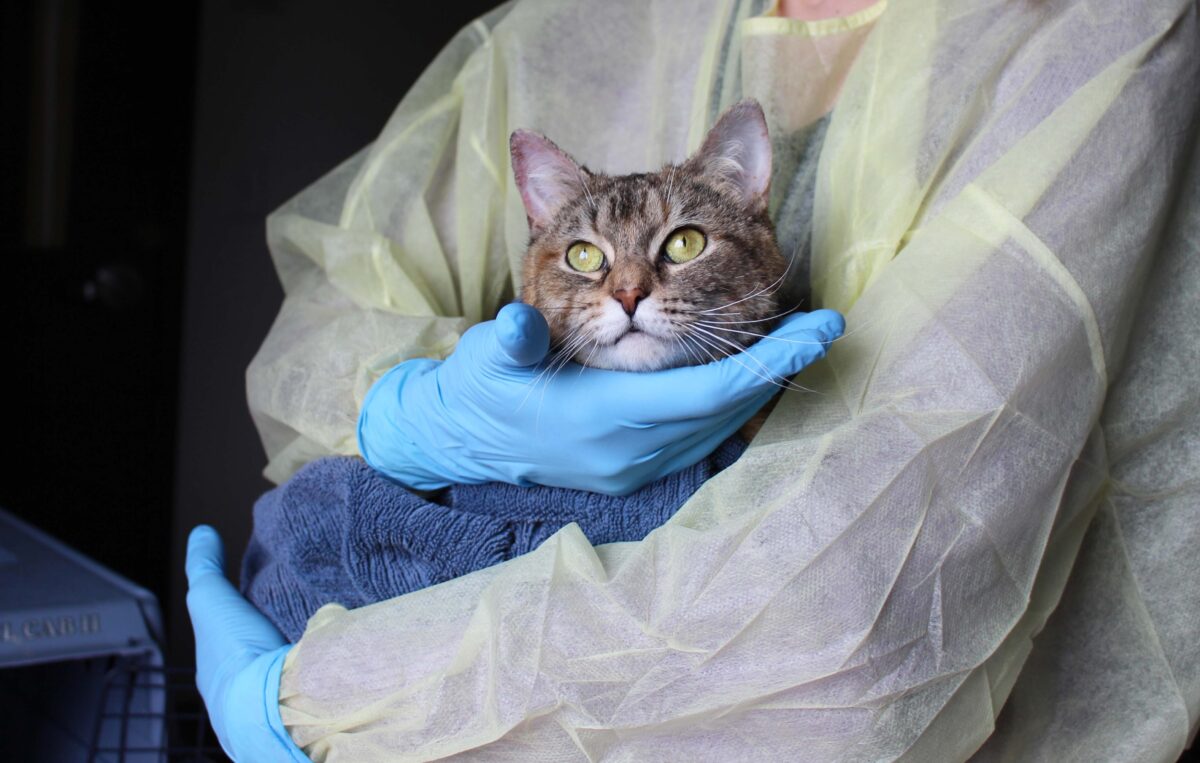
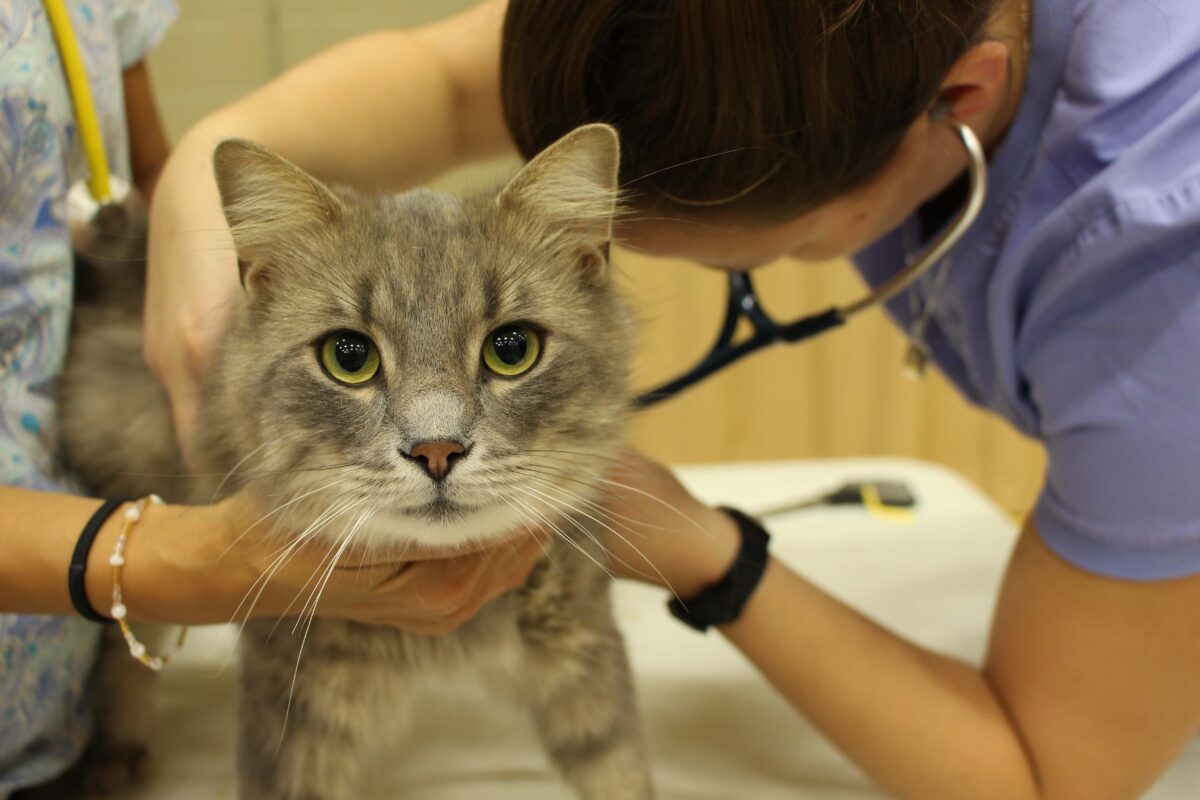
Stouffville, ON (June 2, 2025) – Say thank you to the veterinary professionals who care for the animals you love by nominating your clinic in the Ontario SPCA and Humane Society’s Veterinary Appreciation Contest.
Veterinary professionals go above and beyond every day to keep our pets happy and healthy. Now it’s your turn to celebrate them. Nominate your veterinary clinic by June 8 at vetappreciation.ca and then rally your family and friends to vote between June 9-15 to show their support.
The clinic with the most votes will be awarded a plaque and treated to a complimentary lunch for their staff — a small but meaningful way to show how much we value their dedication and compassion.
“Veterinary professionals play a vital role in the health and well-being of our pets, and we’re excited to celebrate their dedication through this contest,” says Dr. Jill Kirk, Chief Veterinary Officer, Ontario SPCA and Humane Society. “It’s our way of recognizing their incredible compassion, expertise, and commitment — and we invite everyone to nominate their pet’s clinic as a heartfelt way to say thanks.”
To learn more, nominate your veterinary clinic, or see nominated clinics in your community, visit vetappreciation.ca
##
Media Contact
Media Relations
Ontario SPCA and Humane Society
905-898-7122 x 375
The Ontario SPCA and Humane Society
The Ontario SPCA and Humane Society is a registered charity that has been changing the lives of animals for over 150 years. The Society provides care, comfort and compassion to animals in need in communities across Ontario. It values all animals and advocates to treat them with respect and kindness. The Society strives to keep pets and families together and do so through a variety of community support services, such as sheltering and adoptions, including emergency sheltering, feral cat management programs, animal transfers, food distribution, humane education, animal advocacy, and spay/neuter services.
The Ontario SPCA does not receive annual government funding and relies on donations to provide programs and services to help animals in need. To learn more, or to donate, visit ontariospca.ca. Charitable Business # 88969-1044-RR0002.
The Ontario SPCA and Humane Society Provincial Office sits on the traditional territory of the Wendat, the Anishinabek Nation, the Haudenosaunee Confederacy, the Mississaugas of Scugog, Hiawatha and Alderville First Nations and the Métis Nation. This territory was the subject of the Dish With One Spoon Wampum Belt Covenant, an agreement between the Iroquois Confederacy and the Ojibwe and allied nations to peaceably share and care for the resources around the Great Lakes. The treaties that were signed for this particular parcel of land are collectively referred to as the Williams Treaties of 1923.
Thinking of adopting a furry family member? Consider a rabbit! Not only are rabbits fluffy and adorable, but they also make great friends. Here are four reasons rabbits make great companions:
Rabbits make great indoor furry friends
Don’t have a big backyard? No problem. As social animals who are also vulnerable to predators, rabbits are content to be inside. Because they frighten easily, keeping your rabbit indoors where it isn’t as noisy makes for a happy, comfortable bunny environment. In addition, most bunnies can be litter box trained like a cat, so daily care is easier for you.
Rabbits love exercise
Rabbits need space to exercise daily, whether it’s running or jumping. You can easily set up a playpen, rabbit-proof room, or even a small, closed-off outdoor area where you can be close by while they exercise. Get creative – there are lots of easy things you can do to make exercise fun and mentally stimulating for your rabbit.
Rabbits have distinct personalities and bond with their adopters
Rabbits have very distinct personalities – some may be more playful while others can be quite shy. By taking the time to get to know and love your rabbit’s personality, you’ll see them thrive in your home. Check out our blog for tips on how to read your rabbit’s body language.
Rabbits can live up to ten years
A well cared-for rabbit can live anywhere between seven to 10 years! That’s a whole lot of time to enjoy the many perks of being a bunny parent.
There are so many benefits that come with adopting a rabbit and the perfect one for you might just be waiting to be adopted right now. If you’re interested in adopting a bunny, check out our adoption page to see rabbits waiting for their loving homes.
Not in a position to adopt? Consider making a gift today to help care for a rabbit as they wait for their forever home.
IMMEDIATE RELEASE
Stouffville, ON (May 29, 2025) – Ontario SPCA and Humane Society President & CEO Doug Brooks has announced his official retirement. Having served as President & CEO for four years, Brooks has led the organization through the amalgamation with the Humane Society of Durham Region, the announcement of the merger with the Thunder Bay & District Humane Society, partnered with a number of colleges and universities and launched the community focused strategic plan, aimed at supporting communities, increasing awareness of animal welfare challenges and keeping pets and people together.
“Doug Brooks has led with a steady hand and a kind heart, always guided by the Ontario SPCA’s core values of compassion, collaboration, accountability, transparency and excellence,” says Renata D’Innocenzo, Chair of the Board. “We are incredibly grateful for all he has done for our organization and the communities we serve.”
Doug Brooks’ last day will be July 11, 2025. The Ontario SPCA has appointed Donna Healey, current Society CFO, to be Interim CEO until the new CEO starts in September.
Ontario SPCA and Humane Society welcomes Charmaine Brett as new CEO & President
Respected global animal welfare and humanitarian leader to lead the organization into its next chapter
After a search that spanned North America, Charmaine Brett has been appointed the new Chief Executive Officer and President of the Ontario SPCA and Humane Society, starting September 8, 2025.
“Charmaine is joining us at a crucial moment for the Ontario SPCA as we deepen our impact across the province, continue to champion animal well-being through community-based care and deal with the impact of a shortage of veterinarian services,” said Renata D’Innocenzo, Chair of the Board of Directors.
Charmaine brings more than 20 years of global non-profit leadership, spanning animal welfare, humanitarian response and community-led development. Prior to her role at Veterinarians Without Borders, she held senior leadership positions with organizations including Doctors Without Borders, Action Against Hunger, Habitat for Humanity and the Margaret A. Cargill Philanthropies—one of the largest private foundations in the United States. Her work has consistently focused on improving lives through locally driven, sustainable solutions across health, housing, and humanitarian sectors.
Most recently, Charmaine served as Executive Director of Veterinarians Without Borders North America, a registered charity in both Canada and the United States. Under her leadership, the organization significantly expanded its reach across more than 13 countries and continues to be an active member of VSF International, a global network working in 55 countries to improve the health of animals, people and the environment.
Charmaine is widely recognized for her leadership in emergency response, having directed complex operations in Ukraine, Turkey and wildfire-affected regions of British Columbia, Alberta, Manitoba and Northern Ontario. Her ability to respond with clarity, compassion, and coordination during times of crisis has earned her strong respect across the animal welfare and humanitarian sectors.
In Canada, she has led efforts to increase access to veterinary care in remote and underserved communities, particularly through her work with Indigenous partners in Nunavut and the Northwest Territories. Through mobile clinics, education initiatives and the introduction of innovative models such as tele-triage, she has helped build more sustainable systems of care for animals in hard-to-reach regions.
“I am honoured to join the Ontario SPCA and Humane Society at such a pivotal time for animal welfare,” said Charmaine Brett. “Across Ontario, there is an incredible opportunity to strengthen local partnerships, support underserved communities, and build a future where every animal receives the care they deserve. I’m excited to work alongside this dedicated team and all those who make this mission possible.”
Based in Ontario, Charmaine shares her home with her two children and a lively crew of rescue pets. Her leadership is rooted in collaboration, equity, and a belief in the power of community to drive meaningful change.
##
MEDIA CONTACT
Ontario SPCA and Humane Society
Media relations
905-898-7122 x 375
[email protected]
The Ontario SPCA and Humane Society
The Ontario SPCA and Humane Society is a registered charity that has been changing the lives of animals for over 150 years. The Society provides care, comfort and compassion to animals in need in communities across Ontario. It values all animals and advocates to treat them with respect and kindness. The Society strives to keep pets and families together and does so through a variety of community support services, such as sheltering and adoptions, including emergency sheltering, feral cat management programs, animal transfers, food distribution, humane education, animal advocacy and spay/neuter services.
The Ontario SPCA does not receive annual government funding and relies on donations to provide programs and services to help animals in need. To learn more, or to donate, visit ontariospca.ca. Charitable Business # 88969-1044-RR0002.
The Ontario SPCA and Humane Society Provincial Office sits on the traditional territory of the Wendat, the Anishinabek Nation, the Haudenosaunee Confederacy, the Mississaugas of Scugog, Hiawatha and Alderville First Nations and the Métis Nation. This territory was the subject of the Dish With One Spoon Wampum Belt Covenant, an agreement between the Iroquois Confederacy and the Ojibwe and allied nations to peaceably share and care for the resources around the Great Lakes. The treaties that were signed for this particular parcel of land are collectively referred to as the Williams Treaties of 1923.
As the seasons change, some animals start to experience the not-so-pleasant effects of seasonal allergies. Just like humans, our furry companions can react to environmental triggers like pollen, mold spores, and dust mites, which can lead to itchy skin, runny eyes, or frequent licking and scratching. In some cases, animals can even lose their fur in the areas most affected.
Common signs of allergies
Detecting the signs of seasonal allergies in the early stages can make a difference. These can show up as:
- Persistent itching or chewing (especially on paws and ears)
- Red or irritated skin
- Watery eyes or sneezing
- Chronic ear infections or head shaking
If your companion animal shows these symptoms, they may be reacting to something in their environment.
Outdoor and indoor triggers
While most of us think of common allergens such as pollen or grass, many common household items can also cause allergic reactions in animals. Some often-overlooked indoor triggers include:
- Dust mites in carpets, bedding, and upholstery
- Mold in damp areas like basements or bathrooms
- Cleaning products and air fresheners with strong scents
- Pet beds and toys that collect dust or mold over time
Ways to help
If you suspect your dog has allergies, a visit to the vet is the best first step. Depending on the severity, your vet might recommend:
- Over-the-counter antihistamines or prescription treatments for secondary bacterial or fungal infections
- Medicated or hypoallergenic shampoos to relieve skin irritation
- Allergy testing and even immunotherapy to treat root causes
At home, you can help manage allergies by:
- Vacuuming and dusting regularly (especially in areas your furry friends spend the most time)
- Washing their bedding and toys weekly with scent free, hypoallergenic detergent
- Using a HEPA filter and dehumidifier to improve indoor air quality
- Wiping your dog’s paws, armpits and groin after outdoor walks to avoid tracking in pollen
Comfort all year long
While allergies can’t always be cured, they can be managed with the right care and attention. A few simple adjustments can go a long way in helping your furry friend stay comfortable and healthy, no matter the season.
If this information was helpful, please help us continue to educate about pet health and well-being by making a donation. As a registered charity that does not receive annual government funding, the Ontario SPCA and Humane Society depends on the generosity of donors to change the lives of animals in need.