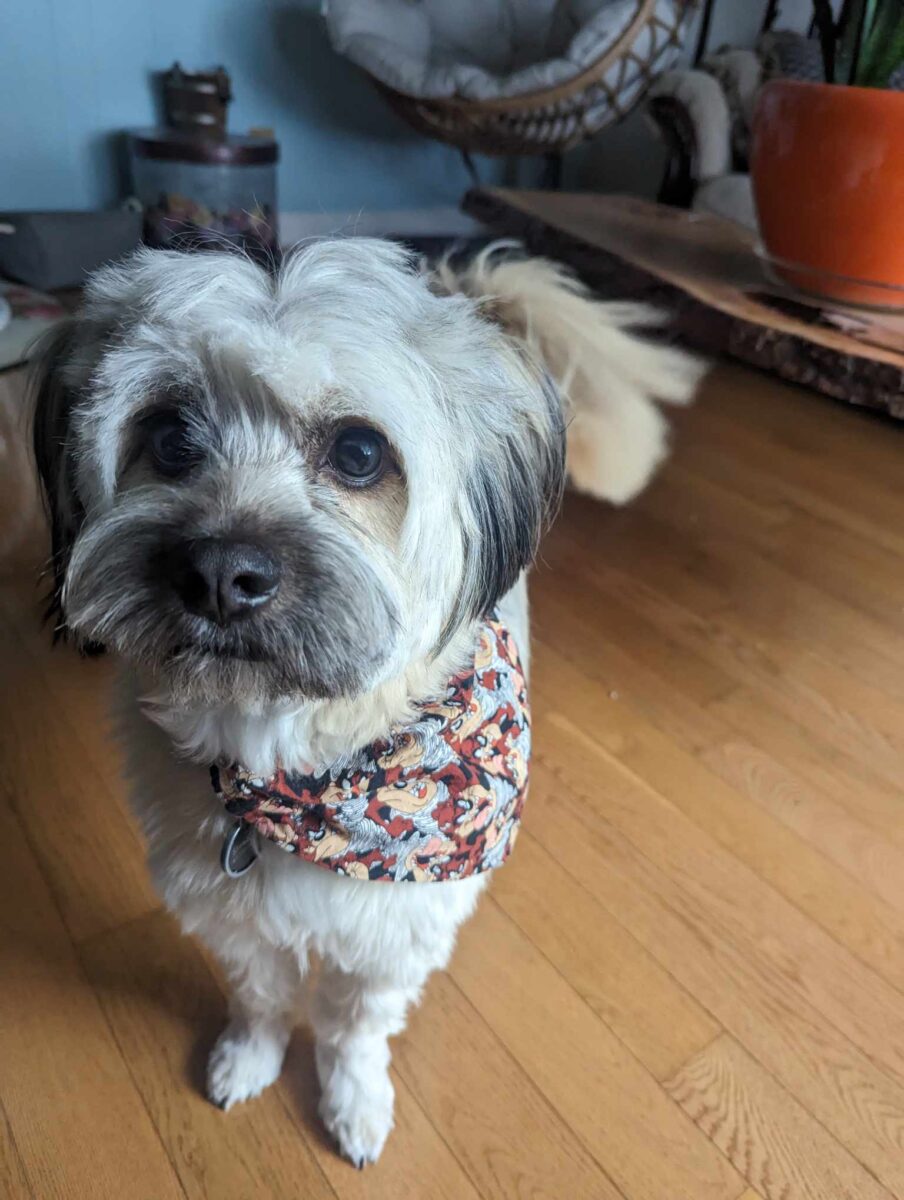
Three-year-old Yorkie, Dax, was enjoying the good life when a run-in with mange led to a series of unexpected twists and turns.
When Dax began to suffer, his family spent months trying to determine the source of his discomfort. Eventually, a veterinarian was able to determine that Dax was suffering from sarcoptic mange.
Sarcoptic mange is caused by a parasitic mite that burrows into the skin. Sarcoptic mange is also highly contagious to other animals, and to people as well. It is contracted through direct contact with an infected animal or person, or through environments that have been contaminated (areas like dog parks, kennels, high traffic areas, etc.)
The diagnosis proved to be too difficult for Dax’s family to manage, and they made the decision to re-home him to the Ontario SPCA and Humane Society for treatment.
“Treatment starts working very quickly, so within days Dax was already feeling much less itchy and more comfortable,” says Jocelyn Rutgers, a Registered Veterinary Technician with the Ontario SPCA Midland & District Animal Centre. “His hair began to grow back, and he showed us his true, sweet, personality.”
With a fresh coat and a fresh outlook to match, it wasn’t long before Dax found his forever home.
“Dax has settled into his new home very well,” says Jocelyn. “He has a family who loves him dearly, and even a cat friend who he is learning not to chase.”
For anyone concerned their pet may have mange, Jocelyn recommends bringing them to a veterinarian for diagnosis. A skin scraping is performed and viewed under a microscope to look for the parasitic mites that cause sarcoptic mange, she says. Diagnosis can sometimes be made by a veterinarian based on clinical signs.
Mange can be prevented and treated in animals by keeping your pet on an appropriate flea/tick preventative year-round. Speak with your vet to determine which product is right for your pet. For humans, prevention includes keeping a clean home, disinfecting regularly, and washing bedding regularly.
If this information was helpful, please help us continue to educate about pet health and well-being by making a donation. As a registered charity that does not receive annual government funding, the Ontario SPCA depends on the generosity of donors to change the lives of animals in need.
IMMEDIATE RELEASE
Cornwall, ON (Jan. 30, 2025) – The Ontario SPCA Stormont, Dundas & Glengarry Animal Centre would like to officially welcome Candice Gordon as the new manager of the Ontario SPCA Stormont, Dundas & Glengarry Animal Centre in Cornwall.
Candice takes the reins from long-time manager Carol Link, who was with the Ontario SPCA family for 27 years before retiring last year. Candice joined the Ontario SPCA team two years ago as a Registered Veterinary Technician and has now stepped up to the role of manager to be able to help even more animals.
“I am honoured to be able to help these animals get the second chance they deserve, which is only possible thanks to generous donors, our hard-working team, amazing volunteers, and families who adopt and give these animals loving homes,” says Gordon.
Last year, the Stormont, Dundas & Glengarry Animal Centre adopted 448 animals, and Gordon hopes to place even more into loving homes this year.
“My goal is to share my passion and inspire others to support all the amazing initiatives the Ontario SPCA is working towards; together we are making a difference, one animal at a time,” she says.
When she’s not changing the lives of animals at the centre, Gordon is keeping busy on her family’s hobby farm with her husband, two teenage daughters and four horses.
To learn more about the Stormont, Dundas & Glengarry Animal Centre, and to view animals available for adoption, visit ontariospca.ca/sdg
Follow the centre on Facebook and Instagram for news, updates, animals available for adoption, and care tips.

##
Media Contact
Arianne Kirkey
Community Outreach Coordinator,
Ontario SPCA Stormont, Dundas & Glengarry Animal Centre
(613) 937-7622
[email protected]
The Ontario SPCA and Humane Society
The Ontario SPCA and Humane Society is a registered charity that has been changing the lives of animals for over 150 years. The Society provides care, comfort and compassion to animals in need in communities across Ontario. It values all animals and advocates to treat them with respect and kindness. The Society strives to keep pets and families together and does so through a variety of community support services, such as sheltering and adoptions, including emergency sheltering, feral cat management programs, animal transfers, food distribution, humane education, animal advocacy, and spay/neuter services.
The Ontario SPCA does not receive annual government funding and relies on donations to provide programs and services to help animals in need. To learn more, or to donate, visit ontariospca.ca. Charitable Business # 88969-1044-RR0002.
The Ontario SPCA Stormont Dundas & Glengarry Animal Centre is located on the lands of the Akwesasne Mohawks and their ancestors. We also acknowledge the Algonquin, Haudenosaunee (Ho-den-oshow-nee) (Iroquois), Huron-Wendat (huron-wen·dat), and Abenaki who are neighbours and partners to the Akwesasne Mohawk.
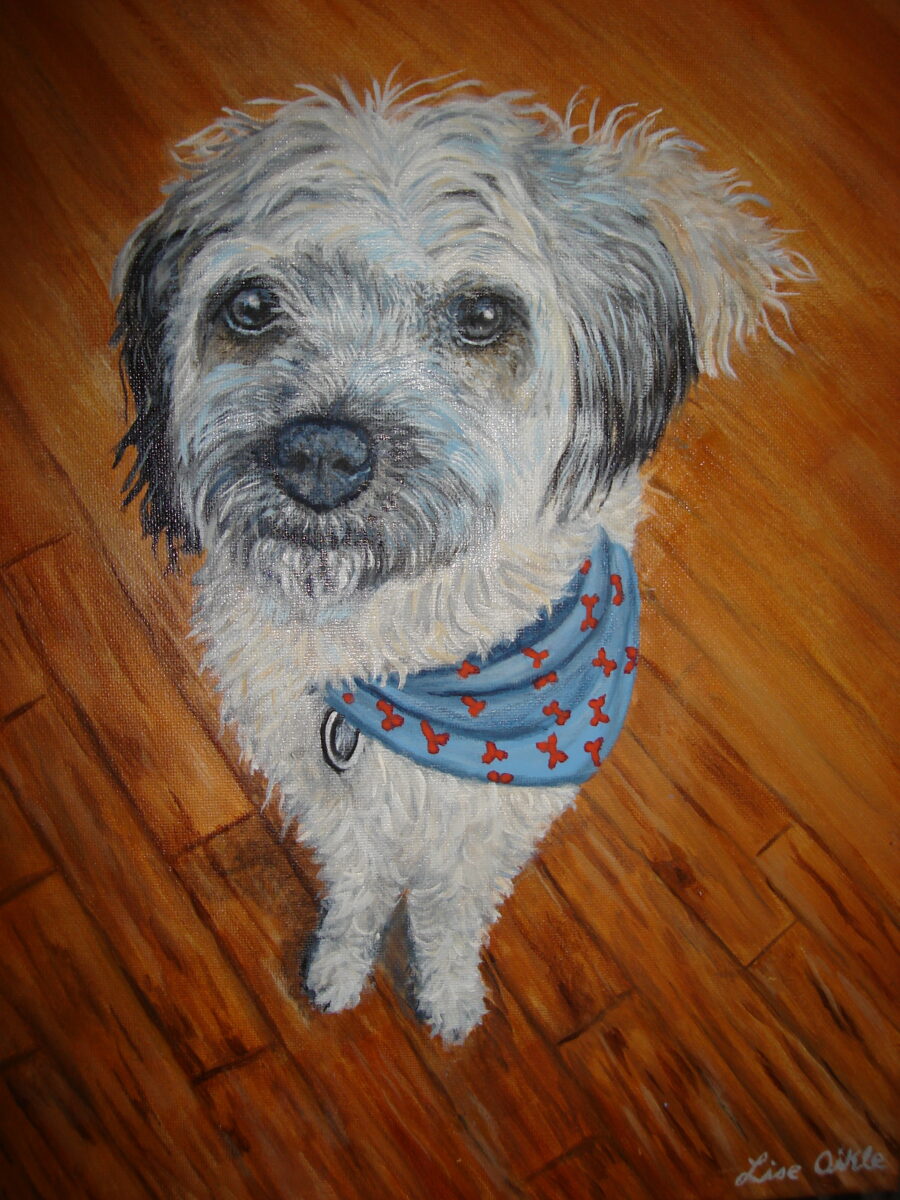
For the past three years, Lise Oikle has used her artistic talent to make a huge impact for animals in need in Cornwall.
Throughout the year, Lise takes one to two pet portrait commissions per month. She says she’s been painting for 13 years but had the idea three years ago to put her commissions into a calendar to support animals at the Ontario SPCA Stormont, Dundas & Glengarry Animal Centre.
“That’s how I came up with this idea, because I’ve always helped animals as much as I can,” says Lise.
Every year, Lise gives up her weekends for two months leading up to Christmas, selling her calendars at stores across Cornwall. Her first year she raised $985, then $5,100, and this year, $6,885.
She says each portrait takes about 80 hours to paint. Facing her own physical challenges, she says painting is like therapy for her.
“I’m in terrible pain, but when I’m painting, because I love it so much, it helps me forget my pain,” says Lise.
Lise says her favourite part about supporting the animal centre is knowing she is part of giving these animals a second chance.
“When I see some of these pets that end up at the Ontario SPCA, and then I hear how they got adopted and that they went to a good family – oh, that’s so nice to hear!” says Lise.
Arianne Kirkey, Community Outreach Coordinator at the Stormont, Dundas & Glengarry Animal Centre, says she and the rest of the team are inspired by Lise’s incredible dedication to animals.
“Lise is a true animal lover. I have never met anyone as passionate about saving animals and promoting good homes and adoption for animals,” says Arianne.
As a registered charity that does not receive annual government funding, the Ontario SPCA on the generosity of supporters like Lise to provide care and shelter to animals in need.
“Lise’s donation and impact at the centre are immeasurable,” says Arianne.
Lise says she hopes to continue the fundraiser this year, but that she’ll need support to help her physically with the long weekends selling her calendars. She says she also hopes to visit senior homes with her calendars.
“If I could get some help, just think how much more we could help these animals,” says Lise.
Learn more about how you can support your local animal centre here.
You can also be a hero for animals that need it most with the Ontario SPCA a’s DIY fundraising platform Humane Hero. To learn more or to register your fundraiser, visit ontariospca.ca/humanehero.
Providing mental stimulation outside of their enclosure can be very beneficial for your small animal’s well-being. It can also be a fun new way to interact with your small animal. Find some great tips and ideas below.
Safety first
When giving a small animal a physical enrichment opportunity outside its enclosure, it is important to remember to:
- Have proper supervision
- Have food and water made available
- Ensure the room or exercise pen is secure to avoid escapes
- Ensure that the area is safe. Move objects that can be chewed or ingested.
- Stay away from young children, predators, other animals
- Use a non-slip surface
- Provide a hiding place for the animal to retreat (e.g. igloo, box)
Toys
Toys are a great enrichment option. Small animals enjoy items such as balls, chewing blocks, paper bags, and crumbled newspapers. They also love things that they can carry, push, bury or hide. Place toys on the floor in an enclosure. Toys can also be safely hung from the cage. Ensure that the toys are large enough not to swallow.
Brushing/Grooming
Rabbits, in particular, need to be brushed regularly to remove excess fur and to prevent matting. This activity provides human social interaction as well as enrichment.
Agility courses
Several species such as bunnies, rats, and guinea pigs enjoy agility. Agility offers both physical and mental stimulation and encourages bonding and social interaction for the participating individuals.
These tips provide a great start for small animal enrichment.
If this information was helpful, please help us continue to educate about pet health and well-being by making a donation. As a registered charity that does not receive annual government funding, the Ontario SPCA depends on the generosity of donors to change the lives of animals in need.
IMMEDIATE RELEASE
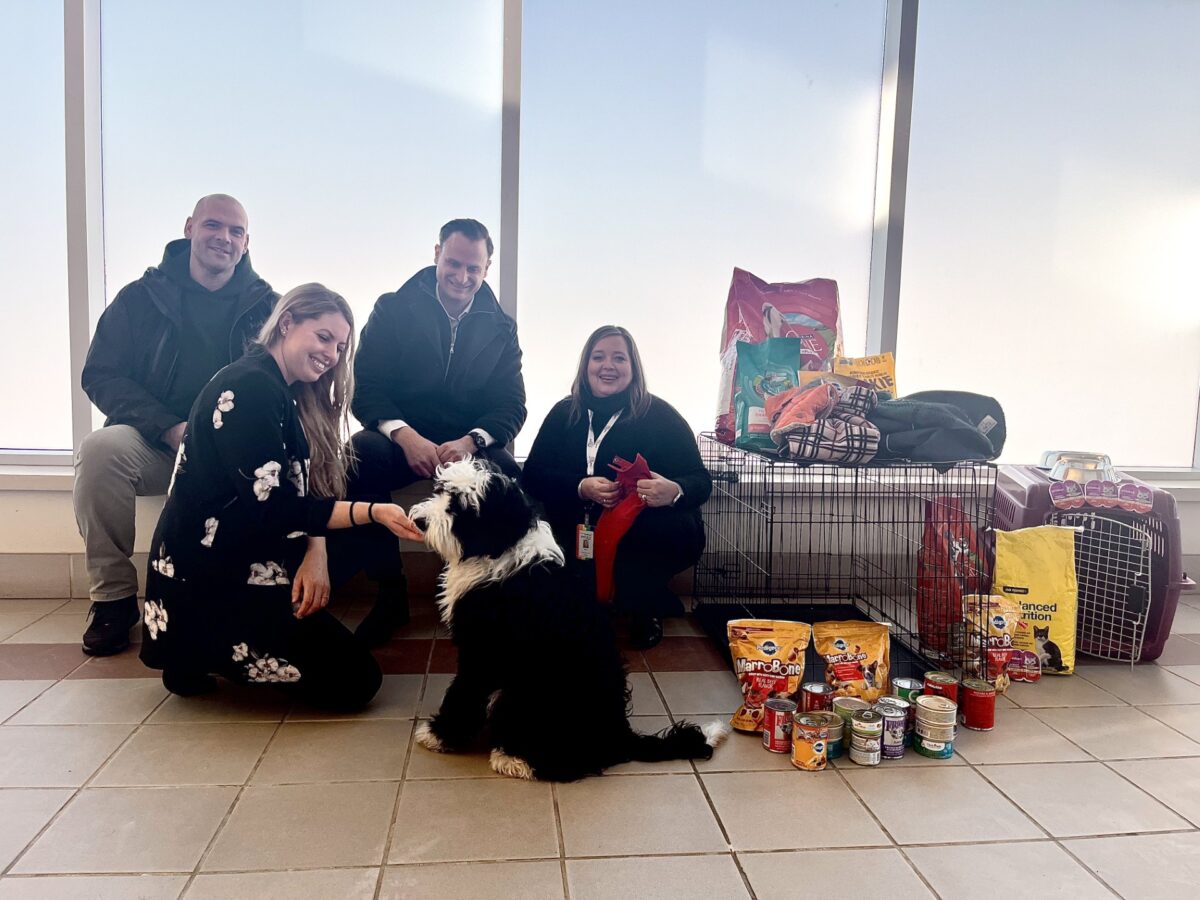
Midhurst/January 27, 2025 – The County of Simcoe and the Ontario SPCA and Humane Society have partnered to protect both unhoused people and their pets from harsh winter conditions. Through a generous donation from the Ontario SPCA Barrie Animal Centre, individuals experiencing homelessness can now bring their pets to the Barrie East warming centre. The donation includes essential supplies such as food, crates, dog jackets, and ongoing support throughout the winter season.
“This donation has the potential to save lives this winter for not only unhoused individuals but also the animals they love and care for by allowing people to come inside with their pets,” said County of Simcoe Warden Basil Clarke. “We recognize that pets are family members and often provide crucial emotional support and motivation for their owners. Thanks to this donation, we can now make the Barrie East warming centre pet friendly.”
“Our pets are part of our families, and no one should have to choose between seeking shelter and staying with their beloved companion,” says Shannon Laflamme, Community Outreach Coordinator with the Ontario SPCA Barrie Animal Centre. “This partnership ensures that both unhoused individuals and their pets can stay safe and warm during the harsh winter months.”
About the Barrie East Warming Centre
The Barrie East Warming Centre welcomes up to 20 individuals at a time when temperatures dip below -10°C. This temperature-activated warming centre is now pet-friendly, and operates up to seven nights per week, 24 hours per day.
Visitors can access comprehensive support services, including assistance with finding shelter, housing, healthcare, and other essential resources. These services are part of a broader initiative to connect individuals with social and wellness-related assistance and help the access various housing support options.
The warming services, funded by the County of Simcoe, complement regular municipal service contributions as part of its 10-point Homelessness Prevention Strategy. Anyone needing shelter or warmth can call 2-1-1 to connect with a nearby shelter or visit simcoe.ca/WinterWarming for location information. For more information about the homelessness prevention plan and updates, visit simcoe.ca/HomelessnessSystem.
Keeping pets safe during the coldest months of the year
As winter progresses, it’s crucial to monitor your pet’s well-being during cold weather. Watch for signs that your pet may be too cold, including:
- Shaking or shivering
- Changes in behaviour
- Lifting paws off the ground
- Signs of hypothermia (weakness, lethargy, muscle stiffness)
It’s important to pay attention to these warning signs, but you shouldn’t wait to see the first signs of discomfort to find warm shelter. Remember: if you think it’s too cold for you, then it’s too cold for your dog.
While maintaining a dog’s exercise requirements during the winter is important, when conditions are especially cold, it’s a good idea to keep walks short and supplement your pet’s exercise with some indoor activities. For more tips on keeping your pets safe this winter, visit ontariospca.ca
Additional support and information is just a phone call away:
- Call 211 (24/7) or visit 211ontario.ca for information on other community services and programs for people who are experiencing homelessness, living on a low income, living alone, or coping with life changes. Services are available in over 150 languages.
- Call 911 (24/7) if you’re concerned about someone experiencing homelessness or sleeping outdoors who may be at risk of frostbite or hypothermia.
- Call 988 (24/7) if you or someone you know is experiencing a mental health crisis.
People across Canada can call and text 9-8-8, a new three-digit service, for help when they need it most. The service offers trauma-informed and culturally affirming support to anyone who is thinking of suicide, or who is worried about someone they know. While the focus of 9-8-8 is on suicide prevention, no one who reaches out to the service will be turned away. Whoever you are, wherever you are located in Canada, by calling or texting 9-8-8 you can connect with a trained responder who’s ready to listen without judgement.
About the County of Simcoe
County of Simcoe is composed of sixteen member municipalities and provides crucial public services to County residents in addition to providing paramedic and social services to the separated cities of Barrie and Orillia. Visit our website at simcoe.ca.
About the Ontario SPCA and Humane Society
The Ontario SPCA and Humane Society is a registered charity that has been changing the lives of animals for over 150 years. The Society provides care, comfort and compassion to animals in need in communities across Ontario. It values all animals and advocates to treat them with respect and kindness. The Society strives to keep pets and families together and does so through a variety of community support services, such as sheltering and adoptions, including emergency sheltering, feral cat management programs, animal transfers, food distribution, humane education, animal advocacy, and spay/neuter services.
The Ontario SPCA does not receive annual government funding and relies on donations to provide programs and services to help animals in need. To learn more, or to donate, visit ontariospca.ca. Charitable Business # 88969-1044-RR0002.
##
Media Relations
Ontario SPCA, Provincial Office
1-888-668-7722 ext. 375
Collin Matanowitsch
Manager, Public Relations
County of Simcoe, Service Simcoe Department
705-734-8386 (mobile)
IMMEDIATE RELEASE
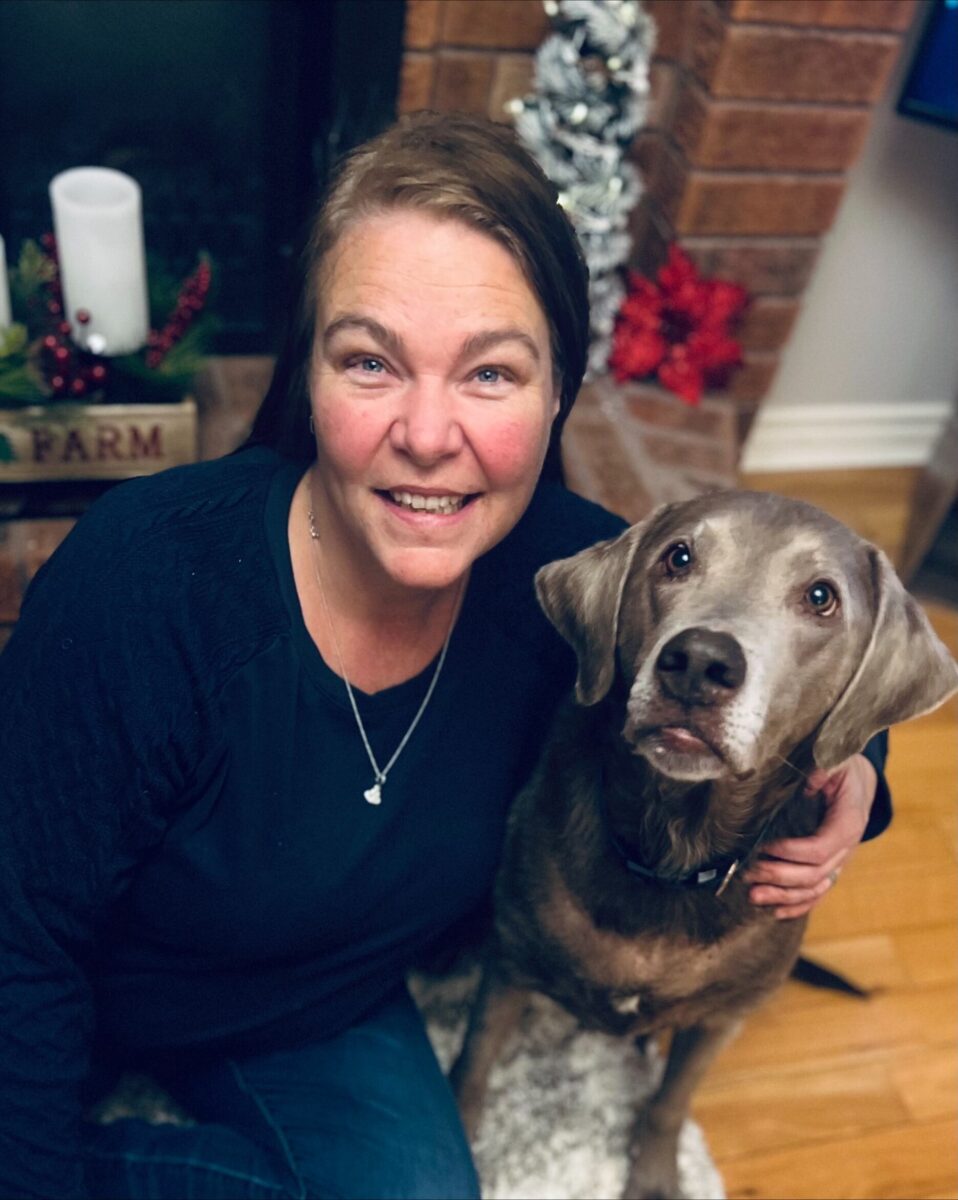
Orillia, ON (Jan. 27, 2025) – The Ontario SPCA and Humane Society would like to officially welcome Janna Handiak as the new manager of the Ontario SPCA Orillia Animal Centre.
“I am so excited to work for the Ontario SPCA because helping animals find love, safety and happiness is more than a job – it’s a mission straight from the heart,” says Handiak.
Handiak takes the reins from long-time manager Carol Beard, who was with the Ontario SPCA family for over 40 years before retiring last year.
Handiak recently moved back to the area after 12 years in Ottawa, where she and her husband operated their own businesses. She is a proud mom and also shares her life with her dog Nixon and guinea pig Cocoa. When she’s not changing the lives of animals in need, Handiak is an avid traveller and advanced scuba diver, always seeking new adventures.
Handiak started the new year off on a paws-itive note, as she and her team found loving homes for 24 animals during the Ontario SPCA’s iAdopt for the Holdiays campaign, which took place from Dec. 1-24. The Orillia Animal Centre ended the year with 496 adoptions in 2024.
“My goal for the Orillia Animal Centre is to ensure it is a haven where every animal is safe and loved while we work to connect them with the perfect forever home,” says Handiak.
To learn more about the Orillia Animal Centre, and to view animals available for adoption, visit ontariospca.ca/orillia
##
Media Contact
Natalie Harris
Community Outreach Coordinator,
Ontario SPCA Orillia Animal Centre
705-816-5576
The Ontario SPCA and Humane Society
The Ontario SPCA and Humane Society is a registered charity that has been changing the lives of animals for over 150 years. The Society provides care, comfort and compassion to animals in need in communities across Ontario. It values all animals and advocates to treat them with respect and kindness. The Society strives to keep pets and families together and does so through a variety of community support services, such as sheltering and adoptions, including emergency sheltering, feral cat management programs, animal transfers, food distribution, humane education, animal advocacy, and spay/neuter services.
The Ontario SPCA does not receive annual government funding and relies on donations to provide programs and services to help animals in need. To learn more, or to donate, visit ontariospca.ca. Charitable Business # 88969-1044-RR0002.
The Ontario SPCA Orillia Animal Centre is located on the traditional territory of the Anishinaabeg. The Anishinaabeg include the Ojibwe, Odawa, and Pottawatomi nations, collectively known as the Three Fires Confederacy.
Cats are curious creatures who sometimes have a way of sneaking a snack they shouldn’t. Do you know which common foods in your kitchen could be hazardous for your furry friend?
Foods to keep away from cats
- Alcohol and caffeine – The effects that alcohol and caffeine have on humans is more severe in cats and can be life-threatening.
- Chocolate – The theobromine in chocolate is highly toxic to cats. Dark chocolate and baking chocolate have the highest concentrations of theobromine, making them even more dangerous. Cats can suffer from abnormal heart rhythm, tremors, seizures and even death depending on the amount of chocolate consumed.
- Fried and fatty foods – Aside from obesity and health related problems, fried and fatty foods can cause diarrhea in cats.
- Garlic and onions – A staple in many kitchens, garlic and onions are toxic to cats. They can damage red blood cells, resulting in anemia, and can cause gastrointestinal upset, resulting in diarrhea.
- Grapes and raisins – Kidney failure can occur in cats who consume grapes and raisins. Early warning signs include repeated vomiting and hyperactivity.
- Milk, cream and cheese – After being weaned, a cat’s lactose intolerance increases. Feeding cats dairy products can cause stomach upset and discomfort.
- Raw eggs – In addition to the risk of food poisoning, raw eggs can interfere with your kitty’s ability to absorb the B vitamin biotin.
- Liver – If your cat eats large quantities of liver, it can cause vitamin A toxicity, which can affect bones and ultimately lead to painful or limited movement.
If you think that your furry friend has eaten something they shouldn’t, contact your veterinarian immediately to seek advice.
If this information was helpful, please help us continue to educate about pet health and well-being by making a donation. As a registered charity that does not receive annual government funding, the Ontario SPCA depends on the generosity of donors to change the lives of animals in need.
During the winter and early spring, your furry friend will encounter a lot of salt and ice during their daily exercise. The salt left on paws can cause irritation and can be dangerous if ingested. Using balm on your pet’s paws can help protect them from the elements.
Here’s our homemade recipe to use for your pet’s paws.
Homemade paw balm for pets
What you’ll need:
- 6, 1oz heat-safe tins
- Small pot or double broiler
- 2 oz olive oil
- 2 oz coconut oil
- 1 oz shea butter*
- 4 tsp beeswax
*Be sure to use shea butter and not cocoa butter, as cocoa butter can be toxic to dogs.
Paw balm instructions
- In a small pot – or double boiler – over low heat, melt the oils, shea butter, and beeswax. Stir continuously until it’s all melted and well blended.
- Pour the mixture into the heat-safe tins.
- Let them cool on the counter until they harden.
- Cap and label.
- Keep away from extreme heat.
- Use within 1-2 years.
This recipe will make enough to fill approximately 21-24 standard lip balm tubes or 6-1 oz. tins.
If you walk your dog without any protective product applied, remember to wipe their paws with a warm towel once you come inside, and gently pat dry. This is to remove any excess salt and ice, which can cause irritation if ingested. You may want to also consider using salt-free alternative ice melters around your property.
If this information was helpful, please help us continue to educate about pet health and well-being by making a donation. As a registered charity that does not receive annual government funding, the Ontario SPCA depends on the generosity of donors to change the lives of animals in need.
When it comes to adopting an animal, senior cats and dogs often get overlooked. Yet these seasoned companions can bring immense joy, love, and loyalty into your life. Just like their younger counterparts, these older animals deserve a safe place to live out their lives. If you’re considering adopting, here are some tips to ensure a smooth and fulfilling transition for both you and your new furry friend.
Lifestyle matters
Senior animals thrive in calm, quiet environments. They often prefer cozy evenings and gentle companionship over the hustle and bustle of a busy household. If your home is a peaceful retreat, you might be the perfect match for a senior companion.
Exercise at their pace
While older animals still enjoy exercise, their needs are often less demanding than those of younger animals. For dogs, this might mean shorter, slower walks rather than long hikes, and avoiding going out in extreme cold or hot weather. Cats may prefer gentle play with a favourite toy. Adjusting activities to match their energy level ensures they stay active without overexertion.
Tailored nutrition
As animals age, their dietary needs change. Consult your veterinarian to understand what food and supplements will best support their health. A diet tailored to their specific needs can improve their energy, coat condition, and overall well-being.
Senior-friendly home design
Small adjustments can make a big difference in your senior animal’s comfort. Cats benefit from easily accessible litterboxes and cozy resting spots, while dogs may appreciate ramps to help them navigate furniture or stairs. Adding soft rugs can reduce strain on aging joints and prevent slips.
Supporting animals with vision loss
Vision loss is common in senior animals, but they can still lead happy, fulfilling lives. To reduce challenges, keep your animal’s environment consistent—avoid rearranging furniture or leaving obstacles in their path. Use textured mats or rugs to help them navigate and consider incorporating verbal cues or sounds to guide them during daily activities. With these adjustments, your senior animal can move confidently and feel secure.
Adopting a senior animal is a chance to give a deserving animal a loving home in their golden years. These loyal companions have so much to offer, and with a little preparation, you can ensure they thrive in their new environment. Visit ontariospca.ca to meet animals looking for their forever homes—you might just find your perfect match!
If this information was helpful, please help us continue to educate about pet health and well-being by making a donation. As a registered charity that does not receive annual government funding, the Ontario SPCA depends on the generosity of donors to change the lives of animals in need.
Thinking of hosting a Cupcake Day party this year in support of the Ontario SPCA and Humane Society? Getting started is a piece of cake! You can register for free here and bake a difference for animals in need!
Once registered, you can set up your very own personal fundraising page where you can promote your event, collect donations and share your reason for making winter the sweetest season for animals in need!
Pet-friendly tips
With your personal fundraising page set up and shared with friends and family, you can focus on planning the big day! If your Cupcake Day bash will be pet-friendly, here are some tips to keep in mind:
Cupcake sampling: Though it might be tempting to offer them a treat, your pets should not be sampling your cupcakes. Chocolate, sweets and baked goods can be dangerous for pets if ingested. Check out this blog for a great “pupcake” recipe!
Pupcakes are made with dog friendly ingredients. Your furry friend will certainly think they are “pawesome!”
Pet-safe space: If you have a lot of people coming over for your party, make sure you create a safe place for your pets to hide while guests are arriving. Consider putting them in a room with, their bed, some of their favourite toys and the radio on softly. Once everyone settles in, you can bring your pet out to join the party!
Furry guests: A party is not a good time to introduce pets to each other. If you have friends who want to bring along their dog, consider having a meet and greet at an earlier date so your pets can get familiar before the party.
With these tips in mind, your Cupcake Day party is sure to be a hit! Thinking of planning a party for your human friends only? Check out our Celebrate Cupcake Day page for more sweet party inspo!
One of the most distinct features of a cat is the thin, wispy hairs coming from their cheeks called whiskers. Other than just being ticklish when they rub their head against you whiskers serve key purposes for our feline friends.
Sensor tools
Cats use their whiskers to guide them through daily functions. The whiskers help them navigate their environment by stimulating nerves in the hair follicle when a whisker brushes against an item. The subtle feeling informs the feline about the size, shape and speed of nearby objects. Cats see better at a distance and have difficulty focusing on objects up close. Whiskers help cats “see” objects right under their noses, by sending air currents and vibrations through the whiskers to inform them of the distance and location of their food bowls, toys, and more.
Balancing buddies
Special sensory glans at the base of a cat’s whisker called proprioceptors send messages to the cat’s brain about the position of their body and limbs, keeping the cat aware of each body part.
Emotion communicators
Cats have many obvious ways of communicating their emotions including noises, but their whiskers are also another clue as to how they are feeling! When a cat is resting and content, their whiskers are also relaxed and resting by their face. When a cat is active or feeling threatened, their whiskers can communicate these emotions by either being elevated or pulled taut to their skin and then directed outwards, toward a threat.
How to care for your cat’s whiskers
Your cat’s whickers aren’t just an adorable accessory, they also serve various important roles. Cats use their whiskers to navigate, sense nearby objects, and maintain balance. Whiskers also help cats express emotions and gauge their surroundings.
Each whisker on a cat can be traced back to a specific spot in their brain that is responsible for communication. Because whiskers are so important to a cat’s ability to function, it is imperative that you do not cut, pluck or pull on their whiskers. By doing so, it could decrease their awareness and cause confusion and disruption for your feline friend. Cats “shed” a whisker on occasion, but they do grow back!
If this information was helpful, please help us continue to educate about pet health and well-being by making a donation.
Play aggression in cats happens when a cat becomes overstimulated during play, leading to potential aggressive behaviour. This behaviour often involves play predatory actions towards moving objects, such as a person’s hands, feet, legs, or ankles. Cats showing inappropriate play behaviour may lack socialization and are often younger cats (less than three years old) that were weaned early or hand raised. These cats may not be social with other cats and may have been the only cat in their previous environment.
Causes
Cats may act aggressively during play due to fear, especially if they did not have positive interactions with people during their key socialization period (3-16 weeks of age). These cats may be shy, avoid people, and exhibit high levels of fear, anxiety, and stress. They can become aggressive if they feel cornered or forced to interact.
Regular, gentle interactions using positive reinforcement, such as rewarding desired behaviours with treats or praise, can effectively modify and prevent this behaviour. For example, when your cat behaves calmly during play, you can reward them with a treat or affection, reinforcing this desirable behaviour.
Signs
Recognizing the signs of “play aggression” can help you address it before it escalates. Common signs include a crouched body, focused stare, dilated pupils, tail twitching or moving side to side, ears back, and behaviours such as chasing, pouncing, scratching, biting, or swatting.
How to reduce play aggression
To reduce the chances of inappropriate play, it’s important to observe your cat’s behaviour and intervene early. If you notice signs of overstimulation, end the play session before your cat becomes aggressive. Never let your cat play directly with your hands or feet, as this can encourage inappropriate behaviour.
Using interactive toys can help remove human hands and other body parts from direct play. Throw small balls, crumpled paper, or foil, and use feather wands to engage your cat in healthy play activities. Shorter play sessions are also beneficial. Daily play sessions of 5-15 minutes throughout the day can help channel your cat’s energy and predatory instincts appropriately.
If the play starts to escalate, distract your cat by throwing small balls or toys away from you. This can redirect their play activity and prevent them from seeing you as a target.
By understanding and addressing “play aggression,” you can create a safer and more enjoyable environment for both you and your cat. Frequent, gentle handling and positive reinforcement can go a long way in modifying and preventing this behaviour.
If this information was helpful, please help us continue to educate about pet health and well-being by making a donation. As a registered charity that does not receive annual government funding, the Ontario SPCA depends on the generosity of donors to change the lives of animals in need.