Adjusting to a new home can be a frightening and anxious experience for any cat, particularly if there is already a resident cat in the home who may also be stressed by the changes. Below are some tips and tricks to help your adopted cat to accept – and be accepted by – the rest of your furry family. We’ll also share tips to help your resident cat feel more comfortable with the transition as well.
Important notes
Don’t be discouraged if your new and resident cat(s) do not become immediate friends. It can take many cats eight to 12 months to develop a friendship. Others may never become friends and simply learn to live together comfortably.
While there is no definitive way to determine whether your cat will get along with a particular animal, often the cats that adjust easiest are those who have previously with other animals.
Regardless of the age or background of the cat you’ve adopted, they should be introduced to other animals gradually to help encourage appropriate and positive interactions. Prior to bringing a new cat home, check with your veterinarian to ensure all your resident pets are healthy. Your new addition to the family should also receive a clean bill of health before you bring them home.
Note: Keep in mind that while some cats will be able to breeze through each step after a short time, other cats will require longer at each step before they are able to take the introductions further. Be patient and allow your cat the freedom to move through each step at his or her own comfort level.
Step one: Creating a good first impression
During the early stages of the introduction period, it’s important that your new and resident cats can smell and hear one another but not touch. Introducing a sanctuary space to the new cat and ensuring your resident cat also has safe spaces can be very important. To prevent accidental face-to-face confrontations, keep your new cat in a medium-sized room or “sanctuary space” with their food, water, litter box and a bed. Plan for your cat’s arrival by ensuring your resident animals are temporarily separated until your new cat is in their room.
To help your furry friends associate positive experiences with one another, start feeding their meals on either side of the door to this room so they are in proximity. At first, their dishes should be placed at least a few feet apart on each side. If they remain calm, gradually move the dishes closer until they can eat comfortably standing directly on either side of the door. If either animal has a negative reaction, move the dishes further apart and repeat the process at a slower pace.
Allowing your furry friends to gradually become accustomed to each other’s scents is an important part of the introduction process. You can do this scent exchange by rubbing a towel on your new addition and putting it under the food dishes of the resident pets (and vice versa). You can also switch beds or sleeping blankets between your resident animals and your new cat.
Once these methods have been used to familiarize your animals with each other’s scents, and your new cat is eating regularly and using their litter box, move to the next step.
Step two: Allowing for sight introductions
Once you’ve returned your animals to their original designated parts of the house you can start the visual process. Use two doorstops to prop open the dividing door enough to allow your new and resident furry friends to see each other while eating. Do this supervised to ensure they do not interact directly. Over a period of days (or longer if necessary) try feeding your animals at a distance from the door.
You can gradually bring the dishes closer together if all cats display calm behaviours. Continue the scent swapping throughout. If either cat begins to display fear or aggression, attempt to distract them with higher value food or play and try again later at a further distance. Close the door when you are not there to supervise and ensure to remove all food.
Step three: Making the introductions (cat-to-cat)
When you first allow your cats to meet each other face-to-face, keep your resident cat distracted with play, food or pets and allow the other cat to enter the room. If you have two people, have the second person do the same. If either animal becomes fearful or aggressive, distract them away from each other or separate them, and start back at step one taking small, gradual steps forward again.
Continue to do small sessions together daily and slowly increase the amount of time the cats are together, using distraction when possible if they become uncomfortable.
When the cats are actively spending time together you can begin to allow them freedom when supervised, being sure to watch for fearful behaviours. Slowly allow them more time together until they can be left alone. If you are having issues with introductions, separate your pets and contact your veterinarian or a positive reinforcement-based animal behaviour expert immediately for assistance.
To help ease the adjustment period for your cats, ensure that you have one extra litter box than there are cats (e.g. two cats = three litter boxes).This helps keep the resident pets’ schedules close to what they were before the newcomer’s arrival and helps prevent out-of-box elimination that may occur with sharing of litter boxes.
For tips on making cat-to-dog introductions, visit our blog here!
If this information was helpful, please help us continue to educate about pet health and well-being by making a donation. As a registered charity that does not receive annual government funding, the Ontario SPCA and Humane Society depends on the generosity of donors to change the lives of animals in need.
If cats have nine lives, Vinny may be down to eight after his astonishing adventure this summer. His journey began when a couple, returning from a trip from Ajax to Port Perry, spotted something unusual – a tail hanging from the bumper of their vehicle.
A shocking discovery
Realizing they had a furry stowaway, the couple tried to free the frightened feline themselves, but when they couldn’t coax him out, they sought help from the Humane Society of Durham Region.
“It is amazing that Vinny traveled all that way,” says Shannon Stephenson, Manager, Humane Society of Durham Region.
The rescue required tools, teamwork, and a lot of patience. While Vinny was extremely scared and reluctant to accept help, the animal care team gently worked to coax him from his hiding place. Eventually, he crept just far enough out that staff were able to wrap him safely in a blanket and transfer him into a cat carrier.
Despite everything he had been through, Vinny was miraculously unharmed
“Vinny was very lucky to have been found when he was,” says Shannon.
A new journey ahead
Once indoors and evaluated, staff discovered that Vinny was in good physical condition. All he needed was time to decompress and recover from the stress of his unexpected road trip. Soon, he would show off his winning personality.
The animal care team worked with Vinny every day to help him feel comfortable and adapt to his new surroundings. It took no time for him to become a social butterfly.
“He would greet any visitors to his room by rubbing on the cage bars and meowing for attention,” Shannon says.
A happy tail
Vinny’s loving disposition got him noticed and before long, he was adopted. Now, he lives in a quiet home with two parents who provide all the love and attention he desires.
As a registered charity that does not receive annual government funding, the Ontario SPCA and Humane Society depends on the generosity of donors to change the lives of animals in need. If you were inspired by Vinny’s story, please consider donating today.
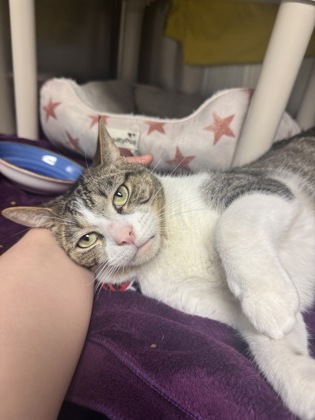
Planning to bring home a new dog? Here are some helpful adoption tips for dog-to-dog introductions.
Introducing two unfamiliar dogs can be an exciting and stressful event for all involved, but with a solid plan in place, you can help things go smoothly and facilitate a lifelong friendship.
Important tips:
- Leave your current dog at home when you pick up your new dog. This is a safer idea for everyone involved. Managing the interaction of two new dogs while you are driving a car will not be possible and could cause tension in the confined space of your vehicle.
- Don’t make any unnecessary stops on the way home.
- Recruit a helper(s) for the introduction. You will need two people; one to handle each dog.
- Have treats available to reward and encourage good behaviour!
- Plan for the introduction to take place in a neutral setting (park, open field, parking lot). Allowing one dog to have the “home court advantage” is unfair.
Step 1: Introductions/getting started
Take a walk together. The goal of this step is to release some nervous energy and get the dogs feeling calm and happy around each other.
- Take the dogs on a walk in the neutral setting, keeping a safe distance between them (two to four metres) to prevent the leashes from tangling and the dogs from greeting each other just yet. This will help them relax and adjust to each other’s presence.
- Both dogs should be on sturdy leashes handled by calm, relaxed adults.
- Try to keep the leashes slack as you walk. Tension or tightness may translate as stress on your part and cause the dogs to become anxious in response.
- Provide treats or praise to both dogs to reward good behaviour while walking.
- If all is going well, allow them to meet, sniff each other, check each other out, again ensuring you keep the leashes as slack as possible. Provide verbal encouragement such as “Good dogs” or “Good job.” Keep your treats in your pocket for this part.
- When first meeting, dogs will gradually sniff down one side, to the rear, and back up the other side, both sniffing each other at the same time. Beware of nose-to-nose greeting, as this can be intimidating for some dogs.
- Continue the walk closer together, allowing short moments of contact between the dogs as you walk.
Step 2: Initiate a short, monitored play session
If the dogs have made it this far without lunging, growling or showing signs of distress towards one another, you can proceed to letting them interact more freely with each other. Keep your treats in your pocket for this part; a dropped treat could cause conflict between the dogs.
- It may seem counterintuitive, but it is best to drop the leashes and allow a bit of freedom here. Take them to a large, enclosed area like a fenced yard or quiet park – the more space, the less tension there will be.
- Drop their leashes, resist your urge to micro-manage, and allow them to investigate each other. As they approach, watch their body language closely. They may puff themselves up or even vocalize a bit, but neither dog should appear frightened or overly aggressive.
- Try not to hover over the dogs and keep yourself moving – both people should walk around separately, keep things light, and continue to offer verbal praise.
- Give them about two or three minutes to get to know one another without interference.
- If play is initiated between them (i.e. the dogs try to play by pawing or play-bowing with their legs stretched out in front of them), allow them to continue, and give praise for each nice interaction.
- Even if they are playing and getting along well, keep it short. It is best to end these initial sessions on a positive note.
Step 3: Taking things inside
- Once at home, allow the new dog to enter the house first so he can have some time to explore the new space without the resident dog interfering.
- Make sure all treats, toys, food bowls and bones are out of reach and out of sight to prevent conflicts.
- Be sure to feed them and give them treats separately until they have developed a secure relationship.
- Set the new dog up with a safe space blocked off from other pets and family members so he has a place to decompress when feeling overwhelmed. Keep each interaction between the two dogs short and pleasant and separate them immediately if tensions arise.
With these tips in mind, we hope you enjoy this special time with your new furry family member!
If this information was helpful, please help us continue to educate about pet health and well-being by making a donation. As a registered charity that does not receive annual government funding, the Ontario SPCA and Humane Society depends on the generosity of donors to change the lives of animals in need.
The Ontario SPCA and Humane Society is pleased to welcome Anna Fazari as the new Manager of the Ontario SPCA Centre Veterinary Hospital in Stouffville. With more than a decade of experience in animal care leadership and a lifelong passion for supporting pets and their families, Anna brings a wealth of knowledge and enthusiasm to her new role.
A career built on compassion and leadership
Anna joins the Ontario SPCA after three years as Clinic Manager at Bayview Hill Animal Hospital, where she led a talented team in a very busy practice. Before that, she spent 10 years at Pet Valu, building a strong leadership foundation and developing her skills in team management, customer service, and community engagement.
Her career in animal care began right after high school, when she worked as a pet groomer – an experience that sparked her ongoing love for working with animals and supporting the people who love them.
“My career has been shaped by a lifelong passion for animals,” Anna says.
Over the years, Anna has witnessed the increasing need for veterinary care that is both accessible and affordable, and this perspective continues to shape her approach as a leader.
Leading the next chapter of community veterinary care
As the new manager of the Ontario SPCA Centre Veterinary Hospital in Stouffville, Anna will oversee the daily operations of the clinic, support a dedicated team of veterinary professionals, and help strengthen community access to high-quality, high-volume veterinary services.
Anna was drawn to the Ontario SPCA because of its mission to keep pets with the people who love them, and its commitment to expanding access to veterinary care. She is passionate about being part of a team working to close that gap.
“I’m looking forward to supporting our community, helping pets and their families, and contributing to a positive, compassionate clinic environment,” says Anna.
Life beyond the clinic
When she’s not at the clinic, Anna loves spending time with her family and her two rescue dogs. She also enjoys golfing and being outdoors, making the most of any chance to recharge in nature.
The Ontario SPCA is thrilled to welcome Anna to the team and looks forward to the leadership, expertise, and heart she brings to our spay/neuter clinic in Stoufville. To learn more about our spay/neuter services, visit ontariospca.ca/spayneuter
The Ontario SPCA and Humane Society offers a wide range of rewarding career opportunities dedicated to supporting animal well-being across Ontario. If you’re passionate about making a difference for animals in need, visit ontariospca.ca/employment to learn more.
As pet parents, we want nothing more than for our animals to live long, healthy, happy lives. We keep them safe, feed them well, and give them endless love, but unexpected health complications can arise no matter how careful we are. From sudden injuries to chronic illnesses, veterinary bills can quickly add up. That’s where pet insurance becomes an essential part of responsible pet parenting.
The cost of veterinary care
Veterinary medicine is advancing rapidly. Today, pets benefit from high-quality diagnostics, surgery, emergency care, and speciality treatments. These services help our animals recover faster and live healthier lives, but they also come at a cost.
A single emergency visit can range from a few hundred dollars to several thousand, depending on the condition. Without pet insurance, many families face difficult decisions during stressful moments.
Pet insurance helps ease that financial burden, allowing you to focus on what matters most: getting your pet the care they need.
Accidents happen even to the most careful pet parents
Whether it’s a swallowed sock, a tumble down the stairs, or a sudden allergic reaction, accidents can occur in a split second. Even indoor pets are not immune to unexpected mishaps.
Pet insurance offers peace of mind knowing you’re prepared for the unknown. When an emergency strikes, you won’t have to hesitate or worry about the cost before seeking help.
Choosing the right insurance
When cost isn’t a barrier, pet parents are much more likely to pursue recommended diagnostics, preventative treatments, and follow-up care. This leads to earlier detection, better management, and improved outcomes for furry family members.
Insurance can help cover:
- Veterinary exam fees
- Complete sick visits
- Emergency vet visits
- Specialist and virtual vet visits
- Holistic and chiropractic care
- Injuries, illnesses, and breed-specific conditions
- Behavioural therapy
- Cancer treatment
- Comprehensive dental care
- Diagnostic tests, imaging, and ultrasound
- Surgery and rehabilitation
Not all pet insurance is created equal, and coverage varies by plan. The Ontario SPCA and Humane Society Pet Insurance offered by Fetch provides the most comprehensive pet insurance for cats and dogs.
A compassionate choice
Pets bring joy, companionship, and emotional comfort. The last thing any pet parent wants is financial stress in a moment of crisis.
Choosing pet insurance isn’t just a financial decision; it’s an act of compassion. It ensures that your furry family member has access to the best care throughout their life. No one can predict the future, but with the right insurance plan, you can be prepared for whatever comes your pet’s way.
If this information was helpful, please help us continue to educate about pet health and well-being by making a donation. As a registered charity that does not receive annual government funding, the Ontario SPCA and Humane Society depends on the generosity of donors to change the lives of animals in need.
Guest blog by Dr Emmanuel Fontaine, Scientific Communications Veterinarian at Royal Canin North America
The magical moment of welcoming a new kitten into your home is an unforgettable experience. But as enchanting as this event may be, it requires careful planning and consideration. In this blog, we’ll walk you through the essentials of creating a purr-fect environment for your feline companion, from meeting their dietary needs to ensuring their comfort and well-being, empowering you with the knowledge you need to establish a harmonious home for your little furball.
Essential Equipment for Your New Kitten
Imagine setting the stage for a heartwarming scene, where your new kitten begins its lifelong adventure in your home. The first step to creating this picturesque setting involves gathering essential equipment to ensure your kitten feels comfortable, secure, and happy.
The key players in this act are food and water bowls. Opt for stainless steel, as these durable and hygienic options will support your kitten’s wellbeing. Place the bowls in separate locations, far from the litter box, to respect the natural instincts of your feline friend. If your home spans multiple floors, enhance their accessibility by placing a set of bowls on each level. To further elevate their hydration experience, consider incorporating a water fountain, which not only promotes healthy drinking habits but also adds an aesthetically pleasing element to your home.
Now that you’ve laid the foundation, it’s time to enhance the scene with cozy sleeping nooks for your kitten. Picture an assortment of pillows, covers, and baskets strategically placed in various corners, including elevated spots where they feel secure. This creative approach to bedding not only caters to their natural preferences but also adds a touch of charm to your living space.
As the stage is set, you’ll be well-prepared to welcome your new kitten into a home that caters to their unique needs and desires, fostering a harmonious and nurturing environment for their growth and happiness.
Creating a Comfortable Living Space
Now let’s craft a nurturing and inviting living space that caters to your kitten’s instinctual desires for security and exploration. Just like a well-designed movie set, your home should be equipped with all the elements needed to help your kitten feel like the star they are.
Begin by focusing on the importance of multiple beds, which serve as havens of comfort and security for your curious little explorer. Let your creativity run wild by using an array of pillows, covers, and baskets to create cozy spots throughout your home. By offering several high-up sleeping areas, you not only acknowledge your kitten’s natural inclination for safe perches but also provide them with vantage points to survey their surroundings.
Next, take a moment to consider the concept of safe spaces. Just as humans need a sanctuary to retreat to when life gets overwhelming, your kitten also requires a dedicated area where they feel protected and relaxed. Designate a quiet room or corner as their haven, and gradually introduce them to other pets, ensuring a harmonious coexistence.
Toys and Enrichment for Your Kitten
Now, playtime takes centre stage. Much like a well-crafted screenplay, your kitten’s play sessions should be a blend of entertainment and education, encouraging their mental and physical growth.
Playtime is not just a source of amusement; it’s an essential tool for learning, development, and bonding with you. By engaging with your kitten through play, you’ll be guiding them on a journey of discovery and nurturing a strong, lasting connection.
To facilitate this, select toys specifically designed for kittens, which will cater to their unique needs and abilities. Consider investing in interactive toys that stimulate their minds and satisfy their innate hunting instincts. This combination of play and mental engagement creates an enriching environment that fosters a well-rounded and contented kitten.
Incorporate scratching posts and cat trees into the scenery, providing your kitten with outlets for their natural scratching behaviours and saving your furniture and curtains in the process. By offering these features, you create a stimulating playground that satisfies your kitten’s desires for exploration and adventure.
Litter Box Basics
Begin by selecting the right litter box for your kitten. The size and design of the litter box must be well-suited to your kitten’s specific needs. Ensure it is large enough for them to use comfortably without making a mess. Offer both covered and non-covered options, allowing your kitten to express their preferences and feel more at ease.
Next, consider the ideal locations for litter boxes within your home. Litter boxes should be strategically positioned in accessible and discreet areas. If your home has multiple floors, place at least one litter box on each level to facilitate easy access for your kitten.
Lastly, adhere to the “one more than the number of cats” rule for litter boxes. This guideline ensures there is always a clean, available option for your kitten, promoting good hygiene and reducing territorial disputes.
Nutrition and Feeding Your Kitten
A well-balanced diet acts as the cornerstone for your kitten’s growth, promoting a strong immune system, healthy bones, and a shiny coat. By providing the right nutrients, you’ll be nourishing your kitten’s body and mind, empowering them to live a happy, healthy life.
To select the best food for your feline star, follow your veterinarian or trusted professional’s recommendations and pay close attention to the nutrients. Choose from wet or dry food options specifically formulated for kittens, ensuring they receive the nutrients essential for their growth stage.
Finally, establish a feeding routine and monitor portion sizes. Consistency in mealtime rituals will help your kitten feel secure and well-cared for while keeping their weight and growth on track.
Welcoming a new kitten into your home is a magical and memorable experience that unfolds like a heartwarming tale. By following the guidance shared in this blog, you’ll be setting the stage for a beautiful, lifelong relationship with your feline companion. As the protagonist of their life story, your kitten will embark on a journey filled with love, growth, and adventure, with you as their guiding star.
As you embrace this exciting new chapter, remember that your commitment, patience, and understanding will be instrumental in shaping your kitten’s life story. With your support, they will flourish and grow into a beloved family member, their life enriched by the love and care you provide.

Emmanuel Fontaine graduated from the Toulouse Veterinary School in 2004. He continued his studies at the Alfort Veterinary School (Paris) as a trainee Vet in the domestic carnivore unit of the Reproduction Department. From 2005 to 2011, he worked at the Centre d’Etude enReproduction des Carnivores (CERCA) [Research Centre for Reproduction in Carnivores], a unit specializing in pet breeding assistance. Emmanuel Fontaine is also qualified at the European College for Animal Reproduction (ECAR) and completed his PhD in 2012 on the use of GnRH agonists in canines. From September 2011 to September 2018, he worked as a Technical Services Veterinarian for the PRO team at Royal Canada. He was in charge of Scientific Communication for the Americas until August 2022. He now works as a Senior Scientific Communications Veterinarian for Royal Canin North America.
IMMEDIATE RELEASE
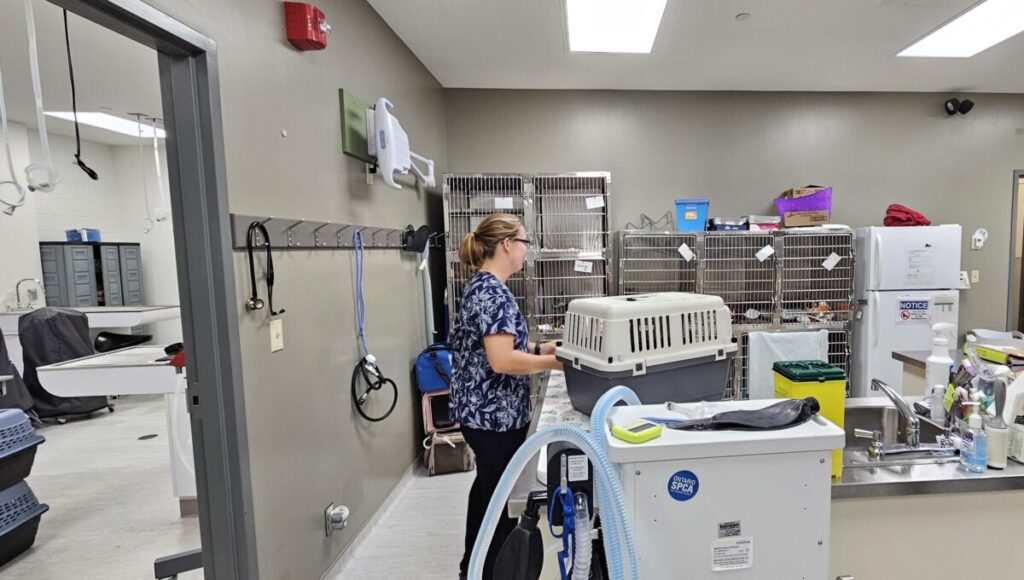
SUDBURY, ON (Dec. 8, 2025) – Just months after opening, the Ontario SPCA Sudbury Regional Veterinary Clinic is improving access to veterinary care by providing essential services that support animals, families, and communities across Northern Ontario.
Since opening its doors in July, the clinic has performed 565 spay/neuter surgeries, preventing an estimated 31,720 potentially unwanted offspring. The team has also performed 228 wellness examinations and administered 296 vaccines to help protect community pets from preventable diseases. It also provided 40 end-of-life care appointments, ensuring families have access to compassionate support during difficult times.
“These results highlight just how vital this clinic is for Northern communities,” says Sonya Reichel, Vice President of Operations, Ontario SPCA and Humane Society. “By increasing access to veterinary care, we’re helping keep pets healthy, supporting families, and reducing pet overpopulation across the region.”
Located at 21 Lasalle Blvd. on the Collège Boréal campus, the Sudbury clinic offers spay/neuter and basic veterinary services for publicly owned dogs and cats, local rescue organizations, and animals in the care of the Ontario SPCA Sudbury & District Animal Centre.
In addition to serving the community, the clinic continues to provide hands-on learning opportunities for students enrolled in Collège Boréal’s Veterinary Care Technician program. Students gain valuable real-world experience as they prepare to meet the growing demand for veterinary professionals across the North.
Registration for monthly spay/neuter appointments continues to take place once a month through the Ontario SPCA website. For upcoming registration dates, visit ontariospca.ca/spayneuter


##
Media Contact:
Media Relations
Ontario SPCA and Humane Society
905-898-7122 x 375
[email protected]
The Ontario SPCA and Humane Society
The Ontario SPCA and Humane Society is a registered charity that has been changing the lives of animals for over 150 years. The Society provides care, comfort and compassion to animals in need in communities across Ontario. It values all animals and advocates to treat them with respect and kindness. The Society strives to keep pets and families together and does so through a variety of community support services, such as sheltering and adoptions, including emergency sheltering, feral cat management programs, animal transfers, food distribution, humane education, animal advocacy, and spay/neuter services.
The Ontario SPCA does not receive annual government funding and relies on donations to provide programs and services to help animals in need. To learn more, or to donate, visit ontariospca.ca. Charitable Business # 88969-1044-RR0002.
The Ontario SPCA Sudbury Regional Veterinary Clinic is located on the traditional lands of the Atikameksheng Anishnawbek. The Greater City of Sudbury also includes the traditional lands of the Wahnapitae First Nation.
About Collège Boréal
Founded in Sudbury in 1995, Collège Boréal is a French-language postsecondary institution committed to the development and growth of the various Ontario communities it serves. With 34 sites including eight campuses in 27 communities, Boréal offers high-level expertise in postsecondary education with the highest graduate and employer satisfaction rates among Ontario’s 24 community colleges.
Its services also include basic training, apprenticeship, immigration and integration services, employment services, continuing education, customized training and applied research.
Collège Boréal’s Veterinary Care Technician program is proudly accredited by the Ontario Association of Veterinary Technicians (OAVT) and the College of Veterinarians of Ontario. This program also has a Certificate of Good Animal Practice (GAP) issued by the Canadian Council on Animal Care (CCAC) and is certified under the Animals for Research Act issued by the Ontario Ministry of Agriculture, Food and Agribusiness. For more details: visit collegeboreal.ca/en/programme/veterinary-care-technician.
Some dog breeds need a little extra protection during the winter months. If your dog falls into that category, we hope you find these tips helpful for fitting your dog for a winter coat!
Tips to fit your dog for a winter coat
To keep your furry friend suitably protected, you should consider a dog coat to keep them comfortable during winter walks or potty breaks. Even heavier-coated dogs may appreciate a raincoat for those wet and gloomy days.
Ideally, walking into a pet store (that welcomes animals!) with your dog is the best way to ensure the canine coat you’re interested in will fit. Alternatively, you can simply measure your furry friend at home and then visit a variety of stores or browse online for the coat that will work best for your animal.
Measurement tips:
- Use a soft or paper measuring tape.
- Your dog should be standing up on all fours, not sitting or lying down.
- Allow an extra inch or two in length to accommodate movement.
- Measurements should include from the base of the neck to the base of the tail, the circumference of the neck, the chest width and the circumference of the chest.
Many canine coat manufacturers will offer sizing and breed tips for their products on their company website. You can also ask someone at your local pet store to help you fit your dog with the right coat.
We hope these tips help keep your furry friend warm this winter!
If this information was helpful, please help us continue to educate about pet health and well-being by making a donation. As a registered charity that does not receive annual government funding, the Ontario SPCA and Humane Society depends on the generosity of donors to change the lives of animals in need.
At the Ontario SPCA and Humane Society, we strive to find loving homes for the animals that come into our care. Sometimes community cats, which some people refer to as feral cats, end up in our animal centres and cannot be returned to their original colony site, for various reasons. The Ontario SPCA believes in finding an alternative home for these cats by giving them “jobs” as working cats!
Where would working cats be a good fit?
Working cats are healthy, sterilized, vaccinated, microchipped, ear tipped and in need of a new, non-traditional home environment. Some examples of these new homes we are looking for could include barns, stables, auto repair shops, woodworking shops, wineries, breweries, greenhouses/nurseries/garden centres, churches, storage facilities/warehouses.
What kind of cat can you expect?
Working cats are not suited to be your typical indoor pets and, as unsocialized animals, they have no desire to be lap cats. These are working cats – former street cats who are used to outdoor life – and they prefer minimal to no human contact. But they will also happily tend to any mouse, mole or vermin problems for the small cost of a bowl of cat food and water set out daily, veterinary care as needed and shelter in a garage, barn etc.
And because we spay/neuter these cats before they leave the Ontario SPCA, adopters never need to worry about endless litters of kittens!
How much does it cost to adopt a working cat?
The adoption fee is waived; however, we gladly accept donations to help sustain the program. You will be responsible for ongoing veterinary care (as necessary), food, water and shelter.
*Though the adoption itself is free, we require each working cat to go home with a feral cat winter shelter, so that the cat can be provided with a warm space during the winter months. The cost for each shelter is $20.
Interested in adopting a working cat? Read the FAQ on our website.
As a registered charity that does not receive annual government funding, the Ontario SPCA and Humane Society depends on the generosity of donors to change the lives of animals in need. Please consider donating today.
What an exciting time! Adopting a new friend can be a big responsibility, and we want to help ensure each animal is set up for success in their new home. We encourage you to keep the following tips in mind when you bring home your new cat or kitten.
- Kitty-proof your home: Remove any toxic plants and hide any electrical cords that the cat might have access to.
- Create a safe place:
- Set up your cat’s litter box, bowls (ideally at least 3 ft. from the litter), scratching post and toys in a quiet, safe place for the first week or two and allow them to come out at their own pace.
- Place your cat into the litter box in any new location so they know where it is.
- Cats may feel nervous/stressed when in a new environment. Offer vertical space where they can climb/jump and places to hide that are still accessible to you.
- Familiar scents can help with the stress of moving to a new home. Have a towel/blanket that was given to you from the animal centre close by the cat in this space. The use of pheromones can also help ease stress levels.
- When a cat is adopted, their “cat cabin” from the animal centre transforms into a temporary carrier that the cat can travel home in. Once home, adopters are encouraged to reassemble the cabin, as it has the cat’s scent on it and helps ease their transition into their new home by offering a familiar place to perch, sleep, hide and rub.
- We recommend keeping cats indoors. If your cat is curious about the outdoors or you want to give the cats access to a safe outdoor area, consider installing a fenced-in enclosure or allowing supervised access to your yard on a harness and leash.
Disease Testing
Feline Leukemia Virus (FeLV) is a virus that is transmitted between cats. There is a test for this virus. If you have a multi-cat household, testing prior to introducing your new cat should be discussed with your veterinarian. You should also ask your veterinarian about vaccination for FeLV. This is not something your new cat has received yet and, based on lifestyle and age, may be recommended by your veterinarian. More information on FeLV.
Feline Immunodeficiency Virus (FIV) is also transmitted between cats. The main differences between these two viruses are that FIV is less contagious, and many cats with FIV go on to live normal lives. Like FeLV, testing should be considered prior to introducing your new cat to a multi-cat household. Currently, vaccination for FIV is not recommended. More information on FIV.
Internal and External Parasites
Your new furry friend has received routine deworming and flea prevention prior to adoption, but further doses may be required. Fecal (poop sample) testing is recommended since some parasites can be zoonotic, which means humans can be infected. Talk to your veterinarian about future testing and prevention. We also recommend that other family pets be tested and treated for internal and external parasites prior to bringing your new furry friend home. For more information, please visit canadianveterinarians.net and avma.org
Veterinary Visits After Adoption
A check-in with your family veterinarian within the first week after adoption is critical to ensure continuity of care for your new friend, and to create a preventative health care plan tailored to their specific needs and to your lifestyle. The goal is to prevent future disease and illness, which will ideally also help reduce future costs of care.
Preventative care includes important measures such as a physical exam, oral health care, dietary recommendations, behavioural support, vaccinations and parasite prevention. Any known medical or behavioural concerns will be disclosed prior to adoption, but there can be no guarantees of health. Therefore, this vet check will also be important to address any ongoing needs or pre-existing concerns to ensure that your new furry family member has the specific support required to thrive. A copy of your new furry friend’s medical history can be shared with your veterinarian.
Vaccines play a vital role in protecting your new cat or kitten from diseases, as well as keeping other furry and human family members safe.
Vaccines
- Core vaccines for cats include FVRCP (feline herpes virus, calicivirus & panleukopenia) and rabies. Rabies vaccination is a legal requirement. All cats adopted from the Ontario SPCA have received their rabies vaccination, provided they are old enough to receive it at the time of adoption. If they are too young to receive their rabies vaccination while in our care, this will need to be done through your family veterinarian. Your vet may recommend additional vaccines based on your cat or kitten’s lifestyle.
- Kittens are very susceptible and require more frequent booster vaccinations until they are approximately 18 weeks old. Vaccines must be boostered over the course of your cat’s life (not just during kittenhood) to ensure adequate protection.
- Other furry family members should be up to date on their vaccinations prior to bringing a new furry friend home.
- A vaccine schedule has been started for your new cat or kitten. Note that it may not be complete by the time of adoption, and follow-up with your family veterinarian is required to ensure adequate protection is achieved. For more information, visit catvets.com and canadianveterinarians.net
Healing After Surgery
Your new furry friend may have had surgery prior to adoption. In addition to following any specific post-op instructions given to you, it will be important to note the following:
- Give any post-op medication as prescribed.
- Utilize an e-collar (cone) or a onesie to help protect their incision site, as prescribed.
- Monitor the incision site daily for swelling, discharge and/or holes in the incision line.
- Keep your cat or kitten calm, and restrict their exercise (i.e., no jumping on/off surfaces, climbing stairs or going outside).
- Watch them closely to ensure they are comfortable, eating and drinking well, and using their litter box without issue.
If your cat or kitten is not eating well, is quiet or lethargic, not using their litter box, and/or if you see any concerns with their incision site, please contact your family veterinarian for support.
Cat-to-Cat Introductions
If introductions are done slowly and properly, this could potentially head off any future problematic behaviours. It can sometimes take cats months to adjust to a new friend, so you may need to be patient!
- It is important to give the new cat a separate space/safe haven, set up with all the necessities to adjust on his/her own.
- Allow the cats to smell and hear one another at first, but not see or touch.
- Gradually increase access to one another by sight and eventually allow supervised interactions if they remain positive. A baby gate could act as a helpful tool to allow a visual interaction, but still be kept apart from one another.
- Continue to separate the cats at night during the initial days.
- If you are bringing a new cat into a multi-cat household, introduce them individually.
Cat-to-Dog Introductions
With time, many cats and dogs can learn to coexist peacefully and may even become friends!
- Have two people on hand; one to handle the dog and the other to monitor the cat’s behaviour.
- Ensure your dog is on leash in the cat’s presence and that the cat has a safe place to retreat, if needed.
- Take the dog outside for a walk or play prior to greeting to reduce energy levels.
- Have high-value treats for both the dog and cat to reward good behaviour.
- Monitor both the cat and dog for emotional distress at all times. Watch your dog for signs of elevated prey drive (hunting-related behaviours) to ensure the safety of your new cat.
We are here to support you! For any pre-adoption questions or concerns, contact our adoption staff at your local Ontario SPCA and Humane Society animal centre.
What an exciting time! Adopting a new friend can be a big responsibility and we want to make sure each animal is set up for success in their new home. We encourage you to keep the following tips in mind when you bring home your new dog or puppy.
- Set up a well-ventilated crate or a separate doggie-proofed room for your new dog or puppy. It’s one of the easiest ways to help them successfully transition into your home. Make this a positive space, not a form of punishment. The goal is to provide a quiet retreat and/or to help with housetraining. Remember, the dog must be allowed appropriate breaks (every few hours) for feeding and potty breaks, as well as lots of time spent out of the crate or room for walks, training and playtime.
- Don’t give them unsupervised free run of the house until you are certain they are reliably housetrained and not destructive. Take them out for a potty break at regular intervals and offer lots of praise. More details on housetraining can be found here.
- It is highly recommended to have a fenced yard to keep your dog safe, but if that’s not possible, a tether or zip line can work as well. It is important for the safety of the dog that it isn’t left unsupervised while out on these devices.
- Be positive and consistent in your training. Dogs thrive on routine, which can help reduce anxiety.
Disease Testing
Heartworm & Tick-Borne Illness
Mosquitoes and ticks can transmit diseases to dogs. There is a blood test to screen for exposure to heartworm and tick-borne illness. This is not something your dog has received yet and, based on lifestyle and age, may be recommended by your veterinarian. Heartworm disease can have devastating effects, and heartworm testing and prevention are recommended for dogs between June 1 – November 1 in Ontario. It is recommended that you follow up with your family veterinarian about testing and preventatives for your new furry friend moving forward. For more information on heartworm, please visit canadianveterinarians.net
For more information on ticks and how they can affect your new furry friend, please visit: ticktalkcanada.com
Internal and External Parasites
Your new furry friend has received routine deworming and external parasite prevention prior to adoption, but further doses may be required. Fecal (poop sample) testing is recommended since some parasites can be zoonotic, which means humans can be infected. Please follow up with your family veterinarian for testing and treatment moving forward. We also recommend that other family pets be tested and treated for internal and external parasites prior to bringing your new furry friend home. For more information, please visit canadianveterinarians.net and avma.org
Veterinary Visits After Adoption
A check-in with your family vet within the first week after adoption is critical to ensure continuity of care for your new friend, and to create a preventative health care plan tailored to their specific needs and to your lifestyle. The goal is to prevent future disease and illness, which will ideally also help reduce future costs of care.
Preventative care includes important measures, such as a physical exam, oral health care, dietary recommendations, behavioural support, vaccinations and parasite prevention. Any known medical or behavioural concerns will be disclosed prior to adoption, but there can be no guarantees of health. Therefore, this vet check will also be important to address any ongoing needs or pre-existing concerns to ensure your new furry family member has the specific support required to thrive. A copy of your new furry friend’s medical history can be shared with your family vet.
Vaccines
Vaccines play a vital role in protecting your new dog or puppy from diseases that can be devastating to their health, as well as keeping other furry and human family members safe.
- Core vaccines for dogs include DA2PP (distemper, adenovirus [hepatitis], parainfluenza, parvovirus) and rabies. Rabies vaccination is a legal requirement. All dogs adopted from the Ontario SPCA have received their rabies vaccination, provided they are old enough to receive it at the time of adoption. If they are too young to receive their rabies vaccination while in our care, this will need to be done through your family veterinarian. Your vet may recommend additional vaccines based on your dog or puppy’s lifestyle.
- Puppies are very susceptible and require more frequent booster vaccinations until they are approximately 18 weeks old. Vaccines must be boostered over the course of your dog’s life (not just during puppyhood) to ensure adequate protection.
- Other family pets should be up to date on their vaccinations prior to bringing a new furry friend home.
- A vaccine schedule has been started for your new dog or puppy. Note that it may not be complete by the time of adoption, and follow-up with your family veterinarian is required to ensure adequate protection is achieved. For more information, visit canadianveterinarians.net
Healing After Surgery
Your new furry friend may have just had surgery prior to adoption. In addition to following any specific post-op instructions given to you, it will be important to note the following:
- Give any post-op medication as prescribed.
- Utilize an e-collar (cone) or a onesie to help protect their incision site, as prescribed.
- Monitor the incision site daily for swelling, discharge and/or holes in the incision line.
- Keep your dog or puppy calm, and restrict their exercise (i.e., leash walks, no jumping, or climbing stairs).
- Watch them closely to ensure they are comfortable, eating and drinking well and urinating/defecating without issue.
If your dog or puppy is not eating well, is quiet or lethargic, not urinating/defecating, and/or if you see any concerns with their incision site, please contact your family veterinarian for support. Click here for more information.
Dog-to-Dog Introductions
Dogs can safely be introduced to one another with some positive encouragement and body language awareness.
- Recruit a second person, one to handle each dog, and have lots of high-value treats available to reward good behaviour!
- Take the dogs on a walk together in a neutral setting (for example, a park or open field), keeping a safe distance between the two, and on loose leashes.
- If there is no distress noted in either dog, the distance between them can be gradually decreased.
- Once at home, allow the new dog to enter first to explore and then keep dog-to-dog interactions short, pleasant and supervised until you are confident they are at ease with one another.
Cat-to-Dog Introductions
With time, many cats and dogs can learn to coexist peacefully and may even become friends!
- Have two people on hand; one to handle the dog and the other to monitor the cat’s behaviour.
- Ensure your dog is on leash in the cat’s presence and that the cat has a safe place to retreat, if needed.
- Take the dog outside for a walk or play prior to greeting to reduce energy levels.
- Have high-value treats for both the dog and cat to reward good behaviour.
- Monitor both the cat and dog for emotional distress at all times. Watch your dog for signs of elevated prey drive (hunting-related behaviours) to ensure the safety of your new cat.
We are here to support you! For any pre-adoption questions or concerns, contact our adoption staff at your local Ontario SPCA and Humane Society animal centre.
What an exciting time! Adopting a new friend can be a big responsibility and we want to help ensure each animal is set up for success in their new home. We encourage you to keep the following tips in mind when you bring home your new rabbit.
Veterinary Visits After Adoption
A check-in with your family veterinarian within the first week after adoption is critical to ensure continuity of care for your new friend, and to create a preventative health care plan tailored to their specific needs and to your lifestyle. The goal is to prevent future disease and illness, which will ideally also help reduce future costs of care.
Preventative care includes important measures such as a physical exam, oral health care, dietary recommendations, behavioural support and parasite prevention. Any known medical or behavioural concerns will be disclosed prior to adoption, but there can be no guarantees of health. Therefore, this veterinary check will also be important to address any ongoing needs or pre-existing concerns to ensure that your new family member has the specific support required to thrive. A copy of your new rabbit friend’s medical history can be shared with your veterinarian.
Medical Considerations
- Regular veterinary visits are recommended to prevent illness and to keep your new rabbit as comfortable as possible. Because many veterinarians do not treat rabbits, it is highly recommended to find a suitable veterinarian before care is needed.
- As a hind-gut fermenting species, the health of the “good” gut bacteria is directly related to the rabbit’s health. Any digestive disturbances can be catastrophic for rabbits and must be addressed by your family veterinarian.
- Your rabbit’s teeth will grow continuously throughout their life. To help wear down their ever-growing front teeth, provide your rabbits with chewing items such as cardboard and wooden toys. Regular visits to your family veterinarian are important to identify if the teeth need to be trimmed.
- Your rabbit’s nails will need to be trimmed regularly.
Healing After Surgery
Your new furry friend may have had surgery prior to adoption. In addition to following any specific post-op instructions given to you, it will be important to note the following:
- Give any post-op medication as prescribed.
- Utilize an e-collar (cone) or a onesie to help protect their incision site, as prescribed.
- Monitor the incision site daily for swelling, discharge and/or holes in the incision line.
- Keep your rabbit calm, and restrict their exercise (i.e., no jumping on/off surfaces, climbing stairs or going outside).
- Watch them closely to ensure they are comfortable, eating and drinking well, and using their toileting area without issue.
If your rabbit is not eating well, is quiet or lethargic and/or if you see any concerns with their incision site, please contact your family veterinarian for support.
Housing
When selecting a cage for a rabbit, bigger is always best. This will allow your rabbit to express natural behaviours, which will decrease stress. Your rabbit should have access to an exercise pen daily, where they can stretch and jump around with more space. They should not be limited to just their cage.
Enclosures should have solid bottoms. They can be covered to prevent foot injuries with shredded newspaper, grass hay, aspen or hardwood shavings. Avoid using wood shavings made from pine or cedar, as they can be very irritating to the respiratory system. A hiding place must be provided for your rabbit when they need some quiet time. Enclosures should remain off the floor to decrease stress.
Nutrition
When you feed your rabbit, a proper diet is essential to keep them healthy. Rabbits are herbivores and require a high-fibre diet to ensure good gastrointestinal health. The majority of a rabbit’s diet should consist of unlimited, high-quality Timothy hay, which should always be available. A smaller amount of fresh vegetables and a limited amount of pellets should be offered with the occasional treat.
Always check with your family veterinarian before introducing any new foods to your rabbit.
Rabbits generally prefer heavy ceramic water bowls to drink out of, but some like sipper bottles too. Experiment to see which your rabbit prefers. For more information on diet, click here.
Coprophagy, or the eating of feces, is not cause for alarm. This is normal for most rodents and serves to help preserve valuable nutrients, as some are better digested during the second pass through the gut.
Enrichment
Your rabbit enjoys activities that allow them to express their natural behaviours, such as hiding, climbing, constructing and chewing. Enrichment is very important to help keep your rabbit happy and behaviourally healthy.
Rabbits need at least an hour out of their cage every day. Your rabbit may enjoy a walk indoors with a harness or hop around a pen, but don’t let the rabbit roam your home unsupervised – rabbits love to chew! Some chew toys can be included in their pen, but keep them away from anything they shouldn’t gnaw on, such as electrical cords, furniture, and houseplants. List of toxic plants.
Rabbits are quite social and need quality interaction every day. This can be interactive play, grooming, or a safe opportunity to associate with other pets. Rabbits generally do not like to be picked up off the ground. Instead, interaction with them on the floor will be safer and more comfortable.
Resources
Refer to these rabbit resources for more info: