February 26, 2026
Living with wildlife: Foxes
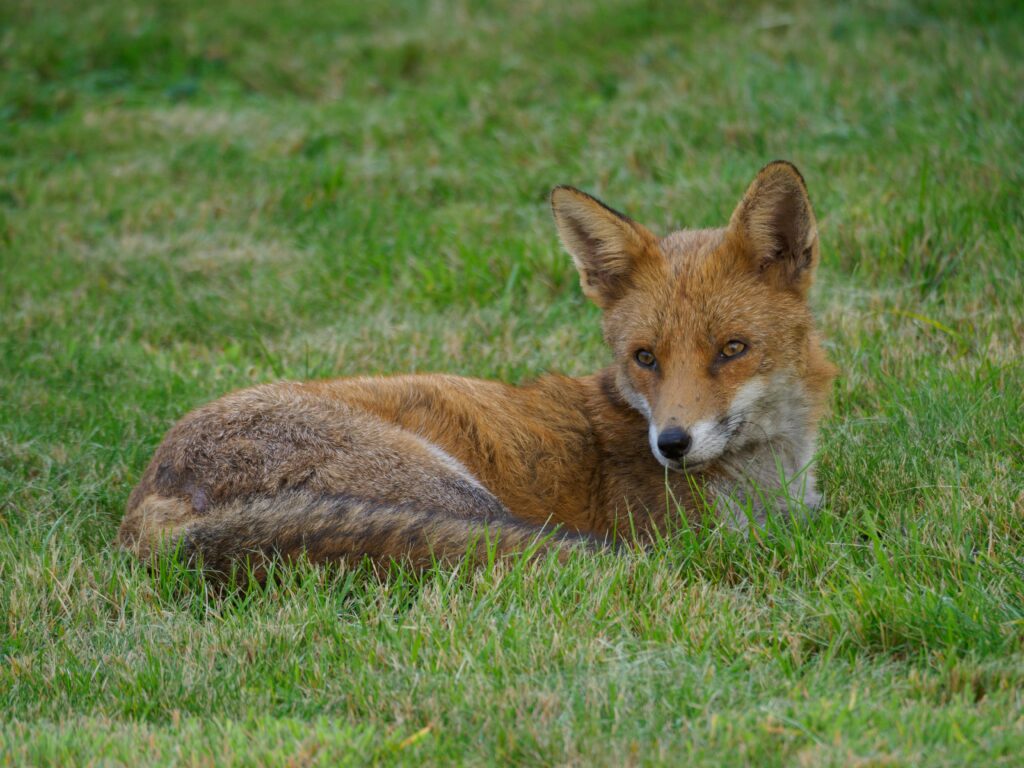


Each year foxes are forced into closer contact with humans and must compete with us for food, shelter and space. With a little understanding, patience and a few precautions, we can all enjoy the wonderfully interesting wild animals who share our backyards and cities.
Habitat
Other than during the breeding season, most red foxes take shelter in dense thickets or heavy brush even during the most extreme temperatures. When breeding, they dig a relatively simple burrow between .5 and 2.5 metres deep.
Diet
Foxes are omnivores, consuming a large variety of small mammals, birds, eggs, insects as well as fruits, grasses, sedges and tubers. They will take advantage of garbage or carrion if available. They are most actively hunting in the early morning and late evening.
Reproduction
Foxes are monogamous, pairing for life and raising young together. Typically, litters of three to seven pups are born from March through May. For their first month, the vixen cares for her pups while the male fox will hunt to provide food for the family. For up to two months after weaning, both parents hunt for the young. At about three months of age, the pups begin to disperse to establish their own territories.
How can I deter foxes from my property?
Foxes are adaptable and opportunistic, so the main way to avoid conflict is to proactively take steps so that they are not attracted to your home in the first place:
- Dispose of garbage in secure containers that cannot be opened by wildlife
- Do not leave garbage or food waste outside in accessible areas
- Use securely enclosed compost bins and do not dispose of meat, dairy, or egg products in compost
- If you have fruit trees, pick fruit as soon as it is ripe and remove any fallen fruit from the ground
- Consider installing outdoor lights that are motion activated
- Clear away bushes or weeds close to your home where animals might seek cover
If you are worried about the safety of your family and pets because of foxes in the area, there are several precautionary measures you can take:
- Never feed foxes or attempt to ‘tame’ them
- When foxes are in your yard make them feel unwelcome with loud noises
- Keep your pets current on their vaccines in case of an accidental encounter
- Teach children to respect wildlife and keep their distance
- Do not allow your dog outside at night unsupervised
- Keep cats safe inside
- Fence your property to make it less accessible
By understanding fox behaviour and taking simple preventative steps, we can reduce conflict and support peaceful coexistence. Foxes are intelligent and important members of our urban ecosystems, simply trying to survive in landscapes that continue to change around them. With awareness, compassion and proactive measures, we can protect our families and pets while respecting the wild neighbours who share our communities.
If this information was helpful, please help us continue to educate about pet health and well-being by making a donation. As a registered charity that does not receive annual government funding, the Ontario SPCA and Humane Society depends on the generosity of donors to change the lives of animals in need.