May 27, 2024
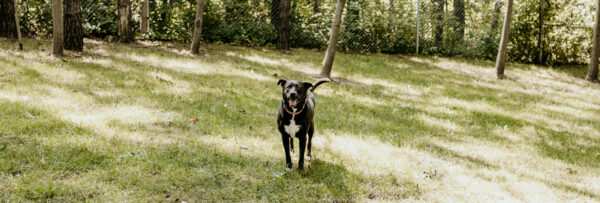
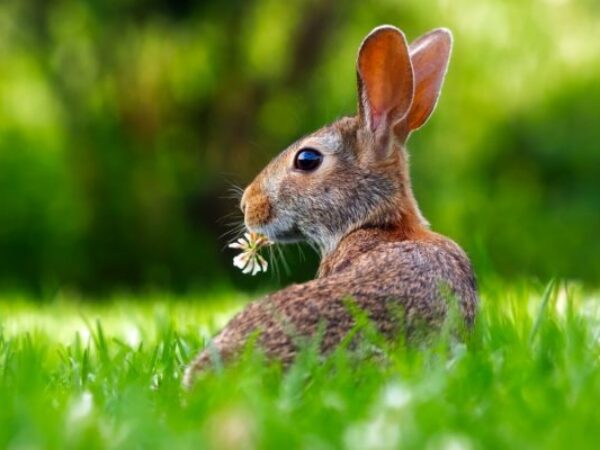
Protecting lawns and gardens from wildlife
‘Tis the season for gardening! But what do you do if you keep finding your lawn or gardens dug up? We’re here to help,…
May 23, 2024
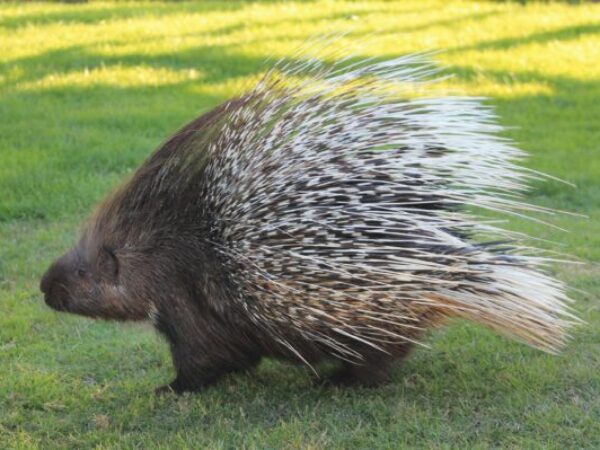
I spotted a porcupine – what should I do?
Known for their prickly exterior, porcupines are covered in a coat of quills they can erect when frightened. They also thrash their tails for…


July 25, 2023
Why balloons are dangerous to pets and wildlife
Summer brings baby showers, graduations, wedding season and many other outdoor celebrations in abundance. These events also bring a plethora of balloons, which can…
June 7, 2022
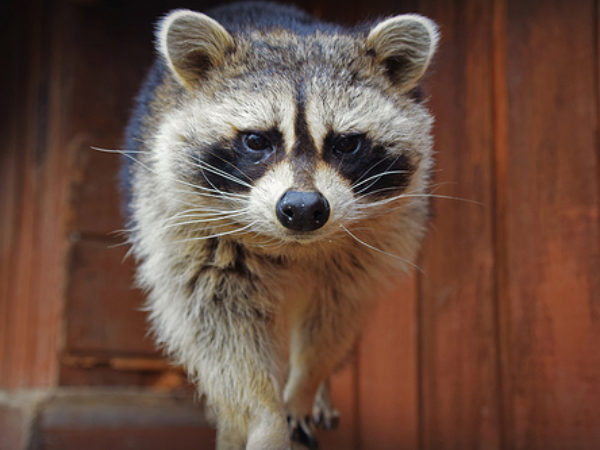
Living with Wildlife: Raccoons
Raccoons are known for their 'bandit-masked' face and ringed tail. They are very adaptable and only require food, water and shelter to be satisfied. While they are nocturnal animals, they are sometimes active in the daytime.
November 13, 2020
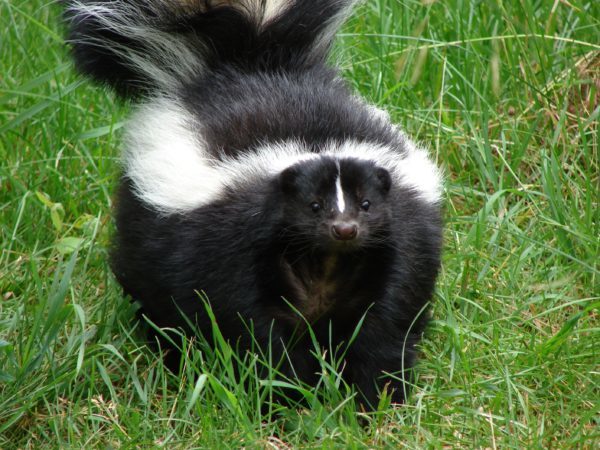
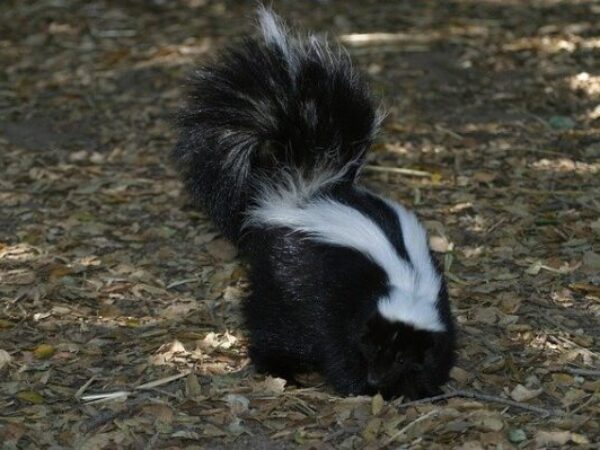
Do skunks hibernate?
As the cold weather settles in, you may think you’re in the clear for seeing skunks. But do skunks hibernate? Truth is, skunks don’t hibernate…
August 21, 2020
Skunks – How to live in harmony
As their natural habitat is being destroyed, wildlife like skunks have been making their way into our backyards and neighbourhoods – and not all interactions…
April 17, 2020
What to do if you find orphaned wildlife
During the Spring, the Ontario SPCA and Humane Society typically receives many calls about orphaned wildlife – and this year is no different. We want…
June 14, 2019
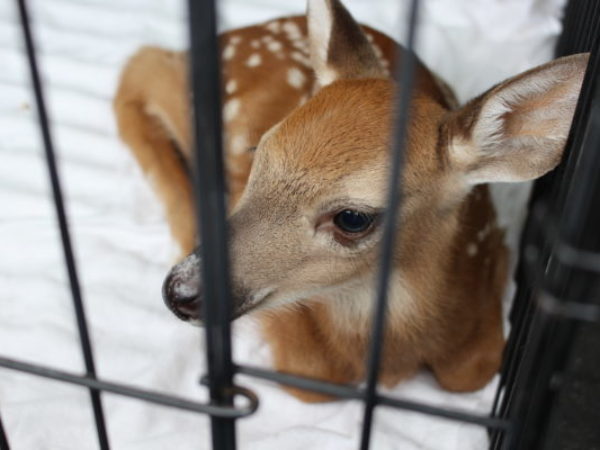
What to do if you find an orphaned deer
This sweet little guy was found by a member of the public, and thankfully animal control officers for the City of Markham were able…
May 23, 2019
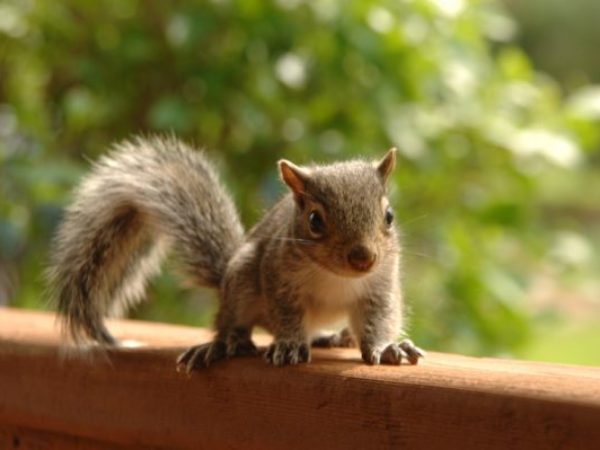
What to do if you find a baby squirrel
Spring is the season for seeing wildlife out and about – and coming across baby animals. Shades of Hope Wildlife Refuge in Georgina care for…