Puppies and kittens receive immune protection (maternally derived antibodies – MDAs) by drinking their mom’s first milk called colostrum. While human babies receive immune protection from their mother before birth, puppies and kittens ONLY have these MDAs to protect them.
Why we have to be very careful between 4-12 weeks of age
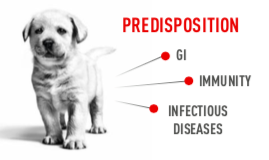
Puppy and kitten immune systems are both fragile and very susceptible to infectious disease. Especially between 4-12 weeks old.
This is also when puppies and kittens may be changing homes, which can be an added potential stressor.
The Critical Period occurs when these MDAs are “used up” and yet the protective benefits of vaccination haven’t been fully achieved.
Use extra precaution with puppies and kittens
An ounce of prevention is worth a pound of cure. Always assume that a young animal is susceptible to illness since they have an immature immune system.
Limit the risks. Think about pathogens (“bugs”), the environment and nutrition and how they can all impact a very young animal.
GI (digestive) system parasites such as Giardia and intestinal worms are common. They can easily be passed to puppies and kittens.
Infectious diseases like Parvovirus are VERY dangerous. It is highly contagious and survives for long periods of time in the environment.
Passive carriage:
Certain parasites, bacteria and viruses are able to survive for short or long periods of time on the outside of a pet or in the environment.
The younger the puppy or kitten, the more susceptible they are to infection.
We need to be aware of our ability to spread disease between animals. Passive carriage is one of the ways this can happen.
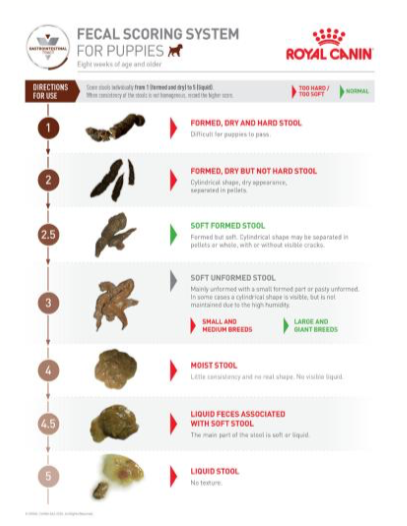
The immature GI system of puppies and kittens makes them more prone to digestive upset
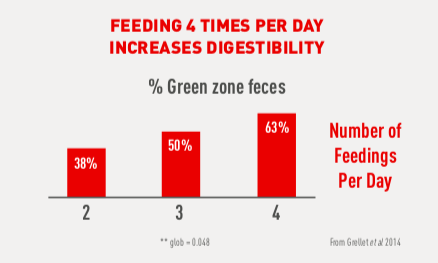
Feeding smaller portions more frequently helps improve fecal quality.
Always assume that GI parasites along with infectious disease are possibilities in young puppies and kittens.
Protection – Make certain to keep unvaccinated puppies and kittens away from other furry friends. In addition, encourage pet parents to leave them at home.
Wash your hands – especially when you are about to handle a puppy or kitten right after doing so.
Ask if you’re not sure – don’t be afraid to ask if a puppy or kitten has received any vaccines.
We will reach out to those candidates who may be a good match for our current foster needs in their area. We are currently looking for applicants who:
Are at least 18 years of age
Can take in dogs and cats needing a little extra help learning new behaviours
Can take in animals with medical needs (medication, recovering from surgery, etc.)
Have no other pets in the home (primarily cats and dogs)
Can care for pregnant dogs and continue that care once their puppies are born
Have experience with bottle feeding or is prepared for round-the-clock feedings. All foster homes wishing to do bottle feeding will be provided with a mandatory online training course.
Spay/Neuter Requirements
It is important to make sure your pet meets all the requirements before booking:
Must be in good physical condition, including being an appropriate weight for our program.
Bulldogs and other brachycephalic breeds must be free of any breathing difficulties.
Rabies vaccine is legally required with proof of vaccination – recommended at least two weeks before your spay/neuter appointment.
Other recommended vaccines: Feline Leukemia vaccine (FeLV), FVRCP vaccine, Bordetella vaccine, Leptospirosis and DA2PP vaccine.
Pre-anesthetic bloodwork is strongly recommended for animals over seven (7) years of age.