May 14, 2026
The joys of kittenhood: Socialization tips for you and your kitten
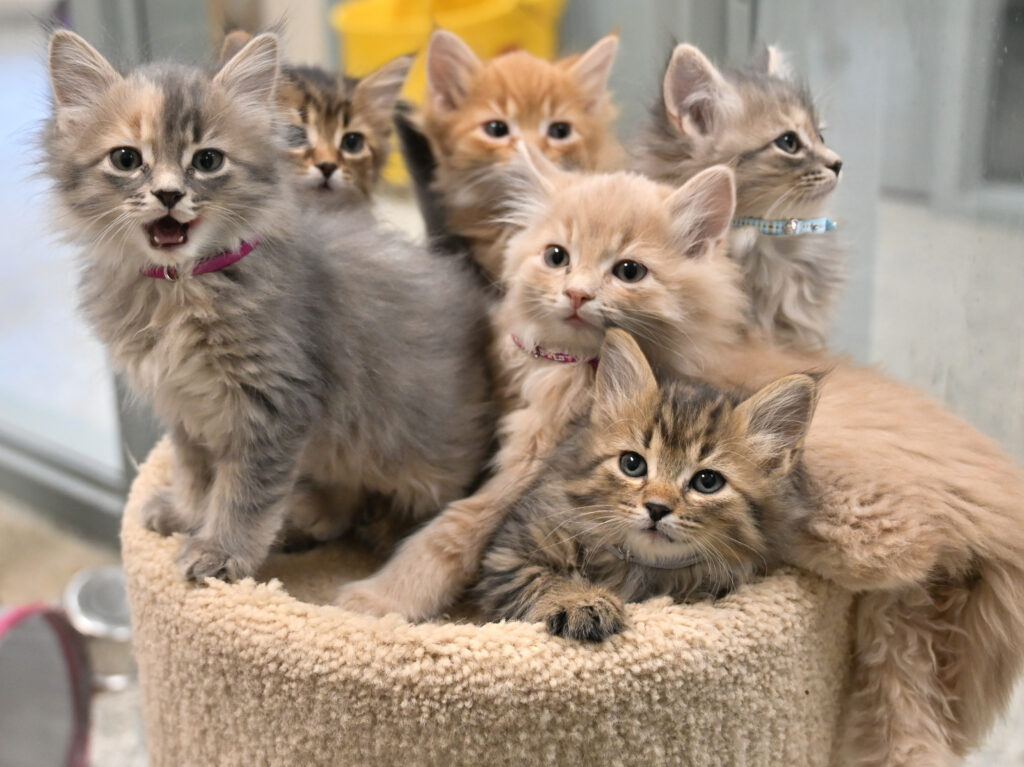

Welcoming a kitten into your home is an exciting and heartwarming experience. Those early weeks are filled with playful moments, curiosity, and rapid growth, but they’re also one of the most important times in shaping your kitten’s future behaviour.
Why is it important?
Socialization during kittenhood helps build confidence, reduces fear, and sets the foundation for a friendly, well-adjusted adult cat. By gently introducing your kitten to new people, environments and experiences in a positive way, you can help them feel safe and comfortable in the world around them. To ensure that kittens in your care are friendly and well-adjusted:
- Socialize the kitten with both people and other animals.
- Introduce the kitten to a wide range of events, environments and situations.
- All animals, including cats, have a window of opportunity at the start of their lives during which they learn to accept things around them so they are not afraid of them later in life.
When to start socialization
Kittens have a prime socialization window which occurs at two to seven weeks of age but can extend up to 14 weeks. During this time, the kitten is most receptive to new experiences. You can help boost confidence and reduce the development of fears and phobias by providing kittens with a variety of experiences during these early weeks.
After the window closes, unfamiliar people, objects and experiences are approached with caution, and the kitten may become fearful. In fact, the most common cause of fear and aggression is lack of socialization.
Keep these interactions short and frequent so the kitten does not become overstimulated or tired.
Create a socialization schedule:
- Combine a variety of situations with positive reinforcement and rewards.
- Have the kitten become accustomed to handling by different people during its stay.
- Ensure the kitten is touched in different places such as the ears, paws, mouth and belly.
- Provide a wide variety of opportunities to explore.
- Expose them to different sights, sounds and smells.
- Ensure that socialization experiences are positive and that the kitten does not display signs of fear or anxiety in every situation.
The time and care you invest in socializing your kitten today can make a lasting difference in their life. With patience and consistency, you’ll be setting them up for a lifetime of comfort, curiosity, and companionship.
If this information was helpful, please help us continue to educate about pet health and well-being by making a donation. As a registered charity that does not receive annual government funding, the Ontario SPCA and Humane Society depends on the generosity of donors to change the lives of animals in need.