Helping your cat thrive with the right feeding routine
Cats have natural instincts that shape the way they eat, play and explore. Understanding these behaviours can help you create a feeding routine that supports your cat’s physical health while also giving them opportunities to engage their natural instincts.
Our friends at Royal Canin Canada share some simple tips to help you make mealtime a positive part of your cat’s day.
Cats naturally eat small meals throughout the day
Unlike people, cats often prefer to eat several small portions throughout the day. This reflects their natural hunting behaviour, when they would catch and eat multiple small prey throughout the day.
While your cat may prefer to graze, portion control is still important. Follow the feeding recommendations on your cat’s food packaging or ask your veterinarian how much food is appropriate for your cat based on their age, size, activity level and individual needs. Regularly monitoring their food intake can help prevent unwanted weight gain.
Keep human food off the menu
It can be tempting to share a bite of your meal with your cat, especially when they’re giving you those irresistible eyes. But cats have very different nutritional requirements from people, and human food is not an appropriate substitute for a complete and balanced cat food.
Some foods that are perfectly safe for people can also be harmful to cats. For their health and wellbeing, stick to food and treats formulated specifically for cats and follow your veterinarian’s recommendations.
Create a calm place for mealtime
Cats can be sensitive to their surroundings, and where you feed them can make a difference. Choose a quiet, comfortable location where your cat can eat without being disturbed.
Keep their food and water bowls away from the litter box. Cats generally prefer to eat in an area that is separate from where they eliminate, and keeping these resources apart can help create a more comfortable environment.
If you have multiple cats, consider providing separate feeding areas so each cat can eat without feeling rushed or competing for food.
Making mealtime work for your cat
Every cat has their own personality, preferences and needs, but understanding their natural behaviours can help you create a feeding routine that supports their wellbeing. By making mealtime nutritious, engaging and suited to your cat’s needs, you can help them stay healthy and give them more opportunities to thrive.
In response to the State of Emergency to address encampments in Barrie, the Ontario SPCA Barrie Animal Centre has been working quickly to ensure that both people and their pets have the support they need.
With many individuals being displaced from encampments and tents, there have been concerns about what resources are available for those with animals. Thanks to collaboration and community partnerships, we’ve been able to step in where help is needed most.
The Ontario SPCA’s Community Outreach Services, alongside the Barrie Animal Centre, has provided resources quickly to support partner organizations already on the front lines. We’ve provided over 500 lbs of pet food and supplies so far to the Busby Centre, Salvation Army, and Hope Centre in Barrie. Pet food distribution is also happening through the Barrie Food Bank, helping keep furry bellies full.
We are continuing to check in weekly with our community partners to ensure they have the supplies and support they need. Any organization currently working with people from the encampments can contact the Barrie Animal Centre to learn more about how the Ontario SPCA’s Community Outreach Services can support furry family members.
Additionally, Simcoe County has established a list of available resources, including accommodations that allow pets to stay with their families. The Tiffin Street Warming Centre/Triage Centre is also providing space for people and their pets. This ensures families are able to stay together during such a challenging time.
This quick response highlights the strength of our community when we come together. By working alongside community partners and local emergency housing supports, we’re making sure families are cared for during this difficult time.
The Ontario SPCA and Humane Society remains committed to being there for people and their pets. Together, with compassion and teamwork, we are helping keep pets with the people who love them.
To learn more about our Community Outreach Services, visit ontariospca.ca/communitysupport
As a registered charity that does not receive annual government funding, the Ontario SPCA depends on the generosity of donors to support animals in need. Please consider donating today.
Like many shelters across the province, the Ontario SPCA and Humane Society has experienced an increase in animals coming into its care this year. Pet overpopulation, financial challenges and a lack of access to basic veterinary services are all contributing factors.
To help keep animals out of shelters and with the people they love, the Ontario SPCA is working to increase access to basic veterinary care, including spay/neuter services, and delivering community support services, like distributing pet food to food banks to keep furry bellies full.
In today’s blog, we’ll explore some of the reasons that animals end up coming into our care for re-homing, and what we do as part of our mission to keep pets with their families.
Understanding the root causes
One of the primary drivers behind this increase in rehoming is pet overpopulation. When the number of animals needing homes exceeds the number of available adopters, more animals end up in shelters.
Pet overpopulation is often tied to a lack of accessible basic veterinary and spay/neuter services, particularly in underserved communities. In many Northern and remote communities, in particular, veterinary services may be hundreds of kilometers away, creating significant barriers to routine pet care.
Tackling the problem at the root
To help address the root cause of animal overpopulation, we operate three high-quality, high-volume spay/neuter clinics to make these essential services more accessible to underserved communities.
Since launching our high-quality, high-volume spay/neuter services in 2009, the Ontario SPCA has performed more than 150,000 surgeries at its clinics in Barrie and Stouffville. These clinics, which also provide basic veterinary care for families without the means to take their animal to a local veterinarian for routine care, ensure no pet is left behind – regardless of income or geography.
To help make spay/neuter services more accessible in Northern Ontario, the Ontario SPCA recently opened a new clinic in Sudbury, in partnership with Collège Boréal. It offers spay/neuter and basic veterinary services for publicly owned dogs and cats, local rescue organizations, and animals in the care of the Ontario SPCA Sudbury & District Animal Centre.
In addition to providing essential care, the clinic also supports the training of future veterinary professionals. It serves as a hands-on learning facility for students enrolled in Collège Boréal’s Veterinary Care Technician program, preparing graduates to meet the rising demand for veterinary services in their communities.
Read more about our new Sudbury clinic.
Taking spay/neuter on the road
The Ontario SPCA also hosts MASH-style (Mobile Animal Spay/Neuter Hospital) events in underserved areas. These temporary, high-volume clinics bring spay/neuter and basic veterinary services directly to communities that otherwise have little or no access to this care.
By making spay/neuter and basic care available where it’s needed most, these events help keep animals happy and healthy, reducing the number of animals entering our care. These wellness events are made possible thanks to community partners, including Pet Valu, which has been a strong supporter through its Companions for Change sponsorship. Learn more about our basic veterinary services and MASH-style clinics.
All aboard the Neuter Scooter
To further reduce barriers to spay/neuter services, the Ontario SPCA rolled out its Neuter Scooter pilot program in 2024. The service transports animals to partnering high-quality, high-volume spay/neuter clinics for surgery, then returns them to their waiting families at the end of the day.
Learn more about the Neuter Scooter program.
Keeping furry bellies full
With the goal of keeping animals with the families who love them, we also offer a variety of community support services to help those who may be struggling to care for their animals. Through our provincial pet food distribution program, we work with community food banks to keep furry bellies full. By distributing donated pet food to communities across Ontario, we help ease the financial burden on families and keep animals where they belong; at home with the people who love them.
Pawsitive Packs hit the street
To assist pet parents who may be unhoused, or at risk of becoming unhoused, the Ontario SPCA has rolled out a new pilot initiative called Pawsitive Packs.
Working with local social service agencies to distribute the packs to those who need them, the Ontario SPCA is now operating the program in York Region, Orillia and Cornwall. A total of 180 of these cold weather packs were given out in 2024, with summer versions of the packs rolling out in 2025.
Strengthening the human-animal bond
The Ontario SPCA is working to keep pets with the families who love them by removing barriers to care. Through spay/neuter clinics and community support programs, we’re working to prevent unwanted litters and keep animals healthy and at home. These programs reduce shelter intake and keep more tails wagging as animals enjoy life with their families.
As a registered charity that does not receive annual government funding, the Ontario SPCA and Humane Society depends on the generosity of donors to change the lives of animals in need. Please consider donating today to help make these life-changing programs possible.
IMMEDIATE RELEASE
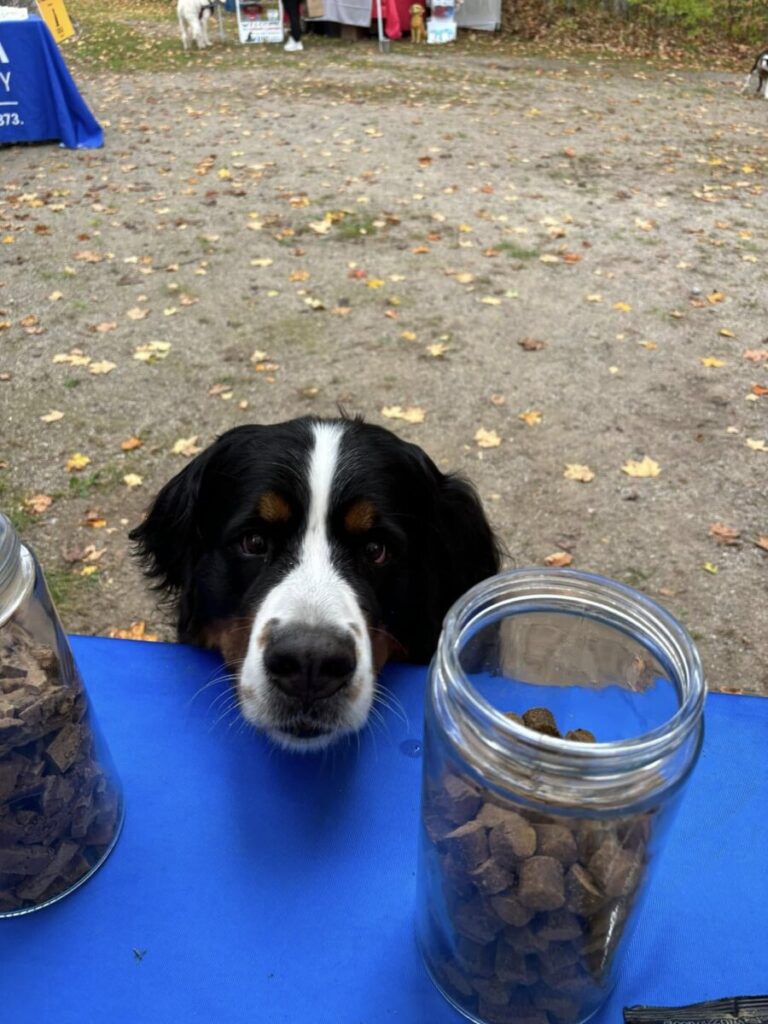
Barrie, ON (Oct. 1, 2025) – Get ready for barks, brews, and a howlin’ good time at Barrie Pet-Oberfest, a FUN-draising event presented by Barrie Subaru taking place on Saturday, Oct. 4 at Sunnidale Park to help animals in need.
Hosted by the Ontario SPCA Barrie Animal Centre, Pet-Oberfest runs from 11 a.m. to 3 p.m. Enjoy a brew at the Bark Bar, presented by Brud Bar, check out the Mutt Market vendor marketplace, presented by Brad’s Tree Service, or bid on items at the “pawction,” presented by Global Pet Foods. Visit can.givergy.com/BarriesPetOberfestPawction to get a sneak peek of the auction items and start your bidding! Auction closes at 2 p.m. onsite at Pet-Oberfest.
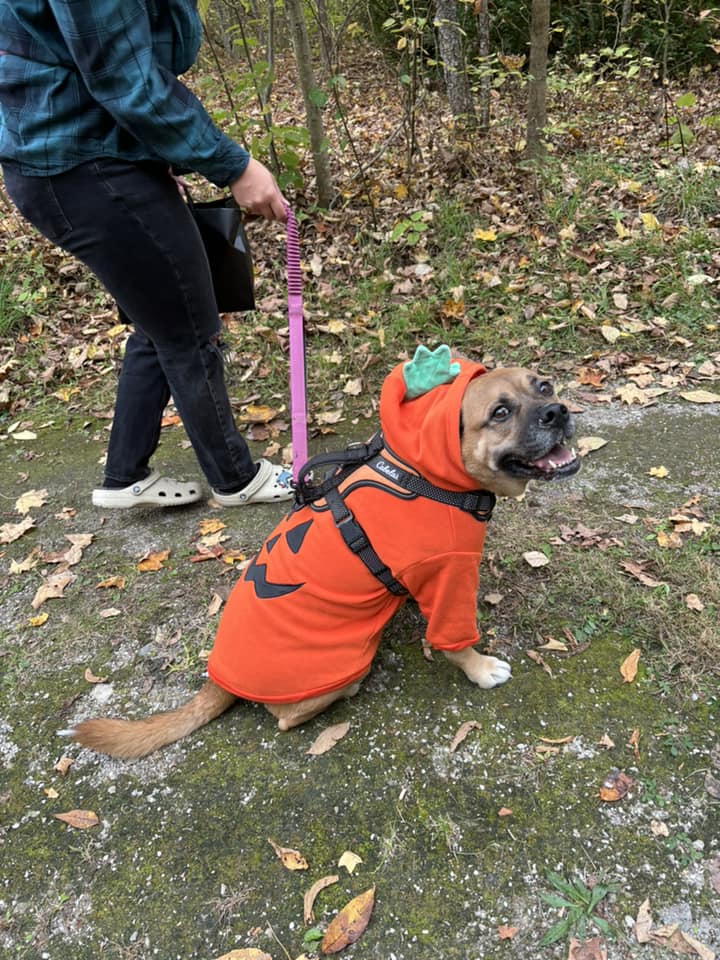
Bring your canine pals for a dog costume contest, or try your paw at the Paw-lympics, featuring K9 games and the ultimate woof warrior obstacle course. For dogs who like to sniff (we’re looking at you, beagles!), try the scent den, where dogs get a chance to find three hidden scents and earn a treat. There will also be food vendors at the event that will make you and your dog drool, including Barking Brew’s Brews & Chews, offering dog-friendly beer and dog treats.
“Pet-Oberfest is a chance for the community to come together, celebrate our love of animals, and make a real difference for furry friends who need us,” says Meghan Coish, Events Coordinator with the Ontario SPCA Barrie Animal Centre. “It’s going to be a day filled with fun, laughter, and wagging tails.”
Proceeds from Pet-Oberfest support the Ontario SPCA Barrie Animal Centre. As a registered charity that does not receive annual government funding, the Ontario SPCA depends on the generosity of donors to provide care and shelter to animals in need.
To learn more, visit ontariospca.ca/barrie
#
Media Contact
Megan Coish
Ontario SPCA Barrie Animal Centre
1-888-668-7722 x 430
[email protected]
The Ontario SPCA and Humane Society
The Ontario SPCA and Humane Society is a registered charity that has been changing the lives of animals for over 150 years. The Society provides care, comfort and compassion to animals in need in communities across Ontario. It values all animals and advocates to treat them with respect and kindness. The Society strives to keep pets and families together and does so through a variety of community support services, such as sheltering and adoptions, including emergency sheltering, feral cat management programs, animal transfers, food distribution, humane education, animal advocacy, and spay/neuter services.
The Ontario SPCA does not receive annual government funding and relies on donations to provide programs and services to help animals in need. To learn more, or to donate, visit ontariospca.ca. Charitable Business # 88969-1044-RR0002.
The Ontario SPCA Barrie Animal Centre is situated on the traditional land of the Anishnaabeg people. The Anishinaabeg include the Ojibwe, Odawa, and Pottawatomi nations, collectively known as the Three Fires Confederacy.
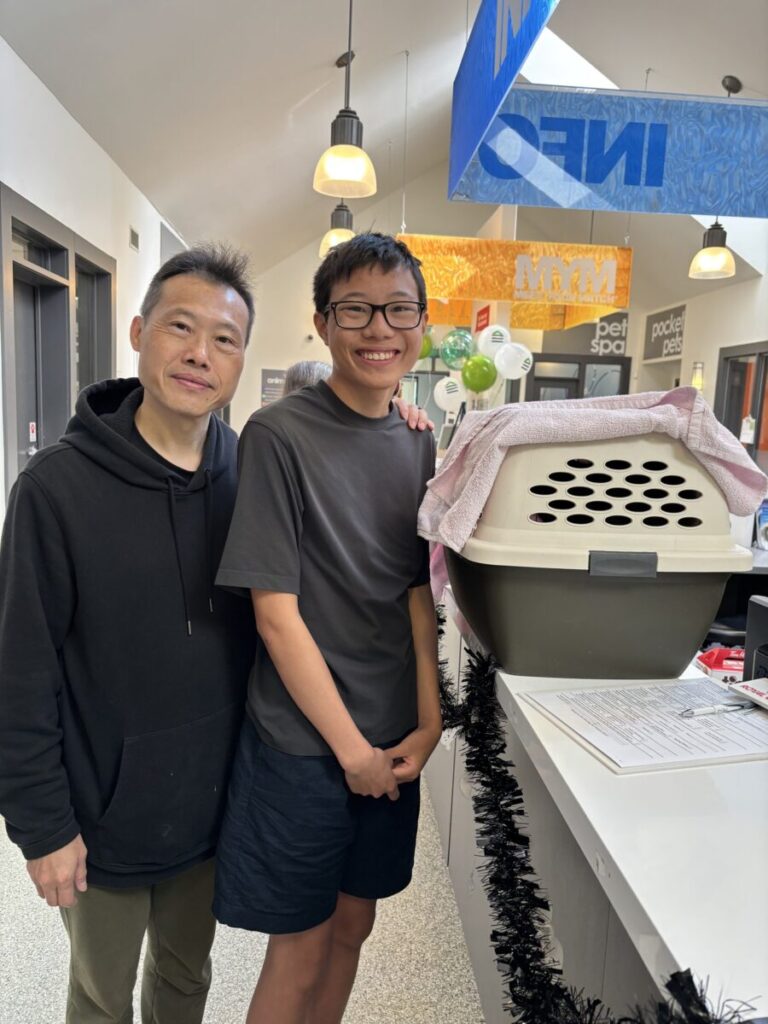
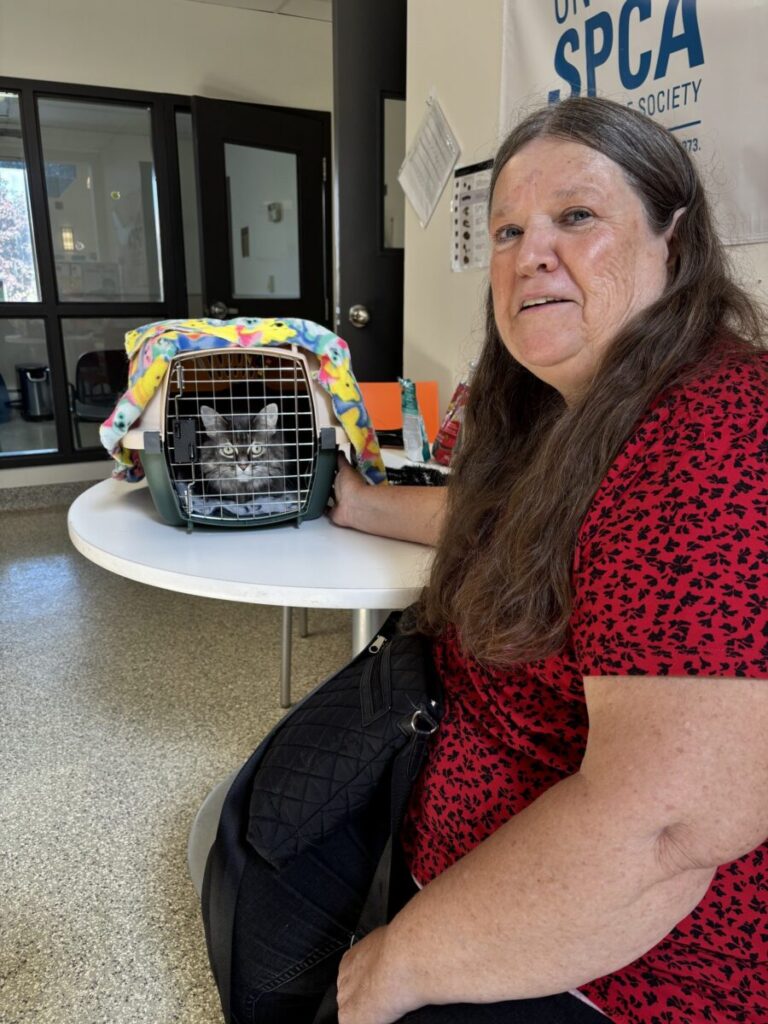
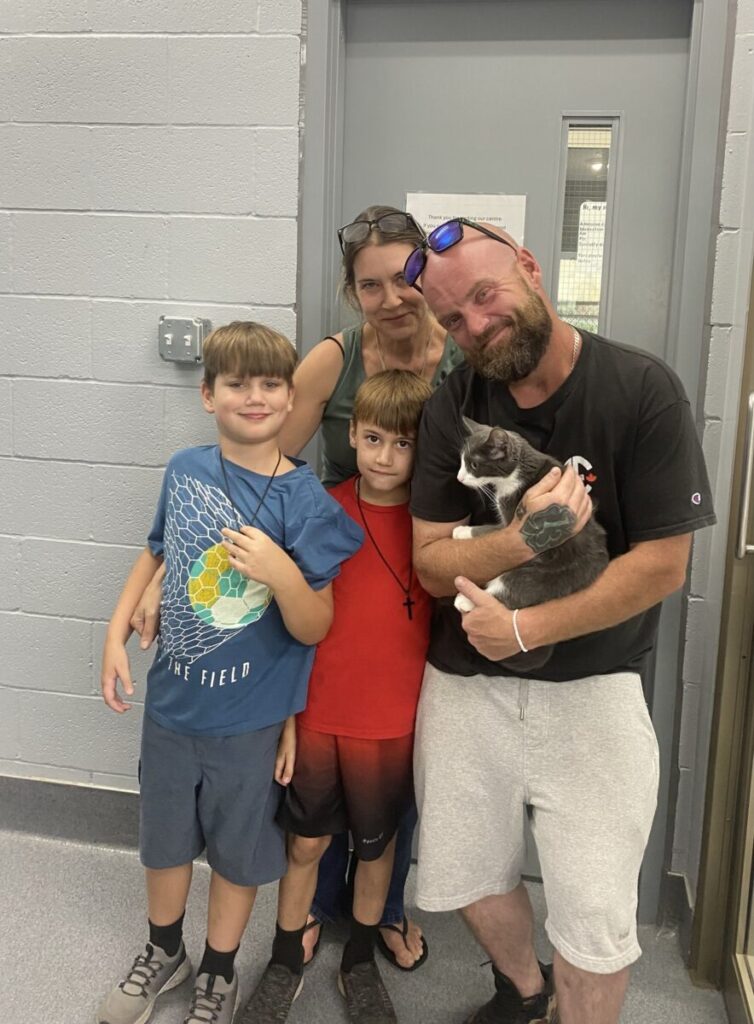
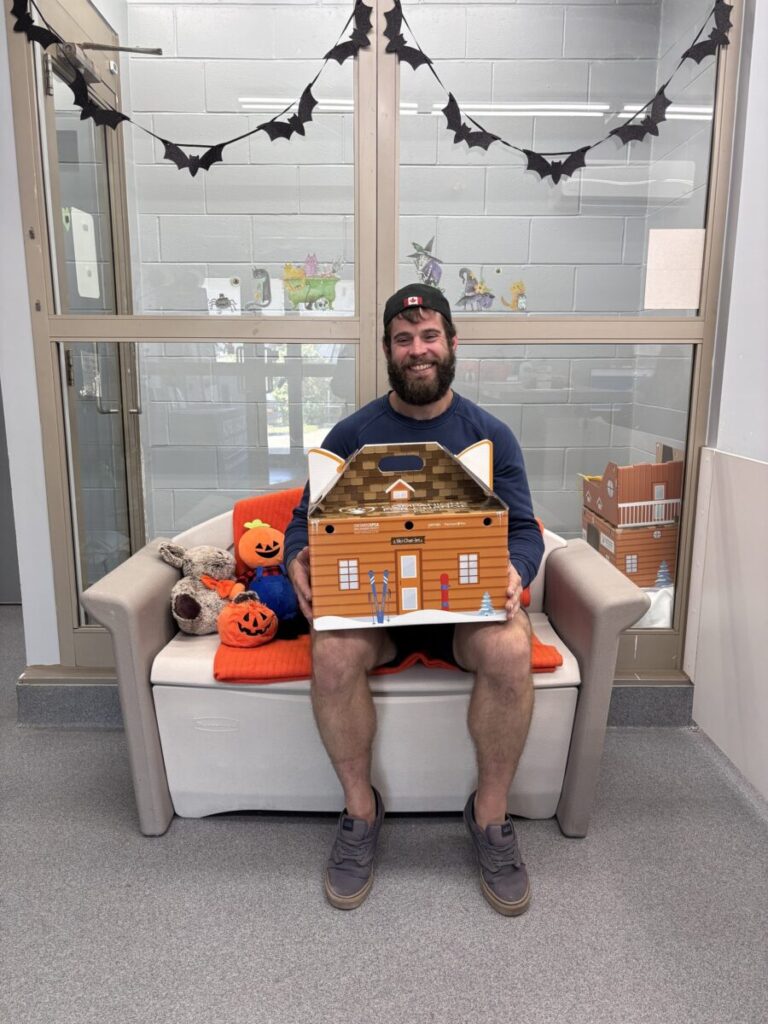
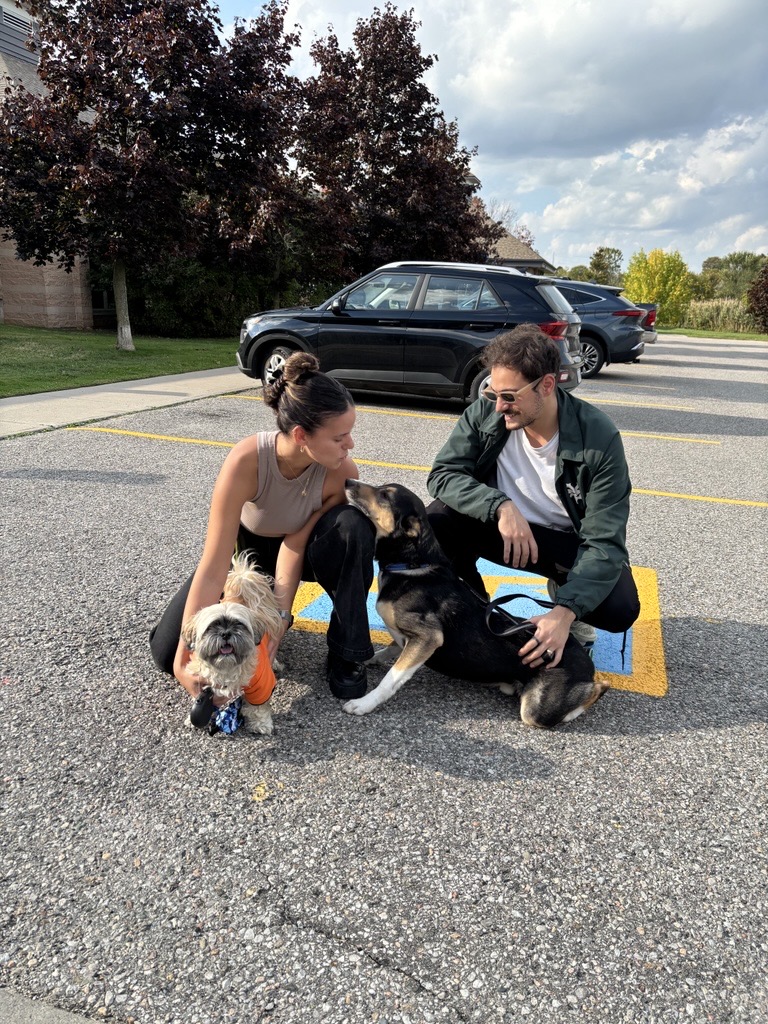
The Ontario SPCA and Humane Society is thrilled to share the success of our recent iAdopt: Furever Homes adoption event, held Sept. 26-28, thanks to the incredible support of HomeEquity Bank.
Over the course of three days, we witnessed the power of community, compassion, and connection as a total of 123 animals found their happily-ever-afters! Each adoption represents not just a new beginning for the animals, but also a deep, meaningful bond for their new families.
By reducing adoption fees by 20% and waiving fees for senior pets, HomeEquity Bank helped more animals find loving homes. Senior pets, who are often overlooked, were the stars of this event. Their calm, steady personalities proved to be the perfect match for adopters seeking companionship, routine, and joy. Pets bring unconditional love and comfort to their adopters, and caring for an animal provides daily structure, boosts well-being, and reduces feelings of loneliness.
Beyond adoptions, the event was also about celebrating community. Families, volunteers, and supporters came together to give animals the second chance that they deserve.
We extend a warm thank you to Kurt Browning, World Figure Skating Champion and proud animal lover, who made a special guest appearance at our Ontario SPCA York Region Animal Centre on Sunday, Sept. 28 to meet adopters and help shine a spotlight on the many animals waiting to find their match. With every tail wag, purr, and happy adoption, the spirit of iAdopt shone through.
If you couldn’t attend this event, there are still many animals across Ontario waiting for loving homes. Visit ontariospca.ca/adopt or visit your local animal centre to meet them.
Not ready to adopt? Consider fostering! Providing a temporary home for an animal in need is another rewarding way to change a life – for the animal, and for you! Learn more about becoming a foster volunteer.
Thanks to your support, iAdopt: Furever Homes was a heartwarming success. Together, we made a difference one adoption at a time.

IMMEDIATE RELEASE
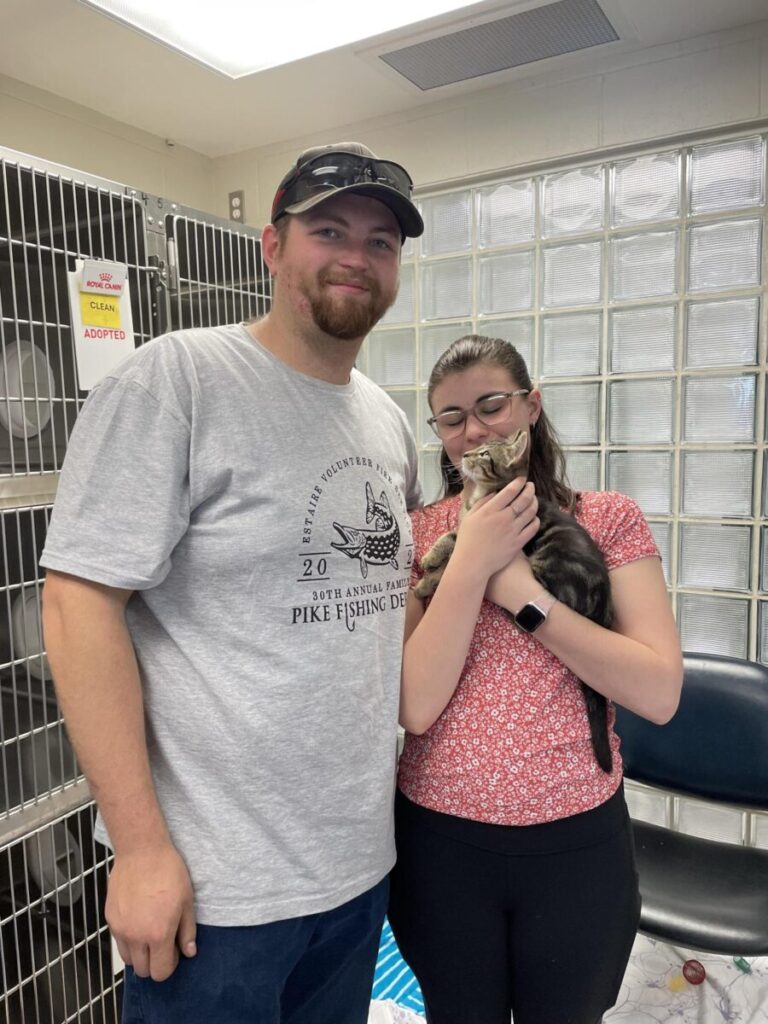
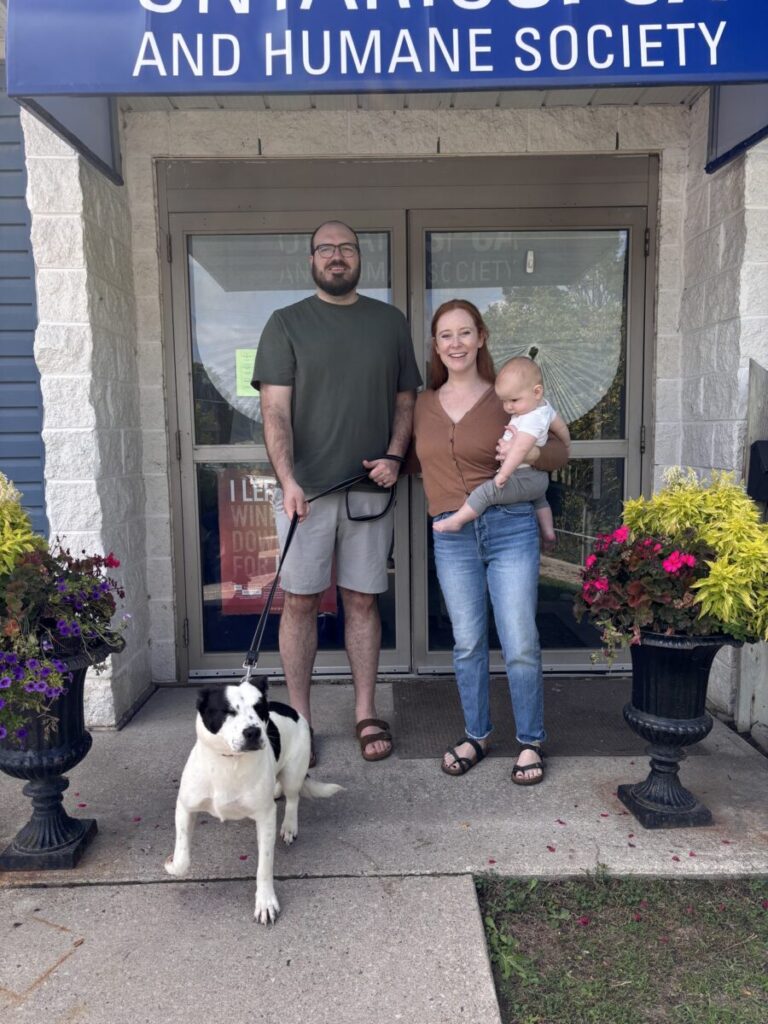
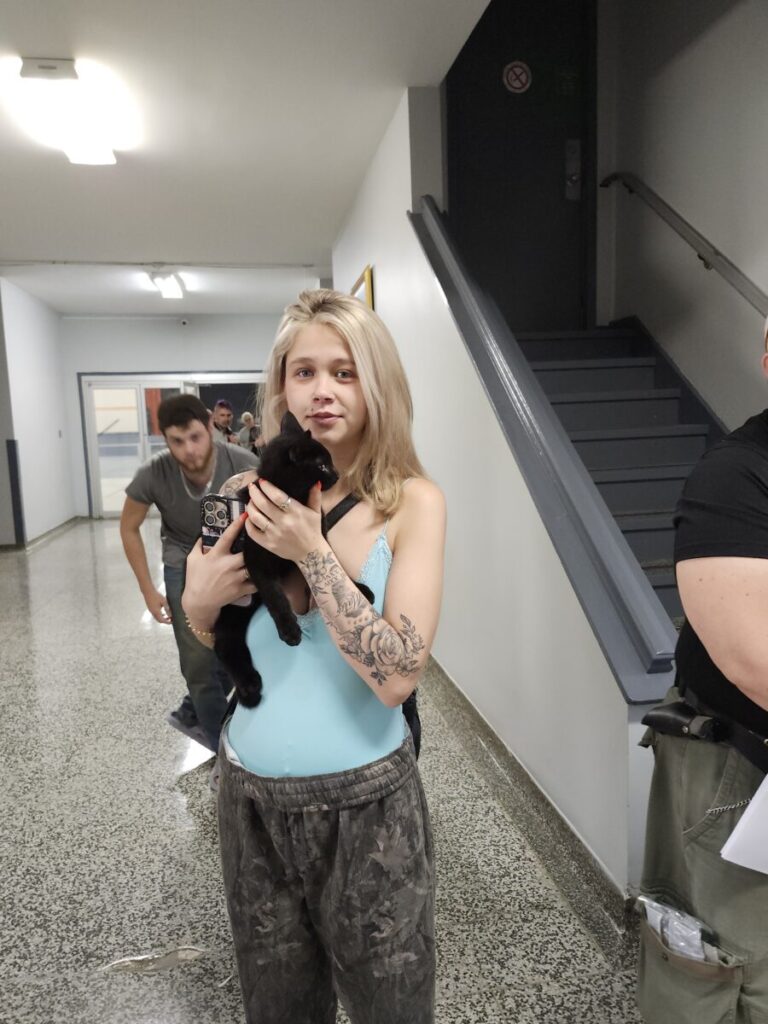
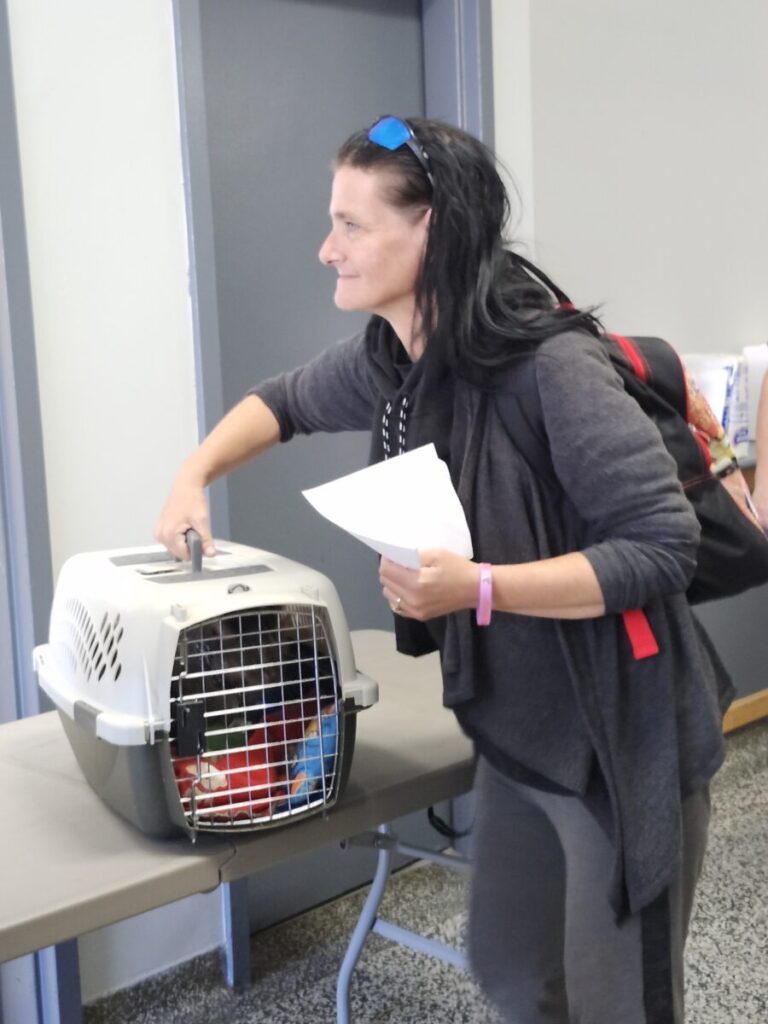
Cornwall, ON (Sept. 29, 2025) – To mark World Rabies Day and help protect the community, the Ontario SPCA and Humane Society held a vaccination clinic in Cornwall yesterday where it vaccinated 65 cats.
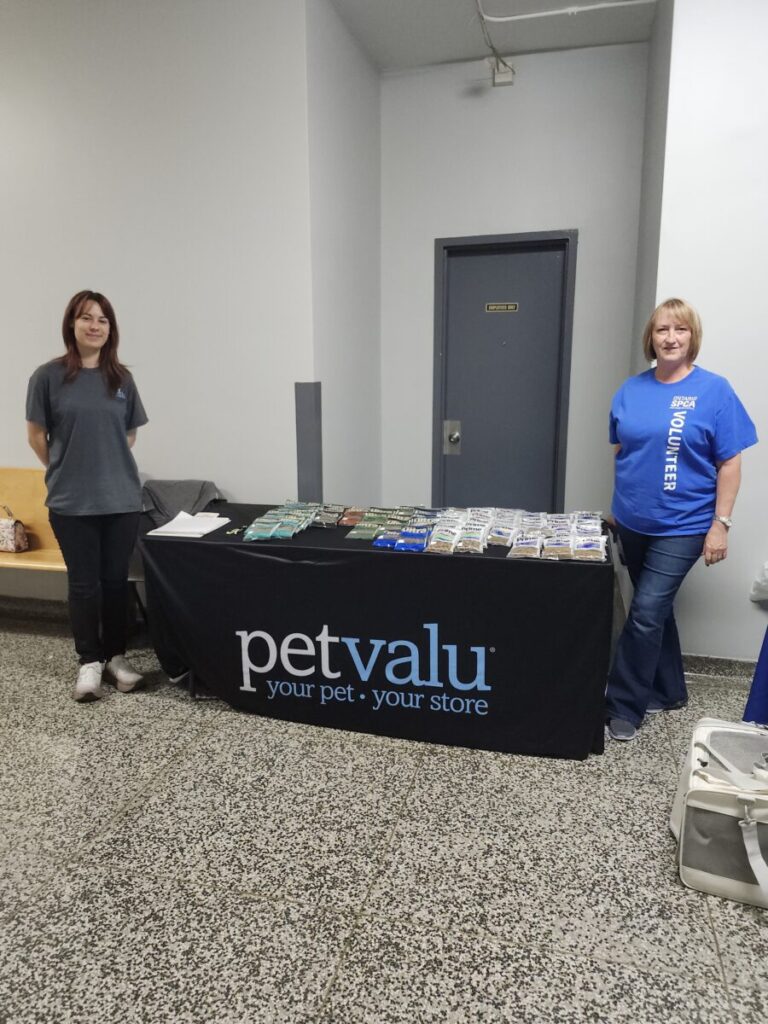
Sponsored by Pet Valu’s Companions for Change™ program and supported by Boehringer Ingelheim, the clinic provided free wellness resources and core vaccinations for cats to assist families who may otherwise face barriers to veterinary care.
Attendees also had access to vital outreach services. A total of 3,200 lbs of pet food, as well as pet care supplies, was distributed at the event, which was held at the Agora Catholic Centre/Nativity Bowling Alley in Cornwall, ensuring that animals are not only protected, but also supported with the essentials they need to thrive.
The event took place on World Rabies Day, an initiative in partnership with Veterinarians Without Borders North America/Vétérinaires Sans Frontières Amerique du Nord (VWB/VSF). Cats at the clinic received the rabies vaccine to protect them against the deadly disease.
“Rabies is a deadly but preventable disease, and vaccinations are the best way to protect our pets and our communities,” says Bonnie Bishop, Eastern Regional Manager of Community Outreach Services, Ontario SPCA and Humane Society. “By hosting this clinic on World Rabies Day, we’re helping to ensure that families facing barriers to care can keep their cats healthy and safe.”
Each year, Sept. 28 marks World Rabies Day – a time dedicated to raising awareness about ending the fatal zoonotic disease across the globe, including right here in Canada. This is a global movement aimed at supporting the World Health Organization’s “Zero by 30,” which is a global goal to eliminate human deaths caused by rabies transmitted by dogs by the year 2030.
For more information on the Ontario SPCA’s mobile animal wellness services, visit ontariospca.ca/mobileservices

##
Media Contact
Arianne Kirkey
Community Outreach Coordinator,
Ontario SPCA Stormont, Dundas & Glengarry Animal Centre
(613) 937-7622
[email protected]
The Ontario SPCA and Humane Society
The Ontario SPCA and Humane Society is a registered charity that has been changing the lives of animals for over 150 years. The Society provides care, comfort and compassion to animals in need in communities across Ontario. It values all animals and advocates to treat them with respect and kindness. The Society strives to keep pets and families together and does so through a variety of community support services, such as sheltering and adoptions, including emergency sheltering, feral cat management programs, animal transfers, food distribution, humane education, animal advocacy, and spay/neuter services.
The Ontario SPCA does not receive annual government funding and relies on donations to provide programs and services to help animals in need. To learn more, or to donate, visit ontariospca.ca. Charitable Business # 88969-1044-RR0002.
The Ontario SPCA Stormont Dundas & Glengarry Animal Centre is located on the lands of the Akwesasne Mohawks and their ancestors. We also acknowledge the Algonquin, Haudenosaunee (Ho-den-oshow-nee) (Iroquois), Huron-Wendat (huron-wen·dat), and Abenaki who are neighbours and partners to the Akwesasne Mohawk.
About VWB/VSF
Founded in 2005, Veterinarians Without Borders North America / Vétérinaires Sans Frontières Amérique du Nord (VWB/VSF) is a non-profit, charitable organization dedicated to improving community health through enhanced animal health. Using a “One Health” approach, we work with diverse partners to strengthen community-centered animal health systems, directly benefiting the people and environments that rely on them. As the North American affiliate of VSF International, VWB/VSF operates independently, with ongoing programs in Africa, Asia, Northern Canada, and Europe. Our efforts focus on disease prevention, sustainable livelihoods, equitable access to resources, capacity building, and humanitarian relief, reaching over 1 million people annually. Learn more: www.vwb.org.
IMMEDIATE RELEASE
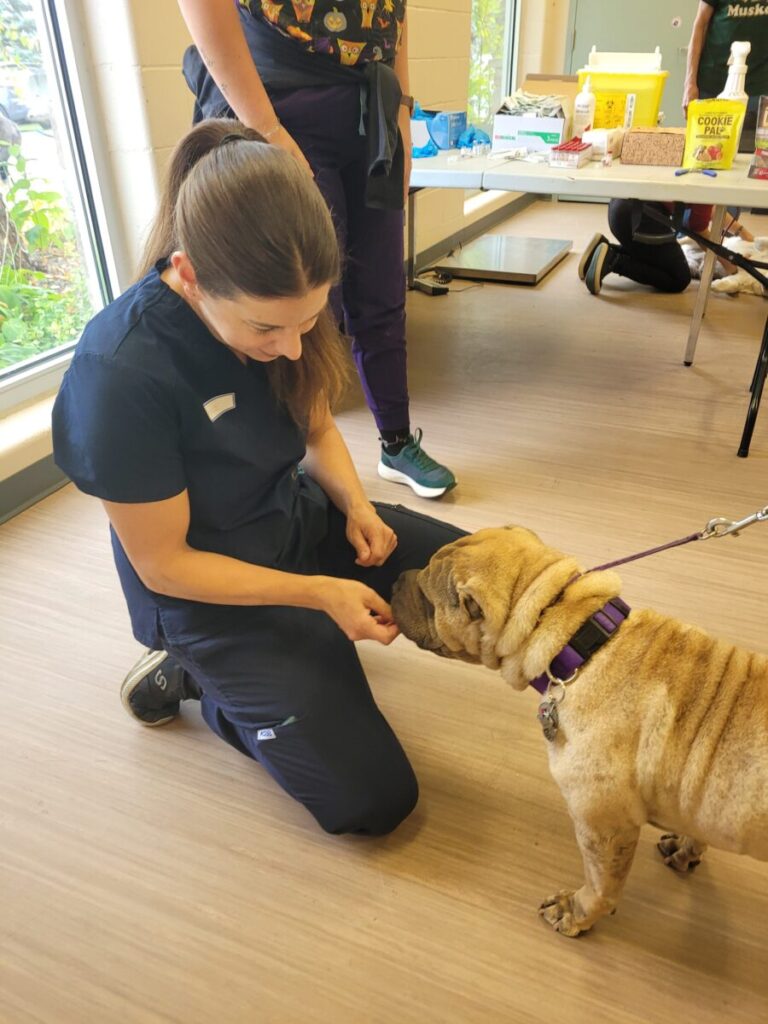
Bracebridge, ON (Sept. 29, 2025) – To mark World Rabies Day and help protect the community, the Ontario SPCA and Humane Society and Veterinarians Without Borders North America/Vétérinaires Sans Frontières Amerique du Nord (VWB/VSF) held a vaccination clinic in Bracebridge, protecting 15 dogs against the deadly disease.
Held at the Ontario SPCA Muskoka Animal Centre on Sept. 27, the clinic provided core vaccines and free rabies vaccines to dogs to assist families who may otherwise face barriers to veterinary care. Rabies vaccinations for this clinic are donated by VWB/VSF, made possible through generous financial support from Merck Animal Health.
“Rabies is a fatal disease, but it’s one we can prevent. Vaccinating our pets is the most effective way to keep both animals and people safe,” says Victoria Hiorth, Central Regional Manager of Community Outreach Services, Ontario SPCA and Humane Society. “By offering this clinic to mark World Rabies Day, we’re making it easier for families who may otherwise face challenges to protect their animals and give them the healthy lives they deserve.”
Each year, Sept. 28 marks World Rabies Day – a time dedicated to raising awareness about ending the fatal zoonotic disease across the globe, including right here in Canada. This is a global movement aimed at supporting the World Health Organization’s “Zero by 30,” which is a global goal to eliminate human deaths caused by rabies transmitted by dogs by the year 2030. VWB/VSF provides rabies vaccinations to participating clinics, along with volunteer veterinary and administration staff.
For more information on the Ontario SPCA’s mobile animal wellness services, visit ontariospca.ca/mobileservices


##
Media Contact
Media Relations
Ontario SPCA and Humane Society
905-898-7122 x 375
The Ontario SPCA and Humane Society
The Ontario SPCA and Humane Society is a registered charity that has been changing the lives of animals for over 150 years. The Society provides care, comfort and compassion to animals in need in communities across Ontario. It values all animals and advocates to treat them with respect and kindness. The Society strives to keep pets and families together and does so through a variety of community support services, such as sheltering and adoptions, including emergency sheltering, feral cat management programs, animal transfers, food distribution, humane education, animal advocacy, and spay/neuter services.
The Ontario SPCA does not receive annual government funding and relies on donations to provide programs and services to help animals in need. To learn more, or to donate, visit ontariospca.ca. Charitable Business # 88969-1044-RR0002.
The Ontario SPCA Muskoka Animal Centre serves communities situated on the traditional territory of the Anishinaabeg, which includes the Ojibwe, Odawa, and Potawatomi Nations, collectively known as the Three Fires Confederacy. The Huron-Wendat and the Haudenosaunee Nations have also walked on this territory over time. Today Muskoka is home to three sovereign nations: Wahta Mohawks First Nations, Moose Deer Point First Nation and the Moon River Métis. These lands are covered by the Williams Treaty (of 1923), the Robinson Huron Treaty of 1850 and the J. Collins land purchase (of 1785).
About VWB/VSF
Founded in 2005, Veterinarians Without Borders North America / Vétérinaires Sans Frontières Amérique du Nord (VWB/VSF) is a non-profit, charitable organization dedicated to improving community health through enhanced animal health. Using a “One Health” approach, we work with diverse partners to strengthen community-centered animal health systems, directly benefiting the people and environments that rely on them. As the North American affiliate of VSF International, VWB/VSF operates independently, with ongoing programs in Africa, Asia, Northern Canada, and Europe. Our efforts focus on disease prevention, sustainable livelihoods, equitable access to resources, capacity building, and humanitarian relief, reaching over 1 million people annually. Learn more: www.vwb.org.
Get ready for your chance to win big while making a difference for animals in need! The Ontario SPCA and Humane Society is excited to announce its Fall Draws for Paws 50/50 Lottery, where there’s a guaranteed jackpot of $75,000! With every ticket sold, the jackpot grows.
The Grand Prize draw takes place on Nov. 7, when one lucky winner will walk away with a life-changing amount of money. Our last winner took home over $127,000!
Not only do you have the chance to win big, but every ticket you purchase supports animals in need across Ontario.
Why your ticket matters
The Draws for Paws 50/50 Lottery is more than just an exciting opportunity to win; it’s also a way to give back. Funds raised go directly toward animal welfare initiatives that help vulnerable animals in communities across Ontario.
All proceeds support the Ontario SPCA’s Community Access to Resources, Education, and Support (CARES) Fund, which helps SPCAs and Humane Societies across the province fund critical animal welfare projects.
About the CARES Fund
The CARES Fund was created to strengthen animal welfare efforts across Ontario. Through this fund, SPCAs and Humane Societies can access support for initiatives that truly make a difference, such as expanding access to veterinary care, offering community spay/neuter services and upgrading shelters to improve comfort and quality of life for animals
Every ticket purchased for the Fall Draws for Paws 50/50 Lottery helps grow the CARES Fund, ensuring more animals receive the care they deserve.
Learn more about the CARES Fund and our 2025 grant recipients.
Get your tickets today!
Don’t miss your chance to win big while helping animals in need. Visit ontariospcalottery.ca to purchase your tickets today!
Ticket prices are:
- $10 for 10 tickets
- $20 for 40 tickets
- $40 for 200 tickets
- $75 for 400 tickets
- $100 for 650 tickets
Every ticket increases your odds of winning with four exciting Early Bird draws plus the Grand Prize draw up for grabs. Follow @ontariospca and mark your calendar for Nov. 7 when the Grand Prize winner will be announced!
Together, we can make a life-changing impact for animals and the people who love them.

IMMEDIATE RELEASE
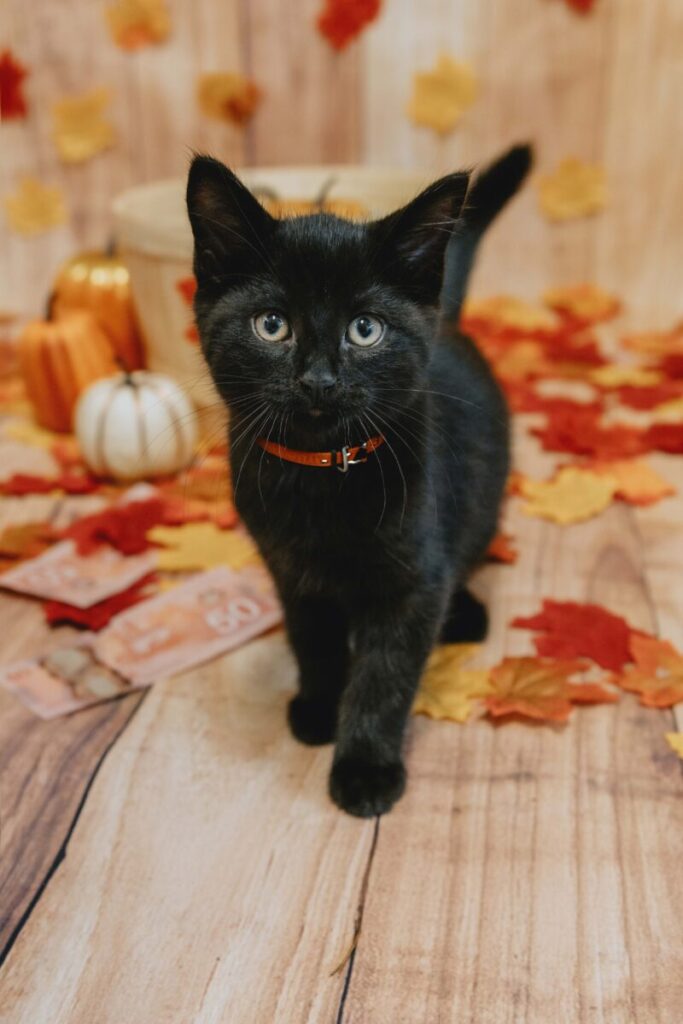
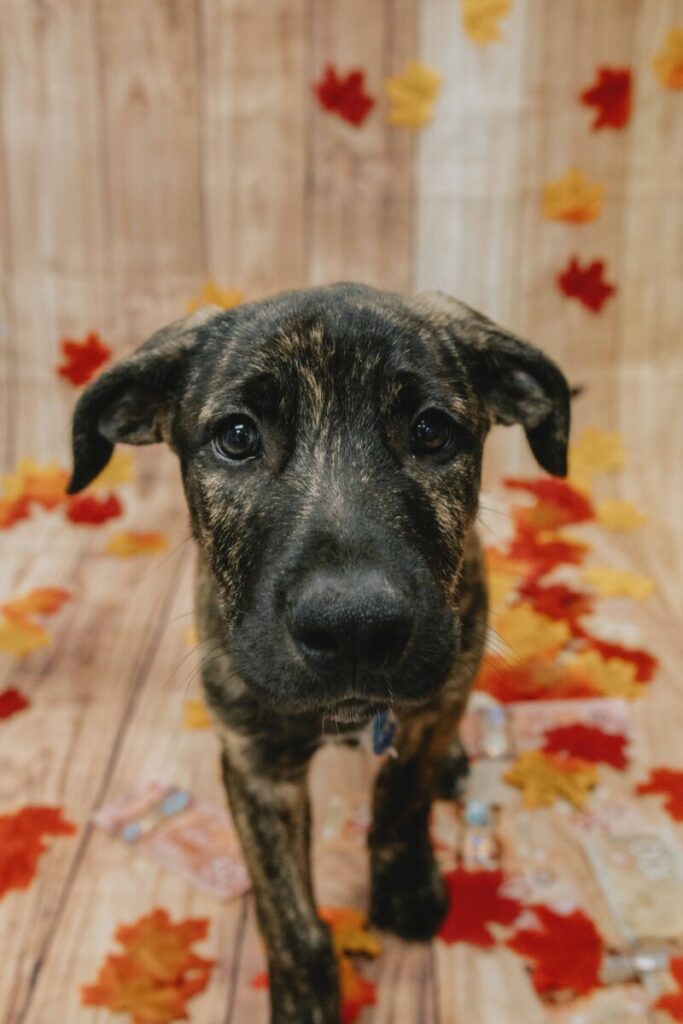
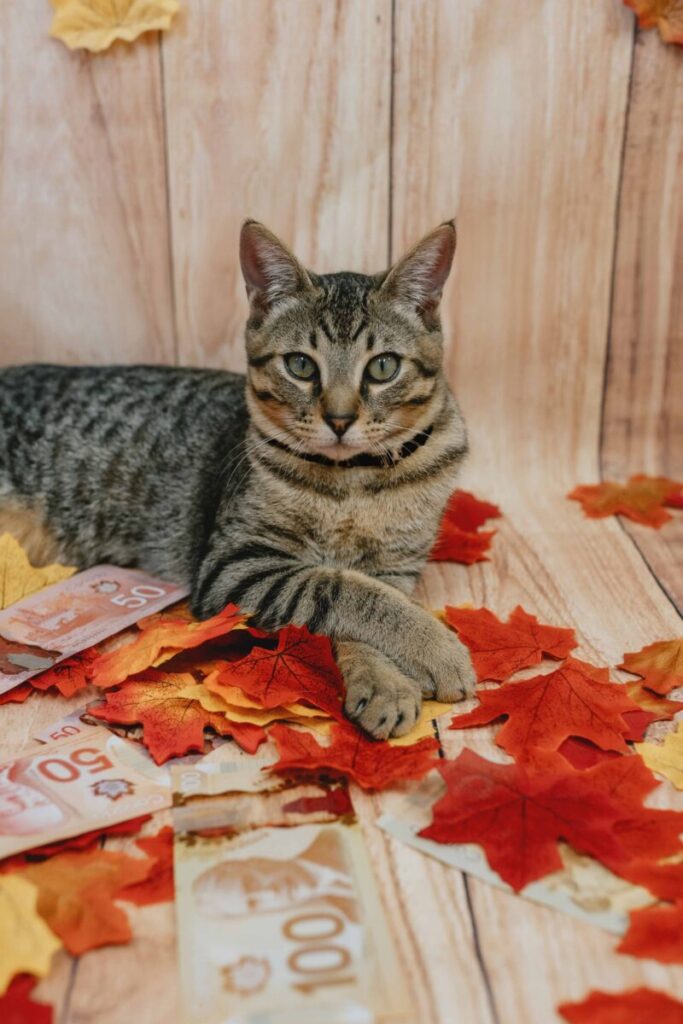
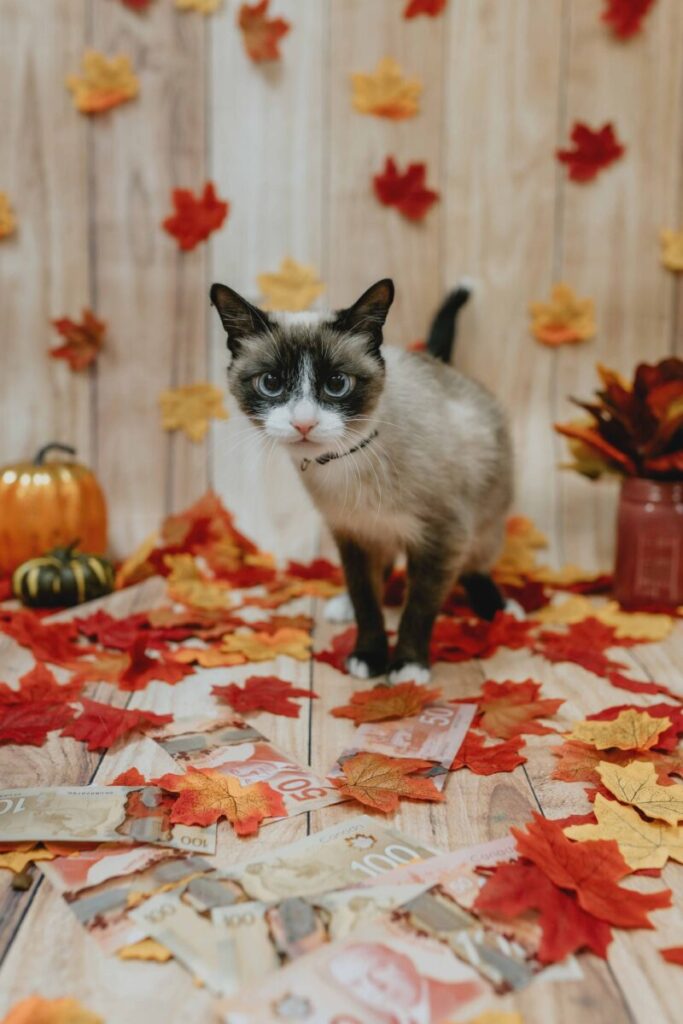
Stouffville, ON (Sept. 29, 2025) – The Ontario SPCA and Humane Society’s Draws for Paws 50/50 Lottery is back, giving you the chance to rake in the cash this fall while helping animals in need.
There is a guaranteed jackpot of $75,000 and with every ticket sold, the jackpot grows! The winner of the Ontario SPCA’s spring 50/50 lottery took home more than $127,000 – all for supporting a cause that’s close to the heart.
Get your paws on tickets early and you could fetch even more! There are four Early Bird prizes up for grabs, with draws taking place Oct. 9, 16 and 30 and Nov. 6. The Grand Prize draw takes place on Nov. 18 and you can get in on the action for as little as $10 for 10 tickets. Don’t miss your chance to win big and help animals get the care they deserve.
When you buy a ticket, you’re not just taking a chance at a life-changing prize, you’re helping give animals a second chance. Funds raised through the Draws for Paws 50/50 Lottery support the Ontario SPCA’s Community Access to Resources, Education, and Support (CARES) Fund – a new grant program that helps SPCAs and humane societies across Ontario. The CARES Fund provides financial support for initiatives that enhance animal welfare, including spay/neuter programs, veterinary care, and shelter improvements.
“This lottery is about more than just the excitement of winning,” says Stephanie Miller, Vice President of Development, Ontario SPCA and Humane Society. “Every ticket sold helps fund vital programs across the province that improve the lives of animals. Through your support of the Draws for Paws 50/50 Lottery, we’re able to extend support where it’s needed most and create lasting change for animals in our communities.”
Fetch your tickets today at ontariospcalottery.ca
Lottery License No: RAF1491380

##
MEDIA CONTACT
Media Relations
Ontario SPCA and Humane Society
905-898-7122 x 375
The Ontario SPCA and Humane Society
The Ontario SPCA and Humane Society is a registered charity that has been changing the lives of animals for over 150 years. The Society provides care, comfort and compassion to animals in need in communities across Ontario. It values all animals and advocates to treat them with respect and kindness. The Society strives to keep pets and families together and does so through a variety of community support services, such as sheltering and adoptions, including emergency sheltering, feral cat management programs, animal transfers, food distribution, humane education, animal advocacy, and spay/neuter services.
The Ontario SPCA does not receive annual government funding and relies on donations to provide programs and services to help animals in need. To learn more, or to donate, visit ontariospca.ca. Charitable Business # 88969-1044-RR0002.
The Ontario SPCA and Humane Society Provincial Office sits on the traditional territory of the Wendat, the Anishinabek Nation, the Haudenosaunee Confederacy, the Mississaugas of Scugog, Hiawatha and Alderville First Nations and the Métis Nation. This territory was the subject of the Dish With One Spoon Wampum Belt Covenant, an agreement between the Iroquois Confederacy and the Ojibwe and allied nations to peaceably share and care for the resources around the Great Lakes. The treaties that were signed for this particular parcel of land are collectively referred to as the Williams Treaties of 1923.
We’re so excited to officially welcome Julie Woods as the new manager of the Ontario SPCA Orangeville & District Animal Centre!
Julie steps into the role following Dawn Lyons, who managed the Orangeville & District Animal Centre for five years before moving into her new role as Provincial Operations Manager of Clinical Services with the Ontario SPCA and Humane Society.
Julie brings with her a lifelong love of animals, plus over 20 years of customer service and leadership experience. She’s worked in the pet industry before and is thrilled to combine her passion for animals with her new role.
A lifelong love of animals
“I’ve had pets since I was a kid. My family has always had all kinds of animals – some adopted, and some found us,” says Julie, who once dreamed of becoming a veterinarian. “It’s just so wonderful to work with animals again.”
Helping animals find loving homes
For Julie, one of the most rewarding parts of her job is working with her team to get to know each animal and help them find the perfect family. Her goal is to find loving homes for more than 650 animals this year – and the centre is well on its way, with nearly 400 adoptions already!
“I love seeing the different personalities of the cats and their playfulness, and spending time outside with our dogs is really fun,” Julie says. “Sometimes they come in a little shy, and within a couple of days of routine and attention from our caring staff and volunteers, they come around and win everyone over. That’s really special.”
Inspired by community support
Julie says she’s amazed by the kindness and generosity of the community who step up to help the animals at the centre.
“There’s just so much community support,” she says. “I’m blown away with how many people are fostering, volunteering and donating – not just monetary donations, but also supplies, bedding and other items that our centre needs to provide the best care possible for the animals.”
Life outside the animal centre
When Julie isn’t changing lives at the animal centre, she enjoys spending time with her husband, daughter, and their many four-legged (and finned!) family members on their farm in Belwood. The Woods family shares their life with three cats, a dog, a horse, and plenty of fish. They’re also about to open their home to a foster mom dog and her puppies to help prepare them for adoption.
“I think working at the Ontario SPCA has just given me more of a purpose,” says Julie. “I want to help people and animals find their match.”
Visit the Orangeville & District Animal Centre
Want to meet the incredible animals waiting for homes? Learn more about the Orangeville & District Animal Centre, and view animals available for adoption at ontariospca.ca/orangeville.
Follow us on Facebook and Instagram for news, updates, animals available for adoption, and care tips.
Want to help change the lives of animals in need? Join our team! Visit our website for a list of current employment opportunities.
Young puppies and kittens are adorable and playful – they also require a lot of time and training, and they are balls of energy. If this doesn’t sound like the right fit for your family, a senior furry family member may be for you! It is important to find an animal companion that is compatible with your lifestyle. The Ontario SPCA and Humane Society considers cats to be senior at 10 years old, and dogs are considered senior at the age of eight, but maturity does depend on breed and size.
Here’s why senior pets are awesome!
Senior maturity
- Younger animals are still in the process of learning, developing and growing. Senior furry friends are fully matured, meaning their temperaments and personalities have already been established.
- Senior animals give you a better sense of their personality and needs, as well as how compatible the two of you will be!
Cool as a cucumber
- Most senior furballs tend to be calmer and more laidback, which is why they often do well in houses with young children or first-time pet parents.
- Exercise is still very important for senior animals, but they do not have as much energy as their younger counterparts.
Old dog, new tricks
- Senior dogs tend to have longer attention spans compared to younger dogs, which make them easier to train.
- Your senior dog will likely already be housebroken and familiar with basic training and household etiquette.
- It is also likely they have already spent time socializing around humans and other animals.
Another reason why you should consider adopting a senior animal companion is because they are often overlooked and tend to stay in shelters longer. Many people who have chosen to adopt an older dog or cat will tell you that senior furry family members seem to understand the second chance you are giving them and form a special bond with their new family.
Ready to adopt? Visit ontariospca.ca/adopt to view our animals currently available for adoption.
Visit our blog to read some heartwarming senior adoption stories!
As a registered charity that does not receive annual government funding, the Ontario SPCA and Humane Society depends on the generosity of donors to change the lives of animals in need. If this information was helpful, please help us continue to educate about pet health and well-being by making a donation.
Whether you’re picking up essentials or treating your furry friend to some new toys, a trip to the pet store can be an enjoyable outing for both you and your companion. However, there are a few things to consider before leashing up your pup and heading out the door. Here are some tips to ensure a smooth visit!
Consider your animal’s personality
Before leashing up your furry friend and heading out the door, take a moment to consider their temperament and behaviour. Not all animals are suited for the bustling environment of a pet store. If your furry companion becomes anxious or agitated in crowded places, it may be best to leave them at home in a safe and comfortable environment.
Ensure vaccinations are up to date
The health and safety of all animals should be a top priority when visiting public spaces like pet stores. Before bringing your dog along, ensure they are up to date on all necessary vaccinations. This helps protect them from potential illnesses and prevents the spread of disease to other animals.
Use proper equipment
Once you’ve determined that your four-legged friend is ready for a trip to the store, make sure they are properly managed for the journey. Dogs should always be kept on a leash to prevent them from wandering off or getting into trouble. You can imagine the temptation! Additionally, consider using a secure animal carrier for smaller animals like cats or small dogs to keep them safe and contained during the outing.
Plan for bathroom breaks
Before entering the pet store, take your animal for a bathroom break to minimize the risk of accidents indoors. Even if they are fully house-trained, the excitement of a new environment can sometimes cause them to forget their manners. By allowing your furry friend to relieve themselves beforehand, you can help prevent any embarrassing mishaps while browsing the aisles. If an accident does occur while browsing, clean it up immediately and notify store staff for assistance.
Be Mindful of other animals and people
While exploring the store, be considerate of other shoppers and their animals. Keep a safe distance to avoid potential conflicts or confrontations. If your furry companion is prone to excitement or overstimulation, consider visiting during off-peak hours when the store is less crowded.
Supervise your animal at all times
It’s essential to keep a close eye on your animal throughout your visit to the pet store. Supervision helps prevent them from getting into mischief or causing disruptions. Stay attentive to their behavior and be prepared to intervene if necessary to ensure a positive experience for everyone involved.
Reward good behaviour
During your trip to the pet store, take the opportunity to reinforce good behavior with positive reinforcement. Reward your furry friend for staying calm, following commands, and interacting politely with other animals and people. This helps create a positive association with the pet store and encourages your animal to behave well on future visits. Learn more about positive reinforcement training.
By following these tips, you can make trips to the pet store enjoyable and stress-free for both you and your furry companion.